Most people start seeing noticeable strength changes within the first 2 to 4 weeks of consistent training, but actual measurable muscle growth (real hypertrophy you can see and feel) typically takes 8 to 12 weeks at minimum, and meaningful physique changes usually show up between 3 and 6 months. Beginners get there faster than intermediate or advanced lifters, and older adults follow a slightly slower curve but absolutely get there. The speed depends almost entirely on how well you handle three things: training stimulus, nutrition, and recovery.
How Many Months to Grow Muscle A Realistic Timeline

Marcus Kellerman
3 May 2026
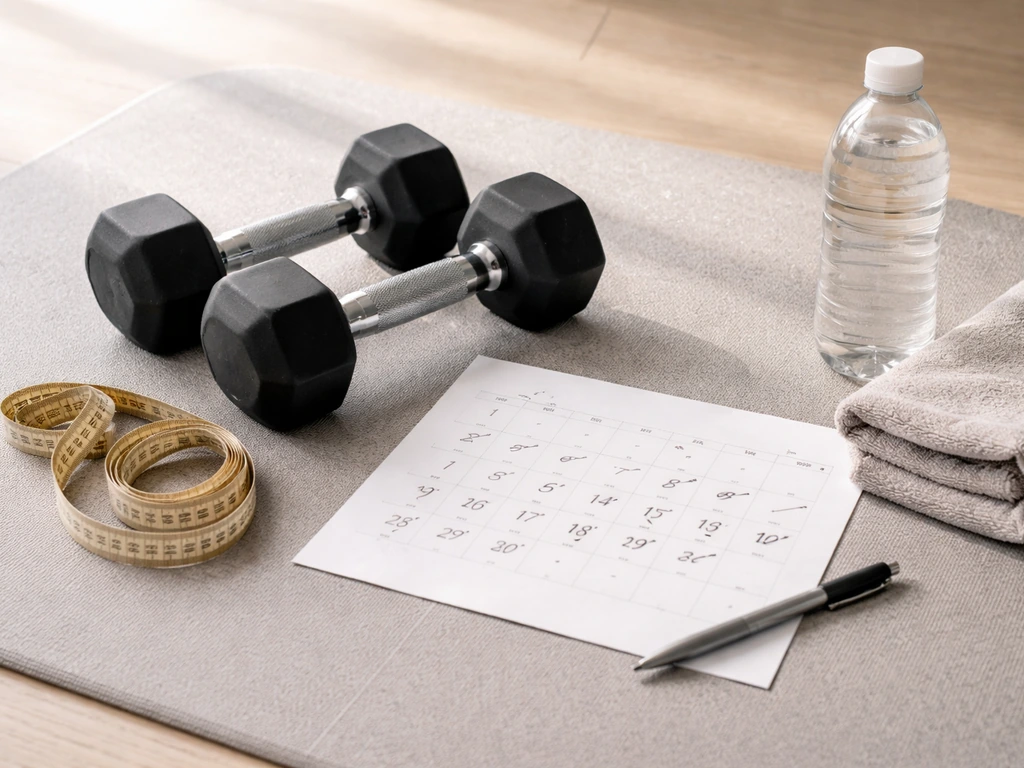
The real muscle-growth timeline: weeks to months
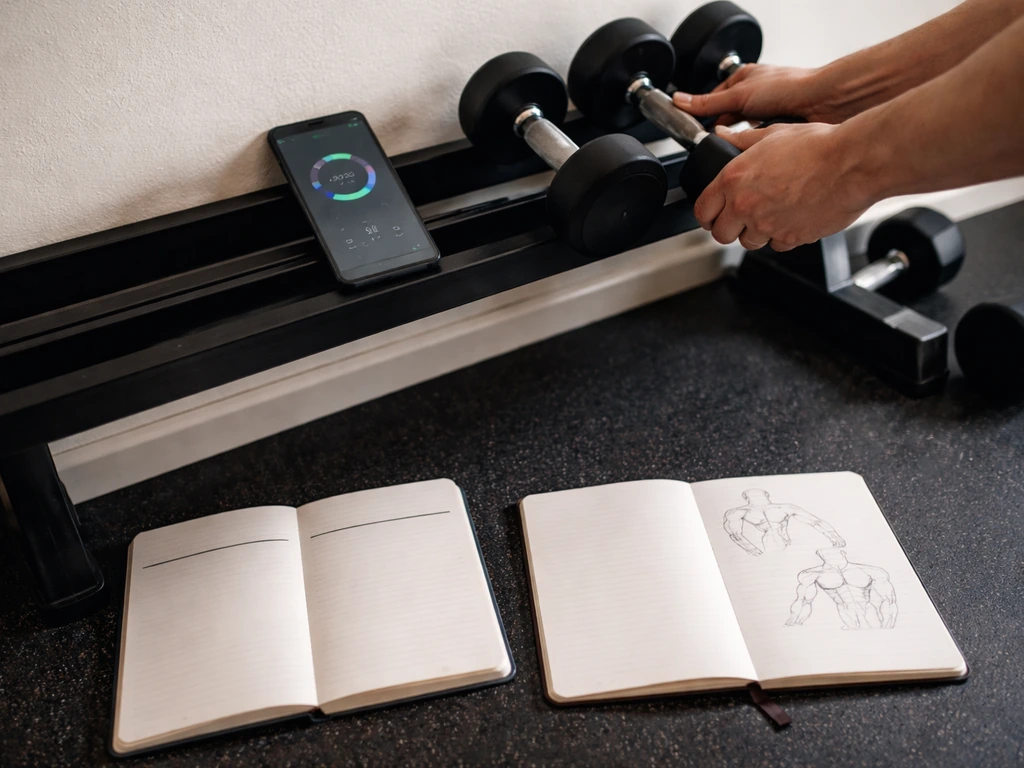
Here's how the timeline tends to unfold from the first session onward. It's not a straight line, and the early gains can fool you into thinking you're building more muscle than you actually are.
| Timeframe | What's Actually Happening | What You Notice |
|---|---|---|
| Weeks 1–2 | Neural adaptations, motor unit recruitment improving | Strength up, maybe some pump, little actual muscle growth |
| Weeks 3–4 | Glycogen storage increases, some early protein synthesis uptick | Looking slightly fuller, lifts feeling more coordinated |
| Weeks 5–8 | Early hypertrophy begins, muscle fiber cross-sections starting to grow | Moderate strength gains, slight visible change in trained muscles |
| Months 3–4 | Measurable hypertrophy detectable with imaging; physique change visible | Clothes fit differently, arms/legs noticeably more developed |
| Months 5–6+ | Accumulated volume driving meaningful mass changes | Clear before/after difference; others start noticing |
| 6–12+ months | Intermediate phase; slower gains but compounding | Significant body composition shift if training and nutrition are dialed |
The first few weeks feel productive because they are, just not for the reason you think. Strength goes up fast because your nervous system gets more efficient at recruiting muscle fibers. Your muscles also store more glycogen (the fuel packed inside muscle tissue), which makes them look and feel fuller. None of that is new muscle tissue, but it sets the table for real hypertrophy. The actual structural changes in muscle fiber size start showing up reliably around weeks 6 to 8 with consistent training, and become clearly measurable by the 12-week mark for most people.
"Seeing results" vs actually building muscle: not the same thing
This distinction matters a lot because it affects how you interpret your early progress. Looking bigger in the first month is real, but it's mostly water, glycogen, and improved muscle activation, not added tissue. If you're wondering how much muscle you can grow in a month, the likely answer is much closer to measurable early hypertrophy than instant, dramatic changes. Real hypertrophy means your muscle fibers have physically gotten larger in cross-sectional area, something only detectable with imaging (ultrasound, MRI) or reliable measurements over time.
In practice, you can track progress without an MRI. Body measurements (arms, chest, thighs), strength on key lifts, progress photos every 4 weeks, and how clothes fit are all useful proxies. If your squat and bench are climbing, your protein is dialed in, and you're recovering well, trust that muscle is being built even when the mirror hasn't updated yet. The physique lags behind the physiology by a few weeks.
One thing worth saying directly: soreness is not a reliable marker of muscle growth. You can build muscle without being sore, and being extremely sore doesn't mean you built more. Soreness reflects novelty and mechanical stress on connective tissue, not hypertrophy signal strength. Don't chase soreness as a metric.
What actually determines how fast you build muscle
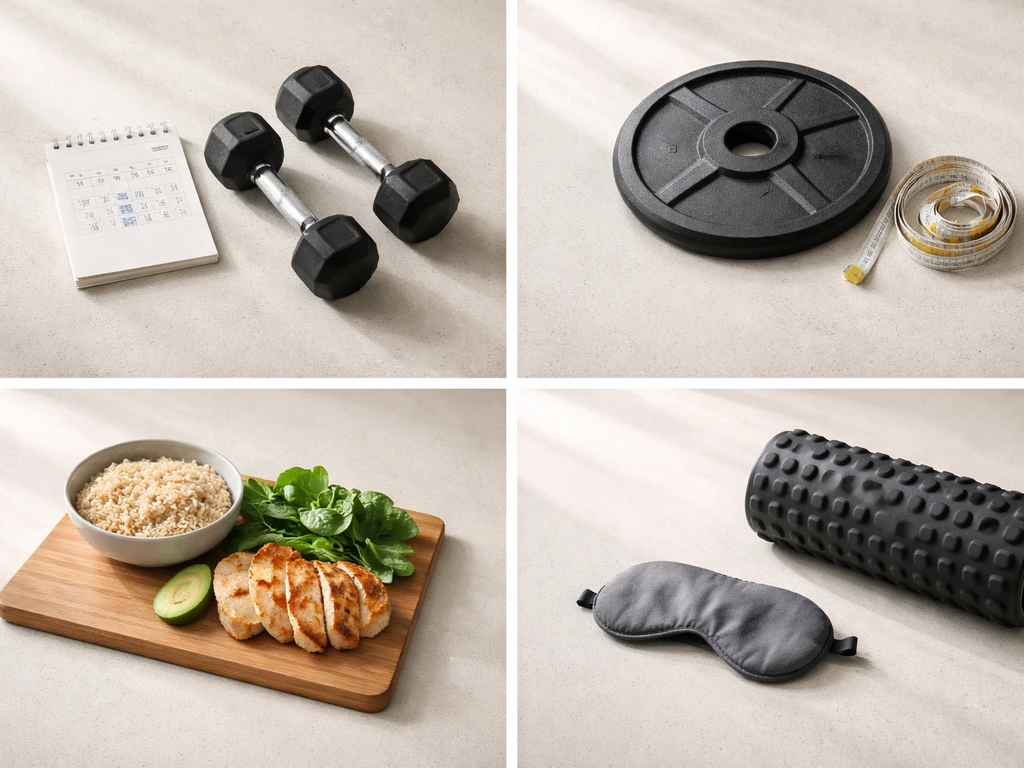
The gap between someone gaining 10 lbs of muscle in a year and someone gaining 3 lbs in the same period almost always comes down to four factors, none of which are surprising, but the details matter.
Training consistency and stimulus
Hitting each muscle group at least twice per week is the baseline, which aligns with ACSM's 2026 resistance training guidelines. Missing sessions, doing the same weight for the same reps week after week, or under-stimulating muscle groups all slow the timeline significantly. Muscle grows when it's forced to adapt, and it only adapts when the training stimulus progressively increases.
Nutrition quality and quantity
You cannot out-train a significant calorie deficit if muscle gain is the goal. Protein intake is the most critical nutrition variable for the timeline. Eating below your calorie needs blunts protein synthesis even when protein intake looks adequate on paper.
Recovery and sleep
Muscle isn't built in the gym; it's built while you rest. Inadequate sleep or accumulating too much fatigue without strategic recovery slows adaptation and can stall progress entirely. Chronic underrecovery (overtraining syndrome) can cause performance to decline for weeks or months. This PMC review explains that blank" rel="noopener noreferrer">overtraining syndrome is defined by performance decrements lasting longer than about 2 to 3 months and includes additional symptom criteria. Chronic overtraining syndrome can involve performance decrements that persist for weeks to months, which helps distinguish it from shorter periods of overreaching blank" rel="noopener noreferrer">performance to decline for weeks or months.
Genetics, age, and training history
These are real variables but not excuses. Genetics influence your ceiling and how quickly you respond to training. Age matters: older adults can and do build muscle, but the initial hypertrophy response can be slower, and some research using ultrasound-based measurement has found minimal hypertrophy in older individuals during short (6-week) training windows. The practical takeaway is that older adults often need more time, more protein, and slightly higher training volumes to see the same adaptation as younger lifters, but the adaptation absolutely happens.
How to structure your training to grow faster
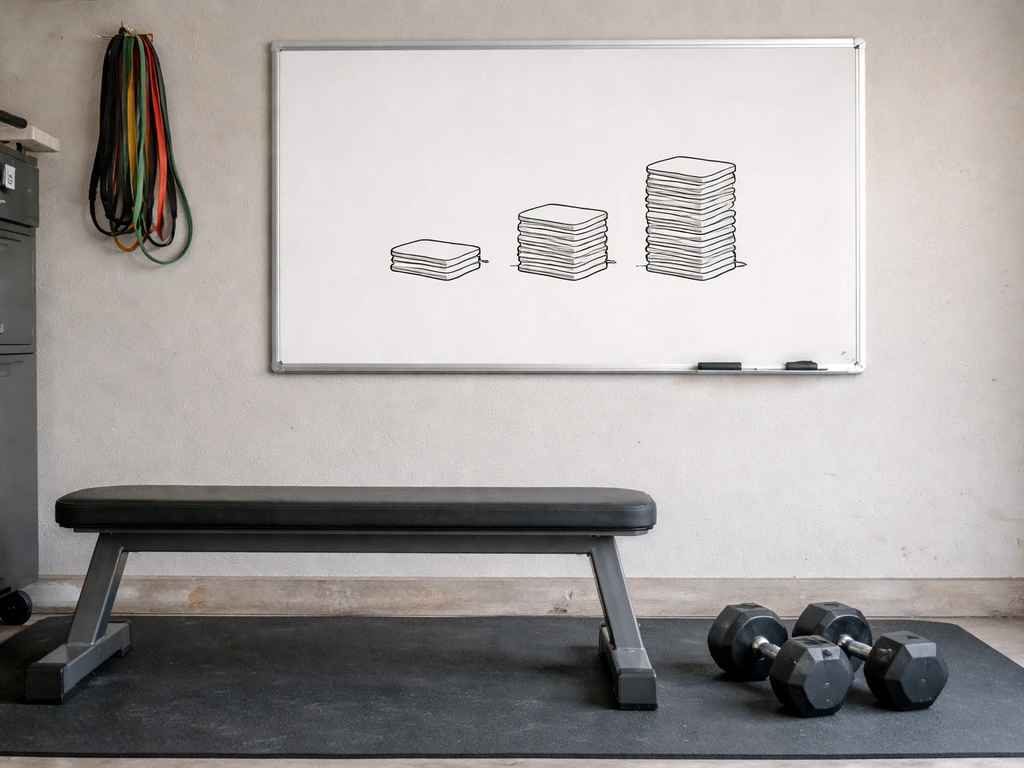
Progressive overload is the single most important concept in training for muscle growth. It means you need to make your training harder over time, whether that's adding weight, doing more reps, adding sets, or reducing rest time. If the weight on the bar never changes, your muscles have no reason to grow. This is what separates people who train for years and stay the same from people who make steady progress.
Volume: how many sets per muscle group
Current evidence puts effective hypertrophy volume at roughly 4 to 20 sets per muscle group per week, with a practical starting recommendation of around 10 to 20 sets once you're past beginner stage. Schoenfeld's 2017 meta-analysis showed a dose-response relationship: more weekly sets correlated with more muscle growth up to a point, with 10 or more sets per muscle per week outperforming lower volumes. For beginners, even 4 to 6 sets per muscle per week produces meaningful hypertrophy because the training is novel. Current guidelines from narrative reviews suggest 4 to 12 weekly sets per muscle (done as 2 to 4 sets per muscle, 2 to 3 times per week) as a solid practical range for most people. The Reddit discussion referencing Schoenfeld’s 2017 meta-analysis suggests a minimum effective dose style range around 6 to 10 quality sets per muscle per week for hypertrophy 4 to 12 weekly sets per muscle. Start lower, add volume gradually as your capacity builds.
Intensity: how heavy to go
A wide range of loads can build muscle, roughly 30% to 85% of your one-rep max, as long as sets are taken close to muscular failure. For most people, this means working in the 6 to 15 rep range with a weight that makes the last few reps genuinely hard. You don't need to max out every session, but you do need to train with effort. Leaving 3 or 4 reps in reserve consistently without ever pushing closer to failure will slow your progress.
Exercise selection and frequency
Compound movements (squats, deadlifts, rows, presses, pull-ups) give you the most muscle stimulus per unit of time because they recruit multiple large muscle groups. Add isolation work (curls, lateral raises, tricep extensions) to target muscles that don't get enough direct work from compounds. Training each muscle group twice a week is the minimum for good results; three times a week can work well for beginners and some intermediate lifters splitting volume across those sessions.
Protein, calories, and carbs: the nutrition variables that set your timeline
Protein is the building block for new muscle tissue, and getting enough of it is non-negotiable. The International Society of Sports Nutrition recommends 1.4 to 2.0 grams of protein per kilogram of bodyweight per day for people who are actively training. For a 180 lb (82 kg) person, that's roughly 115 to 164 grams per day. Most people fall short of this when they actually track their intake, especially older adults who often need to hit the higher end of that range to overcome what researchers call anabolic resistance, the reduced sensitivity of aging muscle to protein signals.
Calories matter just as much. You need to be eating at or slightly above your maintenance intake to build muscle consistently. A moderate surplus of 200 to 400 calories per day is enough to support muscle protein synthesis without gaining excessive fat. If you're consistently in a meaningful calorie deficit, protein synthesis slows even when your protein intake looks fine. The surplus doesn't need to be dramatic, but being chronically underfed will put a ceiling on your gains regardless of how hard you train.
Carbohydrates often get overlooked in muscle-building conversations because the focus shifts to protein, but they're critical for training performance and recovery. ISSN guidance supports high daily carbohydrate intake (up to 8 to 12 grams per kilogram of bodyweight per day for athletes training at high volumes) to maximize glycogen stores. Your glycogen levels directly determine how hard you can train, how quickly you recover between sessions, and how much muscle-damaging work you can sustain over time. For most recreational lifters, hitting 3 to 6 grams of carbs per kilogram per day is a solid practical target. Prioritizing carbs around training (before and after sessions) supports glycogen replenishment and muscle protein synthesis when it matters most.
| Nutrient | Practical Target | Why It Matters for Muscle Growth |
|---|---|---|
| Protein | 1.4–2.0 g/kg/day (older adults: aim for higher end) | Provides amino acids for muscle protein synthesis |
| Total calories | Maintenance + 200–400 kcal surplus | Supports anabolic environment; deficit blunts gains |
| Carbohydrates | 3–6 g/kg/day (higher for high-volume training) | Fuels training, replenishes glycogen, aids recovery |
| Meal timing | Protein spread across 3–4 meals; carbs around workouts | Maximizes muscle protein synthesis and glycogen re-synthesis |
Recovery, sleep, and managing fatigue without burning out

Sleep is the most underrated variable in muscle building. During deep sleep, growth hormone secretion peaks, protein synthesis runs, and the cellular repair processes that build new muscle tissue happen most efficiently. Seven to nine hours of quality sleep per night isn't a luxury for serious training; it's a requirement. Consistently sleeping 5 to 6 hours blunts hormonal recovery signals and will slow your progress measurably over weeks and months.
Fatigue management is also worth taking seriously. More training volume isn't always better, and there's a real difference between productive overreaching (pushing hard for a training block and recovering during a deload) and overtraining syndrome (chronic performance decline that can take weeks or months to resolve). Research shows competitive athletes typically take a deload every 5 to 6 weeks, reducing volume and sometimes frequency for roughly a week. For most recreational lifters, a lighter week every 4 to 6 weeks is smart programming, especially once your training volume climbs. If your lifts start going backward and you feel chronically run down, that's overreaching territory and a signal to back off, not push through.
Stress outside the gym also counts. Chronic psychological stress elevates cortisol, which competes with anabolic hormones and blunts muscle protein synthesis. It's not always controllable, but knowing it affects the timeline is useful when results stall and training and nutrition both look fine.
Milestones by experience level and when to adjust your plan
Here's how the realistic timeline breaks down by experience level, because the timescale of noticeable results is very different depending on where you're starting from.
Beginners (0–6 months of consistent training)
Beginners have the best rate of return on any effort they put in. Neural gains in the first 2 to 4 weeks produce rapid strength improvements before much hypertrophy has occurred. By months 2 to 3, real measurable muscle growth is underway. By month 6, a beginner who trained consistently, ate enough protein, and slept adequately can realistically add 6 to 10 lbs of actual lean muscle mass. That's a dramatic body composition shift, and it's achievable without anything exotic. The key milestone to watch is strength: if your major lifts aren't going up over a 3 to 4 week stretch, something in training, nutrition, or recovery needs adjustment.
Intermediate lifters (6 months to 2+ years)
The easy beginner gains slow down significantly. Intermediate lifters might add 2 to 5 lbs of muscle in a 3-month block if everything is dialed in. In practice, most people can expect measurable lean muscle gains over a 3-month period if training, protein, calories, and recovery are dialed in how much muscle can you grow in 3 months. Progress becomes more dependent on programming specifics: periodization, targeted volume increases, lagging-muscle prioritization. If results have stalled, the most common culprits are insufficient training volume, protein not high enough, calorie intake too low (often because people are afraid to eat), or poor sleep. At this stage, troubleshooting requires being honest about what the actual numbers look like, not estimates.
Older adults (50+)
Age is context, not a barrier. Older adults build muscle through the same mechanisms as younger people, just with some important nuances. Some studies using ultrasound measurement found limited detectable hypertrophy in older individuals after very short (6-week) programs, which means the timeline for visible and measurable results may extend to 12 to 16 weeks or longer. Protein needs are typically at the higher end of the 1.4 to 2.0 g/kg range. Training at least twice per week with progressive overload and adequate intensity is essential; half-hearted sessions won't overcome the reduced anabolic sensitivity that comes with aging. The good news is that 12-week resistance training programs have shown meaningful improvements in muscle protein anabolic response in healthy older adults, confirming that the machinery is still there and responsive.
When to adjust your plan
If you've been training consistently for 8 to 12 weeks and see zero strength improvement and zero visual change, don't just keep doing the same thing. Run through this checklist:
- Track your actual protein intake for one week. Most people significantly overestimate it.
- Check your total calories. If you're in a deficit, muscle gain will be minimal regardless of training quality.
- Assess training intensity. Are your sets genuinely hard, or are you stopping well short of muscular failure?
- Look at weekly volume per muscle group. Are you getting at least 8 to 10 sets per week for the muscles you want to grow?
- Evaluate sleep. Fewer than 7 hours consistently is a real problem for recovery and growth.
- Consider whether you've been progressively overloading. If the weights haven't gone up in months, there's no signal to grow.
Muscle building is slow by nature, but it's reliably predictable when the right inputs are in place. This is also the question of how long it takes to grow muscle mass, since your timeline depends on consistent training, nutrition, and recovery how long does it take to grow muscle mass. The people who get frustrated and quit after 6 to 8 weeks usually do so because they were expecting mirror-ready results from a process that takes 3 to 6 months to visibly deliver. If you're wondering how long it takes to grow muscle naturally, the timeline is usually measured in weeks for early changes and months for clearly visible gains how long does it take to grow muscle naturally. It helps to know how much muscle you can realistically grow over time so you can set expectations and make smart adjustments how much muscle you can grow. Understanding the timeline, tracking the right metrics, and adjusting the right variables when progress stalls is what separates people who transform their physique over a year from those who spin their wheels. Give the process its proper time, execute the basics consistently, and the muscle will come. If you're wondering how quickly muscle grows for your body, the next sections break down the biggest drivers behind faster or slower progress how quickly does muscle grow.
FAQ
How many months to grow muscle if I start from zero, but I can only train 2 days per week?
You can still make progress, but the timeline usually stretches out toward the high end of the 3 to 6 month window. Two sessions per week can work well if you cover each major muscle group at least twice across the week, use progressive overload, and keep sets near effort (for example, 1 to 3 reps in reserve on most work sets). If you are only hitting each muscle once per week, expect slower visible gains, especially past the beginner stage.
What if I gain strength quickly in the first month, but my muscle size seems unchanged until month 3 or 4?
That pattern is common and not necessarily a problem. Early strength gains are often driven by improved neuromuscular recruitment and better exercise technique, while visible tissue growth becomes more consistent later (often around 6 to 8 weeks and clearer by 3 to 6 months). Use your measurements and photos every 4 weeks, not daily bodyweight swings, to avoid assuming you are doing nothing.
How many months to grow muscle if I’m eating “enough protein” but my weight is dropping?
If you are consistently in a meaningful calorie deficit, muscle gain will be slower and often limited, even when protein intake looks adequate. In practice, the timeline for noticeable hypertrophy can shift from 3 to 6 months toward longer periods. Track calories for a couple of weeks and look for a maintenance level first, then consider a small surplus (about 200 to 400 calories/day) to keep muscle-building momentum.
Can I grow muscle in 2 months, or is that too short?
Two months can produce real changes, especially for beginners, but they may not look dramatic. You are more likely to see a blend of early hypertrophy plus increased muscle fullness from glycogen and training adaptations. If you want to judge whether it is true growth, check trend lines: steady strength increases plus small but consistent increases in measurements over several weeks, rather than one-off scale changes.
Does taking creatine change how many months it takes to grow muscle?
Creatine can support training performance (more reps or slightly heavier loads), which can make your muscle-building timeline more efficient. It typically does not make muscle growth happen instantly, but it can help you progress faster through the progressive overload steps, especially over 8 to 12 weeks. Also note that some early scale gain can be water, so focus on measurements and strength rather than just bodyweight.
How many months to grow muscle if I keep getting sore and my performance drops?
Soreness alone is not the goal, but performance decline is a warning sign that recovery is insufficient. If lifts are stalling for 2 to 3 weeks, fatigue is accumulating, or soreness is lasting unusually long, you may need a deload or a volume reduction. Many people do best with a lighter week every 4 to 6 weeks, then restart with progressive overload once performance rebounds.
Is there a point where months of training “should have worked,” and what checklist should I use?
Yes, if after 8 to 12 weeks you have no strength trend and no measurable size trend (measurements, photos, clothing fit), something is usually off. A practical checklist is: you are training each muscle at least twice weekly with enough hard sets, you are progressing on load or reps, protein is in the recommended range, you are at maintenance or slight surplus, sleep is 7 to 9 hours, and weekly fatigue is not too high. If all basics are true, consider adjusting exercise selection, reducing total volume, or changing how close to failure you train.
How long does it take to see visible muscle changes if I’m older (for example, 60+) and training has been consistent?
Visible and reliably measurable changes often take longer than for younger lifters, with timelines that can extend toward 12 to 16 weeks or more. Older adults typically benefit from higher consistency, slightly higher training volumes, and a greater emphasis on getting protein toward the upper end of the recommended range. Expect strength to improve first, then size changes to become clearer later.
If I’m trying to grow muscle and also lose fat, how many months will it take?
It is usually slower than pure muscle gain because you are not in a surplus. You can still make progress in a recomposition phase, but expect smaller monthly muscle gains and more time to see visible hypertrophy. A common decision aid is to track weekly waist and monthly measurements: if strength is up and muscle measurements hold steady while waist decreases, you are likely recomposing; if strength drops, you may be underfed too aggressively.