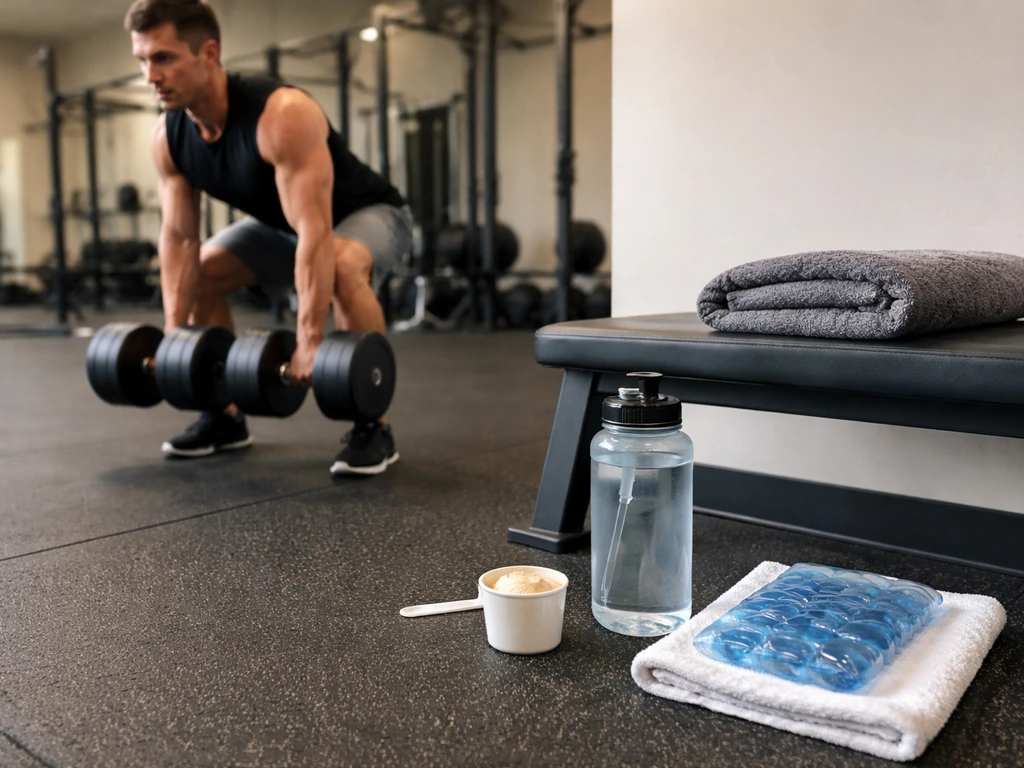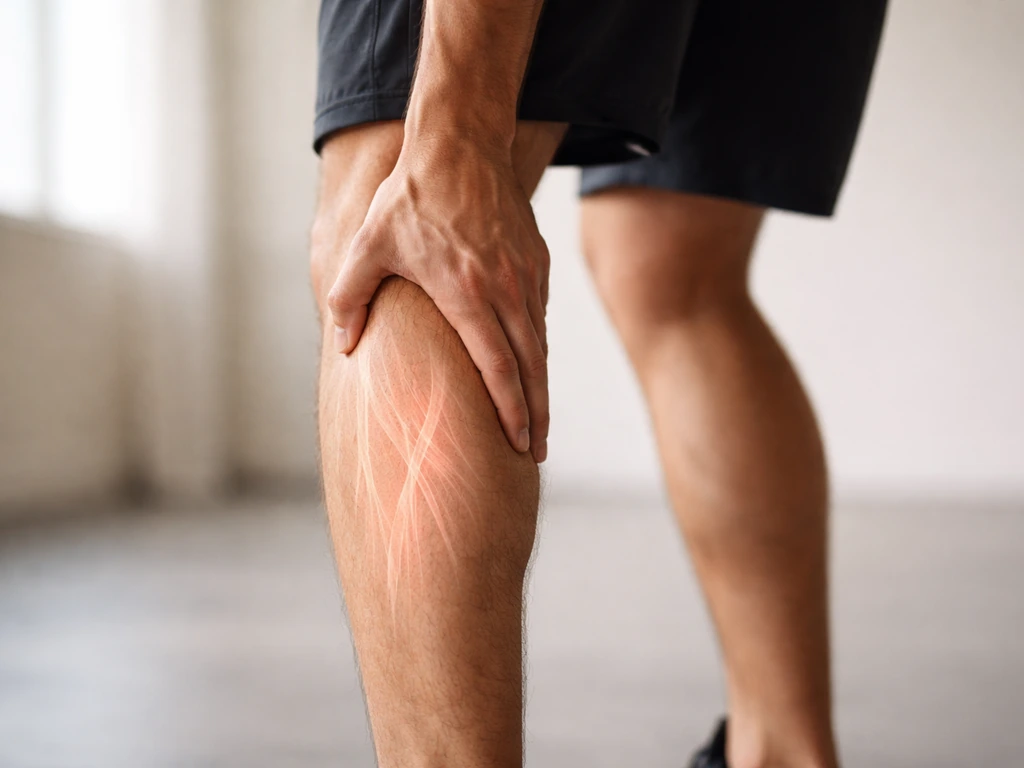
Massaging your muscles does not directly make them grow. A similar question comes up with muscle squeezing, but forcing a contraction by itself still does not replace the core drivers of hypertrophy does squeezing your muscles make them grow. It won't trigger hypertrophy the way progressive overload, mechanical tension, or adequate protein intake does. But it's not useless either. Massage can reduce soreness, help you move better, and make it easier to show up and train hard consistently. That indirect effect on muscle growth is real and worth understanding, even if the headlines about massage "stimulating muscle growth" are overblown.
Does Massaging Muscles Help Them Grow? Evidence-Based Guide

Marcus Kellerman
25 Apr 2026
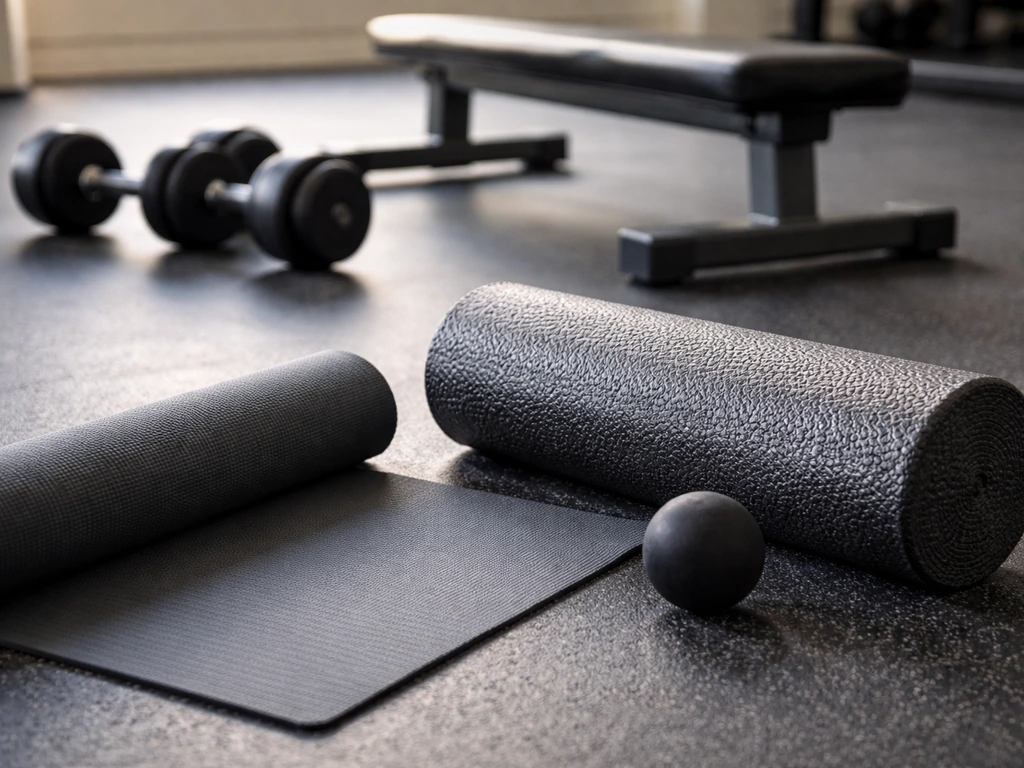
What science actually says about massage and muscle growth
Muscle hypertrophy happens through a specific chain of events: a mechanical tension stimulus (lifting weights), followed by muscle protein synthesis, satellite cell activation, and adaptation over time with proper nutrition and sleep. Massage touches none of those primary levers. There's no peer-reviewed evidence that massage increases muscle protein synthesis rates, activates satellite cells, or adds cross-sectional area to muscle fibers in the way resistance training does.
What massage does influence is recovery comfort and, to a lesser degree, inflammation management. A systematic review and meta-analysis published in Frontiers in Physiology looked at 11 studies with over 500 participants and found that massage after strenuous exercise meaningfully reduces delayed-onset muscle soreness (DOMS) ratings. Massage studies report reductions in delayed-onset muscle soreness outcomes like peak soreness measures, with proposed short-term analgesic mechanisms such as sensory blockade rather than changes in hypertrophy reduces delayed-onset muscle soreness (DOMS) ratings. A separate meta-analysis on post-exercise recovery techniques confirmed massage produced a small to large decrease in DOMS severity across multiple studies (effect sizes ranging from around -0.40 to -2.26). That's a genuine, measurable benefit. It's just not the same thing as building muscle.
The confusion often comes from conflating "helps me recover" with "helps me grow." Recovery and growth overlap, but they're not identical. You could recover perfectly and still not grow if you're not training with sufficient volume, intensity, or eating enough protein. Massage supports one piece of the puzzle, not the whole picture. It's a bit like asking whether sleeping on a good mattress builds muscle. Better sleep helps. The mattress alone does nothing.
Massage for sore muscles: what it actually does
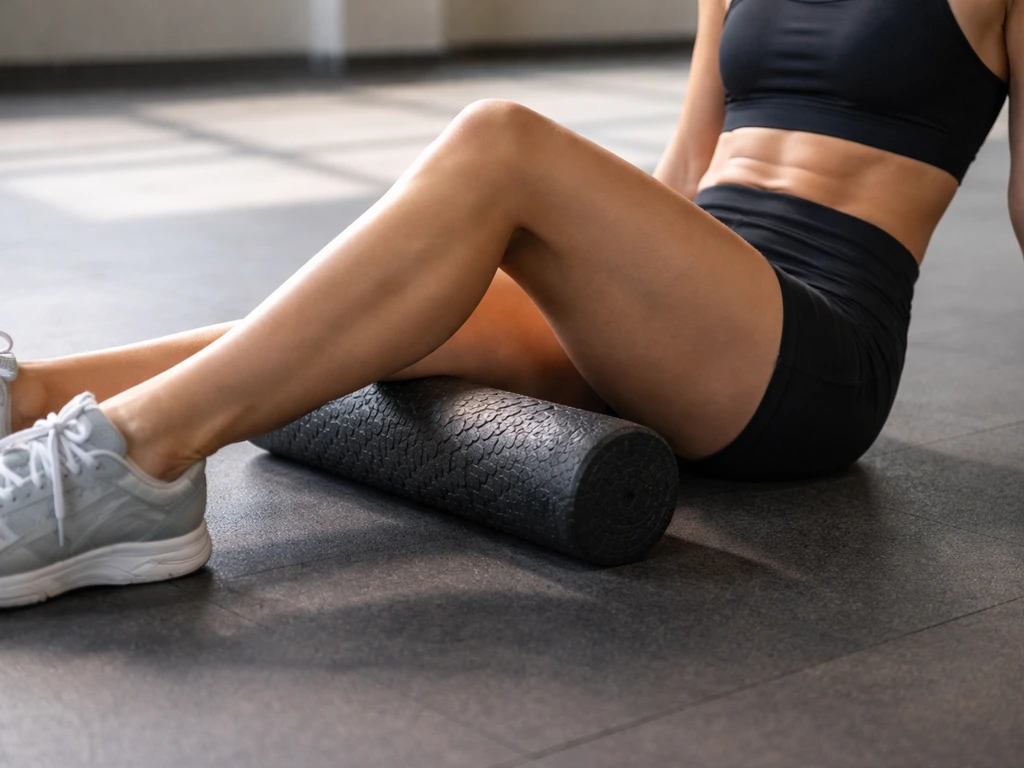
DOMS typically peaks 24 to 72 hours after a hard training session, especially after eccentric-heavy work like lowering weights, downhill running, or new exercises your muscles aren't used to. The soreness is mostly driven by microtrauma, inflammation, and fluid shifts in the muscle tissue. Massage appears to work by reducing inflammation markers, improving local circulation, and calming nervous system sensitivity around the affected tissue. It doesn't "flush out lactic acid" (that clears within an hour of training), but it does seem to blunt the soreness experience meaningfully.
For muscle growth, the practical upside is this: if you're less sore, you can train sooner and with better quality. A beginner or an older adult who is cripplingly sore after leg day and skips the next session because of it is leaving gains on the table. If massage helps that person get back under the bar two days earlier with full range of motion and proper mechanics, that's a real downstream contribution to their muscle-building progress. It's indirect, but it compounds over months.
One important clarification: soreness itself is not a marker of muscle growth. You don't need to be sore to grow, and reducing soreness with massage does not slow your gains. If you are wondering about the sensation of itching during growth, that can have different explanations than actual muscle hypertrophy do muscles itch when they grow. During puberty, muscle growth is mainly driven by genetics and overall training and nutrition, not by massage do muscles itch when they grow. That's a persistent myth worth ditching right now.
How to use massage effectively for training and recovery
Types of massage worth knowing
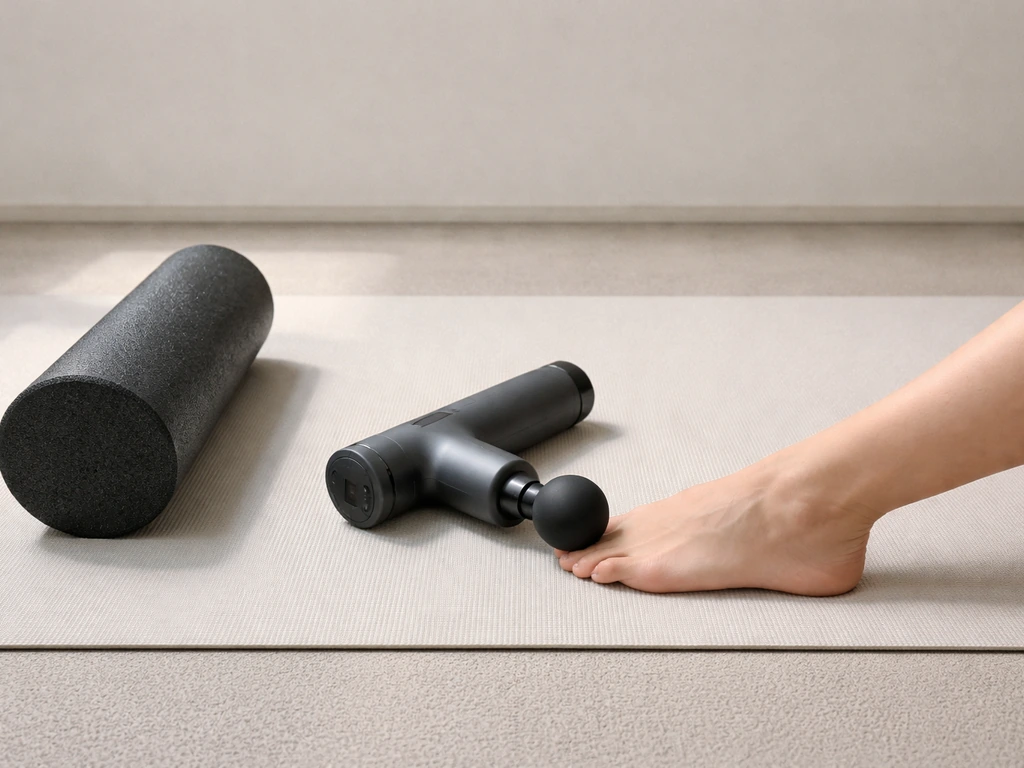
| Type | Best Use Case | Intensity | Cost/Access |
|---|---|---|---|
| Foam rolling (self-myofascial release) | Daily maintenance, pre-workout mobility, mild DOMS | Low to moderate | Low — one-time tool cost |
| Percussion massager (e.g., massage gun) | Post-workout tightness, targeted soreness relief | Moderate | Moderate — one-time cost |
| Sports massage (therapist) | Deep tissue tightness, injury prevention, intense training blocks | Moderate to high | Higher — ongoing cost |
| Deep tissue massage (therapist) | Chronic tightness, serious knots, limited range of motion | High | Higher — ongoing cost |
Timing
Post-workout is the sweet spot for massage. The evidence supporting its soreness-reduction effect is almost entirely from post-exercise applications. Doing it 30 minutes to a few hours after training seems to be effective. A British Journal of Sports Medicine study reported that massage given 2 hours after exercise-induced muscle injury did not improve hamstring function but did reduce soreness intensity at 48 hours doing it 30 minutes to a few hours after training seems to be effective. Pre-workout massage is a different story: aggressive deep tissue work before lifting can temporarily reduce force production and muscle activation, which is the opposite of what you want. A light foam roll or gentle percussion work before training to improve range of motion is fine, but save the heavy stuff for after.
Frequency and duration
For most people training 3 to 5 days per week, daily foam rolling for 5 to 10 minutes on worked muscle groups is practical and sustainable. If you're using a percussion massager, 1 to 2 minutes per muscle group post-workout is enough. Professional massages once every 2 to 4 weeks during a hard training block can be genuinely useful, especially for older adults who tend to experience more prolonged DOMS and tighter connective tissue. Going more frequently than once a week for deep tissue work is usually overkill and can leave tissue irritated rather than recovered.
When massage helps and when to skip it
Massage works well for general muscle tightness and stiffness after training, mild to moderate DOMS, as part of a pre-sleep routine to lower arousal and improve sleep quality, and improving range of motion in chronically tight areas that limit your lifting mechanics.
Skip it or go very easy when you have signs of acute injury: sharp pain, significant swelling, redness, or heat in a specific area. Massaging an acutely inflamed tissue (a pulled muscle, a fresh strain, a joint that's actively swollen) can worsen inflammation and delay healing. If something feels genuinely injured rather than just sore, rest and get it assessed before applying pressure to it. This applies to everyone but especially to older adults, who may have underlying joint or tissue issues that make aggressive massage riskier.
- Good time to massage: general post-workout soreness 24 to 72 hours after training
- Good time to massage: before bed to wind down and improve sleep quality
- Good time to massage: when tightness is limiting your range of motion for an upcoming session
- Skip massage: when tissue is acutely injured, swollen, or sharply painful
- Skip massage: as a substitute for actual training, thinking it drives growth on its own
- Go easy: aggressive deep tissue work right before a heavy lifting session
The muscle growth basics that actually move the needle
If you're chasing muscle growth, massage is at best a supporting player. The fundamentals are what drive actual hypertrophy, and it's worth being clear on what they are so you're not over-investing in recovery tools while under-investing in the things that matter most. You can also compare this to what actually drives hypertrophy in Jeffrey Siegel's approach, since it tends to prioritize the core levers over recovery gimmicks what makes muscles grow jeffrey siegel.
Mechanical tension from resistance training is the primary driver of muscle growth. Progressive overload, meaning gradually increasing the challenge on your muscles over time through load, volume, or intensity, is non-negotiable. You can think of this as the signal that tells your body it needs to build more muscle. Without it, nothing else in your recovery stack matters much.
Protein intake is the material your body uses to build new muscle tissue. Most of the research points to somewhere between 0.7 and 1 gram of protein per pound of bodyweight per day (roughly 1.6 to 2.2 grams per kilogram) as an effective target for people actively trying to gain muscle. Older adults likely benefit from being on the higher end of that range, since muscle protein synthesis becomes less efficient with age.
Sleep is where much of the actual muscle repair and growth happens. Growth hormone peaks during deep sleep, and protein synthesis runs at elevated rates during overnight recovery. Skimping on sleep for the sake of more training is a losing trade. Seven to nine hours is the target for most people. Interestingly, a pre-sleep massage routine can help here, since reducing physical tension and nervous system arousal makes it easier to fall into quality deep sleep.
Calorie balance matters too. You need to be eating enough overall to support muscle building. Being in a meaningful calorie deficit while trying to gain muscle is an uphill battle for most people. A modest surplus of around 200 to 300 calories above maintenance is a practical starting point for lean muscle gaining.
As for timelines: don't expect massage to produce visible changes on its own. Muscle growth doesn't happen instantly, and people often wonder whether muscles shrink before they grow do muscles shrink before they grow. Actual muscle size gains from proper training and nutrition typically become noticeable in 6 to 12 weeks for beginners and take longer for those who have been lifting for years. Reduced soreness from massage can show up within the first few sessions. That's the realistic frame to work with.
Massage fits neatly into a smart recovery protocol alongside adequate sleep, active recovery days, and proper nutrition. It's a tool that makes the process more sustainable and comfortable, especially for beginners still adapting to training stress and for older adults managing recovery capacity. Just keep it in that role and put your energy into the training and eating that actually build muscle.
FAQ
How soon after a massage should I train, and can it ever make me worse for a workout?
If your goal is hypertrophy, use massage to make training easier, not to replace workouts. The usual mistake is cutting your lifting frequency because you feel better (less soreness) and then accidentally reducing total weekly mechanical tension. Keep your planned sets and progression, and use massage only as a comfort or mobility add-on so you can hit quality sessions consistently.
What’s the best time of day to massage if I’m trying to grow muscle and improve recovery?
Yes, especially with aggressive deep tissue work right before lifting. Pre-workout heavy massage can temporarily reduce force output and muscle activation, so it may blunt performance. A safer approach is light work only (gentle foam rolling or brief percussion for mobility) and then doing the more intense massage after training when the main concern is soreness reduction.
If massage reduces soreness, does that mean it’s increasing my muscle gain?
Massage can reduce DOMS, but it does not repair the underlying adaptation drivers if you still miss sessions. The practical target is soreness management, so you can keep using full range of motion and correct technique. If massage makes you feel better but your training numbers stall (weight, reps, or sets), you likely still lack progressive overload or total protein/calories.
How can I tell whether I’m actually making progress if massage changes how I feel?
Not necessarily. Being less sore does not automatically indicate more growth, and being sore does not guarantee you will grow. A better check is performance and physique trends over time, for example, whether your training is progressing and whether measurements or photos show consistent change after 6 to 12 weeks (beginners) or longer (experienced lifters).
Is it ever safe to massage a strained or pulled muscle?
Be cautious with high-pressure or long sessions on the exact spot of a new injury. Signs like sharp pain with movement, swelling, redness, warmth, or a feeling of instability are flags to stop and get evaluated. Gentle mobility work around the area can be okay if it does not increase symptoms, but deep massage should wait until the tissue is clearly past the acute phase.
How much massage is too much, especially when using a percussion massager?
Start with short, consistent sessions because tolerance matters more than “more is better.” A common mistake is overdoing deep tissue and causing additional irritation, which can increase soreness for days. For most people, keeping post-workout work brief and using moderate pressure is more effective for staying on schedule than trying to fully “knead out” soreness.
Should I massage after every workout or only after certain training sessions?
Massage is most useful when it helps you maintain training quality during the DOMS window, typically 24 to 72 hours after hard or unfamiliar work. If your workouts are already easy on soreness, massage may add little. You may get more value by using it strategically after the hardest sessions (new exercises, heavy eccentric work, or volume spikes) rather than on every day.
Can a pre-sleep massage help muscle growth through better sleep, and what’s the risk if I do it too intensely?
It can help sleep indirectly by lowering physical tension and calming arousal, but it is not a substitute for sleep hygiene. If you use massage right before bed, keep it gentle and avoid very deep work that leaves you feeling activated. Track whether sleep duration and bedtime consistency actually improve, since those are the variables most tightly tied to recovery capacity.
My muscles feel tight during lifts, does massage fix the cause or just the sensation?
If you have chronic tightness, massage may improve range of motion, which can improve your ability to train in safer, more effective positions. However, if the tightness is driven by a mobility limitation or joint issue, massage alone may not fix it. Pair massage with specific mobility and strength work for the restriction so you are not just temporarily loosening tissue.
What should I do if DOMS or soreness lasts much longer than a few days despite massage?
No, especially for serious or persistent swelling after training. Massage can reduce discomfort, but it should not be used to “treat” conditions like active inflammation from injury, tendon flare-ups, or joint irritation. If symptoms persist beyond typical DOMS timelines, you may need programming adjustments (load, range, technique) or professional guidance rather than more pressure.