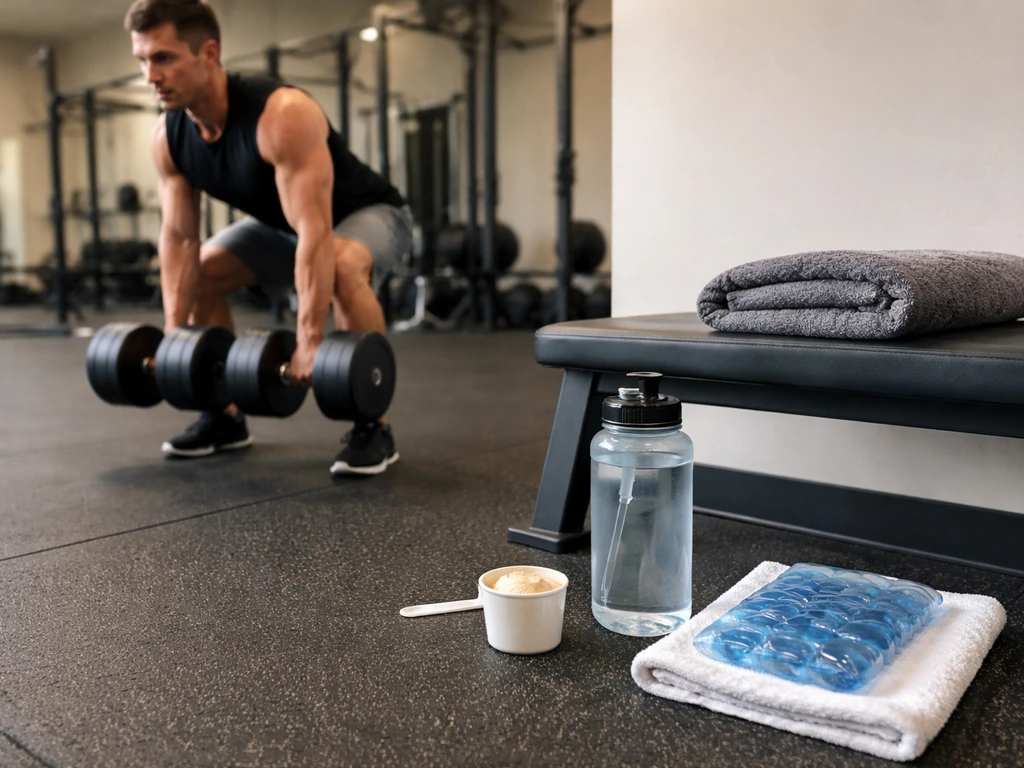
Yes, muscles need water to function properly, but drinking more water won't directly make your muscles grow. Hydration keeps your cells working, your joints lubricated, your blood flowing nutrients to working muscle, and your strength output from tanking mid-session. That's genuinely important. But the actual drivers of hypertrophy are progressive resistance training, enough total calories, and sufficient protein. Water supports all of those things indirectly by keeping your training quality high, but a well-hydrated person who skips the lifting and protein isn't building any muscle.
Do Muscles Need Water to Grow? Evidence and Tips

Marcus Kellerman
30 Apr 2026
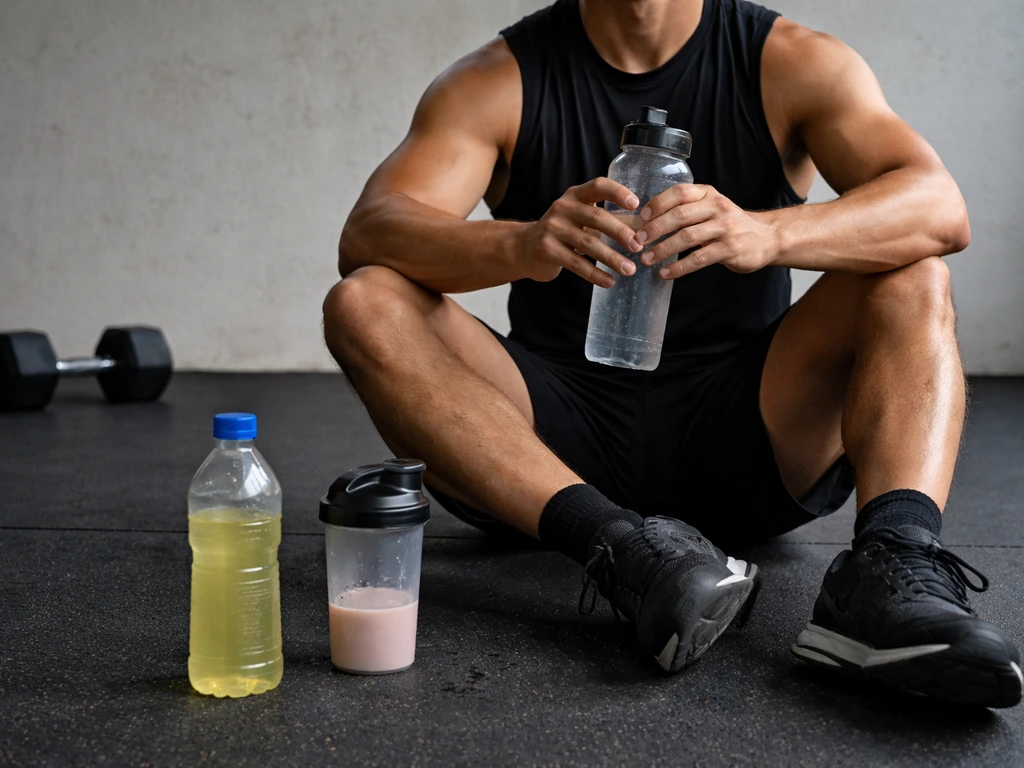
Water and muscle growth: what's actually going on
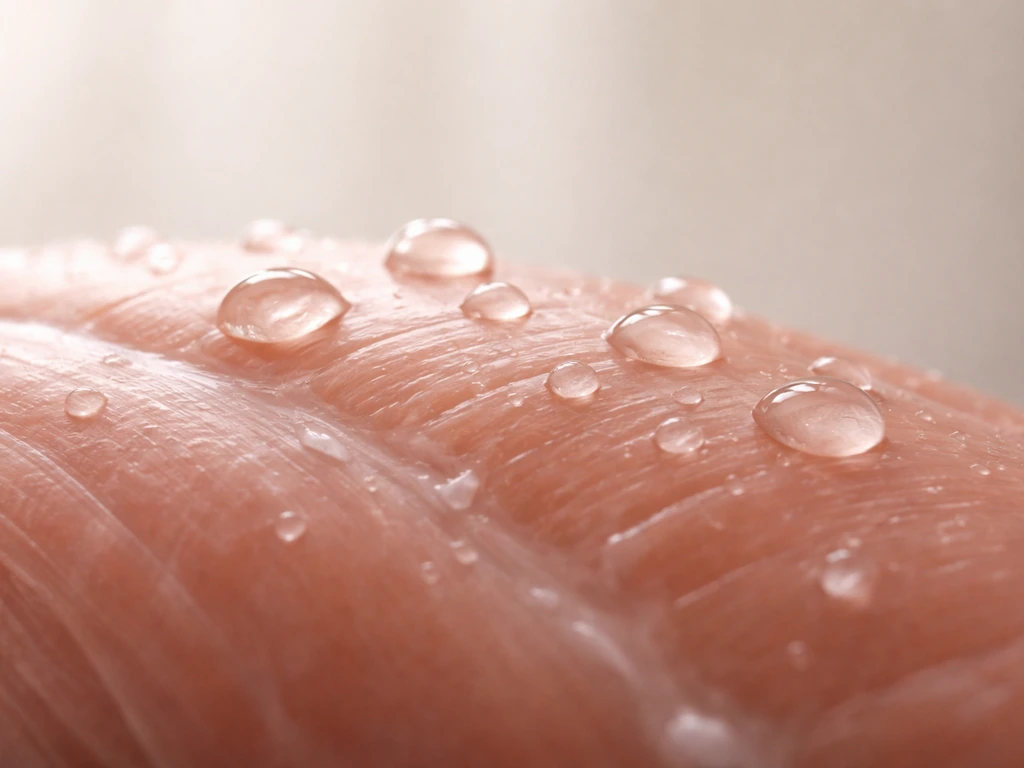
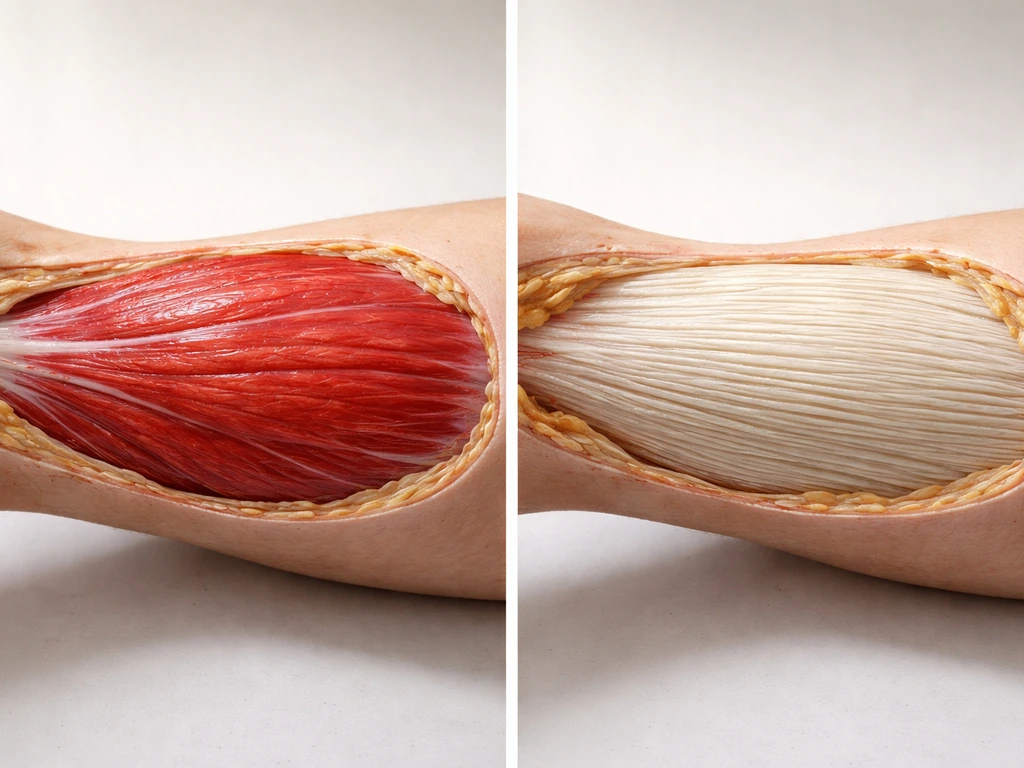
Muscle tissue is roughly 75–80% water by weight, so it makes sense that your cells need an adequate water environment to function. Research confirms that cell dehydration disrupts intracellular protein structure and function, which can cause cell damage. When muscle cells are properly hydrated, they maintain their volume, their enzymatic reactions run efficiently, and nutrient transport happens the way it should.
Here's the important distinction though: this is about maintaining normal muscle cell function, not about triggering growth. The signal that tells a muscle fiber to get bigger comes from mechanical tension (the load you put on the muscle), metabolic stress from hard training, and the anabolic hormonal environment that follows. Research tracking hormones like testosterone, GH, and IGF-1 alongside 8-week training interventions consistently shows that hypertrophy tracks with the training stimulus and the metabolic milieu around it, not with water intake. Water keeps the machinery running. It doesn't flip the growth switch.
How dehydration quietly wrecks your training
This is where hydration actually matters a lot for muscle building, just indirectly. Even mild dehydration of around 1–2% of your body weight can meaningfully reduce training performance. This systematic review and meta-analysis reports that fluid intake following dehydration can affect subsequent athletic performance, with the strongest evidence for continuous exercise tasks [Even mild dehydration of around 1–2% of your body weight can meaningfully reduce training performance. ](https://pmc.
ncbi. nlm. nih. gov/articles/PMC5357466/).
Studies using controlled body-mass-loss protocols show that as dehydration increases, heart rate climbs, core temperature rises, perceived exertion goes up, and both muscular strength and power output start to drop. Lose closer to 2% of body mass in fluids and you'll likely notice submaximal endurance work feeling harder and your ability to sustain intensity or volume fading.
The perceived exertion piece is particularly relevant for lifters. If a set that should feel like an 8 out of 10 effort suddenly feels like a 9.5 because you showed up dehydrated, you're probably going to stop earlier, move less total volume, and get a weaker training stimulus. Research specifically examining hydration state and resistance exercise performance shows strength and power are affected, and central activation (how hard your nervous system can drive your muscles) can be impaired too. Over weeks and months of training, consistently watered-down sessions add up to slower progress.
There's also the recovery angle. Being dehydrated going into eccentric-heavy training is associated with worse delayed-onset muscle soreness outcomes, and hydration status influences markers of muscle damage like creatine kinase. Better post-exercise rehydration supports recovery of lower-body muscle performance. None of this means water causes growth, but it does mean that poor hydration can slow recovery between sessions and push back the timeline on meaningful adaptation.
Pumps, cell swelling, and what they actually mean
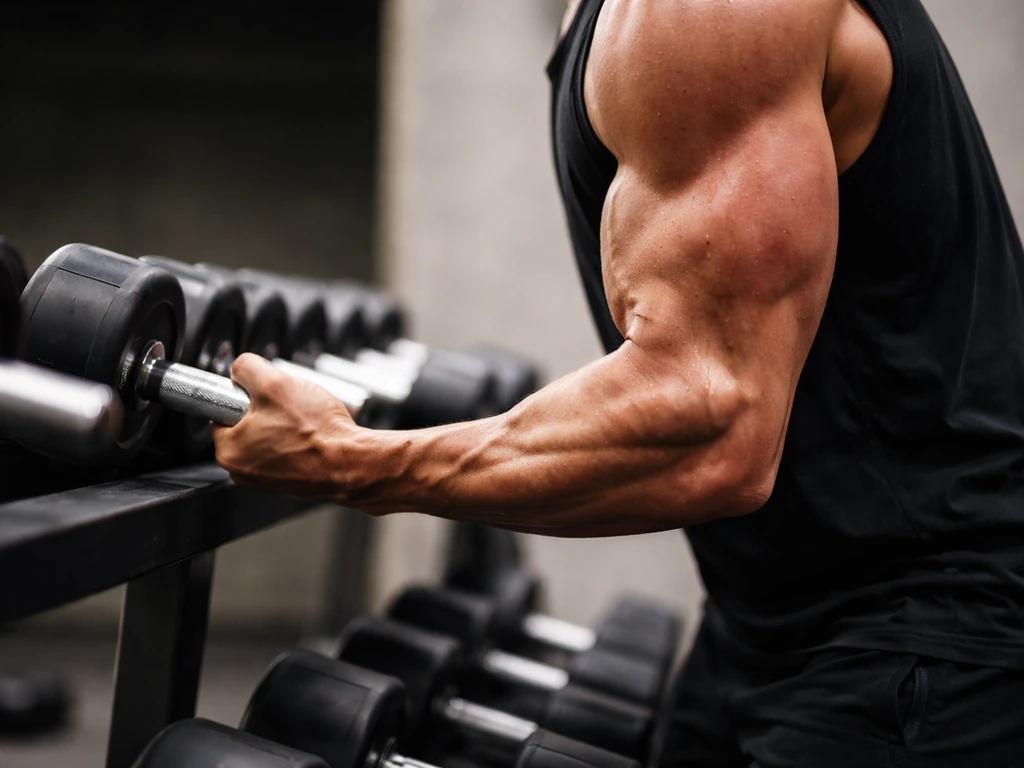
You've probably heard that the "pump" you get during training is related to muscle growth. There's a kernel of truth in it, but it's easy to overstate. During resistance exercise, blood and fluid shift into the working muscle, creating that tight, full feeling. Some research does show that muscle swelling after resistance exercise at around 80% of your 1RM correlates with hypertrophy after a training block. But swelling and hypertrophy aren't the same thing, and chasing a pump by drinking extra water before lifting isn't a growth strategy.
Studies comparing swelling responses to actual hypertrophy in untrained individuals show that early swelling often reflects muscle damage and fluid redistribution, not new contractile tissue. The pump fades within hours. Real hypertrophy, which is an increase in the cross-sectional area of muscle fibers through added myofibrillar protein, takes weeks of consistent mechanical stimulus and adequate nutrition. If you've seen blood flow restriction training research, you'll also note that hydration status changes the perceptual experience of BFR work without proving that those perceptions drive long-term muscle growth.
What actually makes muscles grow
It's worth being direct here because the internet loves to overcomplicate this. Muscle grows when you give it a training stimulus it has to adapt to (progressive overload through resistance training), provide enough raw material to build new tissue (protein), and eat enough total calories to support that building process. So when you ask if abs need protein to grow, the answer is yes: protein provides the amino acids your body uses to build and repair muscle. Hydration helps you execute the training well and recover from it, but it sits in a supporting role, not the lead.
On the protein side, the evidence is clear. A dose-response relationship exists between protein intake and lean mass gain. Systematic reviews and meta-analyses point to a range of around 1.2 to 1.6 grams of protein per kilogram of body weight per day as the sweet spot for most healthy adults doing resistance training, with some older adults benefiting from the higher end. Protein timing also matters: spreading intake across the day and including protein around training sessions has a measurable effect on hypertrophy outcomes compared with haphazard eating.
Carbohydrates fuel your training and help with recovery, sleep is when a significant portion of muscle protein synthesis happens, and total caloric intake determines whether you have the energy surplus (or at minimum, energy balance) needed to build tissue. Do you need carbs to grow? You can grow without them, but they help fuel training performance and recovery, especially when your diet or training volume runs high. Water is essential infrastructure. But if your protein is low, your training stimulus is weak, or you're chronically under-eating, no amount of hydration fixes that.
How much water to actually drink
General population guidance frames total daily water intake (from beverages and food combined) as adequate when it prevents the acute effects of dehydration like impaired mental function, motor control problems, and reduced exercise performance. For most people doing regular resistance training, a practical starting target is around 35–45 mL per kilogram of body weight per day from all sources, adjusted upward for heat, heavy sweating, and longer sessions.
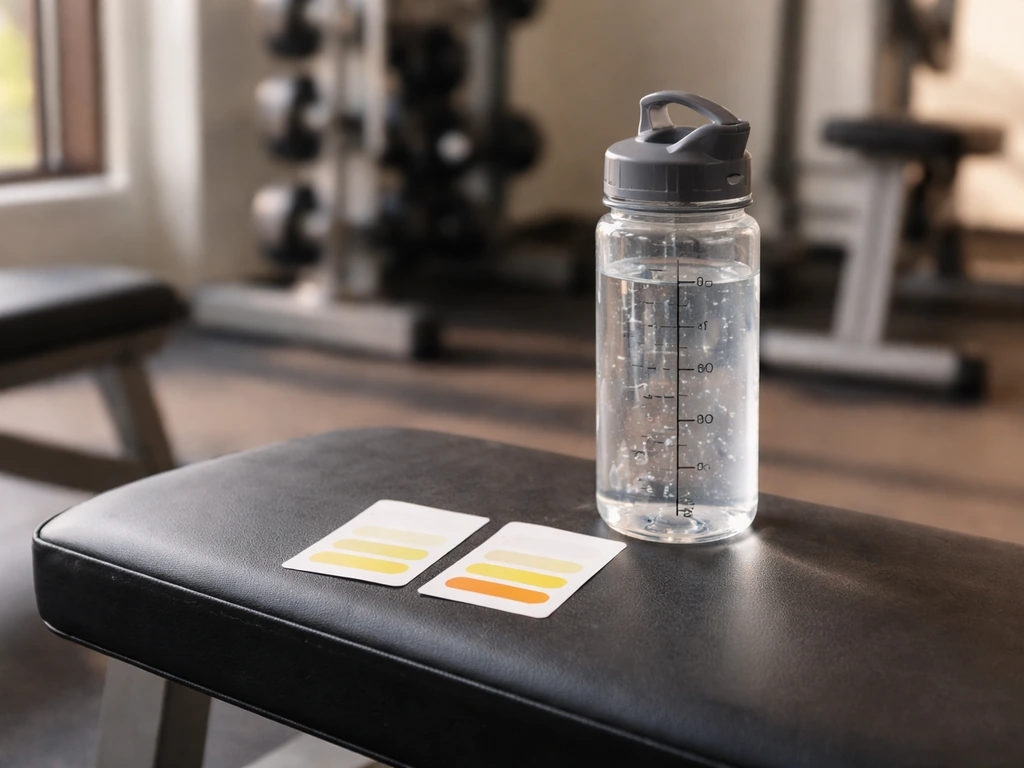
Rather than fixating on a single number, use a few practical checkpoints. Urine color is reliable and free: pale yellow (think lemonade) means you're in a good range. Dark yellow or amber means drink more. Completely clear urine all day can actually be a warning sign you're overdoing it. Body weight is another useful tool: if you weigh yourself before and after a training session, each kilogram lost represents roughly one liter of sweat. Aim to replace most of that over the hours following your workout.
Timing your fluid intake around training
- Pre-workout: aim to arrive at your session already hydrated, not trying to catch up. Drinking 400–600 mL in the 2 hours before training is a reasonable starting point.
- During training: for sessions under an hour in a cool environment, water is usually sufficient. For sessions over an hour or in the heat, sip steadily rather than drinking large volumes at once.
- Post-workout: replace fluids based on how much you sweated. Adding a small amount of sodium to your post-workout meal or rehydration drink (around 0.5–0.7 g per liter if you're using a drink) helps your body retain the fluid and restores electrolyte balance.
- In the heat: sweat rates can be significantly higher, so adjust your intake upward and consider electrolyte-containing fluids if sessions exceed 60–75 minutes.
Signs you're dehydrated, and the mistake of drinking too much
Dehydration shows up in a predictable progression. Early signs include increased thirst, darker urine, and a subtle drop in mood or concentration. As it progresses past 1–2% body mass loss, you'll notice reduced strength, elevated heart rate during effort, higher perceived exertion, and increased core temperature during exercise. At losses approaching 2% or more, endurance performance and muscular output take a meaningful hit. Severe dehydration at around 10% body mass loss is a medical emergency with symptoms like confusion and impaired motor function.
What's less talked about in fitness circles is the opposite problem: drinking too much plain water, especially during and after prolonged exercise. Exercise-associated hyponatremia (EAH) occurs when fluid intake exceeds the body's ability to excrete free water, combined with a hormone called arginine vasopressin (AVP) that promotes water retention. This dilutes sodium levels in the blood, which can cause symptoms ranging from nausea and headache to, in severe cases, seizures.
The consensus from sports medicine bodies is clear: EAH is primarily a dilutional problem caused by overdrinking, not by sodium deficiency alone. A 2017 update on exercise-associated hyponatremia concludes that EAH in the setting of excessive fluid intake is primarily [not preventable by sodium ingestion alone](https://pmc. ncbi. nlm.
nih. gov/articles/PMC5334560/), with excessive drinking being the key driver. The kidneys can only excrete roughly 800–1000 mL of fluid per hour, so drinking far beyond your sweat rate during a shorter session can push you into trouble.
The practical fix is to drink to thirst for most training sessions and avoid the mentality that more water is always better. Individualize based on sweat rate, session length, and heat rather than following arbitrary large-volume rules. If you're doing endurance-style work for well over an hour, especially in the heat, adding sodium to your fluids reduces EAH risk while also making the fluid more effective at actual rehydration.
What to actually focus on to build muscle
Water is a non-negotiable part of the environment your muscles need to function and train hard. But if you're wondering whether drinking more is going to move the needle on growth, the honest answer is no, not beyond keeping you out of dehydration-related performance holes. Here's where your attention is better spent:
- Hit your protein target: aim for 1.2–1.6 g per kg of body weight per day, spread across at least 3–4 meals, with a serving close to your training session.
- Train with progressive overload: consistently challenging your muscles with increasing load or volume over time is what forces adaptation.
- Eat enough total calories: muscle protein synthesis is energetically costly, and chronic undereating undermines it regardless of how well-hydrated you are.
- Prioritize sleep: the majority of growth hormone release and a significant portion of muscle repair happens during sleep. Seven to nine hours is not optional.
- Stay consistently hydrated: use urine color as your daily guide, adjust upward in heat, and don't skip pre-workout fluids.
If you're also curious about how carbohydrates fit into muscle growth or how rest days contribute to the adaptation process, those pieces connect directly to the same framework: none of them replace the training stimulus, but each one supports your ability to train hard and recover fully. On rest days, the focus is on recovery so you can keep hitting your training stimulus with consistent performance. Hydration is part of that ecosystem, not the engine driving it.
FAQ
If muscles are mostly water, why doesn’t drinking more water make me bigger faster?
Because muscle water content helps cell function, but hypertrophy requires a mechanical stimulus plus adequate protein and calories. Extra water usually only improves performance when it corrects dehydration, it does not create the training signal or building materials by itself.
How much should I drink before a workout to support lifting, without overdoing it?
Use thirst plus a small buffer, if you are already well-hydrated. Aim to be pale yellow before you train, then drink modestly in the 1 to 2 hours before. Avoid large “chugging” amounts that exceed your sweat rate, since overdrinking can increase hyponatremia risk during long sessions.
Should I weigh in to personalize hydration for muscle growth training?
Yes, it’s a practical way to estimate your sweat rate. If you lose 1 kg during a session, that’s about 1 liter of fluid, then replace most of it after training over the following hours. Keep in mind this is an estimate, because some weight change is glycogen and food residues too.
Does dehydration reduce strength, or does it also reduce hypertrophy signals over weeks?
Both. Acute dehydration can lower strength and power, which reduces the loads and total volume you can complete. Over time, consistently weaker sessions typically mean less mechanical tension and a smaller hypertrophy stimulus, even if your program is written correctly on paper.
Is it better to drink water during sets, between sets, or only after training?
Between sets and in short intervals is usually more effective than trying to drink large volumes right before or during hard work. If you wait until after you train, you may already have lowered performance for the session. The goal is to avoid letting thirst and exertion climb while you’re working.
What about electrolyte drinks, do I need them for lifting or just water?
Most gym lifters do fine with water if sessions are short and sweating is modest. Add sodium if you’re in hot conditions, sweating heavily, or training longer than about an hour, because sodium helps retain fluids and improves rehydration efficiency, and it lowers the risk of dilutional hyponatremia during long workouts.
Can drinking too much water be a problem for muscle building?
Yes. Overdrinking can dilute blood sodium and cause exercise-associated hyponatremia, which can impair brain and motor function. If that happens you can feel sick, reduce training quality, and create a safety risk, so drink to your body’s needs rather than a fixed large-volume target.
How do I know if I’m hydrated enough for good muscle-building training?
Check trends, not just one moment. Pale yellow urine before training, stable body weight across a short session, and normal perceived exertion during sets are good signs. If your heart rate runs higher than usual for a given effort or your effort feels harder at the same load, hydration may be off.
Does hydration affect post-workout soreness and recovery for hypertrophy?
It can. Poor hydration going into and immediately after hard, especially eccentric-heavy sessions is associated with worse delayed-onset soreness outcomes and markers of muscle damage. Better rehydration supports restoring performance in later training days, which indirectly helps you accumulate enough effective training stimulus.
Do I need water with protein shakes or is it separate?
Water still matters, mainly for digestion comfort, training performance, and recovery. Protein provides amino acids, but hydration helps you execute and recover well enough to use that protein effectively. There’s no special “water with protein” growth shortcut, just adequate fluid intake alongside your normal protein and calories.