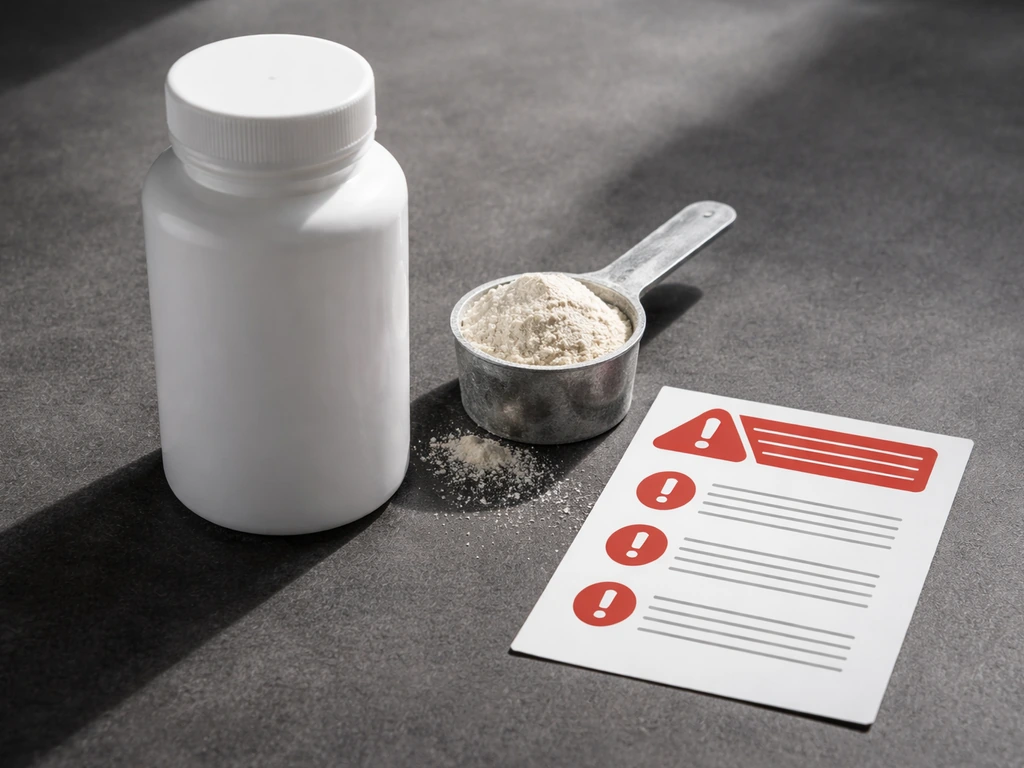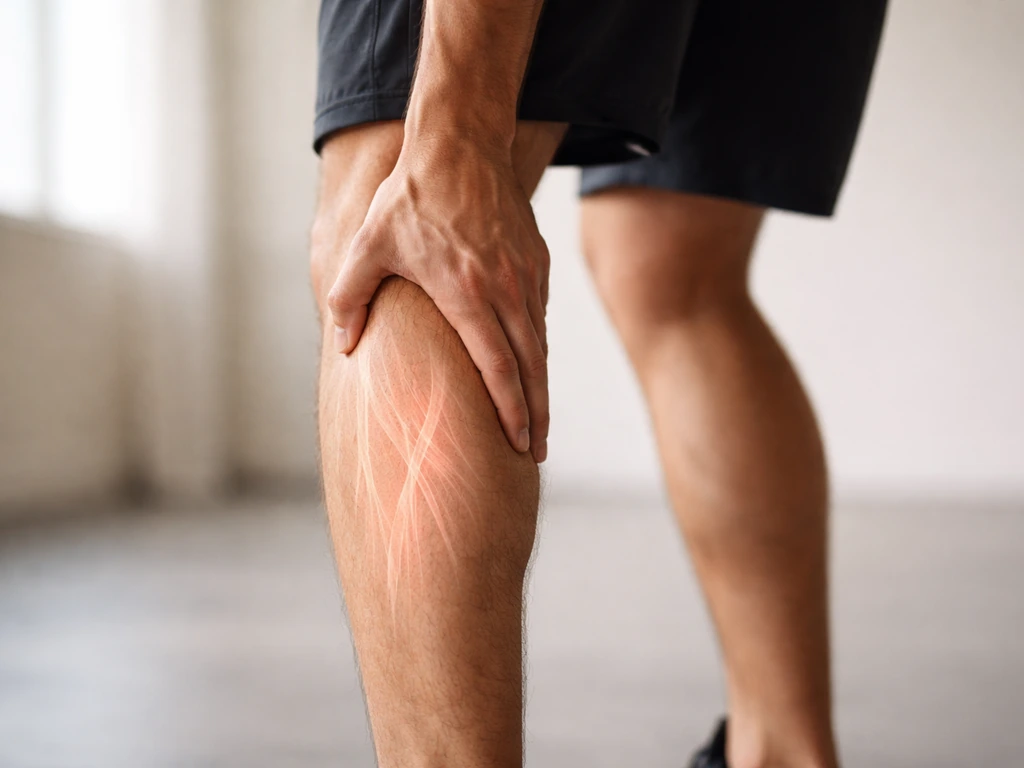
Body grow powder side effects range from mild and manageable (bloating, GI upset, water retention, disrupted sleep) to more serious concerns if you're using a product with stimulants, herbal blends, or undisclosed ingredients. If you’re dealing with fast grow amino side effects, start by checking the label for stimulants, undisclosed blends, and caffeine amounts. Most healthy adults tolerate mainstream formulas reasonably well, but the risks go up fast if you're taking too much, have a preexisting condition, or are using a sketchy multi-ingredient product. Here's what you actually need to know before you scoop.
Body Grow Powder Side Effects: Risks, Benefits, and Safe Use

Marcus Kellerman
15 May 2026

What body grow powder actually is (and what's inside it)
The term 'body grow powder' doesn't refer to a single product. It's a broad marketing label applied to a wide range of mass gainers, weight gain blends, and muscle-support formulas. At the simpler end, you'll find products that combine whey, soy, and skim milk protein with carbohydrates and basic micronutrients. Products like Knoll Body Grow Powder, for example, use multiple protein sources alongside carbs to support lean muscle mass and weight gain. At the more complex end, some body grow powders are Ayurvedic-style proprietary blends that stack herbs like ashwagandha, shilajit, kaunch beej, and tribulus on top of creatine, protein, and vitamins. That's a very different product profile, and the ingredient list matters enormously when you're thinking about side effects.
Some blends also include caffeine or other stimulants, though it isn't always labeled clearly. The bottom line is that 'body grow powder' could mean a straightforward high-calorie protein shake, or it could mean a multi-ingredient formula with herbal compounds and performance enhancers that interact with your body in ways you might not anticipate.
The most common ingredient categories
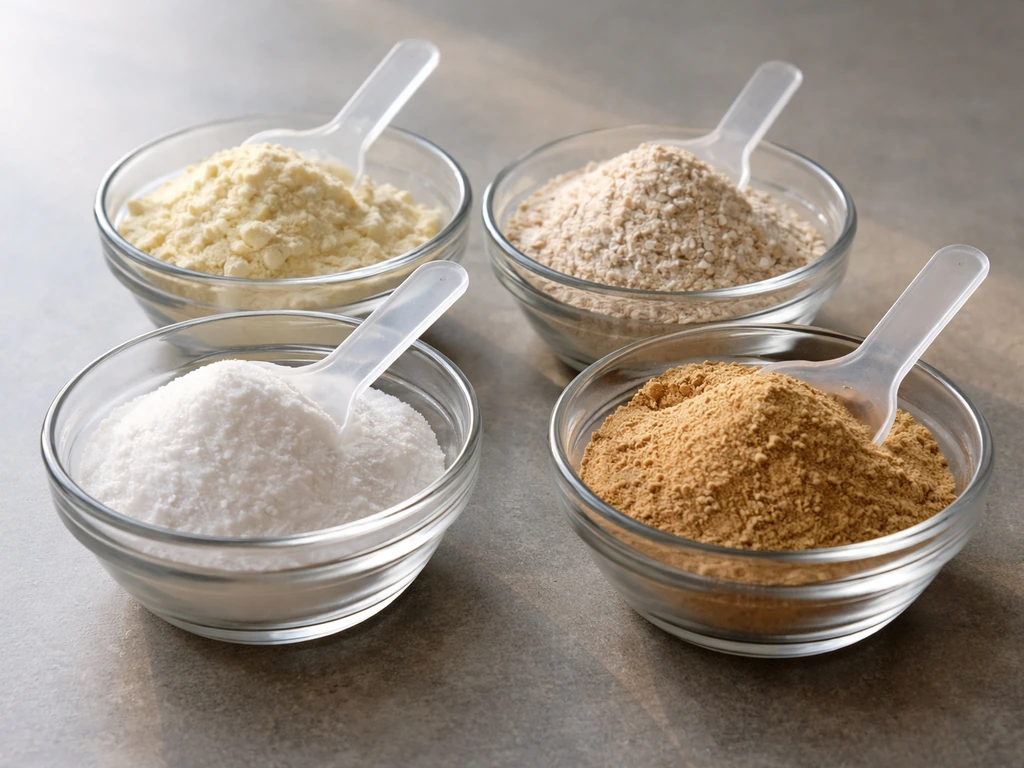
- Protein sources: whey concentrate/isolate, soy, casein, milk protein blends
- Carbohydrates: maltodextrin, oat flour, fructose (for calorie density)
- Creatine monohydrate (sometimes)
- Vitamins and minerals: B vitamins, zinc, magnesium
- Herbal adaptogens: ashwagandha, shilajit, tribulus terrestris, kaunch beej
- Stimulants: caffeine (not always disclosed on the label)
- BCAAs or amino acid blends
Real benefits vs. the hype
Here's what body grow powder can legitimately do: if you're struggling to eat enough protein and calories to support muscle growth, a well-formulated mass gainer or protein blend can fill that gap. Protein is the single most important dietary variable for building lean muscle, and if you're consistently short on it, supplementing genuinely helps. Creatine monohydrate, when it's included, is the most well-researched ergogenic supplement in existence. The International Society of Sports Nutrition calls it the most effective nutritional ergogenic for increasing high-intensity exercise capacity and lean body mass during training. That's not hype, that's a strong evidence base.
But here's what body grow powder won't do: it won't build muscle on its own. No powder overrides inadequate training or poor sleep. Products with ashwagandha, tribulus, or shilajit are sold on promises of testosterone support or 'natural anabolic' effects, but the human evidence for those herbs meaningfully moving the needle on muscle mass is thin compared to basics like protein and creatine. You might see small benefits from adaptogens in stress or recovery contexts, but don't let the marketing convince you the herbs are doing the heavy lifting.
Mass gainers specifically are often calorie bombs (some pack 600 to 1,000+ calories per serving). If you're genuinely underweight or struggling to eat enough, that's useful. If you're already eating enough, you'll gain fat, not muscle, from those extra calories.
Common side effects and who's most at risk
Let's go through the realistic side effect profile, ingredient by ingredient, because the risk picture changes depending on what's in your specific product. Because strong body grow syrup side effects can vary by ingredient and dose, check your label and start low to reduce risk.
Protein-related side effects
- Bloating, gas, and stomach discomfort: especially common with whey concentrate, soy, or large serving sizes
- Digestive upset and loose stools: high-carb mass gainers (often heavy in maltodextrin) can cause osmotic diarrhea in some people
- Acne flare-ups: reported with high-dairy-protein intake by some users, though evidence is mixed
- Excess caloric intake leading to fat gain: a real side effect if you're not tracking total intake
Creatine-related side effects
Creatine is one of the safest supplements studied. The only side effect consistently reported in the ISSN's position stand is weight gain, which is mostly water drawn into muscle tissue. Some people notice short-term bloating or mild GI discomfort, particularly during loading phases (20g/day for 5 to 7 days). If your product includes creatine and you're concerned, skip the loading phase and just take 3 to 5g daily. People with kidney disease should talk to a doctor first, since research in that population is limited.
Caffeine-related side effects
If your body grow powder contains caffeine (check carefully, it's not always obvious), this is where things get more clinically significant. Caffeine can cause anxiety, restlessness, insomnia, GI irritation, tremors, and heart palpitations. The FDA and supporting research suggest around 400 mg per day is a reasonable upper limit for most healthy adults, but sensitivity varies wildly. Some people are bothered by 100 mg; others tolerate 300 mg easily. Taking caffeine-containing powders late in the day is a reliable way to wreck your sleep, which directly harms muscle recovery.
Herbal ingredient concerns
This is where things get genuinely murky. Multi-herb Ayurvedic blends are 'proprietary formulations,' which means the exact amounts of each herb aren't always disclosed. blank" rel="noopener noreferrer">NCCIH and the NIH warn that bodybuilding supplements sometimes contain undisclosed active pharmaceutical ingredients or contaminants. That's not paranoia, it's documented. Some products sold online have been found to include unlisted steroids, stimulants, or prescription compounds. Herbs like shilajit and tribulus interact with hormonal pathways, and while the risks from food-grade doses are generally low, you're taking a bigger gamble when amounts aren't transparent. Because “testostro” is often marketed for testosterone support, it can bring side effects that overlap with other hormone-influencing ingredients and may vary by dose and formula.
Who's most at risk
- Beginners who take high doses right away, assuming more is better
- People with lactose intolerance or dairy/soy allergies (many protein blends use both)
- Anyone with kidney or liver disease, given protein load, creatine, and unknown herbal compounds
- People with high blood pressure, heart conditions, or arrhythmias (especially if caffeine is included)
- Older adults, who may have reduced kidney clearance and are more sensitive to stimulants
- Anyone currently on prescription medications (interaction risk is real and often overlooked)
- People with diabetes or blood sugar regulation issues (some mass gainers are very high in fast carbohydrates)
Safety guidelines: how to use it without shooting yourself in the foot
Read the label before you buy
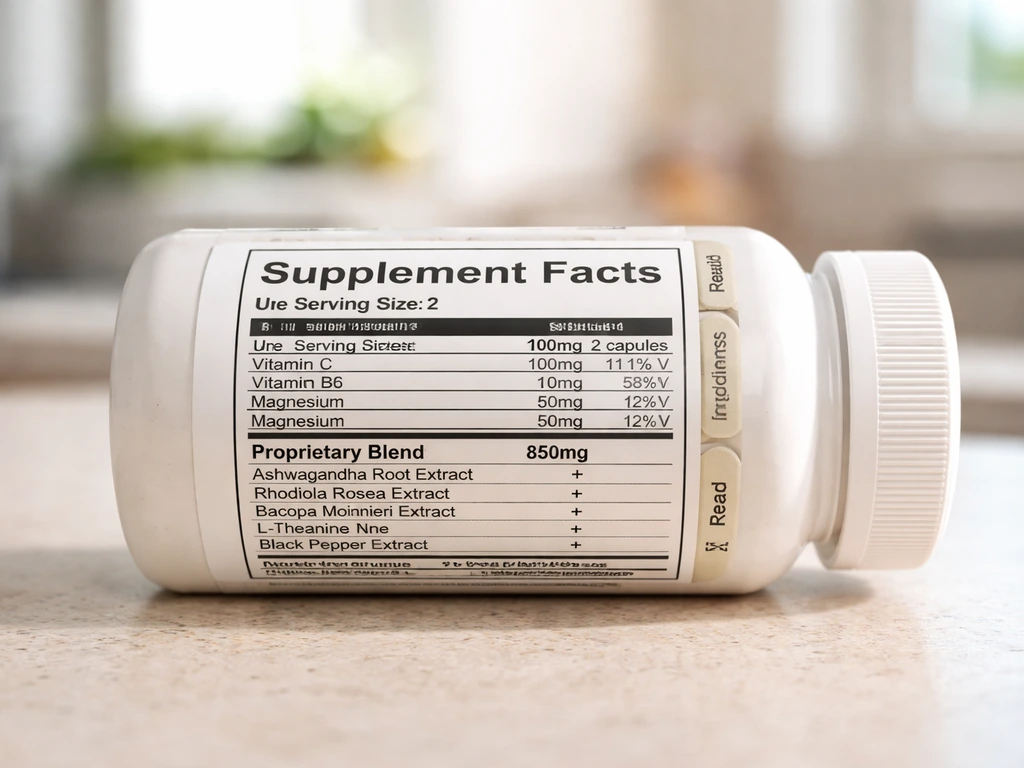
FDA rules require supplement labels to include a Supplement Facts panel, list all ingredients, and display a proprietary blend's total amount along with components in order of predominance by weight. Use that. Look for caffeine (it may be listed as 'anhydrous caffeine,' 'green tea extract,' or 'guarana'). Check for allergens. If you see a long list of herbs with no amounts next to individual ingredients, that's a red flag for transparency. Look for products that have been third-party tested (NSF Certified for Sport or Informed Sport certification are two credible markers).
Start with half a serving
Regardless of what the label says to take, start with half a serving for the first week. This is true for any new supplement. It gives your digestive system time to adapt to the protein load and carbohydrate volume, and if there's a sensitivity or reaction, you'll have a milder experience. If you tolerate it well after a week, move to a full serving.
Timing around training
For muscle-building purposes, protein timing matters somewhat but not dramatically. Getting adequate total daily protein (generally 1.6 to 2.2g per kg of body weight for active people building muscle) is far more important than the exact timing. That said, consuming protein around training (within a few hours before or after) does support muscle protein synthesis, and the ISSN's nutrient timing position stand backs that up. If your powder contains caffeine, take it before training, not in the evening. If it's purely protein and carbs, post-workout is a practical time to use it.
Hydration matters more than people think
High-protein diets and creatine both increase your fluid needs. If you're adding a body grow powder to your routine, drink more water. Aim for at least 3 liters a day if you're training regularly. Under-hydration amplifies GI side effects and puts unnecessary strain on your kidneys.
Interactions with medications and health conditions
This section matters more than most people realize. Multi-ingredient body grow powders can interact with medications and worsen preexisting conditions in ways that aren't obvious from looking at the label.
| Ingredient/Category | Relevant Condition or Medication | Concern |
|---|---|---|
| Creatine | Kidney disease | Limited research in this population; discuss with your doctor before use |
| High protein load | Chronic kidney disease | Excess protein can accelerate kidney stress in people with impaired function |
| Caffeine (if present) | Blood pressure medications | Caffeine raises blood pressure and heart rate; can blunt antihypertensive effects |
| Caffeine (if present) | Arrhythmia or heart conditions | Can trigger palpitations or irregular rhythm |
| Caffeine (if present) | Anxiety disorders or SSRIs/SNRIs | Caffeine worsens anxiety; stimulant effects may interact with psychiatric meds |
| Herbal adaptogens (ashwagandha, shilajit, tribulus) | Thyroid conditions or thyroid medication | Some adaptogens may influence thyroid hormone levels; interaction risk is real |
| Herbal adaptogens | Anticoagulants (e.g., warfarin) | Some herbs affect platelet function or drug metabolism; bleeding risk may increase |
| High-carb mass gainer | Diabetes or insulin resistance | Rapid-digesting carbs can spike blood sugar; timing and dose need careful management |
| Proprietary blends (undisclosed ingredients) | Any prescription medication | Unknown ingredients may interact unpredictably with any drug class |
If you're on any prescription medication, have a chronic condition, or are pregnant or breastfeeding, talk to your doctor or pharmacist before starting any body grow powder. That's not a disclaimer throwaway, it's genuinely important. The NCCIH specifically recommends this for bodybuilding and performance supplements because of the real risk of undisclosed active pharmaceutical ingredients in some products.
How to reduce risk and what actually works instead
If you're dealing with side effects or just want to build a safer, more evidence-based approach to gaining muscle, here's what to do.
Practical steps to reduce side effects
- Switch from whey concentrate to whey isolate if you're getting bloating or GI discomfort (isolate has less lactose)
- Take protein powder with food rather than on an empty stomach to reduce gut irritation
- Cut the serving size in half and build up slowly
- Eliminate any other caffeine sources while assessing tolerance to a stimulant-containing powder
- Stay well hydrated, especially if the product contains creatine
- Stop using the product for two weeks to establish a baseline, then reintroduce it and see if symptoms return (this is how you confirm the powder is the cause)
What the evidence actually supports for muscle growth
If you want the most effective and lowest-risk approach to muscle-building supplementation, you don't need a complicated body grow blend. Here's what's genuinely supported: adequate dietary protein from whole foods (chicken, eggs, fish, legumes, dairy) covers the foundation. If you need a supplement, plain whey protein or casein is safe, well-studied, and inexpensive. Creatine monohydrate (3 to 5g daily, no loading required) is the single most evidence-backed ergogenic supplement for building lean mass and improving training capacity. Those two cover about 90% of what supplementation can realistically offer for muscle growth. Everything else is much further down the evidence hierarchy.
If you're specifically interested in how different supplement types compare, topics like fast grow amino formulas and strong body grow syrups follow similar patterns: the more ingredients a product stacks, the harder it is to predict the side effect profile and the less likely any single component is dosed at an effective level.
Food first is not a cliche
The NIH ODS is blunt about this: for most people, supplements marketed for exercise and athletic performance can't replace a healthy diet. A palm-sized portion of chicken breast has roughly 35g of complete protein with zero GI risk, no proprietary herb blend, and no interaction concerns. If your diet is giving you 120 to 160g of protein daily and you're training consistently, a body grow powder is adding marginal benefit at best. If your diet is short, fix the diet first, then layer in supplementation where there's a genuine gap.
When to stop and when to see a professional
Some side effects are annoying but not dangerous. Others are signals you need to stop immediately and seek care.
Stop using the supplement if you experience

- Chest pain, heart palpitations, or irregular heartbeat
- Severe headaches or dizziness
- Signs of an allergic reaction: hives, swelling of the face or throat, difficulty breathing
- Persistent nausea or vomiting
- Dark urine or significant changes in urination (possible kidney stress)
- Jaundice or upper right abdominal pain (possible liver involvement)
- Anxiety or panic attacks that began with the supplement
- Significant insomnia that started when you began the powder
See a doctor or go to urgent care if
Cardiac symptoms (palpitations, chest tightness, shortness of breath), severe allergic reactions, signs of liver or kidney stress, or any neurological symptoms like severe tremors or confusion warrant prompt medical attention. Don't wait it out. Adverse events from dietary supplements are reportable to the FDA under federal law (21 USC 379aa-1), and if you have a serious reaction, reporting it matters for other consumers too.
Mild symptoms that don't need urgent care but do need attention
GI discomfort, bloating, mild headaches, and minor water retention are common early on and often resolve within one to two weeks as your body adapts. If they persist beyond two weeks, reduce the dose or stop entirely. If stopping the supplement resolves the symptom, you've found your answer. If the symptom continues after stopping, that's a reason to see your primary care provider, because something else may be going on.
The simplest rule: if a symptom is new, worsening, or doesn't match 'expected' protein/carb adaptation effects, trust your instincts and get it checked. No muscle gain is worth a health setback.
FAQ
How long do body grow powder side effects usually last after starting or increasing the dose?
Most early issues from the protein, carbs, or creatine portion (bloating, mild GI upset, temporary water retention, sleep disruption if caffeine is included) tend to improve within 1 to 2 weeks. If symptoms do not clearly trend better by the 2-week mark, cut the dose again or stop and reassess, since persistent symptoms can indicate intolerance or a non-obvious ingredient issue (like caffeine sensitivity or an allergen).
What should I do if I get palpitations or chest tightness after taking a body grow powder?
Stop the supplement immediately and seek urgent medical evaluation, especially if symptoms are severe, recurring, or paired with shortness of breath, dizziness, or fainting. These are not “digestive adjustment” effects, and they can be triggered by stimulants or undisclosed compounds in addition to known caffeine.
Can body grow powder cause high blood pressure or worsen anxiety?
Yes, particularly for powders containing caffeine or other stimulants, and in some people even normal doses can worsen anxiety, restlessness, tremor, or perceived heart rate. If you notice these effects, switch to a non-stimulant product and avoid taking it late in the day, then consider speaking with your clinician if symptoms persist despite stopping.
Is it safe to use if I have kidney problems, creatinine concerns, or a history of kidney stones?
If you have kidney disease, you should talk to a doctor before using creatine-containing powders, because population data is limited. Also, prioritizing hydration matters more with high-protein and creatine regimens, but if you have kidney stones or reduced kidney function, do not “self-adjust” dose without medical guidance.
Will a body grow powder interact with my medications (for example antidepressants, thyroid meds, or blood pressure drugs)?
It can, especially with stimulant-containing formulas and multi-herb blends that may affect hormonal or metabolic pathways. If you take any prescription medication, confirm the ingredient list with a pharmacist, paying close attention to caffeine sources (guarana, green tea extract) and any herbal components, since supplement label wording can hide effective actives.
How can I tell if my “body grow powder” has hidden stimulants?
Check the Supplement Facts for caffeine listed by name (including forms like anhydrous caffeine, guarana, or green tea extract) and compare total amounts per serving. Also look for ingredient sprawl where stimulants are embedded in proprietary blends, if individual herb amounts are not disclosed, you are more likely to miss what is driving sleep disruption or jitteriness.
What is the safest way to start, if I want to minimize side effects?
Use a lower starting dose, commonly half a serving, for about a week, then increase only if symptoms are mild and clearly improving. If your product includes caffeine, start with the earliest time you will consistently take it (before training) to reduce the chance of insomnia, and avoid combining it with coffee or other pre-workouts.
Do I need creatine “loading,” or does it increase side effects?
Loading is not required for benefits, and it can increase short-term GI discomfort or bloating due to higher daily intake for several days. If you are sensitive or prone to GI issues, skipping loading and using a steady 3 to 5 g daily is a common way to reduce the adjustment period.
Why am I gaining weight quickly after starting, even if I am not eating more?
A common reason is water retention from creatine, which can add scale weight even without fat gain. If the weight jump is paired with reduced performance, swelling, or symptoms beyond mild water retention, consider stopping and reassessing, because that pattern could also relate to high-calorie mass gainer portions.
What’s the difference between fat gain and “water weight” with mass gainer style powders?
Water-related weight from creatine usually happens quickly and does not necessarily reflect an increase in waistline, while fat gain requires a sustained calorie surplus from the product’s extra calories. If your powder is 600 to 1,000+ calories per serving, even small overshoots can tilt you toward fat gain over time, so track weekly calories or servings.
When should I stop the product and get checked even if I think it’s “just the powder”?
Stop and seek medical care promptly for warning signs like chest symptoms, severe allergic reactions, neurological changes (confusion, severe tremor), or signs of liver or kidney stress. For ongoing mild issues, if symptoms worsen, persist beyond two weeks, or do not resolve after stopping, contact your primary care provider to rule out unrelated conditions or an ingredient-triggered problem.