Yes, strained muscles can and do grow back stronger, but only if you give the repair process what it needs and load the tissue again at the right time. The key word is "can." A minor Grade 1 or Grade 2 strain, managed well, goes through a genuine regeneration process driven by satellite cells (your muscle's built-in stem cells) and, once healed enough, responds to progressive loading just like healthy muscle does. What actually determines whether you come back stronger is not the strain itself, it's what you do in the days and weeks after.
Do Strained Muscles Grow Back Stronger? What to Do Next
Marcus Kellerman
30 May 2026
What a muscle strain actually is (and what "stronger" depends on)
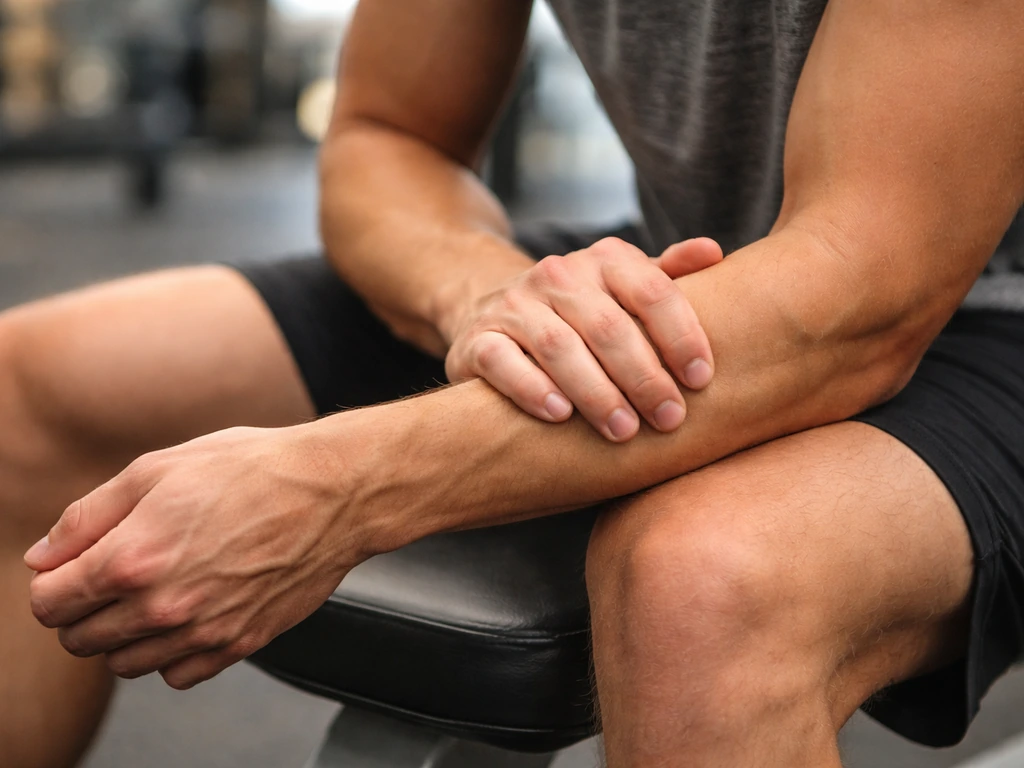
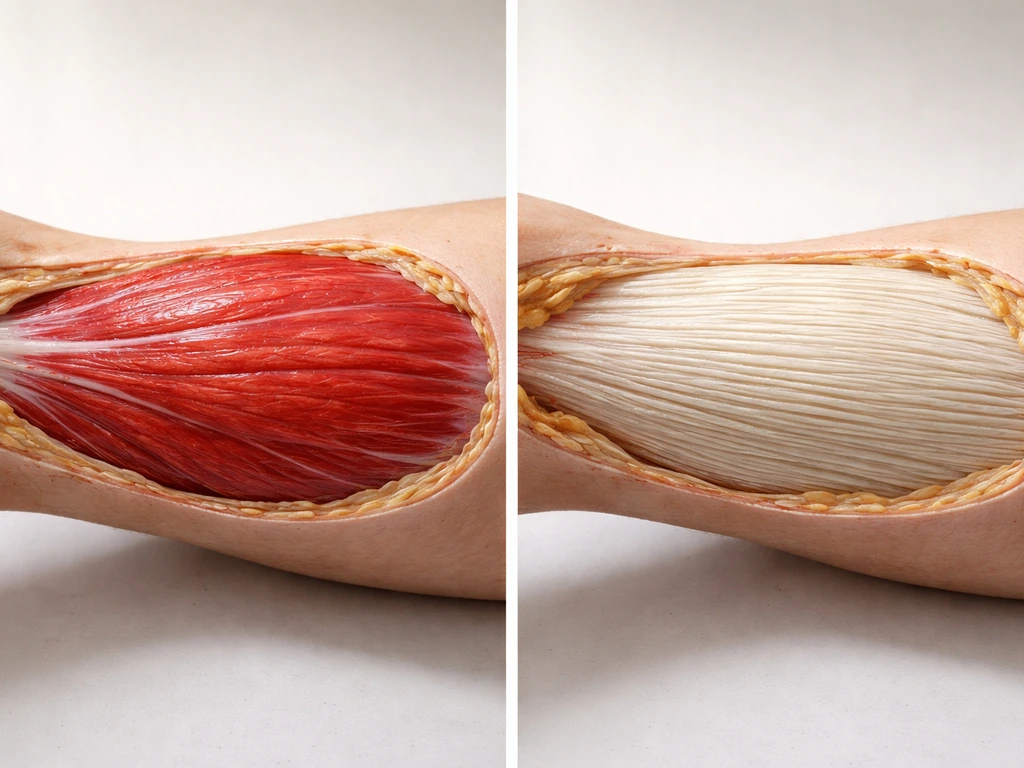
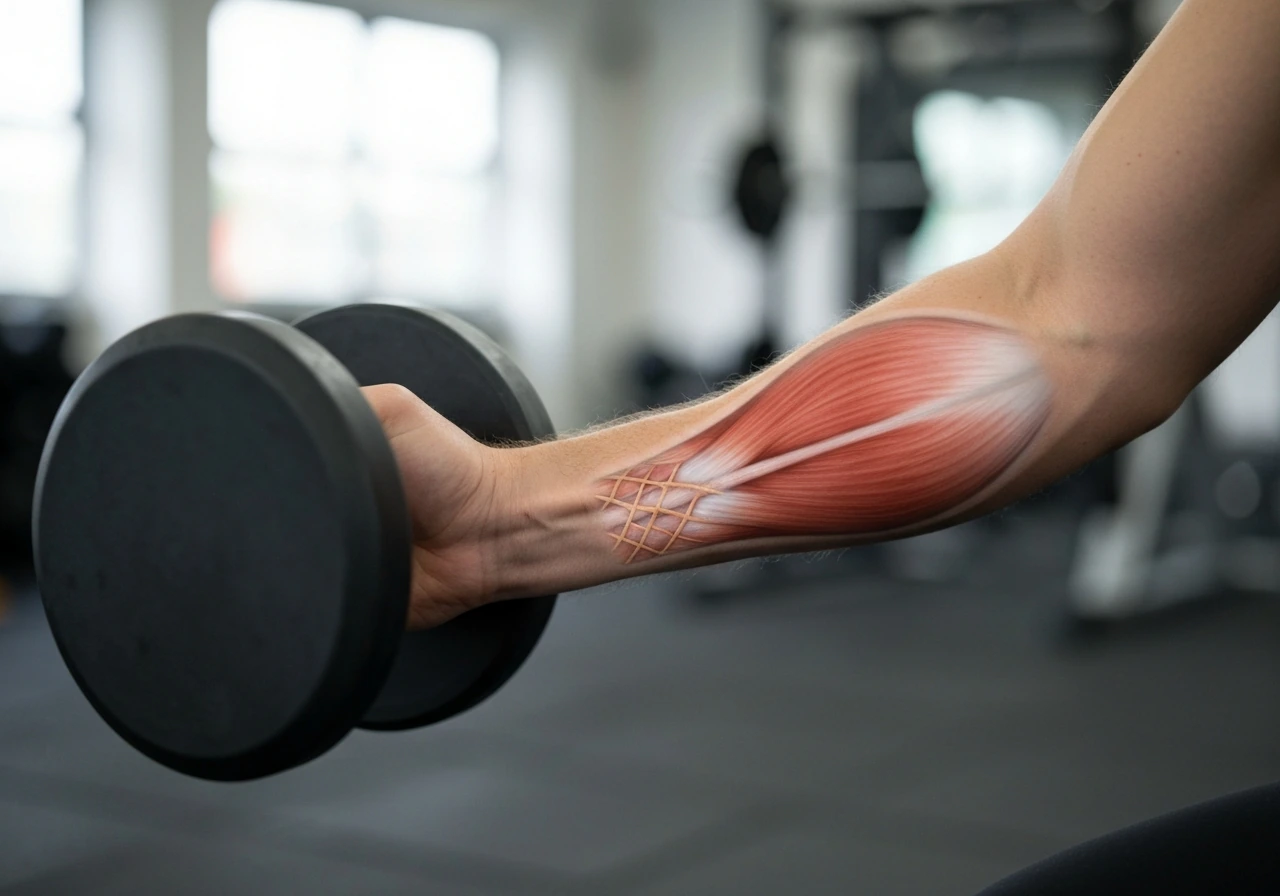
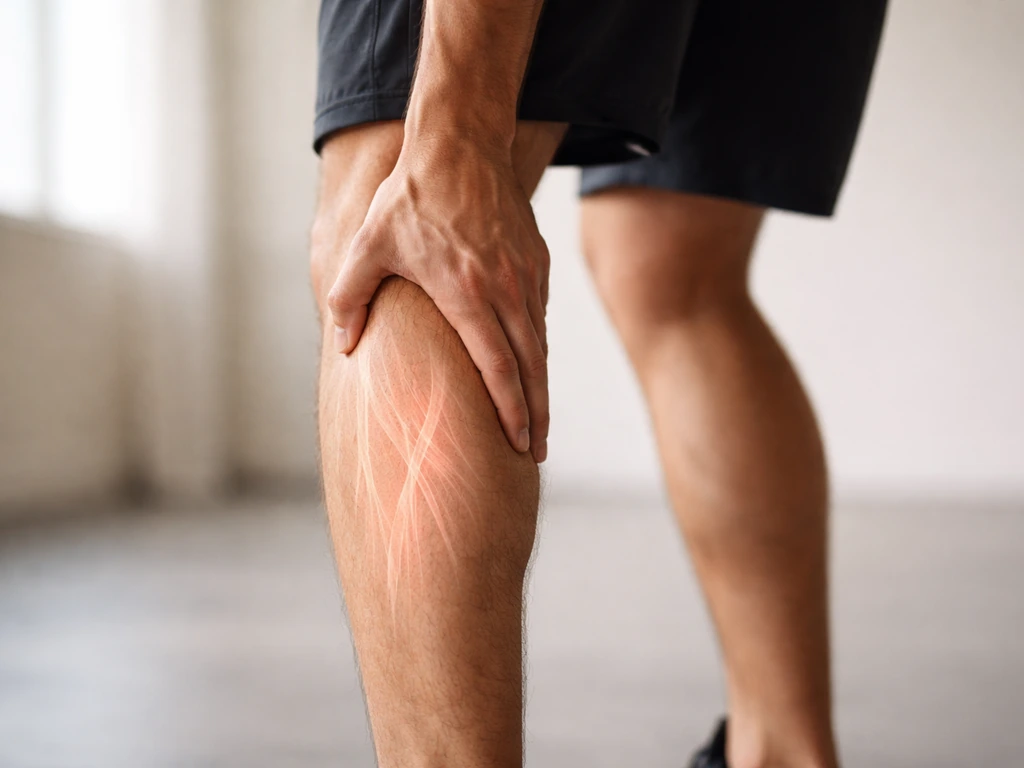
A muscle strain is an injury to the muscle tissue or the tendon that connects it to bone. What most people call a "pull" is usually a Grade 1 strain, meaning a small number of fibers are disrupted but the overall architecture of the muscle stays intact. On imaging like MRI, Grade 1 shows up as swelling and edema with no structural tearing. Grade 2 is a partial tear, more fibers involved, more pain, more time needed. Grade 3 is a complete rupture, the muscle or tendon tears all the way through, and that's a different situation entirely requiring medical evaluation.
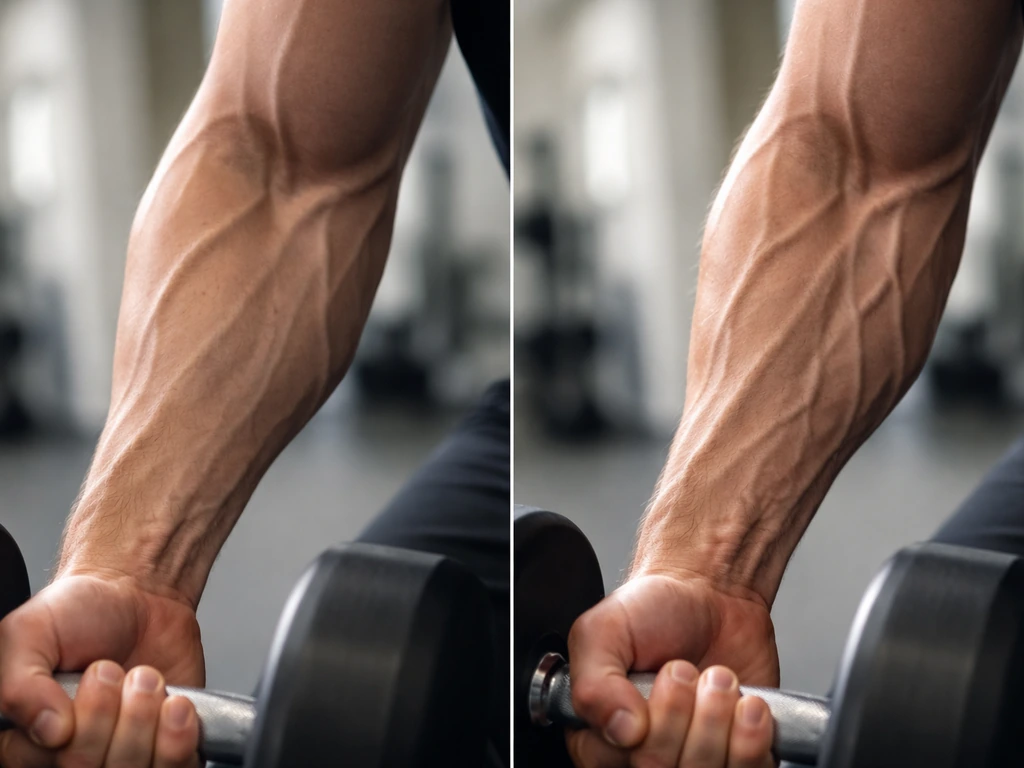
When fibers are damaged, your body launches a three-phase response: destruction (clearing debris and inflammatory signals), regeneration (satellite cells activate, multiply, and fuse into new or repaired fibers), and remodeling (the repaired tissue gets reorganized and strengthened). Because nerves and blood vessels are carried in living tissue, changes in what gets used around a growing, remodeling muscle can affect the local circulation over time, even though vessels themselves do not directly “grow” the way muscles do.
This is real, measurable repair at the cellular level. Whether that repaired muscle ends up stronger than before depends on two things: whether the repair process completes properly, and whether you apply progressive mechanical loading once the tissue is ready. Do muscles grow during recovery when you follow progressive loading and give your body the right fuel, sleep, and protein. Skip either step and you're just hoping.
Tattoo aging works differently, and tattoo ink doesn’t grow with muscle the way natural tissue does.
When strained muscles get stronger vs. when they don't
Minor strains in otherwise healthy tissue, given proper early management and a structured return to loading, reliably restore and often exceed prior strength. The rate you regain strength depends on which tissue is recovering, because muscles and tendons often heal and adapt at different speeds do muscles grow faster than tendons. That's not hype, it's the satellite cell system doing what it evolved to do. But there are real scenarios where recovery stalls or strength doesn't come back fully.
- Returning too early: Loading a partially healed fiber tears it again before the regeneration phase finishes. This creates a cycle of re-injury and scar accumulation rather than clean repair.
- Staying sedentary too long: Research comparing active rehab versus immobilization consistently shows that complete rest slows regeneration and reduces final strength recovery. The tissue needs mechanical signals to remodel properly.
- Ignoring nutrition: Satellite cells and muscle protein synthesis need raw materials. Protein, calories, and sleep are not optional during repair.
- Severe or untreated tears: Grade 3 strains and high-grade Grade 2 tears may need surgical or specialist intervention. Waiting those out at home without assessment is risky.
- Older adults with poor baseline nutrition: Satellite cell responsiveness doesn't disappear with age, but it's less forgiving of protein deficits and long immobilization periods. Age is context, not a barrier, but it means the nutrition and early mobilization steps matter even more.
What to do immediately after a strain
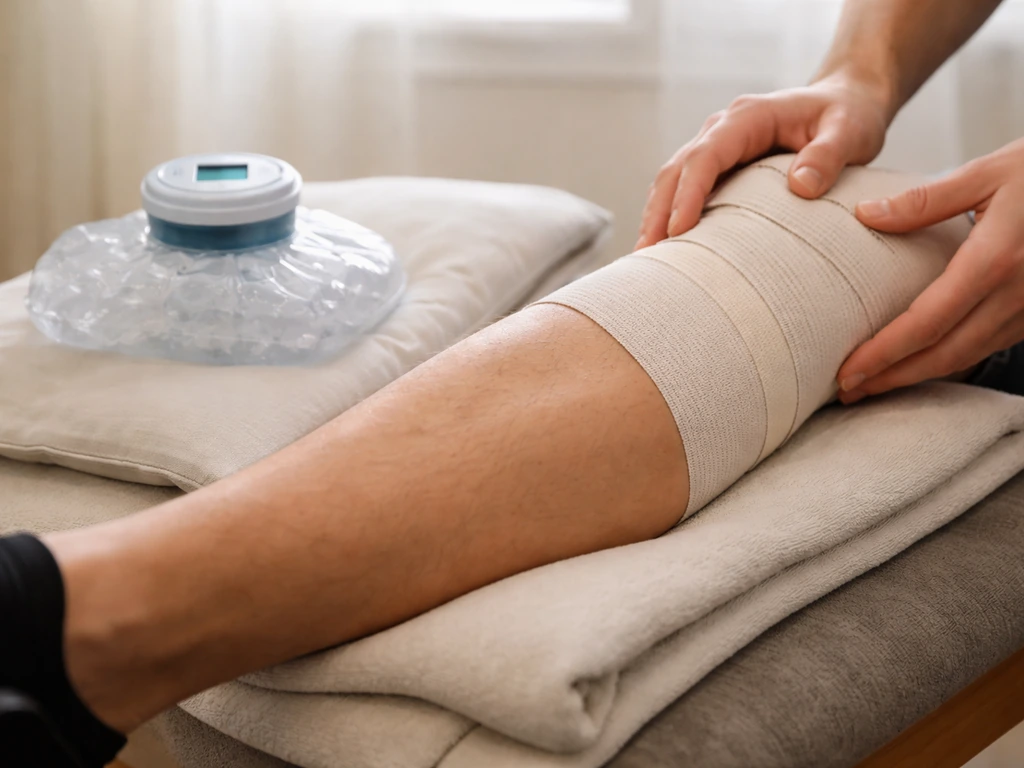
The first 48 to 72 hours are about protecting the tissue and controlling the inflammatory response without shutting it down completely. Use the RICE framework as a starting point: relative rest (not complete immobilization), ice applied for 15 to 20 minutes every 2 to 3 hours during the first couple of days, compression if accessible, and elevation if the strain is in a limb. Over-the-counter pain relief like ibuprofen or naproxen can reduce pain and swelling in the acute phase. Acetaminophen works for pain without the anti-inflammatory effect if you have reasons to avoid NSAIDs.
Use pain as your activity guide from day one. A useful working rule: discomfort that stays below a 4 or 5 out of 10 during gentle movement, and returns to baseline within an hour of stopping, is generally tolerable. Pain that spikes above that, lingers for hours afterward, or is accompanied by increasing swelling means you've done too much. That threshold is your real-time feedback system for the entire early phase.
One thing to stop doing immediately: don't try to "walk it off" through sharp pain, and don't heat the area or get a massage in the first 24 to 48 hours. Both can increase bleeding into the tissue and worsen swelling.
Healing timelines by severity (and when rehab can start)
| Grade | What it involves | Typical healing window | When to start rehab movement |
|---|---|---|---|
| Grade 1 (minor) | Few fibers disrupted, no structural tearing, localized soreness | 1–3 weeks | Gentle pain-free movement within 2–3 days; return to sport around 2–3 weeks |
| Grade 2 (moderate) | Partial tear, more significant pain, possible bruising | 3–6 weeks (sometimes longer) | Begin range-of-motion work once acute pain settles, typically after 3–5 days; full return to load closer to 4–6 weeks |
| Grade 3 (severe) | Complete rupture of muscle or tendon | Months, often requires surgery | Needs clinical assessment before any self-directed rehab |
These are general windows, not guarantees. Individual factors like age, baseline fitness, injury location, and how quickly you start appropriate management all shift the timeline. The rule of thumb is: don't rush to lift because a calendar says you should, but also don't keep waiting because it still feels "a little off." Mild residual tightness during light movement is different from pain that warns you off.
How to rebuild strength in the injured muscle
This is where people either get it right or waste months of potential progress. The goal of rehab loading is to apply mechanical tension to the healing fibers in a way that drives remodeling without overwhelming tissue that's still fragile. Think of it as a ramp, not a switch.
Phase 1: Isometrics and pain-free range of motion
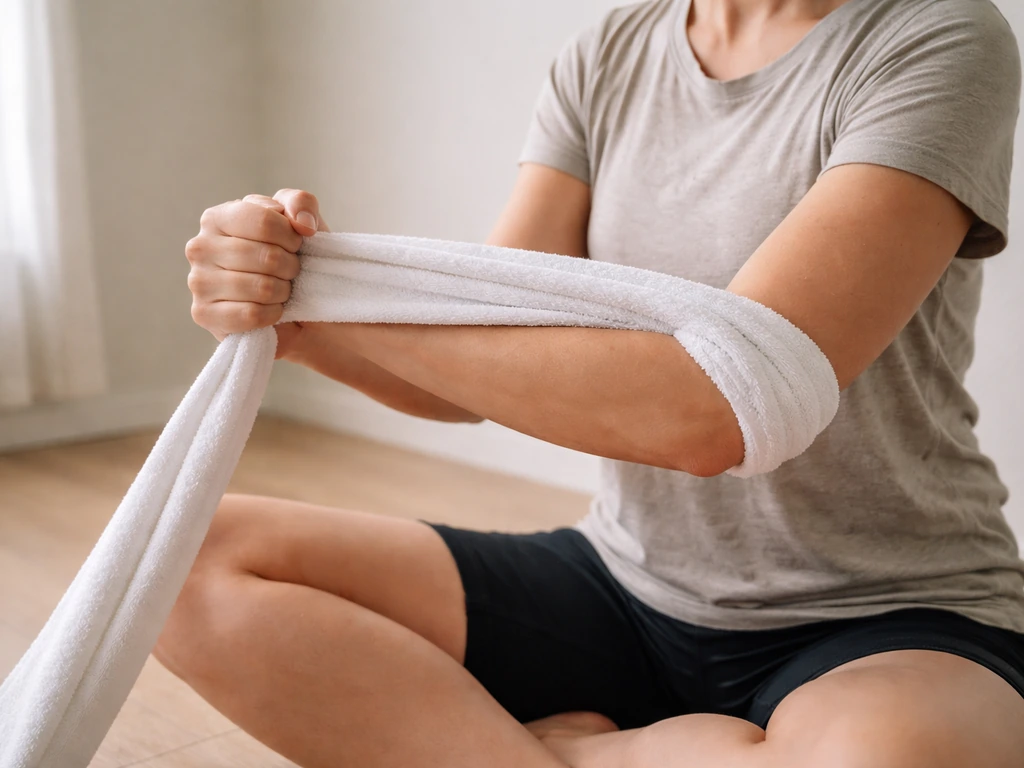
Once the acute inflammation settles (usually 2 to 5 days post-strain for Grade 1), start with isometric contractions: tensing the muscle without moving through a range. These build early neural drive and create gentle mechanical signals without much tissue stress. Hold for 5 to 10 seconds, repeat 5 to 10 times, and stop if it triggers more than mild discomfort. Add gentle range-of-motion work through the pain-free zone at the same time.
Phase 2: Isotonic loading (the strength-rebuild phase)
Once you can move through a full, pain-free range of motion, progress to isotonic (concentric and eccentric) movements with light resistance. This is when real strength rebuilding begins. Start at a weight that feels almost too easy, something like 30 to 40 percent of what you'd normally use, and work in the 10 to 15 rep range. Add weight only when you can complete the sets with zero pain during and no soreness lasting into the next day. Eccentric loading (the lowering or lengthening phase of a movement) is particularly valuable for rebuilding tensile strength in the muscle, but it also carries more tissue stress, so introduce it conservatively and increase load gradually.
Phase 3: Progressive overload back to full capacity
From here, apply the same progressive overload principles you'd use for any muscle-building program. Increase load, volume, or both over weeks, not days. Adding neuromuscular control work (balance challenges, hip and trunk stabilization exercises if a lower-body muscle is involved) reduces re-injury risk significantly. Research on hamstring strains, for example, shows that progressive agility and trunk stabilization programs cut recurrence rates meaningfully compared to basic stretching alone.
Nutrition and recovery that actually support muscle repair
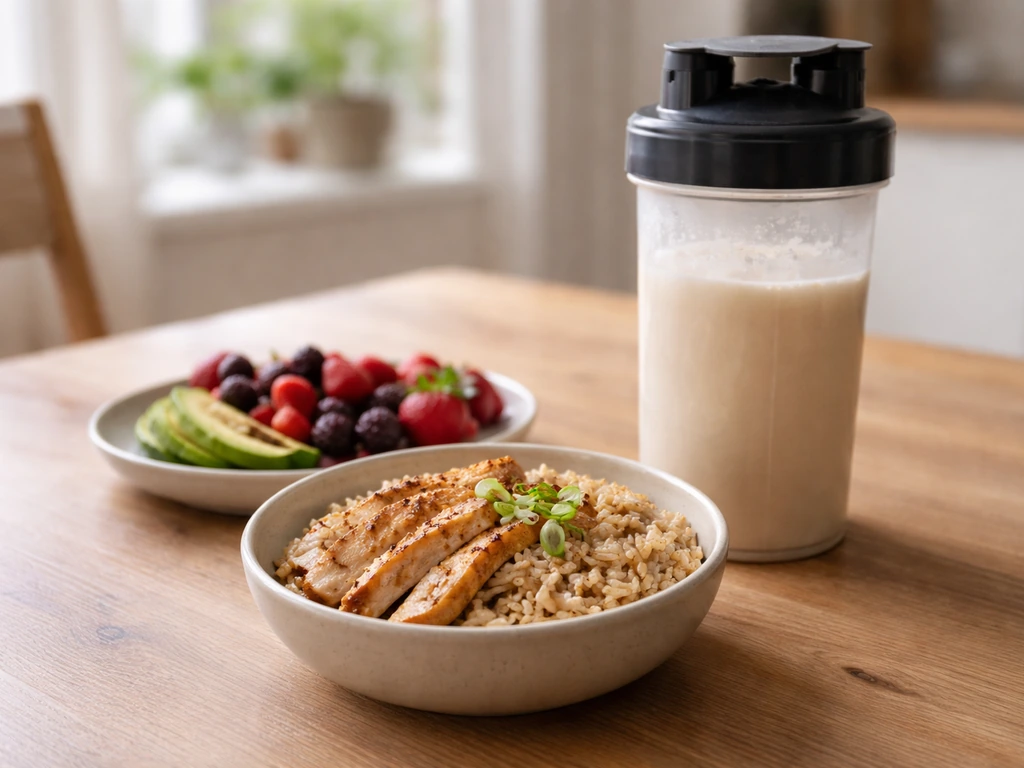
Your satellite cells and muscle protein synthesis machinery need fuel to do their job. During recovery from a strain, treat nutrition as part of the treatment, not an afterthought.
Protein
Aim for 1.6 to 2.0 grams of protein per kilogram of bodyweight per day during recovery. The ISSN position stand places the general range for exercising individuals at 1.4 to 2.0 g/kg/day, and during active tissue repair it makes sense to sit at the higher end. Spread intake across 3 to 4 meals rather than loading it all at once. A 75 kg person is targeting roughly 120 to 150 grams of protein per day.
Calories
Don't aggressively cut calories while injured. Repair is an energy-demanding process, and a significant caloric deficit during active healing slows it down. Maintain roughly maintenance calories, or a small surplus if you're already lean, until you're back to full training load.
Carbohydrates around training
Once you're back to rehab loading, pairing carbohydrates with protein after sessions supports muscle protein synthesis and glycogen replenishment. A practical target from ISSN nutrient timing guidance: roughly 0.8 g/kg of carbohydrates with 0.2 to 0.4 g/kg of protein post-workout.
Supplements worth considering
- Omega-3 fatty acids (EPA/DHA): Meta-analyses show that fish oil supplementation can reduce exercise-induced muscle damage markers, attenuate soreness, and support strength and range-of-motion recovery. A dose of 2 to 3 grams of combined EPA/DHA per day is a reasonable starting point.
- Creatine monohydrate: The ISSN positions creatine as one of the most well-supported supplements for muscle function and recovery. A loading phase of about 0.3 g/kg/day for 5 to 7 days followed by 3 to 5 grams per day to maintain elevated stores is the standard protocol. It won't speed healing of the acute injury, but it supports strength recovery once you're loading again.
- Vitamin D and magnesium: Worth checking if your diet is lacking. Both influence muscle function and recovery, and deficiency in either is common enough that it's worth addressing.
Sleep
Growth hormone and muscle protein synthesis peak during deep sleep. Seven to nine hours is not a luxury during recovery, it's literally when a significant portion of tissue repair happens. If your sleep is poor, fix that before fine-tuning your supplement stack.
Common myths and when to get medical help
Myths to stop believing
- "More soreness means more growth." No. Delayed onset muscle soreness (DOMS) reflects tissue disruption, not a guaranteed adaptation signal. Severe soreness can mean you've damaged more than you needed to. The goal is productive stress, not maximum pain.
- "Rest until it stops hurting completely." This leads to prolonged immobilization, which research consistently shows slows regeneration and reduces final strength recovery. Early, pain-guided movement is better than waiting for zero symptoms.
- "Push through the pain to toughen it up." Re-injuring a partially healed strain doesn't make the tissue tougher. It creates more scar tissue and a longer road back.
- "A strain means I can't train at all." You can often train uninjured areas the same week. Keeping overall training stress up (outside the injured muscle) maintains fitness and hormone environment without touching the healing tissue.
Red flags: go see someone now
Some situations are beyond self-management. Get evaluated by a clinician if any of these apply to your injury:
- You heard or felt a "pop" at the moment of injury
- You can't move the muscle at all or the limb can't bear weight
- Severe bruising or swelling develops rapidly
- There is visible deformity or an unusual shape to the muscle
- Numbness, tingling, or loss of sensation around the injury
- Pain is not improving after 2 to 3 weeks of appropriate management
- You're an older adult with a sudden, forceful injury, especially in a major tendon like the Achilles or biceps
These signs can indicate a Grade 3 rupture, tendon avulsion, or something other than a simple muscle strain. Imaging (ultrasound or MRI) can differentiate, and some injuries genuinely need surgical repair or specialist rehab to recover properly. Don't delay on these.
Your action plan for the next 7 to 14 days
Here's how to think about the first two weeks after a minor to moderate strain:
- Days 1 to 3: Relative rest. Ice the area 15 to 20 minutes every 2 to 3 hours. Use compression and elevation if possible. Take ibuprofen or naproxen if pain is significant and you have no contraindications. Do not stretch aggressively or heat the area. Eat at maintenance calories with high protein (1.6 to 2.0 g/kg/day). Sleep 7 to 9 hours.
- Days 3 to 5: Begin gentle pain-free range-of-motion movement. Add isometric contractions held for 5 to 10 seconds if pain is below 4/10. Stop and rest if symptoms flare. Continue high protein intake and add omega-3s if you haven't.
- Days 5 to 7: Reassess. Can you move through a full range of motion with pain below 3/10? If yes, start very light isotonic loading (30 to 40 percent of normal weight, 2 to 3 sets of 10 to 15 reps). If pain is still significant or the injury has any of the red flag features listed above, get a clinical assessment.
- Days 7 to 14: For Grade 1 strains that are responding well, progress load by roughly 10 percent every 3 to 4 days, guided by pain and next-day soreness. Introduce eccentric-emphasis movements (like slow-tempo Romanian deadlifts for a hamstring strain) at light load by the end of this window if tolerated. Add stability and control work alongside strength exercises.
- End of week 2 check-in: You should be able to do the movement pain-free with moderate load and no lingering soreness. If yes, return to your normal training structure with the injured muscle treated as "early stage" (conservative volume and load) for another 2 to 3 weeks before resuming full intensity. If not, something is off and a physio assessment will save you time.
The bottom line is that a strained muscle has real biological machinery for coming back stronger, and that machinery works well when you give it early protected movement, adequate protein and calories, progressive loading at the right time, and enough sleep. What undermines recovery is either doing too much too soon or doing nothing at all. The window between those two extremes is wider than most people think, and staying active within it is always the right call.
FAQ
How long should it take before I notice strength coming back after a muscle strain?
For mild strains, you often regain noticeable function within 1 to 2 weeks, but full strength can take longer. What matters is not the calendar, it is consistent progress in pain-free range, then your ability to add load without next-day flare-ups.
Do I need imaging (MRI or ultrasound) to know if I will grow back stronger?
Not usually for Grade 1 strains, but imaging helps when symptoms are out of proportion, you cannot regain range after a reasonable time, or there is concern for a partial or complete tear. If you suspect a Grade 3 injury, getting evaluated promptly is important because rehab strategies differ.
Is it okay to train the same muscle again if it still feels tight but not painful?
Tightness alone can be normal, but you should treat it as a sign to keep the load conservative. Use the same pain rules (no sharp pain, no escalation, no lingering soreness into the next hours). If tightness worsens session to session, scale back.
What if pain improves quickly, but I keep getting sore the next day?
Next-day soreness that lasts into the next day can mean you progressed too fast or you are hitting too much eccentric or too much total volume. Reduce resistance, shorten the session, and rebuild gradually before returning to the previous progression.
Can I use heat or massage after the first 48 hours if I’m healing but still a bit sore?
After the early bleeding and swelling window, gentle soft-tissue work can be useful for comfort, but avoid aggressive massage or intense heat that increases pain or swelling. If symptoms rise after the session, switch to cooling and lighter work.
Should I avoid stretching entirely while recovering from a strain?
You do not need to avoid all stretching, but aggressive stretching through discomfort can irritate healing tissue. Focus on pain-free range-of-motion first, then use gentle mobility that does not trigger increased pain during or lingering soreness afterward.
How do I decide between isometrics and light isotonic work during rehab?
Isometrics are a good first step when moving through a range still hurts. Once you can complete full pain-free range of motion, transition to light isotonic work because it provides the movement-related mechanical stimulus needed for strength rebuilding.
If my strain involves a tendon, will I still “grow back stronger” the same way as muscle?
You can still regain strength, but tendon healing often lags behind muscle healing. Be more conservative with loading progression, emphasize controlled eccentrics only after tolerance is clear, and consider extending the rehab timeline compared with a typical muscle-only Grade 1 injury.
What nutrition targets matter most, and do I need supplements?
Protein and total calories are the priority during active repair. Creatine can support training quality, but it is optional, and no supplement replaces adequate protein, carbohydrates for training, and sufficient sleep. If your appetite is low, use meal frequency and simpler, higher-protein foods.
Is it safe to return to sports even if I have no pain at rest?
Often you can return to light activity before you are ready for full sport, but rest pain is not the only test. You should be able to sprint, decelerate, and change direction or use the sport motion pattern without pain spikes and without next-day regression.
What are common reasons people do not come back stronger after a strain?
The most frequent issues are progressing too fast (especially eccentric or total volume), re-injuring due to poor neuromuscular control, and failing to meet recovery needs like sleep and adequate calories. Another common mistake is staying completely inactive long enough that you miss the window for protected loading.