When people search for 'fast grow anabolic benefits,' they're usually asking one thing: how do I make muscle grow as quickly as possible, and are there supplements or strategies that give my body a real anabolic edge? The honest answer is yes, but the levers that matter most aren't exotic. They're training volume done consistently, a modest calorie surplus with enough protein, quality sleep, and a few well-researched supplements. Nail those and you're genuinely maximizing the speed of muscle growth your biology allows.
Fast Grow Anabolic Benefits: How to Build Muscle Faster

Marcus Kellerman
29 May 2026

What 'fast grow anabolic benefits' actually means

Anabolic just means tissue-building. Your body is always toggling between breaking down muscle protein and rebuilding it. When synthesis consistently outpaces breakdown, you grow. 'Fast grow anabolic benefits' is really asking how to tip that balance hard toward synthesis and sustain it. That means creating enough mechanical tension through resistance training to trigger growth signaling, giving your body sufficient raw material (protein and calories) to build new tissue, and then getting out of the way so recovery can do its job.
You'll see this phrase attached to supplement products too, including gainers, amino formulas, and anabolic support stacks. Those products can play a supporting role, but they can't substitute for the fundamentals. Think of supplements as a multiplier on a solid foundation, not the foundation itself. Products in categories like fast grow aminos or protein powders marketed for rapid gains are worth understanding in that context. If you’re specifically looking at grow young fitness protein powder reviews, compare the label to the protein-focused guidance above before buying protein powders.
Realistic timelines: what happens in days, weeks, and months
There's a lot of hype around dramatic transformations, so let's be straight about what's actually possible. In the first one to two weeks of a new training program, most of the strength gains you feel are neuromuscular, not structural. Your nervous system gets more efficient at recruiting muscle fibers. Real hypertrophy, meaning actual increases in muscle fiber cross-section, takes a few weeks to show up in any meaningful way.
| Timeframe | What's actually happening | Realistic change |
|---|---|---|
| Days 1–14 | Neural adaptations, improved motor recruitment, some glycogen and water retention in muscle | Noticeable strength increase; minimal visible size change |
| Weeks 3–8 | Myofibrillar protein accretion begins, muscle cross-section starts increasing | Visible pump and early size gains, especially in beginners |
| Months 2–6 | Sustained hypertrophy with consistent training and nutrition | 0.5–1 kg of actual muscle per month for beginners; ~0.25 kg for intermediates |
| 6+ months | Adaptations slow, programming needs more sophistication | Continued gains but at a slower rate; consistency is the main driver |
Beginners have a genuine advantage here. Because everything is a new stimulus, muscles respond quickly, and that first year of consistent training typically produces more hypertrophy per unit of effort than any other period. If you're an older adult, don't assume age closes the door. The research is clear that people in their 60s and 70s build muscle in response to resistance training. It may happen a bit more slowly, but it absolutely happens.
Training to maximize hypertrophy quickly

Volume is king. The dose-response relationship between weekly sets per muscle group and hypertrophy is well-established: more sets, within recoverable limits, generally produce more growth. Evidence-based guidelines suggest starting at around 10 working sets per muscle per week and progressing toward 15 to 20 sets as your work capacity builds. Going straight to 20 sets when you haven't been training is a fast route to soreness, fatigue, and stalled progress rather than fast gains.
Frequency matters less than most people think. Research consistently shows that when total weekly volume is equated, it doesn't matter much whether you train a muscle once, twice, or three times a week. That said, training a muscle two times per week tends to make volume management easier and may give you slightly more flexibility in programming. A simple upper/lower or push/pull/legs split works well for most people chasing fast hypertrophy.
Intensity and proximity to failure are also important. You don't have to train to absolute muscular failure to grow, but sets need to be challenging. Evidence from meta-analyses suggests that stopping a set with around 0 to 3 reps in reserve (RIR) drives similar or superior hypertrophy compared to stopping well short of failure. Practically: pick weights where the last two to three reps of a set feel genuinely hard, and progress those weights over time.
Exercise selection and progression
Compound movements like squats, deadlifts, rows, presses, and pull-ups build the most muscle across the most tissue with the least time investment. Add isolation work for lagging areas or to accumulate additional volume without as much systemic fatigue. Progressive overload, gradually adding weight, reps, or sets over weeks, is the mechanism by which training stays anabolic over time. Without it, the same workout that built muscle in month one just maintains it by month three.
- Aim for 10–20 working sets per muscle group per week, starting conservatively and building over 4–8 weeks
- Train each muscle 2x per week for practical volume distribution
- Work within 6–20 rep ranges; both ends of that spectrum build muscle when effort is high
- Stop sets 0–3 reps short of failure for most work sets
- Add load or reps each week or every other week to maintain progressive overload
Nutrition that actually drives fast growth
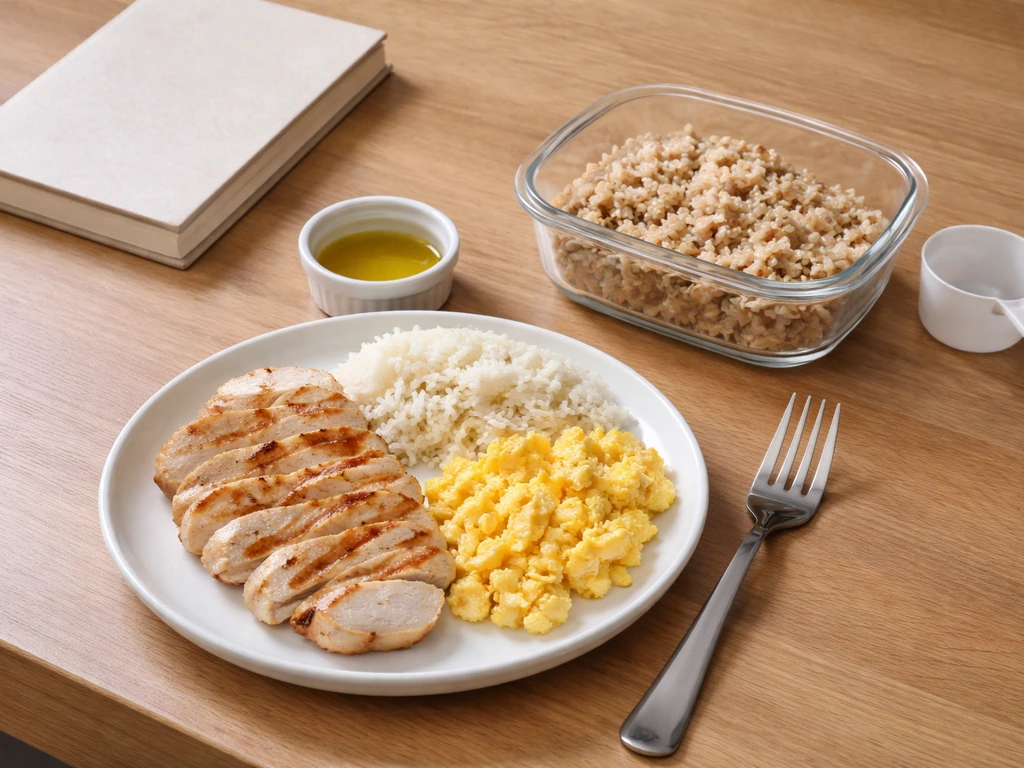
You cannot build significant muscle in a prolonged calorie deficit. An anabolic environment requires energy, and that usually means a modest surplus above your maintenance calories. Somewhere between 200 and 400 calories above maintenance is a reasonable starting point. It's enough to support tissue synthesis without piling on excess fat. If you're gaining more than 0.5 to 1 percent of your body weight per month as a natural lifter, you're probably accruing more fat than muscle.
Protein: the non-negotiable
The ISSN recommends around 1. 6 to 2. 0 grams of protein per kilogram of body weight per day for maximizing muscle protein synthesis. For a 80 kg person, that's 128 to 160 grams daily.
Most people eating a mixed diet fall short of this without paying attention. Spread that protein across at least four meals, aiming for roughly 0. A JISSN (2018) paper argues that targeting about 0. 4 g/kg per meal across at least four meals helps reach roughly 1.
6 g/kg/day to maximize muscle protein synthesis [Spread that protein across at least four meals, aiming for roughly 0. 4 g/kg per meal](https://jissn. biomedcentral. com/articles/10.
1186/s12970-018-0215-1). 4 g/kg per meal, which works out to about 30 to 40 grams per sitting for most people. Research on protein distribution shows this per-meal approach supports consistent muscle protein synthesis throughout the day, though hitting your total daily target matters more than perfect timing for most people.
Carbohydrates and fats
Carbohydrates are your primary fuel for resistance training. They replenish muscle glycogen, support training intensity, and have an insulin-mediated effect that helps shift the body toward an anabolic state post-workout. Fats are essential for hormonal health, including testosterone production, and shouldn't be cut too low. A rough macro structure that works for many people chasing fast growth is 40 to 50 percent calories from carbs, 25 to 35 percent from protein, and 20 to 30 percent from fats, adjusted to hit your protein target first and fill remaining calories with carbs and fats based on preference.
Supplements with real anabolic support evidence
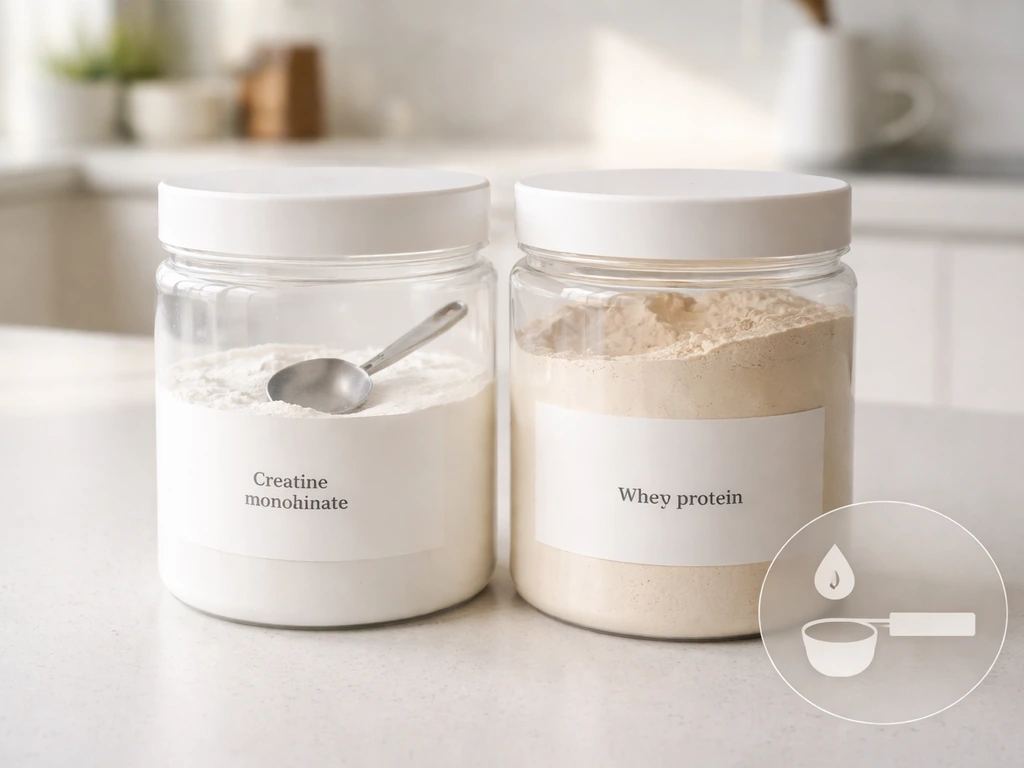
The supplement market is full of products claiming anabolic benefits, but a short list has genuinely strong evidence. Supplementing should be approached as a way to support grow forte benefits, not replace the fundamentals like training, protein, sleep, and a smart calorie surplus. Everything else is either overhyped, situational, or simply understudied. Here's the honest breakdown.
| Supplement | Mechanism | Evidence strength | Practical dose |
|---|---|---|---|
| Creatine monohydrate | Increases phosphocreatine stores; improves high-intensity output and training volume over time | Very strong (ISSN position stand) | 3–5 g/day maintenance; optional loading at 20 g/day for 5–7 days to saturate faster |
| Whey protein | Fast-digesting complete protein; spikes muscle protein synthesis post-training | Strong | 20–40 g post-workout or between meals to hit daily protein targets |
| Casein protein | Slow-digesting; sustains amino acid availability for hours | Moderate-strong | 30–40 g before bed to reduce overnight muscle protein breakdown |
| Caffeine | Improves training performance, focus, and volume capacity indirectly supporting growth | Strong for performance | 3–6 mg/kg body weight 30–60 min pre-workout |
| Vitamin D3 | Supports testosterone levels and muscle function when deficient | Moderate; mainly helpful if you're deficient | 1000–2000 IU/day (check blood levels first) |
| Beta-alanine | Buffers lactic acid; may extend performance in high-rep sets | Moderate for endurance-heavy training | 3.2–6.4 g/day in divided doses to avoid paresthesia |
| Citrulline malate | May enhance blood flow and reduce fatigue during training | Mixed; some benefit in resistance exercise | ~8 g taken about 60 minutes before training |
Creatine monohydrate is the clear standout. It has decades of safety and efficacy data, is inexpensive, and reliably improves training output, which compounds into more hypertrophy over time. If you're only going to take one supplement for fast anabolic support, this is it. Whey and casein matter if your whole-food protein intake falls short of your daily target. They're just food in powder form, not magic, but convenience makes them valuable for hitting numbers consistently.
Vitamin D is worth mentioning separately. Two large RCTs found limited benefit for muscle strength when participants weren't severely deficient, but if your blood level is low (under 50 nmol/L), correcting that deficiency genuinely supports hormonal and muscular function. Get tested before spending money here.
Products marketed specifically for rapid body weight gain or broad anabolic stacking are worth scrutinizing carefully. Products marketed specifically for rapid body weight gain and similar claims may sound like the answer to what rapid grow does to your body, but you should still verify the ingredients and fundamentals first.
Products marketed specifically for rapid body weight gain or broad anabolic stacking are worth scrutinizing carefully, because adding body weight for the goal of lean gains still depends on training and nutrition basics. The ingredients that actually work are the individual ones listed above. When evaluating any fast-grow or rapid-gain type product, check whether it contains creatine, quality protein, and sensible calories, rather than proprietary blends of unproven compounds.
Recovery, sleep, and managing fatigue
Muscle doesn't grow in the gym. It grows in the time between sessions, and that process is heavily regulated by sleep. During deep sleep, growth hormone secretion peaks, muscle protein synthesis is elevated, and the cellular repair processes that translate training stress into actual hypertrophy happen most efficiently. Seven to nine hours per night isn't optional if you're chasing fast growth. Consistently sleeping five to six hours blunts anabolic signaling and elevates cortisol, which pushes your body in the catabolic direction.
Overtraining is a real but often misunderstood risk. Technically, what most people hit is functional overreaching, where accumulated fatigue temporarily outpaces recovery. Performance drops, motivation tanks, and you might actually lose size if it persists. The solution is not to train less forever, but to manage load intelligently. Plan a deload week (roughly 40 to 50 percent reduction in volume) every four to eight weeks, especially if you're running high weekly set volumes. Chronic high training stress without adequate recovery causes hormonal dysfunction and is counterproductive to everything you're trying to achieve.
Stress management matters more than most fitness advice acknowledges. Psychological stress elevates cortisol, which competes directly with anabolic hormones. That doesn't mean you need to meditate or eliminate all life stress, but it does mean that trying to run an aggressive training program during a period of extreme life stress often backfires. Sometimes the fastest path to growth is a more moderate training load you can actually recover from.
- Sleep 7–9 hours per night as a hard target, not a nice-to-have
- Eat enough carbohydrates to support training intensity and glycogen replenishment
- Take scheduled deload weeks every 4–8 weeks when training volume is high
- Watch for signs of overreaching: persistent fatigue, flat lifts for 2+ weeks, low motivation
- Manage life stress where possible; it directly affects your hormonal environment
Common mistakes, safety issues, and who should pump the brakes
The most common mistake people make when chasing fast gains is spending money on supplements before nailing training consistency and protein intake. No anabolic support product overcomes a training routine you skip half the time or a diet short on protein. Get those two dials right first, then layer in supplementation if you want to optimize the edges. If you're looking at supplement options to support these fundamentals, the kudos body grow protein powder benefits are one adjacent place to compare how protein delivery fits your daily targets.
Under-eating protein is rampant. Most people who think they're eating enough protein are getting maybe 0.8 to 1.0 g/kg/day when they actually need 1.6 to 2.0 g/kg/day to maximize muscle building. Track your intake for one week with any food logging app and see where you actually land before assuming your protein is fine.
Doing too much too soon is the other fast track to frustration. Jumping straight into six training days per week and 20 sets per muscle group because a program online says that's optimal for advanced lifters is a path to joint pain, excessive soreness, and burnout if you haven't built that work capacity. Start with three to four days per week and 10 working sets per muscle, add volume progressively over months, and you'll grow faster than the person who overdoes it in week one and needs two weeks off to recover.
For older adults: the physiology is the same, the recovery timeline is a bit longer. Two to three resistance training sessions per week with adequate protein (at or above 1.6 g/kg/day) produces genuine hypertrophy in people over 60. Focus on compound movements, avoid chasing soreness as a signal of a good workout, and prioritize sleep. The research on rapid weight gain products and aggressive calorie surplus strategies is less well-studied in older populations, and the risk of gaining excess fat is higher, so a leaner surplus or maintenance approach with high protein can still produce muscle growth in this group.
Anyone with a history of kidney disease should be cautious with very high protein intakes and consult a physician before using creatine, despite the generally strong safety record of creatine in healthy individuals. The ISSN position stand reviews trial evidence on creatine supplementation, including safety and markers of renal function, as well as dosing regimens used in studies. People with cardiovascular conditions should get medical clearance before starting high-intensity resistance training. And anyone considering hormonal or pharmaceutical anabolic agents beyond food and evidence-based supplements is outside the scope of what the evidence-based framework here covers, and those choices carry serious health risks that require medical supervision.
Your practical starting point today
- Set a protein target of 1.6–2.0 g/kg of your body weight and start hitting it daily across 4+ meals
- Eat 200–400 calories above your maintenance to support tissue building without excess fat gain
- Start a 3–4 day resistance training program built around compound lifts, aiming for 10 working sets per muscle group per week
- Add progressive overload every week or two by increasing weight or reps
- Add creatine monohydrate at 3–5 g/day if you want a proven supplement boost
- Prioritize 7–9 hours of sleep every night without compromise
- Plan a deload week every 4–8 weeks to avoid accumulated fatigue stalling your progress
FAQ
How fast can I realistically expect muscle growth with “fast grow anabolic benefits” strategies?
For most people, visible size and strength changes take about 4 to 8 weeks of consistent training and nutrition. The first 1 to 2 weeks often feel stronger due to nervous system adaptation, but actual muscle size increases usually lag that. Track waist, photos, and strength on key lifts weekly to see the real trend.
Do I have to train to failure to get fast anabolic results?
No. Many people grow well when sets end with about 0 to 3 reps in reserve (RIR), meaning the last reps feel hard but not like you have no control left. Going to true failure every set increases fatigue and can slow progress because recovery falls behind.
What’s the safest way to increase weekly sets if I want “fast” hypertrophy?
Use small jumps, typically adding 2 to 4 sets per muscle per week (or 1 to 2 exercises) and reassess after 3 to 4 weeks. If performance drops or soreness lasts longer than 48 to 72 hours, you added too much too quickly and should back off volume.
If frequency matters less than total volume, should I still pick 2 or 3 days per week?
Choose the frequency you can recover from and manage volume consistently. Training a muscle twice per week often makes it easier to distribute work without one session becoming unbearable, while 3 days can work if you keep sets per session lower and progress gradually.
How do I know my calorie surplus is in the right “fast anabolic” zone?
Aim to gain about 0.25 to 0.5% of body weight per month naturally, then adjust. If your weight is rising faster, bump protein and slightly reduce calories, because extra surplus often shows up as fat rather than muscle. Weigh under similar conditions 3 to 4 times per week and use the weekly average.
What if I can’t hit 1.6 to 2.0 g/kg protein every day?
Prioritize total daily protein over perfect distribution. If you’re short, add 20 to 40 grams from whey or casein, or use a high-protein meal strategy (for example, two protein-forward meals plus one shake) to close the gap. If you consistently miss targets, creatine and carbs cannot fully compensate for low protein.
Is a protein powder or gainer helpful if my meals are inconsistent?
Yes, but mostly as a delivery tool, not a substitute for training and adequate calories. A gainer can help you reach your calorie target, but check that it does not push you into a surplus that causes excessive fat gain. Consider using a protein powder first if your main issue is protein, then add carbs only if calories are truly too low.
Can I cut calories and still build muscle quickly?
Not significantly. In a prolonged deficit, muscle protein synthesis and recovery are usually not sufficient for strong hypertrophy. If you must diet, try a maintenance or very small deficit and keep training volume moderate, then plan a surplus phase to “catch up” growth.
Do carbs and post-workout meals matter for muscle gain speed?
Carbs mainly matter because they support training intensity and glycogen replenishment, which helps you progress week to week. You do not need a complicated post-workout routine, but having enough total carbs across the day makes resistance training easier. If energy is low and sessions suffer, carbs are often the missing piece.
How important is sleep for “fast grow anabolic benefits”?
Very. If you repeatedly get 5 to 6 hours, it can blunt recovery and increase perceived effort, making it harder to maintain volume and near-failure sets. If life schedules limit sleep, consider reducing weekly sets temporarily and focus on consistent bedtime, not just catching up on weekends.
What should I do if I get stuck, despite increasing volume?
First, check for stalled progression in strength and that your surplus and protein targets are actually met. If those are fine, reduce volume by about 40 to 50% for a deload week, then restart with slightly lower loads or fewer sets and build back up. Also consider whether your technique has degraded due to fatigue.
When should I use creatine, and how much should I take?
Creatine monohydrate is usually taken daily for consistency, commonly 3 to 5 grams per day. Timing is not critical, but taking it with meals can reduce stomach upset for some people. Give it a few weeks to saturate if you did not use it before.
Are anabolic “stacks” worth it for faster results?
Usually not if they replace the basics. Many blends have weak or unproven additions beyond creatine and protein support. If a product is mainly proprietary compounds, check whether it also meaningfully supplies protein or creatine, otherwise the incremental benefit is likely small compared with improving volume, surplus, sleep, and adherence.
Is it okay to train 6 days per week if the goal is fast muscle gain?
Only if your work capacity and recovery can handle it. A common mistake is copying advanced-lifter volume too early, leading to joint pain, long-lasting fatigue, and slower gains. Start with 3 to 4 days and 10 working sets per muscle per week, then progress gradually over months.
What changes should older adults make to get fast growth while staying safe?
The core principles still apply, but recovery is slower and soreness is a less reliable progress signal. Keep 2 to 3 sessions per week, emphasize compound lifts with good technique, and maintain high protein. If recovery is poor, reduce volume before changing exercises.
How cautious should I be with creatine if I have medical conditions?
If you have kidney disease, do not self-prescribe high-protein intakes or creatine, and talk to a clinician first. Also, if you have cardiovascular issues, get clearance before high-intensity resistance training. For general healthy adults, creatine is widely considered low risk, but personal medical context still matters.