To grow your body weight in a meaningful, muscle-building way, you need three things working together: a modest calorie surplus (roughly 200–400 calories above your daily maintenance), enough protein (around 1.6–2.2 g per kg of bodyweight per day), and a consistent resistance training program built around progressive overload. Get those three right, give it 8–12 weeks of honest effort, and you will gain weight that actually changes how you look and perform, not just a number on the scale.
How Grow Body Weight: Muscle Gain Steps That Work

Marcus Kellerman
30 May 2026

What 'growing body weight' actually means: muscle vs fat
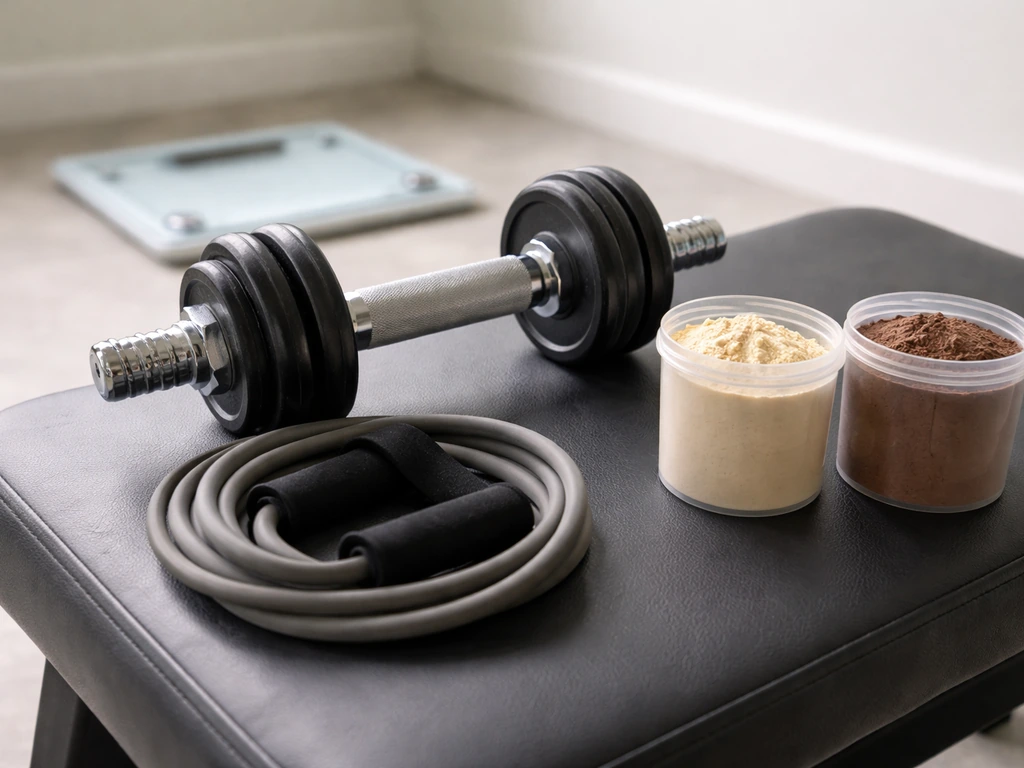
When most people say they want to grow their body weight, they mean they want to look bigger, feel stronger, and fill out their frame. That is a muscle goal, not just a scale goal. There is an important difference. You can gain scale weight by drinking a litre of water, loading up on carbs (which pull in water through glycogen storage, roughly 3 g of water per gram of stored glycogen), or eating a big salty meal. That kind of fluctuation, typically 1–2 kg over a few days for most adults, is real but it is not tissue. Actual muscle gain is slow, structural, and requires a training stimulus plus adequate nutrition to make it happen.
Fat gain is also body weight gain, technically, but it is not what you are after. Gaining purely from overeating without training produces mostly fat, poor body composition, and zero functional benefit. The goal here is lean body weight: muscle tissue added on top of adequate (not excessive) body fat. That means the plan is always training-first, calorie surplus second, and protein as the foundation underneath both.
Check your baseline before you change anything
Before you add calories or jump into a new program, spend one honest week logging what you are already doing. A lot of people who struggle to gain weight are not failing because of genetics. They are failing because their actual calorie intake is lower than they think, their protein is inconsistent, or their training has no real progression built in. You need to know your starting point to fix the right problem.
Start by estimating your maintenance calories. A rough but functional formula: multiply your bodyweight in kilograms by 33–38 depending on how active you are. A 70 kg person with moderate activity lands around 2,300–2,660 calories per day as a maintenance range. Use a free tracking app for a week, not to be obsessive, but to get an honest picture.
At the same time, check your protein. Most people who say they eat enough protein are hitting 80–100 g per day on a 70 kg frame. That is not enough to maximally drive muscle growth. You need closer to 112–154 g, and ideally up to 154 g daily.
Finally, look at your training. Are you adding weight or reps over time? If not, no amount of extra food will build meaningful muscle.
Build a calorie surplus the practical way
The idea that you need to 'eat big to get big' is one of the most persistent myths in weight gain advice. A massive surplus, say 1,000 calories above maintenance, will absolutely move the scale. But most of that extra weight will be fat, not muscle. Muscle protein synthesis has a ceiling. Your body can only build so much new tissue per day regardless of how many extra calories you throw at it. Rapid weight gain from a big surplus can push you toward more fat and place a bigger load on your digestion and recovery, so aim for a controlled increase rapid grow.
A practical surplus for most natural trainees is 200–400 calories above your calculated maintenance. Rapid weight gain approaches may help you increase your calorie intake, but meaningful muscle gain still depends on training and a consistent protein target does rapid grow help to gain weight. For a 70 kg person that means targeting roughly 2,500–3,000 calories per day depending on activity. This produces a slow, steady gain of around 0.
25–0. 5 kg per week, which is the realistic rate for someone gaining muscle without excessive fat gain. Beginners and younger trainees can sometimes push toward the upper end of that range early on. Older adults and more experienced lifters tend to do better at the lower end to keep things lean.
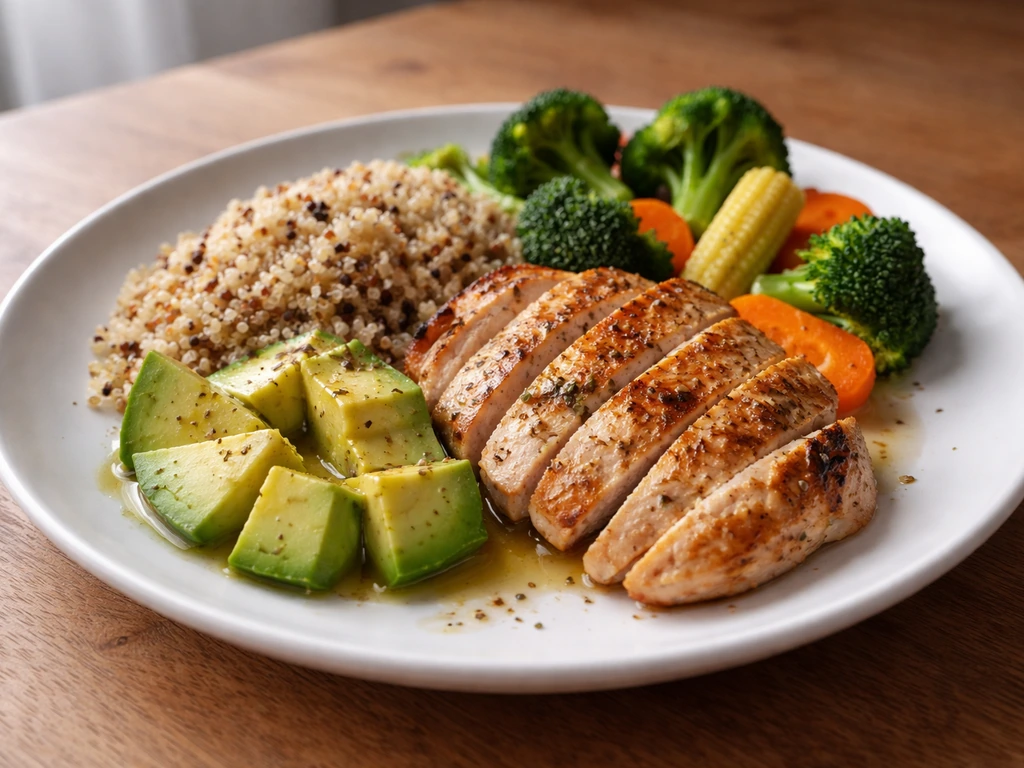
Practically, adding 200–400 calories is not a dramatic change. It is an extra handful of nuts and a glass of whole milk, or a bigger serving of rice and an extra egg at breakfast. You do not need to force feed yourself. You just need to be consistent about hitting your target daily.
Protein and carbs: what actually drives the weight you want to gain
Protein: the non-negotiable
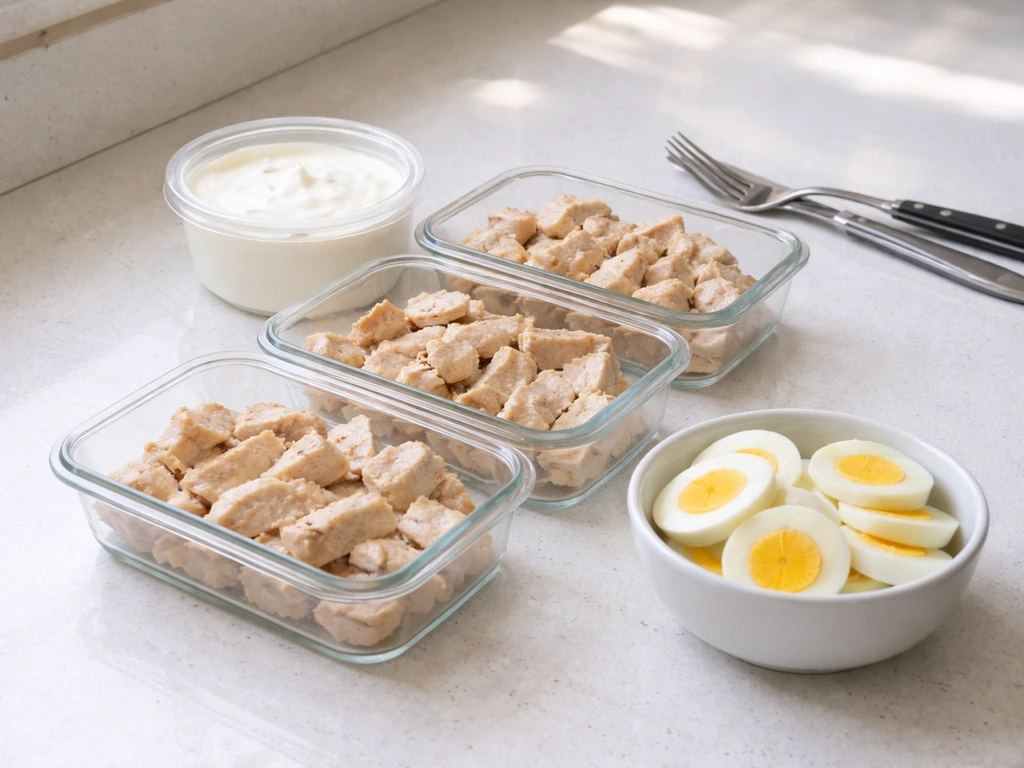
Protein is the building block of new muscle tissue, and it is the one macro where the research is clearest. According to a widely cited meta-analysis by Morton et al., muscle hypertrophy benefits increase up to around 1.6 g per kg of bodyweight per day, with an upper confidence bound of about 2.2 g/kg/day before returns seriously diminish. The ISSN puts the effective range at 1.4–2.0 g/kg/day for exercising individuals, while ACSM recommendations often land between 1.2–2.0 g/kg/day for active people. For practical purposes, aim for 1.6–2.0 g/kg/day and you are well covered. For a 70 kg person that is 112–140 g of protein daily.
Distribution matters too. Rather than eating all your protein in one or two meals, spread it across three to five meals throughout the day. A useful target is around 0. 4 g/kg per meal, which for a 70 kg person comes out to roughly 28 g of protein per sitting.
That keeps muscle protein synthesis elevated more consistently over the day. Good practical sources include chicken breast, eggs, Greek yogurt, cottage cheese, canned fish, lean beef, tofu, lentils, and if needed, a quality protein supplement to fill gaps. Products in the weight-gain supplement space, like fast grow anabolic formulas or anabolic growth powders, often combine protein with carbohydrates specifically to support calorie and nutrient targets around training, which can be a useful convenience tool when whole food isn't practical.
Carbohydrates: the training fuel you can't skip
Carbs do not build muscle directly. But they power the training that does. Research consistently shows that carbohydrate availability improves resistance training performance, allowing you to complete more total volume per session. A systematic review found this effect is most meaningful in sessions longer than 45 minutes with eight or more sets. Since higher weekly training volume is associated with greater hypertrophy, carbs matter in a functional, indirect way. Think of them as the fuel that lets you do the work that actually triggers growth.
Practically, front-load carbs around your training. A meal with 50–80 g of carbs in the 1–2 hours before training, and again in the meal after, supports performance and glycogen restoration. Glycogen (stored carbohydrate in muscle) is typically restored to pre-exercise levels within 24 hours when enough carbs are consumed. Good sources: oats, rice, sweet potato, fruit, whole grain bread, pasta. On higher-volume training days, you will naturally eat more carbs to hit your calorie target. That is fine and expected.
Training to actually gain muscle weight: your resistance plan
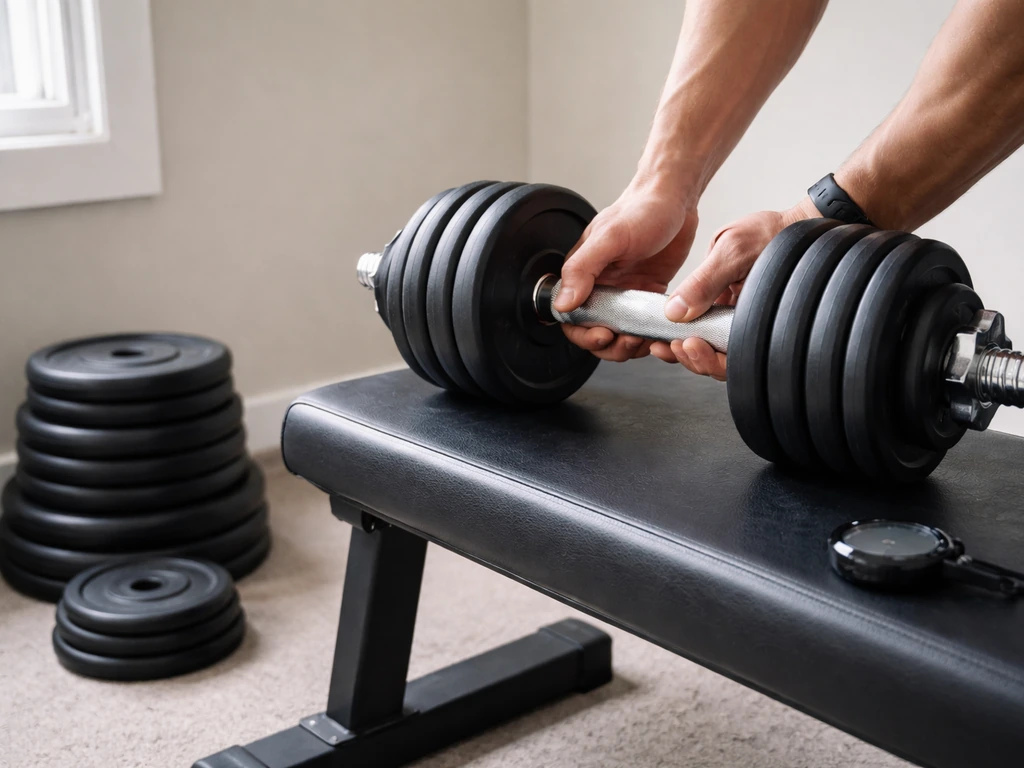
You cannot eat your way to muscle without a training stimulus. If you want to maximize grow forte benefits, keep your calorie surplus modest, your protein consistent, and your training progressively overloaded. The training signal is what tells your body to use those extra calories and protein to build tissue rather than store fat. Resistance training, specifically progressive overload, is that signal.
Progressive overload means making your training harder over time, whether by adding weight to the bar, completing more reps with the same weight, adding a set, or shortening rest periods. This is the single most important concept in muscle-building training. Without it, you hit a plateau and stop growing regardless of what you eat.
Structure: frequency, volume, and intensity
The research on training frequency is fairly settled: training each major muscle group at least twice per week maximizes muscle growth compared to once-weekly training, even when total volume is equated. A meta-analysis by Schoenfeld et al. confirmed this, and it is now a standard recommendation. Three times per week per muscle group can offer additional benefit for some people, but twice weekly is where the evidence is strongest and most practical for most lifters.
For training volume, multiple sets produce roughly 40% greater hypertrophy than single-set training, according to pooled data from umbrella reviews on resistance training variables. A reasonable starting point is 10–20 working sets per muscle group per week across your two sessions, using rep ranges of 6–15 per set. You do not need to train to absolute failure on every set. Stop 1–2 reps short (called reps in reserve) most of the time to manage fatigue and sustain quality across the session.
A basic 3-day-per-week full-body or upper/lower split works well for beginners and intermediate lifters. More advanced trainees can use a 4-day upper/lower or push/pull/legs structure. What matters more than the template is that you are consistently hitting every major muscle group twice weekly and progressing week over week.
| Training variable | Minimum effective dose | Practical target |
|---|---|---|
| Frequency per muscle group | 2x per week | 2–3x per week |
| Working sets per muscle/week | 5–10 sets | 10–20 sets |
| Rep range | 6–15 reps | 8–12 reps for most exercises |
| Progression method | Add weight or reps over time | Aim for progression every 1–2 weeks |
| Session length | Any duration | 45–75 minutes with carb fueling |
Recovery and lifestyle factors that directly affect your gains
Sleep is not optional for muscle growth. A systematic review on sleep deprivation and resistance training found that inadequate sleep impairs the hormonal and inflammatory pathways that drive muscle adaptation. A separate study showed that even a chronic reduction of 1–2 hours of sleep per night affected recovery-relevant hormonal responses.
A chronic reduction of about 1, 2 hours of sleep per night can alter recovery-relevant hormonal responses after resistance training, even if some performance or body composition outcomes are not significantly different [even a chronic reduction of 1–2 hours of sleep per night affected recovery-relevant hormonal responses](https://pmc. ncbi. nlm. nih.
gov/articles/PMC11390164/). Practically, aim for 7–9 hours of sleep per night. If you are consistently getting 5–6 hours and wondering why gains are slow, that is a strong candidate for the culprit.
Stress and appetite are also linked in ways that matter for weight gain. Chronic stress elevates cortisol, which suppresses appetite and can impair protein synthesis. If you are underweight partly because you struggle to eat enough, high stress may be a meaningful contributor. Managing stress through whatever works for you (exercise itself, sleep, reducing workload, social connection) supports both appetite and the hormonal environment for growth.
For older adults specifically, appetite tends to decrease with age due to changes in gut hormones and reduced sensory signaling from food. If you are over 60 and finding it genuinely hard to hit your calorie and protein targets through regular meals, consider higher-calorie-density foods (nut butters, olive oil, whole milk, avocado) and a protein supplement to make hitting targets easier without forcing large meal volumes. If you use a protein powder, look at the kudos body grow protein powder benefits as a convenient way to hit your daily protein target.
How to track progress and know if it's actually working
The scale is useful but it lies in the short term. Because glycogen binds water, starting a higher-carb diet or a new training program can cause 1–2 kg of scale weight change within days that has nothing to do with fat or muscle. Do not panic in either direction during the first two weeks. Instead, weigh yourself at the same time each morning (after bathroom, before eating or drinking), take the weekly average, and look at trends over 3–4 week blocks.
Beyond the scale, track measurements and performance. Use a soft tape to measure upper arm, chest, waist, and thigh circumference every two to four weeks. Track your key lifts in training (squat, press, row, hinge) and note when you hit new rep or load records. These are more reliable indicators of muscle gain than scale weight alone. Progress photos every four weeks, taken in the same lighting and posture, are underrated as a motivational and informational tool.
Realistic timelines: beginners can gain 0.9–1.8 kg of actual muscle per month under good conditions for the first 3–6 months. Intermediate lifters gain much more slowly, often 0.5–1 kg per month at best. Advanced lifters may gain 1–2 kg of muscle over an entire year. These numbers sound small but they compound. Two to three years of consistent training and nutrition transforms how you look and perform in ways that short-term scale changes never will.
Why weight gain stalls and when to get help
The most common reasons progress stops
- Calorie intake is lower than estimated: tracking for just one week usually reveals this. People consistently underestimate calorie intake by 20–30%.
- Protein is inconsistent: hitting your target 4 days out of 7 is not the same as hitting it daily. Muscle protein synthesis needs a consistent daily stimulus.
- Training has no progressive overload: doing the same weights and reps for months produces no new growth signal regardless of how much you eat.
- Sleep is chronically short: less than 7 hours per night impairs the hormonal environment needed for muscle growth.
- Stress or life disruption is suppressing appetite: harder to fix quickly, but worth acknowledging as a real physiological factor, not just a mindset issue.
- Training volume is too low: if you are doing 2–3 sets per muscle group per week and wondering why growth is slow, volume is likely the issue.
When to see a doctor
If you are genuinely struggling to gain or maintain weight despite consistent effort, or if you are experiencing unintentional weight loss, that warrants a conversation with a healthcare provider, especially for older adults. The Mayo Clinic notes that [unexplained weight loss is more common in older adults](https://www. mayoclinic. org/symptoms/unexplained-weight-loss/basics/causes/sym-20050700?
p=1&reDate=13092023) and can have medical causes ranging from GI conditions to endocrine issues to depression. The AAFP lists malignancy, depression, and GI causes as leading categories clinicians evaluate. A basic workup, typically including bloodwork like CBC, metabolic panel, and thyroid function (TSH), can rule out underlying causes in a straightforward way. This is not alarmist advice; it is just responsible.
If food and training are dialed in and weight still will not budge, rule out a medical reason.
For everyone else, the answer to stalled progress is almost always one of the fixable items listed above. Go back to basics: track your food for a week, check your protein is hitting 1.6 g/kg daily with 3–4 g of protein per meal, confirm your training is progressing, and make sure you are sleeping. Most plateaus break when at least one of those four variables gets fixed.
If you are exploring supplement options to support your calorie and protein targets alongside training, products designed specifically for muscle and weight gain, whether protein powders tailored to different needs or anabolic support formulas, can be useful tools to bridge gaps in your nutrition. If you are considering amino supplements, look into fast grow aminos benefits to see how they might support recovery and muscle-building alongside protein and calories.
For practical guidance on choosing one, check grow young fitness protein powder reviews and pick a formula that matches your protein target protein powders tailored to different needs. Some people also look at kudos body grow protein powder benefits to help meet daily protein targets while bulking protein powders. They work best as supplements to a solid food-first plan, not replacements for it.
The fundamentals covered in this article, surplus calories, protein distribution, progressive overload, and sleep, are what make those products effective when used correctly.
FAQ
If I am gaining scale weight but my measurements are not changing, what should I check first?
First confirm it is not mostly water or fat. Recheck your training progression (load, reps, sets), then review your weekly average intake for protein consistency, missing even 1-2 days can reduce muscle gain. If your waist is rising quickly while strength stalls, your surplus may be too large or training stimulus too weak.
How long should I run a calorie surplus before I decide it is working?
Track for 3 to 4 weeks using a weekly scale average. If you gain less than about 0.25 kg per week despite hitting protein and training, add 100 to 200 calories per day and repeat the review window. If gains are faster than about 0.5 kg per week and you see waist expansion, reduce the surplus slightly.
What if I can not eat enough calories without feeling overly full?
Use calorie-dense, lower-volume foods (olive oil, nut butter, whole milk, avocado) and shift more calories to liquid options (milk smoothies). Also spread meals to 4 to 5 smaller sittings so you still hit protein per meal targets without forcing huge portions at once.
Should I bulk with a large surplus to gain faster?
Not as a default. A very large surplus can raise fat gain faster than muscle gain because muscle-building has a ceiling. Prefer the controlled 200 to 400 calorie surplus and use training progress as the primary “success metric,” not how fast the scale moves.
How many grams of protein is “enough” if I am heavier but want lean gains?
Use the same per-kg guideline, but apply it consistently to your target body weight or leaner estimate if you are significantly overweight. The practical range in the article (about 1.6 to 2.0 g per kg per day) is easiest to follow and reduces the risk of under-shooting when appetite is low.
Do I need carbs every day, or only on workout days?
To support training performance and glycogen restoration, prioritize carbs around workouts, especially for sessions longer than about 45 minutes or with high set volume. On rest days you can reduce carbs slightly as long as overall calories are on target and you do not see training volume drop week to week.
Is training to failure necessary for muscle growth while gaining weight?
No. You will grow with hard work that stops short of failure most of the time (roughly 1 to 2 reps in reserve). Going to failure on many sets increases fatigue, can reduce weekly progress, and may make the surplus harder to tolerate because recovery gets worse.
How do I progress if I feel like my body is not adapting yet?
Run a progression plan for 8 to 12 weeks, focus on one variable at a time (add reps first, then add load). If you cannot add reps for two consecutive weeks, hold the load and reduce total sets slightly or extend rest, then resume adding reps.
What if my protein target is hit but my gains still stall?
Check training progression and daily sleep first, then review calorie surplus accuracy. People often hit protein but miss total calories because they eat high-protein low-calorie foods, leading to a surplus that is too small for their needs.
How should I track progress during a bulk to avoid misleading results?
Use a weekly scale average, not day-to-day weight, and combine it with at least one performance metric (key lifts) and one body metric (waist or photos every 4 weeks). If strength is improving but weight is flat, your surplus may be too low or your body composition may be shifting without much scale change.
At what point should I consider a medical check for not gaining weight?
If you have unintentional weight loss, persistent appetite issues, or you are not gaining despite meeting calorie and protein targets for several weeks while training, talk with a healthcare provider. This is especially important for older adults, and it is reasonable even without dramatic symptoms if weight does not respond.
Can I use protein powder or weight-gain supplements to grow body weight effectively?
They can help bridge gaps, best used to make it easier to hit protein and calorie targets, not to replace meals and training. If you use them, still keep protein spread across 3 to 5 feedings and confirm the product helps your daily total rather than just adding empty calories.
What is a realistic weekly weight gain target for lean muscle?
A common target is about 0.25 to 0.5 kg per week. Beginners may sometimes start closer to the upper end early on, while more advanced lifters often do better staying nearer the lower end to limit fat gain and preserve recovery.