Most 'anabolic fast grow' products carry real risks ranging from acne and mood swings to liver injury, blood clots, and hormonal suppression that can last months after you stop. The severity depends on what's actually in the product (which often isn't what the label says), how long you've been using it, and your individual health. If you are wondering how long it takes for fast grow anabolic to work, the timing varies a lot based on what is actually in the product and your individual health how long you've been using it. If you're already using one and feeling off, that's worth taking seriously right now, not next week.
Anabolic Fast Grow Side Effects: Risks, Red Flags, and Next Steps

Marcus Kellerman
1 Jun 2026
What 'anabolic fast grow' usually means (and which products to watch for)
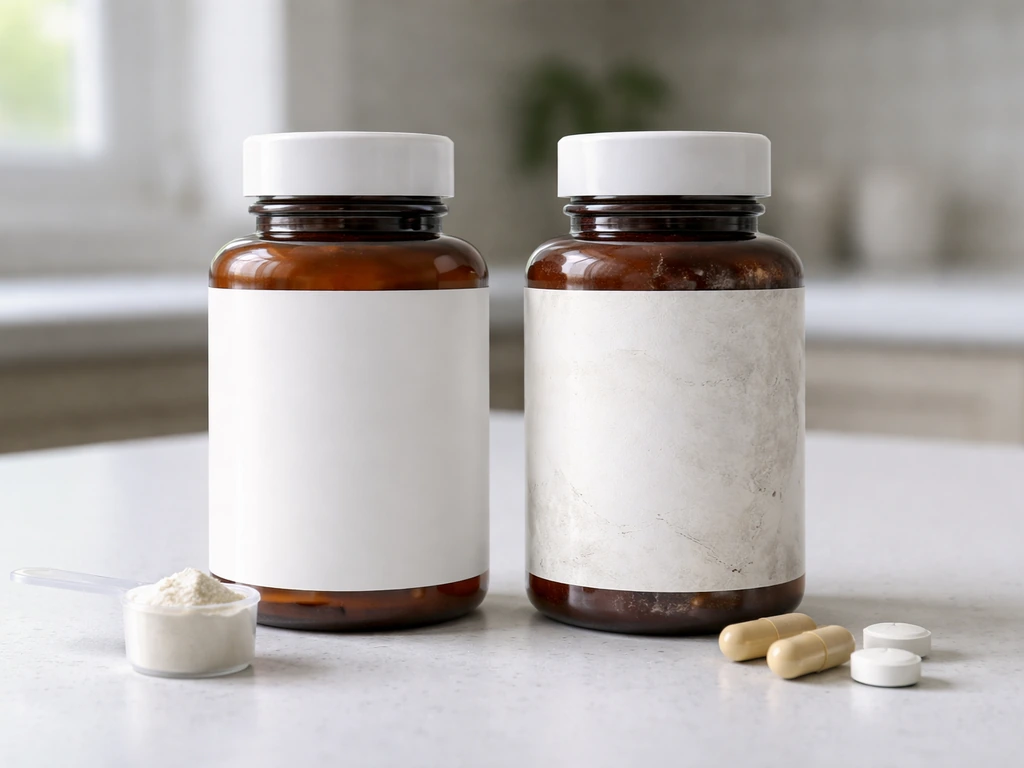
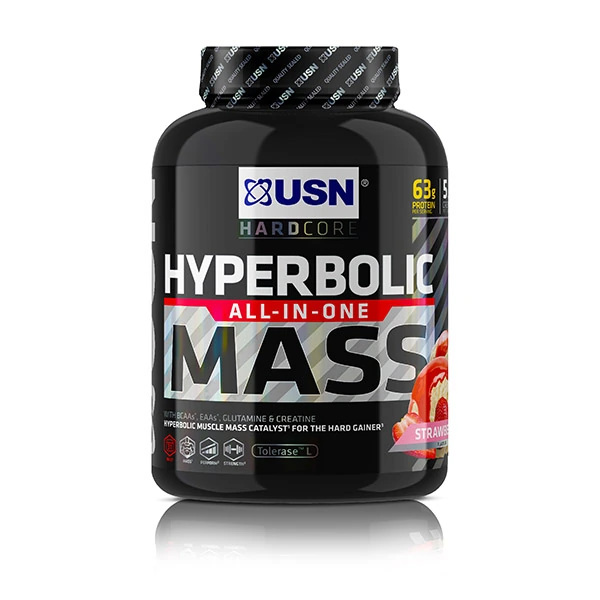
The phrase 'anabolic fast grow' gets applied to a wide range of products. On one end you have legitimate mass-gain protein powders (like USN's Fast Grow Anabolic line) that contain whey, carbohydrates, and creatine. If you're asking whether is USN fast grow anabolic a steroid, this article explains how to recognize when products are actually steroid-containing or merely marketed that way USN's Fast Grow Anabolic line. On the other end you have products that use terms like 'anabolic blend,' 'testosterone support complex,' or 'pro-hormones' that either legally or illegally include synthetic anabolic-androgenic steroids (AAS) or steroid-like substances.
Here's the problem: you often can't tell which category a product falls into from the label alone. FDA analysis has found that roughly 20% of legally sold sports nutrition products marketed for performance enhancement or bodybuilding contained potent synthetic oral anabolic-androgenic steroids, sometimes listed openly on the label. The FDA has separately confirmed that certain bodybuilding products advertised as dietary supplements illegally contained compounds like YK-11, a synthetic androgen. So even a product that looks like a protein powder could be spiked with compounds that carry serious health consequences.
The products most associated with the risks covered in this article include anything marketed with words like 'anabolic,' 'pro-hormone,' 'testosterone booster with extreme results,' or 'legal steroid alternative,' especially when the promised gains are rapid and dramatic. Actual steroidal compounds, SARMs (like YK-11), and 17α-alkylated oral androgens are the main culprits behind the serious adverse effects described below.
Most common short-term side effects to look for
Short-term effects tend to show up within the first few weeks of use. Some are cosmetic and annoying; others are early warning signs of something more serious developing underneath.
- Acne and oily skin: AAS increase sebaceous gland activity. Breakouts on the back, chest, and face are among the most consistent early signs you're dealing with an androgenic compound.
- Elevated blood pressure: Anabolic steroid use is associated with hypertension, often measurable within weeks. You may not feel this at all, which makes it particularly dangerous.
- Abnormal liver enzymes: Elevated ALT and AST can appear quickly, especially with 17α-alkylated oral compounds. Cholestasis (bile flow disruption) from C-17 alkylated androgens can develop within 4 to 12 weeks of starting use.
- Mood and behavioral changes: Mood swings, increased aggression, irritability, and impaired judgment are documented effects. These can be subtle at first and easy to rationalize.
- Libido changes: Many users initially notice increased libido, but this can flip to decreased libido as the hypothalamic-pituitary-gonadal (HPG) axis gets suppressed.
- Fluid retention: Water retention leading to puffiness, especially in the face and extremities, is common with many anabolic compounds.
- Polycythemia (elevated red blood cell mass): Hematocrit can start rising within about one month of use, thickening the blood and increasing clot risk even before you notice any symptoms.
- Elevated cholesterol: Hypercholesterolemia, particularly shifts toward worse LDL/HDL ratios, shows up early in bloodwork even when you feel fine.
The tricky part is that several of these, including high blood pressure, rising hematocrit, and worsening cholesterol, produce no obvious symptoms. You can feel great and train hard while these are building toward something serious. That's exactly why baseline bloodwork before use and monitoring during use matters so much.
Serious long-term risks: hormones, fertility, heart, and organs
Hormonal disruption and fertility

AAS suppress the HPG axis. Your brain stops signaling the testes to produce testosterone and sperm because it detects androgens in the blood and assumes production is already sufficient. The result is testicular shrinkage (atrophy), sharply reduced sperm counts, and after stopping, a period of hypogonadism while the axis tries to recover. Research shows sperm concentration recovery to a clinically meaningful threshold (around 20 million per mL) takes a mean of about 4.6 months after cessation in testosterone studies, and recovery of gonadotropins like LH and FSH can lag significantly in people with heavier cumulative exposure. If you've been using for a long time or at high doses, don't expect a quick bounce-back.
Gynecomastia (breast tissue development in men) is another hormonal consequence. AAS can aromatize into estrogens, and when the ratio tips far enough, glandular breast tissue can develop. This can become permanent if not caught early.
Cardiovascular risk
The cardiovascular picture is one of the most serious long-term concerns. AAS use is associated with dyslipidemia, hypertension, arrhythmias, cardiomyopathy (enlargement and weakening of the heart muscle), heart attack, and stroke. The blood-thickening effect from polycythemia increases the risk of deep vein thrombosis (DVT) and pulmonary embolism (PE), and studies show the risk of major adverse cardiovascular events and venous thromboembolism is elevated in the first year of testosterone-elevating therapy, particularly when polycythemia develops.
The FDA has explicitly flagged heart attack, stroke, PE, and DVT as life-threatening adverse effects linked to steroid and steroid-like bodybuilding products. The FDA warns that body-building products marketed to contain steroids or steroid-like substances can be associated with potentially serious or life-threatening adverse effects, including liver injury, kidney injury, stroke or heart attack, and hormone-associated events such as pulmonary embolism (PE) and deep vein thrombosis (DVT).
Liver and kidney injury
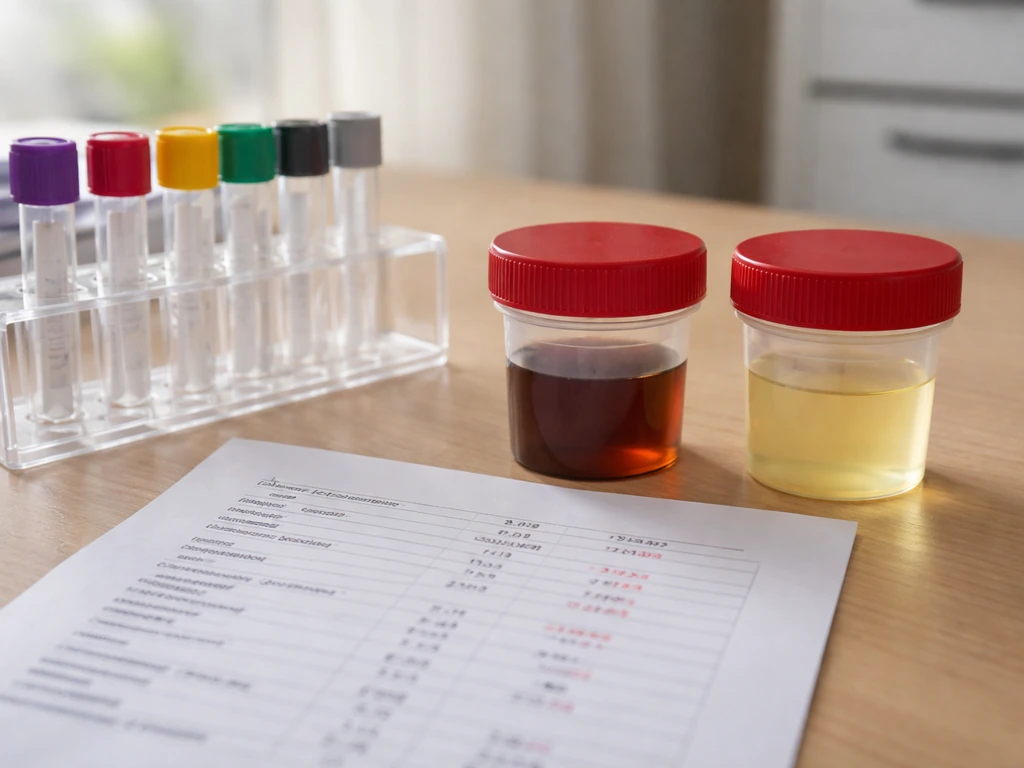
17α-alkylated oral androgens are directly hepatotoxic. Endotext, a clinical reference, states that these compounds should not be used long-term because of liver risk, and that prolonged use requires regular hepatic monitoring. Acute cholestasis, a condition where bile builds up in the liver, is a characteristic pattern. It can present with jaundice, dark urine, itching, nausea, and fatigue. Kidney injury is also an FDA-flagged risk with steroid-spiked bodybuilding supplements. Neither of these is rare or theoretical; there are confirmed case series linking these products to hospitalization-level liver damage.
Red flags: when to stop and get medical help immediately
Some symptoms should make you stop the product today and contact a doctor or go to urgent care, not wait and see. Don't talk yourself out of acting on these.
- Jaundice (yellowing of the skin or eyes) or dark urine: These are signs of liver injury or cholestasis. This is a stop-now situation.
- Chest pain, shortness of breath, or coughing up blood: Could indicate pulmonary embolism or a cardiac event. Call emergency services.
- Leg pain, swelling, or warmth in one calf: Classic signs of deep vein thrombosis. Needs same-day medical evaluation.
- Severe headache, vision changes, or sudden weakness on one side of the body: Possible stroke. Emergency care immediately.
- Heart palpitations or racing/irregular heartbeat: AAS-associated arrhythmias are a real risk and need evaluation.
- Abdominal pain, especially in the upper right quadrant: Can signal liver inflammation or enlargement.
- Significant mood deterioration, severe depression, or thoughts of self-harm after stopping: Anabolic steroid-induced hypogonadism can cause serious psychological sequelae during the withdrawal period. This warrants medical and possibly psychological support.
- Breast tissue development or significant nipple tenderness: Early gynecomastia. Reversibility decreases the longer it goes untreated.
If you're on the fence about whether your symptom is serious enough to see a doctor, err on the side of going. These products have caused hospitalizations. A clinic visit is a much smaller inconvenience than a missed blood clot.
How to reduce harm right now
If you haven't started yet
Get baseline labs before touching anything in the 'anabolic' category. You want a lipid panel, liver function tests (AST, ALT, ALP, bilirubin), complete blood count (to get baseline hematocrit and hemoglobin), and total testosterone. These give you a before snapshot so you and your doctor can detect changes early. Research the exact product name on the FDA's Tainted Products database and check whether its ingredients include any known AAS, SARMs, or 17α-alkylated compounds.
If you're currently using
Get bloodwork done now if you haven't recently. The clinical monitoring checklist for AAS use includes lipid profile, hepatic function tests (AST, ALT, ALP), hemoglobin and hematocrit, PSA, and testosterone levels. StatPearls recommends hematocrit checks at 3 to 6 months and then annually in ongoing use, but given the first-year cardiovascular risk data, sooner is better. If your hematocrit is elevated, that's a concrete signal that your clot risk has increased and needs clinical management.
Avoid stacking multiple products. Combining anabolic compounds, stimulants, or other supplements marketed as testosterone boosters multiplies both the unknown ingredient burden and the stress on your liver and cardiovascular system. There's no supplement stack that cancels out AAS-related liver toxicity. Don't use alcohol heavily while on these products; your liver is already under strain.
Monitoring checklist
| What to test | When to test it | Why it matters |
|---|---|---|
| Lipid panel (LDL, HDL, triglycerides) | Baseline, then every 3 months during use | AAS worsen cholesterol ratios and cardiovascular risk |
| Liver function tests (AST, ALT, ALP, bilirubin) | Baseline, then every 4–8 weeks on oral compounds | Cholestasis and hepatotoxicity can develop within 4–12 weeks |
| CBC with hematocrit and hemoglobin | Baseline, then at 3–6 months | Polycythemia raises DVT and stroke risk |
| Total testosterone and LH/FSH | Baseline, then after stopping to monitor HPG recovery | Detects HPG axis suppression and guides recovery timeline |
| Blood pressure | At home weekly or at every doctor visit | Hypertension is common and symptom-free early on |
| PSA (men over 40 or with family history) | Baseline before use | AAS may stimulate prostate tissue |
What to do after stopping
Stopping an anabolic compound doesn't mean the risks disappear immediately. The HPG axis suppression can persist for months. During this post-cycle period, testosterone levels are typically low, LH and FSH are suppressed, and you may experience fatigue, low mood, reduced libido, and loss of the muscle and strength gains you made. The psychological side of this is underappreciated; some people feel genuinely depressed during this window, and that's a physiological response, not just disappointment about losing gains.
Get labs done within 2 to 4 weeks after stopping and again at 3 months. You want to see LH, FSH, total testosterone, lipid panel, and liver function. If testosterone is still suppressed at 3 months, or if symptoms of hypogonadism are significant (persistent fatigue, depression, erectile dysfunction), talk to an endocrinologist or urologist. Post-cycle recovery sometimes requires medical support, and there's no shame in that. Trying to white-knuckle through months of suppressed hormone levels is not a strategy.
On the training and nutrition side: keep lifting. Resistance training during recovery helps preserve what muscle you built and supports hormonal normalization. Don't slash calories aggressively at this point; your body needs protein and energy to rebuild. Aim for at least 1.6 g of protein per kilogram of bodyweight per day, stay in a slight caloric surplus or at maintenance, and prioritize sleep. Recovery of sperm parameters and gonadotropins is documented to take roughly 4 to 6 months on average, and potentially longer with heavier cumulative use. Give it time and monitor with labs rather than guessing.
Evidence-based ways to grow fast without the risks
Here's what actually works and is supported by decades of research. None of it requires anything that will send you to the hospital.
Protein: the most important dietary lever
A systematic review and meta-analysis found that muscle growth is supported by daily protein intake up to approximately 1.6 g per kilogram of bodyweight, with diminishing returns beyond that. For a 80 kg (175 lb) person, that's about 128 g of protein per day distributed across meals. You don't need exotic protein sources; chicken, eggs, Greek yogurt, cottage cheese, and whey protein cover this efficiently. If you're a beginner or coming back from a break, you'll make visible progress at this intake level combined with consistent training.
Creatine monohydrate: the most validated muscle-building supplement that exists
Creatine monohydrate at 3 to 5 g per day is the single most evidence-backed supplement for improving strength, power output, and muscle mass over time. The GSSI notes that low-dose supplementation around 3 to 5 g per day maintains elevated muscle creatine stores, backed by over 25 years of research on safety and efficacy. You don't need a loading phase. You don't need to cycle it. It works, it's cheap, it's safe at this dose, and it has no meaningful side effects for most people.
Resistance training volume and progressive overload
The ACSM's 2026 position stand reinforces that weekly volume is a key driver of hypertrophy. In practical terms, that means hitting each major muscle group with enough sets per week (generally in the range of 10 to 20 sets per muscle group for most people) with progressive overload over time, meaning you gradually increase weight, reps, or both. Consistency over months beats intensity spikes followed by burnout. Beginners can make dramatic gains in the first 6 to 12 months with nothing more than this.
Realistic timelines so you're not chasing the wrong goal
Natural muscle growth for most people ranges from about 0. 5 to 2 lbs of actual muscle per month under good training and nutrition conditions, with beginners at the higher end. That's slower than what anabolic marketing promises, but it's also real, retained muscle that doesn't disappear when you stop a cycle. That 'fast' promise is often just hyperbolic mass marketing, so it's important to separate realistic muscle gain from anabolic claims anabolic fast grow vs hyperbolic mass.
Over 6 to 12 months of consistent work, natural gains are significant and visible. The desire to grow 'fast' is understandable, but the risk-to-reward calculation for AAS and steroid-spiked supplements doesn't hold up when the potential costs include liver damage, blood clots, and months of hormonal suppression. If you're dealing with USN Fast Grow anabolic use, the side effects can be serious, including hormonal suppression and liver or cardiovascular risks anabolic fast grow.
Safe supplement shortlist
- Creatine monohydrate: 3–5 g per day. No cycling needed. Backed by decades of research.
- Whey or plant-based protein powder: useful when whole food protein is inconvenient, not a replacement for real meals.
- Caffeine: modest evidence for improved training performance; standard doses (3–6 mg/kg) are well-tolerated for most people.
- Vitamin D and magnesium: worth checking if you're deficient, since deficiency in either can blunt recovery and hormone function.
- Beta-alanine: modest evidence for improving high-rep endurance sets; the tingling sensation is harmless but noticeable.
You don't need anything beyond this list to build serious muscle. The difference between a person who makes great natural progress and one who stalls usually comes down to training consistency, sufficient protein, adequate sleep, and progressive overload, not the supplement stack. If you've been tempted by anabolic products because natural progress felt too slow, it's worth honestly evaluating whether the training and nutrition fundamentals are actually dialed in first.
Your next step depends on where you are right now
If you're considering an 'anabolic fast grow' product: check the FDA's Tainted Products database for the specific product, get baseline labs, and seriously consider whether the risk profile is worth it relative to what's achievable naturally. If you're currently using one and have any of the red flag symptoms above: stop and get medical evaluation today. If you're stopping and wondering what recovery looks like: get labs at 2 to 4 weeks and again at 3 months, keep training and eating enough protein, and involve a clinician if hormone levels haven't normalized by the 3-month mark. The path forward is the same whether you're a beginner or an experienced lifter: consistency with proven fundamentals outperforms any shortcut with a dangerous side-effect profile.
FAQ
If I took an “anabolic fast grow” product for only a few days, should I still worry about long side effects?
Yes, but the risk is usually lower than with weeks or months of use. Some harmful effects can start early (for example, blood pressure changes or early liver irritation), while hormonal suppression is more likely with longer exposure. If you had any red-flag symptoms, get evaluated now. Otherwise, consider baseline labs since you do not have a true “before” reference, and recheck if you used more than once or had any persistent symptoms.
What are the most practical “stop now” symptoms to take seriously?
Stop immediately and seek urgent care for chest pain, shortness of breath, one-sided leg swelling or pain (possible clot), fainting, sudden severe headache, or yellowing of the skin or eyes with dark urine (possible liver/bile injury). Also treat severe abdominal pain, persistent vomiting, or rapidly worsening severe anxiety or agitation as urgent, since severe systemic reactions can be hard to predict from product marketing.
Can I continue training if I’m feeling off but I don’t have obvious severe symptoms?
It’s safer to pause intense training until you get checked if you notice warning signs like unusual headaches, palpitations, unusually elevated blood pressure, new dark urine, or sudden mood changes that feel out of character. Light activity may be okay, but avoid maximal efforts that could stress a cardiovascular system that may already be affected.
How do I interpret my bloodwork if the numbers look “slightly” abnormal after using?
Minor changes still matter because some of these products can affect labs before you feel symptoms. If hematocrit or hemoglobin is above your usual baseline, it can increase clot risk and should prompt clinician guidance. If liver enzymes (AST/ALT) or bilirubin rise, especially with symptoms like fatigue or dark urine, stop use and seek medical evaluation. The key is trend plus symptoms, not a single value.
What if I already used a “testosterone booster” stack that includes stimulants and other supplements, not just one product?
Stacks increase uncertainty because multiple ingredients can each stress the liver and cardiovascular system, and they also make it harder to connect a lab change to a specific cause. If you are stopping, tell your clinician every product and dose, including non-steroid supplements and caffeine or pre-workouts, so they can assess dehydration, blood pressure effects, and medication or supplement interactions.
How soon after stopping should I get labs, and why not wait longer?
The article recommends labs within 2 to 4 weeks and again at 3 months. The reason is that some parameters (like lipids, liver markers, and hematocrit) can stay abnormal even after stopping, while hormone recovery (LH, FSH, testosterone) can lag. Waiting longer risks missing the window where medical changes can reduce risk.
Do I need an endocrinologist or a urologist, or can a primary care doctor handle this?
Primary care can start the workup (symptoms review, baseline labs, and immediate risk assessment), but endocrine or urology follow-up is useful if testosterone remains suppressed at about the 3-month point or if symptoms like erectile dysfunction, persistent low mood, or significant libido loss are present. Specialist care is especially valuable if you have a history of clotting, heart disease, infertility concerns, or abnormal baseline labs.
Will “post-cycle therapy” or hormone products help, and are they safe?
Be cautious. Many over-the-counter “recovery” products are not well regulated, and some can further complicate liver and hormone labs. The safest approach is clinician-guided evaluation with measured LH, FSH, and testosterone. If your labs do not show recovery or your symptoms are significant, ask about evidence-based options rather than trying additional hormonal compounds on your own.
How can I reduce harm while I’m deciding whether to stop right now?
If you are currently using and not having red-flag symptoms, the immediate harm-reduction steps are to stop alcohol and avoid adding more stimulants or “steroid alternative” products, prioritize hydration, and arrange labs as soon as possible. Avoid changing multiple things at once before testing, because you want to interpret lab trends clearly. If you have any red-flag symptoms, do not delay, seek medical evaluation first.
If I’m worried about fertility, what should I ask my doctor to check?
Ask for a sperm analysis, not just hormone levels, especially if you are concerned about family planning. Hormones like LH and FSH help interpret whether recovery is underway, but sperm parameters can take longer to normalize. Also mention your exact exposure duration and any prior fertility issues so the clinician can set realistic timelines and decide when to retest.
What’s the difference between legitimate “fast grow” supplements and steroid-spiked products in practice?
Legitimate options like creatine, whey-based protein, and typical bodybuilding nutrition products generally have transparent ingredients and predictable lab effects. Red flags are products promising dramatic “steroid-like” gains, unclear sourcing, “anabolic blend” language, or claims that do not match standard supplement categories. If you cannot confirm ingredients and verify them through reliable tainted product checks, treat it as higher risk and rely on medical monitoring if you already used it.