Yes, women can absolutely build substantial, measurable muscle. The process works through the same core mechanisms as it does for men: mechanical tension from progressive overload triggers muscle protein synthesis, muscle fibers repair thicker, and over time you get meaningfully stronger and more muscular. What differs is not whether it works, but how fast absolute mass accumulates and the ceiling you're working toward. Two major meta-analyses, one from 2016 and a Bayesian analysis from 2025, both landed on the same conclusion: when you look at relative gains (percentage increases from baseline), women respond to resistance training just as well as men. The gap shows up in absolute numbers, not in the body's capacity to adapt.
Can Women Grow Muscles Like Men? Evidence and a Plan

Marcus Kellerman
16 May 2026
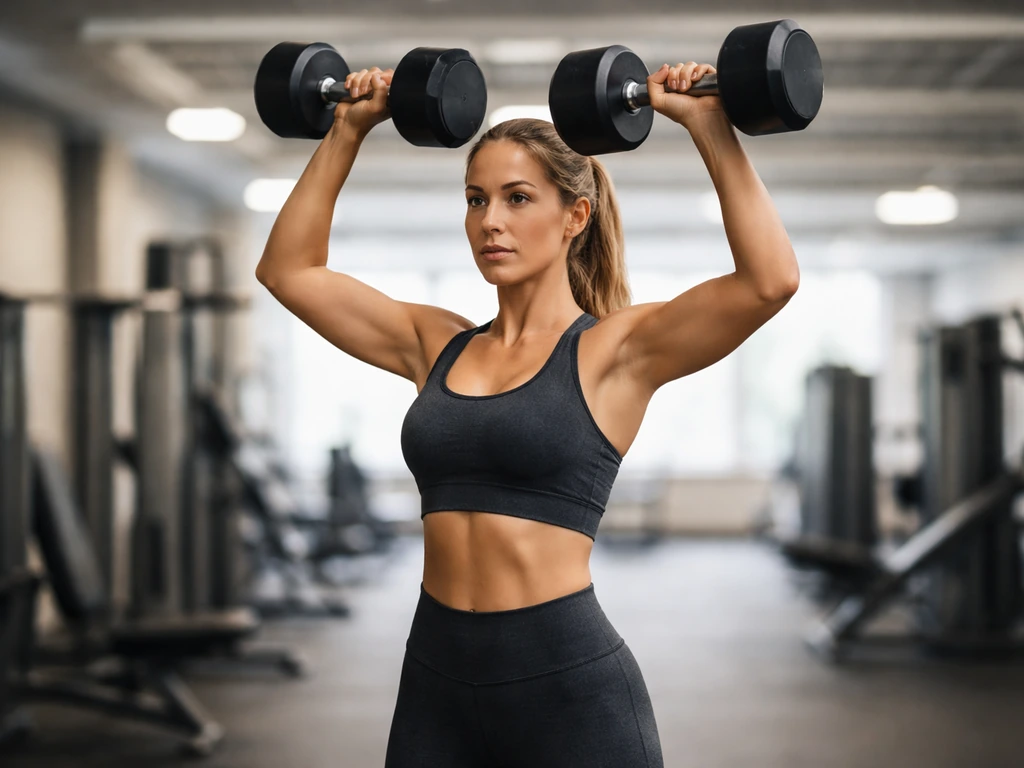
Can women build muscle like men? The science and the limits
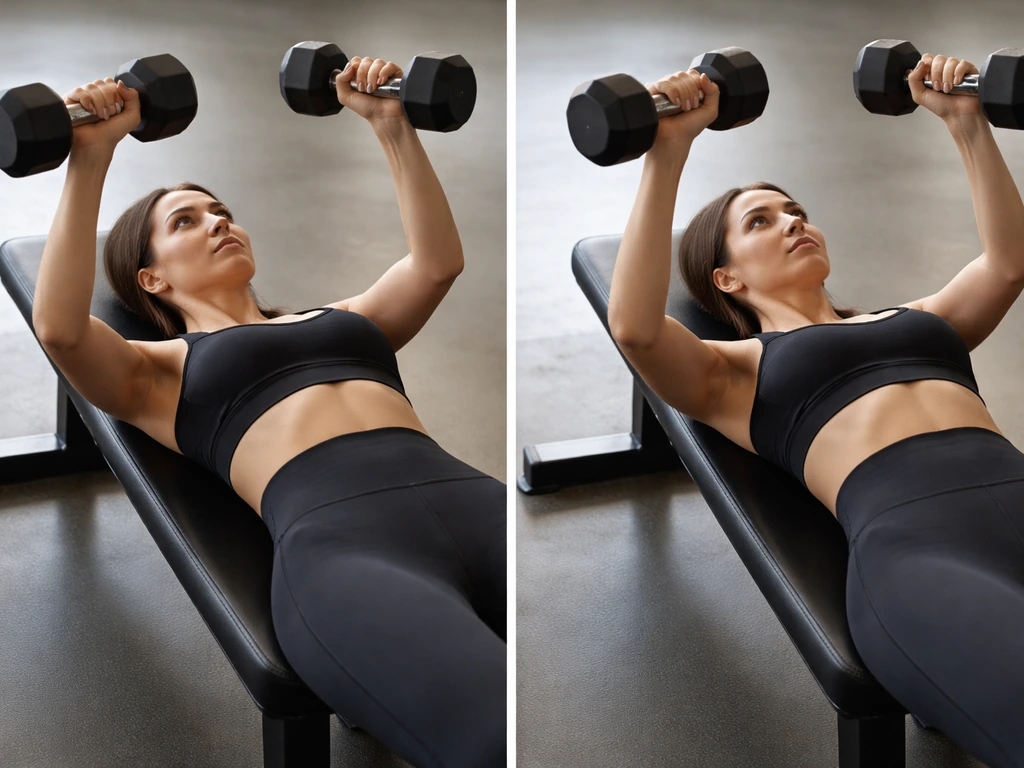
The biggest myth floating around fitness culture is that lifting will make women "bulky." The second biggest is the opposite: that women can't build real muscle at all. Both are wrong, just in different directions. The 2016 meta-analysis in the Journal of Strength and Conditioning Research found that men and women show similar relative strength and hypertrophy gains from matched training. The 2025 Bayesian meta-analysis confirmed this specifically for muscle size: relative increases in muscle cross-sectional area are comparable between sexes. Where men pull ahead is in absolute size gains, because they start with more baseline muscle mass and higher testosterone, which raises the ceiling.
What this means practically: if a woman and a man both follow the same well-designed resistance program for six months, the woman might add an inch to her quads while the man adds an inch and a half. Both are building real muscle. The woman is not failing; she's operating within a different but entirely real range. "Substantial" muscle is achievable, it just looks different on a 140-pound frame than a 190-pound one. That's physiology, not a limitation of effort or programming.
What's actually different: hormones, strength potential, and training response
Testosterone is the main character in this story. Men produce roughly 10 to 20 times more testosterone than women, and testosterone is a potent anabolic signal that amplifies muscle protein synthesis after training. Women aren't without anabolic hormones though. Estrogen has its own muscle-protective effects, growth hormone pulses are actually higher in women on average, and IGF-1 plays a meaningful role in muscle repair regardless of sex. The hormonal environment is different, not broken.
One practical difference worth knowing: women tend to recover faster between sets and between sessions than men. Research suggests this is partly estrogen-related and partly due to differences in fiber type distribution, with women often having a slightly higher proportion of fatigue-resistant Type I fibers. This means women can often handle higher training volumes and shorter rest periods without accumulating as much local fatigue. That's actually an advantage you can use in program design.
Strength potential does differ. On average, women have about 52% of men's upper body strength and roughly 66% of men's lower body strength, largely because men carry more absolute muscle mass in the upper body. But relative to their own muscle mass, women are just as strong. And here's the thing: building muscle to whatever your individual ceiling is matters for health, metabolism, bone density, and longevity, whether or not it looks like a man's physique.
Training essentials: how to actually build muscle
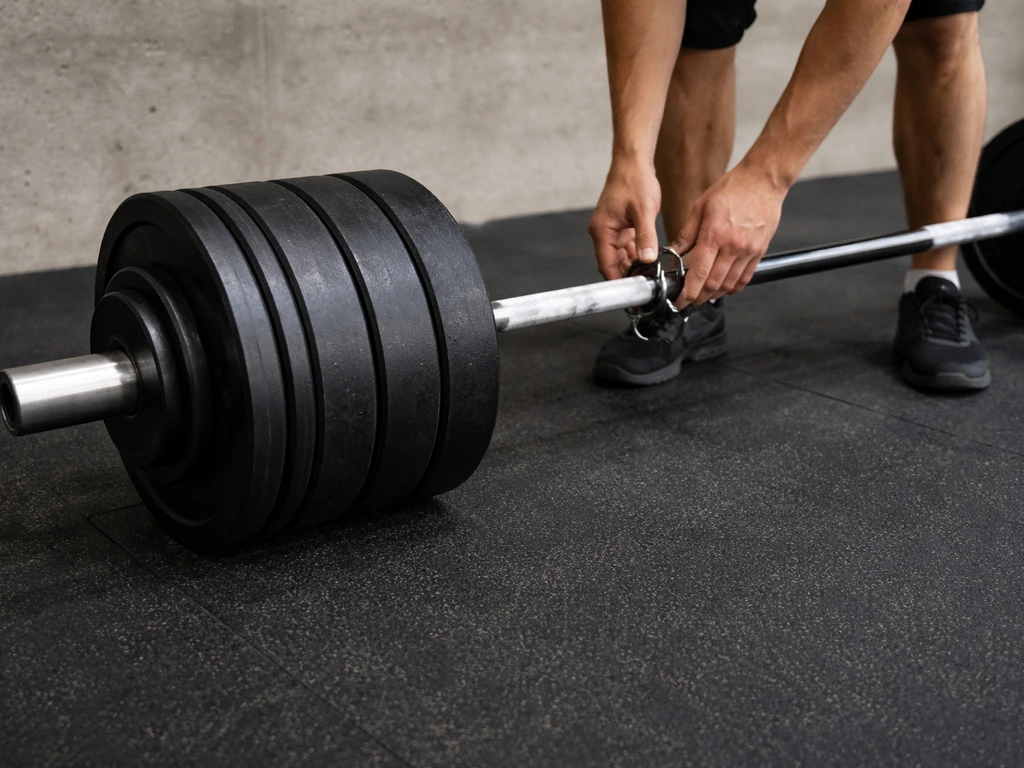
The principles that drive muscle growth are universal. You need mechanical tension (heavy enough loads to challenge muscle fibers), progressive overload (consistently increasing that challenge over time), and sufficient volume. The specifics of how you apply those principles can be adjusted for your starting point and schedule.
The core training variables
| Variable | Beginner Target | Intermediate Target |
|---|---|---|
| Training frequency | 2–3 days per week | 3–4 days per week |
| Sets per muscle group per week | 8–12 sets | 12–20 sets |
| Rep range | 8–15 reps per set | 6–15 reps, varied |
| Intensity (effort) | Leave 2–3 reps in the tank | Work to 1–2 reps from failure |
| Rest between sets | 90–120 seconds | 60–120 seconds depending on exercise |
| Progression method | Add reps, then add weight | Add weight, vary tempo, increase volume |
Compound movements should be the foundation: squats, Romanian deadlifts, hip thrusts, bench press (or dumbbell press), rows, and overhead press. These recruit the most muscle tissue per exercise and drive the most systemic growth stimulus. Isolation work (curls, lateral raises, leg curls) is a useful addition once you have 2 to 3 months of consistent training under your belt, but it shouldn't replace compounds for someone starting out.
A simple beginner program structure
For someone new to lifting, a full-body program three days per week is genuinely the fastest path to muscle gain. You hit each muscle group three times a week, which is the optimal stimulus frequency for beginners. Each session should include one squat pattern, one hinge pattern (like a deadlift or hip thrust), one push, and one pull. That's four compound movements per session, 3 sets each, and you're done in about 45 to 55 minutes. After 2 to 3 months, you can transition to an upper/lower split four days per week to increase volume as your recovery capacity improves.
Progressive overload is non-negotiable. Every time a given weight starts to feel manageable, you either add a rep, add a set, or add a small amount of weight (2.5 to 5 pounds for upper body, 5 to 10 pounds for lower body). Tracking your lifts in a notebook or app is the single most underused tool in women's training. If you're not tracking, you're guessing, and guessing stalls progress.
Nutrition for muscle growth: what women actually need
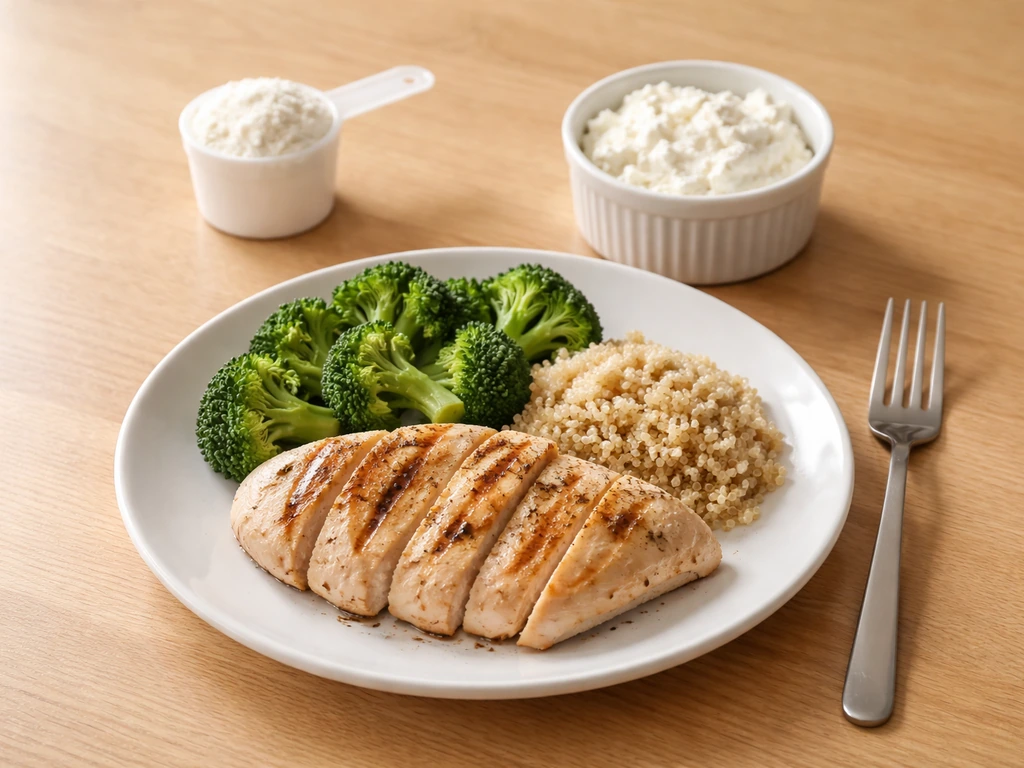
Training is the signal; nutrition is what lets your body act on it. You can do everything right in the gym and undo it by eating too little. This is genuinely the most common mistake women make, not because of laziness but because decades of diet culture have normalized chronic undereating. Building muscle requires a slight caloric surplus, or at minimum, eating at maintenance. Aim for roughly 200 to 300 calories above your maintenance level if muscle gain is the primary goal.
Protein: the most important number
The current evidence-based target for muscle building is 0.7 to 1 gram of protein per pound of body weight per day (roughly 1.6 to 2.2 grams per kilogram). For a 140-pound woman, that's about 100 to 140 grams of protein daily. This is higher than most women are currently eating, and it's the lever that makes the biggest difference to muscle protein synthesis outside of training itself. Spread it across 3 to 4 meals or meals plus snacks, targeting roughly 30 to 40 grams per sitting to maximize the muscle protein synthesis response per meal.
Carbs, fats, and meal timing
Carbohydrates fuel your training sessions and replenish muscle glycogen afterward. Don't cut them in pursuit of muscle. A reasonable target is 3 to 5 grams per kilogram of body weight per day, leaning toward the higher end on training days. Dietary fat supports hormone production, including estrogen and testosterone, so keeping fat intake at roughly 0.3 to 0.5 grams per pound of body weight is wise. As for meal timing: getting protein and carbs within 1 to 2 hours post-workout helps, but if your total daily protein and calories are on target, precise timing matters much less than consistency.
Supplements worth considering (and ones to skip)
Most supplements are overpriced and underperform. A small handful have genuine, replicated evidence behind them for muscle building, and those are the only ones worth your money.
- Creatine monohydrate: The most well-researched performance supplement in existence. 3 to 5 grams per day increases phosphocreatine stores, allowing you to do more work per session. Over time, this directly translates to more muscle gain. Ignore the bloating myths; any water weight is intramuscular, not subcutaneous.
- Protein powder (whey or plant-based): Not a magic supplement, just a convenient food. If you're consistently hitting your protein targets from whole food, you don't need it. If you're falling short, a shake is an easy fix.
- Caffeine: A well-timed cup of coffee 30 to 45 minutes before training improves performance, increases training volume, and has real (if modest) effects on results over time.
- Vitamin D and magnesium: Not muscle builders on their own, but deficiencies in either impair muscle function and recovery. Many women are low in both, especially if indoor-based or under-eating.
Skip the fat burners, "toning" supplements, collagen for muscle hypertrophy (it lacks key amino acids), and anything marketed as a "female formula" for muscle building. These products rely on marketing, not mechanisms.
Recovery, tracking progress, and realistic timelines
Sleep and rest days
Muscle is built during recovery, not during the workout. The workout is the signal; sleep is when protein synthesis peaks. Aim for 7 to 9 hours per night. Consistently getting under 6 hours of sleep significantly reduces muscle protein synthesis rates and increases cortisol, which works against muscle retention. Rest days are not optional extras; they're part of the program. If you train hard 3 to 4 days per week, your other days should involve light movement (walking, stretching) rather than more intense work.
How to track progress (without obsessing over the scale)
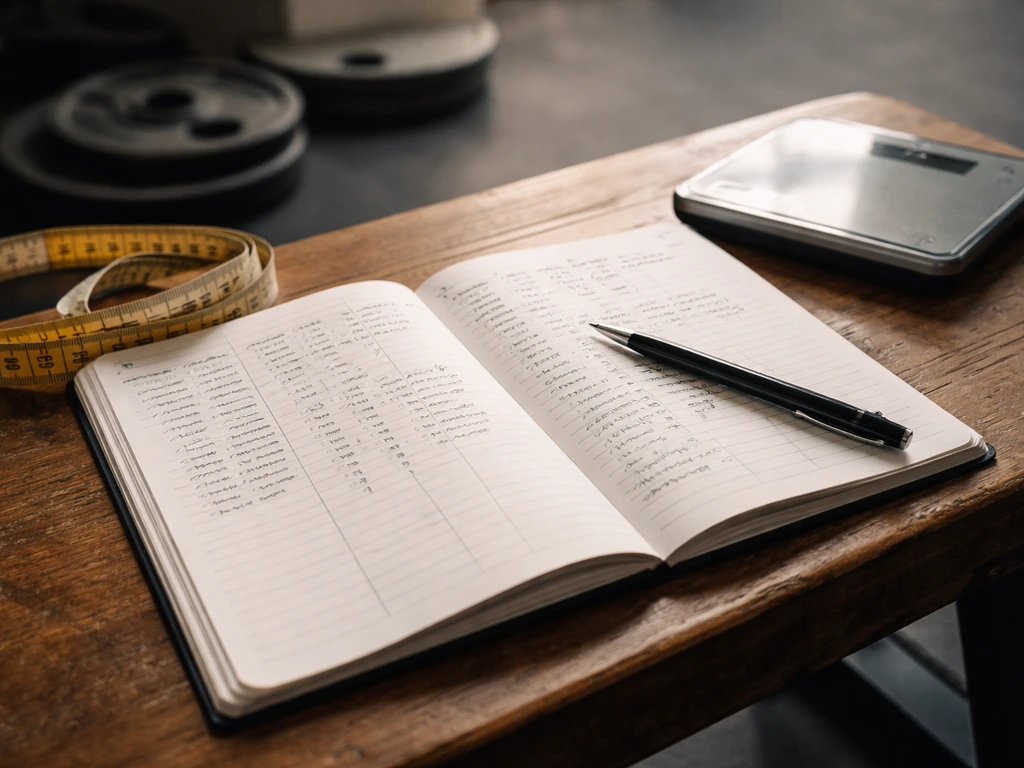
The scale is one of the worst-solo tools for tracking muscle building because muscle gain and fat fluctuations, hydration, and hormonal changes all move the number unpredictably. Use a combination of metrics instead: body measurements (waist, hips, thighs, upper arms) taken monthly with a tape measure, strength performance in your key lifts tracked every session, and progress photos taken every 4 to 6 weeks under consistent lighting and poses. If your lifts are going up and your measurements are shifting, you're building muscle, even if the scale is doing nothing interesting.
Realistic timelines
Beginners typically see noticeable strength gains within the first 4 to 6 weeks, much of which is neuromuscular adaptation (your brain learning to recruit muscle better) rather than pure hypertrophy. For a faster boost toward muscle gain, focus on consistent training, protein, and recovery rather than expecting dramatic growth in just 1 week how to grow muscles in 1 week. Visible muscle changes start appearing at around 8 to 12 weeks of consistent training and nutrition. If you are hoping for dramatic changes quickly, focus on the basics that drive hypertrophy and remember that “in a week” is usually about early strength and water-weight shifts, not true muscle growth. In the first year of serious, consistent lifting, women can realistically expect to gain 6 to 12 pounds of muscle total. If you are aiming for rapid muscle gains in about a month, focus on doing the basics consistently: progressive overload, enough protein, and enough calories. After that, progress slows: experienced lifters might gain 2 to 4 pounds of muscle per year. This isn't a flaw in the program; it's normal physiology. The longer you train, the more specific your program needs to be to keep driving adaptation.
If results feel slower than expected after 10 to 12 weeks, audit the basics before changing the program: Are you eating enough protein? Are you consistently in a slight caloric surplus? Are your lifts actually progressing? Is sleep averaging 7-plus hours? Most "plateaus" are actually consistency gaps in one of these areas. If all four are solid and you're still stalled, that's when program adjustments, like increasing weekly volume or changing exercise selection, make sense.
Your starting point today
If you're new to this, start simple. Pick a three-day full-body program built around compound lifts, calculate your protein target (0.7 to 1 gram per pound of body weight), eat at or slightly above maintenance, take creatine if you're open to supplementation, and track both your lifts and your measurements from week one. Give it 12 weeks of genuine consistency before judging results. The physiology works the same for women as it does for men; the timeline and absolute ceiling differ, but the process and the results are very real. For teenagers, the same basics apply, but you should focus on safe technique, appropriate loads, and consistent progressive overload how to grow muscle as a teenager. Anyone telling you that lifting will make you look like a man either doesn't understand the biology or hasn't actually seen what consistent resistance training does for women.
FAQ
If women lift, will they inevitably get bulky like men?
Yes, but it usually requires a lot of time, a larger-than-average calorie surplus, and a consistent lifting plan for years. Most women do not have the hormonal and baseline conditions that make very large absolute gains easy, and “bulky” changes are not an automatic result of lifting. If your goal is to stay leaner while gaining muscle, aim for a small surplus (or even maintenance on slower-gain phases) and prioritize progressive overload with moderate weekly volume.
Does creatine work for women, and what dose should I use?
Creatine can support strength and muscle gains in women, because it increases the muscles’ ability to regenerate ATP during hard sets. A typical approach is 3 to 5 grams daily, no cycling needed. If you get bloating, split the dose (for example, 2 grams morning and 2 grams evening) and drink enough fluids, but expect that performance benefits can come even without noticeable scale changes.
How many days per week do women need to train to gain muscle?
For most women trying to grow muscle, training hard 3 days per week with full-body sessions is enough to start, then you can add volume if growth slows. If you are already more advanced or want more frequent stimulus, an upper/lower split or 4-day plan can work well, but the key is weekly hard sets per muscle, not the number of days. A practical rule is to increase weekly volume gradually (for example, add 1 to 2 sets per muscle group per week) only after you can recover.
Can women build muscle without gaining much body fat?
No. You can build muscle while staying lean, but you need enough protein and consistent progressive overload. If you are at a maintenance calorie level, expect slower gains and more emphasis on recomp (body composition changes) rather than rapid scale increases. If you want faster hypertrophy, a slight surplus matters more than “clean eating” or specific macro percentages.
What should I do if I’m working hard but my body measurements are not changing?
A very common mistake is eating “healthy” but not enough total calories to support hypertrophy. If you are not gaining weight and not seeing strength or measurements move for 3 to 4 weeks, increase calories by about 100 to 200 per day and reassess, rather than changing your program every week. Another useful check is protein consistency, since missing protein days can blunt gains even if workouts are good.
Should women train in higher reps or lower reps for muscle growth?
For hypertrophy, many women do better with slightly higher weekly volume and moderate rep ranges, often using sets that leave about 1 to 3 reps in reserve (not always to failure). If you use very low reps all the time, you may not hit enough muscle protein synthesis stimulus per week. A practical starting target is 10 to 20 hard sets per muscle group per week, then adjust based on recovery and results.
Will more cardio and “toning” workouts reduce muscle gains for women?
Yes, but only to a point, because the “toning” marketing idea is usually about weight loss or hydration changes, not true hypertrophy. If your goal is muscle, you still need mechanical tension and progressive overload. Prefer resistance work with challenging loads, and treat cardio as either supplemental (for fitness) or included at a volume that does not reduce recovery.
Can women grow muscle during pregnancy or postpartum?
It can, especially if the diet is too low in calories or sleep is consistently short. The more pregnancy or postpartum changes hormone levels and energy availability, the more recovery demands increase. If you are pregnant, postpartum, or breastfeeding, you should use a modified plan focused on safe movement, adequate protein, and doctor-approved progression, and adjust training intensity based on how you feel.
Why do my workouts feel hard but results seem stalled?
Often, yes, but it depends on your current lifting history and the type of “plateau” you mean. Early plateaus are commonly from stalled progressive overload, under-eating, inconsistent sleep, or not enough weekly hard sets. If strength is not rising, prioritize overload first (add reps or small weight). If strength rises but measurements do not, increase protein consistency and total weekly sets slightly.
What’s the best way to track progress if the scale is unreliable?
Track volume and effort, not just weight on the bar. Logging which exercises you did, how many hard sets you completed, and your reps at a given load helps you progress intelligently, even if your scale fluctuates. If you miss a week, don’t “restart from scratch,” aim to return with slightly lower volume for 1 week and rebuild from there.
Do women need isolation exercises, or can they grow muscle with just compounds?
If a woman is new or returning after a break, starting with compounds plus basic progressive overload is usually enough, and isolation can be added later. If you are aiming to emphasize a specific area (for example, glutes), you can add 1 to 2 targeted isolation movements per week once you have reliable technique. Avoid replacing compounds entirely, because they generally provide better overall growth stimulus.
Which supplements are actually worth it for women building muscle?
Supplements are not required, but the ones with consistent evidence include creatine. Other options may be useful depending on your diet, such as vitamin D if you are deficient, or protein powder only if you struggle to hit your daily protein target with food. Be especially cautious with anything marketed as a “female formula,” fat burner, or hormone booster, since many do not improve muscle-building outcomes.