Muscles grow after a workout when three things line up: enough protein to rebuild damaged fibers, enough total calories to support that repair, and enough rest for the process to actually finish. Muscle growth after exercise is what’s known as hypertrophy. Get those three right consistently and growth happens. Miss any one of them regularly and it stalls, no matter how hard you train.
How to Make Muscles Grow After Workout: What to Do

Marcus Kellerman
15 May 2026
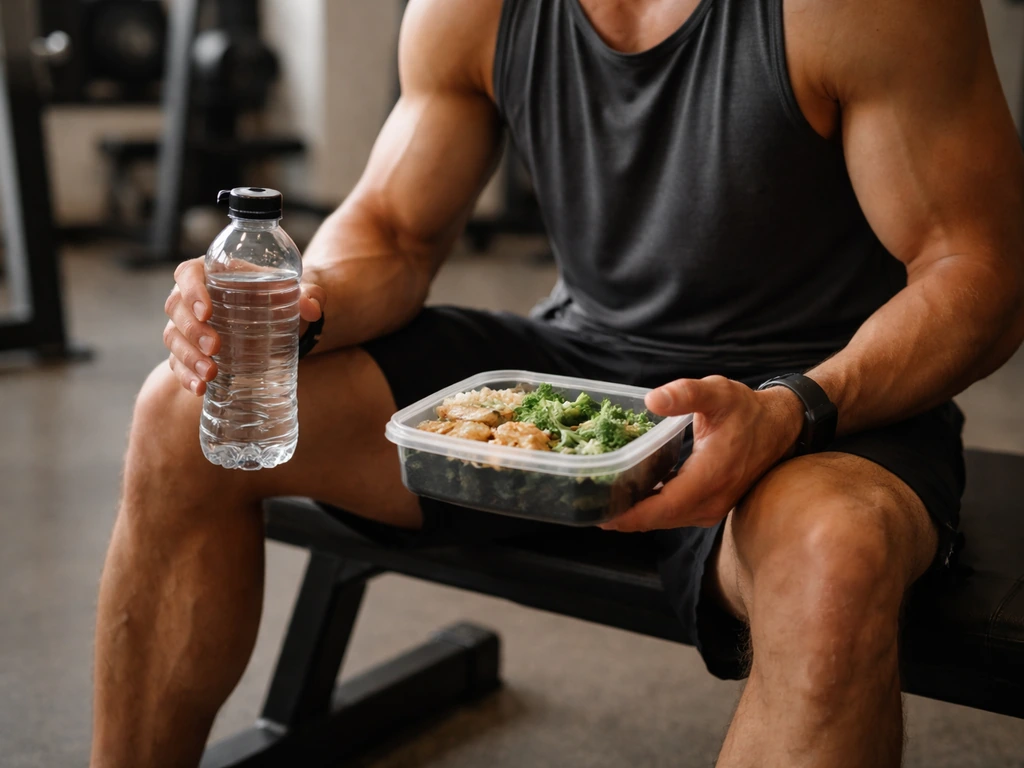
What muscle growth after a workout actually depends on
The technical term for muscle growth is hypertrophy, and it happens through a process called muscle protein synthesis (MPS). This is often described as hypertrophy, the muscle-building process that happens after workouts. This is usually referred to as hypertrophy, the muscle-growth process driven by muscle protein synthesis after training. When you lift, you create small amounts of mechanical stress and muscle fiber damage.
Your body responds by ramping up protein synthesis to rebuild those fibers thicker and stronger than before. That process is driven by anabolic signaling pathways (particularly mTOR), but here's something worth knowing: those signaling cascades don't fire uniformly the moment you rack the bar. Research on resistance exercise signaling shows the anabolic response varies by pathway and isn't simply "on" for a fixed two-hour window. What that means practically is that a single post-workout shake is not the whole story.
Growth depends on a sustained environment of adequate protein, calories, rest, and progressive training stimulus across the entire day and week.
Four pillars drive this environment: nutrition (protein amount and timing, carbohydrates, total calories), recovery (sleep, stress, rest days), training quality (volume, intensity, progressive overload), and consistency over weeks and months. Nail all four and the question of "how do I make muscles grow" basically answers itself.
What to do in the first 0–2 hours after training

Cooldown: what actually helps (and what doesn't)
A light cooldown feels good and helps your heart rate come down gradually, which is a reasonable reason to do it. But if you're doing it to prevent soreness or speed up recovery, the evidence is less convincing than you might think. Multiple systematic reviews have found that active cooldowns and post-exercise static stretching don't meaningfully reduce delayed-onset muscle soreness (DOMS) or improve muscle damage markers compared with just sitting down and resting. So do a five-minute walk if you like it, but don't stress if you skip it. Your recovery won't suffer.
Cold therapy is a different story. A meta-analysis found that cold water immersion or ice application significantly reduced DOMS at 24, 48, and even 96 hours after training. It's not magic, and it won't replace good nutrition, but if you're particularly sore or have back-to-back training days, a cold shower or ice bath is one of the few post-workout recovery tools with real data behind it.
Hydration right after training
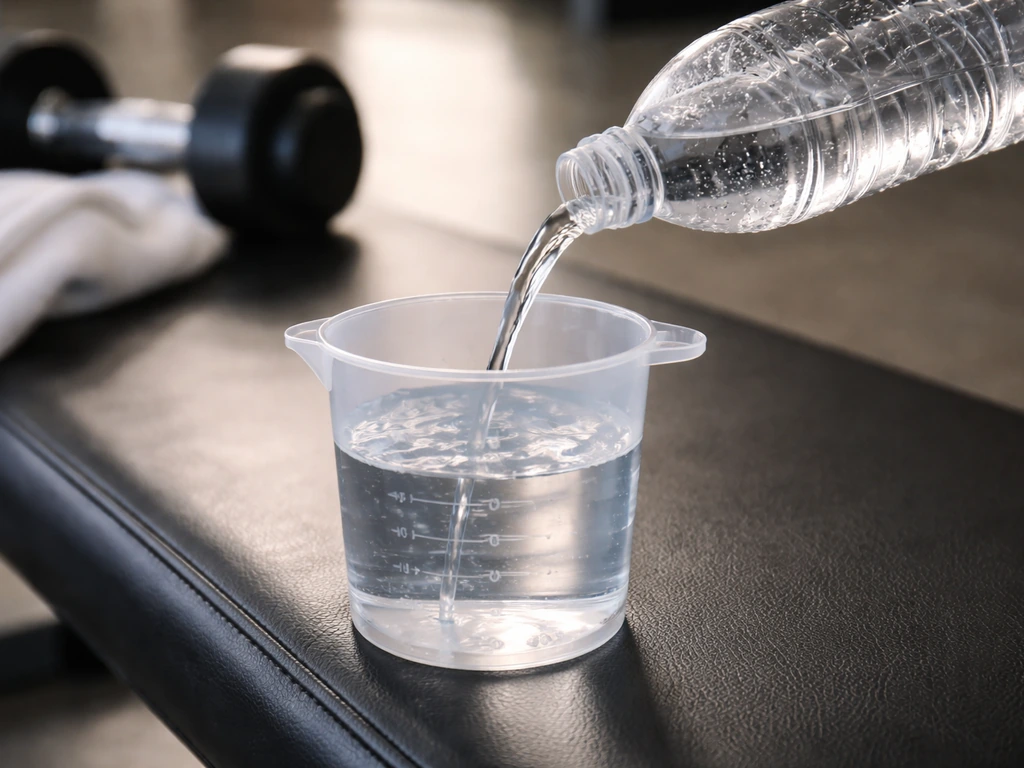
Sweat losses during training can be substantial, and even mild dehydration slows nutrient delivery to muscles. Drink 16–24 oz (roughly 500–700 ml) of water within the first hour after training. If your session was long, hot, or particularly sweaty, adding electrolytes helps replace sodium and potassium lost in sweat. You don't need a fancy sports drink for a standard hour-long lifting session, but don't skip hydration thinking it's minor. Muscles are roughly 75% water and protein synthesis happens in a fluid environment.
Getting food in: the post-workout meal or shake
You've probably heard of the "anabolic window," the idea that you have a narrow 30–60 minute slot to eat protein or your gains evaporate. That framing is overstated. The International Society of Sports Nutrition (ISSN) is clear that [the anabolic effect of protein ingestion lasts at least 24 hours](https://jissn. biomedcentral.
com/articles/10. 1186/s12970-017-0189-4), and total daily protein intake matters more than hitting a precise post-workout minute. That said, eating protein and carbohydrates within the first couple of hours after training is still a good idea for two practical reasons: it starts restoring muscle glycogen (research shows delaying carbohydrate intake by just two hours after intense training can reduce glycogen synthesis by around 45%), and it gives your body the amino acids it needs while MPS is elevated.
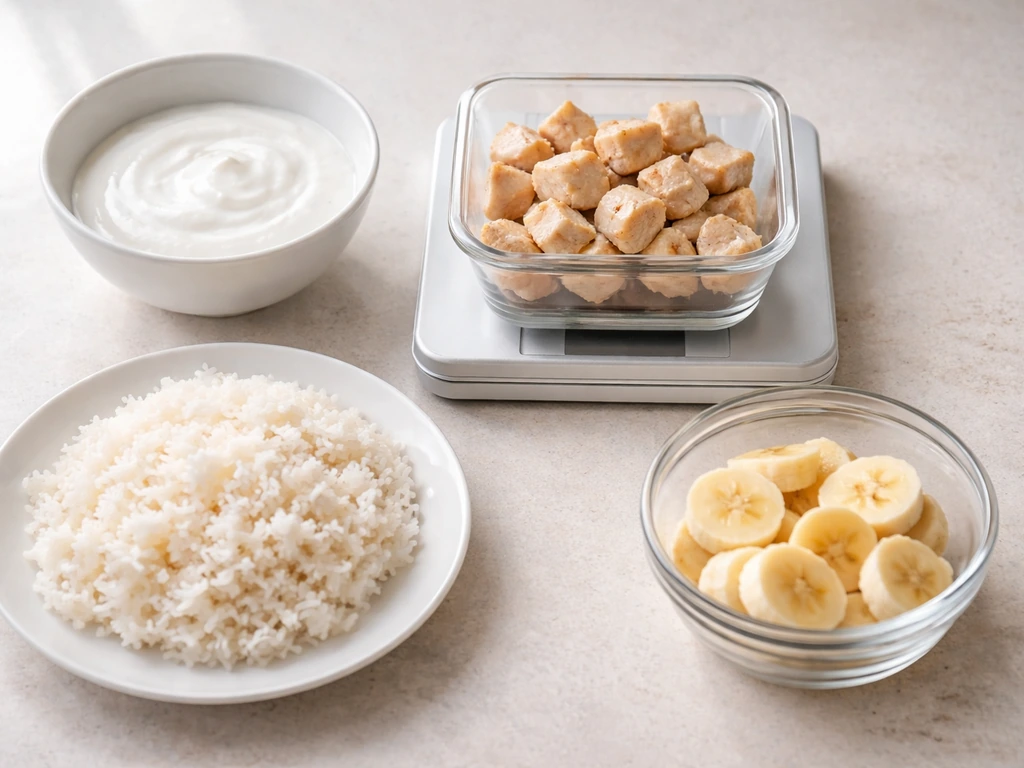
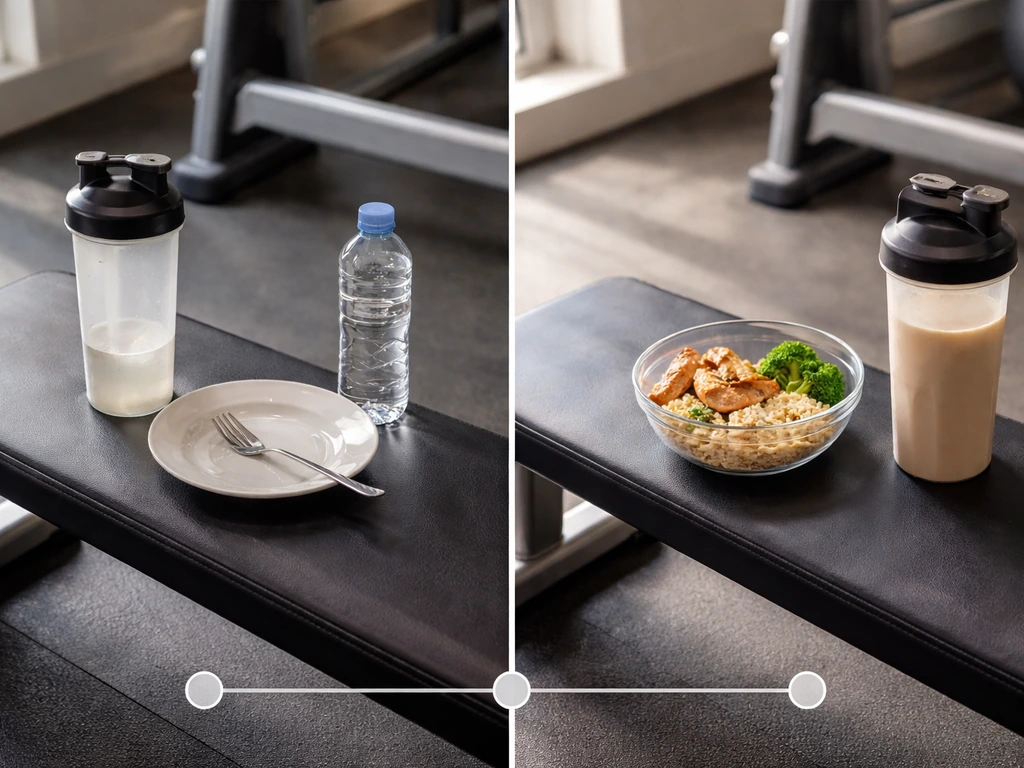
A practical post-workout target is 20–40 g of high-quality protein (whey, chicken, eggs, Greek yogurt, tofu with a good amino acid profile) paired with a moderate portion of carbohydrates. If you trained hard and your next session is within 24 hours, lean toward the higher end of carbs to restock glycogen faster. If you're in a fat-loss phase, protein stays the same but you can keep carbs moderate. There's nothing wrong with a real meal here if your stomach can handle it. A shake is just convenient, not superior.
Post-workout nutrition: the full picture on protein, carbs, and calories
Daily protein targets
ISSN recommends 1. 4–2. The ISSN position stand recommends an overall daily protein intake of about 1. 4, 2.
0 g/kg/day for exercising individuals to build and maintain muscle, and suggests a practical protein dose of roughly 20, 40 g per serving (or about 0. 25 g/kg) [ISSN recommends 1. 4–2. 0 g of protein per kilogram of bodyweight per day](https://jissn.
biomedcentral. com/articles/10. 1186/s12970-017-0177-8). 0 g of protein per kilogram of bodyweight per day for people who train regularly.
A 170 lb (77 kg) person needs roughly 108–154 g of protein daily. For most people building muscle, shooting for the higher half of that range (1. 6–2. 0 g/kg) is a reasonable default.
Spread that across 3–5 meals or snacks with roughly 20–40 g per sitting. Research supports that dose distribution matters: one giant protein meal doesn't replace the anabolic stimulus of multiple well-spaced doses.
Older adults need to pay particular attention here. Due to a phenomenon called anabolic resistance, where muscle becomes less sensitive to amino acids with age, per-meal protein doses may need to be higher. Studies suggest older adults may need closer to 40 g of high-quality protein per meal (compared to the ~20 g that often suffices for younger adults) to robustly stimulate MPS after resistance training. A practical distribution target for adults over 50 is around 0.4 g/kg per meal across at least four meals to hit 1.6 g/kg/day total.
Carbohydrates and why they matter for growth
Carbohydrates restore muscle and liver glycogen, which fuels your next workout. Liver glycogen can take 11–25 hours to fully replenish with adequate carbohydrate intake, which means your carb intake throughout the entire day (not just the post-workout window) shapes how recovered you feel by the time you train again. Good sources include rice, oats, potatoes, fruit, and bread. There's no need to be obsessive about timing beyond eating a reasonable portion of carbs with your post-workout meal.
Calorie surplus, maintenance, and fat loss: how to adjust
Muscle growth is energetically expensive. A meta-analysis found that even modest energy deficits impair lean mass gains from resistance training, with larger deficits causing more impairment. If your primary goal is building muscle, you need to eat at or slightly above maintenance (a 200–300 calorie surplus is enough for most people). If you're trying to lose fat and build muscle simultaneously, keep the deficit small (no more than 300–500 calories below maintenance) and keep protein high. Older adults in an energy-restricted phase benefit especially from high protein intake to preserve lean mass while losing fat.
Recovery essentials: sleep, rest days, and stress
Sleep is when muscles actually grow

Growth hormone secretion peaks during deep sleep. Protein synthesis continues overnight. Acute total sleep deprivation demonstrably impairs skeletal muscle protein synthesis and disrupts the hormonal environment, including anabolic hormone patterns. Adults typically need 7–9 hours per night, and the research on athletes consistently frames adequate sleep as one of the highest-leverage recovery tools available. Chronic sleep restriction of even one to two hours per night can compound into meaningful recovery deficits over weeks of training. This isn't optional. If you're cutting corners on sleep to fit in more gym time, you're trading the most productive recovery period you have.
A few practical habits help: keep a consistent sleep and wake time, make your room dark and cool, and avoid heavy meals or intense exercise within two hours of bed. If you're training in the evening and finding sleep difficult, a cooldown walk and a lighter dinner can help transition your nervous system down.
Rest days and managing soreness
Muscles don't grow during the workout, they grow during the recovery between workouts. After a workout, the muscle-building process is largely happening over the following days, not instantly, and full gains depend on consistent protein, calories, rest, and progressive training how many days do muscles grow after workout. Most people need at least one to two full rest days per week, and that need increases with training volume and age.
DOMS (the soreness you feel 24–72 hours after training) is not a required sign that growth occurred. You can build muscle without being sore, and being severely sore doesn't mean you'll grow more. Soreness is partly a sign of novelty and eccentric stress, and it tends to decrease as your body adapts. Don't chase soreness as a goal.
If soreness is limiting your movement or making daily life difficult, light activity like walking, swimming, or cycling can help clear metabolic byproducts and reduce perceived discomfort without adding training stress. Cold therapy (a cold shower or 10–15 minutes of cold water immersion) has meta-analytic support for reducing DOMS. Massage combined with light movement also shows benefits for perceived fatigue. What doesn't have strong evidence for DOMS reduction: static stretching and active cool-downs, despite being widely recommended.
Managing cortisol and life stress
Chronic high cortisol from job stress, poor sleep, or under-eating is catabolic, meaning it actively works against muscle retention and growth. You can't always control life stress, but you can buffer its effects: eat enough protein, prioritize sleep, and don't stack high training volume on top of an already depleted life period. Training hard when you're chronically stressed and under-recovered is one of the most common reasons people plateau despite putting in the work.
Training factors that determine whether your post-workout efforts pay off
Post-workout nutrition and recovery only work if the training stimulus is actually there. You need to give your muscles a reason to grow in the first place. Three training factors matter most.
- Progressive overload: gradually increasing the challenge over time, whether through more weight, more reps, more sets, or shorter rest periods. This is the single most important training variable for long-term growth. Without progressive overload, your muscles adapt to the current demand and stop growing regardless of how much protein you eat.
- Weekly volume: the total number of hard sets per muscle group per week. Research shows a dose-response relationship between weekly set volume and muscle growth, with most people seeing good results from roughly 10–20 hard sets per muscle group per week. Starting at the lower end and adding volume gradually is smarter than piling on sets from day one.
- Effort level: sets need to be taken close enough to failure to actually challenge the muscle. You don't need to train to complete failure every set, but regularly leaving 5–6 reps in the tank on every set is probably not enough stimulus. Aim for the last 1–3 reps of each set to feel genuinely hard.
Whether you train every day or every other day also matters. Training the same muscle group too frequently without enough recovery time between sessions can blunt adaptation. Most evidence supports training each muscle group 2–3 times per week with adequate recovery between sessions. If you're wondering whether training every single day is smart, the answer depends heavily on how you structure volume and recovery across the week.
Common mistakes people make after workouts (and how to fix them)
| Mistake | Why it stalls growth | Fix |
|---|---|---|
| Skipping post-workout protein | MPS has no substrate to work with; recovery slows | Eat 20–40 g high-quality protein within 1–2 hours of training |
| Not eating enough total calories | Energy deficit impairs lean mass gains even with perfect training | Track intake for 1–2 weeks to confirm you're near or above maintenance |
| Relying only on supplements | Supplements don't replace adequate food, sleep, or training quality | Treat supplements (creatine, protein powder) as additions, not foundations |
| Overdoing cardio on top of lifting | Excessive cardio increases calorie burn and recovery demand simultaneously | Keep cardio moderate (2–3 sessions/week) and eat to compensate if adding it |
| Assuming soreness = growth | DOMS is not a reliable indicator of hypertrophy stimulus | Track strength and measurements over time, not soreness |
| Ignoring sleep | Sleep deprivation impairs hormonal environment and MPS directly | Prioritize 7–9 hours and treat sleep as part of your training plan |
| No progressive overload in training | Muscles adapt to a static stimulus and stop growing | Log your sessions and aim to add reps or weight every 1–2 weeks |
| Eating too little protein as an older adult | Anabolic resistance means older muscles need more protein per meal to respond | Target ~40 g protein per meal, not 20 g, if you're over 50 |
How to know it's working: timelines, tracking, and adjustments
Realistic timelines
Beginners often see noticeable strength gains within 2–4 weeks (mostly from neural adaptations, not yet muscle size). Visible muscle changes typically take 8–12 weeks of consistent training and nutrition to become clearly apparent, and meaningful size gains generally require 6–12 months. Older adults can absolutely build muscle at any age, and research consistently shows resistance training produces hypertrophy in adults well into their 60s, 70s, and beyond. Progress may be slower than it was at 25, but it's real and it compounds. The timeline just demands more patience and more attention to protein and recovery than younger adults need.
How to track whether you're progressing
- Log your workouts: track weights, sets, and reps each session. Strength going up over weeks is a direct indicator that muscle is growing.
- Take body measurements monthly: circumference measurements of arms, chest, thighs, and waist are more reliable than scale weight for tracking muscle gain.
- Progress photos every 4 weeks: changes in muscle shape and fullness are often visible in photos before they're obvious in the mirror.
- Track your daily protein and calorie intake for at least 2 weeks to confirm you're actually hitting your targets, not just estimating.
- Monitor sleep and energy: if your energy in the gym is declining week over week, you're likely under-recovered or under-fueled.
Your simple post-workout routine starting today
You don't need to overhaul everything at once. Start with this basic framework and build from there.
- Within 30–60 minutes after training: drink 16–24 oz of water and eat or drink 20–40 g of protein (a shake with whey, a chicken breast, Greek yogurt with fruit, eggs on toast, or cottage cheese are all solid options). Add a serving of carbohydrates: a banana, rice, or oats.
- For the rest of the day: hit your total daily protein target (1.6–2.0 g/kg of bodyweight) spread across meals. Make sure you're eating enough total calories for your goal.
- That night: aim for 7–9 hours of sleep. This is not optional if you want to grow.
- Log your workout before bed: note the weights and reps so you have something to beat next session.
- On your next rest day: eat normally (protein targets still apply), stay lightly active if you're sore, and use cold therapy if soreness is significant.
The fundamentals here are not complicated, but they do require consistency. Most people who feel like they're "not growing" are missing one of these pieces: not enough protein, not enough calories, not enough sleep, or not enough progressive challenge in their training. Fix the biggest gap first. Give it 8–12 weeks of honest effort before deciding whether something needs to change.
FAQ
If I miss eating right after my workout, will I lose muscle gains?
No. You still need protein and calories daily, but you can split intake across the whole day. Aim for 3–5 protein feedings, spaced roughly every 3–5 hours, and keep one of them within a couple hours post-workout so you start restoring amino acids and glycogen while synthesis is elevated.
How long is it actually acceptable to wait to eat after training?
If your total protein hit is good, timing is flexible. The bigger risk is missing the weekly pattern, like consistently under-eating protein or calories. A practical rule is to get at least one solid protein dose within 2–3 hours after training, then resume normal meals to reach your daily target.
Do I need carbohydrates after every workout to grow muscles?
For most lifters, training without carbs is not a problem if daily carbs are adequate, but right around hard sessions it can slow glycogen replenishment and make the next workout feel worse. If your next session is within 24 hours, include a moderate carb portion after training, especially if you trained legs or did lots of volume.
Does more training after the workout (like extra sets) help muscle growth?
Not always. If you lift near failure, you can grow with lower total sets, as long as weekly volume and effort are sufficient. A common mistake is doing a lot of sets with poor proximity to failure, which provides less stimulus than you think, even when the workout feels hard.
Is a protein shake after workout better than just eating a meal?
It can, if it helps you keep your daily protein and total calories consistent. If adding supplements causes you to skip real food, it usually backfires. Whey or a balanced meal are both fine, prioritize hitting your grams of protein per day and distributing them across the day.
What’s the best post-workout food if I train late and struggle to sleep?
If you train in the evening, try to stop large meals close to bedtime (heavy meals within about 2 hours can impair sleep for many people). Choose a lighter dinner with protein and manageable carbs, then follow up with a small protein snack if you need to reach your daily target.
Should I aim to be sore after workouts to ensure muscle growth?
Muscle soreness is not required for hypertrophy. However, if soreness is extreme and repeatedly limits your range of motion or performance for consecutive sessions, that suggests you overshot the stimulus. In that case, reduce volume, swap to less eccentric variations, or increase recovery rather than trying to “push through” soreness.
Does cold water immersion after every workout improve hypertrophy, or can it slow gains?
Too much cold exposure immediately after training can be counterproductive for some people, especially when used aggressively across many sessions. If you choose cold therapy, use it as a short, targeted tool for soreness, and avoid turning it into a daily routine that interferes with normal recovery habits. Basic nutrition and sleep still matter more than the cold.
How do I know if I’m eating enough calories to grow?
Yes, especially if your “maintenance” calories are wrong. A practical check is bodyweight trend plus performance: if your weight consistently drops and lifts stall or rep quality worsens, you are likely under-eating. For muscle gain, a small surplus (often about 200–300 calories) works better than aggressive dieting.
What if I can’t reach my daily protein target?
Measure protein per day, not per scoop. If you eat around 1.6–2.0 g/kg/day and spread it across meals, you are usually in a good range. If you struggle to reach the target, improve meal frequency first, then consider adding whey, Greek yogurt, or a convenient lean protein snack.
What should I do if post-workout soreness turns into joint pain?
If you are getting back pain or significant joint discomfort, growth and progress will stall because you cannot train hard consistently. Use form fixes, reduce load, and consider movement substitutions while keeping the muscles trained. In pain-limited training, “consistency over weeks” is impossible, so recovery and exercise selection become the priority.
If I train every other day, does the protein timing change?
For compound lifts and big muscle groups, you typically benefit from the same day energy and protein consistency. One high-stakes limiter for growth is getting enough total weekly training stimulus with progressive overload, not the exact order of which meal you ate first.