When muscles grow after exercise, the two terms you're looking for are muscle protein synthesis (MPS) and muscle hypertrophy. MPS is what happens in the hours right after your workout, when your body starts building new muscle proteins in response to the training stimulus.
What Is Called When Muscles Grow After Exercise

Marcus Kellerman
22 Apr 2026

In humans, muscle fractional breakdown increases about 3 hours and again around 24 hours after resistance exercise, and returns to resting levels by 48 hours [increased at ~3 h and ~24 h post-exercise, and returned to resting levels by 48 h](https://pubmed. ncbi. nlm. nih.
gov/9252485/). Hypertrophy is the longer-term result: an actual increase in the size and cross-sectional area of the muscle fiber. One is the process, the other is the outcome. Both terms get used interchangeably in casual conversation, but knowing the difference helps you make smarter decisions about training, nutrition, and recovery.
What to call it: muscle protein synthesis vs hypertrophy
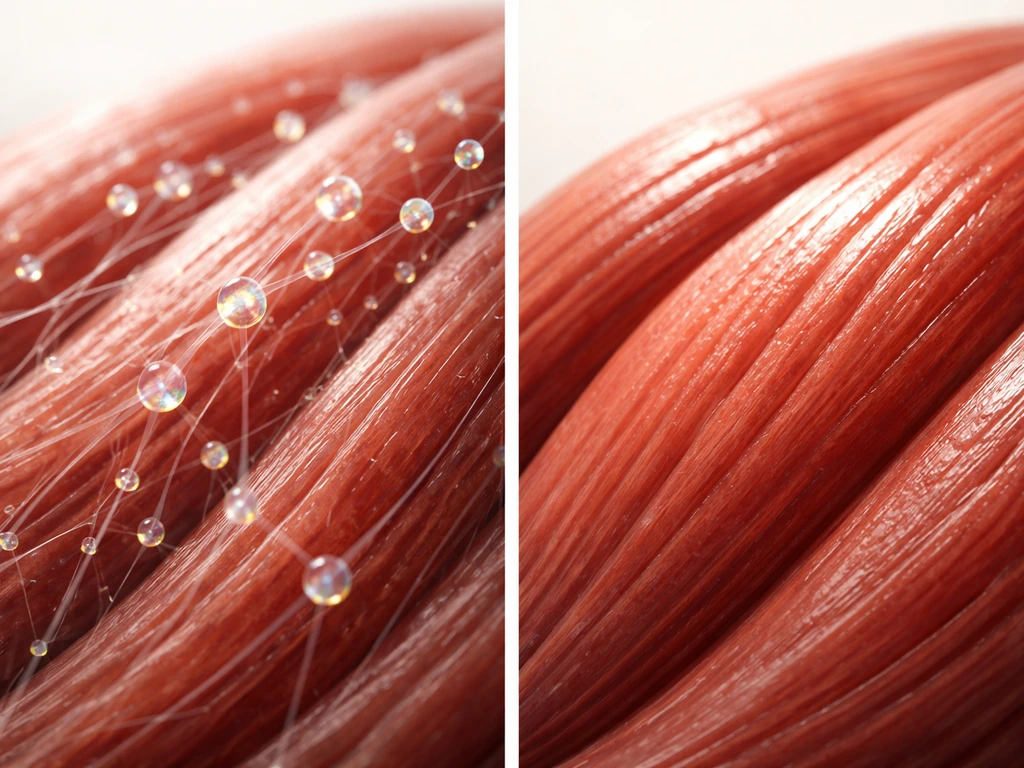
Muscle protein synthesis is the body's molecular assembly line. After resistance exercise, your muscle cells ramp up production of new contractile and structural proteins to repair and reinforce the tissue that was stressed during training. This process kicks off within hours of finishing a session and stays elevated well beyond the workout itself.
A resistance-training study in young men found that myofibrillar muscle protein synthesis remains amino-acid sensitive for up to 24 hours after exercise amino-acid sensitivity of myofibrillar muscle protein synthesis for up to 24 hours. Research shows that the muscle's sensitivity to protein intake can remain elevated for up to 48 hours after training, which is one of the big reasons why what you eat the day after a workout still matters.
Muscle hypertrophy, on the other hand, is the net structural change you get when MPS consistently outpaces muscle protein breakdown over weeks and months. It shows up as bigger, denser muscle fibers and is what you actually see and measure in the mirror or with a tape measure. You won't see hypertrophy after a single session. What you might feel after a session is soreness, pump, or fatigue, none of which are the same thing as growth. Growth is a slow, cumulative process driven by repeated bouts of the right training stimulus plus adequate nutrition and recovery.
There are also a couple of supporting players worth knowing. Satellite cells are muscle stem cells that activate after resistance training, helping to repair damaged fibers and donate new nuclei to growing muscle cells. Research shows 30 days of resistance training is enough to meaningfully increase the satellite cell pool, with continued training further expanding it.
And blank" rel="noopener noreferrer">delayed onset muscle soreness (DOMS) is a completely separate phenomenon, a pain response that typically peaks 24 to 72 hours after unaccustomed or eccentric-heavy exercise. DOMS is not a sign of how much you're growing. DOMS is often confused with the actual muscle-building process, which is what muscle protein synthesis and hypertrophy are describing. It's more a sign of novelty or intensity that exceeded your current adaptation.
What happens after your workout
The window right after you finish training is more biologically active than most people realize. Research mapping the molecular response to resistance exercise in human skeletal muscle shows that the initial signaling cascade, involving translation and transcription factors that start the muscle-building process, fires in the first 3 to 8 hours post-exercise. Between 8 and 24 hours later, a second wave dominated by ribosome-related genes ramps up, essentially building more of the machinery needed to synthesize protein efficiently over time. This is a 24-hour process, not a 30-minute one.
Here's a rough practical timeline of what's happening after a solid resistance session:
- 0 to 3 hours: Acute hormonal and inflammatory signals begin. MPS starts ramping up. This is when consuming 20 to 40 g of quality protein is especially useful.
- 3 to 8 hours: Translation initiation factors are highly active. Protein from your post-workout meal is being used to build new muscle proteins.
- 8 to 24 hours: Ribosome biogenesis genes dominate. Your muscle is literally building more protein-manufacturing capacity.
- 24 to 48 hours: MPS remains elevated. Protein sensitivity in the muscle is still high. Your meals during this window continue to support the repair and growth process.
- 48 to 72 hours: For most people, acute recovery is largely complete. DOMS may peak and start to fade. With consistent training, this cycle repeats and compounds into visible hypertrophy over weeks.
Why muscles actually grow

Three things drive muscle hypertrophy: mechanical tension, adequate nutrition (especially protein and overall calories), and recovery. Of these, mechanical tension is the primary driver. When you load a muscle against resistance and take it through a range of motion with sufficient effort, you create mechanical stress on the muscle fibers that triggers the growth signaling cascade. This is why progressive overload, gradually increasing the demand on the muscle over time, is the cornerstone of every effective hypertrophy program.
Metabolic stress, the burning sensation and cellular fatigue that builds during higher-rep sets, also contributes to hypertrophy, though it's considered secondary to mechanical tension. The practical takeaway is that you don't need to go extremely heavy to grow muscle. Low-load training can still produce hypertrophy when you push sets close enough to failure. The key variable is effort, not just weight on the bar.
Nutrition provides the raw materials. Without enough protein, MPS can't fully run its course. Without enough total calories, your body lacks the energy surplus needed to support meaningful muscle accretion. Research suggests that a genuine calorie surplus promotes greater protein accretion in the muscle, meaning eating just at maintenance may slow your progress compared to eating in a modest surplus if your goal is building size.
Recovery is when the adaptation actually happens. Training is the signal. Food is the substrate. Sleep and rest are when the construction crew shows up and does the work. Skip recovery and you're repeatedly tearing down without fully rebuilding.
How to actually stimulate growth today
If you want to start building muscle or optimize what you're already doing, here's what the evidence points to as the most practical training framework.
Training frequency and volume
For most people, training each muscle group 2 to 3 times per week hits the sweet spot for hypertrophy. If you workout every day, you may not get more growth unless your total weekly volume, nutrition, and recovery still support muscle protein synthesis and hypertrophy. More frequency can help if it allows you to accumulate more total volume, but frequency alone isn't the lever. Volume (measured in weekly sets per muscle group) is the primary dose variable.
Research shows a clear dose-response relationship: fewer than 5 sets per muscle per week produces roughly 5. 4% gains, 5 to 9 sets produces around 6. 6%, and 10 or more sets per week pushes gains to roughly 9. 8%.
If your current program has you doing 2 sets of bicep curls once a week and your arms aren't growing, this is your answer.
Progressive overload in practice

Progressive overload doesn't have to mean adding weight every session. It means consistently increasing the demand on the muscle over time, whether through more reps, more sets, shorter rest, better technique, or eventually more load. The goal is to ensure the muscle is never fully adapted to what you're asking it to do. A simple approach: once you can complete the top end of your rep range with good form on all sets, add a small amount of weight and work back up.
Rest intervals
Don't cut your rest periods too short if hypertrophy is the goal. Studies comparing 1-minute vs 3-minute rest periods for upper-body exercises found that longer rest allows significantly more total volume per session. More volume means more growth stimulus. Aim for 2 to 3 minutes of rest between hard sets for compound lifts, and at least 90 seconds for isolation work.
Protein and calorie targets

The International Society of Sports Nutrition recommends 1.4 to 2.0 grams of protein per kilogram of bodyweight per day for exercising individuals to maintain a positive muscle protein balance. For a 75 kg (165 lb) person, that's roughly 105 to 150 grams of protein per day. Most recreational gym-goers underestimate how much protein they're actually eating, so tracking for even a week can be eye-opening.
Per-meal protein targets matter too. ISSN guidance points to 20 to 40 grams per dose (or around 0.25 g/kg) as the practical target for stimulating MPS at any given meal. Spacing protein intake evenly every 3 to 4 hours throughout the day is more effective than loading most of your protein into one or two meals. Your muscles can only use so much at once to drive synthesis, so distribution across the day genuinely moves the needle.
On the calorie side, a minimum energy intake of roughly 27 to 30 kcal per kilogram of bodyweight is a starting baseline. For someone actively trying to build muscle, a modest surplus above your maintenance intake (typically 200 to 400 kcal/day) supports greater protein accretion without unnecessary fat gain. Trying to build significant muscle while eating below maintenance is slow and frustrating for most people, especially beginners who haven't yet optimized protein intake or training quality.
| Goal | Daily Protein | Daily Calories | Per-Meal Protein |
|---|---|---|---|
| Muscle maintenance | 1.4 g/kg | ~27–30 kcal/kg | 20–30 g every 3–4 hrs |
| Active muscle building | 1.6–2.0 g/kg | Maintenance + 200–400 kcal | 30–40 g every 3–4 hrs |
| Muscle building (higher body weight or advanced) | Up to 2.2 g/kg | Maintenance + 300–500 kcal | 35–40 g every 3–4 hrs |
Recovery basics: sleep, stress, and DOMS vs real progress
Sleep is probably the most underrated variable in muscle building. Longitudinal research links both short sleep duration and frequent sleep disturbances with lower skeletal muscle mass over time. The practical recommendation for most adults is 7 to 9 hours per night. If you're consistently getting under 6 hours, don't expect your training and nutrition to fully compensate. Growth hormone is predominantly released during deep sleep, and that matters for tissue repair and protein turnover.
Stress management matters too, though it's less often discussed in training circles. Chronically elevated cortisol (from life stress, excessive training load, or insufficient recovery days) pushes the body toward protein breakdown rather than synthesis. This doesn't mean you need to meditate before every session, but it does mean that if your life is genuinely overwhelming and your sleep is wrecked, adding more training volume is the wrong lever to pull.
Now, about soreness. DOMS is real, common, and sometimes uncomfortable, especially when you're new to training or returning after a break. But DOMS and muscle growth are not the same thing and are not directly linked. You can grow muscle without being sore, and being sore does not mean you grew more. DOMS is largely a response to novelty and eccentric loading. As you get more trained, you'll often notice less soreness even as you continue to make gains. That's a good sign, not a bad one. Don't chase soreness as a proxy for progress. Chase progressive overload and consistent nutrition instead.
Common mistakes and how to fix them
Most people who aren't seeing muscle growth are making one or more of the following mistakes. The fix is usually straightforward once you identify which one applies to you.
- Too few weekly sets per muscle group: If you're doing fewer than 5 sets per muscle per week, you're almost certainly under the threshold for meaningful hypertrophy stimulus. Add sets before adding exercises.
- Not enough protein: Even people who think they eat 'a lot of protein' often fall short. If you're not tracking, you might be eating 80 to 100 g/day when you need 130 to 160 g. Track for one week and see where you land.
- Protein poorly distributed: Front-loading protein at dinner and skimping at breakfast limits MPS across the day. Aim for 3 to 5 protein-containing meals spaced every 3 to 4 hours.
- Eating too little overall: Chasing muscle while in a large calorie deficit is like trying to build a house while also taking bricks off the pile. A modest surplus is not optional if building is the goal.
- Not progressing load or volume over time: Doing the same weights and sets for months means the muscle has fully adapted and has no reason to grow further. Log your workouts and make sure something is increasing over time.
- Poor sleep consistency: One bad night won't derail progress, but chronic poor sleep will. Treat sleep as part of your training program, not an afterthought.
- Confusing soreness with progress: If your training metric is how sore you feel, you'll end up doing more damage than growth signal. Track reps, sets, and weights instead.
- Cutting rest periods too short: Super-short rest might feel more intense, but it limits total volume per session. Longer rest (2 to 3 minutes) allows you to do more quality work, which drives more growth.
If you're curious about related questions, like exactly how many days muscles grow after a workout, whether training every day helps or hurts, or the most effective methods to maximize growth after a session, those topics go deeper into the timing and structuring side of hypertrophy and are worth exploring once you have the fundamentals in place.
The bottom line is this: muscle grows because of a repeating cycle of mechanical stress, protein synthesis, and recovery. How long it takes to see that growth is tied to how long muscle protein synthesis stays elevated after your workout. The terms for the process are muscle protein synthesis and muscle hypertrophy. The practical levers are progressive overload in training, 1.4 to 2.0 g/kg of protein per day spread across meals, a modest calorie surplus, and enough sleep to let the adaptation actually happen. None of this is complicated. It's just consistent.
FAQ
Is muscle protein synthesis the same thing as muscle gain you see in the mirror?
Not exactly. MPS is the temporary process that ramps up after training, while the visible increase in size is the longer-term result of hypertrophy happening over weeks or months when MPS repeatedly outpaces breakdown. You can have elevated MPS without immediate size changes.
If I feel soreness or “a pump,” does that mean my muscles are growing?
No. Soreness (including DOMS) and pump are signals of workout stress or intensity, but they do not directly measure fiber growth. Growth depends on repeated mechanical tension plus enough protein, calories, and recovery.
How long does muscle protein synthesis stay elevated after my workout?
It starts within hours after training and can remain elevated for a day or two. Practically, that is why what you eat the next meal and the next day still matters, not just immediately post-workout.
Can I build muscle if I train hard but my protein intake is inconsistent?
You can still make some progress, but inconsistent protein often limits how fully MPS can run, especially if total daily protein is frequently low. Tracking protein for a week helps identify whether you are consistently meeting your per-day target and per-meal dose range.
Do I need to eat protein right after I finish training to maximize growth?
Timing helps, but it is not strictly limited to an immediate post-workout window. The more reliable approach is spreading protein across the day in 3 to 4 hour intervals, including at least one high-protein meal within the period where MPS is elevated.
What if I am not in a calorie surplus, can I still gain muscle?
Yes, but it is slower and often capped, especially for beginners or when training quality is already high. A modest surplus tends to support better protein accretion, while staying at maintenance commonly reduces the net growth rate.
How many weekly sets actually matter if I want hypertrophy?
A common way to think about it is total weekly sets per muscle, not per session. The article notes a dose-response pattern, roughly fewer than 5 sets per week yielding smaller gains and 10 or more sets per week producing larger gains, assuming effort and recovery are adequate.
Does training every day automatically increase muscle growth?
Not automatically. Higher frequency can help only if it increases total weekly effective volume and you still recover enough for muscles to rebuild. If daily training reduces performance or inflames recovery, growth can stall even if frequency is high.
Should I train to failure for hypertrophy?
Not necessarily, but your sets do need to be challenging. A practical rule is to stop with some reps in reserve if needed for recovery, while still ensuring you are close enough to failure that the muscle experiences sufficient mechanical tension each week.
Why am I training hard but not progressing, is it just low protein?
Protein is a common limiter, but not the only one. Another frequent issue is that mechanical tension is not increasing over time, for example, using the same loads and rep ranges for months. Progressive overload, adequate weekly volume, and sleep also determine whether you see changes.
Is low-load training enough to cause hypertrophy?
It can be, as long as you push sets close enough to your limit to create meaningful effort. Weight on the bar is less important than whether the working sets generate sufficient tension and are repeated with progression across time.
How do I know I am recovering enough for growth, not just accumulating fatigue?
Watch training performance and soreness trends. If your reps, load, or volume are steadily dropping, sleep quality worsens, or you keep needing longer-than-usual recovery, your recovery capacity may be exceeded. In that case, reduce total weekly volume or improve sleep and stress management before adding more work.