Yes, facial muscles can grow. They are real skeletal muscles built from the same tissue as your biceps or quads, and they respond to the same basic rules: progressive effort, adequate protein, and recovery. The masseter (your main chewing muscle), the orbicularis oris (around your lips), the orbicularis oculi (around your eyes), and the buccinator (inside your cheeks) all have documented capacity to adapt to training. That said, the visible changes most people are hoping for, a sharper jawline, lifted cheekbones, or a sculpted face, are far more constrained by genetics, bone structure, body fat, and age than by whether you do face exercises. So yes to growth, but tempered expectations are absolutely warranted.
Can Face Muscles Grow? What Training Can and Cannot Change

Marcus Kellerman
26 Apr 2026

The real physiology: what facial muscles actually are
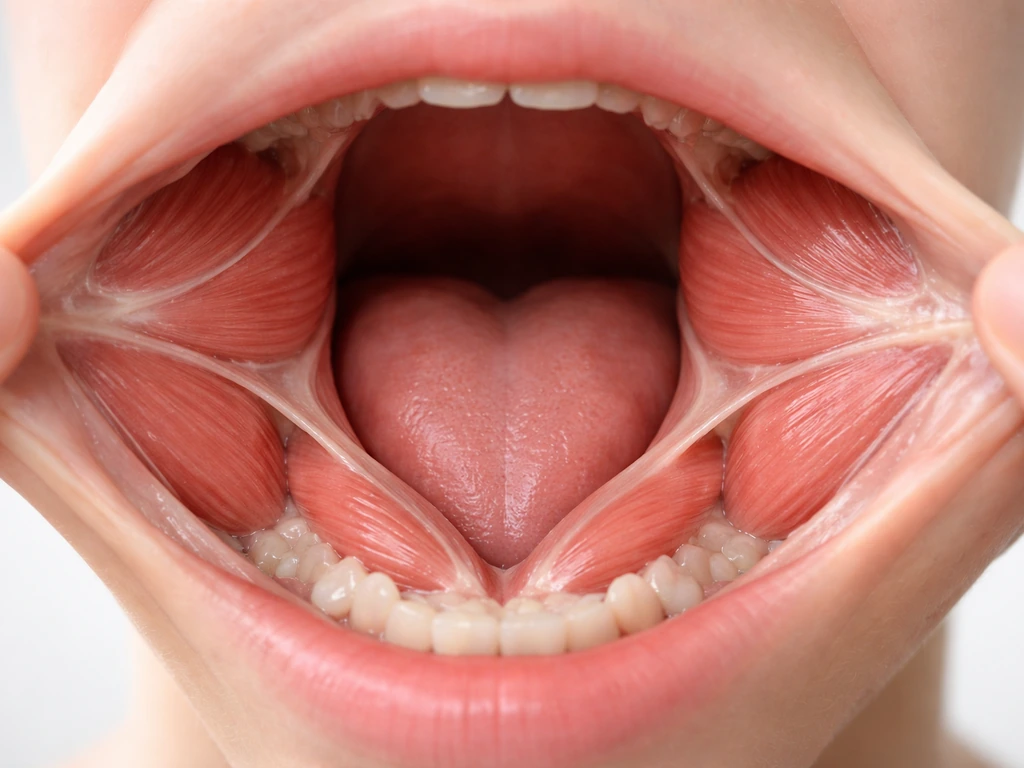
Facial muscles are classified as skeletal muscle, the same type that makes up every trainable muscle in your body. They contain actin and myosin filaments, respond to mechanical tension, and undergo protein synthesis when challenged with sufficient effort. Studies on the orbicularis oculi confirm it shares skeletal muscle properties including sarcoplasmic reticulum proteins, and research on the orbicularis oris shows that targeted training improves lip-closing strength and endurance in as little as four weeks. The buccinator dimensions change dynamically during high-speed chewing cycles. These are not passive, skin-attached membranes. They behave like muscles because they are muscles.
The masseter is probably the most studied facial muscle in a training context, because it is the primary jaw elevator and it is large enough to measure reliably with ultrasound. Cross-sectional research comparing professional athletes with varying training histories found differences in masseter thickness and bite force with longer high-intensity training exposure, suggesting that chronic loading does drive meaningful adaptation over time. But here is the catch: a well-designed randomized controlled trial testing gum-chewing as a training protocol found that while maximum occlusal (bite) force improved, masseter muscle thickness and mandibular shape did not change. Functional strength went up; visible size did not. That distinction matters enormously for setting realistic goals.
What actually limits visible change in your face
Even if you train your facial muscles consistently, four factors cap how much you will see in the mirror.
- Bone structure: Your jaw angle, cheekbone width, and orbital rims are determined by your skeleton. No amount of muscle training moves bone. If you want a stronger jawline and your jaw angle is naturally obtuse, exercises will not change that geometry.
- Genetics and fat distribution: Facial fat sits in discrete compartments between muscle and skin. Where your body stores and loses fat is genetically programmed. Exercises do not cause spot reduction in the face, and fat loss from the face follows your overall body composition trajectory, not which muscles you work.
- Skin and connective tissue: As you age, skin loses collagen and elastin, and fascial layers loosen. A study on the buccinator found that its visible effect is modulated by the surrounding connective tissue architecture, meaning even a bigger buccinator may not translate into the cheek appearance you expect.
- Aging and muscle morphology: MRI and CT data across age groups show that masticatory muscle morphology changes with age and correlates with TMJ structure. Muscle mass in the face, like everywhere else, tends to decrease with age unless actively maintained through resistance effort and adequate protein.
Short-term changes you might notice after face exercises, a firmer or tighter feeling, are often temporary shifts in muscle stiffness rather than structural growth. Shear-wave elastography research confirmed exactly this: masseter stiffness increased after an intensive gum-chewing session and then returned toward baseline within 10 minutes of rest. That post-exercise pump feeling in your jaw is real, but it is not hypertrophy.
How to actually train facial muscles
The same progressive overload principles that govern every other muscle apply here. You need sufficient mechanical tension, enough volume, and progressive challenge over time. Casual, low-effort repetitions will not drive hypertrophy. Here is what feasible training looks like for the major facial muscle groups.
Jaw and masseter
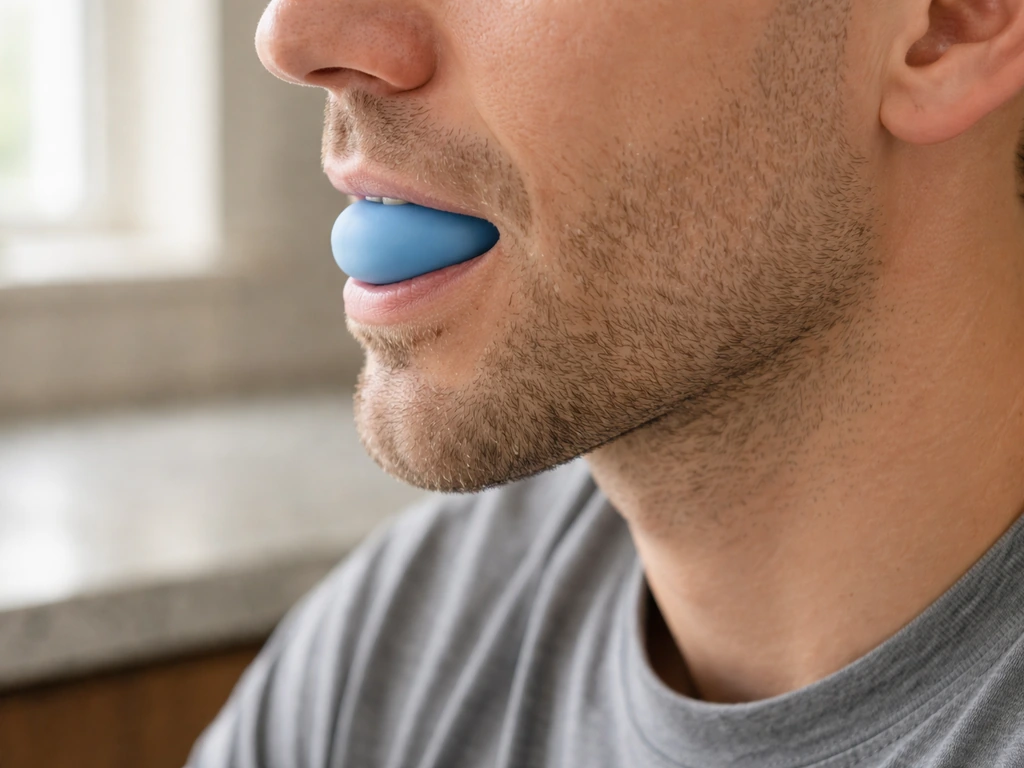
Resistance-based chewing is the most evidence-backed method. If you want more detail on masseter hypertrophy specifically, you can use the jaw-focused approach below. Hard food textures (raw vegetables, dense proteins, firm fruits) provide more masticatory load than soft diets. If you want a structured approach, firm resistance chewing tools (purpose-built jaw exercisers made from medical-grade silicone) provide measurable, progressive resistance in a way that soft gum cannot. Start with 2 to 3 sets of 20 to 30 deliberate chewing repetitions on each side, 3 to 4 times per week. Progress by increasing resistance level or volume gradually over weeks, not days. Neuromuscular electrical stimulation synchronized with chewing has been studied in older adults for bite force and masseter thickness improvements, but that is a clinical tool rather than something to self-administer.
Lip and perioral muscles (orbicularis oris)

Lip-closing and lip-sealing exercises with resistance (using a lip trainer button or balloon blowing with resistance) have shown measurable improvements in strength and endurance within four weeks in structured protocols. Three to four sessions per week, using enough resistance to fatigue the muscles within 15 to 30 seconds of effort, is a reasonable starting framework. These exercises have the most evidence in clinical populations (children with lip incompetence, stroke rehabilitation), but the physiological principles transfer.
Cheek and expression muscles
The buccinator and zygomaticus muscles are harder to load directly without clinical tools. Face yoga and expression exercises provide very low mechanical tension and are unlikely to drive hypertrophy, though they may improve neuromuscular coordination and muscle endurance. If your goal is function and tone rather than size, consistent expression-based exercise is fine. If your goal is visible mass change, the evidence is not there for this approach.
What results to expect and when
Be honest with yourself about what you are actually after, because timelines and outcomes differ by goal.
| Goal | Realistic Outcome | Approximate Timeline |
|---|---|---|
| Improved bite force / chewing strength | Well-supported by evidence; measurable gains from consistent progressive loading | 4 to 8 weeks |
| Better muscle endurance (lips, perioral) | Supported by clinical trials; noticeable functional improvement | 4 to 6 weeks |
| Visible jaw or cheek definition | Possible only if combined with overall fat loss; muscle size changes are modest at best | Months; fat loss drives most of the visible change |
| Reduced facial sagging from improved muscle tone | Modest effect; skin laxity and fat loss matter more | 8 to 16 weeks with consistency |
| Significant jawline reshaping from exercise alone | Not supported by current evidence; bone structure and genetics dominate | Not a realistic goal from exercise |
The early strength gains you notice in the first two to four weeks are primarily neural adaptations, your nervous system getting better at recruiting the muscle fibers you already have. True hypertrophy (actual increase in muscle cross-sectional area) follows later and requires sustained, progressive overload. This mirrors the general training time course seen across all skeletal muscle research.
Nutrition, protein, and recovery matter here too
Facial muscles are not exempt from the basic requirements of muscle growth. If you are training them but eating poorly, sleeping four hours a night, and running a large calorie deficit, do not expect structural adaptation. The same fundamentals apply.
- Protein intake: Aim for 1.6 to 2.2 grams of protein per kilogram of bodyweight daily to support muscle protein synthesis across all your muscles, including facial ones. There is no special protein target for facial muscles specifically.
- Pre-sleep protein: Research shows that roughly 40 grams of protein before sleep can increase overnight muscle protein synthesis. This is a practical tool if you are trying to maximize recovery from any resistance training.
- Sleep quality: Acute sleep deprivation has been shown to negatively affect skeletal muscle protein metabolism and the hormonal environment needed for adaptation. Seven to nine hours per night is not optional if you want any muscle to grow.
- Calories: You cannot build new muscle tissue in a meaningful deficit. A slight calorie surplus (or at least maintenance) supports hypertrophy. If your primary goal is fat loss to reveal facial definition, that trade-off is normal and expected.
- Overall resistance training: Full-body resistance training drives systemic anabolic hormones (testosterone, IGF-1, growth hormone) that support muscle adaptation everywhere in your body. Doing jaw exercises in isolation while being sedentary overall limits your results.
Common myths and real risks you should know
The "face lift" myth
Facial exercises do not produce lifting effects equivalent to surgical or even non-surgical cosmetic interventions. The idea that you can reverse facial aging or dramatically reshape features through exercise alone is not supported by controlled evidence. What looks like lifting after fat loss is mostly fat redistribution and reduced puffiness, not muscle pulling skin upward. Advertising language around face yoga and jaw trainers routinely overstates what the science actually shows.
TMJ and jaw overloading risks
This is the most important caution in this entire article. blank" rel="noopener noreferrer">Aggressive or repetitive jaw loading, especially if you already grind your teeth (bruxism) or clench, can worsen temporomandibular joint (TMJ) pain and dysfunction. The American Academy of Oral and Maxillofacial Surgeons identifies parafunctional habits like clenching and grinding as key contributing factors to temporomandibular disorders (TMD). Dental and prosthodontic literature describes bruxism as destructive to teeth and masticatory muscles over time. TMJ self-management programs recommend starting with low-effort, guided exercises rather than aggressive loading. If you have any jaw clicking, popping, pain, or headaches, do not start unsupervised jaw training. See a dentist or physical therapist who specializes in orofacial pain first.
Overtraining the face
More is not better. Research measuring pressure pain thresholds during chewing found that excessive chewing effort can trigger masticatory muscle pain, especially in people who already have myofascial pain. Daily, high-volume jaw exercises without rest days are more likely to cause soreness and dysfunction than accelerated growth. Two to three rest days per week for jaw training is reasonable, just as you would program for any other muscle group.
Chewing gum as a training tool
Casual gum chewing offers minimal training stimulus and the clinical trial evidence is clear: it does not change masseter thickness. Sugar-free gum has legitimate oral health benefits (increased saliva flow, reduced caries risk per American Dental Association guidance), but using it as a jaw-sculpting strategy is not backed by evidence. If you are interested in how chewing gum relates specifically to the masseter, that rabbit hole deserves its own deeper look.
Figure out your actual goal first
Before you start any facial training program, get clear on what you actually want. The answer shapes both the method and the realistic outcome.
- If your goal is stronger chewing and better bite force: Progressive jaw resistance training with firm tools, three to four times per week, is your best evidence-backed option. Expect measurable functional improvement in four to eight weeks.
- If your goal is a more defined jawline or leaner face: Focus primarily on overall body fat reduction through diet and full-body resistance training. Facial definition follows systemic fat loss. Jaw exercises are secondary.
- If your goal is better lip or perioral muscle function: Structured lip-closing and sealing exercises with resistance are well-supported. Four weeks of consistent training shows results in clinical research.
- If your goal is reducing facial sagging or improving tone as you age: Combine facial muscle maintenance exercises with adequate protein (prioritize hitting that 1.6 to 2.2 g/kg daily), sleep, and full-body resistance training. The masseter, like every other skeletal muscle, loses mass with age if not challenged.
- If you are curious about smooth muscle in the face or gut: That is a different type of tissue entirely and does not respond to voluntary training the same way. Smooth and skeletal muscle follow different rules.
- If you are experiencing jaw pain, clicking, or headaches: Stop any jaw training immediately and consult a dentist, oral and maxillofacial surgeon, or physical therapist specializing in orofacial pain before resuming. Do not push through jaw pain the way you might push through delayed-onset muscle soreness in your legs.
When to get professional help

See a professional if any of the following apply to you. A dentist or oral and maxillofacial surgeon is the right first call for jaw pain, bite issues, or suspected TMJ involvement. A physical therapist with orofacial or craniomandibular specialization can design a structured jaw exercise program that is safe for your specific anatomy. A dermatologist or plastic surgeon is more appropriate if your concerns are primarily about skin laxity, volume loss, or cosmetic changes that go beyond what exercise can realistically address. And a registered dietitian can help you structure protein intake and calories if building and maintaining muscle (facial or otherwise) is your broader goal. Facial muscles can grow and adapt, but they do it the same way every other skeletal muscle does: with the right stimulus, enough building blocks, and enough time to recover. Smooth muscle hypertrophy follows different biology and training constraints than skeletal muscle growth. For a broader overview of smooth muscle hypertrophy, you can look at how to grow smooth muscle next.
FAQ
How long does it realistically take for facial muscle hypertrophy to show in photos or a mirror?
Expect the first noticeable changes (a tighter feel or slightly stronger bite) within 2 to 4 weeks, mostly from improved neuromuscular drive. For true size increases, you generally need sustained, progressive training for several months, because facial muscles still follow the same delayed muscle-building timeline as other skeletal muscles.
If gum chewing increased bite force in studies but didn’t increase masseter thickness, should I still use gum?
Use gum only as a low-intensity “practice,” not as your main program. The key issue is mechanical stimulus quality. Soft or low-resistance chewing may improve function without changing cross-sectional size, so if your goal is visible growth, you usually need harder textures or a measurable resistance device.
Can I target one side of my face to look more symmetrical?
You can train unilaterally, but don’t chase symmetry by aggressively forcing the stronger side. A common mistake is increasing load on the “good” side to catch up, which can worsen bite mechanics. If you have existing asymmetry, TMJ symptoms, or uneven wear, get an orofacial PT or dentist to map safe starting loads.
What should I do if my jaw feels sore or tight during face training?
Treat it like muscle training soreness but more cautiously. Stop if pain is sharp, escalating, or accompanied by clicking or headaches. For typical post-workout tightness, reduce volume next session, ensure rest days (not daily hard chewing), and prioritize low-effort technique before increasing resistance.
Is face yoga or expression training enough to grow facial muscles?
Usually no for hypertrophy, because it provides low mechanical tension compared with resistance chewing or controlled lip resistance. Expression training may help endurance and coordination, but if your goal is size, structure, and measurable strength changes, it is unlikely to replace resistance-based work.
How do I know if I’m overdoing jaw exercises, especially if I clench or grind?
Red flags include jaw clicking, popping, morning jaw discomfort, tooth sensitivity, headaches, and pain that lasts beyond 24 to 48 hours after training. If any appear, pause unsupervised jaw loading and get evaluated, since bruxism-related overload can raise the risk of TMJ disorders.
Will facial muscle training help with facial aging, like lifting sagging cheeks?
It can’t reliably replace surgical or tissue remodeling interventions. What you might see is reduced puffiness after improved lifestyle factors, and potentially mild firmness from better muscle tone, but structural lifting of bone and skin is largely limited by genetics, fat distribution, and age.
Should I train facial muscles while dieting or if my protein intake is low?
If you’re in a calorie deficit or protein is insufficient, you may lose size even with training. Make sure overall intake supports muscle maintenance, because facial muscles are still skeletal muscle and require building blocks and recovery just like the rest of your body.
How often should I train facial muscles to avoid pain but still progress?
A practical starting point is 3 to 4 days per week for the main resisted movements, with rest days in between, and you should progress over weeks rather than adding more sessions immediately. For many people, more than 5 to 6 hard sessions per week increases odds of irritation without improving hypertrophy.
Are there any people who should not start facial muscle training without a professional first?
Yes. If you have TMJ pain, jaw clicking or popping, frequent headaches, a history of bruxism, bite issues, or dental problems that affect occlusion, consult a dentist or orofacial PT first. They can design a safer load range and check for underlying causes that exercises could worsen.