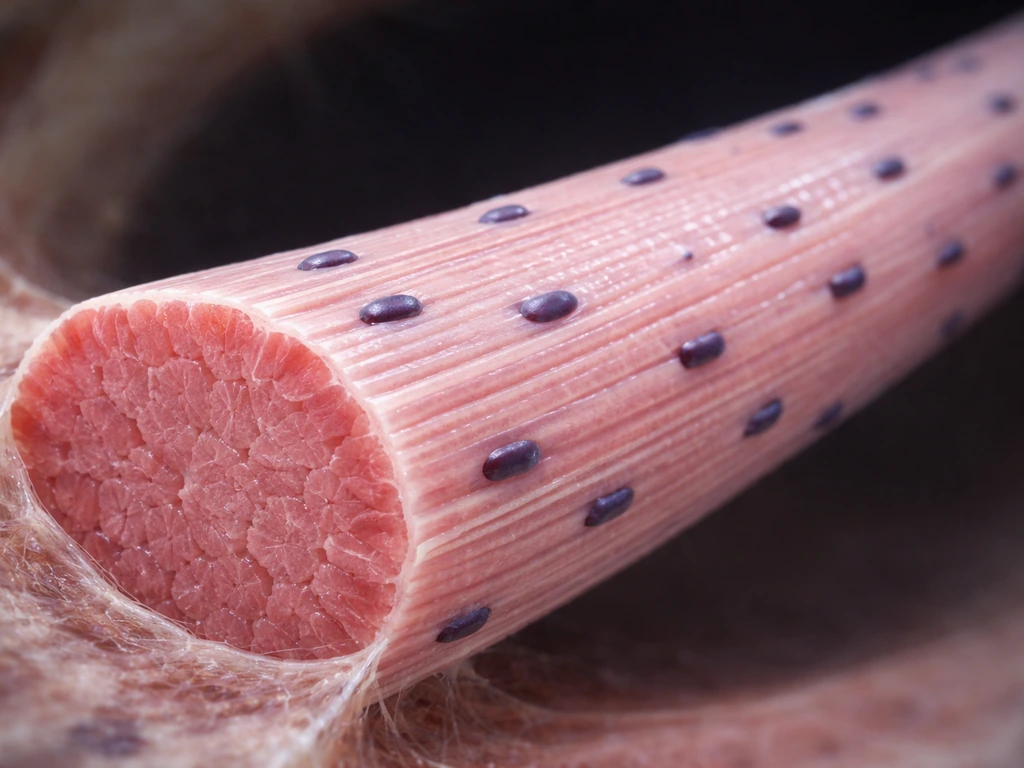
Yes, muscle does grow back. In most real-life scenarios, whether you lost it from a few weeks off the gym, a long diet, an injury, or surgery, your body has the biological machinery to rebuild it. The process isn't automatic, it requires the right inputs, but the capacity is genuinely there. The more nuanced answer depends on how you lost the muscle, how much you lost, how long ago, and what you're doing about it now. Let's get into all of that.
Does Muscle Grow Back? Regrowth After Atrophy, Injury, Surgery

Marcus Kellerman
9 Apr 2026
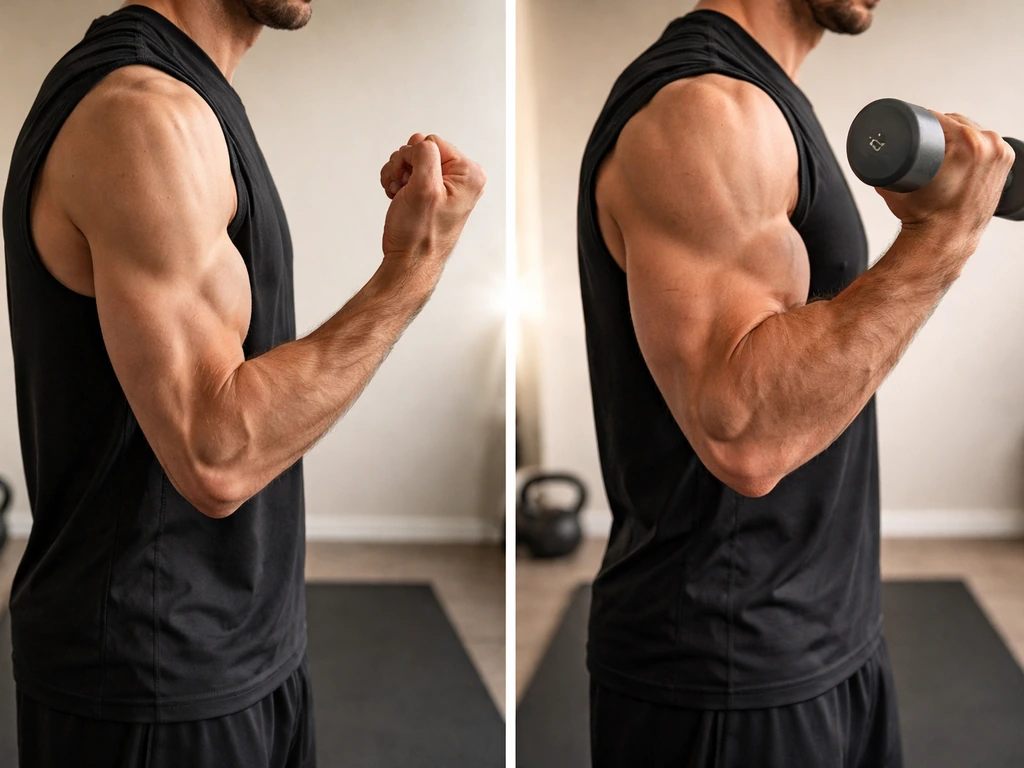
Can muscle tissue actually regrow?
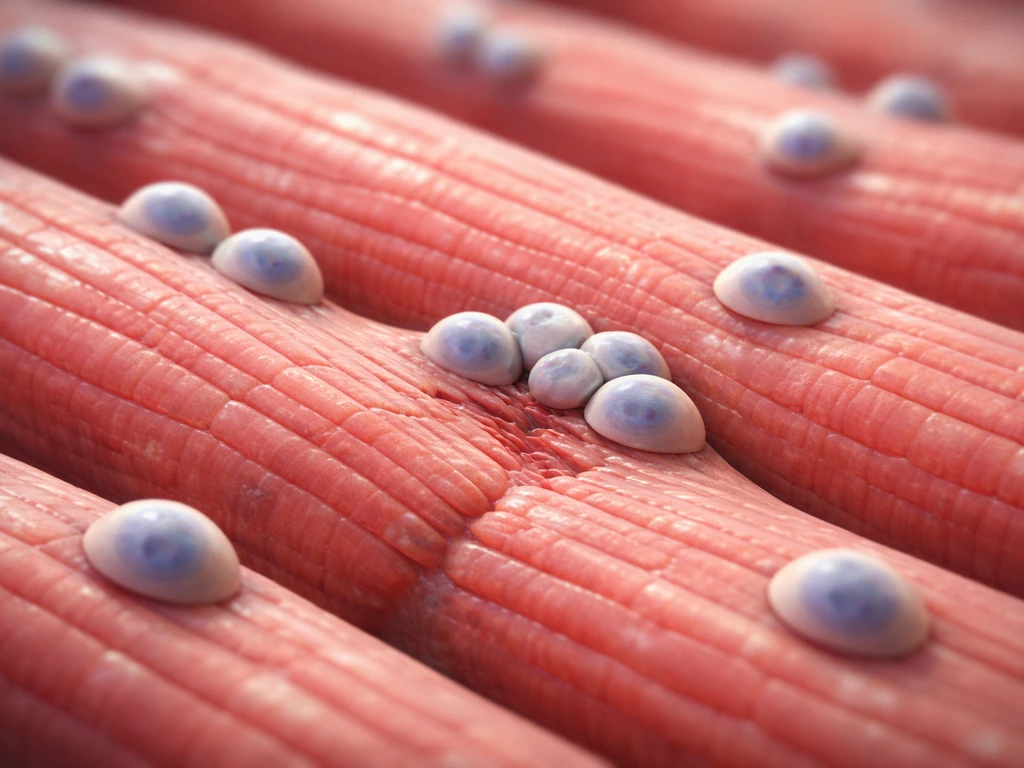
Skeletal muscle is one of the more regenerative tissues in your body. It contains specialized stem cells called satellite cells that sit dormant alongside muscle fibers until they're needed. When a fiber is damaged or stressed through training, those satellite cells activate, multiply, and fuse to repair or grow the fiber. This is the core engine behind both training adaptations and recovery from loss.
There's a limit, though. When damage is severe or ongoing (think major trauma, degenerative disease, or repeated injury without recovery), the regenerative response can't keep pace. In those cases, connective tissue and fibrosis can partially replace functional muscle, which limits how much you can get back. For the vast majority of people reading this, that's not the situation you're dealing with. Typical muscle loss from inactivity, dieting, or a routine surgical procedure falls well within the range that your body can meaningfully rebuild.
One thing worth knowing: research has found that even in aging adults, human muscle stem cells largely preserve their ability to regenerate muscle. Age slows the process and creates a less favorable hormonal environment, but it doesn't fundamentally shut off the machinery. That's important context if you're over 50 and wondering whether it's too late. It isn't.
What actually happens when you lose muscle
Muscle loss, technically called atrophy, happens faster than most people expect. blank" rel="noopener noreferrer">Studies on bed rest in middle-aged adults show measurable declines in muscle fiber cross-sectional area in as little as 14 days, with satellite cell content dropping alongside it. That's two weeks of barely moving and your muscles are already noticeably smaller and less capable. Understanding how muscles respond during recovery and rest periods helps you avoid the trap of thinking inactivity is neutral.
The three most common routes to muscle loss are inactivity (immobilization, illness, injury), aggressive calorie restriction during a diet, and the gradual loss that comes with aging (sarcopenia). Each has slightly different mechanisms. Inactivity shuts down the mechanical tension signal that tells your body to maintain muscle protein. Dieting puts you in a state where protein breakdown outpaces synthesis, especially if protein intake is too low. Aging reduces anabolic hormone levels and blunts the muscle protein synthesis response to food and exercise.
The good news is that the structural memory is still there. Your nervous system retains the motor patterns, and your muscle fibers, even shrunken ones, still have the nuclei from previous growth cycles. That's part of why regaining lost muscle is almost always faster than building it from scratch the first time.
Regrowth after surgery or injury: what's realistic
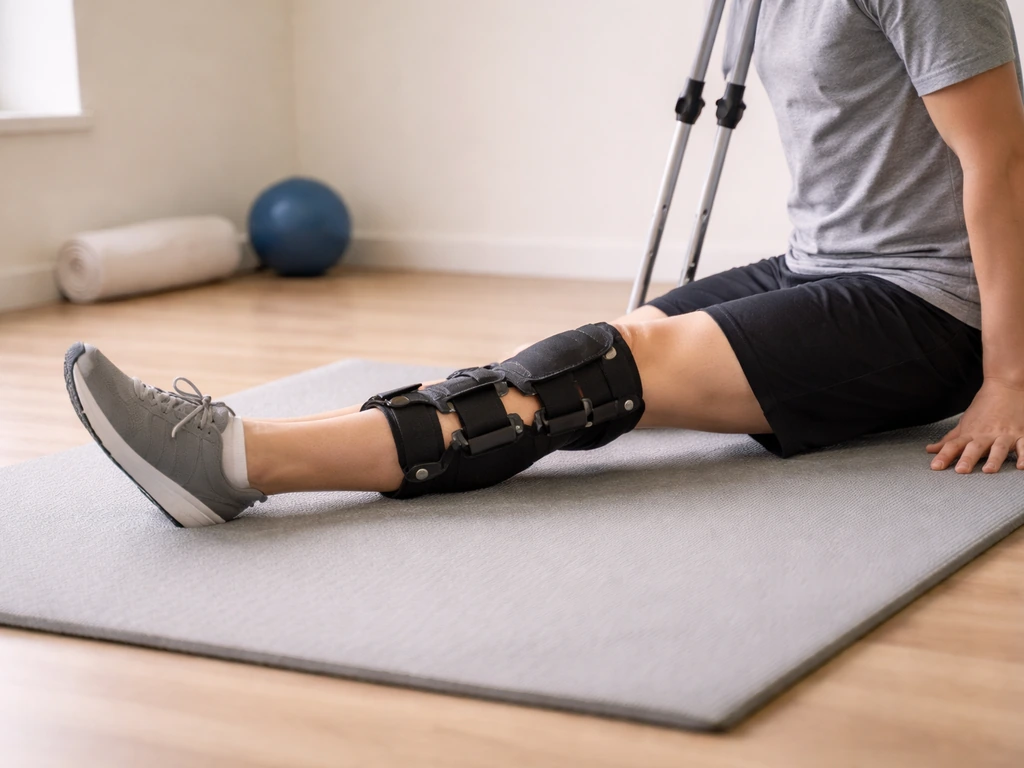
Surgery is one of the most common reasons people end up searching this question. Whether it's a hip replacement, knee reconstruction, rotator cuff repair, or abdominal surgery, the combination of enforced rest, trauma to surrounding tissue, and anesthesia-related effects creates a significant muscle loss event. The question of whether the muscle "grows back together" after a surgical incision through muscle is really a question of healing: the tissue knits back together through fibrosis and scar formation, and the surrounding muscle can regain size and strength through loading, but the exact architecture of the original tissue is not perfectly restored.
For most orthopedic surgeries, the prognosis for functional muscle regrowth is genuinely good, provided you follow a proper rehab protocol. Human PAX7+ satellite cells can regenerate muscle after transplantation in an in vivo model, with robust engraftment reported. The timeline is longer than recovering from plain deconditioning, partly because you're working around tissue healing constraints and pain, and partly because post-surgical inflammation creates a catabolic environment early on. Most people regain the majority of pre-surgery muscle mass and strength within six to twelve months with consistent physical therapy and, later, progressive resistance training.
The exception is cases where significant muscle was surgically removed, such as in tumor excision or certain reconstructive procedures. In those cases, the lost tissue itself doesn't regenerate fully. Adjacent muscles can hypertrophy to compensate, and function can often be partially restored, but there are real structural limits. If you're in that situation, working with a physiatrist or sports medicine physician is essential for setting realistic expectations.
Muscle tears are a related concern. If you've ever wondered whether a torn muscle grows back stronger, the honest answer is: sometimes yes, often partially, and it depends heavily on the severity and how well the healing process is managed. Grade 1 and 2 strains generally heal well with full functional return. Grade 3 (complete tears) often require surgical intervention and carry a higher risk of incomplete functional recovery.
Why muscle comes back faster the second time (and when it doesn't)
The phenomenon often called "muscle memory" is real, and there's a good physiological explanation for it. When you build muscle, your fibers gain additional myonuclei, which are the command centers that regulate protein synthesis in that fiber. When you lose the muscle mass through atrophy, those extra nuclei persist in the fiber for months, possibly years. When you start training again, those nuclei are still there ready to ramp up protein synthesis, which means you rebuild faster than a true beginner would.
The satellite cell story is a bit more nuanced. Some animal research shows that depleting satellite cells doesn't fully prevent regrowth after atrophy, suggesting there are multiple redundant pathways involved in reloading a muscle after disuse. The practical takeaway is that your body is surprisingly motivated to rebuild what it had, as long as you give it the stimulus and raw materials.
The myth worth pushing back on is that muscle always comes back stronger automatically, as if injury is a net positive. Muscle can remodel through the healing process and your training can be smarter and more targeted during a comeback, which leads to real strength gains. But the injury itself isn't the mechanism, the training and recovery are. Whether strained muscles come back stronger depends almost entirely on what you do during the recovery window, not the strain itself.
Age is the main factor that genuinely slows regrowth. Older adults have lower baseline anabolic hormone levels, a blunted muscle protein synthesis response per gram of protein consumed, and often less overall training volume capacity due to joint tolerance or health constraints. None of this makes regrowth impossible, it just means it takes longer and the nutrition and training inputs need to be dialed in more carefully.
The fastest way to rebuild: training approach

Progressive overload is the non-negotiable principle here. You have to give your muscles a reason to grow by consistently increasing the challenge over time, whether that's more weight, more reps, more sets, or less rest. When you're coming back from a loss period, your nervous system readaptation happens faster than the muscle itself, so early strength gains are partly neural. Don't mistake that for full muscle recovery and jump the load up too fast.
A practical rebuilding approach for most people looks like this: start with two to three sessions per muscle group per week, using moderate weights (roughly 60 to 75 percent of your previous working weight if you have a reference point). Focus on compound movements that recruit the most muscle tissue per exercise: squats, deadlifts, presses, rows, and pulls. Keep rep ranges in the 8 to 15 range initially, where the combination of mechanical tension and metabolic stress is high without excessive joint strain.
Volume is where you make most of your progress. Research consistently shows that total weekly sets per muscle group is one of the strongest predictors of hypertrophy. Aim to work up to 10 to 20 working sets per muscle group per week over the course of a few months. Start at the lower end and add sets gradually. Trying to jump to maximum volume immediately after a layoff is a reliable way to end up sore, overtrained, or injured again.
One area people often underestimate is the role of connective tissue. Muscles tend to regain strength faster than tendons do, which means your joints can become a limiting factor before your muscles are actually the bottleneck. Respect that lag. Don't let early strength gains seduce you into loading joints before the connective tissue has caught up.
Nutrition and protein: what you actually need to rebuild
Training gives the signal; protein provides the building blocks. Without adequate protein, the muscle protein synthesis signal from training has nothing to work with. Current evidence supports a target of roughly 1.6 to 2.2 grams of protein per kilogram of bodyweight per day for people actively trying to build or rebuild muscle. Older adults benefit from leaning toward the higher end of that range because the per-meal anabolic response to protein is blunted with age.
Distribution matters too. Spreading protein across three to five meals or eating occasions, each containing roughly 30 to 50 grams of a high-quality protein source, keeps muscle protein synthesis elevated more consistently throughout the day than front-loading or skipping meals. Post-workout protein within a few hours of training is beneficial but not the magic window it was once thought to be. Total daily intake is the bigger lever.
Calories matter as much as protein during a rebuild. Being in a slight caloric surplus (roughly 200 to 300 calories above maintenance) gives your body the energy budget for anabolism without excessive fat gain. If you're coming back from a period of heavy dieting where you lost both fat and muscle, you may be able to recompose (lose fat while regaining muscle) for a period, especially if you were previously trained. Don't under-eat in the name of staying lean while trying to rebuild.
| Goal | Daily Protein Target | Calorie Approach | Priority |
|---|---|---|---|
| Rebuilding after deconditioning | 1.6–2.0g per kg bodyweight | Slight surplus (200–300 kcal) | Volume and consistency |
| Rebuilding after dieting/cut | 1.8–2.2g per kg bodyweight | Maintenance to slight surplus | Recomposition possible |
| Post-surgery / rehab | 1.8–2.2g per kg bodyweight | Maintenance (appetite may be low) | Protein priority, physician guidance |
| Older adults (60+) | 2.0–2.4g per kg bodyweight | Slight surplus preferred | Higher protein per meal threshold |
Recovery, realistic timelines, and when to get professional help
Recovery is where the actual growth happens, not in the gym. Sleep is the most underrated variable in this entire process. Growth hormone secretion, muscle protein synthesis rates, and satellite cell activity all peak during deep sleep. Seven to nine hours per night isn't a luxury during a muscle rebuilding phase, it's part of the protocol. If you're sleeping five to six hours and wondering why progress is slow, that's your answer.
As your physique changes during a comeback, you might notice other things shifting too. Some readers wonder whether veins become more visible as muscles grow back, and yes, increasing muscle size reduces subcutaneous fat relative to total limb size and raises venous pressure during training, making veins more apparent. It's a sign things are working, not a concern.
For timeline expectations, here's a rough but realistic framework based on the most common scenarios:
- Two to four weeks off training: most strength and about half the visible size returns within three to six weeks of consistent retraining.
- Two to four months of deconditioning: expect three to six months of consistent work to return to baseline, with early progress being relatively fast.
- Post-surgical rehab: six to twelve months for most orthopedic procedures, depending on the joint and type of surgery. Full return to performance training may take longer.
- Long-term atrophy (one or more years): expect a longer rebuild, but muscle memory mechanisms still provide an advantage over true beginners. Twelve to twenty-four months of consistent training is a realistic target for substantial recovery.
- Older adults (60+): the same principles apply but timelines stretch by roughly 30 to 50 percent. Consistency and protein intake become even more critical.
Know when to bring in a professional. If you're post-surgery, you should not be following a generic program. A physical therapist or sports medicine physician needs to clear you through specific range of motion and loading milestones before you progress. Returning to heavy compound training too early after joint surgery is one of the most common ways people set back their recovery by months. The same applies to significant muscle tears. If there's swelling, persistent weakness, or pain that isn't normal training soreness, get evaluated before pushing load.
There's also the question of what happens to the surrounding structures as your muscle comes back. Tendons adapt to loading differently than muscle does, and understanding that distinction helps you pace your return without overloading joints that haven't caught up to where your muscles are. This is especially relevant after immobilization, where tendon stiffness and cross-sectional area can lag significantly behind muscle regrowth.
One last thing worth mentioning for anyone rebuilding significant muscle mass: as your body composition changes, other cosmetic things shift too. If you have tattoos over a muscle group you're rebuilding, the effect of muscle growth on tattoo appearance is a genuinely common question. The short version is that meaningful size changes in that area can stretch or distort the design somewhat, though the effect is usually minimal for typical hypertrophy ranges.
The bottom line
Muscle does grow back in the vast majority of situations people face: deconditioning, dieting, injury, and surgery. The biology is on your side. The process requires a consistent training stimulus using progressive overload, adequate protein in the range of 1. 6 to 2.
2 grams per kilogram per day, enough calories to support anabolism, and real recovery through sleep and managed stress. Timelines vary depending on how long and how much you lost, your age, and whether there are surgical or injury-related constraints. For most people, a few months of consistent, intelligent effort produces visible and measurable results. If surgery or significant injury is involved, add a physio or sports medicine doctor to your team.
The capacity to rebuild is there. You just have to use it.
FAQ
If I take a long break from lifting, will I eventually get all my muscle back?
Usually yes, but “full” depends on the reason and how long you were inactive. After short deconditioning, you can regain both size and strength quickly, and early progress is often neural (better coordination) rather than complete muscle regrowth.
What’s the most common reason people don’t regain muscle well after injury or time off?
Muscle typically returns with the right stimulus, but tendon, cartilage, and connective tissue can lag. A common mistake is reloading heavy weights once your strength feels better, which can delay recovery or trigger a new injury.
If I lost weight on a diet, will the muscle I lost automatically come back when I start eating more?
You can lose muscle from a diet without noticing, especially if total calories and protein are too low. If your weight loss was rapid or very aggressive, expect a slower and less complete rebuild unless you raise protein and calories and use progressive overload.
How do I know I’m regaining muscle if the scale isn’t changing?
If you regain muscle but your body weight stays the same, it’s often because fat loss masks visible muscle gain. Measuring progress with body measurements, performance on sets, and photos taken under consistent conditions helps you see change even when the scale stalls.
Can I follow the same lifting plan right after surgery, just with lighter weights?
After surgery, the rehab plan should be milestone-based, not time-based. You need clearance for specific range of motion and loading tolerance, because pushing too early can worsen scar tissue and prolong strength deficits.
If muscle was significantly damaged or removed, does it still grow back the same way?
In some complete tears or when tissue is removed, the original muscle tissue may not fully regenerate. Often adjacent muscles compensate, so function can improve, but you may end up with a different strength profile than before.
Will I lose progress if I return to training too aggressively after being off for weeks or months?
Yes, but not as efficiently if you start at maximum intensity. A safer approach is to rebuild with moderate loads and controlled volume, then increase load gradually once you can train the same movement patterns without unusual pain or loss of form.
How can I tell the difference between muscle growth and just looking fuller from workouts?
Short-term water retention and glycogen can make muscles look fuller, especially around training, even before true tissue growth happens. For real hypertrophy, track performance and waist or limb measurements over multiple weeks, not just day-to-day “pump” changes.
Is post-workout protein timing more important than my total daily protein?
Aim for total daily protein in the recommended range, then distribute it across multiple meals. If you struggle to eat enough, consider liquid protein or higher-leucine options, but prioritize total grams per day over any single “magic” time window.
If my workouts and diet are perfect, can poor sleep still stop muscle regrowth?
Sleep loss reduces performance and slows recovery processes, so it can indirectly reduce gains even if your training and diet are on point. If you consistently get less than seven hours, expect your progress to feel stubborn and your soreness to last longer.
Why do my veins look more visible when I start getting muscle back?
Yes, and it’s not always a signal that you’re doing something wrong. Venous visibility can increase as muscle and training intensity increase, but if you notice swelling, pain, or numbness, get evaluated rather than assuming it’s normal circulation.
Should I use supplements like creatine to help muscle grow back after atrophy?
Creatine can support training performance and strength output, which can help you regain muscle more effectively. It does not replace progressive overload or adequate calories and protein, and if you have kidney disease or take certain medications, check with a clinician first.