Rapid Grow can help you gain weight, but not in any magical way. It works because it delivers a large dose of calories, carbohydrates, and protein in one shake, making it easier to eat in a calorie surplus without forcing down extra meals. If you're already eating enough and training hard, it won't do much. If you're consistently under-eating and struggling to add mass, a product like this can genuinely move the needle.
Does Rapid Grow Help You Gain Weight? What to Expect

Marcus Kellerman
1 Jun 2026
What 'Rapid Grow' actually is
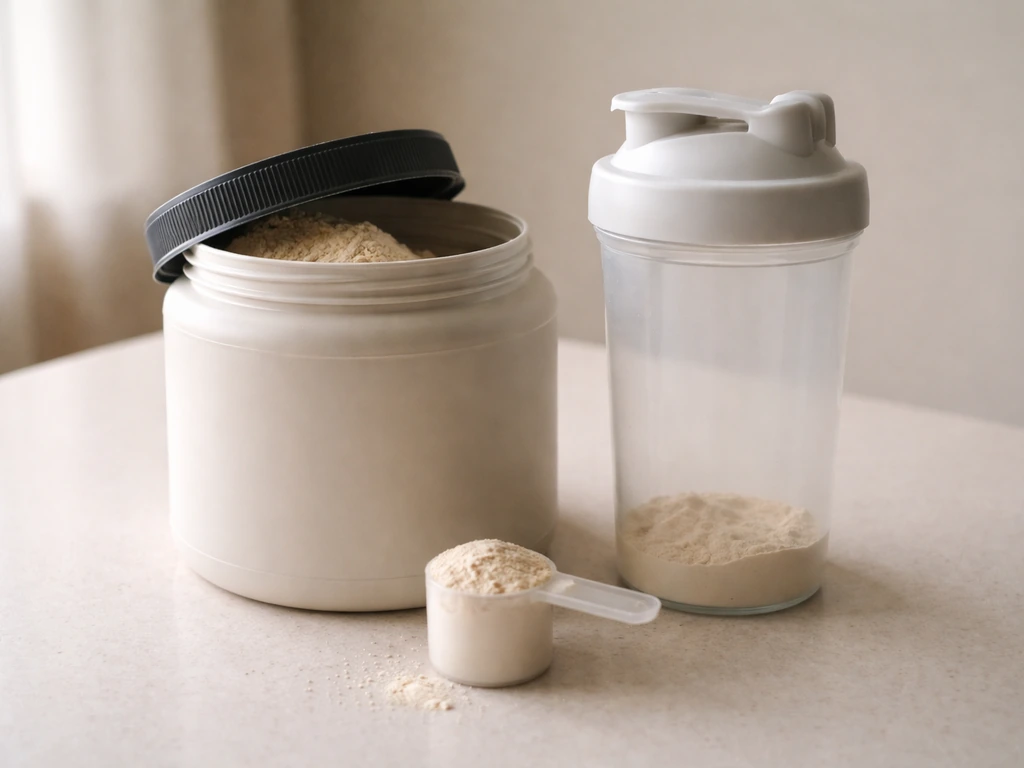
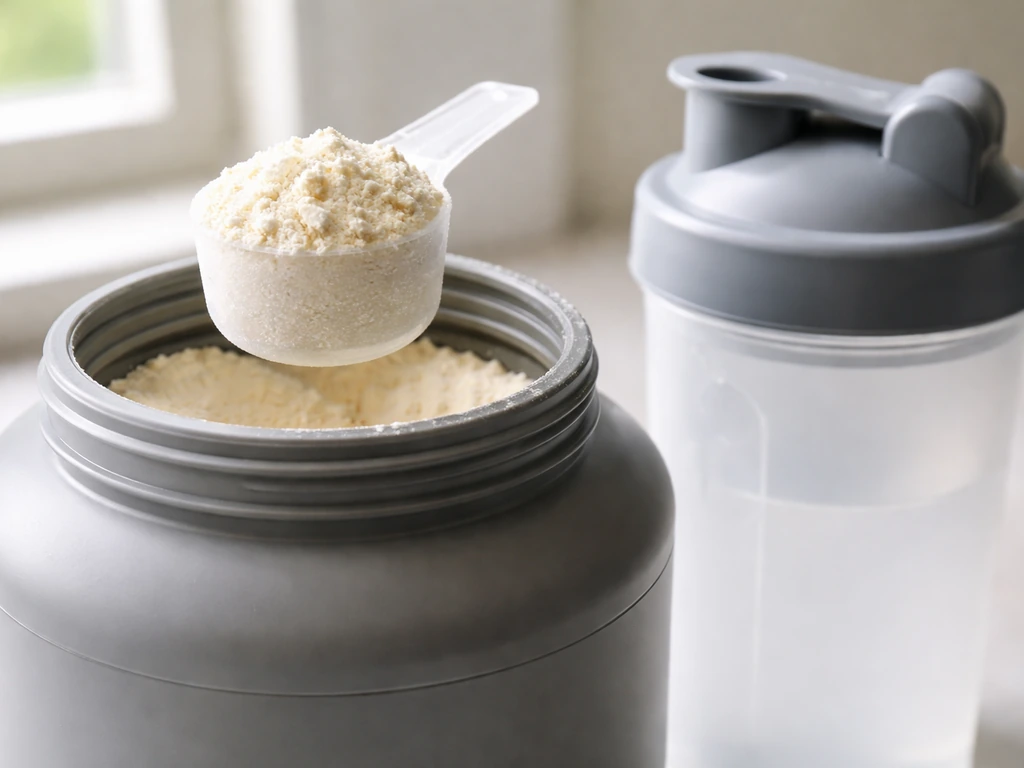
The most commonly referenced product behind this keyword is Clicks Rapid Grow, a weight-gain supplement sold in South Africa. It's positioned as a post-workout muscle growth product and comes in flavors like Strawberry in 1kg packaging. It's not a drug, a hormone, or anything exotic. It's a mass gainer: a high-calorie powder designed to be mixed with water or milk and consumed as a supplement to your regular diet. What does rapid grow do to your body? At a basic level, it helps by pushing your calorie intake higher so you can gain weight if your training and overall diet line up.
The label calls it an 'ultimate post-workout muscle growth supplement,' which is standard marketing language. What matters more is the actual ingredient list and the macros behind it. The core ingredients are Maltodextrin, Soy Protein Isolate, Dextrose, Skim Milk Powder, Vegetable Fat Powder, Glycine, and Creatine Monohydrate, plus vitamins, minerals, stabilizers, and sweeteners. That formula is a fairly typical mass gainer stack: fast carbs for energy and calories, protein for muscle repair, and creatine for strength and lean mass support.
If you've come across sibling products like Fast Grow Anabolic or similar mass gainers on the market, the concept is the same. These products compete in the same category: high-calorie, high-carb powders meant to push your total daily intake above what you'd normally eat through food alone.
Does it actually help with weight gain? The mechanisms
Let's go through the four real levers that determine whether a product like this helps you gain weight.
Calories: the biggest factor

One serving of Rapid Grow (3 scoops, 200g) delivers approximately 3,302 kJ of energy, which works out to roughly 790 kcal per serving. That's a substantial calorie hit, comparable to a full meal. If you mix it with milk instead of water, you add another 150 to 200 kcal on top. For someone who struggles to eat enough through food alone, that single shake can close a significant chunk of a calorie surplus. This is the main reason mass gainers work when they work: pure additional calories.
Protein: useful but not unusual
Each serving provides about 38.4g of protein, mostly from Soy Protein Isolate and Skim Milk Powder. That's a solid dose. Research supports a target of roughly 1.4 to 2.0g of protein per kilogram of bodyweight per day to support muscle adaptation from training, and evidence suggests there's a plateau around 1.6g/kg/day beyond which additional protein doesn't meaningfully add more muscle. A 38g hit from one shake contributes meaningfully toward that daily target, especially if you're a lighter person or aren't eating much protein from food. If you want more detail on how this kind of supplement compares, check out grow young fitness protein powder reviews for user experiences and takeaways. It's not magic protein, but it's real protein that counts toward your daily total.
Creatine: the ingredient with the most evidence
Creatine Monohydrate is in the formula, and this is the ingredient you should pay the most attention to. A systematic review and meta-analysis found that creatine supplementation combined with resistance training increases lean body mass by about 1.1 kg on average, with consistent results across young, middle-aged, and older adults. That's genuine lean mass, not just water or fat. The catch is that the dose in Rapid Grow isn't specified on the label per serving, and it may be lower than the standard 3 to 5g per day used in research. If the creatine content per serving is below that threshold, you may not get the full benefit unless you're dosing multiple servings.
Appetite and convenience
This one doesn't get talked about enough. A lot of people who struggle to gain weight have low appetite, small stomachs, or busy lives that make eating enough genuinely difficult. A shake is faster and easier than cooking a high-calorie meal. That same idea is why fast grow anabolic benefits are mostly about making calorie surplus easier to maintain. That convenience factor is a real benefit. The grow forte benefits are mostly about helping you stay consistent with that calorie surplus long enough to see real muscle and weight gains. If it helps you stay consistent with a calorie surplus, it's doing its job. These fast grow aminos benefits are mostly about supporting workout performance and muscle recovery, but they still work best alongside a solid calorie surplus and training.
Who it's for, and who it isn't
| Who It Suits | Why It Works for Them | Who Should Be Cautious |
|---|---|---|
| Skinny or underweight adults | Struggling to hit calorie targets through food alone; shakes fill the gap fast | People already eating at or above maintenance |
| Beginners to resistance training | Any calorie surplus + basic training will produce results; mass gainers make the surplus easier to hit | Sedentary people using it without training |
| Older adults (50+) | Creatine and protein both support muscle gains at any age; convenience helps with appetite decline | Those with kidney disease or conditions affected by high sodium or carb intake |
| Hard gainers with fast metabolisms | High-calorie formula directly addresses the core problem | People prone to fat gain who want to stay lean |
If you're a complete beginner who has never trained with weights before, almost anything will produce results in the first few months, and a mass gainer can help you hit the calorie surplus that makes those results visible. If you're an older adult worried that age makes muscle gain impossible, the research says otherwise: creatine and protein work across all age groups, and the training stimulus is what matters most. If you're already eating plenty and training consistently, adding a mass gainer probably just adds unnecessary calories without producing proportionally more muscle.
How to use Rapid Grow to actually gain weight

The product label instructs mixing 3 scoops (200g) with 450ml of water or milk in a shaker, used in conjunction with a healthy eating plan. That last part is easy to ignore and critically important. Here's how to use it in a way that actually produces results.
- Treat it as a supplement to food, not a replacement. Eat your normal meals and add the shake on top. If you use it to replace a meal you'd have eaten anyway, you're not gaining any extra calories.
- Time it post-workout. Using it after resistance training is the most logical window, when your muscles are primed to use carbohydrates and protein for repair and growth. This aligns with the product's own positioning.
- Mix with milk to boost calories further. Adding 450ml of full-cream milk instead of water adds roughly 250 kcal and an extra 12 to 15g of protein to the same serving.
- Track what you're actually consuming. Use a food tracking app for at least two weeks to confirm you're in a genuine calorie surplus, because most people significantly underestimate or overestimate their intake.
- Don't exceed the recommended serving unless you've confirmed your total calorie and protein needs require it. More shakes don't automatically mean more muscle.
The nutrition and training you still have to get right
No supplement replaces the fundamentals. Rapid Grow is a tool, not a program. If you're not doing these things, the shake won't save you.
Protein targets
Aim for 1.6 to 2.0g of protein per kilogram of bodyweight daily. For a 70kg person, that's 112 to 140g of protein per day. One serving of Rapid Grow gets you about 38g of that, so you still need another 75 to 100g from food: eggs, chicken, fish, dairy, legumes, or other protein sources. Don't assume the shake alone covers your needs.
Calorie surplus
To gain weight, you need to consistently consume more calories than you burn. A modest surplus of 250 to 500 kcal per day is enough to support muscle gain while minimizing unnecessary fat gain. Rapid Grow's roughly 790 kcal per serving can make up a large portion of that surplus, but you need to know your baseline maintenance calories first. Gaining weight isn't complicated, but it requires consistency over weeks, not just a few days.
Progressive resistance training
This is non-negotiable. If you're not lifting weights or doing some form of progressive resistance training, the calories from Rapid Grow will mostly be stored as fat, not muscle. You need a mechanical stimulus, meaning your muscles need to be challenged with progressively increasing loads over time. Three to four sessions per week of compound movements (squats, deadlifts, rows, presses) is a solid foundation for anyone trying to build mass.
Risks, side effects, and red flags to watch for
Common side effects
- GI discomfort: bloating, gas, and stomach cramps are common with high-carb, high-calorie shakes, especially if you drink them too fast or have sensitivity to soy or lactose.
- Rapid fat gain: if you're sedentary or already eating at maintenance, extra calories from a mass gainer will go to fat, not muscle.
- High sodium: the FatSecret nutritional data shows 826mg of sodium per 100g, which adds up quickly if you're watching sodium intake for blood pressure or other health reasons.
- Blood sugar spikes: the formula is heavy in maltodextrin and dextrose, which are fast-acting carbs. This is fine post-workout but less ideal for sedentary snacking.
Quality and safety
Third-party testing matters more than most people realize. Look for products that carry certifications from organizations like NSF Certified for Sport or USP Verified. NSF's program screens supplements for banned substances, undeclared ingredients (including stimulants), and label accuracy. USP Verified confirms that what's on the label is actually in the product at the stated strength and purity. If a product carries neither of these marks, you're taking the manufacturer's word on ingredient quality and dosing. Whether Rapid Grow carries such certification isn't confirmed in available product data, so it's worth checking before committing.
Red flags on any mass gainer
- Claims that guarantee a specific amount of weight or muscle gain in a fixed timeframe.
- Proprietary blends that hide individual ingredient doses behind a collective weight.
- Undisclosed stimulants, which can cause restlessness, elevated heart rate, and sleep disruption.
- No ingredient transparency or vague 'anabolic complex' type labels.
- Extremely low price paired with very high calorie and protein claims, which often signals cheaper or lower-quality protein sources.
Who should check with a doctor first
If you have kidney disease, diabetes, or are managing cardiovascular conditions, talk to your doctor before starting any high-protein, high-calorie mass gainer. Creatine is considered likely safe for kidney function in healthy individuals across standard doses, but that safety profile applies to healthy people, not those with pre-existing kidney conditions. The high sodium content and fast carbs are also worth discussing with a clinician if you have relevant health concerns.
Realistic timelines and how to track whether it's working
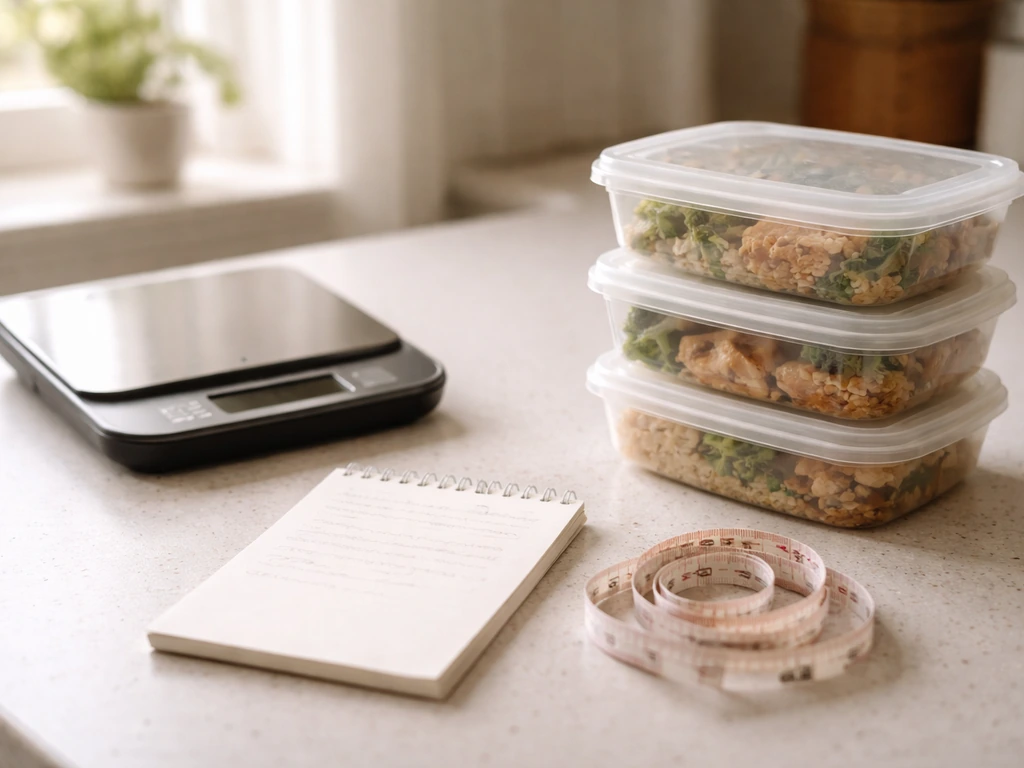
Week one on a mass gainer often shows a quick weight jump of 1 to 2 kg. Most of that is water, glycogen stored in your muscles with the extra carbohydrates, and food volume in your gut. Don't get too excited or too alarmed by week-one numbers. Real lean mass gain is slower.
| Timeframe | Realistic Weight Gain | What You're Mostly Gaining |
|---|---|---|
| Week 1-2 | 1–2 kg | Water, glycogen, food mass |
| Month 1 | 0.5–1.5 kg net | Mix of fat, muscle, and water |
| Month 2-3 | 0.5–1 kg per month | Increasingly lean mass if training is consistent |
| Month 3+ | 0.25–0.5 kg per month (advanced) | Primarily lean mass with progressive training |
Beginners can gain muscle faster than experienced lifters because of the 'newbie gains' effect, so your first three to six months are typically your most productive. Older adults may gain at a slightly slower rate but still gain meaningfully with consistent training and adequate protein.
How to track progress properly
- Weigh yourself at the same time each day (morning, after using the bathroom) and look at weekly averages, not daily readings. Daily weight fluctuates by 1 to 2 kg based on water and food.
- Take body measurements every two to four weeks: waist, chest, arms, thighs. Scale weight tells you you're gaining; measurements tell you where.
- Track your strength numbers in key lifts. If your squat, bench, and row are going up over time, you're building muscle regardless of what the scale says.
- Take progress photos every four weeks in consistent lighting and poses. Visual changes often show up before you notice them subjectively.
- If your weight isn't trending upward after two weeks of consistent supplementation and training, increase your daily food intake by 200 to 300 kcal before assuming the product isn't working.
If you've been using Rapid Grow consistently for four weeks, training progressively, and your weight still hasn't moved, the answer is almost always that your total daily calories aren't high enough. Audit your food log honestly before blaming the supplement. And if the product itself is causing GI issues that make it hard to eat, consider a different format: a standard whey protein supplement plus extra whole food calories may be gentler on your gut and give you more control over your macros.
FAQ
How fast will I gain weight if I use Rapid Grow every day?
Expect a quick jump in week one (often 1 to 2 kg) from water, glycogen, and gut volume. Real muscle gain usually takes longer, and if scale weight does not rise after 3 to 4 weeks, it is usually because your total daily calories are still not in a surplus, not because the supplement “isn’t working.”
Will Rapid Grow help if I am gaining fat instead of muscle?
It can, but only if your surplus is controlled and you train progressively. A common mistake is adding Rapid Grow on top of an already high-calorie diet, which increases fat gain. Track your weekly average weight and adjust intake, aiming for roughly 250 to 500 kcal per day above maintenance.
Does Rapid Grow work without lifting weights?
Mostly not for muscle. Without resistance training, the extra calories and protein tend to be stored as fat rather than building new lean mass. The supplement can still increase body weight, but it is unlikely to produce the look most people want.
How many servings per day should I take to see results?
Follow the label, but be cautious about exceeding it. The article notes the creatine dose per serving is not clearly specified, so taking multiple servings might be necessary for full creatine benefits. If you change servings, do it gradually and reassess digestion, appetite, and daily calorie totals.
Can I use Rapid Grow with water instead of milk and still gain weight?
Yes, but milk typically boosts calories by an extra 150 to 200 kcal per serving. If you are struggling to reach a calorie surplus, mixing with milk (if it agrees with you) can make it easier without increasing volume too much.
What if I do not like the taste or the shake upsets my stomach?
GI issues can reduce your ability to eat enough, which undermines weight gain. Try smaller amounts more often, use colder liquids, or switch to a more gentle format like whey plus extra whole-food calories so you can control macros more precisely.
Is Rapid Grow suitable for vegetarians or vegans?
It contains soy protein isolate and skim milk powder, which means it is not vegan. If you are vegetarian, it may still fit your preferences, but confirm your diet rules and any dairy tolerance.
Do I need to hit a protein target even if I take Rapid Grow?
Yes. Even though one serving provides about 38 g protein, you still need the majority from food to reach the daily target (around 1.6 to 2.0 g per kg). A common mistake is assuming the shake replaces meals, which can leave you short on total protein and other nutrients.
How do I know whether I should increase calories or just add the shake?
If your weight and waistline are not changing after consistent training and a few weeks on the shake, your maintenance calculation is likely off or you are under-eating elsewhere. Audit your food log first, then increase total calories in small steps rather than jumping straight to extra servings.
Does Rapid Grow help older adults the same way?
Creatine and protein support muscle outcomes across age groups, but training stimulus still matters most. Older adults may gain more slowly, so focus on consistent progressive resistance training and give the plan at least 8 to 12 weeks before judging results.
Should I worry about kidney health or blood sugar when taking a mass gainer?
If you have kidney disease, diabetes, or significant cardiovascular conditions, talk with a clinician first. The supplement includes fast carbs and a high-protein load, and the article also flags that high sodium content may be relevant for certain conditions.
What does the creatine ingredient mean for my results if the dose is unclear?
Creatine is most useful when taken in effective daily amounts (commonly 3 to 5 g/day), combined with resistance training. If the creatine per serving is lower than standard research doses, you may need multiple servings or another creatine source to reach a beneficial daily intake.
How can I tell if Rapid Grow is genuinely helping versus just adding calories?
Use performance and training progression as your main indicators. If your lifts improve, weekly average weight increases gradually, and you are gaining strength while meeting protein and resistance training targets, it is likely supporting muscle gain. If strength stalls and weight rises quickly, your surplus may be too high for your training stimulus.
Citations
The product “Clicks Strawberry Advanced Nutrition Rapid Grow” lists serving size as “3 scoops (200g)” and directs users to mix “3 scoops (200g) … with 450 ml water or milk in a shaker” and drink; it also states to use it “in conjunction with a healthy eating plan.”
https://clicks.co.za/clicks_rapid-grow-strawberry-1kg/p/327873
For “Rapid Grow Strawberry 1Kg,” the label ingredients include: Maltodextrin; Soy Protein Isolate; Dextrose; Skim Milk Powder; Sodium Chloride; Vegetable Fat Powder; Glycine; Creatine Monohydrate; (plus flavorant, stabilizers like xanthan gum, anti-caking agent, minerals, vitamins, and sweetener sucralose/acesulfame K blend).
https://clicks.co.za/clicks_rapid-grow-strawberry-1kg/p/327873
The product page positions Rapid Grow as an “ultimate post-workout muscle growth supplements” and says it is “high in protein” and includes “21 vitamin & minerals,” with claims aimed at increasing lean muscle mass and supporting muscle recovery.
https://clicks.co.za/clicks_rapid-grow-strawberry-1kg/p/327873
On the product page, the stated pack details include “38.4g protein,” “3302 kJ energy,” and “128g carbohydrate blend” for the labeled serving size (3 scoops / 200g).
https://clicks.co.za/clicks_rapid-grow-strawberry-1kg/p/327873
A FatSecret listing (sourced from Clicks) reports “1534 kcal” per 100g, with protein “37.40g,” carbohydrates “48.00g,” fat “2.10g,” and sodium “826mg” for “Clicks Rapid Grow.”
https://www.fatsecret.co.za/calories-nutrition/clicks/rapid-grow/100g
A published meta-analysis reports that β-alanine supplementation has an ergogenic effect for certain high-intensity exercise performance outcomes (via muscle carnosine buffering), with effects framed in the context of high-intensity work.
https://pmc.ncbi.nlm.nih.gov/articles/PMC3374095/
The ISSN position stand states that most exercising individuals should consume approximately “1.4 to 2.0 g of protein per kg of bodyweight per day to optimize exercise training-induced adaptations,” and discusses a plateau/diminishing returns concept for higher intakes.
https://jissn.biomedcentral.com/articles/10.1186/s12970-017-0177-8
A BJSM systematic review/meta-analysis concludes that protein supplementation over ~“1.6 g/kg/day” does not further contribute to resistance-training-induced gains in fat-free mass in the included evidence base.
https://bjsm.bmj.com/content/52/6/376
A systematic review/meta-analysis reports that creatine supplementation combined with resistance training increases lean body mass by about “1.1 kg” in adults, with results described as consistent across age groups (young, middle-aged, older adults) in the summarized analysis.
https://www.sciencedirect.com/science/article/pii/S0899900722002040
A dose–response meta-analysis reports an association where increases in protein intake relate to increased lean body mass, with analysis anchored around 1.3 g/kg/day in the modeled spline approach; it also notes this evidence is primarily “with resistance training.”
https://pmc.ncbi.nlm.nih.gov/articles/PMC7727026/
A systematic review/meta-analysis indicates creatine is “likely safe for kidney function in healthy individuals and various clinical populations when used within standard dosing protocols,” based on pooled studies evaluating outcomes like serum creatinine and measures such as GFR.
https://pmc.ncbi.nlm.nih.gov/articles/PMC12590749/
NSF states its Certified for Sport® testing/certification program helps confirm sports supplements do not contain substances banned by major athletic organizations at the recommended serving size, using independent testing and certification.
https://www.nsf.org/consumer-resources/articles/certified-for-sport-program
NSF describes its supplement certification approach as screening for banned substances (and undeclared ingredients including stimulants and other categories), along with auditing and periodic retesting to ensure continued compliance.
https://www.nsf.org/consumer-resources/articles/supplement-vitamin-certification
USP explains that seeing a “USP Verified” mark on a dietary supplement indicates the product meets USP’s criteria via its verification program for identity/strength/quality/purity-related specifications (USP verification described as voluntary).
https://www.usp.org/verification-services/verified-mark
The FDA explains high-intensity sweeteners are food additives with an approach grounded in established acceptable daily intakes (ADIs), stating that safety concerns generally do not apply if estimated daily intake is below the ADI.
https://www.fda.gov/food/food-additives-petitions/high-intensity-sweeteners
Mayo Clinic notes that caffeine can have unwanted effects in some people—such as “being restless” and “not being able to sleep”—and also warns about too much caffeine in powder/liquid form leading to toxic levels.
https://www.mayoclinic.org/healthy-lifestyle/nutrition-and-healthy-eating/in-depth/caffeine/art-20045678?sf208476334=1