Anabolic steroids grow muscle by binding to androgen receptors inside muscle cells, which triggers a cascade that ramps up muscle protein synthesis, improves nitrogen retention, and amplifies the anabolic signals your body already uses after hard training. The result is that your muscles build new contractile tissue faster than they break it down, and they recover quicker between sessions. But steroids don't work in a vacuum: without progressive resistance training and enough protein and calories, the extra hormonal signal has very little to act on. The muscle still has to be built the same way, the process just runs faster and more efficiently.
How Do Steroids Grow Muscle? Mechanism and Real-World Results

Marcus Kellerman
31 May 2026
What anabolic steroids actually do in the body
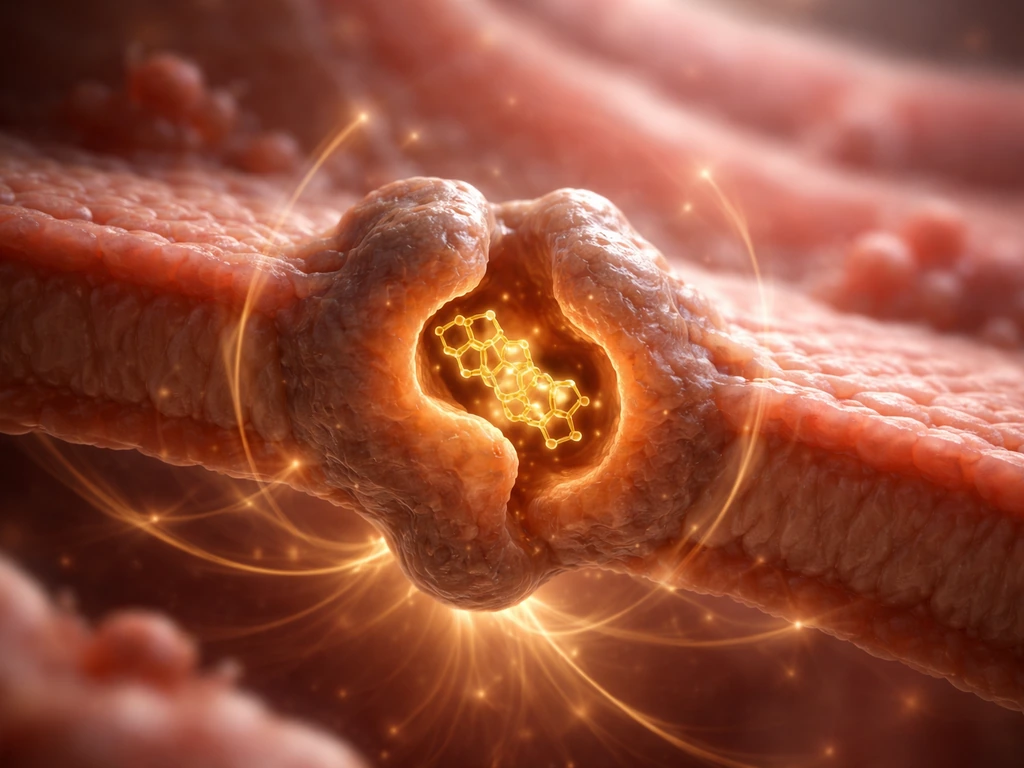
Most anabolic steroids are synthetic derivatives of testosterone. Once in the bloodstream they enter muscle cells and bind to the androgen receptor (AR), a protein that sits in the cytoplasm waiting for the right hormonal signal. When a steroid binds to the AR, the receptor-hormone complex migrates to the cell nucleus and directly influences gene expression, turning up the production of proteins involved in muscle growth and repair.
One important effect is that steroid use actually increases the number and sensitivity of androgen receptors in muscle tissue, which means the signal gets louder over time. Beyond that, the downstream effects include activation of mTORC1, a master regulator of muscle protein synthesis, through upstream pathways like IGF-1/Akt and ERK1/2. These are the same pathways that heavy resistance training activates, steroids essentially turn up the gain on all of them simultaneously. The molecular picture isn't fully mapped out yet, but the practical result is clear: more net protein is built, less is broken down, and the overall nitrogen balance across muscle shifts positive.
Research with testosterone enanthate at 3 mg/kg per week for 12 weeks in healthy men showed blank" rel="noopener noreferrer">roughly a 27% increase in muscle protein synthesis. A separate study using a single 200 mg intramuscular injection demonstrated improved net nitrogen balance across the leg in the fasted state, meaning the muscle was retaining more protein even without a meal. After intramuscular testosterone enanthate in healthy men, testosterone blank" rel="noopener noreferrer">increased net nitrogen balance across the leg in the fasted state but did not increase tissue amino acid transport. These aren't trivial effects. They explain why steroid users can recover between sessions faster, train at higher volumes, and accumulate lean tissue at a rate that natural lifters simply can't match.
Steroids amplify training, they don't replace it
Here's the part that gets lost in a lot of conversations: anabolic steroids are not a shortcut around hard training. They're more like a multiplier applied on top of it. The mechanical tension you create by lifting heavy, the metabolic stress of high-rep sets, the muscle damage that triggers satellite cell activity, all of that still needs to happen. What steroids do is make your body's response to that stimulus larger and faster.
Studies done on men given testosterone while specifically told not to exercise still show some muscle gain, which tells you the hormonal environment matters on its own. But the gains are modest compared to what happens when testosterone is combined with structured resistance training. In the famous Bhasin et al. study, men who used testosterone without training gained more lean mass than men who trained hard without testosterone. But the biggest gains came from the group that did both. That interaction is the whole point.
Practically, this means someone who trains inconsistently, uses poor form, or doesn't apply progressive overload won't get anywhere near the results of someone who trains intelligently on the same compound and dose. The steroid amplifies what you do in the gym. If you're not doing much, there's not a lot to amplify. This is also why experienced lifters tend to respond better to a first cycle than beginners do, they already know how to train hard and consistently enough to capitalize on the improved recovery and protein synthesis. Traps can look like they are “growing on steroids” because they respond quickly when you combine progressive overload, sufficient protein, and consistent recovery.
What steroids can't do: nutrition and recovery still matter

Protein is the raw material for muscle. Steroids accelerate the machinery that builds it, but if you're not supplying enough amino acids, the machinery has nothing to work with. For most people building muscle, a daily protein intake of around 0.7 to 1 gram per pound of bodyweight (roughly 1.6 to 2.2 grams per kilogram) covers the requirement well. On a steroid cycle, staying toward the higher end of that range makes sense because your synthesis rate is elevated and you want enough substrate available around the clock.
Total calorie intake matters too. You can't build meaningful muscle tissue in a sustained calorie deficit, regardless of how much testosterone you're running. Steroids improve nutrient partitioning, meaning more of what you eat tends to go toward muscle rather than fat, but they don't override basic energy accounting. Most people on a cycle eat at a modest surplus, somewhere in the range of 300 to 500 calories above maintenance, to support muscle building without excessive fat gain.
Sleep is the other non-negotiable. The majority of anabolic hormone release, including your own endogenous growth hormone, happens during deep sleep. Even with exogenous steroids on board, poor sleep blunts recovery, impairs training performance the next day, and undermines the gains you're trying to build. Consistently getting 7 to 9 hours is as important on a cycle as it is off one. Steroids give you a better hormonal environment during the hours you're recovering, but they can't manufacture recovery time you're not taking.
What to actually expect: timelines, strength, size, and water
The first thing most people notice on an anabolic steroid cycle, especially compounds like testosterone or nandrolone, is a rapid increase in strength and scale weight within the first two to three weeks. A lot of that early gain is intracellular water and glycogen. Anabolic steroids, particularly those that convert to estrogen via aromatization, cause the body to retain more water in muscle tissue. This makes muscles look fuller and bigger relatively quickly, and it does contribute to strength, but it's not the same as building new contractile protein.
True lean mass accumulation, meaning actual new muscle fiber, takes longer. Most experienced users report that genuine lean tissue gains become visible and measurable around weeks 4 to 6 of a typical 10 to 16 week cycle. By the end of a first cycle, total weight gain might be 15 to 25 pounds, but the actual lean mass retained after water normalizes post-cycle is often closer to 6 to 12 pounds depending on training, diet, and the specific compounds used. That's still significantly more than a natural lifter would add in the same period, but it's a more realistic picture than the numbers that circulate online.
Strength gains tend to outpace visible size, especially early on. Steroids improve neuromuscular efficiency and recovery, so you'll often be lifting heavier before your physique reflects it. This is worth knowing because it creates a real injury risk: your muscles may be capable of handling more load, but your tendons and connective tissue adapt much more slowly and don't respond to anabolic hormones the way muscle does. Pushing too hard too fast on a new personal record is one of the most common ways steroid users get injured.
Results vary significantly by compound, dose, individual genetics, age, and training history. Older adults, for example, may see relatively greater benefit from normalizing testosterone levels because they're starting from a lower hormonal baseline, but they also carry more cardiovascular risk and need closer medical supervision. The question of which muscles grow fastest on steroids is its own topic, but in general, muscles with the highest androgen receptor density, like the traps and upper back, tend to respond most visibly, which is why steroid users often develop a noticeably thick upper body.
The risks: what you're trading for those gains

This section isn't here to lecture. It's here because understanding the actual tradeoffs is the only way to make an informed decision. Anabolic steroids carry real risks, some reversible, some not.
Short-term effects
- Suppression of natural testosterone production begins within the first week of most cycles. Your hypothalamic-pituitary-gonadal (HPG) axis downregulates endogenous testosterone, which is why post-cycle therapy (PCT) protocols exist.
- Elevated hematocrit (red blood cell count), which thickens the blood and raises clotting risk. Regular blood tests are essential.
- Acne, oily skin, and accelerated hair loss in people genetically predisposed to male-pattern baldness.
- Mood changes including increased aggression and irritability, which vary considerably between individuals and compounds.
- In compounds that aromatize heavily, excess estrogen can cause gynecomastia (breast tissue growth in men) and worsened water retention.
- Liver strain with oral 17-alpha alkylated compounds like Dianabol or Anavar, making liver enzyme monitoring important.
Long-term and more serious risks
- Adverse cardiovascular effects are the most clinically significant concern. Anabolic steroid use is associated with reduced HDL cholesterol, increased LDL, left ventricular hypertrophy (thickening of the heart wall), and increased risk of cardiomyopathy with long-term or high-dose use.
- Tendon injury risk increases because muscle strength can outpace connective tissue adaptation. Tendon collagen doesn't have the same androgen receptor density as muscle.
- Prolonged suppression of natural testosterone can lead to lasting hormonal disruption, including secondary hypogonadism that may require lifelong testosterone replacement therapy.
- Psychological dependence is real. Some users find it difficult to accept their natural physique after a cycle, which can drive further use.
- For younger users whose growth plates haven't closed, exogenous steroids can accelerate epiphyseal closure and actually stunt height. This is a specific concern for anyone under 25.
- Fertility impacts, including reduced sperm count and testicular atrophy, which can be slow to reverse and in some cases don't fully resolve.
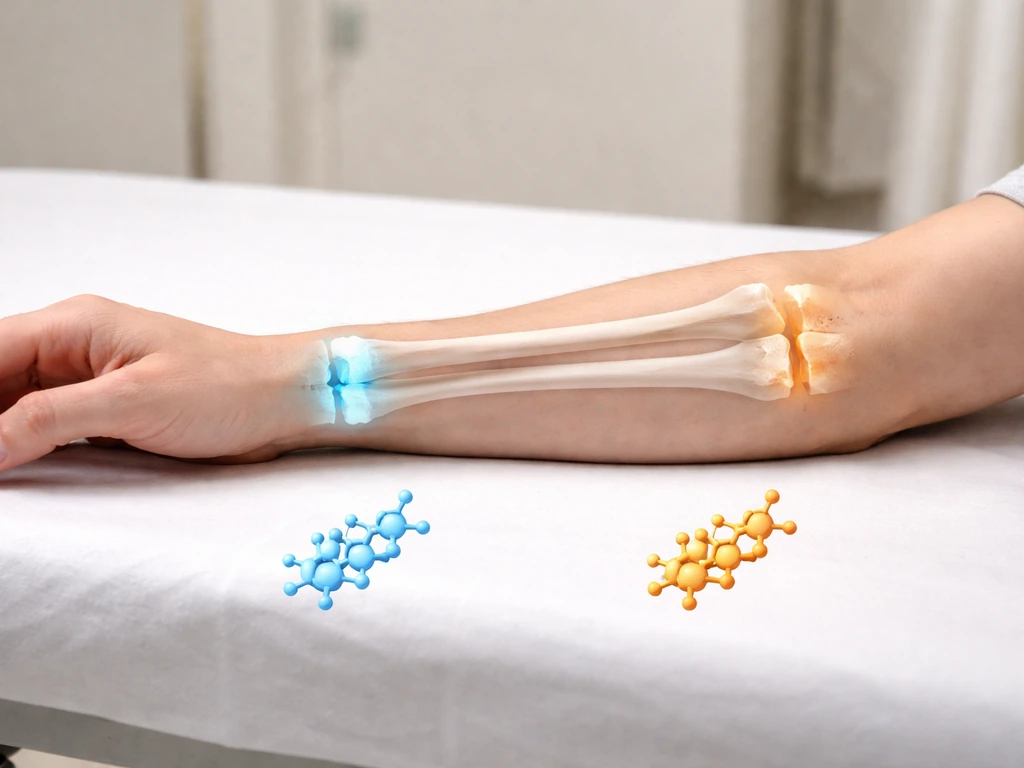
Related to the question of whether steroids affect bones: exogenous androgens have complex effects on bone metabolism. In adults with deficient testosterone levels, restoring normal levels can improve bone density. But supraphysiological doses accelerate bone maturation and can close growth plates prematurely in younger users.
What to do with this information: your actual next steps
Maximize what you can control naturally first
Most people reading this have not yet extracted anything close to their natural potential. Before even thinking about exogenous hormones, there's a significant amount of muscle you can build by getting the basics consistently right. Progressive overload in the gym (adding load or reps over time), hitting 0.7 to 1 gram of protein per pound of bodyweight daily, sleeping 7 to 9 hours, and managing training volume intelligently will produce meaningful results for most people over 12 to 24 months. Beginners especially have a one-time advantage called newbie gains, where muscle is built faster than at any other point in a lifting career, without needing anything beyond good food and hard training.
Older adults shouldn't write off this phase either. There's strong evidence that people in their 50s, 60s, and beyond can build significant lean mass with resistance training and adequate protein. Age changes the timeline and the recovery capacity, but it doesn't eliminate hypertrophy. Getting your training and nutrition dialed in first also means you'd have a clearer baseline if you ever discuss hormone therapy with a clinician.
If you're considering steroids: harm reduction basics

If you're an adult seriously considering anabolic steroid use, the most important step is talking to a qualified clinician before starting anything. Get comprehensive blood work first, including testosterone levels, a full lipid panel, liver enzymes, hematocrit, and a cardiovascular baseline. Know where you're starting from, because you can't track changes without a baseline.
Don't run an unsupervised cycle. This isn't about moralizing, it's about the fact that the risk profile changes substantially depending on dose, compound, duration, your individual health markers, and whether you're monitoring and responding to what your bloodwork shows. There's a meaningful difference between someone running a conservative testosterone-only protocol with regular labs and medical oversight and someone stacking multiple compounds at high doses with no monitoring.
- Get comprehensive baseline labs before any cycle: testosterone, estradiol, LH, FSH, lipid panel, liver enzymes, CBC (hematocrit), and ideally a cardiac evaluation.
- Use the minimum effective dose. More is not better; it's just more risk for diminishing returns.
- Keep cycles to a reasonable length, typically 10 to 16 weeks for most injectable protocols, and take equivalent time off between cycles.
- Have a PCT protocol planned before you start, not after. Common protocols involve SERMs like tamoxifen or clomiphene to restart natural testosterone production.
- Get labs mid-cycle and post-cycle to track how your body is responding, particularly lipids and hematocrit.
- Don't use oral 17-alpha alkylated compounds long-term. They're harder on the liver and the dose-to-risk ratio is less favorable than injectable options.
- Train consistently and eat enough protein throughout. The muscle you keep long-term is the muscle you built properly.
The mechanism behind steroid-driven muscle growth is real and well-documented: androgen receptor activation, increased protein synthesis, better nitrogen retention, and faster recovery all add up to genuine hypertrophy when training and nutrition are in place. But understanding the mechanism also means understanding that the gains don't come free, and the people who come out ahead are the ones who respect both sides of that equation.
FAQ
If I use steroids but I do not train hard, will I still grow muscle?
Steroids can raise protein synthesis even without training, but the effect is usually smaller and the gains are limited. Without resistance training you lose the mechanical stimulus and fiber recruitment that tell your body which muscle to build, so you end up with modest changes rather than the big, practical hypertrophy people expect.
How can I tell the difference between steroid water weight and real muscle gain?
Yes, the first visible “muscle gain” often comes from water and glycogen, especially within the first 2 to 3 weeks. That fuller look can make you think you are building lean mass faster than you actually are, which is why tracking strength performance and taking body composition measures (not just scale weight) helps separate real hypertrophy from fluid shifts.
What happens to muscle growth on steroids if my diet is not dialed in?
If your protein and calories are too low, the elevated anabolic signaling has less building material available, so gains stall. A practical way to manage this is to set protein near the higher end of the recommended range and verify intake with a couple of weeks of food logging, then adjust calories based on whether weight and performance are moving as expected.
Why do steroid users sometimes get hurt even though they feel stronger?
Early strength jumps can outpace tendon and connective tissue adaptation, which raises injury risk if you chase new personal records too aggressively. A safer approach is to keep progression conservative for joints, for example adding load in smaller steps and using fewer abrupt jumps when you feel “strong but not adapted yet.”
Do I still need cardio and mobility work if steroids improve recovery?
Cardio and joint-friendly training matter more than people assume because better recovery does not automatically protect cardiovascular risk or overuse injuries. Even if the goal is hypertrophy, incorporating regular low-intensity cardio and smart volume management can help you maintain performance while not neglecting health markers.
Are steroid-related muscle gains the same in older adults, and are risks different?
Older adults may experience benefit from normalizing testosterone, but they also tend to face higher baseline cardiovascular risk and different recovery timelines. That makes close medical supervision and more frequent monitoring of lipids, hematocrit, and blood pressure especially important compared with younger users.
Which muscles grow fastest on steroids, and does the best compound vary by muscle?
Yes, different compounds can change outcomes, but response is still highly individual based on training history, genetics, and androgen receptor responsiveness in each muscle group. Instead of assuming one “best” muscle-building steroid, the more reliable decision aid is to match a regimen to your health markers and use progressive overload to drive adaptation.
What blood work should I track if I’m trying to understand how steroids are affecting my body?
Blood work is for trends, not single numbers. A useful decision aid is to compare pre-cycle values to mid-cycle and post-cycle results for key categories like lipids, hematocrit, liver enzymes, and baseline cardiovascular status, then use those trends to decide whether to stop, reduce, or escalate medical monitoring.
Why does my scale weight change but my physique does not look proportionally better?
Because many early changes are fluid-related, scale weight can be misleading, especially if your goal is “lean tissue” rather than total mass. Combining multiple indicators, like waist measurement, strength progression, and at least periodic body composition checks, reduces the chance you overestimate how much actual muscle you added.