The muscles that tend to grow fastest on anabolic steroids are the ones with the highest density of androgen receptors and the easiest path to mechanical overload in training: the upper traps, shoulders (especially the deltoids), chest, and upper back consistently show the most dramatic early changes. Arms and legs follow closely. But here's the honest caveat: a lot of what looks like rapid muscle growth in the first few weeks is water retention, glycogen supercompensation, and increased blood volume, not new contractile tissue. Separating that from real hypertrophy matters a lot if you're trying to understand what's actually happening.
Which Muscles Grow Fastest on Steroids and Why

Marcus Kellerman
22 May 2026

Why some muscles appear to grow faster (and what 'fast' really means)
Not all muscle groups are created equal when it comes to growth rate, and that's true with or without pharmacological help. A few things drive the difference: [androgen receptor density](https://pubmed. ncbi. nlm.
nih. gov/38281756/), fiber type composition, how easy the muscle is to mechanically load with high quality stimulus, and your individual genetics for that specific muscle. The traps, for example, have particularly high androgen receptor expression, which is why the 'steroid trap' look is a real physiological phenomenon, not just gym lore. If you want the practical mechanism behind the trap look and what makes it so noticeable, see why do traps grow on steroids steroid trap.
Muscles that are easy to overload progressively with compound movements, like the chest with bench press or the quads with squats, also tend to respond faster simply because the stimulus is more reliably applied.
When people say a muscle 'grew fast,' they're often conflating several different things. True hypertrophy, meaning an actual increase in the cross-sectional area of muscle fibers, takes time. Research using peripheral quantitative CT found that significant skeletal muscle hypertrophy in the thigh likely emerged around weeks 3 to 4 of resistance training. Separate ultrasound research tracking chest and upper-arm thickness in untrained men over a 24-week bench press program showed statistically meaningful changes emerging progressively over that period.
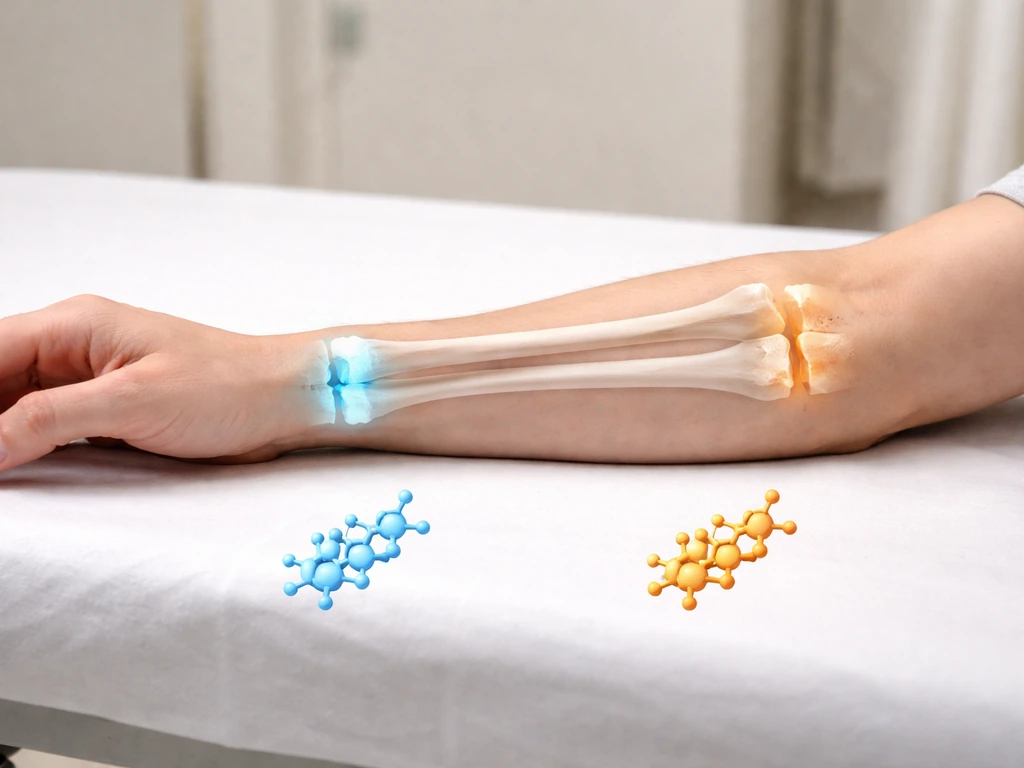
Those timelines are for natural trainees, and steroids can accelerate the protein synthesis side of that equation, but the structural remodeling still takes weeks, not days. However, they do not simply make bones grow the way people often assume steroids can accelerate the protein synthesis side.
What steroids actually change in muscle growth (hypertrophy vs water and glycogen)

Anabolic-androgenic steroids (AAS) work primarily by binding to androgen receptors in myonuclei and satellite cells, activating downstream signaling that upregulates protein synthesis and nitrogen retention. Research confirms that steroid-associated muscle size increases involve both fiber hypertrophy and increased myonuclear number, with satellite cell activation playing a key mechanistic role. Interestingly, at least one study found that testosterone-driven hypertrophy can occur even without satellite cell involvement, suggesting multiple independent pathways are at work. The net result is a meaningfully accelerated rate of muscle protein accretion compared to natural training.
But here's where people get confused. Anabolic steroids also cause salt and water retention, which expands blood volume and makes muscles look fuller almost immediately. Glycogen storage in muscle also increases with elevated anabolic hormones and caloric surplus. So in the first one to two weeks, a significant portion of visible size gains is not new contractile tissue at all.
Studies comparing androgen therapy outcomes have noted discordances between muscle mass, strength, and what researchers call 'muscle quality,' meaning the gains in mass don't always reflect equivalent gains in functional strength per unit of muscle. If you're trying to track real hypertrophy, body weight alone or even a tape measure will mislead you early on. Ultrasound or DEXA scans are the only reliable early measures.
The muscle groups that typically respond most visibly
Across anecdotal reports and what we understand about androgen receptor distribution, a consistent pattern emerges. The following are the muscle groups most commonly reported to show early and pronounced responses under AAS use, and why each makes physiological sense.
Traps and shoulders

The upper trapezius and deltoids have some of the highest androgen receptor concentrations in the body. This is the primary reason why exaggerated trap and shoulder development is one of the most recognizable visual markers of AAS use. The traps are also trained heavily by compound movements like deadlifts and rows, meaning they receive high mechanical stimulus even when you're not specifically targeting them. The deltoids respond well to both heavy pressing volume and isolation work, giving them multiple pathways for stimulus.
Chest
The pectorals are highly responsive largely because they're easy to train with high quality overload. Heavy pressing movements recruit a large portion of the chest musculature, and the range of motion is long enough to provide both stretch-mediated stimulus and peak contraction. Combined with increased protein synthesis rates from AAS, the chest tends to show meaningful thickness increases within the first month or two of a structured program.
Upper back (lats and rhomboids)

The upper back responds well because pulling movements are easy to load progressively and the muscles involved are large with high fiber volume. The lats in particular respond to stretch under load, which rowing and pulldown variations provide. Under AAS, the accelerated recovery between sessions also means you can train back with higher frequency without the performance degradation that would normally limit volume.
Arms
Biceps and triceps are frequently cited as early responders, partly because of their fiber composition and partly because arm training volume tends to increase dramatically in people who are motivated to see fast gains. The triceps make up roughly two-thirds of the upper arm's cross-sectional area, so any meaningful tricep growth has an outsized visual effect. With AAS accelerating protein synthesis, arms that are trained with adequate volume and load will accumulate size relatively quickly.
Legs
The quadriceps, hamstrings, and glutes are the largest muscle groups by mass, and under AAS, they have tremendous growth potential. They may not look as dramatically changed early on compared to upper body muscles because the sheer mass involved means changes are harder to see visually, but measured cross-sectional area increases are often substantial. Squats, leg press, and Romanian deadlifts provide the overload needed. The challenge is that many people undertrain legs relative to upper body, which limits how 'fast' growth appears.
How training structure decides which muscles grow 'fastest'
Steroids change the ceiling, but training still decides which muscles approach that ceiling first. Volume is probably the most important modifiable variable. Research from Schoenfeld and colleagues found a graded dose-response where each additional weekly set was associated with an increase in effect size of about 0.023, translating to roughly a 0.37% increase in muscle gain per additional set. That adds up fast. If you're doing 6 sets per week for a muscle and bump it to 12 working sets, you're looking at a meaningfully different stimulus.
Proximity to failure matters too, but perhaps less than many people think. A 2022 meta-analysis found only a trivial advantage for training to true failure versus stopping a couple reps short (effect size around 0. A 2022 systematic review and meta-analysis reported a trivial advantage for training to true failure versus stopping a couple of reps short for muscle hypertrophy (effect size around 0.19; p=0.045). 19), and the risk of injury and excess fatigue with every-set failure likely outweighs that small edge. Training 1 to 3 reps from failure on most sets is a practical sweet spot, especially for compound exercises where form breakdown under fatigue creates injury risk.
Exercise selection also shapes which muscles 'win.' If your program has 4 pressing movements and 1 row, your chest and triceps are getting far more stimulus than your back, regardless of steroid use. A well-balanced program that deliberately prioritizes lagging muscles with additional volume and better exercise selection will show more balanced and faster visual progress than a chest-dominant bro split.
Rest intervals are another underappreciated variable. Research supports both short and longer rest periods as viable for hypertrophy, but longer rest (2 minutes or more between heavy compound sets) allows more quality volume per session because you're not accumulating fatigue that degrades technique and rep quality. For isolation work, shorter rest is more practical and well-tolerated.
| Muscle Group | Why It Responds Well | Best Training Stimulus | Common Mistake |
|---|---|---|---|
| Traps / Shoulders | High androgen receptor density | Heavy compounds (deadlifts, OHP) plus isolation | Neglecting lateral raises and rear delts |
| Chest | Easy to overload, long ROM on press | Incline and flat pressing, flyes for stretch | Only doing flat bench, skipping incline |
| Upper Back (lats) | Large muscle, responds to stretch under load | Pull-ups, rows, pulldowns | Not training through full range of motion |
| Arms | High visibility, responds to direct volume | Curls, tricep extensions, dips | Overtraining while neglecting compound work |
| Legs (quads/hams) | Largest muscles, huge growth potential | Squats, leg press, RDLs, lunges | Undertrained relative to upper body |
Realistic timelines and early signs vs true hypertrophy

Week 1 to 2: Most visible changes are water retention, glycogen loading, and increased muscle fullness from elevated blood volume. The scale may jump noticeably but this is not contractile tissue. You'll likely feel tighter and look fuller in photos, especially in the upper body.
Weeks 3 to 4: This is approximately when real hypertrophy begins to emerge based on the research evidence. Muscle cross-sectional area starts to increase meaningfully, strength goes up partly from neural adaptation and partly from actual size increases. You may notice shirts fitting differently through the chest and shoulders.
Weeks 6 to 12: True hypertrophy becomes clearly measurable and visible. Muscles that you've been training with sufficient volume and intensity show the most pronounced changes. This is where the gap between a well-structured program and a poorly designed one becomes obvious. AAS accelerates the rate of change but doesn't override poor training.
Beyond 12 weeks: Continued progressive stimulus drives ongoing hypertrophy, but adaptation rate slows as you approach a new equilibrium. Research on former AAS users shows that increased myonuclei density can persist even after discontinuation, which may explain some of the long-term retention of gains. However, water and glycogen-related size will decrease when use stops.
Build a personalized plan: targeting lagging vs naturally responsive muscles
The mistake most people make is training the muscles they enjoy training, not the ones that need the most work. If you want a physique that looks proportional and developed, you need to honestly assess which muscles are lagging and deliberately overload them with more volume, better exercise selection, and higher quality stimulus.
Start by doing a visual and strength assessment. Which muscle groups are weakest or smallest relative to the rest of your body? Those get priority in your program structure: train them first in a session when you're fresh, give them the most weekly sets, and pick exercises that provide a strong stretch under load (research consistently points to stretch-mediated hypertrophy as a powerful stimulus). For example, if your rear delts and upper back are lagging, add face pulls, chest-supported rows, and rear delt flyes before your pressing work, not after.
For naturally responsive muscles, maintenance volume is often enough. If your chest blows up from 8 sets per week, don't bloat it to 20 sets just because you can. Redirect that volume to muscles that need it. The goal is a balanced physique that responds proportionally, not just the biggest chest and arms you can manage.
- Identify your 2 to 3 most lagging muscle groups with honest assessment or a coach's eye.
- Assign those muscles the highest weekly set volume (12 to 20 working sets per week for most people).
- Train lagging muscles first in each session so fatigue doesn't compromise your effort there.
- Prioritize exercises that provide stretch under load: incline curls for biceps, Romanian deadlifts for hamstrings, dips or flyes for chest.
- Reduce volume for already-responsive muscles to maintenance level (6 to 10 sets per week) and redirect that volume.
- Track progress with measurements or photos every 4 weeks, not daily weight, to distinguish real hypertrophy from water fluctuations.
- Adjust volume every 4 to 6 weeks based on response, not based on how sore you feel.
Safety, real risks, and how to get the fastest natural results instead
This section isn't a lecture, but it would be irresponsible to leave it out. Anabolic-androgenic steroids carry serious health risks that go well beyond gym safety. Liver toxicity is well-documented and can range from transient enzyme elevations to cholestatic jaundice, peliosis hepatis (blood-filled cysts in liver tissue), and hepatic tumors. Cardiovascular risks include blood pressure changes, unfavorable lipid shifts, and possible cardiac remodeling with long-term use.
Endocrine suppression is nearly universal: exogenous androgens suppress the hypothalamic-pituitary axis, leading to testicular atrophy, significantly reduced testosterone production, and in many cases oligozoospermia. Tendon rupture risk also increases because tendons adapt more slowly than muscle, so rapid strength gains outpace connective tissue adaptation. And psychiatric effects including mood instability are well-documented across the literature. Many of these risks are dose-dependent and reversible with cessation, but some structural changes, particularly cardiovascular, may persist.
Beyond legal and health considerations, the honest truth is that a well-executed natural program closes more of the gap than most people realize. Supraphysiologic androgen therapy combined with resistance training does produce significantly greater lean tissue accrual than training alone, as randomized controlled trial data confirms. But the absolute difference in a well-trained natural athlete versus a steroid user with a mediocre program is often smaller than expected because training optimization matters enormously on both sides.
Here's what actually moves the needle naturally, in rough order of impact: protein intake at 1.6 to 2.2 grams per kilogram of bodyweight per day, training volume in the 10 to 20 weekly sets per muscle group range with progressive overload applied consistently, sleep of 7 to 9 hours per night (this is where a large portion of growth hormone secretion happens), a caloric surplus of roughly 200 to 300 calories above maintenance to support muscle building without excessive fat gain, and creatine monohydrate at 3 to 5 grams per day, which has the most consistent evidence base of any legal supplement for improving training performance and lean mass. None of these are flashy. All of them work.
- Protein: 1.6 to 2.2 grams per kilogram of bodyweight daily, distributed across at least 3 to 4 meals
- Training volume: 10 to 20 working sets per muscle group per week, scaled to recovery capacity
- Progressive overload: add reps, sets, or load every week or two to maintain stimulus
- Sleep: 7 to 9 hours consistently, this is non-negotiable for recovery and hormonal output
- Caloric surplus: 200 to 300 calories above maintenance for lean bulk phases
- Creatine monohydrate: 3 to 5 grams daily, no loading phase required
- Deload weeks every 6 to 8 weeks to prevent accumulated fatigue from blunting hypertrophy
If you're genuinely interested in the mechanisms behind how androgens drive muscle growth at the cellular level, or why the traps seem to respond so dramatically to steroid use specifically, those are worth exploring in more depth. The physiology of androgen receptor signaling and what drives differential muscle responses is genuinely fascinating territory, and it explains a lot about why training and recovery choices matter as much as they do even when pharmacology enters the picture.
FAQ
If the scale and photos change fast, how can I tell whether it is water or real muscle growth?
Watch for trends that require time to build, like strength improvements with the same bodyweight, increasing reps at a given load, and measurable changes with ultrasound or DEXA. A rapid weight jump in the first 1 to 2 weeks without parallel performance gains is often glycogen and water. Tape measures can mislead early, especially around the shoulders and arms, where fullness from fluid is most obvious.
Do steroids make the same muscles grow fastest in everyone?
The pattern is similar, but the ranking can shift based on your training history, genetics, and exercise selection. A muscle with high androgen receptor expression can still lag if you never overload it with enough quality sets, long-enough ranges of motion, and progressive overload. Your weakest muscle may respond more to added volume and exercise technique than to “being on steroids.”
Why do people sometimes look bigger in the upper body but have weaker leg development on AAS?
Two common reasons are volume distribution (many programs are chest and arm heavy) and visibility (leg changes are harder to see due to overall mass and clothing). If your quads and glutes get fewer hard sets weekly, they may not “win” even with better pharmacologic recovery. Adding consistent squat or leg press volume plus hip hinge volume is usually necessary to get visible leg growth.
What weekly set volume range is most likely to produce “fastest” growth without wasting effort?
A practical approach is to start in the mid-range you can recover from, commonly around 10 to 20 hard sets per muscle per week, then increase only if performance and progression keep moving. Many people overestimate how much they can add, especially arms and delts, where joints can get irritated while the muscle still does not grow faster. Track load, reps, and recovery to decide whether to add sets or redirect them.
Should I train closer to failure to make the fastest gains on steroids?
You do not need true failure every set for the best hypertrophy return. A reliable strategy is stopping 1 to 3 reps short on most sets, then using controlled grind work on the last set of key movements if form stays intact. Going to failure more often increases fatigue and injury risk, and it can reduce the quality volume that actually drives growth.
Does exercise selection matter more for “which muscles grow fastest” than pharmacology does?
Yes for determining what grows first. If your program heavily favors pressing and under-represents pulling or rear delt work, the muscles getting high-quality stimulus will look like the “fast responders,” even if you are on AAS. Changing exercise selection can shift emphasis within weeks, while pharmacology mainly raises the ceiling and recovery capacity.
How long after starting AAS should I expect real hypertrophy rather than just fullness?
A common pattern is early visible changes from water and glycogen in weeks 1 to 2, then a clearer separation where true cross-sectional growth becomes more evident around weeks 3 to 4. By weeks 6 to 12, hypertrophy is usually more measurable and visually obvious for muscles that had sufficient training stimulus. If your strength does not rise during this window, your program stimulus may be the limiting factor.
Can I rely on mirror changes as a progress metric for the fastest-growing muscles?
Mirror size is often confounded by fluid shifts and pump effects, especially around shoulders and traps. More reliable checks are strength progression on the main movements, consistent weekly measurements taken under the same conditions, and objective imaging when available. For early tracking, ultrasound or DEXA is far more informative than bodyweight alone.
Why do some people get the “steroid trap” look even if they do not do direct trap work?
Traps often get substantial indirect loading from heavy deadlifts, rows, and shoulder stabilization work, and they also have high androgen receptor expression. If your pulling movements include a lot of shrugging or high-tension rows, your traps can respond quickly even without dedicated exercises. Direct trap work can still help if your technique and volume are adequate.
If I am on AAS, should I still follow the same lagging-muscle priority approach as natural training?
Yes, because stimulus still determines what approaches its potential first. Use a visual and performance assessment to identify what looks and measures smallest relative to the rest, then allocate your freshest workout time and highest weekly set count to those muscles. If a muscle grows slowly, the fix is usually more effective volume, better stretch and loading, and improved recovery, not just “more pharmacology.”
What is the most common mistake people make when trying to grow the “fastest muscles” on steroids?
They train what they like and stop short of what creates real mechanical stimulus for the lagging muscles. Another mistake is increasing volume without ensuring overload quality, stable technique, and enough recovery, leading to fatigue without extra hypertrophy. If results plateau, the first questions are about weekly hard sets, exercise selection balance, and whether progression in load or reps is actually happening.
Are there any “hidden” reasons strength can improve without matching muscle gain on AAS?
Yes, early strength changes can come from neural adaptation and improved training readiness, while visible size can be temporarily driven by fluid and glycogen. This can create a mismatch between strength, scale weight, and muscle thickness early on. Monitoring training performance plus an objective measure like ultrasound can help you separate these effects.
What objective signs suggest my tendons are lagging behind my muscle growth on steroids?
Pain at specific joint lines, persistent tendon soreness that does not behave like normal DOMS, and strength increases that outpace comfort during the same ranges of motion are red flags. Tendon adaptation is slower than muscle, so sudden jumps in intensity or volume can increase rupture risk. If symptoms persist or worsen week to week, reduce load temporarily and prioritize long-term joint tolerance.