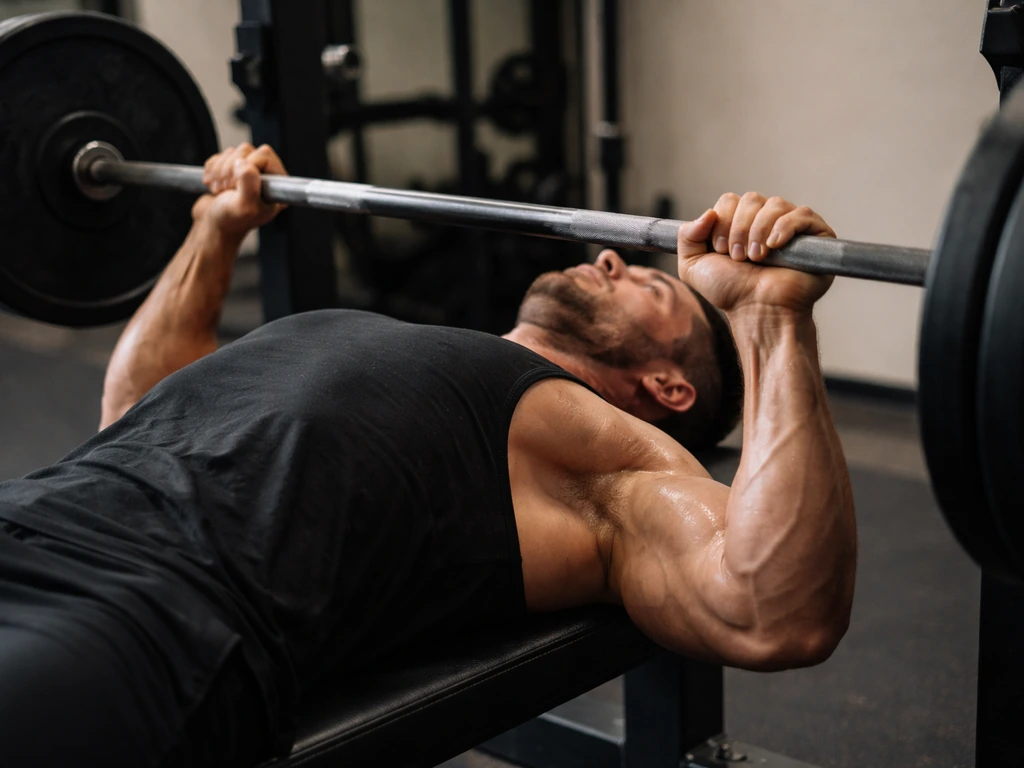
Deadlifts primarily grow your glutes, hamstrings, and spinal erectors, with meaningful stimulus also going to your lats, upper and mid-back, core stabilizers, and forearms depending on how you lift and which variation you use. The catch is that 'muscles worked' and 'muscles that actually grow' aren't the same list. EMG studies consistently show that erector spinae and quadriceps often register higher activation than the glutes and hamstrings during a standard pull, which means technique, stance, and variation matter a lot if your goal is hypertrophy in a specific area rather than just moving a heavy bar.
What Muscles Grow From Deadlifts? Guide by Variation

Marcus Kellerman
26 May 2026
The Main Muscles Deadlifts Actually Work
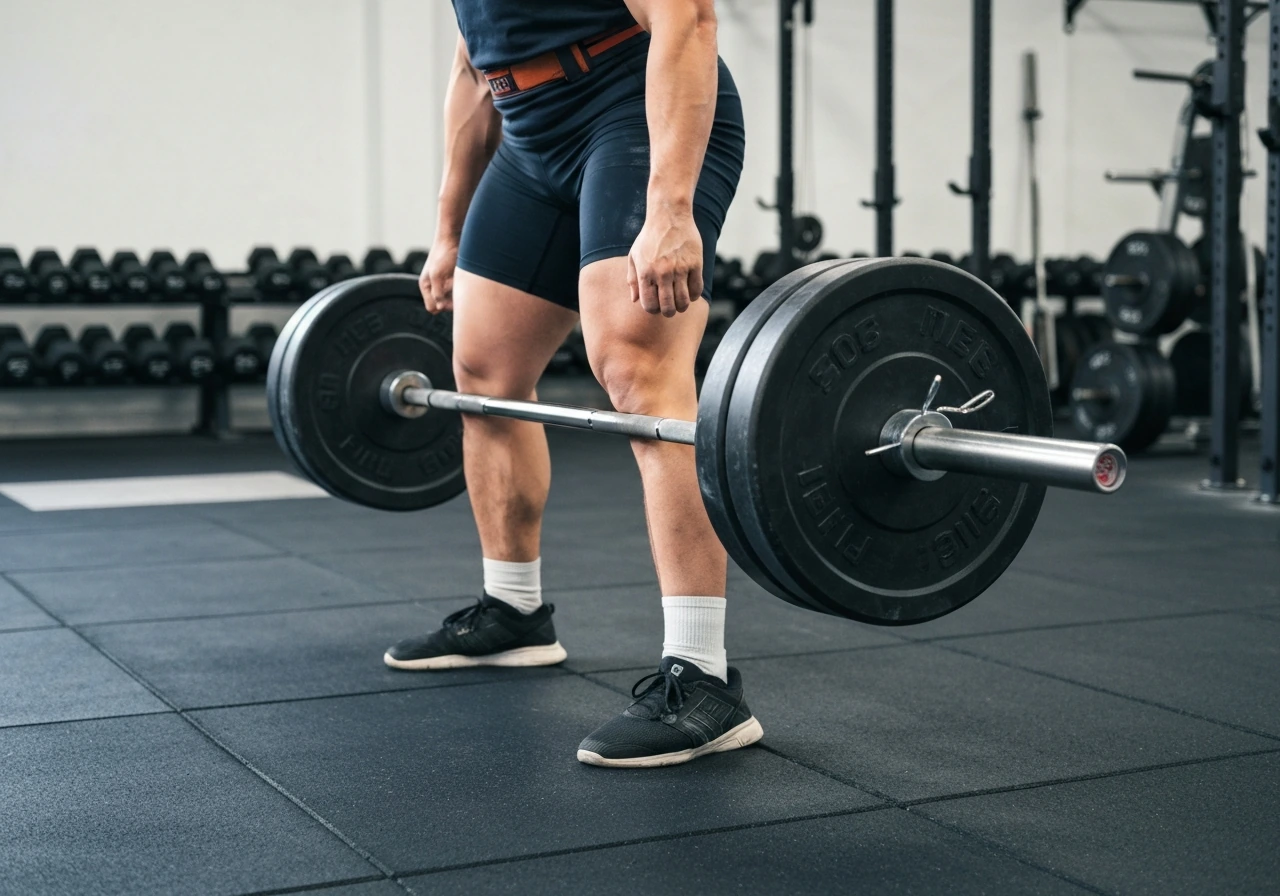
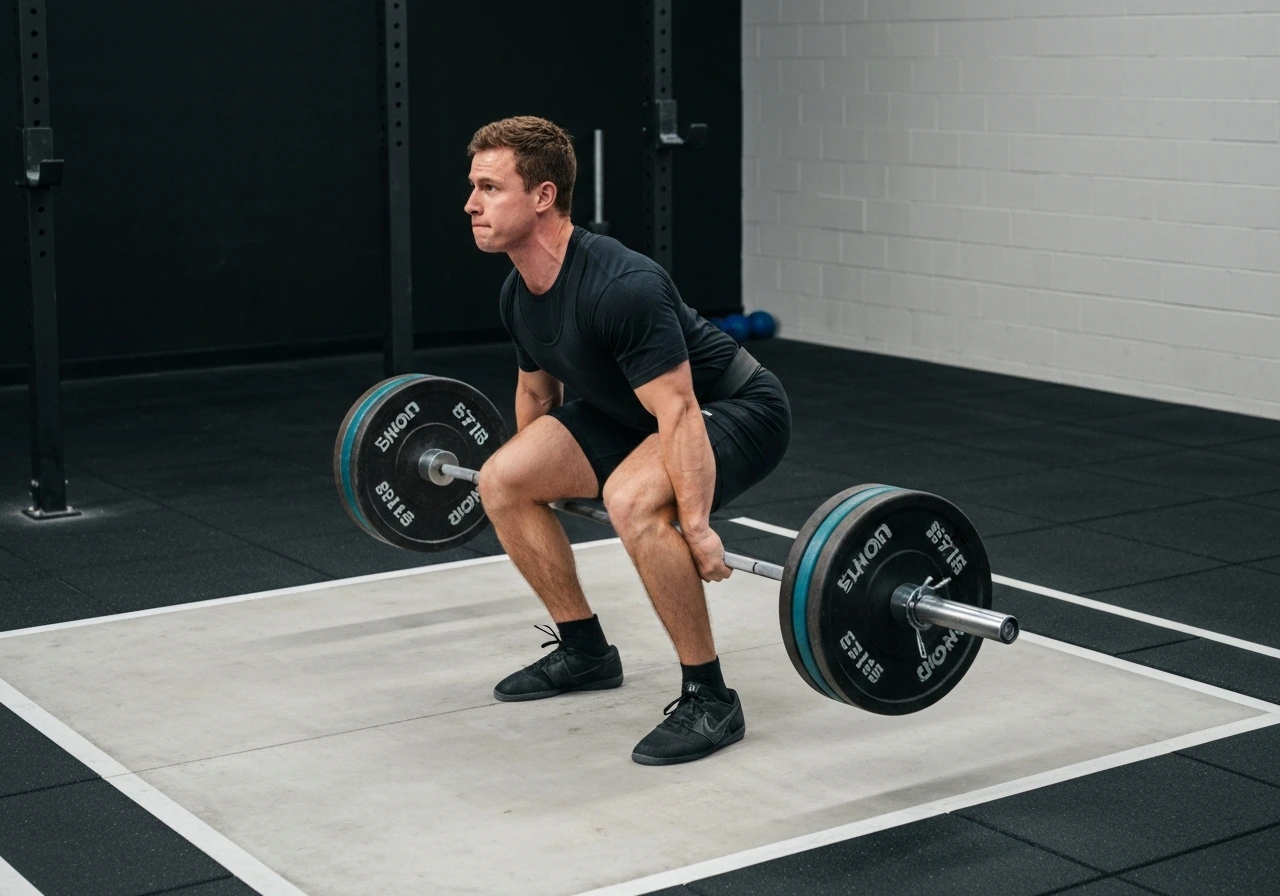
A deadlift is a full-body hip hinge, and the load is distributed across a longer chain than most people realize. Here are the key players and what they're doing during the lift.
- Gluteus maximus: the primary hip extensor driving the bar from mid-shin to lockout
- Hamstrings (biceps femoris, semitendinosus, semimembranosus): produce hip extension and control the eccentric descent; semitendinosus can show slightly higher activation than biceps femoris in some deadlift patterns
- Erector spinae (thoracic and lumbar): isometrically resist spinal flexion throughout the entire lift and show consistently high EMG readings across deadlift variations
- Quadriceps (vastus medialis, vastus lateralis): extend the knee from the floor, especially prominent early in the pull
- Lats and mid-back (trapezius, rhomboids): brace the shoulder girdle, keep the bar close, and maintain thoracic position
- Gluteus medius: active as a hip abductor and stabilizer, more so in sumo stance
- Core/trunk stabilizers (multifidus, transverse abdominis, obliques): resist rotation and spinal buckling through the entire movement
- Forearms and hand flexors: maintain grip, especially under heavy load or with demanding grip types
The muscles with the highest overall hypertrophy potential from deadlifts are the glutes, hamstrings, and erectors, but the degree to which each grows depends heavily on your variation, technique, and whether you're accumulating enough weekly volume targeting each group specifically.
Glute and Hamstring Growth: Real Potential, Real Limits
Yes, deadlifts can absolutely grow your glutes and hamstrings, but let's be honest about the conditions. A systematic review of gluteus maximus activation across exercises classified the conventional deadlift and hex bar deadlift as capable of reaching 'very high' GMax activation, defined as above 60% of maximum voluntary isometric contraction. That's a real stimulus. The problem is that this threshold isn't automatic. If your hips rise too fast off the floor, your back takes over and your glutes get shortchanged. Full hip lockout at the top, actively squeezing the glutes at extension, is what keeps the posterior chain honest.
For hamstrings specifically, the Romanian deadlift (RDL) is genuinely better for targeted hypertrophy than a conventional pull. The reason is mechanical: in an RDL, the knee angle changes less throughout the movement, keeping the hamstrings under tension across a longer range while they lengthen. A conventional deadlift involves more knee flexion at the start, which shifts some demand to the quads. Research on Romanian versus stiff-leg deadlift variations confirms that keeping the knee more isometric during the hinge shifts EMG emphasis toward the posterior chain. If hamstring size is your primary goal, making RDLs a staple alongside your conventional work is the practical solution.
Sumo deadlifts change the picture for glutes in a different way. The wider stance and more upright torso alter hip joint angles and increase the demand on hip abductors, meaning gluteus medius gets more work relative to conventional. Studies also show that vastus medialis and lateralis activate more during sumo pulls. So sumo is not a 'better glute exercise' across the board, it just shifts emphasis. If you want maximum gluteus maximus stimulus, conventional with a full hip extension lockout is hard to beat.
Back Muscles and Erector Development
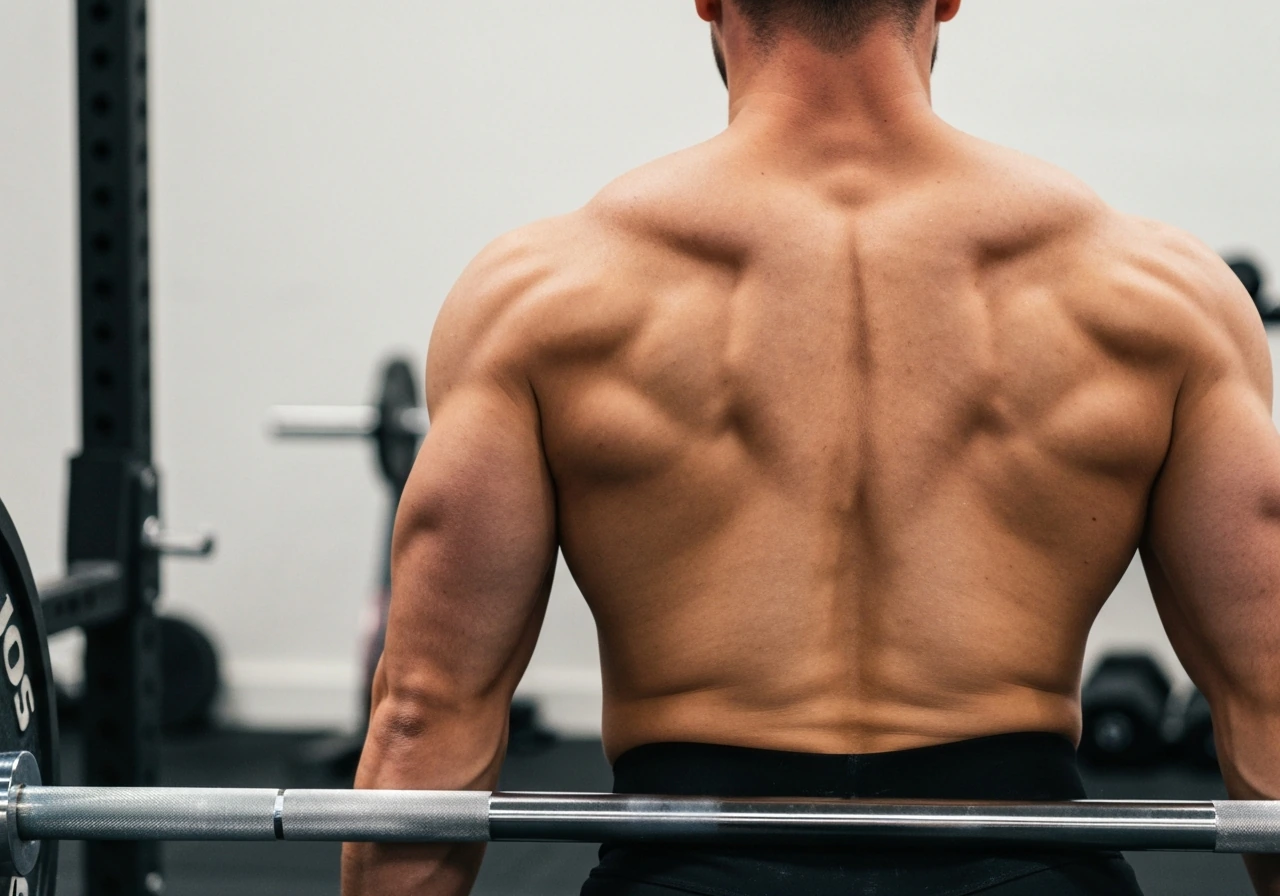
The erector spinae is arguably where deadlifts shine most reliably for hypertrophy. EMG data consistently places erector activation at or near the top across all deadlift variations. Both the thoracic and lumbar portions work hard to maintain a neutral spine against the forward lean and the weight of the bar, and the lumbar erectors in particular are under load across the full range of motion. Lifters who deadlift consistently for years tend to develop visible thickness through the lower back and mid-back, and this is why.
The lats also get meaningful work during a deadlift, even though you're not rowing the bar. Actively 'putting your shoulder blades in your back pockets' before you pull (a common cue for lat engagement) and keeping the bar dragging close to your body keeps tension on the lats throughout. This bracing cue isn't just about safety, it's also creating mechanical tension on the lat and mid-back musculature that contributes to hypertrophy over time. Your upper and middle trapezius are engaged stabilizing the shoulder girdle, with one study showing that these muscles are sensitive to knee-flexion angle during the lift, another reason technique consistency matters.
One worth noting: conventional deadlifts train the erectors more as a group under sustained isometric tension than as a pure prime mover, which is a slightly different stimulus than a Romanian deadlift where the lumbar erectors lengthen under load. Both mechanisms drive growth. Mixing both styles over a training block gives you a broader training stimulus for the back musculature.
Core and Hip Stabilizers: The Underrated Gainers
This is the part most people ignore. The deep core, specifically the transverse abdominis, multifidus, and obliques, is working hard during every heavy deadlift. Research on abdominal bracing confirms that proper intra-abdominal pressure bracing changes trunk muscle activation patterns in measurable ways. This isn't just protective, it's a real training stimulus for the deep stabilizing muscles that hold your spine and pelvis in position. Over months of progressive loading, this translates to genuinely stronger and thicker trunk musculature.
The gluteus medius and the hip external rotators (piriformis, gemelli, obturators) also receive consistent demand as hip stabilizers during the pull. In sumo deadlifts this is even more pronounced because of the wide stance and the need to actively push the knees out. For older adults especially, this has real functional value beyond aesthetics: strengthening these stabilizers reduces fall risk and improves gait mechanics. Think of core and hip stabilizer gains from deadlifts as a bonus package that comes with the bigger posterior chain gains.
Forearms and Grip: When Deadlifts Actually Build Them
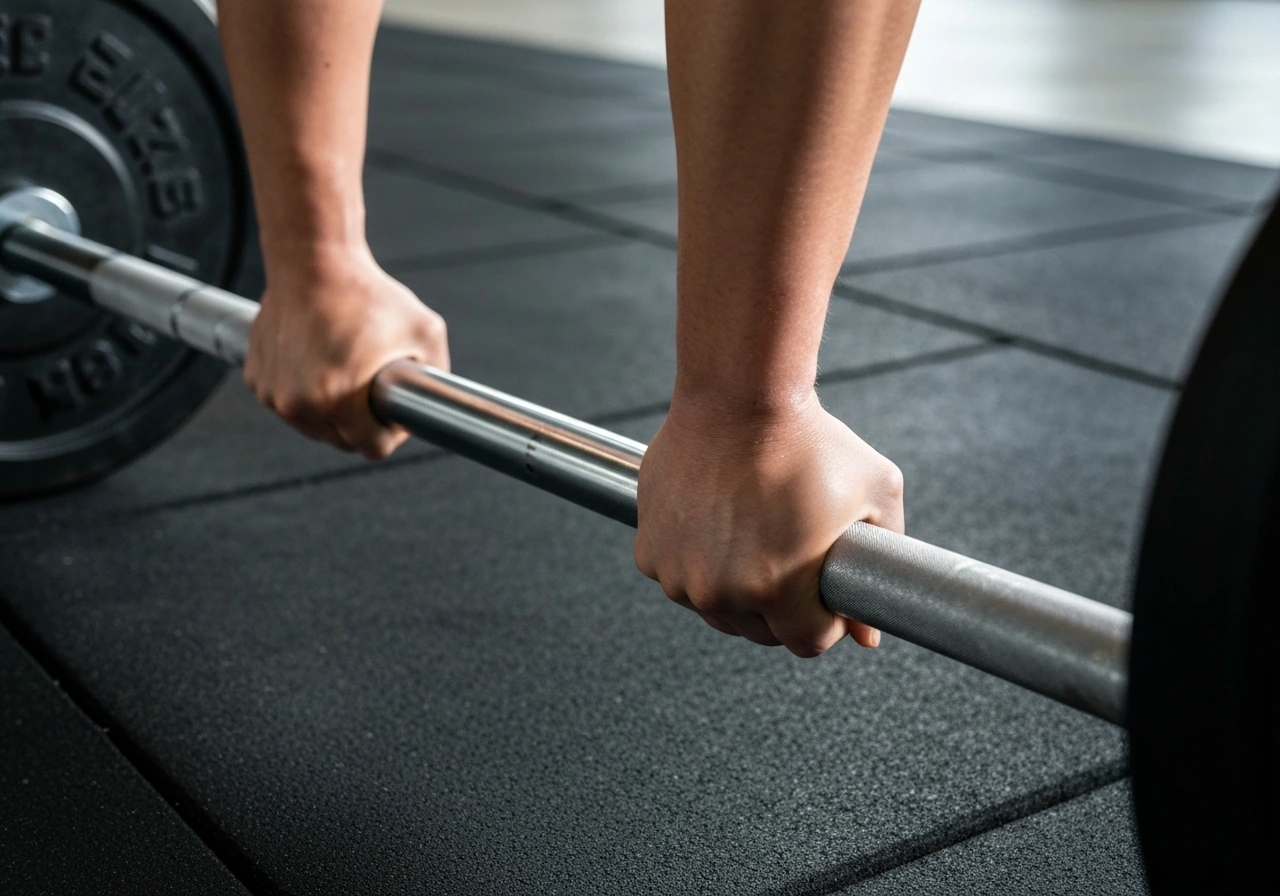
Forearm growth from deadlifts is real but conditional. A study measuring forearm EMG during deadlifts at 50%, 70%, and 90% of 1-rep max found that grip type and sex both significantly affected forearm muscle activation. Double overhand grip produced the highest forearm demand because there's no mechanical advantage from a mixed or hook grip, so the finger flexors and forearm muscles have to work harder to keep the bar from rolling. If you want forearm stimulus from deadlifts, use double overhand grip on as many sets as your load allows before switching, and skip straps when training rather than maxing out.
That said, deadlifts alone probably won't maximize forearm hypertrophy for most people. They're a solid supplementary stimulus, especially at higher loads. If grip and forearm size are priorities, dedicated grip training (farmer carries, thick-bar holds, plate pinches) gives more targeted volume. But for a beginner pulling with double overhand three times a week, the forearms will absolutely respond and grow, especially in the first year of training when everything adapts.
Deadlift Variations and Where They Put the Emphasis
| Variation | Primary Emphasis | Secondary Emphasis | Best For |
|---|---|---|---|
| Conventional deadlift | Erector spinae, glutes, hamstrings | Quads, lats, traps, core | Overall posterior chain mass, erector development |
| Romanian deadlift (RDL) | Hamstrings (lengthened), glutes, lumbar erectors | Core, lats | Hamstring hypertrophy, controlled eccentric overload |
| Sumo deadlift | Quads, glutes, gluteus medius | Erectors, adductors, traps | Hip-dominant lifters, glute medius development, knee-friendly option |
| Stiff-leg deadlift | Hamstrings, lumbar erectors | Glutes, core | Posterior chain isolation, limited knee involvement |
| Hex bar / trap bar deadlift | Quads, glutes, erectors | Hamstrings, traps, core | Beginners, older adults, lower back stress reduction |
If you can only pick one, the conventional deadlift is the most comprehensive muscle-building stimulus. If hamstring size is a specific goal, add RDLs. If you have lower back sensitivity or are newer to lifting, the hex bar is an excellent starting point because the more upright torso reduces lumbar moment arm while still generating high glute and quad activation. Sumo is a legitimate option, not a shortcut or a 'cheat,' but understand that it's a different movement pattern with different joint angle emphases, not just 'easier.'
How to Deadlift for Muscle Growth
Technique Cues That Actually Target the Right Muscles
- Set your hips, not your knees: before you pull, hinge at the hip and push them back until there's tension in the hamstrings. This pre-loads the posterior chain and prevents a squat-to-deadlift hybrid that bleeds hamstring and glute tension.
- Brace like you're about to take a punch: take a deep breath, pressurize your trunk in all directions, and hold that for the full rep. This isn't optional. Bracing changes erector and core activation in measurable ways and is what allows your posterior chain to produce force without spinal flexion absorbing the load.
- Lats engaged before the bar moves: think about keeping your armpits over the bar, or 'protecting your armpits,' to keep the lats active. This keeps the bar close, maintains mid-back tension, and reduces the risk of the bar swinging away from you.
- Drive the floor away: rather than thinking 'pull the bar up,' think about pushing your feet through the floor. This recruits the quads early in the pull and helps keep the chest from dropping.
- Lock out with your glutes: at the top of the lift, fully extend the hips and actively contract the glutes. Don't hyperextend the lumbar spine, squeeze the glutes to achieve extension. This is where a lot of the glute stimulus is earned.
- Control the eccentric: lower the bar with the same hip hinge pattern, resisting the descent especially through the lower half. Eccentric loading matters for hypertrophy, and most people drop the bar too fast.
Sets, Reps, and Weekly Volume for Hypertrophy
Volume is the primary driver of muscle growth, and the research is fairly consistent: somewhere around 10 or more weekly sets per muscle group tends to show a dose-response relationship with hypertrophy. For deadlifts, this doesn't mean 10 sets of deadlifts. It means the posterior chain volume from deadlifts should count toward your weekly total for glutes, hamstrings, and back, potentially alongside other exercises targeting those groups.
For a beginner, 3 to 4 working sets of deadlifts twice a week, in the 6 to 12 rep range, is a solid starting point. The 6 to 12 rep range keeps load high enough to create mechanical tension while allowing enough reps to accumulate volume. For heavier sets (4 to 6 reps), the stimulus is still real, but beginners don't need to chase near-maximal loads to grow. Save the heavy singles and triples for when your technique is airtight, typically after several months of consistent training.
As an intermediate, you can periodize by alternating heavier blocks (3 to 6 reps, adding RDLs or other accessory work for additional hamstring and glute volume) with higher-volume phases (3 to 4 sets of 8 to 12 on main lifts, with accessory volume added). The key principle is progressive overload: add weight, reps, or sets over time. If your deadlift hasn't changed in three months and your diet is in check, volume or intensity needs to go up.
For older adults (50s, 60s, and beyond), the same principles apply with one practical adjustment: recovery between sessions may take longer, and tendons and joints adapt more slowly than muscle. Deadlifting twice a week with slightly more conservative loads and slower progression is not a compromise, it's smart programming. Hex bar deadlifts are especially useful here because they reduce spinal loading stress while preserving the hip extension and lower body stimulus. Starting with 2 sets of 8 to 10 reps and building from there is entirely appropriate.
Recovery, Nutrition, and Realistic Timelines
Deadlifts are among the most systemically demanding exercises in a training program. The soreness after a heavy deadlift session, especially in the lower back and hamstrings, can persist for two to three days. This is normal, but it's important to distinguish useful stimulus from excessive fatigue. If you're sore for four or five days after every session, volume or load is too high for your current recovery capacity. Back off, build up more gradually, and let the adaptation happen.
Protein is non-negotiable for muscle growth. ISSN guidelines put the effective range at roughly 1.4 to 2.0 grams of protein per kilogram of bodyweight per day for individuals actively training for muscle gain, with individual meals ideally containing 20 to 40 grams of protein to maximize the muscle protein synthesis response. For a 180-pound (82 kg) person, that's roughly 115 to 165 grams of protein daily. This doesn't require complicated timing windows, but hitting that daily target consistently matters more than almost any other nutritional variable. Calories also need to at least support your activity level, and a modest surplus (roughly 200 to 300 calories above maintenance) is the standard recommendation for meaningful muscle gain without excessive fat accumulation.
On supplements: creatine monohydrate is the one that actually has consistent evidence for supporting strength and muscle gain from resistance training. Nutrition.gov provides US government guidance on protein and calorie targets to support muscle gain and recommends meeting training needs with adequate daily intake. It's not a deadlift-specific tool, but if you're training hard and want a low-cost, well-studied addition, creatine at 3 to 5 grams daily is worth considering. Everything else in the supplement market is mostly noise compared to training consistency and protein intake.
For timelines, expect early strength gains in the first four to eight weeks that come mostly from neuromuscular adaptation, not tissue growth. Actual visible muscle changes typically start showing up around the 8 to 12 week mark for most beginners who are training consistently and eating adequately, with more significant changes taking three to six months. For older adults or people returning after a long break, timelines are similar in principle but the early adaptation phase may feel slower simply because the nervous system and connective tissue need more time to catch up. The muscle growth itself is just as achievable, it just rewards patience more explicitly.
Sleep is the recovery variable that most people underestimate. Muscle protein synthesis peaks during sleep, and getting less than seven hours consistently undermines the adaptation you're trying to create with every deadlift session. No supplement or protein shake compensates for chronic under-recovery. If you're doing everything else right and not seeing progress, sleep is usually the first place to look.
Common Myths Worth Addressing Directly
Deadlifts are 'just a back exercise': not true. EMG data covers glutes, hamstrings, quads, erectors, lats, traps, and forearms all in one lift. The confusion probably comes from the fact that erector activation is very high and lower back soreness is noticeable after heavy deadlift sessions. But the posterior chain from your calves to your traps is working.
Deadlifts aren't a hypertrophy exercise: this one gets repeated in powerlifting circles where the focus is on maximal strength, but load range and rep range matter more than exercise selection for hypertrophy. A 2022 meta-analysis confirmed that volume-matched protocols across different load ranges produce similar hypertrophy outcomes. Four sets of ten RDLs with a challenging load will absolutely grow your hamstrings and glutes. Treating deadlifts as 'only a strength movement' and skipping them in a muscle-building phase is leaving gains on the table.
You need to feel the muscle to know it's working: soreness and the 'pump' are not reliable indicators of whether a muscle is being trained effectively. Deadlifts don't produce much of a pump because the movement is isometric in many muscles. That doesn't mean the stimulus isn't there. Progressive overload and consistent volume tracked over weeks and months is the signal you should trust, not how your lower back feels the next morning.
Where to Start Today
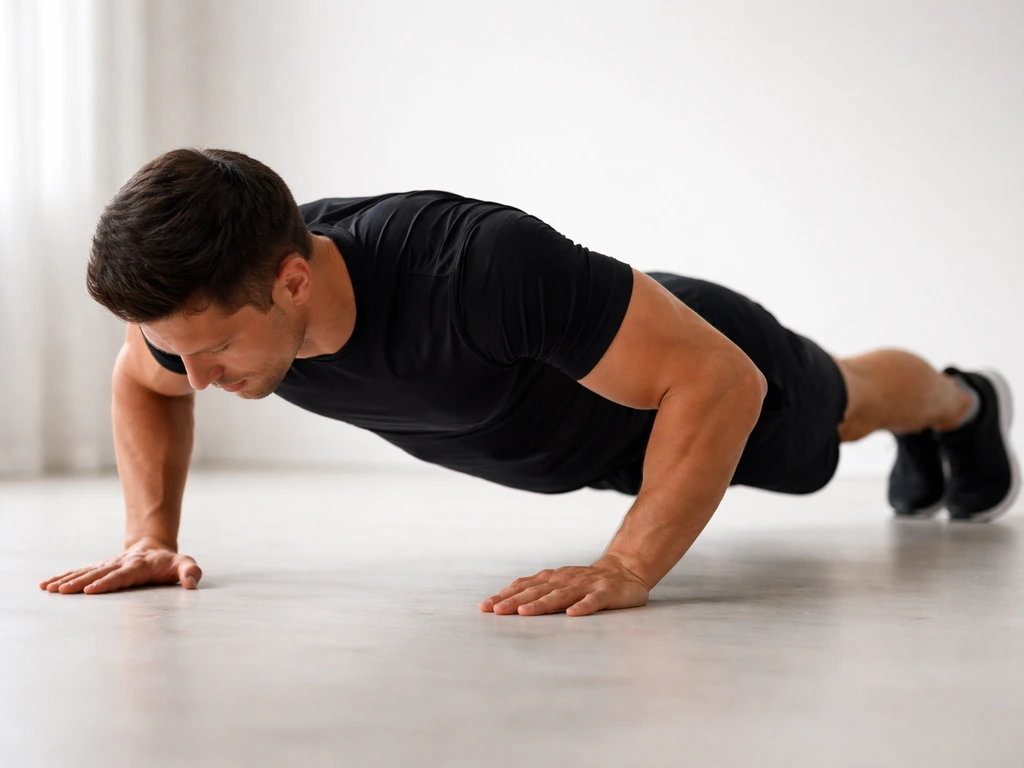
If you're a beginner, start with the hex bar or conventional deadlift with a light-to-moderate load, focus on the six technique cues above, and aim for 3 sets of 8 reps twice a week. Add weight when those sets feel genuinely manageable for several sessions in a row. Don't rush to heavy loads in the first two months. The foundational strength and movement pattern you build in that period is what lets you handle the loads that actually produce serious muscle growth later. If you want to know what muscles push-ups grow, focus on the chest, shoulders, and triceps, and then adjust difficulty to drive enough weekly effort what muscles do push ups grow.
If you're an intermediate looking to add size specifically, add Romanian deadlifts as a second pull variation in your program. Do them after your main deadlift or on a separate day, 3 to 4 sets of 8 to 12 reps, and focus on controlling the eccentric all the way down. Track your weekly posterior chain volume and make sure you're hitting at least 10 sets between deadlift variations and any supplementary exercises like leg curls or hip thrusts.
The bigger picture is that deadlifts are one of the most efficient tools in a muscle-building program because the volume of musculature they train in a single movement is hard to match. Understanding why muscles grow larger and stronger in weightlifters also helps explain how deadlifts drive hypertrophy through progressive overload why do muscles grow larger and stronger in weightlifters.
Understanding which muscles grow and why gives you the leverage to make intentional choices about variation, technique, and volume rather than just pulling heavy and hoping for the best. If you want to compare exercise types, what muscles does swimming grow is a useful adjacent question because it highlights how different training modes shift emphasis across the body. Push-ups can also build upper-body muscle, especially the chest, shoulders, and triceps when you train them with enough effort and progression.
In general, the slowest muscle group to grow is often the one you train with the least effective volume and tension, which can vary by your leverage, technique, and deadlift variation what muscle takes the longest to grow. Combined with adequate protein, enough sleep, and consistent progressive overload, the muscle growth from deadlifts is as reliable as any exercise you'll find.
FAQ
If I feel my lower back more than my glutes, does that mean my deadlifts will not grow glutes?
It depends on how much of the pull you perform with hip extension versus compensating with back extension. If you “buckle” and your hips rise fast, the erectors and quads often take over, so glute and hamstring growth can lag. For targeted growth, aim for a consistent hip hinge, keep the bar close, and finish each rep with a controlled lockout and a brief glute squeeze.
How can I tell which muscles deadlifts are really growing if I do not get sore?
Not always. Soreness can be highest in muscles that are simply working hardest to stabilize and brace, which might not be the same muscles you want to grow. The more reliable sign is whether your glute or hamstring-focused volume (sets and reps you can progress) is actually accumulating weekly, while keeping technique stable across sets.
Can deadlifts alone build glutes and hamstrings, or do I need accessories too?
Yes, but only within your total weekly posterior-chain volume. If deadlifts replace other hamstring or glute work entirely, growth can stall if you are not reaching a sufficient number of hard sets per muscle per week. If you deadlift twice weekly, you can often keep volume efficient by adding RDLs only when your conventional pulling cadence is not giving enough hamstring-specific tension.
Which deadlift variation is best for gluteus maximus versus gluteus medius?
Glutes can grow from deadlifts, including gluteus medius emphasis with sumo, but the upper limit of stimulus is often technique and load. If you cannot achieve consistent hip extension at the top, or you let the knees collapse inward, gluteus maximus work drops. For higher gluteus maximus priority, conventional with a full lockout and a short squeeze is usually more direct than sumo.
Does tempo (slow down the eccentric, pause at the bottom) change which muscles grow from deadlifts?
More than people think, especially in your hamstrings and erectors. Reps that turn into “speedy” hinge patterns usually reduce time under tension and can shift demand toward joint-stabilizing muscles. A practical cue is to slow the eccentric, then control the start so your knee angle and hip angle change smoothly rather than abruptly.
Will going heavy early help muscle growth from deadlifts, or does it just increase fatigue?
Yes, if you are using enough weekly sets and letting your body adapt. However, starting too heavy too soon can create a cycle where your erectors and grip fatigue reduce your ability to progress volume. For most trainees, building from moderate loads in the 6 to 12 rep range for several weeks first is a better path for both growth and technique consistency.
What changes should I make to grow from deadlifts if my lower back feels easily irritated?
You can, but you need to avoid letting the exercise become a “back pull.” If you have lower-back sensitivity, the hex bar often allows a more upright torso and shorter lumbar moment arm, but you still must brace and hinge correctly. Another common adjustment is reducing range slightly at first (for example, blocks under the plates) to build glute and hamstring tension while the back tolerance catches up.
If my goal is hamstring size, how do I know whether conventional deadlifts are enough versus switching to RDLs?
You typically will not get maximal hamstring hypertrophy from conventional deadlifts alone if your knee angle changes too much during the start and you shift demand toward quads. If hamstrings are the priority, adding Romanian deadlifts helps because the hinge emphasizes lengthening under tension with less knee flexion change. A useful check is to see whether your hamstrings fatigue more during RDLs than during conventional pulls after the same week of training.
Are straps acceptable if I want forearm growth from deadlifts?
Forearm and finger flexor growth is possible, but it is conditional on grip demand and not using straps too often. Double overhand usually provides the highest forearm demand, while heavy mixed grip reduces finger-flexor work because the bar is less likely to roll. If grip limits your top sets, you may still grow bigger legs and back, but forearm hypertrophy may be slower than with dedicated grip work.
Do deadlifts build lats enough, or do I need rows and pulldowns too?
Most people should treat deadlifts as posterior-chain volume producers, not as the main “prime mover” for every muscle. If you want direct lats, you need to ensure a stable shoulder position before the pull and keep the bar path close, but you usually still benefit from additional rowing or pulldown volume to fully capitalize on lat hypertrophy potential. Deadlifts can contribute, especially to mid-back thickness, but they rarely replace all back exercises for everyone.
Can older adults use deadlifts for muscle growth, and which muscles should they expect to notice first?
Yes, especially if you train frequently enough and recover well, but it depends on your joint tolerance. Deadlifts can increase core stability by challenging deep stabilizers repeatedly, yet higher spinal loading demands can slow adaptation. For older adults, a common approach is fewer hard sets, slower progression, and using the hex bar more often, keeping session-to-session stiffness within a few days.
How should I count deadlift volume toward weekly set goals for glutes, hamstrings, and back?
A good rule is to target posterior-chain weekly sets for the muscles you want to grow, rather than counting “one deadlift session equals one stimulus.” For example, if you do conventional deadlifts plus RDLs, count those sets toward glute, hamstring, and back totals, and ensure you still accumulate enough hard sets across the week. If progress stalls for 8 to 12 weeks, adjust either weekly sets, rep range, or load progression rather than adding more random variations.
Why might I get stronger from deadlifts but not see visible muscle growth yet?
Most timelines still apply, but the bottleneck can be recovery and learning rather than hypertrophy biology. If you are already fit or returning after a break, muscle changes might start later than the early strength gains suggest. Tracking performance (reps at a stable load or load at a stable rep range) for 8 to 12 weeks gives a better indicator of whether you are creating enough growth stimulus than relying on appearance alone.