The best protein powder for muscle growth is one that gives you a complete amino acid profile with enough leucine to trigger muscle protein synthesis, fits your digestive tolerance and diet, and actually gets used consistently. That last part matters more than most people realize. For the majority of people training regularly, whey concentrate or whey isolate is the go-to because it digests quickly, has a high leucine content, and has the most research behind it. But if you're vegan, lactose intolerant, or on a tight budget, there are solid alternatives that can get you to the same place. Let me walk you through exactly how to think about this.
Best Protein Powder to Grow Muscle: Buyer Guide

Marcus Kellerman
24 Mar 2026
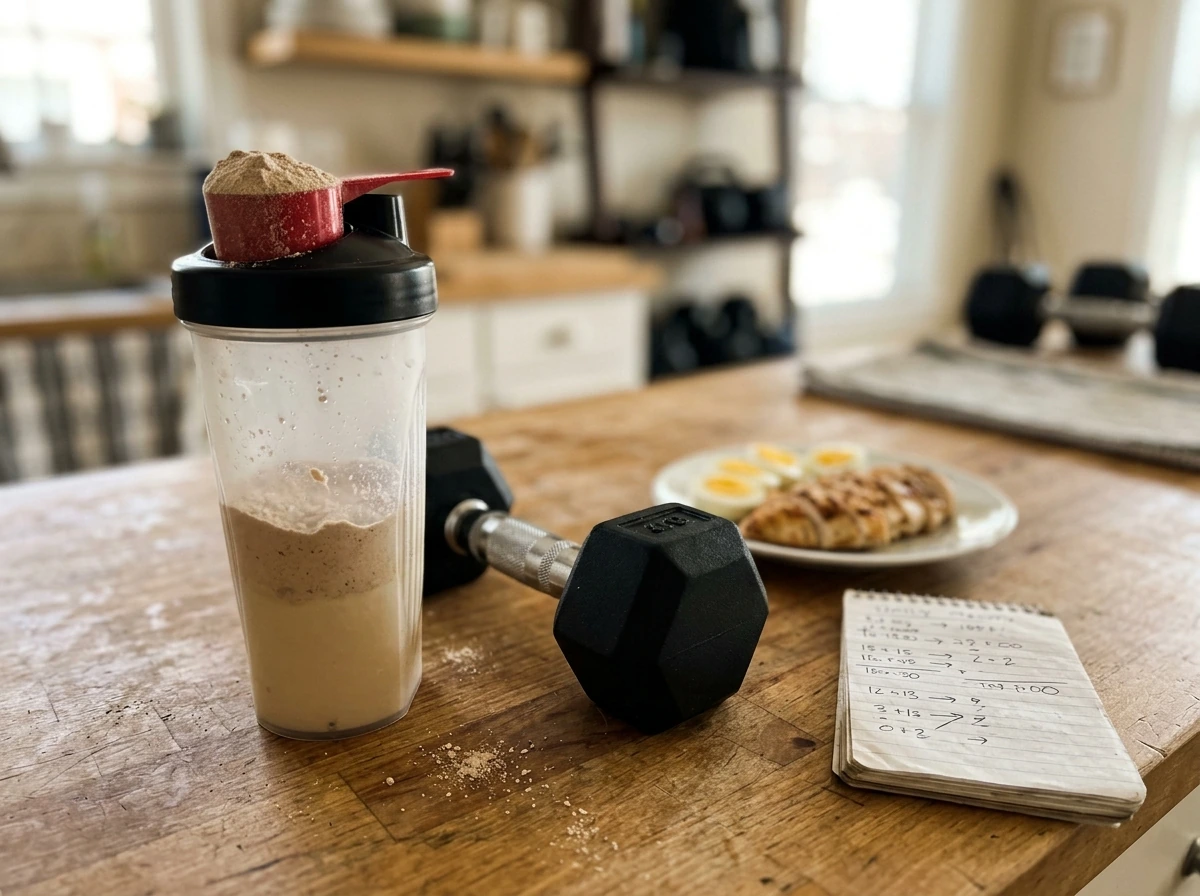
What 'best protein' actually means for muscle gain
Marketing language around protein powder is all over the place, so it helps to have a clear framework for what actually matters. When you're trying to build muscle, a protein's quality comes down to a few specific things, not the brand, the packaging, or the flavoring.
- Leucine content: Leucine is the key amino acid that flips the switch on muscle protein synthesis. A single dose needs enough leucine (roughly 2–3 g) to meaningfully stimulate this process. This is why whey, which is naturally high in leucine, has dominated the research for so long.
- Complete amino acid profile: A complete protein contains all nine essential amino acids your body can't make on its own. Whey, casein, and eggs are complete. Many plant proteins are not, which is why blending matters for plant-based options.
- Digestibility and absorption rate: How quickly (or slowly) a protein is absorbed affects when and how your muscles get those amino acids. Fast-digesting proteins like whey spike amino acid levels quickly. Slow-digesting proteins like casein release them gradually over hours.
- Protein per serving relative to fillers: A label might say 30 g per scoop, but if a large chunk of that is carbohydrates and fat, your actual protein is lower. Check the protein-per-calorie ratio.
- Third-party testing: This one isn't about muscle growth directly, but it's about getting what's on the label without contaminants. More on this in the safety section.
One of the most important findings in recent research is that leucine adequacy can largely close the gap between protein sources. A 12-week randomized controlled trial found no significant differences in muscle growth or strength between soy and whey protein when the two were matched for leucine content. That's a direct challenge to the idea that whey is always superior. The source matters less than the amino acid delivery. That said, animal proteins do appear to have a small edge over non-soy plant proteins in general, based on a 2024 systematic review and meta-analysis, but the gap isn't as dramatic as supplement marketing implies.
How much protein you actually need to build muscle
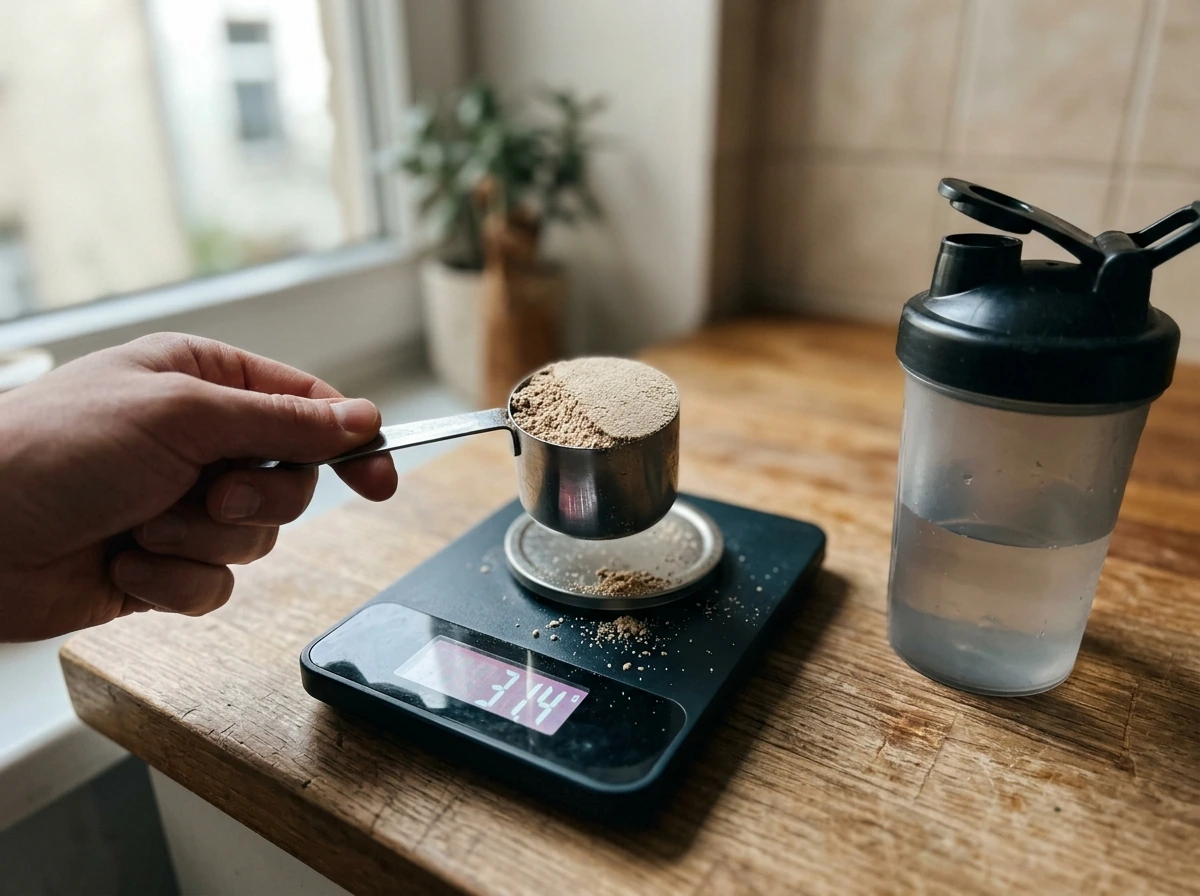
Daily protein targets
The International Society of Sports Nutrition (ISSN) positions 1.4–2.0 g of protein per kilogram of bodyweight per day as sufficient for most people doing resistance training. For a 180 lb (82 kg) person, that's roughly 115–164 g of protein daily. If you're dieting down while trying to hold onto muscle, that range can go higher, up to 2.3–3.1 g/kg/day, to protect lean mass during a caloric deficit. For straight-up muscle building at maintenance or a slight surplus, aiming for around 1.6–2.0 g/kg/day is a practical sweet spot. Research by Morton et al. Morton et al.’s protein supplementation meta-analysis also reports a plateau-style ceiling around ~1.6 g/kg/day for resistance training-induced gains, rather than continually increasing benefits beyond that point. found that protein's benefit for hypertrophy tends to plateau at about 1.6 g/kg/day for most people in a resistance training context, meaning going dramatically above that number probably won't add much for muscle growth specifically.
Per-meal dosing
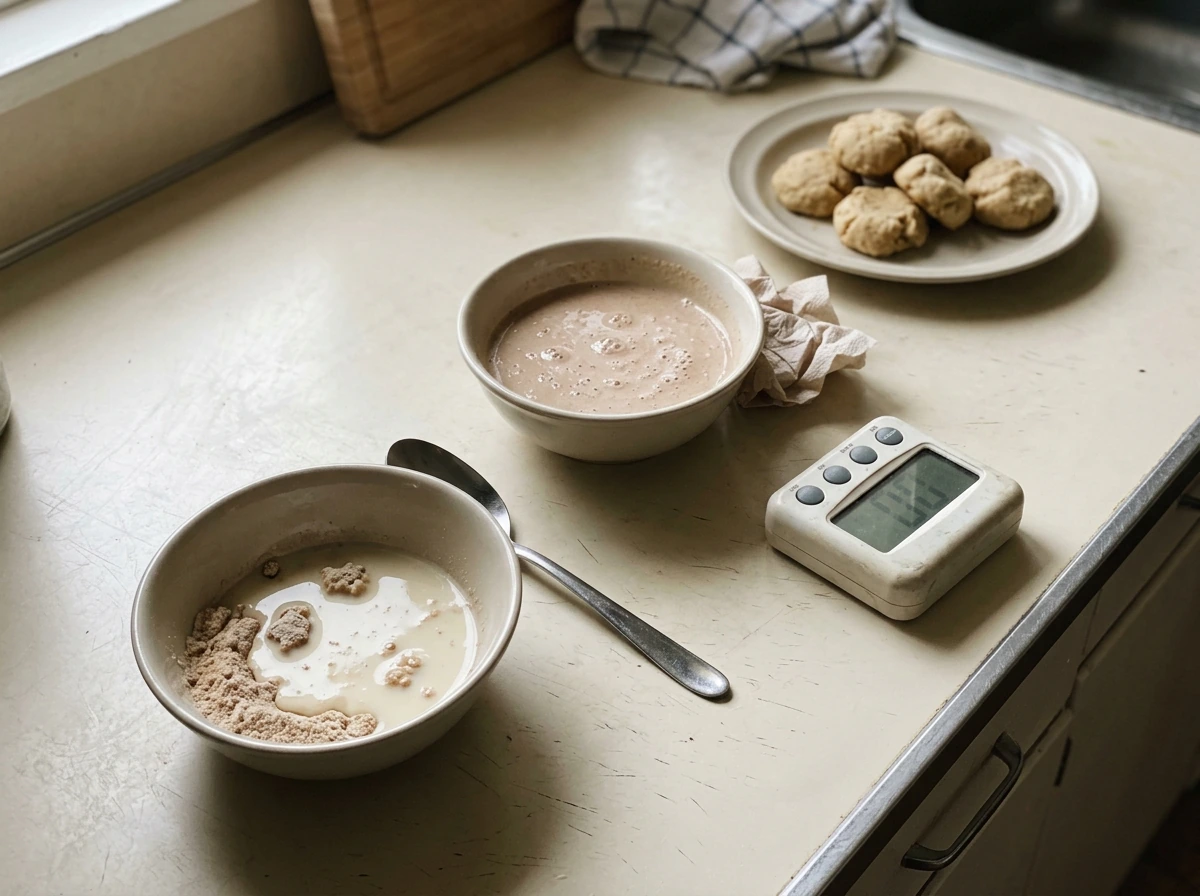
How you spread that protein across the day matters. The ISSN recommends consuming roughly 20–40 g of high-quality protein per dose (approximately 0.25–0.40 g/kg per meal) spaced every 3–4 hours. That's typically 4–5 protein-containing meals or meals plus shakes across the day. Stacking all your protein into one or two meals isn't optimal because muscle protein synthesis is limited per sitting. You get better use out of your total intake when it's distributed throughout the day.
Timing around your workouts
Protein timing around resistance training is real but probably overstated. Consuming protein before or after your workout does synergize with resistance exercise to drive muscle protein synthesis. An 8-week trial found that consuming 24 g of whey protein before and after training improved lean mass and body composition compared to a carbohydrate placebo. That said, other trials show little difference in hypertrophy outcomes when total daily protein is already adequate. The honest take: prioritize hitting your total daily target first, and then yes, <having a protein source within an hour or two of your workout> is a smart secondary habit. It's not magic, but it's not pointless either.
The main protein powder types compared
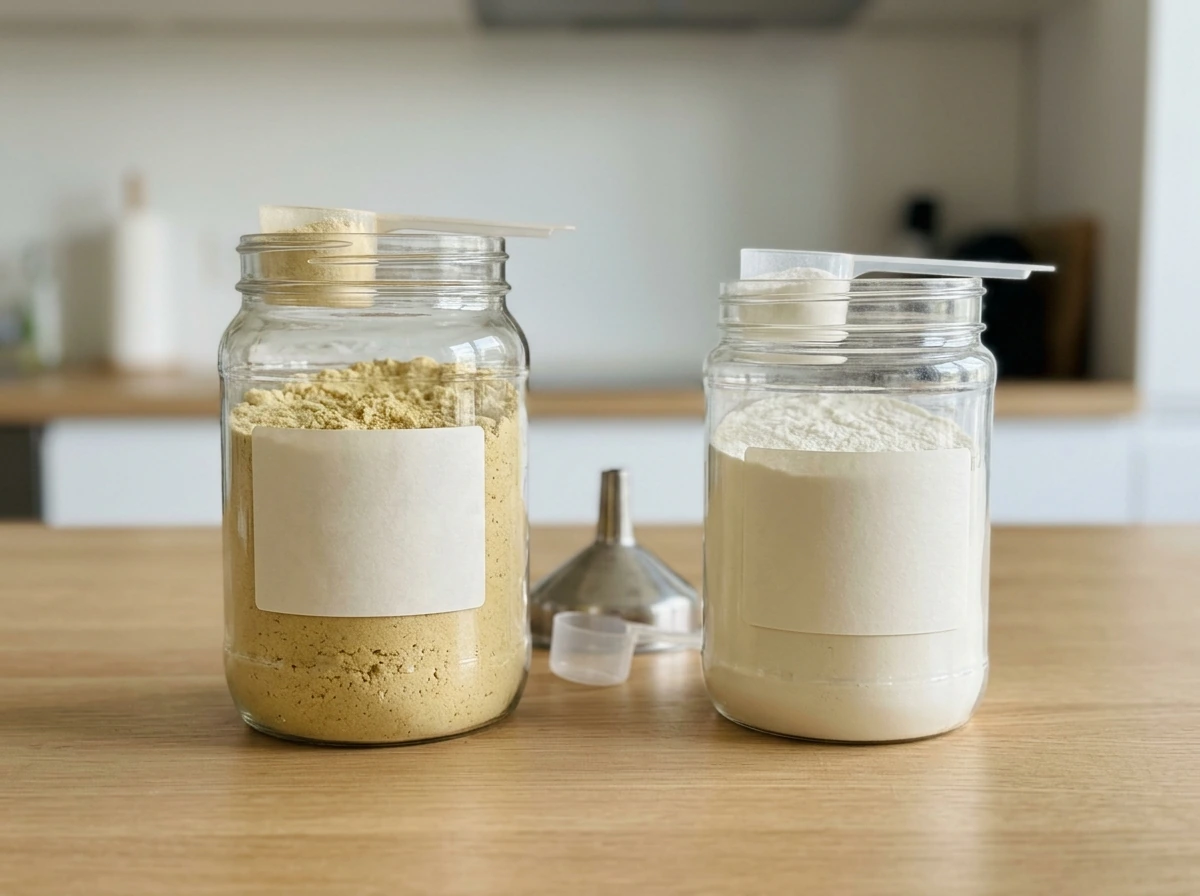
Here's a practical breakdown of the major categories. Each has a legitimate use case depending on your situation.
| Type | Digestion Speed | Leucine Content | Lactose | Best Use Case | Cost |
|---|---|---|---|---|---|
| Whey Concentrate | Fast | High (~10–11%) | Low–moderate | General muscle building, post-workout | Budget-friendly |
| Whey Isolate | Fast | High (~10–11%) | Very low (most filtered out) | Lactose sensitivity, lean bulking, post-workout | Mid-range |
| Casein | Slow (6–8 hours) | Moderate | Low–moderate | Pre-sleep, between meals, appetite control | Mid-range |
| Hydrolysate (whey) | Very fast | High | Very low | Fastest absorption, post-workout, GI sensitivity | Premium |
| Plant Blends (pea + rice, etc.) | Moderate | Variable (depends on blend) | None | Vegan/vegetarian, dairy-free, lactose intolerance | Varies |
Whey concentrate
This is the most common and affordable option. Whey concentrate is typically 70–80% protein by weight, with small amounts of lactose and fat remaining. It digests quickly, has a strong leucine profile, and has decades of research supporting its use for hypertrophy. If you're not lactose intolerant and you're watching your budget, this is a perfectly solid default choice.
Whey isolate
Isolate goes through extra processing to get the protein content up to about 90%+ and filter out nearly all the lactose. If concentrate causes bloating or digestive discomfort, isolate usually fixes that. It's slightly more expensive per serving, but it's a good upgrade if GI comfort is a real issue for you. The muscle-building effect is essentially the same as concentrate when you're hitting your leucine and daily protein targets.
Casein
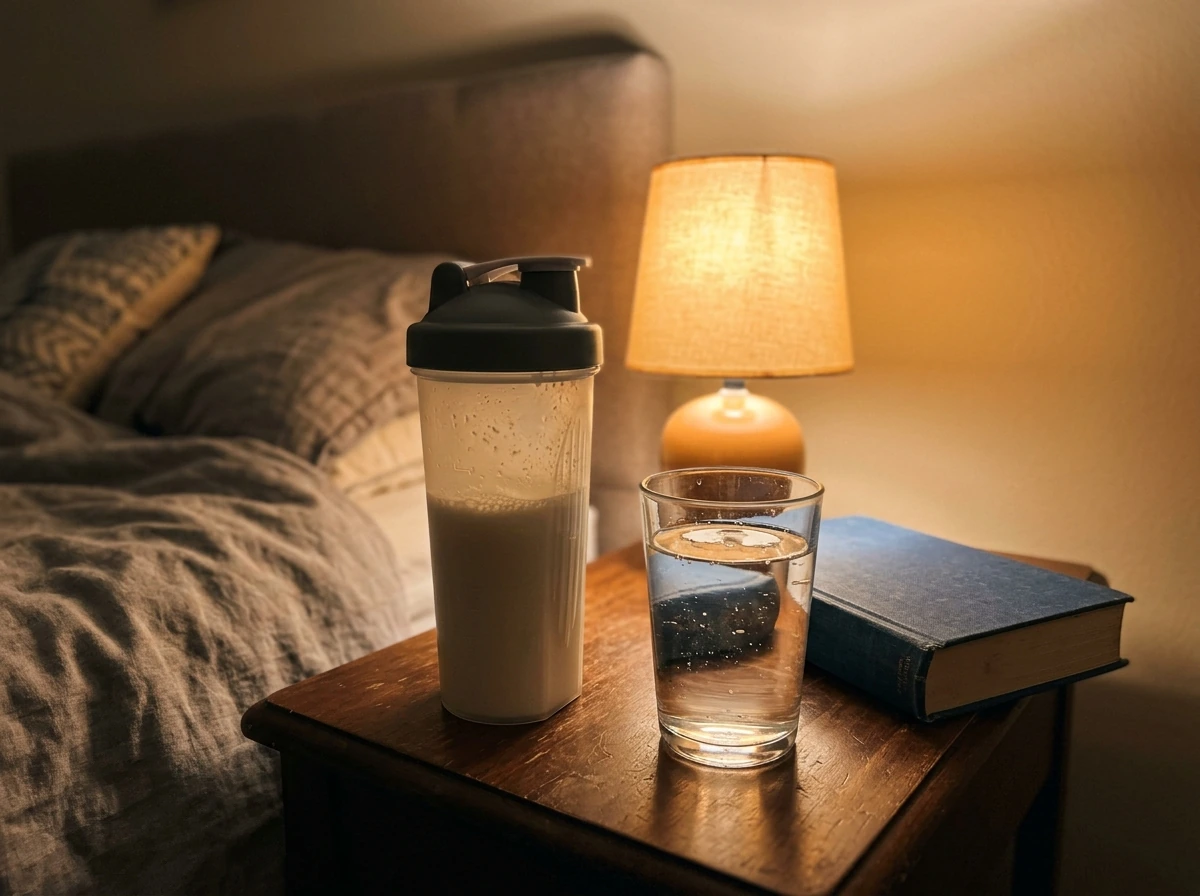
Casein is the slow-digesting dairy protein, and it has a specific, research-backed use case: pre-sleep protein. A randomized controlled trial in older men found that 40 g of casein before sleep increased overnight muscle protein synthesis rates compared to smaller doses or placebo. A 2020 systematic review confirmed that consuming around 30–40 g of casein roughly 30 minutes before bed stimulates muscle protein synthesis through the night. This is worth doing if you're serious about maximizing recovery. Casein can also be useful between meals when you want a slower-releasing protein source to stay in a positive amino acid balance for longer. It's thicker in texture, which makes it great in overnight oats or Greek yogurt-style recipes, but not ideal for a quick post-workout shake.
Hydrolysates
Hydrolyzed proteins are pre-digested, meaning they break down and absorb even faster than isolate. The practical benefit for most people is minimal because regular whey already absorbs quickly enough for post-workout purposes. Where hydrolysates can make sense is for people with serious gastrointestinal sensitivity or for athletes who need rapid amino acid delivery in high-volume training blocks. The cost premium is significant, and for most recreational lifters the extra speed isn't going to move the needle on muscle growth.
Plant-based blends
Single-source plant proteins like pea or rice alone tend to be incomplete or low in specific amino acids. Blending pea and rice protein together creates a more complete amino acid profile that starts to approximate whey's profile. Research now supports this approach: the soy-versus-whey leucine-matched trial showed that when amino acid adequacy is met, muscle growth outcomes are similar. The key is to look for blends (not single-source plant proteins) and check the leucine content. You may need a slightly larger serving compared to whey to hit the same leucine threshold. Plant proteins are the right call for vegans, vegetarians, and anyone with a dairy allergy or intolerance.
Picking the right powder for your specific situation
Rather than giving one universal recommendation, here's how to match the type to your needs.
- You want the most research-backed, no-fuss option: Go with whey concentrate. It's cost-effective, well-studied, and gets the job done for the vast majority of people building muscle.
- You're lactose intolerant or have a sensitive stomach: Choose whey isolate or a plant-based blend. Isolate removes almost all the lactose. If dairy is off the table entirely, go for a pea-plus-rice blend from a reputable brand.
- You're vegan or vegetarian: A high-quality plant blend is your best option. Look for one that lists leucine content or includes leucine-enriched formulas. Soy protein is also a solid complete option if you're not avoiding it.
- You want to maximize overnight recovery: Add casein before bed. You can stack this with your regular whey during the day. Around 30–40 g of casein 30 minutes before sleep is what the research supports.
- You're on a tight budget: Whey concentrate gives you the best protein per dollar. Buying in larger quantities (5 lb bags) reduces cost per serving significantly. Don't let the budget be the reason you skip protein powder entirely.
- You're an older adult (50+): Protein needs don't decrease with age, and if anything, older adults may need to be more intentional about hitting the higher end of the range (closer to 2.0 g/kg/day) to counteract age-related declines in muscle protein synthesis efficiency. Whey isolate or casein at night are both well-supported options for this group.
- You want the fastest absorption possible and money isn't a concern: Hydrolysate is your option, though the practical benefit for most people is marginal compared to regular isolate.
How to actually use protein powder correctly
Serving size and timing
Stick to 20–40 g of protein per serving. Going well above 40 g in one sitting doesn't provide meaningfully more muscle protein synthesis in that window, so you're better off splitting that into two separate doses spread 3–4 hours apart. Scoop size varies by brand, so check the actual protein grams on the label rather than assuming one scoop equals one optimal dose.
Shake vs. whole food
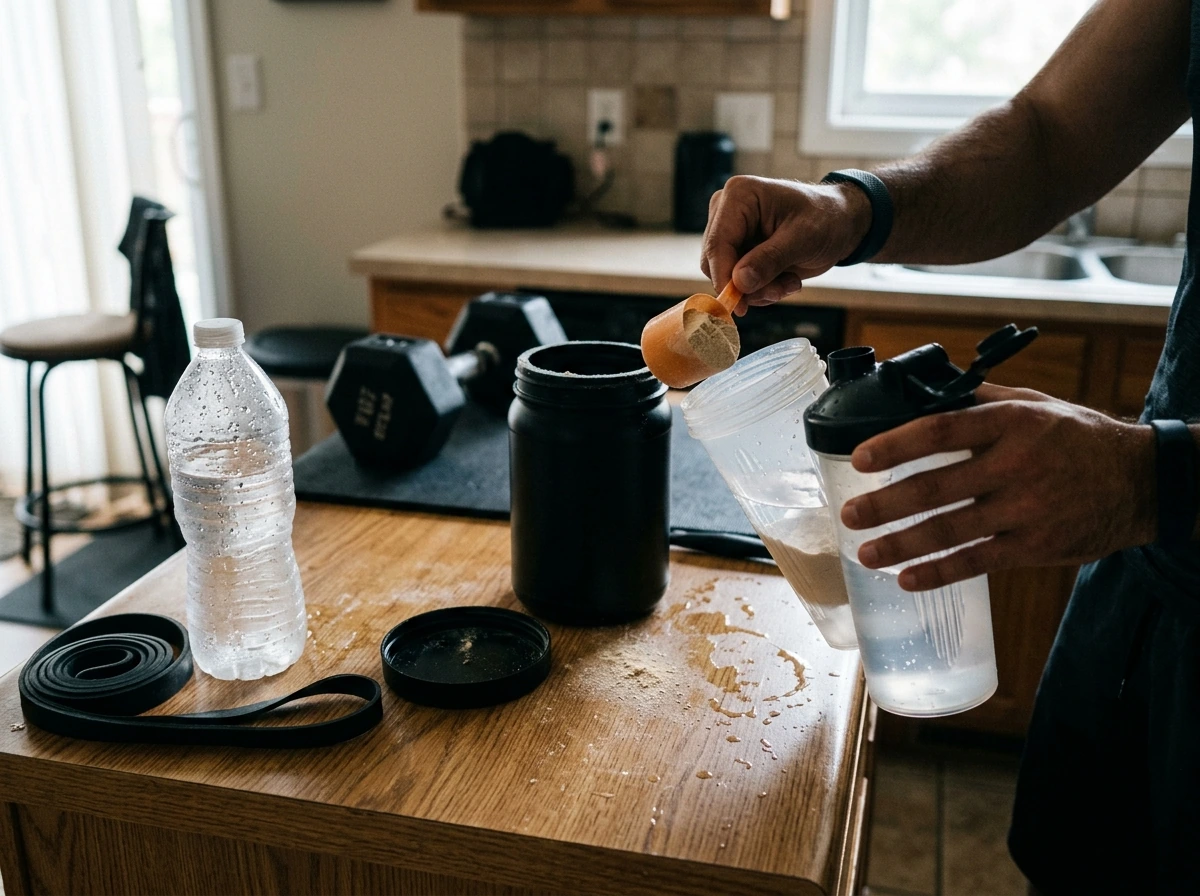
Protein powder is a supplement, not a replacement for real food. Whole food sources like eggs, chicken, Greek yogurt, fish, and legumes come with micronutrients, fiber, and other compounds that protein powder doesn't provide. A practical approach is to use protein shakes to fill the gaps where whole food is inconvenient, like post-workout when you're in a rush, first thing in the morning when you need something fast, or as a bedtime casein dose. If you can get your daily protein target entirely from whole food, that's great. Most people find 1–2 shakes per day makes hitting the target realistic without obsessing over every meal.
Workout window
If you want to be strategic, have a protein source within about an hour before or after your training session. A whey shake right after training is a practical, fast option. But don't stress if you eat a meal with protein 90 minutes before training. The total daily intake is the bigger lever. Consistency over weeks and months is what drives muscle growth, not chasing perfect 30-minute post-workout windows every day.
Making it stick
The best protein powder is the one you'll actually use regularly. If a flavor or texture makes you dread drinking it, try a different brand or flavor. Mix it with milk instead of water if you want more calories and a creamier texture. Add it to oatmeal, smoothies, or yogurt to break the routine. Consistency is the single most underrated factor in whether protein supplementation actually helps you build muscle over time.
What to realistically expect: timelines and limiting factors
Protein powder won't build muscle by itself. It's a tool that works within a system. If that system isn't in place, you'll spend money on powder and see minimal results. Here's what actually limits muscle growth in most people.
- Training stimulus: Progressive overload, meaning progressively lifting heavier or doing more work over time, is non-negotiable. Protein powder supports recovery from training, but it can't create muscle growth without the training driving the adaptation in the first place.
- Total calorie intake: You can't build muscle efficiently in a significant calorie deficit. A modest surplus of 200–300 calories per day above maintenance gives your body the energy margin to add new tissue. If you're under-eating overall, extra protein won't compensate.
- Sleep: This is where most of the actual muscle repair and growth hormone release happens. Shortchanging sleep consistently is one of the fastest ways to stall progress despite good training and nutrition.
- Overall diet quality: Protein powder addresses one macronutrient. Your carbohydrate intake fuels your training and replenishes glycogen. Micronutrients from vegetables and whole foods support hormonal function, immune health, and recovery.
- Consistency over time: Most beginners can see noticeable muscle and strength gains in 6–12 weeks with consistent training and adequate protein. More experienced lifters gain more slowly, often only 1–2 lbs of lean muscle per month under ideal conditions. There's no shortcut here.
Beginners tend to see results fastest because they're responding to a new stimulus. If you're new to resistance training and start hitting 1.6–2.0 g/kg/day of protein with consistent training, you'll likely notice strength gains within 2–3 weeks and visible muscle changes within 6–12 weeks. For intermediate and advanced lifters, the timeline stretches out and the margin for error tightens. Either way, protein powder is one piece of a larger puzzle that includes training, sleep, and overall nutrition. If you want to go deeper on the full picture of what supports muscle growth beyond protein, like the best supplements to grow muscle, that's worth exploring separately.
Safety, quality, and what to watch for on labels
Third-party testing matters more than you think
The supplement industry in the U.S. is not as tightly regulated as pharmaceuticals, which means what's on the label isn't always what's in the tub. Heavy metal contamination, including arsenic, cadmium, lead, and mercury, has been identified in protein powder samples in multiple independent analyses and consumer investigations. Plant-based and dairy-based proteins have both been implicated, as these metals are present in soil and can accumulate in ingredients. This isn't a reason to avoid protein powder, but it is a reason to buy from brands that use third-party testing.
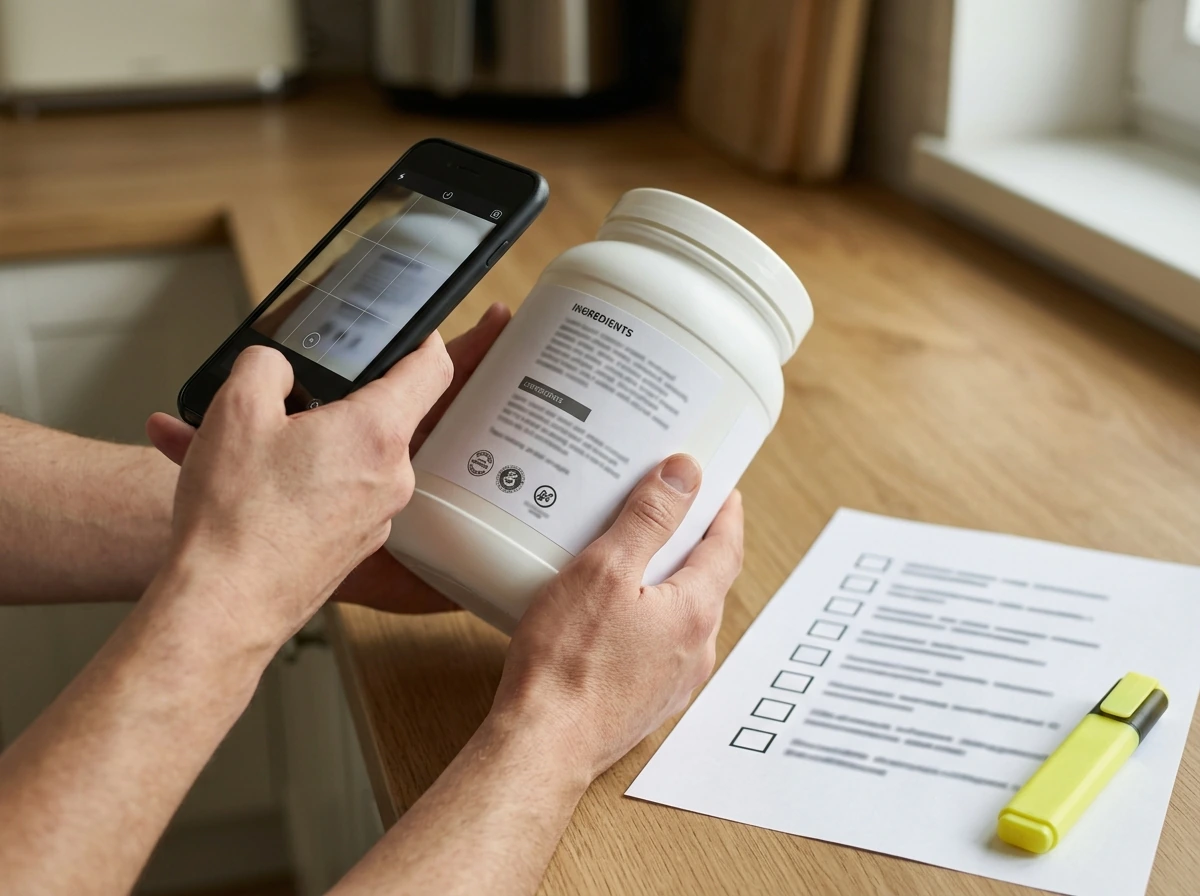
Three certifications worth looking for on labels: NSF Certified for Sport, Informed Choice (or Informed Sport), and USP Verified. NSF uses risk-based criteria for contaminant levels and tests for banned substances. Informed Choice tests for banned substances through blind sampling at least monthly after certification, though it notes that no program can screen for every possible prohibited substance. USP Verified indicates the product has met strict testing criteria for purity and label accuracy. Any of these marks significantly reduces your risk of getting a product that's mislabeled or contaminated.
Reading the ingredient label
Look for a short ingredient list. Protein source (whey, casein, pea, etc.) should be first. Watch out for proprietary blends that obscure how much of each ingredient you're actually getting. Avoid powders with excessive added sugars if you're managing calories carefully. Artificial sweeteners are generally fine for most people in normal supplement quantities, but if they cause GI discomfort for you specifically, look for naturally sweetened alternatives.
Side effects and digestion
Most people tolerate whey and plant proteins well at normal serving sizes. The most common issues are bloating, gas, or loose stools, and these often come down to lactose sensitivity (solved by switching to isolate or plant protein) or consuming too large a dose at once (solved by splitting servings). High protein intakes in healthy people without pre-existing kidney disease are not associated with kidney damage based on current evidence. If you have existing kidney or liver conditions, talk to your doctor before significantly increasing protein intake. Protein powder is not a drug and doesn't require cycling or breaks for healthy adults, but it also shouldn't crowd out a varied, whole-food diet.
Your practical starting point
If you want a concrete starting plan: calculate your bodyweight in kilograms (pounds divided by 2.2) and multiply by 1.6–2.0 to get your daily protein target in grams. Aim to spread that across 4–5 meals or snacks, each providing 20–40 g of protein. Use a whey concentrate or isolate shake to cover the gaps where whole food isn't convenient, and if you're serious about overnight recovery, try 30–40 g of casein before bed. Buy only from brands with NSF, Informed Choice, or USP third-party certification. And remember: the powder is supporting your training, not replacing it. Get the training consistent, get the sleep, and eat enough overall calories. The protein powder just helps you hit the numbers more easily.
FAQ
If I want the best protein powder to grow muscle, should I take more than one serving per shake?
Start with your daily protein target first, then choose the powder based on how many grams of protein you need per serving. A practical approach is to aim for 20 to 40 g per dose and check the label protein grams, since “one scoop” can vary a lot by brand. If you are short on protein, use another serving or split doses rather than assuming a higher scoop size will automatically boost muscle growth.
Is it worth adding extra shakes if I already hit my daily protein grams?
Yes, but only when you are already hitting your daily protein and training targets. If you are not meeting total protein, adding a second shake can be useful, especially on busy days. If you already reach your daily grams, extra protein usually does not meaningfully increase hypertrophy, so you may be better off improving meal distribution or overall calories.
What if I can’t take protein before or after my workout, does it matter?
The “best” timing for muscle growth is mostly about consistency with your total intake. If you can only do one thing, take protein within an hour or two of training, but do not ignore meals that fall earlier or later. If your schedule is irregular, prioritize meeting daily protein and include a casein dose before bed if you struggle to hit protein at night.
Does mixing protein powder with milk instead of water help muscle growth?
You can mix protein with water for convenience, but using milk increases calories and can slightly improve satiety, which may help if you are trying to gain. If you have GI issues, milk can make symptoms worse, especially if lactose is involved. For lactose intolerance, choose isolate or a lactose-free option, or mix with lactose-free milk.
Are single-source pea or rice protein powders enough to grow muscle?
Yes, because “complete” amino acid delivery depends on the amino acid profile and leucine threshold, not just total protein. For plant powders, look for a blend (often pea plus rice) and check leucine per serving if the label provides it. You may need a larger serving than whey to match the same leucine adequacy, so compare serving sizes carefully.
Should I use protein powder only while dieting, or all year?
It depends on your situation. If you are cutting calories and struggle to eat enough, protein powder can help you maintain protein without adding many other foods. If you can consistently hit protein from whole foods, powder becomes optional. A good decision rule is whether powder helps you reach your target protein grams on the days you would otherwise miss them.
How often should I change protein powder brands or types?
If you are already within a reasonable daily protein range, the bigger lever is your total daily grams and training consistency, not brand switching. That said, you may change powders to solve adherence issues like bloating, taste fatigue, or budget. If your current powder upsets your stomach, switching to isolate or a blended plant option can improve consistency, which often matters more than the “perfect” type.
Do I need to cycle protein powder, or can I use it year-round?
For most people, no. You generally do not need to “cycle” protein powder for healthy adults, since it is just food protein. Consider changing types only to match a specific need, like using casein before bed for slower digestion or isolate if whey concentrate causes discomfort.
Can I use casein instead of whey for my workout shake?
Yes, but expect different texture and dosing needs. Casein is thicker and often tastes better in recipes, and it is usually used for a pre-sleep dose around 30 to 40 g rather than a quick post-workout shake. If you use casein post-workout, you can still build muscle, but it may be less convenient for people who want fast drinking and easier digestion.
What should I do if protein powder causes bloating or diarrhea?
The common GI issues are bloating, gas, or loose stools, usually from lactose in whey concentrate or from too-large doses at once. Fixes include switching to whey isolate, using a plant blend, mixing with water and drinking slower, and splitting into smaller servings across the day. If symptoms persist, consider a different brand because ingredient additives and sweeteners can also contribute.
What label details matter most if I’m buying the best protein powder to grow muscle?
Look for third-party testing marks such as NSF Certified for Sport, Informed Choice or Informed Sport, or USP Verified. Then check that the ingredient list is straightforward and that it is not relying heavily on proprietary blends that obscure how much protein you get. Also verify that the label’s protein per serving matches what you intend to use in your daily total.
Is it safe to increase protein if I have a kidney or liver condition?
For people with known kidney disease or significant liver problems, you should talk to a clinician before increasing protein substantially, even if the general population does not show kidney harm with higher protein intake. If you have risk factors but no diagnosed disease, focus on staying within recommended ranges rather than going extreme. When in doubt, get personalized guidance.
Do I need carbs with my protein shake to gain muscle?
Carbs and calories around training can affect performance and muscle gain indirectly, but protein still drives the key muscle protein synthesis stimulus. If you train hard and struggle to hit enough total calories, combining protein with a carbohydrate source in your shake or snack can help you recover and keep your training intensity. If you are not struggling with calories, a higher-protein shake alone is usually sufficient.