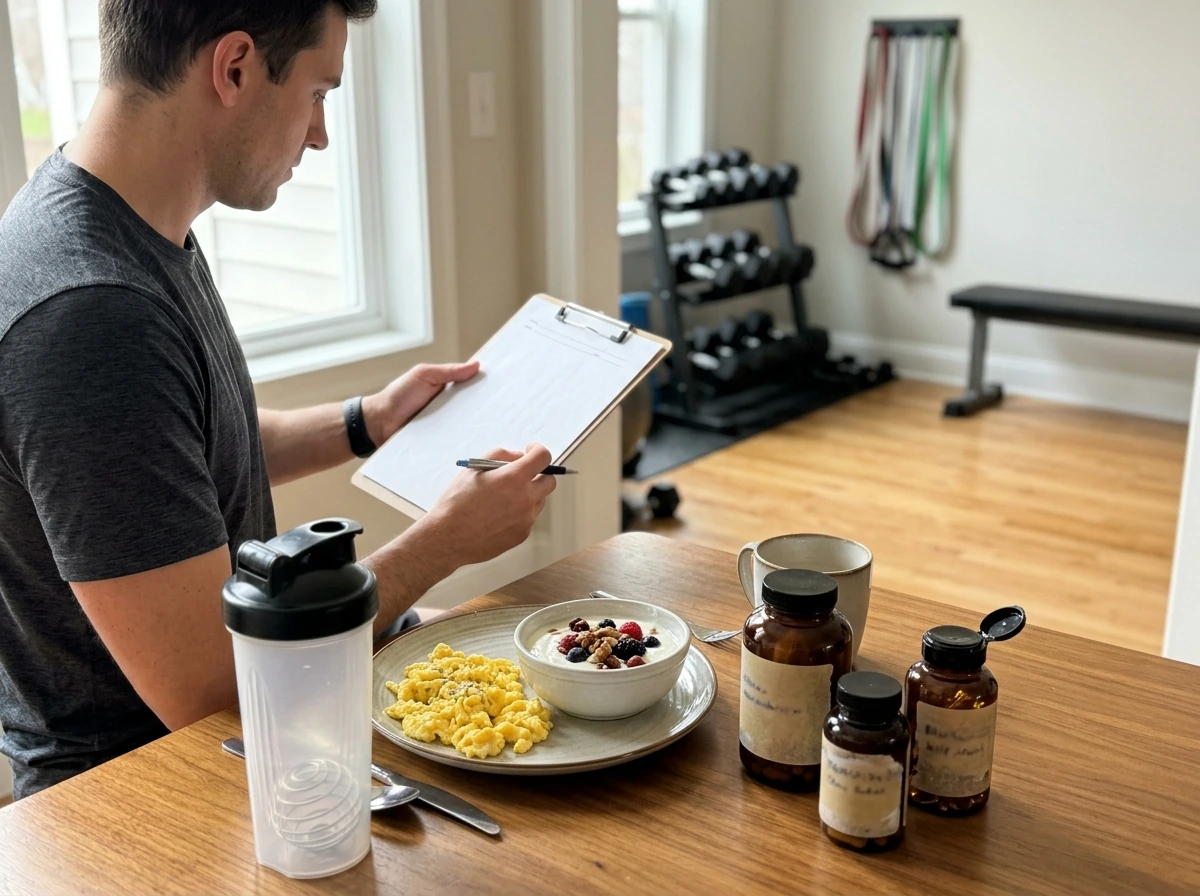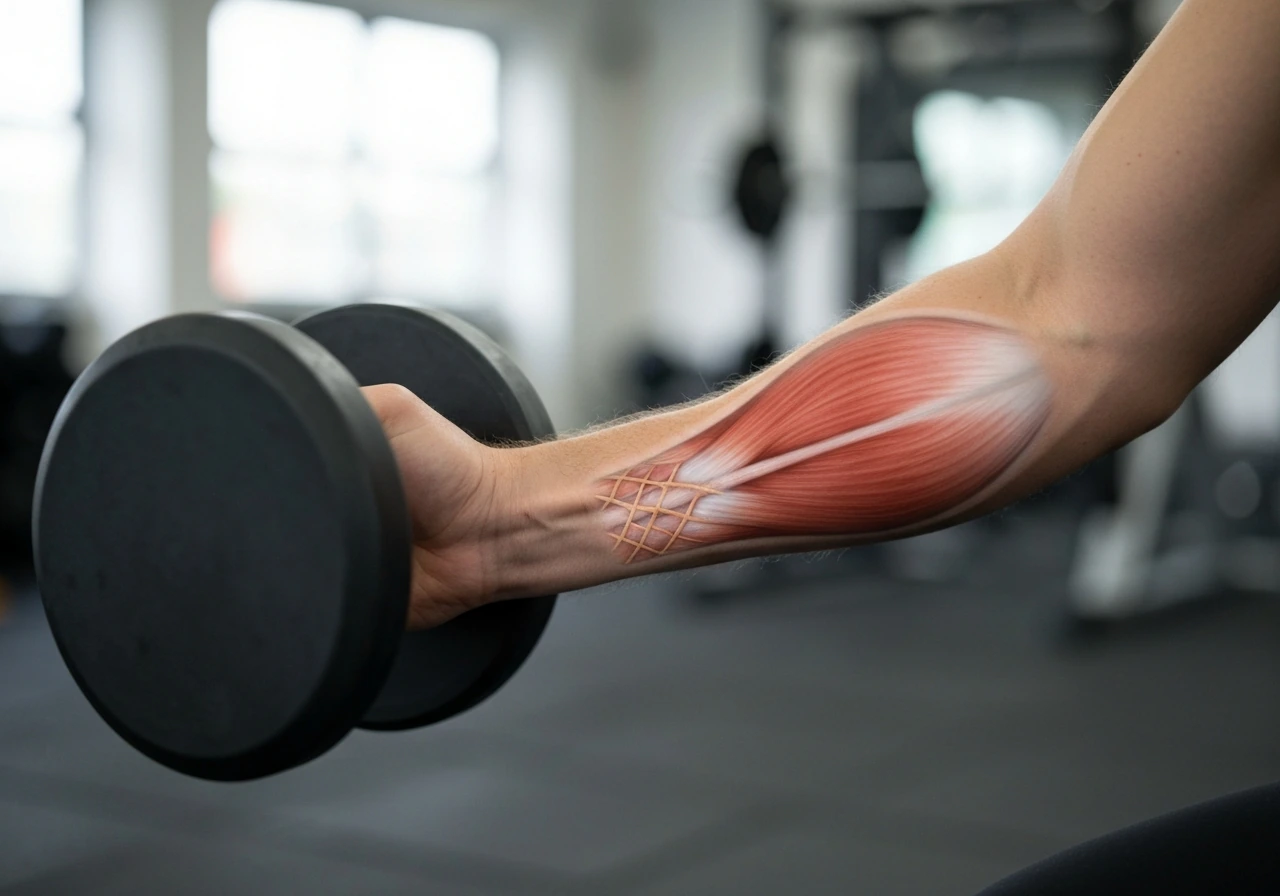
The short answer: a small handful of supplements are genuinely worth your money, a couple more are situationally useful, and most of the stuff lining gym shelves is noise. If you're already training consistently, eating enough calories, and hitting your protein targets, the supplements that actually move the needle are protein powder (as a convenience tool), creatine monohydrate, and a few micronutrients if you're deficient. Everything else either has weak evidence or works only in narrow conditions. Let's break it all down so you can build a stack that actually makes sense.
Best Supplements to Grow Muscle: What Works Today

Marcus Kellerman
24 Mar 2026
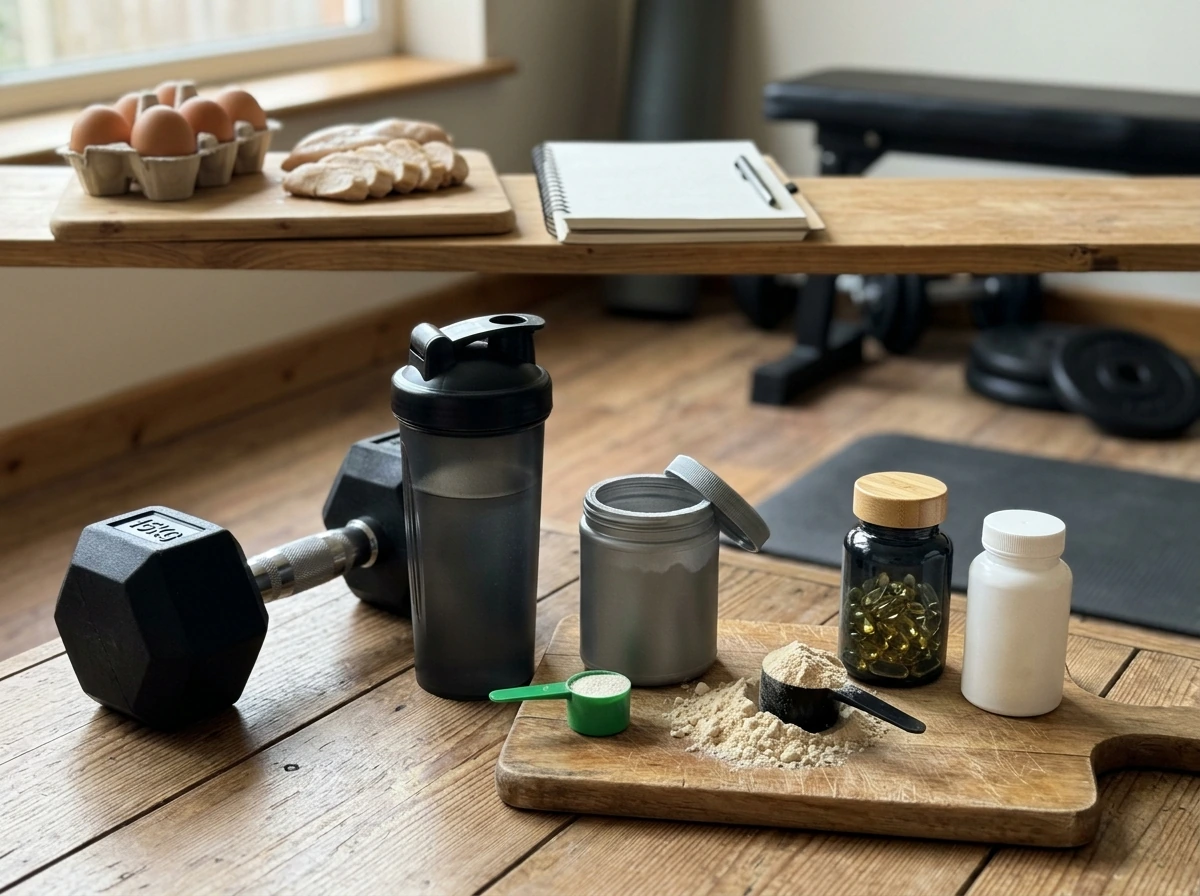
Do you actually need supplements to grow muscle?
Honestly, no. Supplements are not required to build muscle. People have been gaining strength and size for decades on whole food and consistent training, and that hasn't changed. What actually drives muscle growth is progressive resistance training, sufficient total calories, enough protein, and adequate recovery. If you want the most direct answer to what helps muscles grow, focus on progressive resistance training paired with enough calories, protein, and recovery. If you're trying to figure out which of these nutrients helps muscles grow strong, use the same fundamentals first and then choose supplements that support protein, calories, and recovery. If those four things are in place, you will grow muscle. Supplements can help you do that more conveniently or, in a couple of specific cases, more effectively at the margin. But they don't replace the fundamentals.
That said, there are real situations where supplements become practical or even important. If you struggle to hit your daily protein target from whole food, a protein shake genuinely helps. If you train hard and want to squeeze more performance out of each session over months and years, creatine has some of the best evidence in sports nutrition. And if you're deficient in vitamin D or eating a diet that falls short on certain micronutrients, correcting those gaps will matter for your training more than any fancy pre-workout formula. So the question isn't whether you need supplements at all. It's which ones are actually justified for your situation.
The best evidence-based supplements for muscle growth

Here's the honest tier list based on where the research actually lands. There are really only a few supplements with strong, consistent evidence for helping you build muscle or supporting the training that builds muscle. Everything else sits in a much murkier category.
| Supplement | Evidence Level | Primary Benefit | Who Benefits Most |
|---|---|---|---|
| Protein powder (whey, casein, plant-based) | Strong | Hitting daily protein targets | Anyone struggling to reach protein from food alone |
| Creatine monohydrate | Strong | Strength output, lean mass over time | Untrained to intermediate lifters; older adults for performance |
| Omega-3 fatty acids (EPA/DHA) | Moderate | Muscle protein synthesis support, lower-body strength in older adults | Older adults; people with low dietary fish intake |
| Vitamin D3 | Moderate (if deficient) | Muscle strength and power | Anyone with confirmed deficiency; adults over 50 |
| Carbohydrates (peri-workout) | Moderate | Maintaining glycogen for high-volume sessions | Intermediate to advanced lifters doing high-volume training |
| Beta-alanine | Weak for hypertrophy | Buffering fatigue in high-rep/aerobic-anaerobic work | Endurance-adjacent training; not a muscle-builder per se |
| HMB | Not supported for trained individuals | Possibly lean mass in untrained beginners only | Skip unless you are completely untrained and cannot use creatine |
That table tells most of the story. Protein and creatine sit at the top because the evidence is consistent across multiple meta-analyses and systematic reviews. Omega-3s and vitamin D are worth considering depending on who you are. The rest require much more nuance before they earn a spot in your supplement cabinet.
Protein intake, timing, and how supplements fit in
Protein is the single most important nutritional variable for muscle growth, and getting your daily total right matters more than almost anything else you do with nutrition. The International Society of Sports Nutrition recommends 1.4 to 2.0 grams of protein per kilogram of body weight per day for most people who are training. If you're in a calorie deficit and trying to hold onto lean mass while losing fat, that number can go higher, up to 2.3 to 3.1 g/kg/day. For a 180-pound person (about 82 kg), that's roughly 115 to 165 grams per day in a normal muscle-building phase.
Protein powder's real job is helping you hit that daily number without cooking six chicken breasts. Whey is the most studied option and has solid meta-analytic support alongside resistance training for improvements in lean mass and muscular strength. Casein digests more slowly and works well before sleep if you're trying to maximize overnight protein synthesis. Plant-based blends (pea plus rice, for example) can match whey's effectiveness when leucine content is comparable. The full breakdown on choosing between them is worth its own deep dive, but for now: pick one that you'll actually use consistently and that fits your dietary needs.
Timing gets more attention than it deserves. The research is genuinely mixed here. Some meta-analyses find a small but significant benefit to consuming protein within an hour after training. Others find no meaningful hypertrophy or strength difference between immediate post-workout protein and protein consumed later. What the evidence does consistently support is that if an anabolic window exists, it's probably wider than one hour, and your total daily intake drives outcomes far more than the clock. That said, if having a protein shake after training helps you hit your daily total and makes the habit easier, do it. Practical adherence beats theoretical optimization every time.
One thing that does matter with timing: if you train in a fasted state or haven't eaten in many hours, getting some protein around your session becomes more relevant. Context determines how important timing actually is for you specifically.
Creatine and the other core performance supplements
Creatine monohydrate: the most proven supplement in the gym
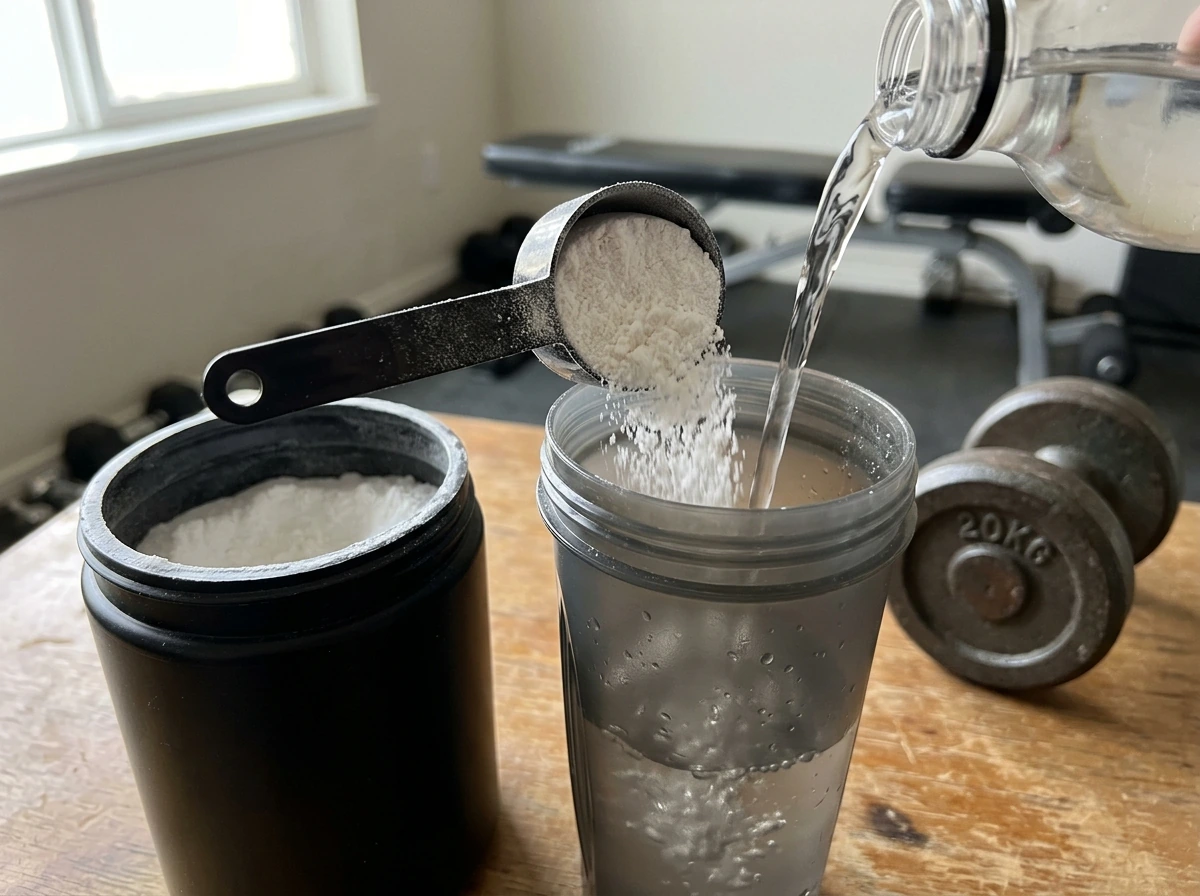
If you're only going to add one supplement to your routine beyond protein, make it creatine monohydrate. The evidence base here is as strong as it gets in sports nutrition. A systematic review and meta-analysis in adults under 50 found that creatine supplementation combined with resistance training improved upper-body maximal strength by about 4.4 kg and lower-body strength by about 11.4 kg compared to resistance training with a placebo. Those are meaningful numbers. A 2025 meta-analysis also found that untrained individuals showed particularly strong strength improvements, which is relevant if you're newer to lifting.
Creatine works by increasing the availability of phosphocreatine in your muscles, which helps regenerate ATP during high-intensity efforts. That means you can do more reps, lift more weight, and sustain higher quality training over time. The muscle growth that follows is largely a downstream effect of that increased training output, though there may also be direct effects on muscle protein synthesis and cell hydration. Either way, the outcome data is clear.
One important caveat from the research: the same meta-analysis found no significant effect on strength in females across the included studies. That doesn't mean creatine doesn't work for women at all, and other research suggests it may have benefits for older women in particular, but it's worth knowing the evidence is more nuanced by sex than supplement marketing would have you believe.
How to dose creatine
There are two approaches. The loading protocol involves taking 20 to 25 grams per day, split into four doses, for five to seven days. This saturates your muscle creatine stores faster. After that, you drop to a maintenance dose of 3 to 5 grams per day. The alternative is to skip loading entirely and just take 3 to 5 grams daily from the start. You'll reach the same saturation point in about three to four weeks rather than one. If you want results faster, load. If you don't care about the timeline, skip loading and just be consistent. Timing within the day doesn't matter much. Post-workout with a meal works fine, but it's not critical.
Beta-alanine: useful but not a muscle builder
Beta-alanine is often marketed alongside creatine as a muscle-building combo, but its evidence profile is quite different. It helps buffer lactic acid and delay fatigue during sustained high-intensity efforts, which shows up most clearly in aerobic-anaerobic transition zone work like high-rep sets, circuits, or sports with repeated sprints. The hypertrophy-specific evidence is weak. If your training involves a lot of volume-based work and you're already on top of protein and creatine, beta-alanine might help you push harder in those sessions. But if you're doing standard strength training with moderate reps, it's not a priority.
Supporting lean mass with carbs, omega-3s, vitamin D, and other micronutrients
Carbohydrates around training
Carbohydrates aren't traditionally listed as a muscle-building supplement, but for anyone doing high-volume resistance training, they matter more than people realize. Evidence from carbohydrate supplementation research shows that taking in carbs before and during high-volume sessions helps maintain muscle glycogen, which sustains training quality through later sets. You're not going to get the same stimulus in your fifth working set if your glycogen tank is running low. For most recreational lifters doing three or four sets per exercise, this isn't a major concern if they've eaten a reasonable meal beforehand. For people doing 15 to 25 sets per session, it's worth thinking about.
Post-workout carbs also help restore glycogen faster, which matters most if you're training again within 24 hours. A practical approach: eat a carb-containing meal one to two hours before training and include carbs in your post-workout meal. You don't need a specialized intra-workout carb product unless you're doing very long, high-volume sessions or training multiple times per day.
Omega-3 fatty acids
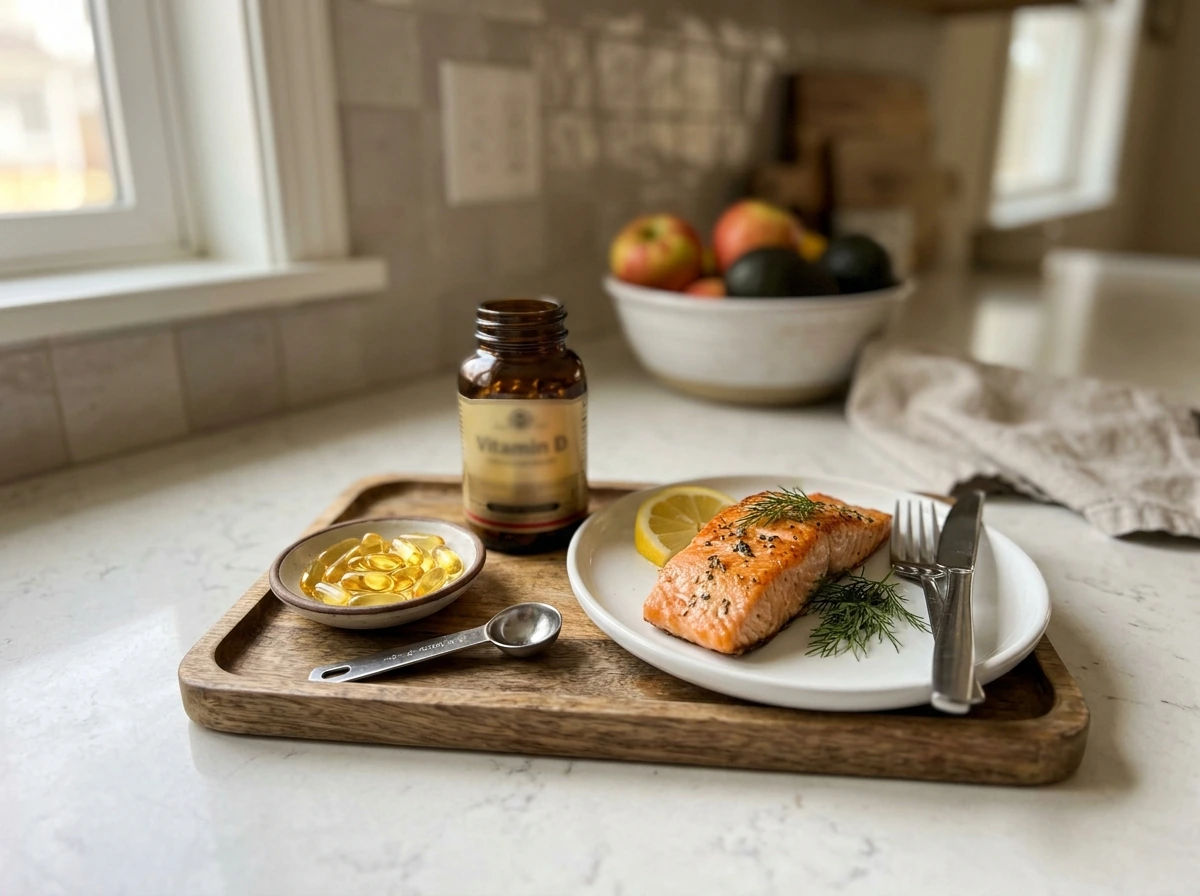
Omega-3s (specifically EPA and DHA from fish oil) have a growing body of evidence supporting their role in muscle health, particularly for older adults. A meta-analysis of omega-3 supplementation in older adults found improvements in lower-body strength, especially when combined with resistance training, though the effect sizes were modest. The mechanism likely involves omega-3s' role in reducing muscle inflammation and potentially enhancing muscle protein synthesis signaling. Some intervention studies have used doses around 1.2 grams EPA and 0.8 grams DHA daily alongside training. If you eat fatty fish (salmon, mackerel, sardines) two to three times per week, you may not need a supplement. If you don't, a quality fish oil or algae-based omega-3 is a reasonable addition, especially if you're over 50 or in an intense training block.
Vitamin D
Vitamin D deficiency is extremely common, and it matters for muscle function. A meta-analysis on vitamin D supplementation in athletes found that effects on upper and lower limb strength and power were contingent on baseline deficiency status. Put simply: if you're deficient, correcting it can meaningfully support your strength output. If your levels are already adequate, supplementing more probably won't do much. This is one supplement where getting a blood test first actually makes sense. The STURDY trial used doses ranging from 200 to 4,000 IU per day in adults over 70 with low baseline levels, giving you a sense of the range clinically studied. For most people who are deficient, 1,000 to 2,000 IU per day is a reasonable starting point, though a physician should guide exact dosing based on your labs.
Magnesium and other micronutrients
Magnesium is frequently promoted for muscle function and recovery, but a meta-analysis on magnesium supplementation found no significant improvements in muscle strength or power when pooled across studies. The takeaway is the same as vitamin D: if you're genuinely deficient, correcting the gap matters. If you're not deficient, adding more isn't going to unlock extra gains. For most people eating a varied diet with enough calories, targeted micronutrient supplementation is rarely necessary. A basic multivitamin can serve as an insurance policy if your diet is inconsistent, but treat it as a gap-filler, not a muscle-builder.
Building your supplement stack: what to prioritize and what to skip
The best supplement stack is a short one. Most people benefit from two or three well-chosen supplements far more than a shelf full of products. Here's how to build yours practically.
- Start with protein. Before anything else, figure out whether you're hitting 1.4 to 2.0 g/kg/day from your diet. If yes, you may not need protein powder at all. If no, add one or two shakes per day to close the gap. Whey post-workout or with a meal is the simplest approach.
- Add creatine monohydrate. Take 3 to 5 grams per day consistently. Load if you want faster results (20 to 25 g/day split across four doses for five to seven days), then drop to maintenance. Any timing works; consistency is what matters.
- Check vitamin D status. If you live in a northern climate, spend most of your time indoors, or are over 50, there's a reasonable chance you're deficient. A blood test will tell you. If you're low, supplement with 1,000 to 2,000 IU daily and reassess.
- Consider omega-3s if you don't eat fatty fish regularly. Aim for a combined 1.5 to 2 grams of EPA plus DHA per day from a quality fish oil or algae-based supplement. More relevant if you're an older adult or in heavy training blocks.
- Eat carbs before high-volume sessions. This isn't a supplement in the pill sense, but making sure you have a carb-containing meal one to two hours before training is one of the most underused performance strategies.
- Skip HMB, most proprietary blends, and anything marketed as a 'muscle booster.' HMB shows no meaningful effect in trained individuals. Most proprietary formulas are a combination of underdosed ingredients wrapped in expensive marketing.
What to realistically expect and when
Creatine is the fastest-acting supplement in this stack. Within the first one to two weeks of a loading protocol, you'll likely notice slightly better performance in your training sessions, partly because of increased intramuscular water retention in muscle tissue and partly from the enhanced ATP regeneration. Over eight to twelve weeks of consistent use combined with progressive training, strength gains become measurable. Protein hitting its targets shows up in better recovery and slower muscle loss during calorie deficits, but don't expect scale weight to spike from protein powder alone. Vitamin D and omega-3 improvements are slower and more background-level, supporting the overall environment for muscle adaptation rather than producing dramatic short-term changes.
For older adults specifically: all of these supplements remain relevant, and some become more important. Creatine's effect on strength is well documented across age groups. Omega-3s show their clearest benefit in older adults. Vitamin D becomes more critical as skin synthesis decreases with age and time outdoors often declines. Don't let age be a reason to avoid these tools. The physiology that responds to training and supplementation doesn't disappear at 50 or 60. It just needs a bit more intentional support.
Monitoring your progress
Track a few simple things: your training performance (weight lifted and reps per set over time), your body weight trends, and ideally a monthly progress photo or tape measurement. If strength is going up and you're maintaining or gaining body weight while eating at a slight surplus, the stack is working. If nothing's moving after eight to twelve weeks despite consistent training and protein intake, the issue is almost certainly training volume, sleep, or calorie intake, not which supplements you're taking. Supplements amplify good fundamentals. They can't replace them.
FAQ
If I’m already hitting my protein target with food, do I still need protein powder to grow muscle?
Usually no. Protein powder is mainly a convenience tool. If you can consistently reach your daily grams from whole foods, skip it or use it only on busy days. The main risk with skipping it is not the powder, it’s accidentally falling short on total protein on some days.
Which creatine form is best, and should I avoid “creatine blends”?
Creatine monohydrate is the best-supported option. Blends can work, but you may be paying extra for ingredients that do not add proven muscle-building benefit. If you choose a blend, check that the effective dose of monohydrate is clear and hits the usual 3 to 5 grams per day (or the loading schedule if you load).
Do I need to load creatine for results, or can I start with maintenance?
You can skip loading. Maintenance at 3 to 5 grams daily from day one reaches saturation in about three to four weeks, versus about one week with loading. If stomach discomfort is an issue, skipping loading is often the easier option, since loading can increase GI upset for some people.
How long should I run a creatine or protein powder change before judging it?
For creatine, evaluate over 8 to 12 weeks alongside consistent progressive training. For protein, judge by whether your weekly average protein stays in range and your performance and recovery improve, which usually shows up sooner as better training quality. Avoid short experiments like one week and expecting hypertrophy to show.
Will creatine make me gain weight, and is that fat or water?
Early scale increases are often water-related, due to greater muscle creatine and glycogen hydration. It is typically not fat gain. Track weight trends over multiple weeks and pair it with waist measurements or progress photos, since day-to-day water swings can be misleading.
Is creatine safe for kidneys, especially if I have kidney disease risk?
For healthy people, creatine is generally considered safe within recommended doses. If you have known kidney disease, reduced kidney function, or a strong family history, discuss with a clinician before starting, and consider getting baseline labs. Also avoid combining multiple high-dose “pre-workout” or supplement products that may raise overall stress on the system.
Does creatine work the same for women as for men?
The evidence shows some differences in strength outcomes across study samples. That does not mean women cannot benefit, but results can be more variable. If you are a woman and you do try creatine, judge success by gym performance and strength trend over time, not just marketing claims.
When is the best time to take protein, and do I need it immediately after training?
Immediate post-workout timing matters less than total daily protein and your overall calorie and training consistency. If you train fasted or go many hours between meals, adding protein closer to your session can help you hit the daily target. Use timing mainly to improve adherence, not to chase a narrow anabolic window.
What protein type should I choose, whey, casein, or plant blends?
Pick based on digestion, tolerance, and leucine content. Whey is convenient and well-studied. Casein can be useful before sleep because it digests more slowly. Plant blends can work well if the product delivers enough leucine per serving and you can reach your total grams consistently.
How much carbohydrate should I add if my workouts are high volume or I train twice per day?
A practical rule is to prioritize carbs before and after training, especially on high-set or high-frequency days. If you train again within 24 hours, include enough carbs post-workout to restore glycogen, and aim to keep the overall daily diet supportive of your activity. Intra-workout carbs are most useful when sessions are long, intense, or you have minimal time between workouts.
Do omega-3s help muscle growth directly, or are they only for inflammation?
Omega-3s are more about muscle health and recovery support than direct hypertrophy. The strongest practical case is for older adults or those who rarely eat fatty fish. If your diet already includes fatty fish several times per week, the incremental benefit may be small.
Should I take omega-3s if I’m younger and eat fish sometimes?
If you eat fatty fish two to three times per week, you may not need a supplement. If you rarely eat fish, a supplement can be more reasonable. Also consider dose and consistency, since occasional use tends to be less likely to create measurable changes.
Do I need a blood test for vitamin D, and what if I can’t get one?
A blood test is ideal because benefits are most tied to baseline deficiency. If testing is not possible, use cautious dosing and do not megadose. A reasonable approach is to start conservatively and reassess with labs when you can, since too much vitamin D can cause problems over time.
Is magnesium worth it if it didn’t improve strength in studies?
If magnesium labs or diet suggest you are deficient, correcting intake can help overall function. If you are not deficient, studies do not show reliable strength or power gains from extra magnesium. In practice, choose magnesium for gap-filling or sleep comfort, not as a primary muscle-building driver.
What is a “minimum effective” supplement stack for most people trying to grow muscle?
A short stack is usually protein powder only if needed to hit daily protein, creatine monohydrate, and then only one micronutrient support if you are deficient or have a diet gap (common examples are vitamin D or omega-3 if you do not eat fatty fish). If everything in your diet and training is solid, adding more rarely beats fixing training volume, sleep, or calories.
How do I troubleshoot if my supplements are not working?
First verify adherence to fundamentals: progressive resistance training, a consistent weekly calorie surplus or at least not chronic under-eating, and protein that averages within your target range. If those are on track for 8 to 12 weeks and nothing changes, adjust training volume and recovery before adding more supplements. Supplements can amplify, but they cannot compensate for low effort, too little total protein, or inadequate sleep.