Here's the honest answer upfront: no pill magically grows muscle fast. But there are a handful of well-researched supplements that meaningfully accelerate what hard training and good nutrition are already doing. If you're searching for the best pills to grow muscle fast, you're really asking which supplements have real science behind them, how much to take, and what to expect. That's exactly what this guide covers.
Best Pills to Grow Muscle Fast: Evidence-Based Stack

Marcus Kellerman
24 Mar 2026
What 'grow muscle fast' actually means
Let's set a realistic baseline, because the word 'fast' means very different things depending on who's asking. A complete beginner with a solid program and good nutrition can gain roughly 1 to 2 pounds of actual muscle per month in the first year. An advanced lifter might gain a quarter of that. No supplement changes this ceiling dramatically, but some can help you get closer to your personal ceiling more consistently.
The physiological process of muscle growth, called hypertrophy, requires three things to happen: mechanical tension from lifting (you have to actually stress the muscle), enough protein and calories to repair and build new tissue, and sufficient recovery time for that rebuilding to happen. Supplements work by supporting one or more of these requirements, not by bypassing them. With that framing in mind, the timeline for seeing noticeable changes from adding the right supplements alongside training is typically 4 to 8 weeks for strength and performance gains, and 8 to 16 weeks for visible changes in muscle size.
Before you buy anything, get this foundation right
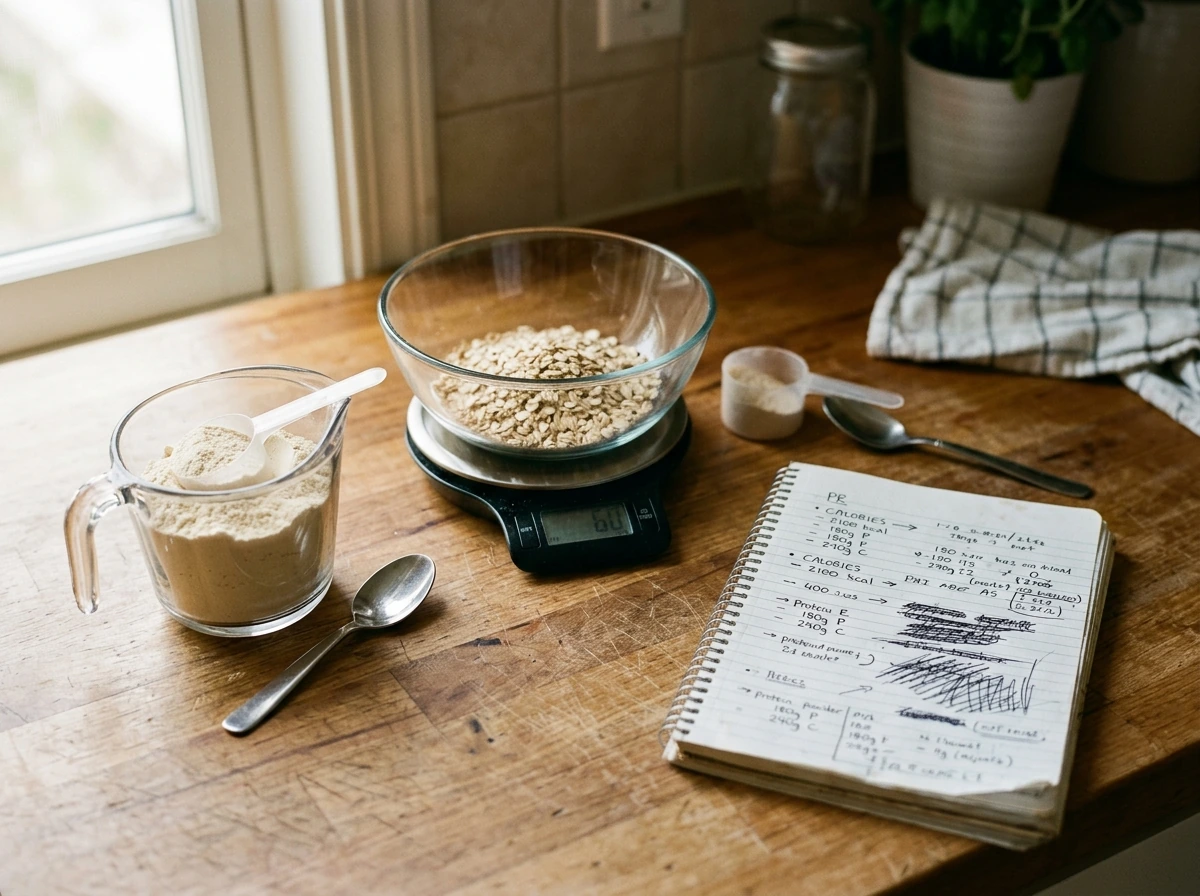
I say this not to be preachy, but because it genuinely matters: supplements do almost nothing if the basics are off. They're called supplements for a reason. Here's what has to be in place first.
Protein intake
The International Society of Sports Nutrition recommends 1.4 to 2.0 grams of protein per kilogram of bodyweight per day for most people who are training. For a 180-pound (82 kg) person, that's roughly 115 to 165 grams of protein daily. If you're in a calorie deficit trying to retain muscle while losing fat, that target goes even higher: 2.3 to 3.1 g/kg/day. Most people aren't hitting these numbers from food alone, which is where protein supplements become genuinely useful. If you want to dig deeper into protein powder specifically, there's a companion article covering the best protein powder to grow muscle.
Calories
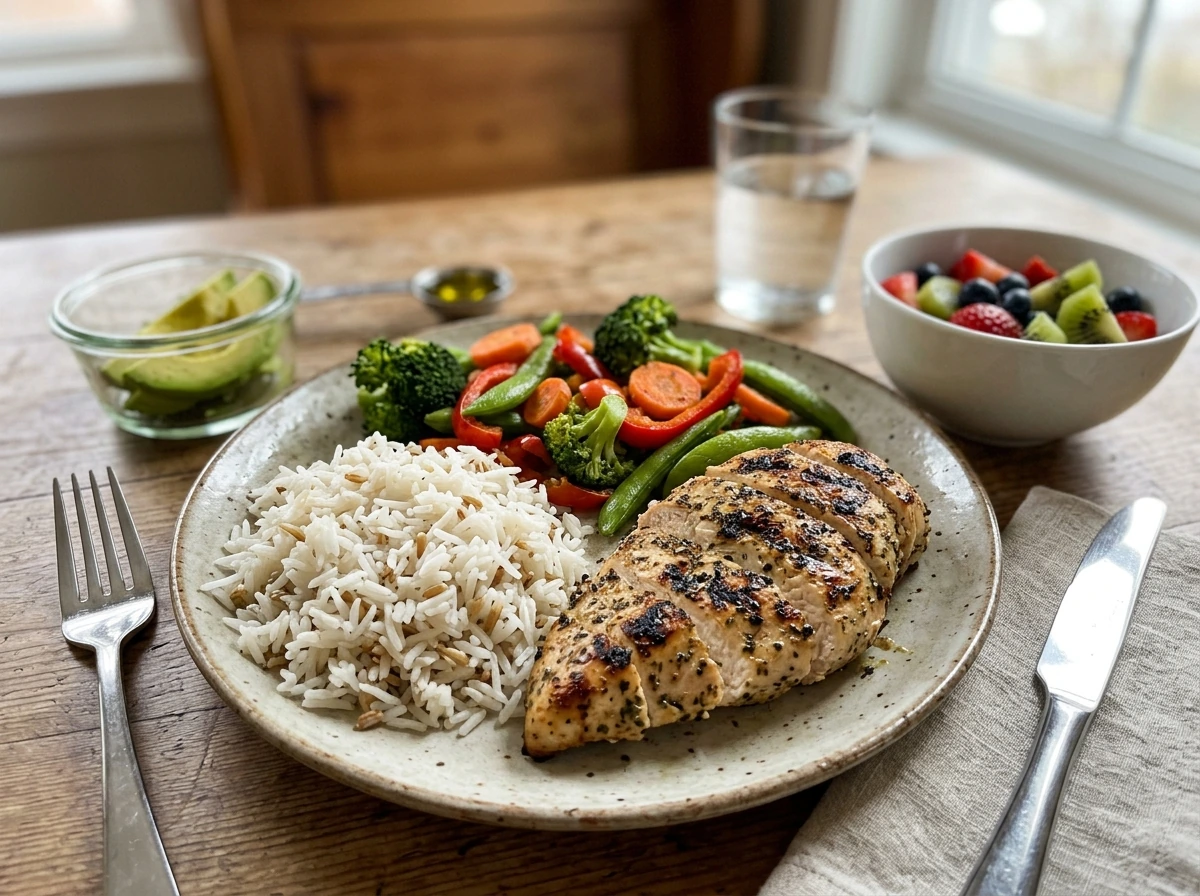
You need a slight caloric surplus to build muscle efficiently. Not a huge one, but consistently eating below your needs makes muscle gain extremely slow regardless of what you take. A surplus of 200 to 300 calories above your maintenance level is a reasonable target for most people.
Training stimulus
Progressive overload is the non-negotiable. You need to be consistently challenging your muscles with resistance training, increasing weight, reps, or total volume over time. There's no supplement that creates mechanical tension for you.
Sleep and recovery

Muscle is built during recovery, not during the workout itself. Research confirms that resistance exercise and sleep quality are tightly connected, and that training itself tends to improve sleep. Aim for 7 to 9 hours. Chronic sleep deprivation measurably blunts muscle protein synthesis and hormonal support for recovery, making every supplement you take less effective.
The best evidence-based pills and supplements for muscle growth
These are the supplements that have the most consistent research support for actually helping you gain muscle. Not the most hyped, not the most expensive. The ones that show up repeatedly in meta-analyses and position stands from credible sports nutrition bodies.
1. Creatine monohydrate
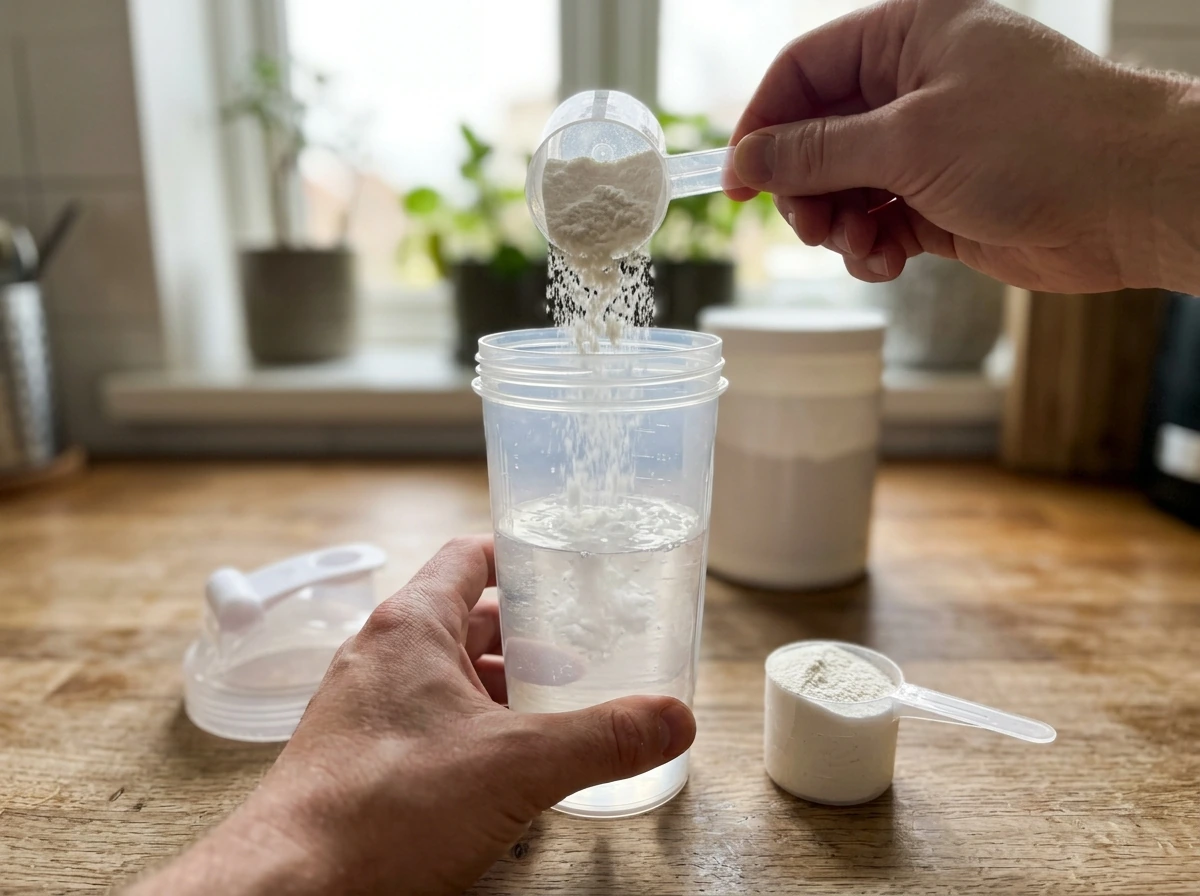
This is the single most well-supported muscle-building supplement in existence, full stop. A 2024 systematic review and meta-analysis found that creatine supplementation at approximately 7 g/day (or 0.3 g/kg/day) increased lean body mass by about 1 kg more than resistance training alone, while also reducing fat mass by around 0.7 kg. In older adults specifically, creatine during resistance training produced about 1.4 kg more lean tissue gain than placebo, plus measurable improvements in upper and lower body strength. A 2025 randomized trial showed that even women in the creatine group gained approximately 0.59 kg more lean body mass than controls. This works across age groups, sexes, and training experience levels.
Creatine works by increasing the availability of phosphocreatine in muscle, which fuels short, intense efforts and lets you do more total work per session. More volume, done consistently, means more muscle over time. It also draws water into muscle cells, which contributes to the scale number early on, but the lean mass gains are real and measurable beyond water.
2. Protein supplements (whey or otherwise)
If you're not hitting your daily protein target through food, a protein supplement is the most practical fix. Whey protein specifically has been shown in a meta-analysis to produce a statistically meaningful extra gain in fat-free mass in resistance-trained individuals (effect size g = 0.301), which is small but real. In older adults with sarcopenia, resistance training combined with whey protein showed a significant benefit for skeletal muscle mass compared to training alone (SMD = 0.24). Protein supplements (whey or otherwise) protein powder isn't magic, it's just food in a convenient form that helps you close the gap between what you're eating and what your muscles need.
3. Caffeine
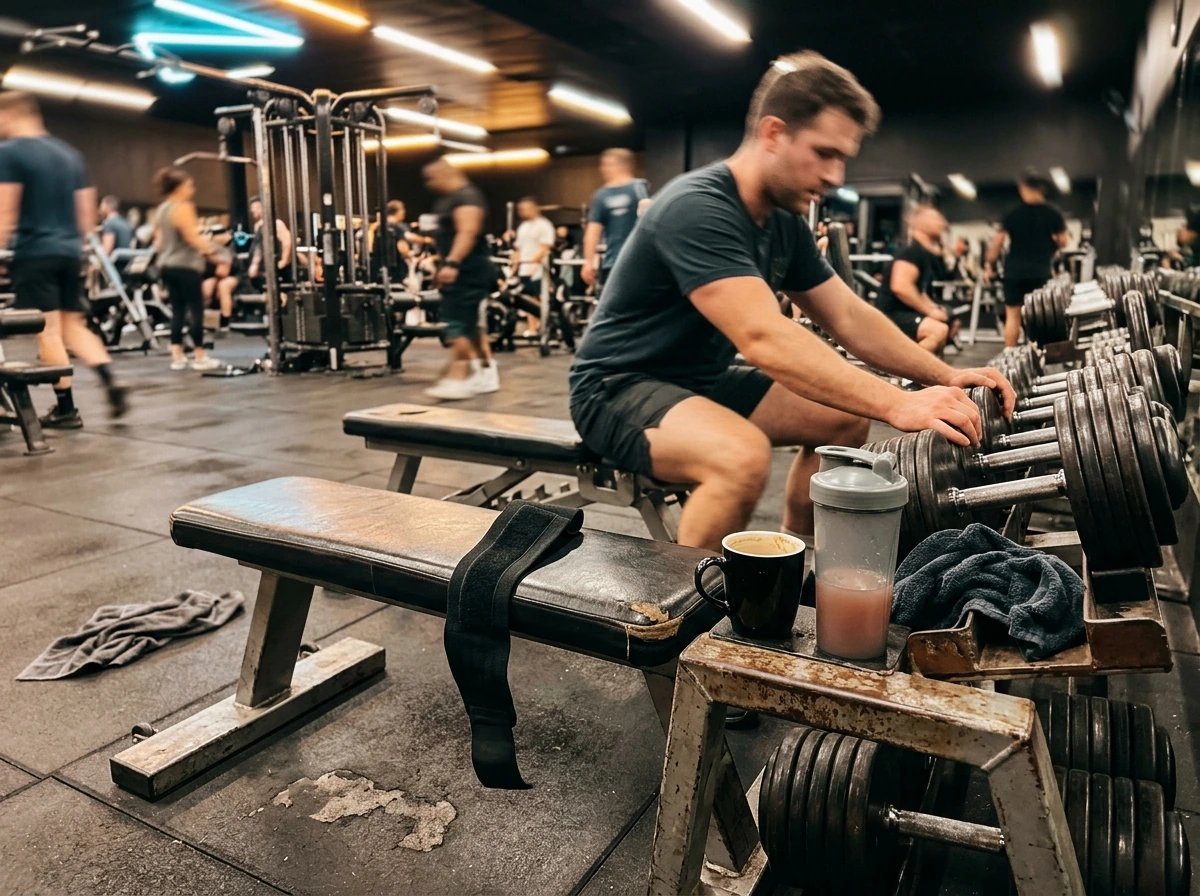
Caffeine isn't a muscle builder directly, but it's one of the most effective performance-enhancing compounds available. The ISSN's position stand on caffeine reports improved sport performance at low to moderate doses of 3 to 6 mg/kg bodyweight, with no meaningful extra benefit above 9 mg/kg. Better performance in the gym means more mechanical tension applied to your muscles over time, which drives growth. A 180-pound person gets their sweet spot somewhere around 245 to 490 mg of caffeine, though most people do fine at the lower end.
4. Beta-alanine
Beta-alanine is worth considering if your training involves sets in the 8 to 15 rep range or high-rep circuits. It works by increasing intramuscular carnosine, which buffers the acid buildup that causes that burning sensation during hard sets. The ISSN position stand supports 4 to 6 g/day for at least 4 weeks to meaningfully raise carnosine levels and improve exercise performance. The direct effect on muscle mass is modest and somewhat indirect, but if it allows you to grind out more reps before fatigue hits, it contributes to greater volume over time. The main side effect is a harmless tingling sensation (paraesthesia) that goes away within an hour.
5. Omega-3 fatty acids
Omega-3s (specifically EPA and DHA) have a growing body of evidence behind them for muscle health, particularly in older adults. The ISSN's long-chain omega-3 position stand notes improvements in isometric strength, and a meta-analysis on n-3 PUFAs found meaningful effects on muscle strength, mass, and function. The evidence is stronger for older individuals and for those who don't regularly eat fatty fish. Omega-3s appear to support muscle protein synthesis signaling and reduce excessive inflammation from training, both of which support recovery and adaptation.
How to dose and time each supplement
Getting the dose right matters more than most people realize. Here's a practical breakdown of each one.
| Supplement | Daily Dose | Timing | Loading Phase? |
|---|---|---|---|
| Creatine monohydrate | 3–5 g maintenance; or 0.3 g/kg/day | Any time, consistently daily | Optional: 20–25 g/day split 4x for 5–7 days |
| Whey protein | As needed to hit 1.4–2.0 g/kg/day total protein | Around training or as a meal supplement | No |
| Caffeine | 3–6 mg/kg bodyweight | 30–60 minutes before training | No |
| Beta-alanine | 4–6 g/day in divided doses | Split across 2–3 doses to minimize tingling | No formal loading; 4+ weeks to see effect |
| Omega-3 (EPA+DHA) | 2–3 g/day combined EPA+DHA | With a meal containing fat | No |
On creatine loading: you don't have to load, but it does saturate your muscles faster. Loading with 20 to 25 g/day split into 4 doses for 5 to 7 days, then dropping to 3 to 5 g/day maintenance, gets you to the same endpoint as just taking 3 to 5 g/day from the start, just faster (about a week vs. ISSN creatine supplementation loading is described as ~0.3 g/kg/day for 5 to 7 days, followed by a 3 to 5 g/day maintenance dose to sustain elevated muscle creatine stores ~0.3 g/kg/day for 5 to 7 days followed by 3 to 5 g/day maintenance. three to four weeks). Either approach works. If your stomach is sensitive, skip the loading phase.
Combining these is safe and practical. A common approach is creatine every morning with breakfast, caffeine before training, beta-alanine split across two meals, omega-3s with dinner, and protein powder whenever it helps you hit your daily target.
Picking the right supplements for your situation
Not everyone needs the same stack. Here's how to think about it based on where you are right now.
Beginners (first 1–2 years of consistent training)
Honestly, protein and creatine are all you need to start. Beginners respond strongly to training stimulus alone, so the physiological response to resistance exercise is large without much supplementation. Get your protein to 1.4 to 2.0 g/kg/day (food first, powder to fill gaps), add creatine at 3 to 5 g/day, and you've covered the meaningful bases. Don't overspend on a complicated stack when you're still learning the basics of training and nutrition.
Intermediate and advanced lifters
Once you've been training consistently for a couple of years, marginal gains matter more. This is where adding caffeine before sessions and beta-alanine for high-volume work starts making a real difference. You're already capturing most of the beginner adaptation gains, so optimizing your training capacity per session is worthwhile. Higher protein intakes (toward 2.0 g/kg and above) also tend to matter more as training volume increases.
Older adults (50+)
The research here is actually reassuring. Creatine combined with resistance training consistently shows about 1.4 kg more lean tissue gain versus placebo in older adults, and both strength and functional outcomes improve. Protein requirements are the same as for younger adults (1.4 to 2.0 g/kg/day) but may need more deliberate attention since appetite and protein absorption efficiency can decrease with age. Omega-3s are worth adding here specifically: the evidence for strength and muscle function is stronger in older populations, and inflammation management becomes more relevant as a recovery factor. For more context on this topic, the article on what helps muscles and bones grow has useful background, including how to grow bone vitamin code.
People with dietary gaps (plant-based, low-fat diets)
If you eat little to no animal protein, your creatine intake from food is essentially zero (it's found almost exclusively in meat and fish), which means supplementation has an even larger effect relative to your baseline. Plant-based protein sources also tend to have lower leucine content and less complete amino acid profiles, so hitting the higher end of protein targets (toward 2.0 g/kg) and potentially adding leucine-fortified protein powder becomes more important. Omega-3 supplementation is also more relevant if you avoid fatty fish. You might also want to check out the broader piece on best supplements to grow muscle for a more complete look at diet-specific gaps.
What to avoid and how to spot quality products
This is where a lot of money gets wasted. The supplement industry is largely unregulated before products hit shelves, meaning companies can make claims that aren't backed by evidence and sell products that haven't been tested for purity or accuracy of dose.
Third-party testing: why it matters
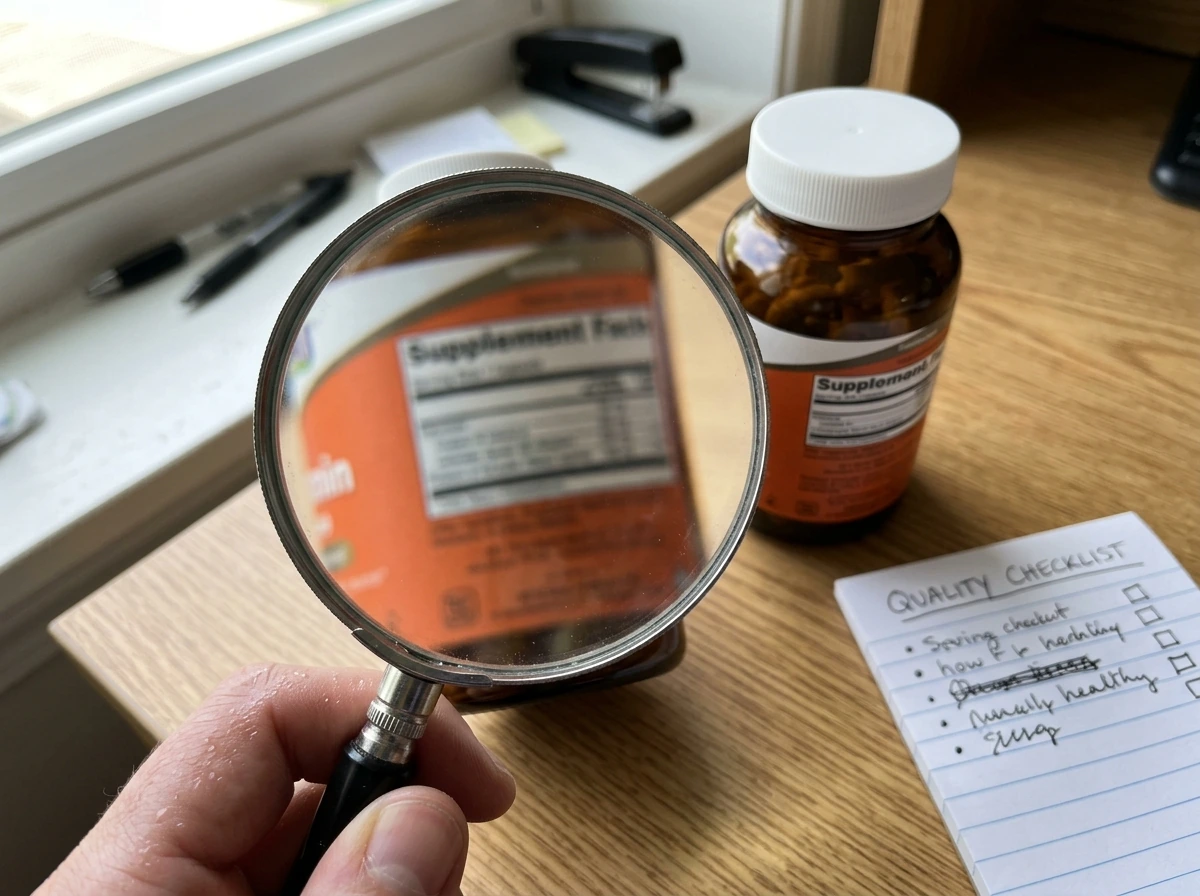
Third-party certification means an independent organization with no financial tie to the manufacturer has tested the product for purity, label accuracy, and absence of contaminants like heavy metals, microbes, or banned substances. USP (US Pharmacopeia) is one of the most recognized: their Verified Mark indicates the product has been evaluated and meets specific quality standards. Other credible certifiers include NSF International and Informed Sport. Look for one of these seals on any supplement you buy. It doesn't guarantee the formula works, but it does mean what's on the label is actually in the bottle at the stated amount, without harmful extras.
Testosterone boosters: save your money
This is one of the most aggressively marketed supplement categories, and the evidence is disappointing. A systematic review examining whether testosterone booster products actually raise serum testosterone found no consistent, meaningful effect across the many ingredients marketed for this purpose (including tribulus terrestris, which is in nearly every product on this shelf). Some contain nutrients like zinc or vitamin D that may help if you're genuinely deficient, but the products as marketed don't deliver what the labels promise. If you're interested in the role of specific vitamins and minerals, the article on best vitamins to grow muscle covers that territory more honestly.
Other things to skip
- Proprietary blends where doses are hidden: you can't tell if you're getting an effective amount of anything
- Products with more than 5 to 7 active ingredients: ingredient lists that long usually mean underdosing everything
- Anything promising 10 pounds of muscle in 30 days: that's not physiologically possible without drugs
- Amino acid supplements like BCAAs if you're already hitting your total protein target: unnecessary and expensive
- HMB (beta-hydroxy beta-methylbutyrate): the research in healthy, trained people is inconsistent; it shows more promise in older adults or clinical muscle wasting contexts
Your starter plan for today and how to track results
Here's a practical starting point you can implement this week, built around what has the most evidence and the fewest complications.
- Calculate your protein target: multiply your bodyweight in kg by 1.6 as a starting point (that lands you solidly within the evidence-based range). Track your food for 3 days to see where you actually are.
- Add creatine monohydrate: 3 to 5 g per day, every day, with anything. No need to time it precisely. Consistency matters more than timing.
- Add a protein powder if needed: use it to close the gap between your food intake and your target, not as a replacement for real meals.
- If you train with weights at least 3 days per week and want better session performance, consider 200 to 300 mg of caffeine 30 to 60 minutes before your session.
- If you're over 50 or eat little fatty fish, add 2 to 3 g of combined EPA+DHA omega-3s daily with dinner.
- Choose products with a USP, NSF, or Informed Sport seal.
How to track whether it's working
Don't rely on the scale alone. Muscle is denser than fat, and early creatine use pulls water into muscles, making scale weight a noisy signal. Instead, track these three things every 4 weeks: your bodyweight trend (not day-to-day), your performance on 2 to 3 key lifts (are you lifting more weight or doing more reps?), and a simple circumference measurement at your upper arm and thigh. If strength is going up, you're training and eating right, and you've been consistent for 8 to 12 weeks, you will see real changes. That's the timeline. No pill skips it, but the right ones can help you use it more effectively.
The short version: The short version: creatine monohydrate is the most evidence-backed pill you can take for muscle growth, protein supplementation is the most practical nutrition tool, and everything else is a supporting cast. Get those two right, back them with real training and adequate sleep, choose products with third-party certification, and you've built the most effective, evidence-based approach available. That's what 'fast' actually looks like.
FAQ
What are the best pills to grow muscle fast if I want the smallest, most cost-effective stack?
If you want the leanest “fastest results per dollar” setup, start with creatine monohydrate (3 to 5 g daily) and protein powder only as needed to hit your daily protein target. Add caffeine (3 to 6 mg/kg before training) only if it helps your workout intensity, and skip everything else until you have 8 to 12 weeks of progressive overload under your belt.
Do I need to cycle creatine, caffeine, or beta-alanine to keep them working?
No standard “cycling” is required for creatine. For caffeine, some people benefit from periodic breaks if they notice tolerance (like needing more to feel the same effect), and it can help sleep. Beta-alanine does not need cycling, but it does require consistent daily dosing for at least 4 weeks to build intramuscular carnosine.
Will creatine make me gain fat or cause bloating?
Creatine itself does not cause fat gain. Early scale weight can rise due to water pulled into muscle cells, and that can look like “bloat” but is typically not harmful. If you get stomach discomfort, take a smaller dose (for example 3 to 5 g) and spread it or take it with food.
What time of day should I take creatine and protein for the fastest muscle gain?
Timing matters less than daily consistency, but a practical approach is creatine any time that you reliably remember, many people take it with breakfast. For protein, aim to distribute intake across the day, and prioritize getting a high-protein meal within a few hours after training. If you struggle to hit totals, use powder to fill gaps rather than trying to time it perfectly.
Can I combine multiple supplements if I have sensitive stomachs or low appetite?
Yes, but keep it simple first. Start one new supplement at a time every 3 to 7 days so you can identify which one causes GI issues. For caffeine, avoid taking it on an empty stomach if it upsets you. For beta-alanine, splitting the dose reduces tingling intensity and may improve comfort.
How much caffeine is too much for muscle building because of sleep problems?
Performance benefits tend to show up at moderate doses (3 to 6 mg/kg), but exceeding your tolerance can reduce sleep quality, which would blunt recovery. A practical rule is to stop caffeine at least 6 to 8 hours before bedtime, then adjust based on how quickly you personally feel wired or crash the next day.
Is omega-3 worth it if I already eat fatty fish regularly?
If you already eat fatty fish several times per week, omega-3s are less likely to be a high-impact “add-on” because your baseline intake may already cover what the evidence suggests. It can still be reasonable, but many people get more return by improving protein target adherence and training volume before paying extra for omega-3 capsules.
What should I do if I am vegan or mostly plant-based, and I want the best pills to grow muscle fast?
Your best “pill” advantage is usually protein quality and leucine adequacy. Aim for the higher end of protein targets (toward 2.0 g/kg/day) and consider leucine-rich or leucine-fortified plant protein options if you cannot comfortably reach totals. Creatine is still relevant, since creatine intake from plant foods is very low.
How do I know if I am actually making muscle gains, not just changing water weight?
Use trend-based tracking, not day-to-day scale changes. In addition to bodyweight trend, monitor at least two performance indicators (reps or load on key lifts) and one or two measurements (upper arm and thigh) every 4 weeks. If strength and performance improve consistently over 8 to 12 weeks, you are likely building muscle even if the scale fluctuates early.
Are there any supplement “gotchas” related to drug tests or banned substances?
Yes. Some supplements can be contaminated, and even products marketed as “clean” can have label issues. If you participate in sports with testing, prioritize third-party certification geared toward banned substance screening (for example Informed Sport) rather than relying only on basic labeling.
Should I avoid testosterone booster pills entirely if my goal is faster muscle growth?
For most marketed “test boosters,” you should treat them as low priority for muscle gain because consistent testosterone increases are not reliable across product formulas. If you want to use vitamins or minerals, do it based on likely deficiencies and measured diet gaps, since correcting a true deficiency is more realistic than hoping for hormone spikes.
What is the minimum timeline to judge whether the best supplements are working?
For muscle size, expect visible changes typically after 8 to 16 weeks of consistent training plus adequate calories and protein. For performance, you can see results sooner, around 4 to 8 weeks. If nothing changes after that window and your diet and training plan are solid, you may need to adjust training volume, sleep, or calorie intake rather than adding more supplements.