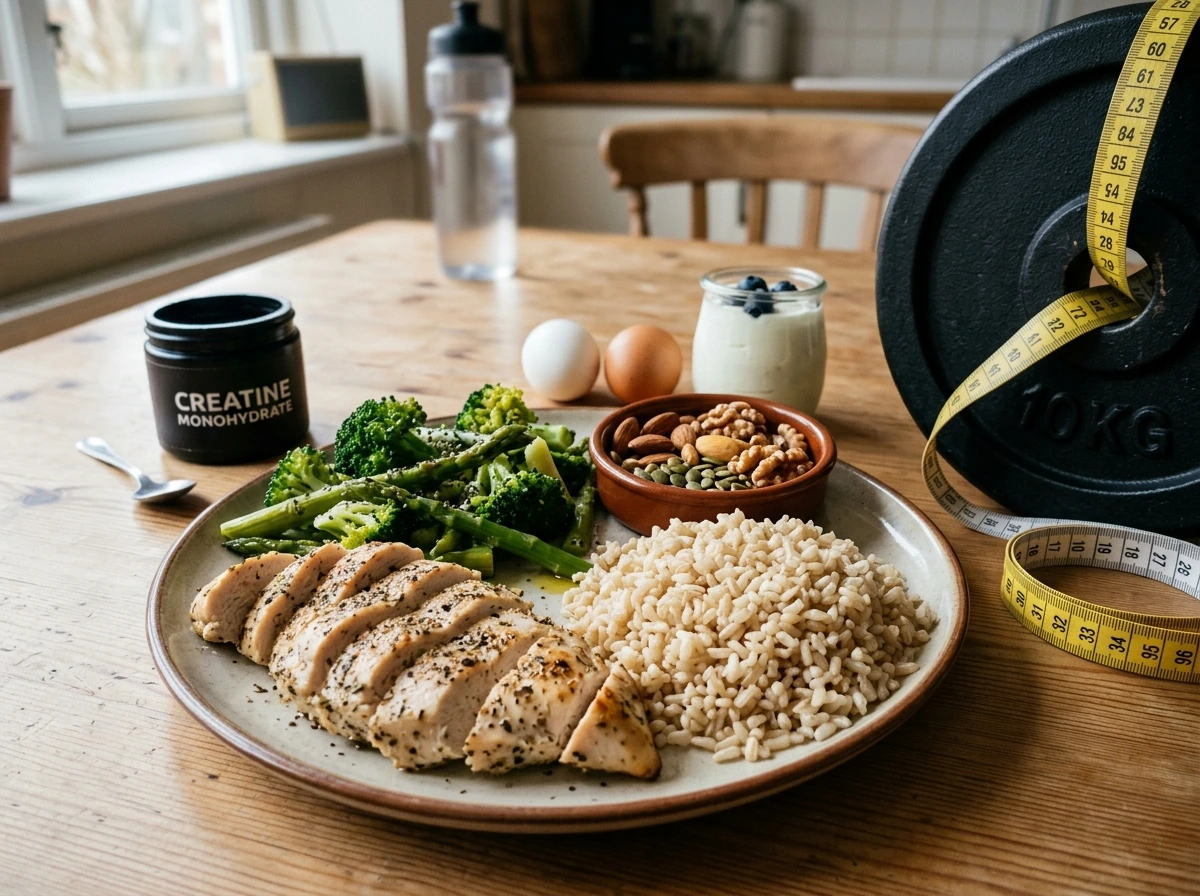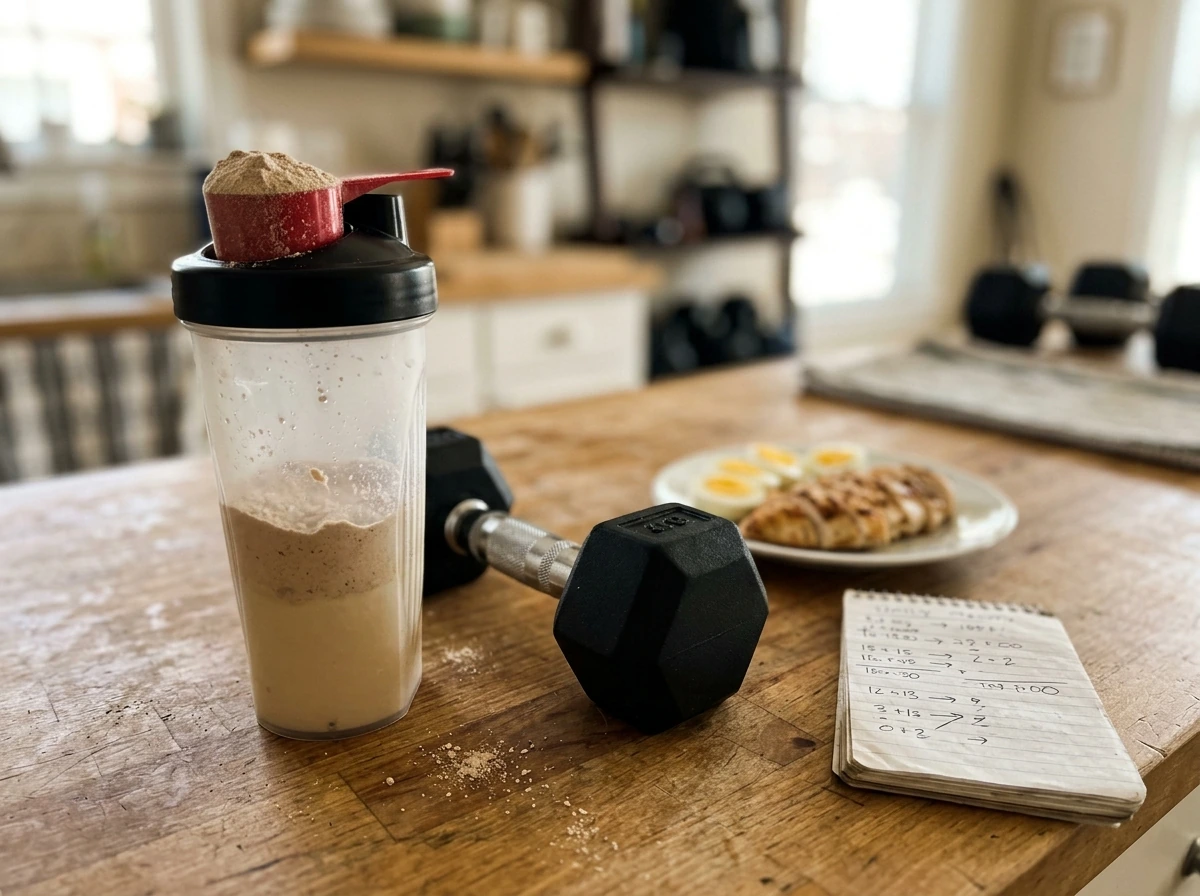
Muscles grow when three things line up: a training stimulus that gives them a reason to adapt, enough protein and calories to actually build new tissue, and sufficient recovery time to let that process happen. Miss any one of those and you're leaving gains on the table. That's the short answer. Everything else in this article is about optimizing those three levers so you're getting the most out of every week you put in. After dialing in protein, calories, and progressive overload, you can also make sure your vitamin and mineral intake supports healthy bone remodeling for strong training support grow bone vitamin code.
What Helps Muscles Grow Faster: Training, Nutrition, Recovery

Marcus Kellerman
24 Mar 2026
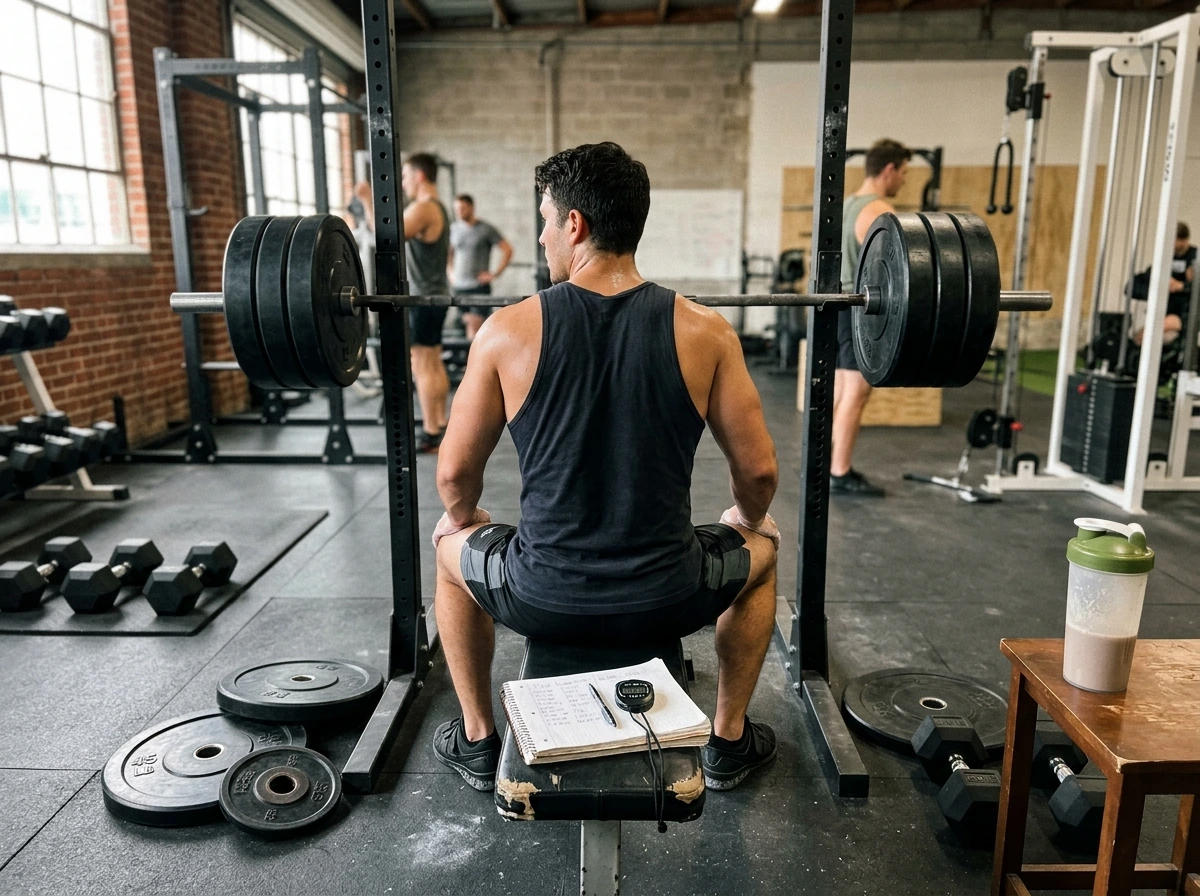
The fastest path to muscle growth: the main levers
Muscle growth, technically called hypertrophy, happens when mechanical tension from lifting causes micro-damage to muscle fibers, triggering a repair and rebuilding process that leaves the fibers slightly thicker and stronger than before. That's the core mechanism. The three primary drivers are mechanical tension (load and effort), metabolic stress (the burn and pump from high-rep work), and muscle damage (eccentric loading and novel exercises). Of those three, mechanical tension is the most important. You don't need to feel destroyed after a workout for it to be effective.
A quick note on timelines because this matters: beginners can expect noticeable strength increases within the first 4 to 6 weeks, largely from neurological adaptations, and measurable muscle size changes within 8 to 12 weeks of consistent training. More advanced lifters see slower absolute gains but still make real progress with the right approach. Older adults, including people in their 60s and 70s, absolutely can build muscle. Age changes the rate and some of the hormonal context, but it doesn't remove the adaptation response. The levers below work across all demographics.
Training that makes muscle grow faster
Progressive overload: the non-negotiable
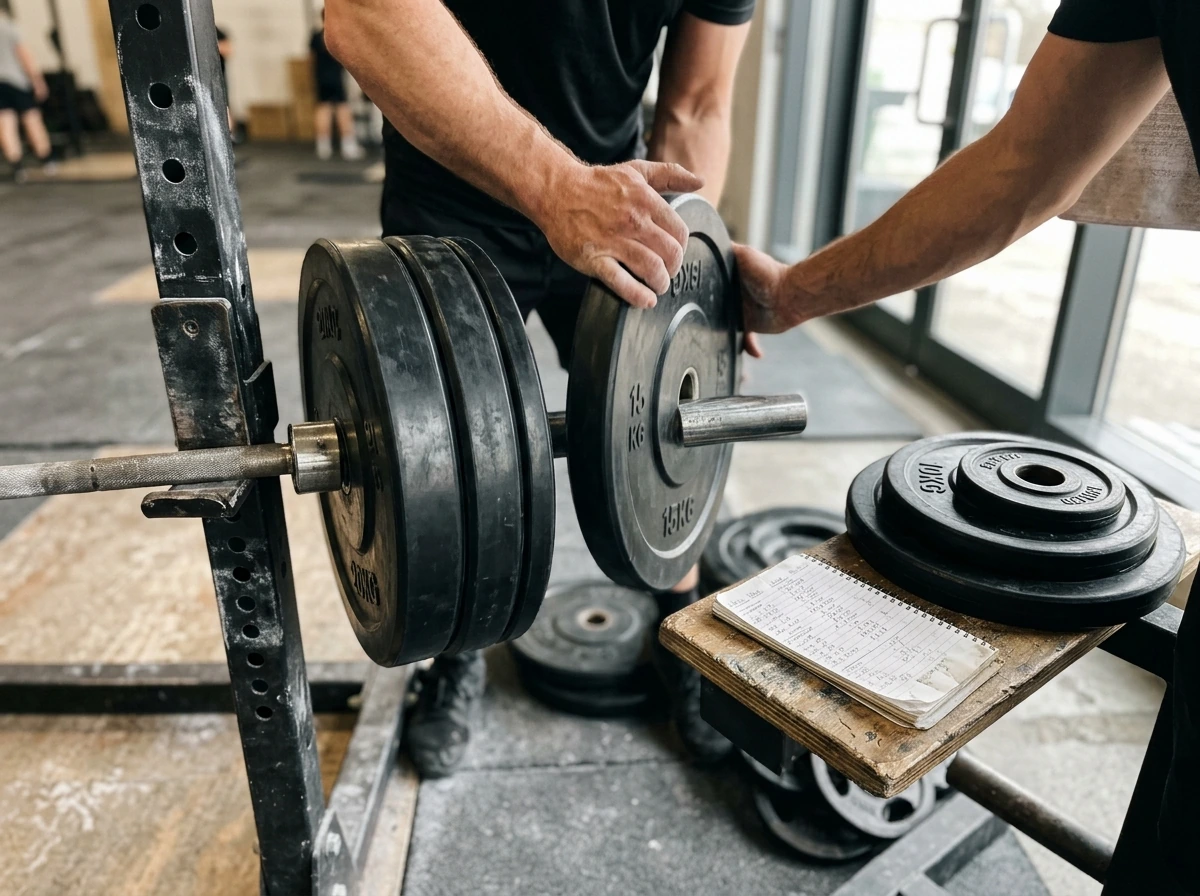
Progressive overload is the single most important training principle for muscle growth. It means that over time, you're consistently asking your muscles to do more than they've done before. That can mean adding weight to the bar, doing more reps with the same weight, adding an extra set, or reducing rest time. The ACSM frames skeletal muscle adaptation entirely around this principle, and it's the reason someone who's been lifting the same 30-pound dumbbells for two years isn't making progress. Your muscles only grow when they're challenged beyond what they're already comfortable with.
Practically, this means you should be tracking your lifts. If you did 3 sets of 10 at 135 pounds last week, your goal this week is 3 sets of 11, or 3 sets of 10 at 140 pounds. The progression doesn't have to be dramatic. Small, consistent increases over months add up to significant muscle.
Volume and intensity: how much and how hard
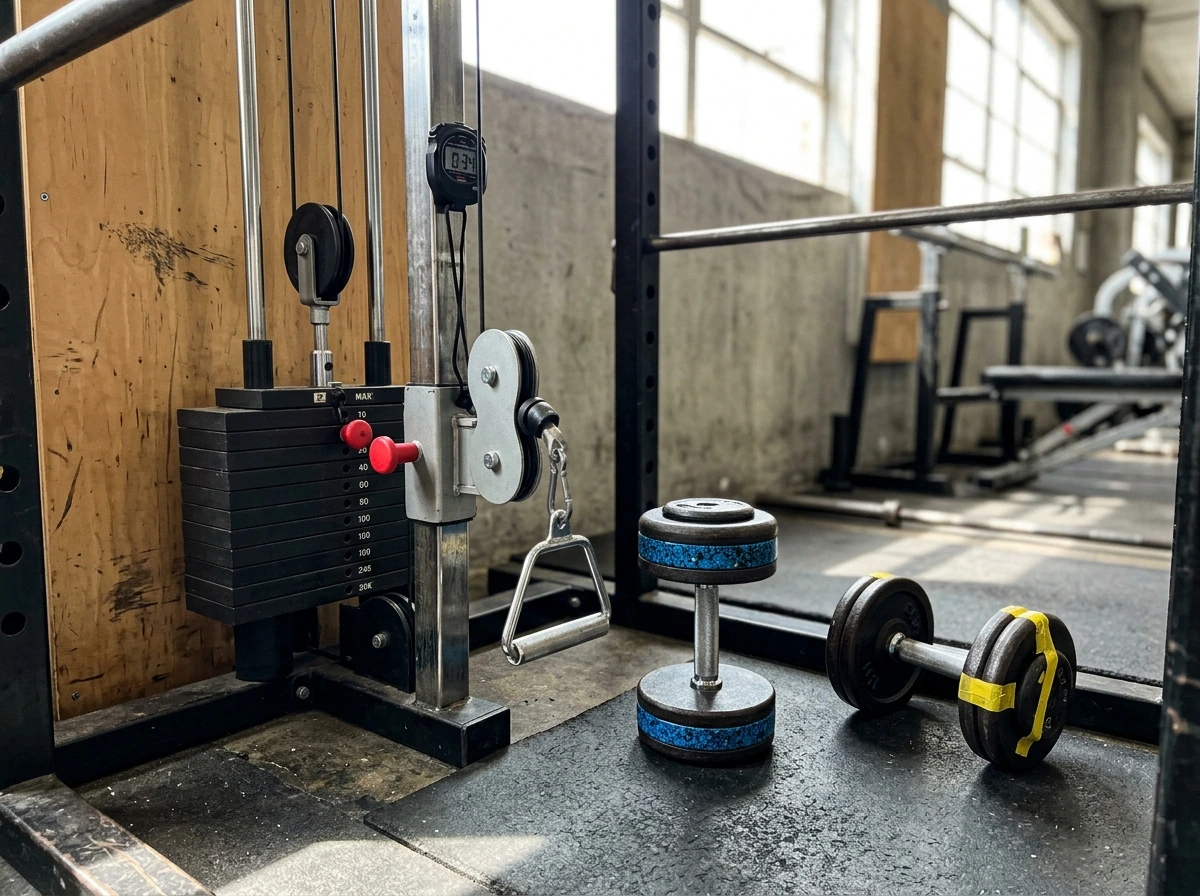
Volume refers to the total work you do for a muscle group (sets times reps times load), and intensity refers to how close to your maximum effort you're working. Both matter, and research consistently supports higher-volume, multiple-set programs for maximizing hypertrophy compared to single-set training. A practical starting point for most people is 10 to 20 working sets per muscle group per week, spread across 2 to 4 sessions. A dose-response relationship exists up to a point, meaning more volume generally produces more growth, but there's a ceiling where additional volume stops helping and starts impairing recovery.
For intensity, you don't need to work at 90% of your one-rep max to grow muscle. Hypertrophy can occur across a fairly wide range, from roughly 50% to 80% of your 1RM, as long as you're working with sufficient volume and getting close to failure on your sets. A rep range of 8 to 12 per set with 1.5 to 3 minutes of rest between sets is a well-established starting framework, though sets in the 5 to 7 rep range or the 15 to 20 rep range can also drive hypertrophy when effort is high. The key variable is working close to your limit, not the specific rep number.
Exercise selection and structure
Compound lifts (squats, deadlifts, bench press, rows, overhead press) should form the backbone of your training because they recruit the most muscle across multiple joints and allow for the most loading. Isolation exercises (curls, lateral raises, leg extensions) are valuable accessories that let you target specific muscles more directly. A simple structure that works well for most people is 2 to 3 compound movements per session followed by 2 to 3 isolation movements. For older adults or beginners, starting with 3 sets of 10 to 12 exercises, performed 3 to 4 times per week, is a safe and effective volume to build real muscular fitness.
Protein and calories for building muscle
How much protein you actually need
Protein is the raw material for building muscle. Without enough of it, your body can't repair and grow muscle fibers regardless of how well you train. Without enough of it, your body can't repair and grow muscle fibers regardless of how well you train. The target that shows up consistently in research is around 1.
6 to 2. 2 grams of protein per kilogram of bodyweight per day (roughly 0. 7 to 1 gram per pound). Meta-analysis data from Morton and colleagues found that protein supplementation beyond about 1.
62 g/kg/day provides no additional benefit for muscle mass gains in the context of resistance training. So if you're already hitting that threshold through food, adding more protein won't accelerate your results. Morton and colleagues also reported that, in the context of resistance training, [once total daily protein intake reaches about 1. 6 g/kg/day](https://bjsm.
bmj. com/content/52/6/376), protein supplementation does not add further gains in fat-free mass.
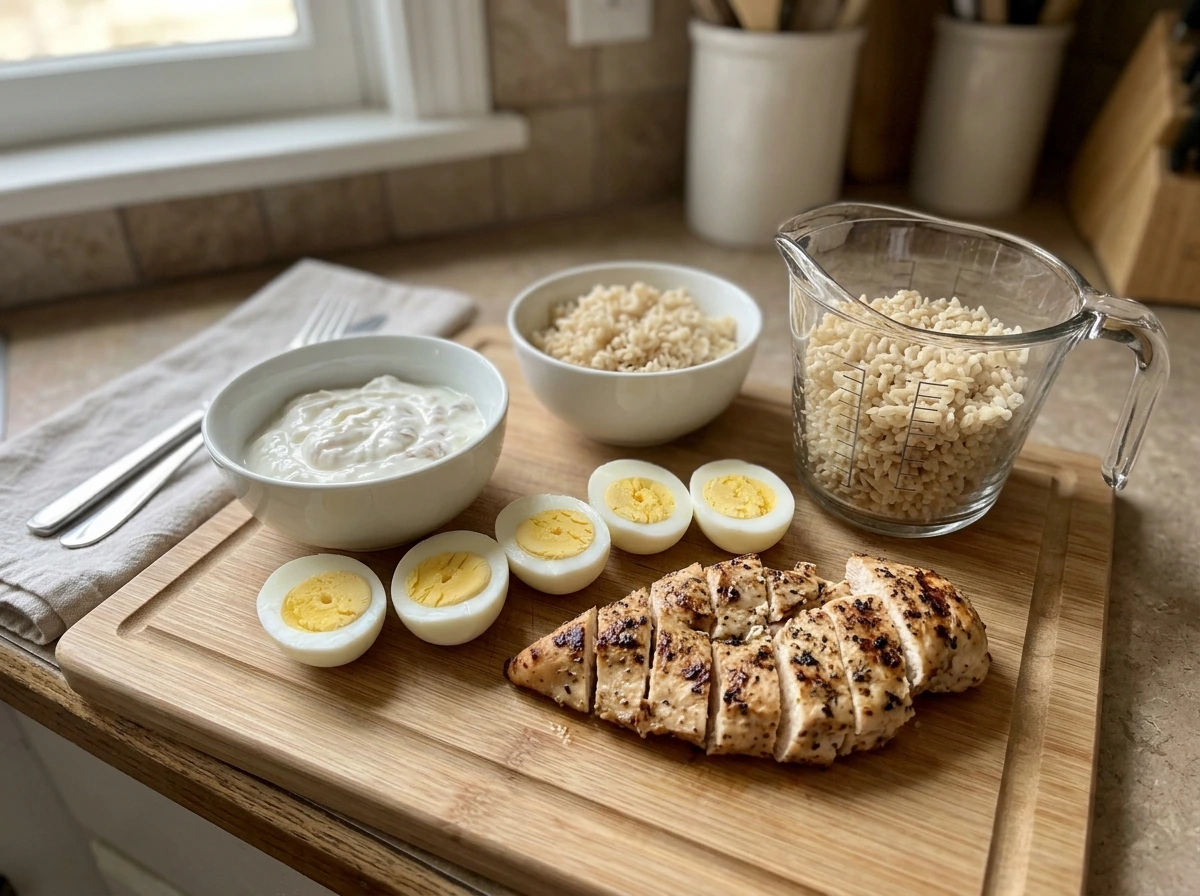
For a 180-pound (82 kg) person, that translates to roughly 130 to 180 grams of protein per day. That sounds like a lot until you map it out across meals. Four meals with 35 to 45 grams each gets you there. Spreading protein throughout the day appears to be more effective than eating most of it in one or two sittings, both because of absorption dynamics and because each protein-rich meal triggers a fresh bout of muscle protein synthesis.
Total calories and the role of carbs and fats
You can't build muscle efficiently in a significant calorie deficit. Your body needs a slight energy surplus to prioritize anabolic processes. Most people do well with a modest surplus of 200 to 400 calories above maintenance during a building phase. Going higher than that tends to add more fat than muscle over time. Carbohydrates are your muscles' primary fuel during resistance training, so they matter more than many people realize. Fat is essential for hormonal function, including testosterone production, which directly influences the rate of muscle growth. Neither macronutrient should be cut to dangerously low levels while trying to gain muscle.
Best food sources for muscle building
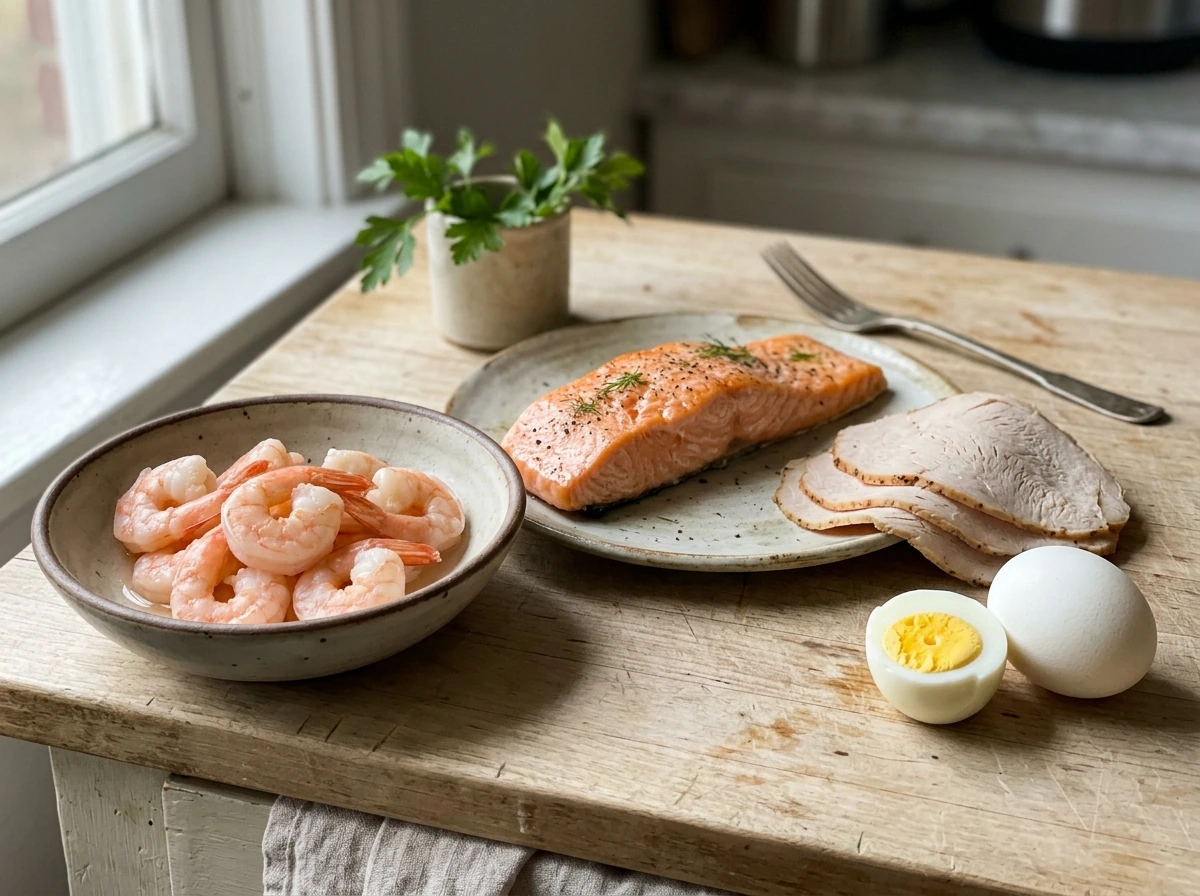
- Lean meats: chicken breast, turkey, lean beef, pork tenderloin
- Fish and seafood: salmon, tuna, cod, shrimp (salmon also provides omega-3s that support recovery)
- Eggs and egg whites
- Dairy: Greek yogurt, cottage cheese, milk (casein protein from dairy digests slowly, making it useful before bed)
- Legumes: lentils, chickpeas, black beans (plant-based protein with useful carbs)
- Whole grains: oats, rice, quinoa (fuel for training sessions)
- If whole foods don't get you to your protein target, a quality protein powder can fill the gap without overcomplicating things
Supplements that actually help (and what's mostly hype)
Most supplements are not worth your money. A small number have real, replicated evidence behind them. Creatine monohydrate, specifically, is one of the best options people consider when they want a fast, practical muscle-building supplement real, replicated evidence. Here's an honest breakdown based on what the research actually supports. If you're comparing options in your supplement stack, start with the best supplements to grow muscle as a related checklist before buying anything.
| Supplement | What it does | Evidence quality | Recommended use |
|---|---|---|---|
| Creatine monohydrate | Increases muscle creatine stores, supports strength and power output, augments lean mass gains over time | Strong (ISSN-endorsed) | Loading: ~0.3 g/kg/day for 5–7 days (or ~5 g x4/day); Maintenance: 3–5 g/day |
| Protein powder (whey, casein, plant-based) | Fills protein gaps when whole food isn't enough; supports muscle protein synthesis | Strong | Use only to hit your daily protein target (1.6–2.2 g/kg/day) |
| Caffeine | Improves maximal strength and muscle power output acutely, allowing higher training quality | Moderate to strong | 3–6 mg/kg bodyweight ~30–60 min pre-workout |
| Beta-alanine | Increases intramuscular carnosine, improves buffering during high-intensity efforts lasting 1–4 minutes | Moderate | 3.2–6.4 g/day; note tingling (paresthesia) is harmless but common |
| Omega-3 fatty acids | Reduces delayed-onset muscle soreness (DOMS); limited effect on strength directly | Moderate for recovery | 2–3 g EPA+DHA per day from fish oil or algae-based supplement |
| BCAAs / EAAs | Negligible added benefit if total daily protein is already adequate | Weak for muscle growth | Not recommended if protein intake is sufficient |
| Most proprietary blends and 'muscle builders' | Little to no replicated evidence for most ingredients | Weak to none | Skip them |
Creatine monohydrate is the most well-supported performance and muscle-building supplement available. If you're going to add one thing, that's it. If you want to improve results safely, prioritize evidence-based options like creatine rather than random vitamin stacks vitamins. If you want to dig deeper on specific options, there are dedicated guides on the If you want to dig deeper on specific options, there are dedicated guides on the There are dedicated guides on the best supplements to grow muscle and the [best protein powder to grow muscle] that go into more detail on how to evaluate what's worth buying. that go into more detail on how to evaluate what's worth buying.
Recovery for growth: sleep, rest, and stress

Here's something most people underestimate: you don't grow during your workouts, you grow after them. Training is the stimulus; recovery is when the actual muscle building happens. If your recovery is poor, even perfect training and nutrition won't produce the gains you're expecting.
Sleep is the most underused growth tool
Sleep is when the majority of muscle repair and growth hormone secretion occurs. Systematic review evidence shows that increasing sleep duration, whether through longer nightly sleep or strategic napping, can positively impact physical performance. A systematic review and meta-analysis found that daytime napping can improve recovery and physical performance, indicating sleep beyond normal training schedules can affect performance strategic napping. Sleep restriction on the other hand impairs the inflammatory and repair processes involved in muscle recovery, which means cutting sleep short to fit in more gym time is actively counterproductive. Aim for 7 to 9 hours per night. If you consistently sleep 5 to 6 hours, that's likely one of the biggest limiters on your progress right now.
Rest days and overtraining
Rest days are not wasted training days. Muscles need 48 to 72 hours to recover fully after an intense session, which is why training the same muscle group every day is counterproductive. Overtraining syndrome is a real condition: research including the EROS-DISRUPTORS study has documented that overreaching without adequate recovery can actually decrease muscle mass, impair performance, and cause prolonged fatigue. Programming at least 1 to 2 full rest days per week and rotating muscle groups intelligently gives your body the recovery window it needs to adapt upward rather than just break down.
Stress, cortisol, and muscle growth
Chronic psychological stress elevates cortisol, which is a catabolic hormone that directly opposes muscle protein synthesis. If you're training hard, eating well, and still not progressing, it's worth asking honestly how your overall stress load looks. This doesn't mean you can only build muscle when life is calm, but it does mean that stress management (whether through sleep, reduced training load during high-stress periods, or deliberate downregulation practices) is a legitimate part of the growth equation, not a soft add-on.
Putting it together: your today-ready muscle-building plan
You don't need a complicated program to start seeing real results. Here's a simple, evidence-backed framework you can implement starting today, along with guidance on how to know whether it's actually working.
Your baseline plan
- Train each major muscle group 2 to 3 times per week using compound movements as the foundation, with accessory isolation work added around them.
- Do 3 to 4 working sets per exercise, targeting 8 to 12 reps per set, working close to failure on the last 2 to 3 reps of each set.
- Rest 1.5 to 3 minutes between sets to allow enough recovery for quality effort on the next set.
- Apply progressive overload every 1 to 2 weeks: add weight, reps, or sets incrementally.
- Hit 1.6 to 2.2 g of protein per kilogram of bodyweight daily, spread across 3 to 5 meals.
- Eat at a slight calorie surplus (200 to 400 calories above your maintenance level) during a dedicated building phase.
- Consider adding creatine monohydrate (3 to 5 g/day) if you want a supplement that has real evidence behind it.
- Get 7 to 9 hours of sleep per night consistently. This is non-negotiable.
- Take at least 1 to 2 rest days per week and avoid training the same muscle groups on back-to-back days.
How to track whether it's working
Soreness is not a reliable indicator of muscle growth. You can have a highly effective workout and feel minimal soreness the next day, especially as your body adapts. Lack of soreness doesn't mean you didn't grow. Conversely, extreme soreness doesn't mean you had a great session. Judge your progress by data, not by how wrecked you feel.
- Log your lifts every session: weight used, sets completed, reps achieved. Progressive overload is invisible without a training log.
- Measure bodyweight weekly (average 3 to 4 readings across the week to reduce noise from water fluctuations) and look for a slow upward trend of 0.25 to 0.5 pounds per week during a muscle-building phase.
- Take circumference measurements (upper arm, thigh, chest) every 4 weeks. The scale doesn't distinguish muscle from fat or water.
- Take progress photos in the same lighting, same time of day, every 4 to 6 weeks. Visual changes in muscle fullness and definition show up here before anywhere else.
- Reassess after 8 to 12 weeks. If your lifts have gone up, your measurements have increased, and your photos show more muscle, the plan is working. If none of those have changed, something in your training, nutrition, or recovery needs adjustment.
The honest truth about muscle growth timelines: expect to gain roughly 1 to 2 pounds of actual muscle per month as a beginner when everything is dialed in, dropping to 0.5 to 1 pound per month at intermediate level, and even slower from there. These numbers sound modest, but 10 to 15 pounds of genuine muscle over a year is a transformative physical change. The people who get there are the ones who stay consistent with the basics rather than chasing shortcuts. Everything you need is in the plan above.
FAQ
How do I know if my training is actually helping my muscles grow?
Use performance and volume trends, not soreness. If reps or load are trending up over 2 to 4 weeks on most working sets, and you can keep the same effort level, your stimulus is likely on track. If every week is flat for both load and reps despite good sleep and calories, you probably need a progressive overload adjustment (more sets, slightly shorter rests, or a small weight increase).
What should I do if I am gaining strength but not seeing muscle size changes?
First check calorie intake and protein distribution, you can maintain training quality while still under-shooting the energy needed for visible hypertrophy. Also verify you are working close to failure on most sets, if the sets are consistently stopping far from limit, mechanical tension may be too low even if technique strength improves. A practical fix is adding 2 to 3 working sets per week for the lagging muscle and making sure each set ends with about 1 to 3 reps in reserve for the primary lifts.
Is it okay to work out to failure every set to maximize what helps muscles grow?
Not usually. Some sets near failure are helpful, but doing failure on every set can increase fatigue and reduce weekly quality volume, which can slow progress. A good compromise is to take most sets close to failure (for example, 1 to 3 reps in reserve) and reserve true failure for a small portion of your total sets, such as the last set of a few key exercises.
How many days per week should I train each muscle group?
For most people, 2 sessions per week per muscle group is a strong starting point, because it increases weekly quality volume while allowing recovery. If you are very advanced or you recover poorly, you might do 1 higher-quality session. If you recover well and can keep sets near the same effort, 3 sessions can work, but total weekly sets and rest need to be managed carefully.
What if I cannot hit 8 to 12 reps, can I still grow muscles?
Yes. The rep range is flexible as long as effort is high. For heavy lifting in the 5 to 7 rep range, you still need enough total hard sets and rest long enough to maintain performance quality. For higher reps like 15 to 20, keep an eye on joint strain and form breakdown, and ensure you are still close to failure, otherwise the stimulus may be too low.
Do I need supplements if I am already getting enough protein?
Most people do not. If your protein and calories are already on target, creatine monohydrate is the main supplement that can add value for strength and training performance. Other supplements may help specific goals, but they are usually not the primary driver compared with lifting progression, adequate protein, and sleep.
How much creatine should I take, and when?
A common evidence-based approach is 3 to 5 grams of creatine monohydrate daily. Timing is less important than consistency, you can take it with any meal. If you miss a day, just resume the next day, do not double up with large doses to catch up.
Can I build muscle if I train while stressed or sleeping poorly?
You can make some progress, but it is harder to recover and reach the effort levels needed for growth. If sleep drops under about 6 hours consistently, expect slower gains and more fatigue, so consider reducing volume by 20 to 40 percent for a week or two and focus on maintaining load on key lifts. Also consider deloading when life stress spikes so your weekly stimulus stays productive.
Is it better to do more volume or more intensity to what helps muscles grow?
Better volume within your recovery capacity usually beats simply lifting heavier. If you add volume, do it with sets that are close to failure and with good technique. If you add intensity by going heavier but the sets become low-effort or you cannot progress weekly, growth may stall. A simple decision aid is, if recovery is fine, add 2 sets per week to the lagging muscle; if recovery is not fine, add effort quality or reduce volume rather than pushing more.
What causes someone to stall even though they track their workouts?
Common causes include not actually progressing the hard sets, too much variation that breaks the progression plan, and accumulating fatigue from excessive weekly volume. Another frequent issue is underestimating how long it takes for diet and sleep to match training, if protein is inconsistent or calories are too low, the stall can persist. The quickest fix is usually a short deload, then restart progression with slightly lower volume for a week while keeping effort high.
Do I have to eat a surplus every time, or can I gain muscle in a deficit?
Lean mass gain is possible in a small deficit for beginners, but it is typically slower and harder to sustain, and results vary a lot. If your goal is maximum visible growth, aim for a small surplus, around a few hundred calories above maintenance, and use body weight trends to adjust. If weight is not moving upward over 2 weeks, you likely need a modest calorie increase or more carbs around training days.
How should I spread protein across the day for best results?
Aim for 3 to 5 protein feedings per day, each with roughly 0.3 to 0.5 grams per kilogram body weight, so a 180-pound person often lands around 35 to 45 grams per meal. If you can only eat fewer times, make each meal larger but do not concentrate everything into one sitting. Also consider a protein serving after training when your daily totals are otherwise difficult to hit.
Does muscle soreness mean I am growing, and lack of soreness mean I am not?
Soreness is unreliable. It can reflect muscle damage or simply your adaptation stage. Focus on measurable indicators like progressive overload, consistent working-set effort, and body composition changes over months instead of how you feel the next day.