If you want muscles to grow strong, protein is the nutrient doing the heaviest lifting, but it doesn't work alone. Carbohydrates fuel the training that creates the signal to grow, dietary fats keep your hormones running the show, and a handful of micronutrients fill in the gaps that most people overlook. Get all of these right and your muscles have everything they need. Miss even one consistently and your progress stalls in ways that are frustrating because they feel mysterious.
Which Nutrients Help Muscles Grow Strong: What to Eat

Marcus Kellerman
24 Mar 2026
The top nutrients for muscle growth (quick answer)
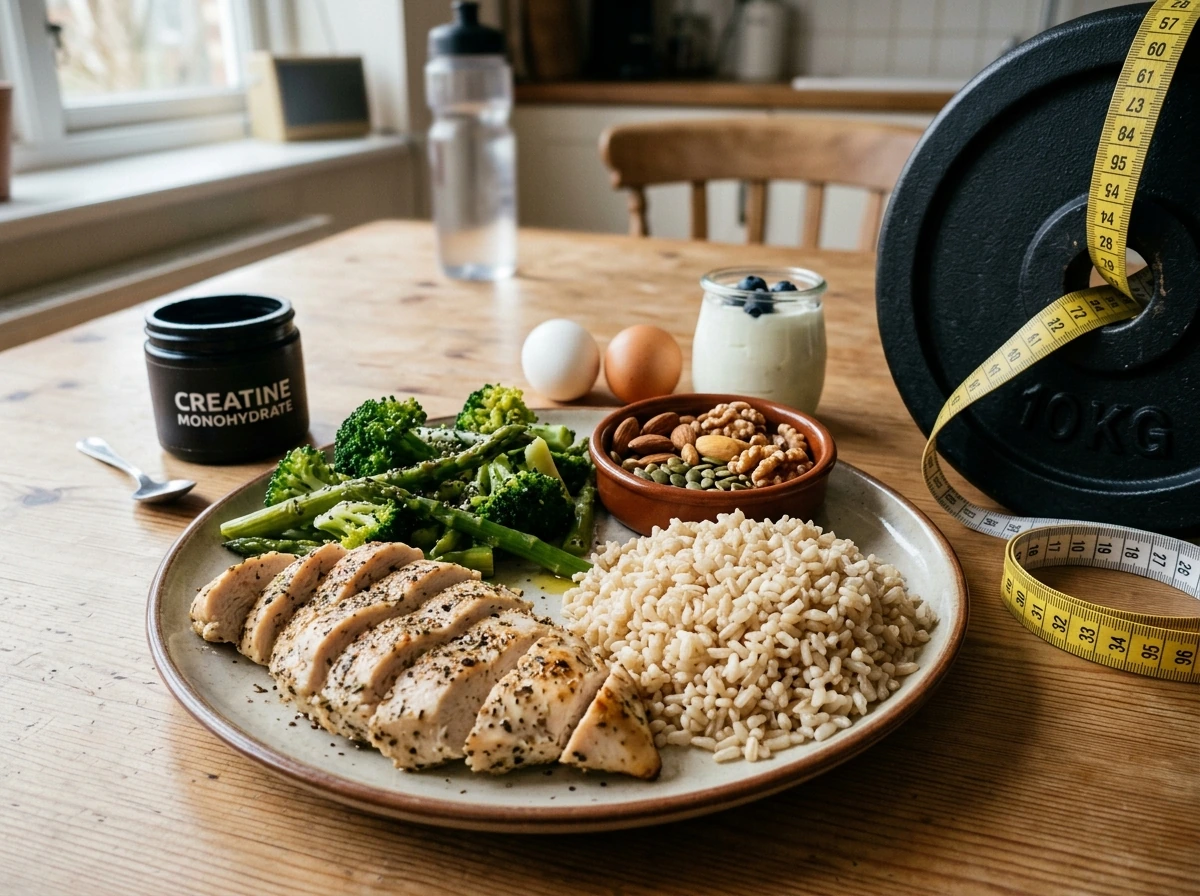
Here's the short version if you want it up front: protein builds and repairs muscle tissue, carbohydrates power your workouts so you can train hard enough to force adaptation, fats support testosterone and other anabolic hormones, and micronutrients like magnesium, zinc, and vitamin D keep the whole system running. None of these are optional. The mistake most people make is obsessing over one (usually protein) while quietly ignoring the rest.
| Nutrient | Primary Role for Muscle | Daily Target (general) |
|---|---|---|
| Protein | Muscle protein synthesis and repair | 1.4–2.0 g/kg body weight |
| Carbohydrates | Fuel training, replenish glycogen, protect muscle | 3–7 g/kg body weight |
| Dietary Fats | Hormone production, inflammation control, recovery | ~0.5–1.5 g/kg body weight |
| Magnesium | Muscle contraction, protein synthesis, sleep | 310–420 mg/day |
| Zinc | Testosterone support, tissue repair | 8 mg/day (women), 11 mg/day (men) |
| Vitamin D | Muscle function, hormone support, bone health | 600–800 IU/day (more may be needed) |
| Omega-3 Fatty Acids | Muscle protein synthesis support, especially in older adults | ~2–3 g/day EPA+DHA |
Protein: how much you actually need, which types matter, and when to eat it

Protein is where you build muscle. When you train, you break down muscle fibers. When you eat protein, you supply the amino acids needed to repair and rebuild those fibers thicker and stronger than before. That process is called muscle protein synthesis, and protein is literally the raw material for it.
How much protein to eat per day
The standard US RDA for protein is 0.8 g per kilogram of body weight per day. That's fine if you're sedentary, but it's not enough if you're training for muscle growth. The International Society of Sports Nutrition recommends 1.4 to 2.0 g/kg/day for most people doing resistance training, and that range holds up well across the research. For a 75 kg (165 lb) person, that works out to roughly 105–150 grams of protein per day. If you're closer to the beginner end of training, you can start at the lower end of that range. If you train hard, train frequently, or are in a calorie deficit, lean toward the higher end.
Older adults deserve a specific mention here. If you're 50 or older, your muscles are slightly less sensitive to the anabolic signal from protein, a phenomenon called anabolic resistance. The practical fix is simple: eat at least as much protein as younger lifters do, and probably a little more. The same 1.4–2.0 g/kg/day range applies, but many older adults benefit from pushing toward the top of that range and distributing protein evenly across meals rather than cramming it into one or two.
Which protein sources are best

For muscle growth, what matters most is the leucine content of your protein source. Leucine is the amino acid that directly triggers muscle protein synthesis through the mTOR pathway. Animal proteins like chicken, beef, eggs, fish, Greek yogurt, cottage cheese, and dairy generally contain more leucine per gram than most plant sources, and they're more complete in their amino acid profiles. That doesn't mean plant-based eating is incompatible with muscle growth, it just means you need to be more deliberate. Combining sources like rice with legumes, or relying on soy protein (one of the few complete plant proteins) gets you where you need to be. A practical target for each meal is roughly 3 grams of leucine, which you can hit with about 30–40 grams of animal protein or a slightly larger serving of a leucine-rich plant protein. Whey protein, for what it's worth, is excellent post-workout specifically because it's fast-digesting and high in leucine.
Protein timing: does it actually matter?
Timing matters, but it's not as precise as supplement marketing suggests. The most practical approach is to spread your daily protein across 3–5 meals, with each meal containing roughly 25–40 grams. This keeps muscle protein synthesis elevated throughout the day better than eating the same total protein in one or two large sittings. Post-workout protein within a couple of hours of training is useful, but if your overall daily intake is on target, the urgency of the exact timing window is less critical than getting the total right.
Carbs: the fuel that makes your training actually work
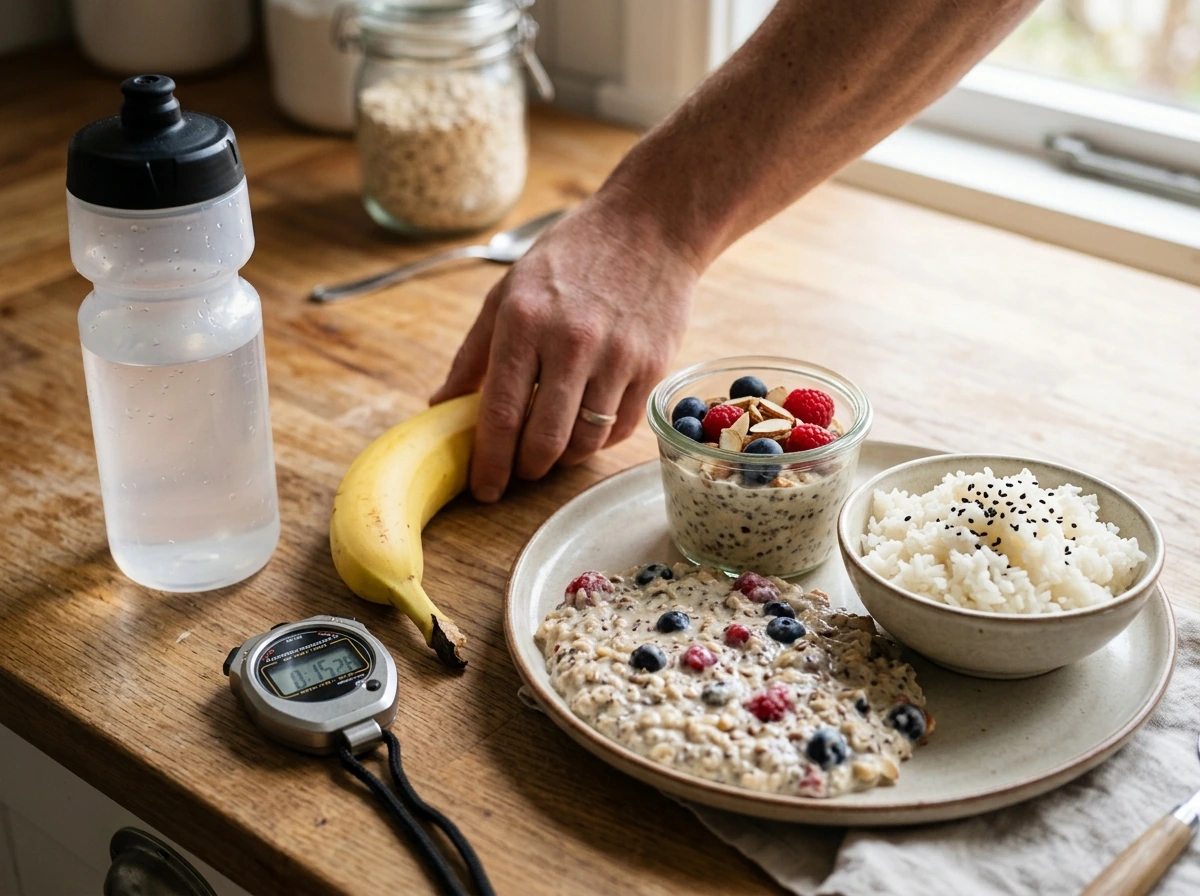
Carbohydrates don't build muscle directly. But they make it possible for you to train hard enough to create the stimulus that triggers muscle growth, and that makes them essential. Resistance training is a glycolytic activity, meaning your muscles burn through stored carbohydrate (glycogen) to produce force. Research shows that a single resistance training session can reduce muscle glycogen by 25–40%. If you chronically under-eat carbs, you go into sessions already depleted, you lift less, fatigue earlier, and you leave with a weaker growth stimulus. Studies have found that persistently low carbohydrate availability can actually blunt the hypertrophic response to resistance training directly, not just indirectly through performance.
The practical target for people focused on muscle growth is roughly 3–7 grams of carbohydrate per kilogram of body weight per day. That's a wide range on purpose. If you train 3–4 days a week at moderate intensity, the lower end works. If you train frequently and with high volume, you need more. For a 75 kg person doing serious training, that's 225–525 grams of carbs per day. That might sound like a lot if you've been told to fear carbs, but context matters: you're fueling demanding physical work.
Timing carbs around training is worth doing. Eating a carb-containing meal 2–3 hours before training gives you topped-up glycogen to work with. Post-workout, prioritizing carbs (along with protein) helps replenish what you burned. If you train twice in the same day or in closely spaced sessions, getting carbs in early and fast after the first session, around 1–1.2 g/kg in the first hour, is especially useful. Day to day, though, just hitting your overall carbohydrate target matters more than optimizing the minute-by-minute timing.
Fats and the micronutrients most people ignore
Dietary fats: not optional for muscle growth
Fat has been unfairly demonized in fitness culture. The reality is that dietary fat is essential for producing testosterone and other anabolic hormones. When fat intake drops too low, hormone levels can fall with it, and that directly blunts your capacity to build muscle. There's no single precise daily target that works for everyone, but most practitioners and position papers suggest keeping fat at somewhere between 0.5 and 1.5 grams per kilogram of body weight per day, and ensuring a healthy fat intake regardless of total calorie target. Good sources include eggs, fatty fish, olive oil, avocados, nuts, and full-fat dairy.
Omega-3 fatty acids deserve their own mention because the evidence for them is increasingly interesting, especially for older adults. Multiple randomized controlled trials have found that omega-3 supplementation (particularly EPA and DHA from fish oil) can increase the rate of muscle protein synthesis and improve strength outcomes in older adults, especially when combined with resistance training. A meta-analysis of studies in adults over 60 found probable beneficial effects on muscle performance from omega-3s, though results vary by outcome measure. The evidence is mixed enough that I wouldn't call omega-3s a miracle supplement, but for anyone over 50 who doesn't eat fatty fish regularly, 2–3 grams of EPA+DHA daily from fish oil is a reasonable and low-risk addition.
Magnesium: the quiet player in muscle function
Magnesium is involved in over 300 enzymatic reactions, including muscle contraction, protein synthesis, and sleep quality. Sleep matters more than people think for muscle recovery, and poor sleep is often linked to low magnesium. The RDA sits at 400–420 mg/day for adult men and 310–320 mg/day for adult women, but surveys consistently show that older adults in particular tend to fall short of these targets through diet alone. Good food sources include leafy greens, nuts, seeds, legumes, and whole grains. If your diet is short on those, a magnesium supplement (magnesium glycinate or citrate absorbs well) is worth considering.
Zinc: underrated for testosterone and repair
Zinc plays a role in testosterone production and tissue repair, both of which are relevant if you're trying to build muscle. The RDA is 11 mg/day for men and 8 mg/day for women. Meat, shellfish (especially oysters), legumes, seeds, and nuts are reliable sources. Zinc deficiency isn't common in people who eat varied, protein-rich diets, but athletes who sweat heavily can lose more zinc than average. If you eat little meat and train hard, it's worth keeping an eye on.
Vitamin D: more than just bones
Vitamin D supports muscle function, and there's growing evidence that it plays a role in muscle protein synthesis and overall muscle performance. The RDA is 600 IU per day for adults aged 19–70 and 800 IU for those over 70, but many researchers and clinicians think those numbers are on the low side for people who don't get much sun exposure. Fatty fish, egg yolks, and fortified foods contribute some vitamin D, but sunlight is still the best natural source. If you live in a northern climate or spend most of your time indoors, a vitamin D3 supplement is one of the more reasonable additions to a muscle-building nutrition plan. It also ties into bone health, which matters more as you age and is worth reading more about if that's a concern for you. If you want to grow your bones too, pay attention to your grow bone vitamin code, especially vitamin D along with calcium and magnesium.
A simple muscle-growth meal plan you can start this week

You don't need to overhaul everything at once. Here's how to structure your meals around the nutrients that actually matter for muscle growth, using a practical framework rather than a rigid meal plan.
- Anchor every meal around a protein source. Aim for 30–40 grams per meal across 3–4 meals per day. Think chicken breast, eggs, Greek yogurt, cottage cheese, salmon, lean beef, tofu, or tempeh.
- Add a carbohydrate source to at least 3 meals, especially the ones closest to your training. Rice, oats, sweet potatoes, fruit, and whole grain bread all work. Scale portions up if you train hard and long.
- Don't skip fats. Every meal can include a fat source naturally: eggs have fat built in, salmon is fatty, add olive oil to vegetables, throw a handful of nuts into a snack. Avoid going fat-free.
- Build your pre-workout meal 2–3 hours before training and include both protein (25–40 g) and carbs (1–4 g/kg depending on session length).
- After training, eat within a couple of hours. Protein plus carbs is the standard here. A meal or a shake with whole food carbs on the side works fine.
- Check your micronutrients. If you're not eating leafy greens, nuts, seeds, or fatty fish regularly, you're probably leaving magnesium, zinc, and omega-3s on the table.
A sample day for a 75 kg person targeting muscle growth might look like this: breakfast with 4 eggs and oatmeal, a mid-morning Greek yogurt with fruit, a lunch of chicken, rice, and vegetables with olive oil, a pre-workout banana and cottage cheese if training in the afternoon, a post-workout meal of salmon with sweet potato and greens, and a final snack of casein-rich cottage cheese or a glass of milk before bed. That structure, not the exact foods, is what you're trying to replicate in your own context.
Common mistakes and how to think about supplements
The mistakes that quietly kill muscle growth
- Under-eating total calories. Protein can't build muscle if you're in a significant calorie deficit. Your body will use dietary protein for energy instead. You don't need to bulk aggressively, but you need to eat enough.
- Getting carbs so low that your training suffers. Low-carb approaches have their place, but for people whose main goal is muscle growth, chronically low glycogen means chronically low training quality, which means a weaker growth signal.
- Relying on supplements before nailing the basics. No supplement fills the gap created by eating too little protein, sleeping 5 hours a night, or training inconsistently.
- Treating protein as the only muscle nutrient. People who hit 2 g/kg of protein but eat almost no carbs and minimal fat are often frustrated by slow progress for exactly this reason.
- Ignoring micronutrients entirely. Magnesium, zinc, and vitamin D are not glamorous, but deficiencies in any of them can subtly impair muscle contraction, recovery, and hormone function.
Where supplements fit in (and don't)
The supplement landscape is crowded, but only a few things have solid evidence behind them for muscle growth. Creatine monohydrate is the most well-supported: taking 3–5 grams per day over several weeks increases muscle creatine stores and consistently improves strength gains when combined with resistance training. It's one of the few supplements worth adding early. Whey protein is useful when whole food protein is inconvenient, not because it's magic, but because it's a convenient, high-leucine protein source. If you want to explore what else might be worth adding to your supplement stack, there's more detail available in a guide on best pills to grow muscle fast on this site.
Protein powders can fill real gaps in a diet that struggles to hit protein targets through food alone, and if you're weighing options there, Protein powders can fill real gaps in a diet that struggles to hit protein targets through food alone, and if you're weighing options there, a dedicated guide to the best protein powder to grow muscle is worth reading. Just don't use supplements as a substitute for getting the foundational nutrients right. A creatine supplement doesn't compensate for eating 80 grams of protein a day when your target is 150.
The honest truth about muscle nutrition is that it's not complicated, but it does require consistency across all the nutrient categories at once. Get protein to 1.4–2.0 g/kg, eat enough carbs to train hard, keep fats in the picture, cover your key micronutrients, and eat enough total calories to support growth. Do that for 8–12 weeks alongside consistent resistance training and you'll have more useful data about what your muscles actually respond to than any supplement could give you. If you want a simple place to start, look up the best supplements to grow muscle and use them as the final layer after your protein, carbs, fats, and calories are already on target.
FAQ
If I already hit my protein grams, do I still need to worry about leucine per meal?
If your daily protein target is on track, leucine matters most when meals are small or infrequent. For example, if you eat two large protein meals, you may miss the per-meal leucine trigger, so spreading protein across 3–5 meals often improves results. If you already do 3–4 protein-containing meals and each includes a high-leucine source, per-meal leucine is usually less of a concern.
Is 1.4 to 2.0 g/kg/day protein based on body weight or lean mass?
The recommendation in the article uses total body weight, which is simpler and works for many trainees. If you have a very high body fat percentage, using total weight can overshoot, and using a lean-mass-based estimate may be more practical. A common approach is to start with the low end of the range using your current weight, then adjust based on performance, recovery, and whether you can maintain the diet without excessive calories.
How do I handle protein targets when I am cutting calories or dieting?
During a calorie deficit, the biggest issue is often failing to maintain the protein baseline, not just total calories. Keep protein at the high end of the 1.4–2.0 g/kg/day range, and don’t reduce it to match a lower calorie budget. If carbs drop a lot, expect training performance and glycogen to suffer, so consider keeping carbs closer to the lower-middle of the article’s range to protect session quality.
What if my main protein sources are mostly plants, how do I make sure I am covered?
Plant-heavy diets can build muscle, but you typically need more intentional amino-acid coverage. Prioritize complete plant proteins when possible (such as soy), and combine legume-based proteins with grains within the day (not necessarily the same meal). Also watch leucine-rich choices, for example, soy and some higher-protein legumes can get you closer to the per-meal leucine target without giant portions.
Do I need to eat carbs every day even if I am not training?
You can keep carbs flexible, but if you train hard, you should at least cover enough intake on training days to refill glycogen and support performance. On rest days, you can usually reduce carbs toward the lower end of the range, as long as training quality on the next session is not compromised. If strength or volume drops for multiple sessions, raise carbs again rather than only adding more protein.
What is the best timing strategy for carbs if I train early in the morning?
If you train soon after waking and you cannot eat a real meal beforehand, a smaller pre-workout carb dose can help, such as fruit or a carb-based snack, plus protein if possible. Then prioritize a carb plus protein meal after training to replenish glycogen. The key is to ensure your daily carb total still lands in the target range, not to chase exact minute-by-minute timing.
How low can fat intake go before it affects muscle growth?
Going too low can reduce hormone-related support and often makes it harder to maintain calorie intake. A practical safety move is to stay within the article’s suggested 0.5 to 1.5 g/kg/day window, especially if you are dieting. If you push fat very low, watch for signs like reduced libido, persistent fatigue, or stalled strength, and then increase fat while keeping protein and carbs where they need to be.
Do I need omega-3 supplements if I eat fish sometimes?
Supplement need depends on frequency and portion size. If you eat fatty fish a few times per week, you may already be close to the effective intake and can skip fish oil. If you rarely eat fatty fish, the article’s 2 to 3 grams per day of EPA plus DHA is a reasonable addition for people over 50. If you take blood thinners or have a bleeding disorder, check with a clinician before using high-dose fish oil.
Should I take magnesium and vitamin D together, and what can I expect?
They address different needs, so taking both is fine if you are low in each, but you may notice effects on different timelines. Magnesium, if deficient, can show up as better sleep quality and less muscle cramping over days to weeks. Vitamin D changes blood levels more gradually, often over weeks to months. If you want to be precise, consider bloodwork (especially for vitamin D) rather than guessing.
How do I know if zinc is actually an issue for me?
Zinc deficiency is uncommon with a varied diet, so most people do not need extra zinc unless their intake is low (for example, little meat or shellfish) or they have high sweat losses and low dietary intake. Athletes who sweat heavily and eat mostly plant-forward without enough legumes or seeds may be at higher risk. Avoid long-term high-dose zinc supplementation because excess zinc can interfere with copper balance.
Is vitamin D only about muscle, or does it affect training in other ways?
Vitamin D is tied to muscle function and may influence overall performance, but it also supports bone health, which matters for injury risk and long-term training. If you live indoors much of the year, vitamin D supplementation can help maintain strength training consistency by supporting musculoskeletal health. If you do supplement, consider rechecking levels after a few months rather than assuming dose is perfect.
Do supplements replace food at all, or should I treat them strictly as extras?
Treat supplements as extras that help you meet nutrient targets you struggle with, not as replacements. For example, creatine can improve training output, but it does not replace protein, carbs, or key micronutrients needed for muscle protein synthesis and recovery. A good rule is that food should still cover your daily protein baseline, then use supplements only for specific gaps, such as convenient protein, creatine for training support, or omega-3 if fish intake is low.