You can't grow smooth muscle the way you grow a bicep, and trying to apply skeletal-muscle logic here will send you down the wrong path entirely. Smooth muscle lives in your airways, gut, bladder, blood vessels, and other organs, and it adapts through stretch, hormonal signals, inflammation, and autonomic input rather than voluntary contractions. What you can practically do is improve smooth muscle function in specific organs by removing the things that impair it, applying the right stimuli (breathing training, bladder retraining, gut motility strategies), dialing in nutrition and lifestyle inputs that reduce chronic inflammation, and working with a clinician when the issue is genuinely medical. That's what this guide is about.
How to Grow Smooth Muscle: Evidence-Based Training Steps

Marcus Kellerman
30 Apr 2026

Smooth muscle is not skeletal muscle, here's what that means for you
Skeletal muscle (the kind you train at the gym) is under voluntary control, uses troponin to regulate contraction, and responds reliably to progressive overload. Smooth muscle is involuntary, found in organ walls, and uses an entirely different molecular system: contraction is driven by calcium-calmodulin activation of myosin light chain kinase (MLCK), with calcium sensitization via the RhoA/ROCK pathway on top. There's no troponin. You can't consciously flex your bronchi or your bowel wall.
So what does 'growth' actually mean for smooth muscle? In pathological contexts like asthma, airway smooth muscle mass genuinely increases through both hypertrophy (bigger cells) and hyperplasia (more cells). Cyclic or mechanical stretch of human airway smooth muscle cells upregulates miR-26a and induces airway smooth muscle hypertrophy through suppression of GSK-3β and increased expression of smooth muscle markers such as alpha-actin, SM22, and smMHC blank" rel="noopener noreferrer">miR-26a upregulation and airway smooth muscle hypertrophy. That's not a good thing, it narrows the airway and worsens reactivity. The goal for most people reading this isn't to grow more smooth muscle mass. In some medical cases, smooth muscle can face growth-like changes in mass, but the priority is usually improving function rather than chasing muscle size can face muscles grow. It's to improve smooth muscle function: better tone, reduced hyperreactivity, improved contractile efficiency, and healthier organ performance. Think of it as optimizing the muscle you already have, not building more of it. In other words, outside of disease contexts like asthma, you should focus on improving smooth muscle function rather than asking whether the masseter muscle can grow can the masseter muscle grow.
There are a few specific contexts where someone might reasonably want to improve smooth muscle performance: airway smooth muscle in asthma or exercise-induced bronchoconstriction, bladder smooth muscle in overactive bladder or urge incontinence, and gut smooth muscle for motility and transit. Each has its own levers. The approach for your airways is different from the approach for your bladder. I'll cover each one, but first let's look at what actually drives smooth muscle adaptation.
What drives smooth muscle adaptation
The main stimuli for smooth muscle remodeling and adaptation are mechanical stretch, inflammatory cytokines, neuroendocrine signals, and autonomic tone. Each of these can either improve or worsen function depending on whether the stimulus is controlled or chronic and excessive.
Mechanical stretch is probably the most actionable lever. In human airway smooth muscle cells, cyclic stretch upregulates cytoskeletal markers like alpha-actin, SM22, and smooth muscle myosin heavy chain through microRNA-26a-mediated suppression of GSK-3 beta. In bladder smooth muscle cells, stretch changes the expression of dozens of mediators including HB-EGF, BMP-2, and COX-2. This is the biological basis for breathing training and bladder retraining, you're using controlled, progressive stretch to signal adaptation.
Inflammatory cytokines are a double-edged sword. TGF-beta induces hypertrophy-related changes in human bronchial smooth muscle cells, and angiotensin II drives airway smooth muscle hypertrophy with downstream TGF-beta1 upregulation. In the context of chronic airway disease, this is part of the remodeling problem. But this also tells you that reducing chronic low-grade inflammation through lifestyle factors is a meaningful target, not just a vague wellness talking point.
Autonomic and neuroendocrine tone matters enormously. The balance between sympathetic and parasympathetic drive controls bronchomotor tone, gut motility, and bladder contractility. Chronic stress shifts this balance in ways that impair smooth muscle function across all three systems. Stress hormones tighten airways, slow or spasm the gut, and destabilize bladder control. This is one of the most underappreciated reasons lifestyle management is a front-line strategy rather than an afterthought.
Lifestyle levers that actually move the needle
Nutrition
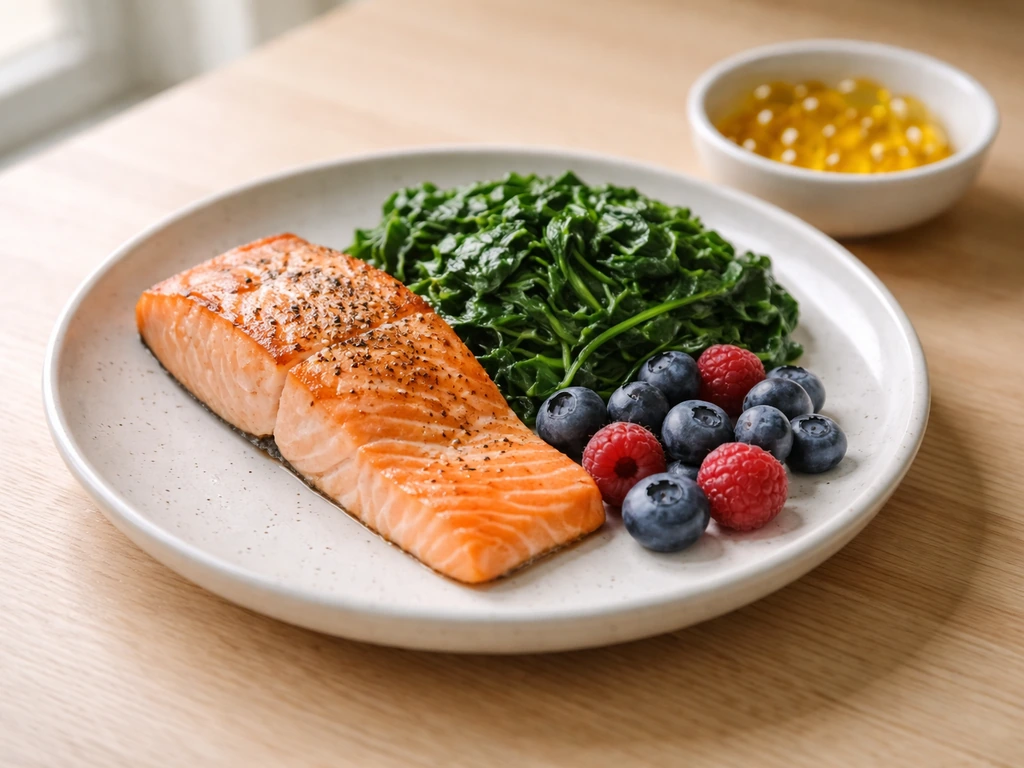
Adequate protein matters for tissue maintenance and repair everywhere in the body, including organ smooth muscle, but the more targeted nutrition targets here are anti-inflammatory. Vitamin D is a meaningful one: it reduces inflammation-induced airway smooth muscle contractility and remodeling in asthmatic airway smooth muscle models, and vitamin D deficiency is linked to increased airway hyperresponsiveness and poorer asthma control. Getting your vitamin D status checked and correcting deficiency is a low-effort, high-leverage step if you have airway smooth muscle issues.
Omega-3 fatty acids (EPA and DHA from fish oil) have meaningful evidence for airway smooth muscle specifically. One well-designed crossover trial using 4.0 g EPA and 2.0 g DHA daily for three weeks showed reduced bronchial hyperresponsiveness, and omega-3s have been shown to reduce exercise-induced bronchoconstriction and lower proinflammatory mediator generation. For gut smooth muscle, dietary fiber is the main nutritional tool: it influences colonic transit time, and changes in transit time independently shift gut microbiota composition and motility patterns. Evidence suggests you need to be above roughly 10 to 15 grams per day of total fiber before reliable effects on transit emerge, so getting to 25 to 30 grams daily is a practical target.
Hydration
Hydration matters differently across systems. For gut smooth muscle, adequate fluid intake keeps stool soft and supports normal motility, constipation imposes abnormal mechanical loading on colonic smooth muscle and is also listed as a contributing factor to overactive bladder symptoms. For bladder function, the relationship is more nuanced: too much fluid increases urgency, but too little concentrates urine and irritates the bladder wall, both of which worsen smooth muscle behavior. The practical sweet spot is consistent moderate hydration, avoiding large boluses of fluid at once, and reducing or eliminating caffeine and alcohol, which are direct bladder irritants.
Sleep and stress
Poor sleep and chronic psychological stress are genuine smooth muscle antagonists. Elevated cortisol and sympathetic overdrive worsen airway reactivity, disturb gut motility (both constipation and diarrhea-predominant patterns), and destabilize bladder control. Sleep deprivation also maintains a low-grade inflammatory state that promotes the same TGF-beta and pro-remodeling cytokine environment that drives pathological airway smooth muscle changes. Getting seven to nine hours of quality sleep and having active stress management strategies (whatever those look like for you, exercise, breathing practice, structured downtime) isn't soft advice; it's physiologically grounded.
Practical training strategies by organ system
Airways: breathing training and exercise
The closest thing to 'progressive overload' for airway smooth muscle is respiratory training. Regular aerobic exercise reduces bronchial hyperresponsiveness in asthma, systematic review and meta-analysis evidence supports this, though effect sizes vary. The mechanism involves reduced exercise-induced bronchoconstriction, lower baseline airway inflammation, and improved autonomic balance. Aim for 150 minutes per week of moderate-intensity cardio as a foundation, using the same guidelines that apply to general health.
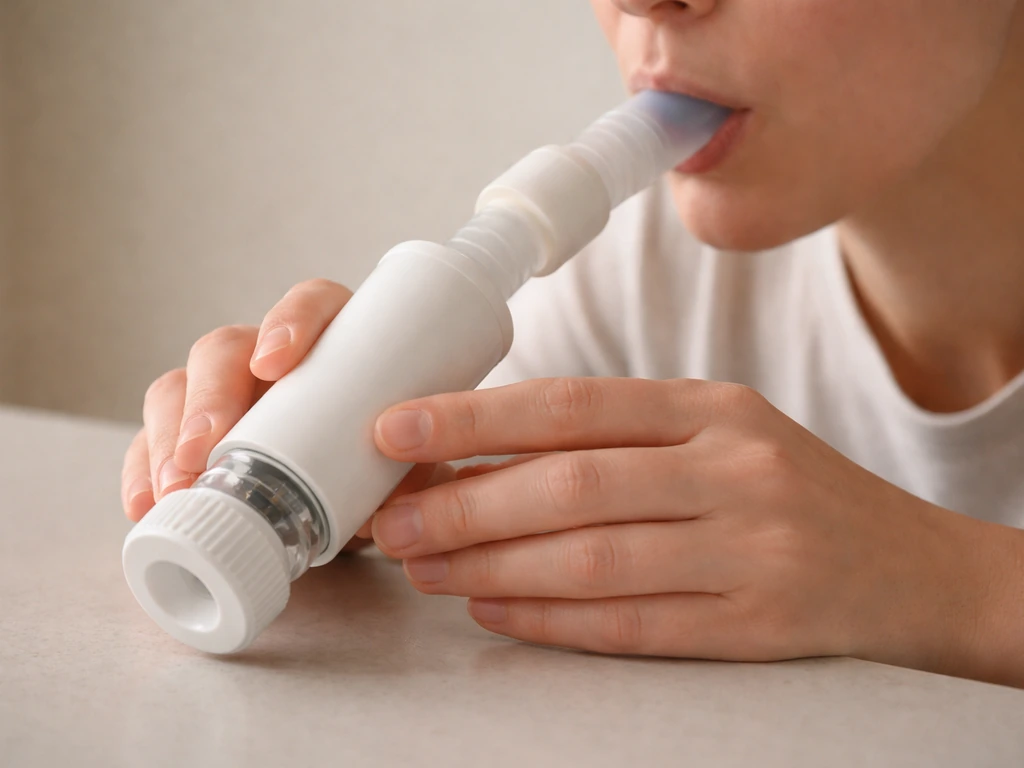
Inspiratory muscle training (IMT), using devices like a threshold resistance trainer, has been studied in asthma with mixed results. Some trials show improvements in dyspnea and respiratory muscle strength; others show no statistically significant difference in core lung function measures. It's a reasonable add-on, especially if inspiratory muscle weakness or dyspnea during exertion is a specific complaint, but don't expect it to replace medical management or aerobic training. Diaphragmatic breathing and slow nasal breathing practices (as used in structured breathing programs) also modulate autonomic tone and can reduce perceived airway reactivity over time.
Bladder: retraining and pelvic floor work
For overactive bladder or urge urinary incontinence, the front-line evidence-based approach is behavioral. Bladder retraining involves timed voiding with progressively increasing intervals, starting from your current comfortable voiding interval and extending it by roughly 15 to 30 minutes each week, with the goal of reaching two to three hour intervals. Between voids, urgency suppression techniques are used: pause, contract the pelvic floor muscles, distract your attention, and let the urge pass rather than rushing to the toilet. This is a direct conditioning protocol for the detrusor (bladder smooth muscle) and its neural control.
Pelvic floor muscle training supports this by giving you a reflex inhibitory tool against detrusor contractions. A sustained pelvic floor contraction reflexively suppresses urgency. Biofeedback-assisted training is available through pelvic floor physiotherapists if you're struggling to isolate those muscles. Keeping a bladder diary for the first one to two weeks gives you a baseline and tracks your voiding intervals, leakage episodes, and fluid intake, it's the most useful tracking tool available and takes about five minutes per day.
Gut: motility and transit
For gut smooth muscle and motility, the stimulus-based approach centers on consistent mechanical and chemical inputs: regular meal timing, adequate dietary fiber (targeting 25 to 30 grams daily), consistent hydration, and regular physical activity. Exercise accelerates colonic transit, partly through neurohormonal mechanisms and partly through increased physical loading on the abdomen. Aerobic activity three to five times per week is the most practical gut-motility intervention. Stress management, as already mentioned, is especially relevant here since the enteric nervous system is exquisitely sensitive to psychological state.
For people dealing with slow transit or constipation, the progression is: increase fiber gradually over two to four weeks (sudden increases cause bloating), ensure adequate hydration, add regular aerobic movement, and establish consistent meal and toilet timing. Colonic smooth muscle responds to the gastrocolic reflex, so sitting on the toilet 20 to 30 minutes after a meal, particularly breakfast, takes advantage of normal physiology rather than fighting it.
When to get medical help and what treatments target smooth muscle
Some smooth muscle problems are medical conditions that require clinician involvement, not just lifestyle optimization. If you have uncontrolled asthma or COPD, airways that regularly constrict despite lifestyle steps, urgency incontinence that isn't responding to behavioral training, or gut symptoms that are severe, progressive, or unexplained, you need a proper diagnosis before trying to self-manage. Chewing gum isn't a reliable way to grow or strengthen the masseter muscle, so persistent jaw or chewing-related issues are worth discussing with a qualified clinician chewing gum masseter muscle. These aren't signs that you haven't tried hard enough, they're signals that the underlying pathology needs treatment.
For airway smooth muscle conditions, pharmacological options directly target smooth muscle tone. Short-acting beta-2 agonists (SABAs like albuterol/salbutamol) relax bronchial smooth muscle acutely. Long-acting bronchodilators (LABAs and LAMAs) maintain baseline tone. Inhaled corticosteroids reduce the inflammatory environment that drives remodeling and hyperreactivity. In COPD, triple therapy (ICS plus LABA plus LAMA) is used in selected patients for maximum bronchodilation and exacerbation reduction. For severe refractory asthma where smooth muscle mass itself is the problem, bronchial thermoplasty, a procedure using radiofrequency energy to reduce airway smooth muscle volume, has shown durable reduction in smooth muscle mass at 12 months and long-term clinical benefits including reduced severe exacerbation rates up to 10 years in some reports, though the histology-to-clinical-response relationship isn't fully linear.
For overactive bladder, when behavioral strategies aren't sufficient, antimuscarinics (like oxybutynin or tolterodine) or beta-3 agonists (mirabegron) directly modulate detrusor smooth muscle activity. The current AUA/SUFU guidelines emphasize integrating non-urological contributing factors, obesity, constipation, pelvic floor dysfunction, before or alongside medication, and note that behavioral strategies remain a core component of management at every step. For gut motility issues, antispasmodics are used in spasm-dominant disorders (like IBS with cramping), and prokinetics address impaired motility, but these are prescribed and monitored by a clinician after appropriate workup.
Realistic timelines and how to know it's working
Smooth muscle adaptation is not fast. Expect meaningful functional improvements on a timeline of weeks to months, not days. For airway training and exercise, studies on exercise and bronchial hyperresponsiveness typically run eight to twelve weeks before measurable changes appear. For bladder retraining, clinical protocols generally run six to twelve weeks with gradual interval progression, and most people see noticeable improvement in urge frequency and leakage episodes within four to six weeks of consistent practice. Gut motility changes from fiber, hydration, and exercise can appear within two to four weeks, but building new habits takes longer to stabilize.
| System | Primary intervention | Realistic timeline | How to track progress |
|---|---|---|---|
| Airways | Aerobic exercise, breathing training, anti-inflammatory nutrition | 8–12 weeks | Symptom frequency, rescue inhaler use, exercise tolerance, lung function tests (FEV1/PEF) |
| Bladder | Bladder retraining, pelvic floor training, fluid management | 4–12 weeks | Bladder diary (voids per day, leakage episodes, voiding intervals) |
| Gut | Fiber intake, hydration, regular aerobic exercise, meal timing | 2–6 weeks | Stool frequency and consistency (Bristol scale), bloating, transit regularity |
Common myths to leave behind
- Lifting weights will grow your smooth muscle: it won't. Resistance training primarily stimulates skeletal muscle hypertrophy through mechanical tension and metabolic stress; smooth muscle in your organs doesn't respond to those stimuli the same way.
- More smooth muscle mass is better: in pathological airway remodeling (asthma), increased smooth muscle mass worsens reactivity and airway narrowing. The goal is functional optimization, not mass.
- Breathing exercises alone will fix asthma: breathing training is a useful adjunct that reduces hyperresponsiveness, but it doesn't replace pharmacological management when inflammation is driving the remodeling.
- Bladder training is just 'holding it': it's a structured, progressive protocol with urgency suppression technique and pelvic floor engagement, not simply white-knuckling your way through urge. Done correctly, it reconditions the neural-smooth muscle reflex arc.
- Smooth muscle problems are always lifestyle problems: some smooth muscle conditions (asthma, COPD, certain bowel disorders) have significant structural and immunological components that lifestyle alone cannot fully address. See a clinician for persistent or severe symptoms.
The smooth muscle question also comes up in related contexts, improving jaw muscle function, for instance, is actually a skeletal muscle question (the masseter is skeletal, not smooth), and whether facial muscles can grow meaningfully is a different conversation entirely. Smooth muscle is its own category with its own rules, and once you understand those rules, the practical path forward becomes a lot clearer.
FAQ
If smooth muscle does not respond to gym-style training, how do I know whether I am actually improving it?
Smooth muscle “size” is usually not the right target. In most non-disease situations the best goal is improved function (less reactivity, better contractile efficiency, more normal tone). If you do want to confirm whether true remodeling is happening, your clinician can connect symptoms to likely pathology (for example, spirometry and symptom control in asthma), because symptoms alone can reflect neural or inflammatory drivers rather than muscle mass.
Can I just increase breathing or workout intensity to force smooth muscle to adapt faster?
Yes, but only indirectly. Lifestyle and training work through inputs smooth muscle is sensitive to, like controlled stretch, inflammation level, autonomic balance, and mechanical loading (for example, consistent aerobic activity and regular meal timing). What you should avoid is doing high-intensity breathing drills or extreme bladder schedules that create symptom flares, because “more stimulus” is not always “better adaptation.”
What is the safest way to progress when my symptoms change (better or worse) during training?
For airways, start with the combination of aerobic exercise plus a consistent breathing practice you can tolerate daily. If asthma symptoms worsen during training, you may need medical adjustment first, then revisit activity at a lower intensity. For bladder and gut, the equivalent is gradually increasing the dose of the behavior (like extending voiding intervals weekly) instead of jumping to long gaps or suddenly doubling fiber, which commonly causes setbacks.
Will breathing training replace inhalers or other medical treatment?
Breathing exercises can help autonomic tone and perceived airway reactivity, but they are not a substitute for prescribed rescue or controller medication when your asthma or COPD is uncontrolled. A practical decision rule is, if you are needing rescue medication more often, waking at night with symptoms, or limiting activity, you should treat that as a medical management issue rather than a “need more training” problem.
How can I find my personal hydration sweet spot for overactive bladder symptoms?
Hydration is a “range” issue rather than a maximum. If you drink very large amounts at once, many people get urgency sooner because bladder filling patterns change. A useful adjustment is spacing intake across the day and reducing bladder irritants (caffeine and alcohol), then reassessing urgency with a diary for 1 to 2 weeks.
What should I do if bladder urgency improves but constipation worsens, or vice versa?
Constipation and urgency can reinforce each other, but treatments differ by timing. If you are using fiber, increase it gradually and pair it with hydration and walking. If your stool is still hard or you cannot achieve regular bowel movements within a few weeks, talk with a clinician about constipation management options, because persistent constipation can keep bladder symptoms elevated.
How hard should I squeeze my pelvic floor during urgency suppression, and for how long?
For bladder retraining, the pelvic floor contraction used for urgency suppression is a brief, controlled “inhibitory” tool, not a maximal or prolonged effort all day. Overdoing it can increase discomfort or worsen some pelvic floor dysfunction patterns. If you get pelvic pain, increased pressure, or no improvement after consistent practice, consider evaluation by a pelvic floor physiotherapist (especially with biofeedback).
What details should I record in a bladder diary so it actually guides treatment decisions?
Tracking helps you avoid guessing. Besides a bladder diary, consider adding a simple “urgency score” (for example, 0 to 10) and note what you drank and when, because symptom drivers can be tied to timing and irritants rather than muscle function alone. The diary is especially valuable in deciding whether the next step is behavioral adjustment versus medication discussion.
Is there a difference between fiber types for improving gut smooth muscle function?
In gut motility issues, the pattern matters as much as the total fiber. Sudden increases commonly cause bloating and gas, so titrate fiber over 2 to 4 weeks. Also, some people tolerate soluble fiber better than insoluble fiber, so if you get significant discomfort, adjusting fiber type can be as important as hitting the numeric target.
When should gut symptom changes be treated as a medical issue rather than a training issue?
Yes. “Slow transit” constipation often benefits from consistent timing (gastrocolic reflex) plus movement, but if you have red flags like unexplained weight loss, blood in stool, persistent severe pain, or anemia, you need medical workup before escalating fiber or using motility strategies on your own.
What are the common reasons lifestyle approaches fail for smooth muscle-related problems?
If symptoms are severe or progressive despite the basics, clinician involvement is important because medication and diagnosis can change the underlying driver. For example, airway disease can involve more than smooth muscle (infection, eosinophilic inflammation, reflux triggers). In bladder symptoms, rule-outs like urinary tract infection or retention matter. In gut symptoms, conditions like inflammatory bowel disease or obstruction must be excluded.
How long should I try before deciding my plan is not working?
The expected timelines differ by system, but the practical takeaway is consistency over intensity. If you are not seeing any improvement after the typical window (weeks to a few months depending on the target organ), re-check adherence and triggers first (sleep, stress, irritants, constipation control, training consistency). Then move to clinician-guided escalation if symptoms remain frequent or disruptive.