What "beating your meat" really means for muscle growth
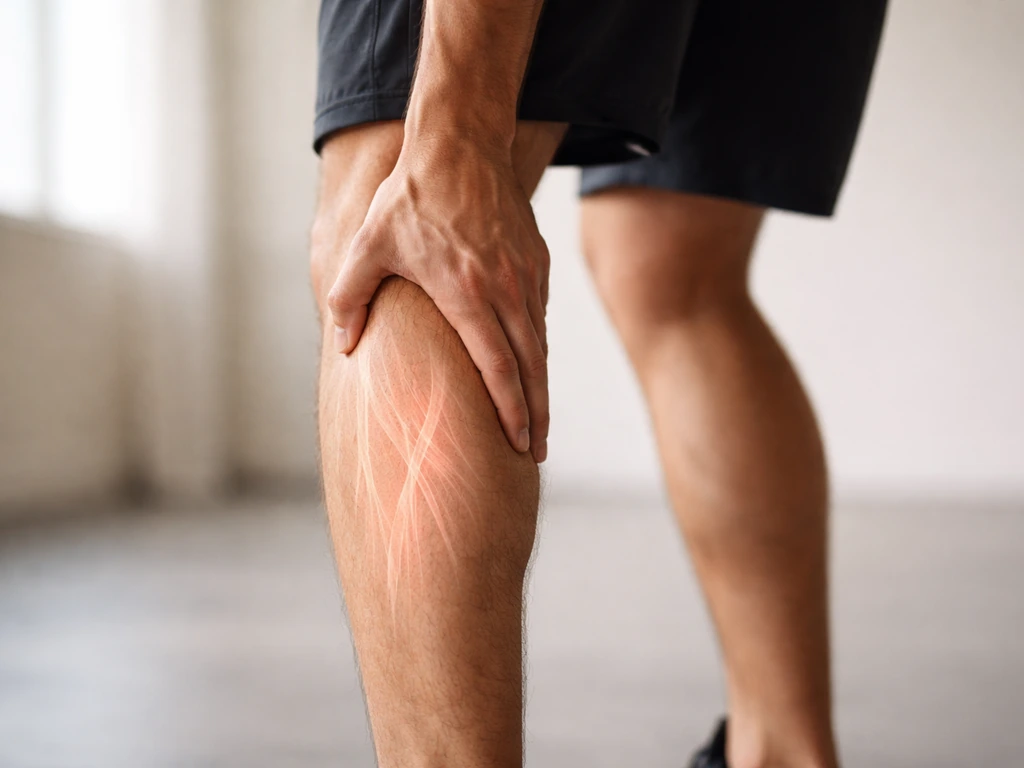
Let's clear the air immediately: on a muscle-building website, "beating your meat" means training your muscles hard through resistance exercise, breaking them down so they rebuild bigger and stronger. If you've landed here wondering whether masturbation affects muscle size, the short answer is no, and we'll walk through exactly why. Either way, this article covers both interpretations, because the physiology lesson is the same: muscle growth is driven by mechanical tension, protein, calories, and sleep, not by what you do or don't do in the bedroom.
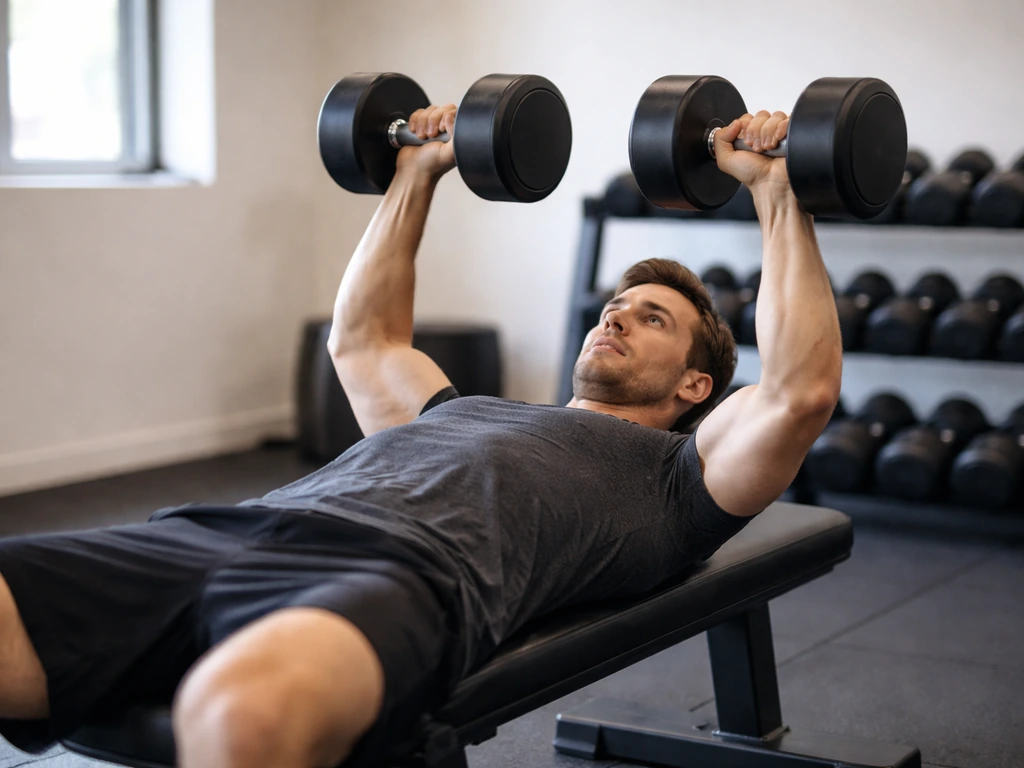
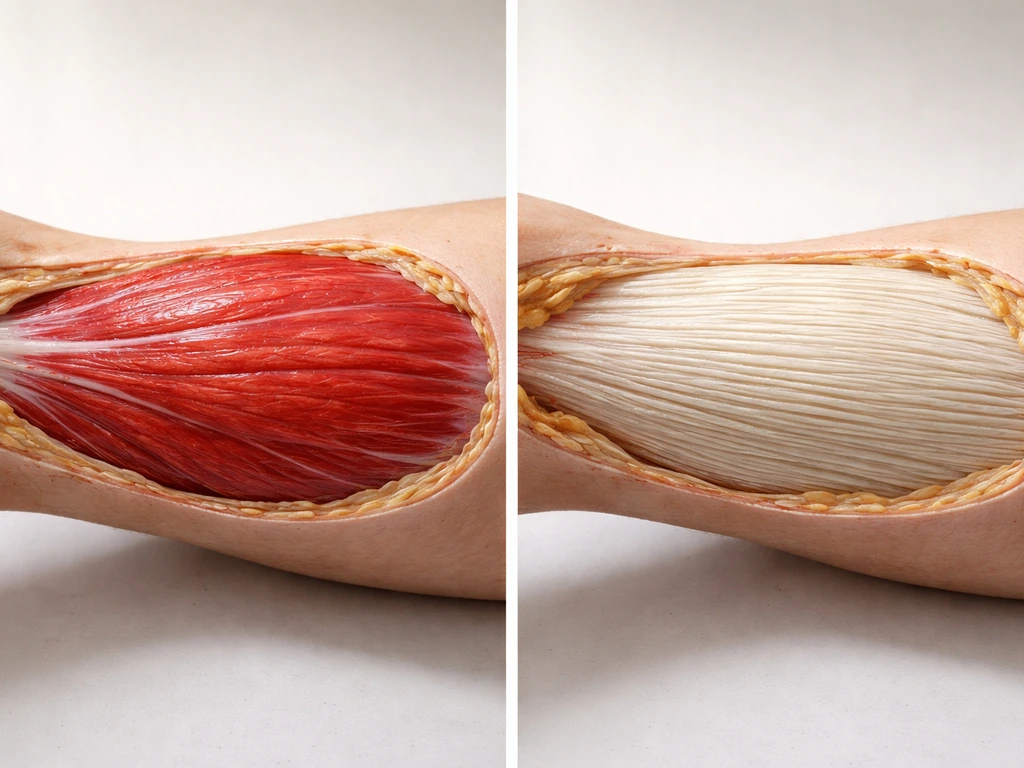
"Beating" a muscle in the training sense means subjecting it to enough mechanical stress through progressive overload that the fibers sustain micro-damage, triggering a repair-and-rebuild response that leaves the muscle slightly larger and stronger than before. That process, called hypertrophy, follows a well-documented biological pathway involving mTOR signaling, muscle protein synthesis (MPS), and a cascade of gene-expression changes in skeletal muscle. None of those pathways are meaningfully controlled by sexual activity.
Direct answer: does stopping or beating change size?
Stopping masturbation will not make your muscles grow faster or bigger. Full stop. And masturbating more will not shrink them either. The variables that determine whether your muscles grow are training stimulus, protein intake, total calories, and recovery quality. Masturbation sits outside all of those levers. It doesn't generate the kind of mechanical tension your muscle fibers need to adapt, it doesn't meaningfully suppress anabolic hormones over the long run, and it doesn't "steal" recovery resources in any way that would show up on a body composition scan. If you've been holding off, hoping abstinence gives you an edge, you can let that go. Your energy is better spent optimizing your training and nutrition.
On the flip side, if you're worried that being sexually active is holding back your gains, the research doesn't support that either. Understanding how meat (and protein in general) helps you grow matters far more for your results than managing sexual frequency.
Mechanisms: muscle hypertrophy, damage, and signaling
To understand why masturbation isn't a growth lever, you need a basic picture of how muscles actually grow. Resistance training applies mechanical tension to muscle fibers. That tension activates mechanosensors in the muscle cell membrane, which trigger mTOR signaling, which in turn ramps up muscle protein synthesis. Animal research shows that even repeated bouts of resistance exercise with short recovery periods activate mTOR signaling, but crucially, that activation doesn't automatically translate into net protein synthesis gains unless the nutritional environment supports it. In other words, the signal and the outcome are separate steps, both of which require specific conditions.
Metabolic stress (the burn you feel during high-rep sets) also contributes to hypertrophy, though mechanical tension is the dominant driver according to Schoenfeld's mechanistic review on the topic. Neither of these pathways is activated by masturbation. The cardiovascular response to sex has been measured in lab settings using wearables and direct arterial pressure monitoring, and while heart rate and blood pressure do rise, the demands are modest and nowhere near the mechanical loading your muscles need to trigger hypertrophic signaling. Sex counts as light-to-moderate physical activity, not resistance training.
Skeletal muscle gene expression in response to resistance exercise involves complex, sex-influenced transcriptional regulation across hundreds of genes over hours post-workout. That biological complexity is what actually shapes adaptation. An orgasm doesn't touch that signaling cascade in any meaningful way.
Why people think it affects growth: hormones, blood flow, and placebo myths
The main myth is the testosterone argument. The idea goes: masturbation lowers testosterone, lower testosterone means less muscle, therefore stop masturbating to grow more. The problem is that the first premise doesn't hold up. Testosterone does rise acutely during and around sexual arousal and returns to baseline shortly after orgasm.
A randomized cross-over pilot study in 11 healthy young men tracked testosterone and cortisol kinetics after masturbation, and while the study characterized acute hormonal changes, the researchers weren't measuring long-term hypertrophy outcomes, because that wasn't the point. In a randomized controlled cross-over pilot study in 11 healthy young men, testosterone and cortisol were measured after masturbation to characterize acute hormonal kinetics [testosterone and cortisol kinetics after masturbation](https://pmc. ncbi. nlm.
nih. gov/articles/PMC8697462/). Acute spikes and dips in testosterone don't translate into lasting changes in muscle size.
The abstinence-boosts-testosterone claim has an even shakier foundation. A widely cited study supposedly showing a sustained testosterone spike after 7 days of abstinence was retracted. Snopes investigated and confirmed that beyond a brief, temporary peak, evidence does not support persistent testosterone increases from abstaining. Even in non-human primate research, ejaculation-related testosterone effects vary across species and don't map neatly onto humans.
Other myths involve blood flow ("your muscles get less blood"), energy depletion ("you're spending recovery resources"), and even the idea that sperm production uses protein that could otherwise go to muscle. None of these hold up under scrutiny. The caloric cost of masturbation is trivial, protein isn't meaningfully diverted, and blood flow to working muscles during your next training session isn't affected by what happened the night before.
What actually drives growth instead
If you want to grow muscle faster, here's where to focus your energy. These are the variables with strong, consistent evidence behind them.
Progressive overload and training volume
Training volume drives hypertrophy in a dose-response fashion. A meta-analysis on training frequency found that hitting a muscle group twice per week produces superior hypertrophic outcomes compared to once per week, when volume is equated. And research on trained men shows that increasing resistance training volume enhances muscle hypertrophy even when strength gains plateau. The practical takeaway: more total hard sets per muscle per week (within your recovery capacity) means more growth, full stop. That's the lever to pull.
Protein intake and timing
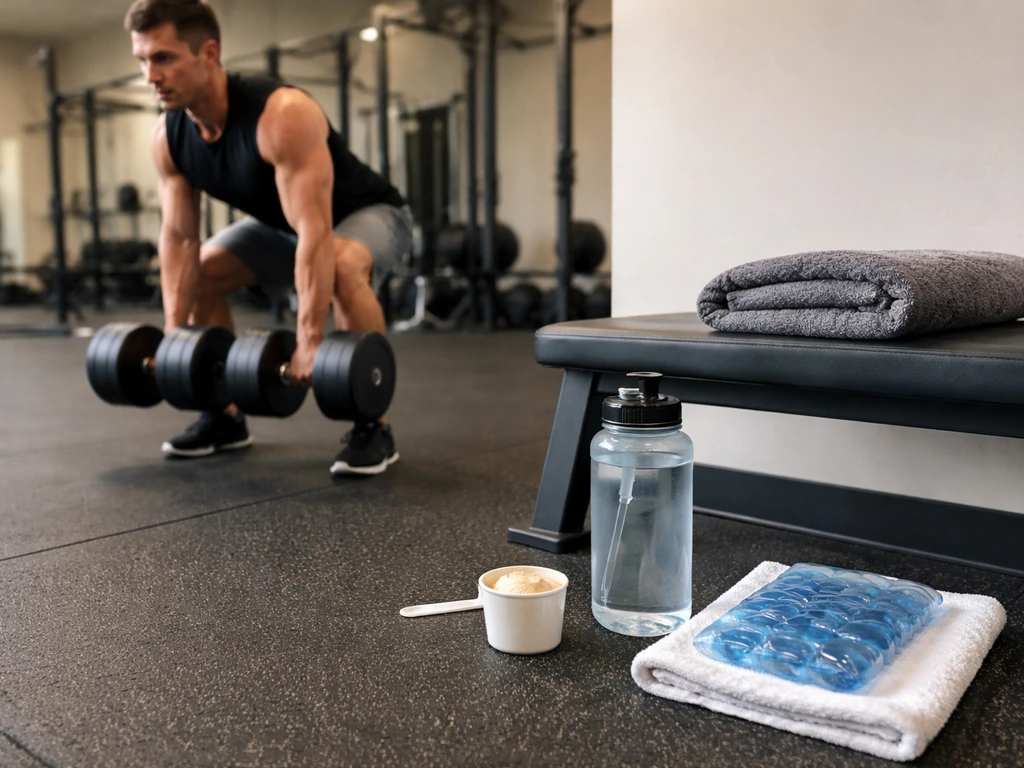
Protein and resistance exercise are synergistic for MPS. The International Society of Sports Nutrition recommends distributing protein intake across meals in doses of around 20 to 25 grams to maximize MPS throughout the day. Timing also matters more than most people realize: one study found that consuming protein before sleep significantly increased muscle mass and strength gains during a prolonged resistance training program in young men. Whether you can grow muscle on different protein sources is a common follow-up question, and the short answer is yes, provided you hit your daily targets. Aim for roughly 1.6 to 2.2 grams of protein per kilogram of bodyweight per day.
Carbohydrates and calories
You need a caloric surplus to build muscle effectively, and carbohydrates play a specific role in fueling performance and recovery. Sports nutrition guidelines recommend 1 to 4 grams of carbohydrate per kilogram of bodyweight before training sessions depending on duration and intensity, and systematic reviews confirm that carbohydrate availability influences both acute strength performance and longer-term resistance training outcomes. Undereating carbs consistently will blunt your training quality and slow your progress.
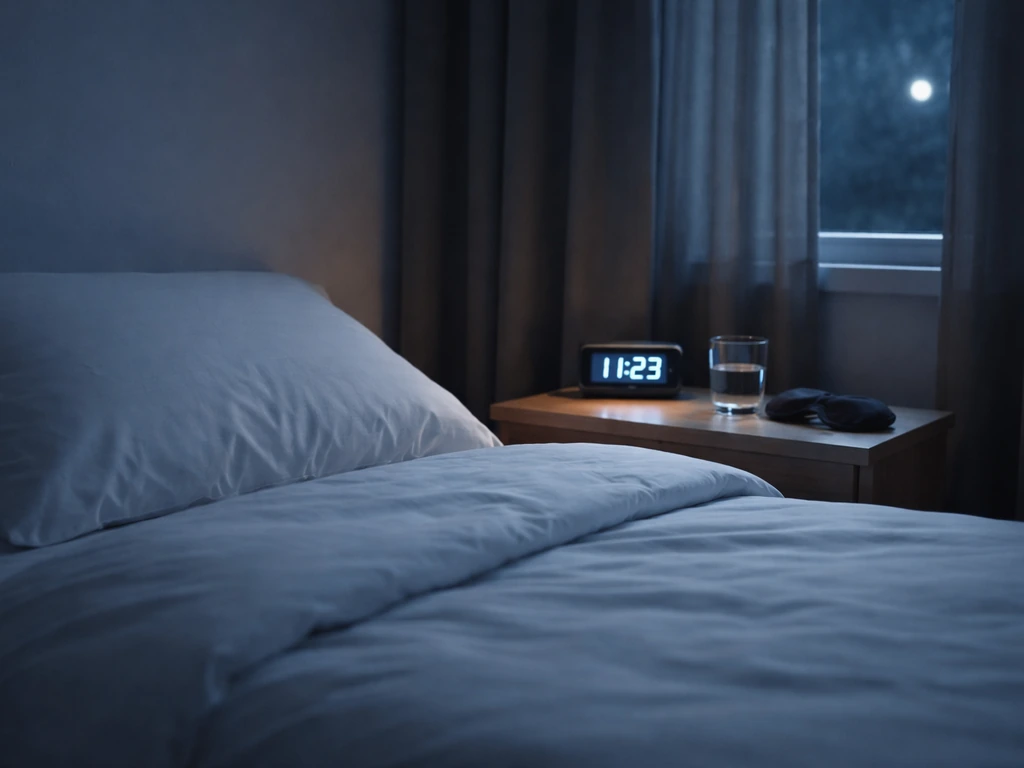
A single night of total sleep deprivation is enough to induce anabolic resistance and a procatabolic hormonal environment, according to clinical mechanistic research. A systematic review reinforces that inadequate sleep blunts resistance training adaptations by disturbing baseline muscle protein metabolism and disrupting anabolic signaling. If you're sleeping less than 7 hours consistently, that's a bigger threat to your gains than any amount of sexual activity. Prioritize sleep as a non-negotiable recovery input.
| Growth Factor | Evidence Strength | Practical Action |
|---|
| Progressive overload (training volume/frequency) | Very strong | Train each muscle 2x per week, add volume over time |
| Protein intake (20-25g per meal, 1.6-2.2g/kg/day) | Very strong | Distribute protein across 4-5 meals, include pre-sleep dose |
| Caloric surplus with adequate carbohydrates | Strong | 1-4g/kg carbs around training; maintain slight caloric surplus |
| Sleep (7-9 hours) | Strong | Treat sleep as a training variable, not optional |
| Masturbation frequency | No evidence | Not a meaningful lever in either direction |
How to train and recover if you're sexually active
Being sexually active is completely compatible with building muscle. The cardiovascular demands of sexual activity, while real and measurable (heart rate and blood pressure do rise), are mild compared to a resistance training session. A study measuring energy expenditure during sexual activity in young healthy couples reported an average energy expenditure around 85 kcal with an estimated intensity near 5. 8 METs [energy expenditure during sexual activity (about 85 kcal and ~5.
8 METs)](https://pmc. ncbi. nlm. nih.
gov/articles/PMC3812004/). Think of it as comparable to a brisk walk. It won't meaningfully tax your recovery systems. People wondering whether vegetarians can grow muscle often have the same underlying concern: am I missing something that blocks growth?
In both cases, the answer is that the fundamentals of training and nutrition matter far more than peripheral lifestyle factors.
That said, there are a few practical considerations worth thinking through if you're trying to optimize everything:
- Sleep quality matters more than sexual activity per se. If late-night activity is cutting into your 7 to 9 hours, that's worth addressing for recovery reasons, not moral ones.
- Energy management before big training days is reasonable. If you have a heavy leg day tomorrow, prioritizing rest that night makes sense, but this applies to any optional physical activity, not just sex.
- Stress and cortisol are real factors. Chronic psychological stress elevates cortisol and can blunt anabolic signaling. If sexual behavior (or the guilt around it) is a stressor, that indirect effect on recovery and motivation is worth addressing.
- Post-workout nutrition windows still apply regardless of other activities. Get protein in within a couple of hours after training.
Some people notice that high libido correlates with feeling good hormonally, which actually reflects adequate testosterone and overall health. That's a positive sign for muscle building, not a threat to it. Many elite athletes are sexually active throughout training cycles without any documented negative impact on performance or hypertrophy outcomes.
Realistic expectations and when to seek help
Muscle growth takes months, not days. Even with perfect training, nutrition, and sleep, meaningful hypertrophy typically requires 8 to 12 weeks of consistent effort before it's clearly visible, and significant changes in body composition take longer still. A 40-week resistance training study in older adults illustrates that adaptations accumulate gradually over time, shaped primarily by training intensity and frequency. Don't expect a change in one behavioral variable like masturbation frequency to accelerate that timeline.
Interestingly, nutrients from whole foods can support that timeline in surprising ways. For example, whether spinach contributes to muscle growth is a real question with a real (if modest) physiological answer, and it's a better use of your research time than worrying about masturbation. Focus on the inputs that move the needle.
There are a few situations where you should genuinely consider talking to a clinician:
- Pain during or after sexual activity that persists or worsens. This is a medical issue unrelated to muscle growth and deserves professional evaluation.
- Erectile dysfunction or significant changes in libido, especially combined with poor recovery from training. These can signal low testosterone or other endocrine issues that do affect hypertrophy and are treatable.
- Compulsive sexual behavior that's interfering with training adherence, sleep, work, or relationships. Clinical criteria for compulsive sexual behavior disorder include failure to control intense, repetitive urges despite adverse consequences across multiple life domains. If sexual behavior is leading to neglect of sleep, training, nutrition, or general health, that's a health issue worth addressing, because those downstream effects can absolutely impair muscle growth.
- Overuse injuries anywhere, including pelvic or groin discomfort from any repetitive activity, whether that's training or otherwise.
The bottom line is straightforward. Masturbation doesn't grow muscle. Stopping masturbation won't grow muscle. What grows muscle is progressive resistance training done at sufficient volume, protein distributed across your day at adequate amounts, enough calories to support growth, and consistent quality sleep. Get those four things right and you'll see results. Everything else, including what you do in your private life, is noise.