Yes, muscles grow during recovery, not during the workout itself. The training session is just the trigger. When you lift, you create mechanical stress and microscopic damage to muscle fibers. The actual repair, remodeling, and growth happen in the hours and days afterward, while you're eating, sleeping, and resting. If you skip or shortchange recovery, you've done the hard part and missed the payoff.
Do Muscles Grow During Recovery? What to Expect

Marcus Kellerman
1 Jun 2026

What 'recovery' actually means for muscle growth
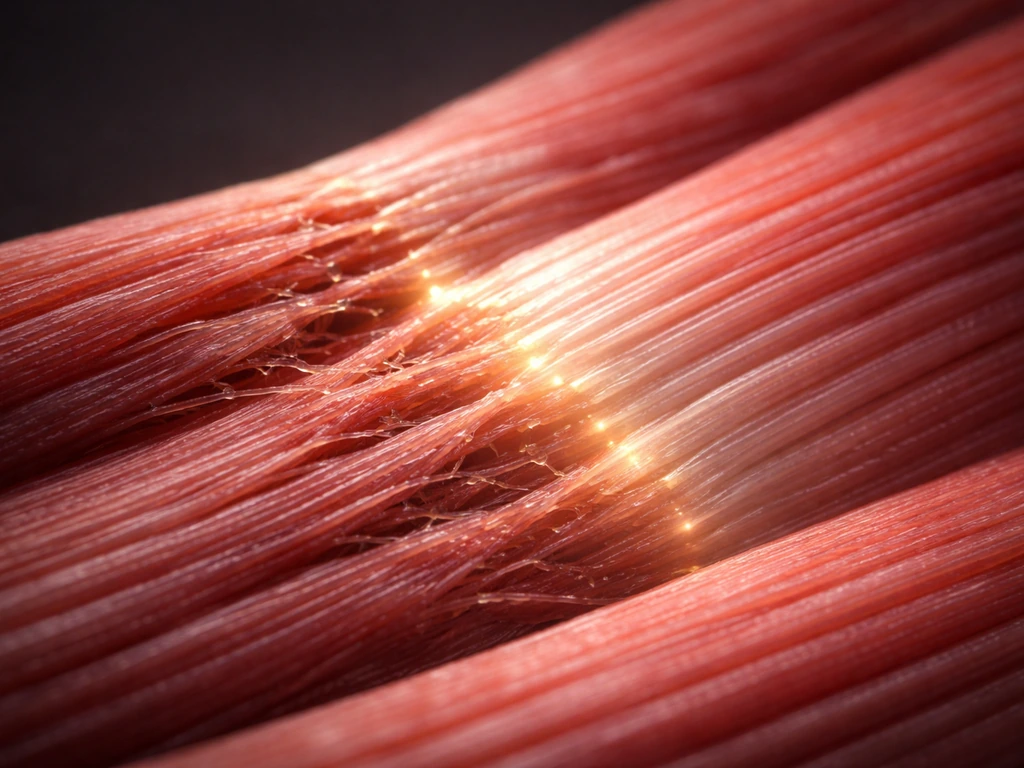
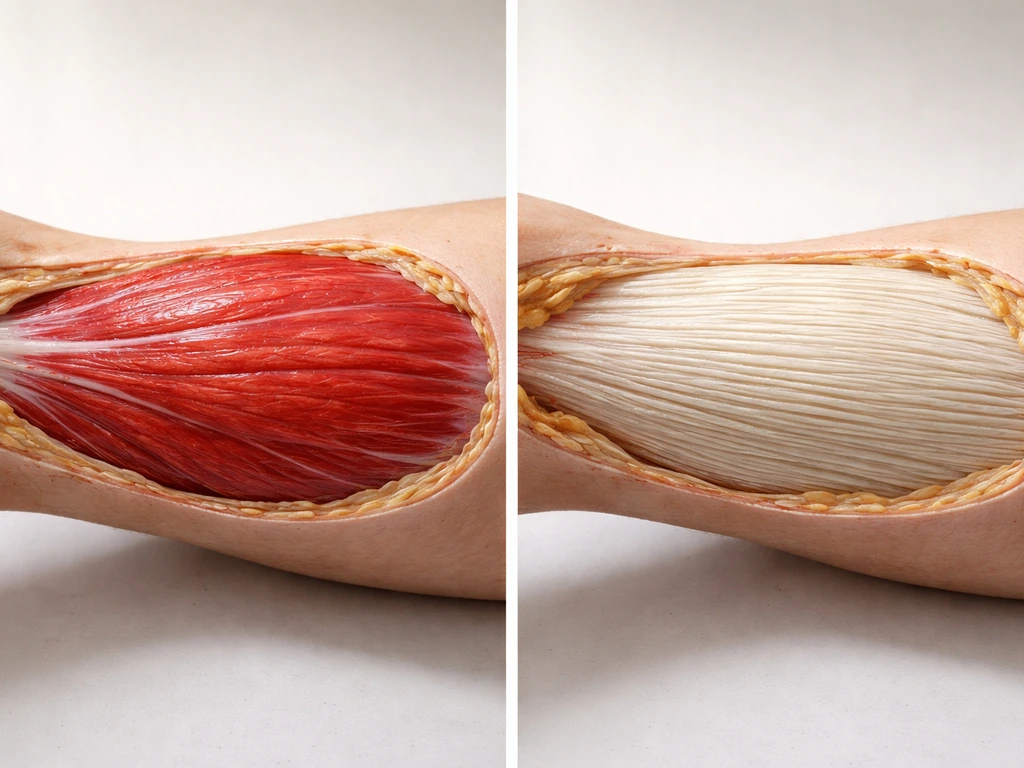
Recovery isn't just 'not training.' Physiologically, it's a multi-phase process. When you resistance train, you disrupt muscle fibers and trigger a cascade of signaling events. Your body senses the damage and mechanical stress, then ramps up satellite cell activity, inflammation (the useful kind), and muscle protein synthesis to repair and reinforce the tissue. That reinforcement is hypertrophy. The workout earns you the right to grow; recovery is where the growth actually happens.
Here's what that process looks like broken into stages: the training stimulus creates stress and micro-tears, acute inflammation and immune cell infiltration begin within the first few hours, anabolic signaling pathways (including mTORC1-related cascades) activate, muscle protein synthesis elevates, damaged proteins are cleared and new ones are laid down, and over repeated cycles the muscle remodels to be larger and stronger. Each stage depends on the next, and disrupting any one of them, whether through poor sleep, low protein, or too little rest, limits the final output.
Do muscles grow during recovery (and where soreness fits)
Muscle protein synthesis (MPS), the core biochemical driver of muscle growth, rises within about one hour after a training session and can stay elevated for roughly 24 to 48 hours. That post-exercise window is your anabolic opportunity. Every time you feed it with protein and calories, rest, and sleep during that window, you tip the balance toward net muscle gain. Repeat that across weeks and months and you accumulate real hypertrophy.
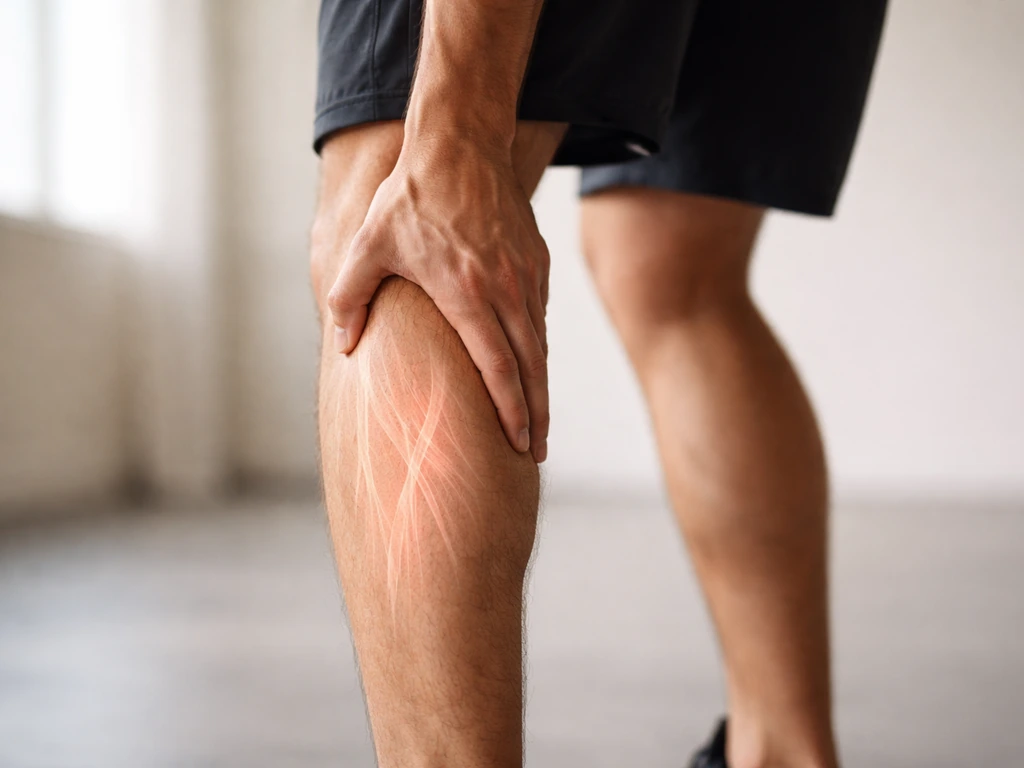
Soreness is where a lot of people get confused, and understandably so. Delayed onset muscle soreness (DOMS) feels like something meaningful is happening, and in a sense it is, but soreness is a poor indicator of how much muscle damage actually occurred or how much growth you'll get. So if you are wondering whether tattoos grow with muscle, the answer is that they can appear to expand as your skin changes over time do tattoos grow with muscle. Research shows that peak soreness and peak levels of creatine kinase (a marker of muscle damage in the blood) don't even line up, with CK peaking roughly 36 hours after soreness does. DOMS reflects inflammatory sensitization processes more than direct tissue damage, and subjective soreness simply doesn't correlate well with the magnitude of eccentric exercise-induced damage. You can have a brutally effective session with almost no next-day soreness, and a relatively easy session can leave you barely able to sit down. Neither outcome reliably predicts how much you'll grow. When muscle strains are followed by proper recovery, the damaged tissue repairs and rebuilds, which is one reason some people wonder whether strained muscles grow back stronger.
The 'no pain, no gain' idea deserves to be retired. Chasing soreness as a goal is a mistake. It can lead to overtraining, poor recovery, and unnecessary joint and connective tissue stress. Tendons and other connective tissues also need adequate recovery, which is why chasing excessive soreness can backfire connective tissue stress. You want progressive training stimulus, not maximum soreness. This is especially true for older adults and beginners, both of whom tend to experience stronger DOMS but aren't necessarily building more muscle because of it.
How the timeline works: from training to adaptation
One of the most common frustrations I hear is: 'I've been training for two weeks and don't see anything.' Here's what's actually happening during those early weeks and beyond.
| Timeframe | What's happening | What you notice |
|---|---|---|
| Days 1–2 | MPS elevated, acute inflammation, neural adaptations beginning | Soreness, possible fatigue, slight performance fluctuations |
| Week 1–3 | Neural drive improvements dominate; muscle fiber repair and remodeling ongoing | Strength gains feel fast; visible size changes are minimal |
| Week 4–8 | Structural hypertrophy begins accumulating; satellite cell activity sustained | Clothes may fit slightly differently; strength climbing steadily |
| Month 3–6 | Meaningful visible muscle mass changes; training volume and nutrition becoming key differentiators | Noticeable size and definition changes if diet is aligned |
| 6+ months | Continued hypertrophy at a slower rate; consistency and progressive overload matter most | Real, lasting physique changes; strength well above baseline |
The key insight from the research is that hypertrophy is the accumulation of repeated small positive shifts in net protein balance, not a single big event. Each well-recovered training bout adds a small brick. Miss the recovery consistently and you're pulling bricks out faster than you're adding them.
What determines how much you actually grow
The training session sets the ceiling. What happens in recovery determines how close you get to it. Here are the variables that matter most, in rough order of impact.
Protein
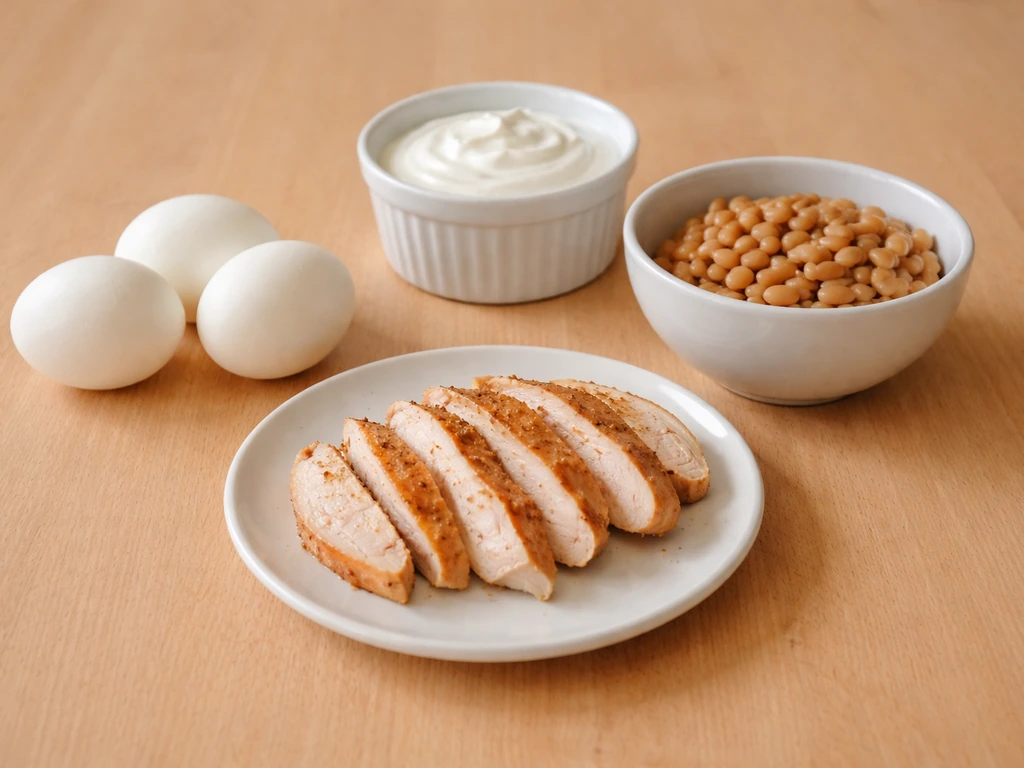
Protein is the raw material for muscle repair. Without adequate amino acids circulating during the post-exercise anabolic window, MPS is blunted regardless of how hard you trained. The evidence points to a practical target of around 1.6 g of protein per kilogram of bodyweight per day as the threshold where most people maximize resistance-training-induced gains, with intakes above about 1.6 g/kg/day providing diminishing additional benefit for hypertrophy. Spreading that across at least four meals, targeting roughly 0.4 g/kg per meal, appears to optimize muscle protein synthesis across the day. For a 75 kg person, that's about 120 g of protein per day across four meals of roughly 30 g each. Older adults often need to lean toward the higher end of that range because anabolic sensitivity to protein decreases with age.
Total calories
You cannot build significant muscle in a sustained caloric deficit. Your body prioritizes survival, and muscle is metabolically expensive tissue. A modest caloric surplus (often called a lean bulk) of around 200 to 300 calories above maintenance gives your body the energy it needs to build new tissue without excessive fat gain. Eating at maintenance can support some muscle gain, especially in beginners or people returning after a break, but chronic under-eating directly limits how much recovery can convert to growth.
Sleep

Sleep is where a huge amount of the hormonal and cellular recovery work happens. Growth hormone secretion, testosterone, and tissue repair are all heavily concentrated in deep sleep. Research shows that even a single night of sleep restriction after heavy exercise measurably impairs next-morning performance and skeletal muscle function, and sleep restriction disrupts skeletal muscle insulin signaling, which affects how well your muscles take up glucose and recover metabolically. Practically speaking, most adults building muscle should target seven to nine hours per night. Less than six hours regularly is a meaningful growth limiter, regardless of what your training and nutrition look like.
Training frequency and volume
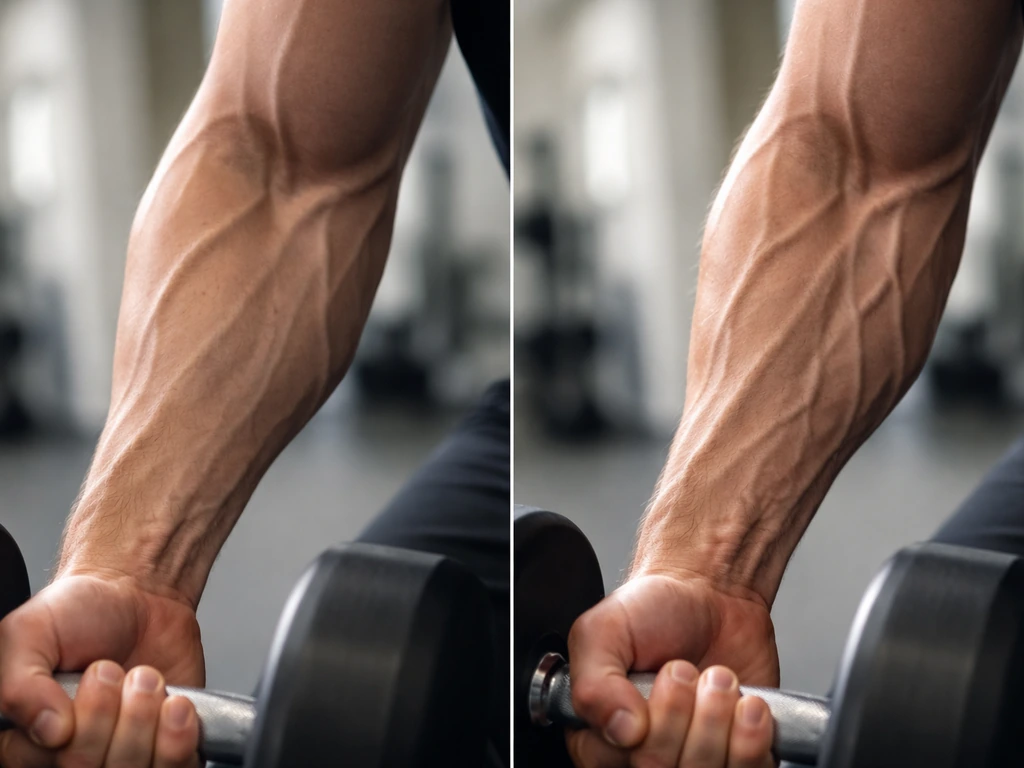
How often you train a muscle group affects how many anabolic windows you create per week. The research on training frequency suggests that training each muscle group at least twice per week tends to produce better hypertrophy outcomes than once per week at equivalent total volume. But the caveat matters: frequency only helps if you're recovering between sessions. Do veins grow with muscles? Not directly, but better circulation and healthier tissue recovery can help the whole system adapt as you train and recover. More frequency without adequate recovery is just accumulated fatigue, not more growth.
Stress and fatigue management
Chronic psychological stress elevates cortisol, which competes directly with anabolic signals. High life stress, overtraining, or training too hard too often creates a hormonal environment that blunts recovery. This doesn't mean you need to eliminate stress, that's not realistic, but it does mean that if your life is unusually stressful, your recovery capacity drops and your training volume should probably drop with it temporarily.
Consistency
No single workout or recovery night builds muscle. The adaptation is cumulative. Consistent training, consistent protein intake, and consistent sleep across months is what separates people who visibly transform from people who plateau. Missing the occasional session matters far less than showing up reliably over a year.
Recovery protocols that actually maximize muscle growth
Nutrition timing
You don't need to slam a shake the second you put down the barbell, but getting protein in within a couple of hours post-training is genuinely useful, especially if you trained fasted. Aim for 30 to 40 g of high-quality protein in that post-workout meal. There's also solid evidence that eating protein before sleep (about 40 g of casein or another slow-digesting source) can meaningfully increase muscle mass and strength gains over time by keeping amino acid availability up during the overnight fast, which happens to be when a big chunk of your recovery is occurring.
Sleep habits
Treat sleep as a training variable, not an afterthought. A consistent sleep schedule (same bedtime and wake time daily) improves sleep quality even at the same total duration. Keep your room cool and dark, limit screens in the hour before bed, and avoid alcohol close to bedtime since it fragments sleep architecture even when it helps you fall asleep initially. If you're an older adult, resistance training itself has been shown to improve objective sleep quality, so the relationship runs both ways.
Deloads

A deload is a planned week of reduced training volume, load, or both. It's not a week off; it's a recovery investment. Research on deload periods shows they can help dissipate accumulated fatigue without losing meaningful muscle mass, and some studies suggest muscle adaptations continue or even express more fully during the reduced-load period after fatigue clears. A typical approach is to reduce your weekly sets by about 40 to 50 percent and keep intensity moderate for one week every six to eight weeks of hard training, or whenever you notice consistent performance declines, poor sleep, or prolonged soreness.
Active recovery
Light movement on rest days, think a 20-minute walk, easy cycling, or gentle swimming, improves blood flow to recovering muscles and can reduce perceived soreness without adding meaningful stress to the system. It's genuinely useful. What it isn't is a direct lever for muscle growth. Don't mistake it for training.
Foam rolling and stretching
Foam rolling has real short-term benefits for perceived recovery, range of motion, and comfort, and it may modestly help with next-session performance by reducing stiffness. But the evidence doesn't support it as a meaningful driver of muscle hypertrophy. Use it if it feels good and helps you train more consistently, but don't prioritize it over sleep, protein, or structured training. The same applies to static stretching: useful for flexibility and joint health, not a growth lever.
Common myths and troubleshooting when you're not gaining
If you've been training consistently and recovery feels solid but you're still not gaining, here's how to troubleshoot it systematically rather than just doing more.
- Myth: No soreness means you didn't work hard enough. Not true. Soreness reflects inflammatory sensitization, not growth stimulus. Some of the best hypertrophy training sessions feel relatively unremarkable the next day, especially once your body adapts to the movement.
- Myth: More cardio will hurt your gains. Moderate aerobic work doesn't kill muscle growth and can improve recovery capacity. Excessive cardio in a caloric deficit is the problem, not cardio itself.
- Myth: Taking ibuprofen helps you recover faster. Research shows ibuprofen doesn't meaningfully affect post-exercise muscle inflammation markers, and there's reason to think chronically blunting the acute inflammatory response with NSAIDs could interfere with adaptive signaling. Use it sparingly for injury management, not routine recovery.
- Myth: You need to 'feel the burn' in every set. Metabolic stress is one mechanism for hypertrophy, but mechanical tension (progressive load) is the primary driver. Chasing the burn at the expense of progressive overload is a plateau waiting to happen.
- Myth: Visible results should come in weeks. Structural hypertrophy takes months to become visually obvious. Early gains are mostly neural. If you're not seeing changes after three to four weeks, that's normal. If you're not seeing changes after four to six months of consistent effort, something in your training, nutrition, or recovery is off.
If you're genuinely stalled, run through this checklist before adding more training volume. Are you hitting 1.4 to 1.6 g of protein per kilogram of bodyweight daily? Are you in a slight caloric surplus, or at least maintenance? Are you averaging seven or more hours of sleep? Has your training volume crept so high that you're chronically fatigued? Sometimes the fix is doing less, not more. A deload week followed by a small volume increase often breaks a plateau that months of grinding didn't.
For older adults specifically, recovery takes longer between sessions, anabolic sensitivity to protein is reduced, and sleep architecture changes with age. This doesn't mean you can't grow, because the research is clear that you can build meaningful muscle at 60, 70, and beyond. It does mean you may need slightly higher protein per meal to hit the same MPS response, slightly more rest between hard sessions, and extra attention to sleep quality. If tendons and connective tissue feel like they're lagging behind your muscle development, that's a real phenomenon worth respecting, since tendon adaptations occur on a slower timeline than muscle adaptations do.
The bottom line is straightforward: train hard enough to create a stimulus, eat enough protein and total calories to give your body the material to rebuild, sleep enough to let the hormonal and cellular machinery do its job, and repeat consistently. Recovery isn't the passive part of building muscle. It's the active part where the actual work gets done.
FAQ
If I’m sore, does that mean I’m definitely growing during recovery?
Not automatically. Your muscles repair and adapt during recovery, but gains require a positive net protein balance and enough training frequency and volume to keep providing the stimulus. If you take recovery too far (many days off) or under-eat protein and calories, the “growth window” closes and you may just maintain or regress.
What if I recover well but I’m not sore after workouts?
You can get growth from low-soreness sessions. DOMS reflects inflammation and nervous system factors as much as structural damage, so it is not a reliable predictor of hypertrophy. Track progress with performance, measurements, and consistency rather than soreness alone.
Can one great recovery day make up for a bad week of sleep?
Not in the sense of tissue rebuilding that drives hypertrophy. You do get beneficial repair processes after training, but “one perfect recovery day” will not offset multiple days of under-recovery. Recovery works cumulatively, so prioritize sleep, protein, and manageable training load across the whole week.
Do muscles grow during recovery if I’m in a big calorie deficit?
Yes. Training still stimulates signaling, but the rate of muscle protein synthesis depends on adequate amino acids and sufficient energy availability. If you are cutting calories hard, you may still maintain some tissue, but net gain is unlikely, especially for beginners after the initial adaptation period.
How important is post-workout protein versus protein before bed?
A pre-sleep protein dose helps, but it does not replace total daily protein. If you routinely hit low protein earlier in the day, adding casein at night may reduce the shortfall slightly, not fully solve it. Aim for your overall daily target, then use the pre-sleep meal to cover the overnight fast.
Will late evening workouts slow muscle growth during recovery?
Yes, but there is an interaction with sleep. Heavy late-night training can make it harder to fall asleep or can shorten total sleep for some people, which then blunts recovery. If you train late, keep intensity controlled and protect sleep duration, since less than about 6 hours regularly is a meaningful limiter.
Does doing cardio on rest days help muscle growth during recovery?
Cardio can support recovery, but it can also interfere if it increases fatigue without improving sleep and nutrition. Use lower-intensity sessions or keep total weekly endurance volume reasonable, especially on days you train the same muscles heavily. The key is avoiding chronic tiredness that reduces your lifting quality.
Should I train through a muscle strain if my muscles feel “ready” to move?
It depends on the injury and the exact tissue involved. For typical muscle soreness or minor strain, you can often keep training other muscle groups while allowing the injured area time to calm down. If pain is sharp, worsening, or you lose strength suddenly, treat it as a higher-risk issue and stop the progression until it improves.
If I hit my daily protein target, does timing still matter for recovery and growth?
Yes, inadequate protein timing can reduce the efficiency of your recovery. Even if you hit your daily total, very uneven intake can create longer gaps where amino acid availability is low, lowering MPS responsiveness. Spreading protein across at least four meals helps, especially as you get older.
What should I change first if my recovery feels worse but my schedule is the same?
Sleep is the biggest “recovery throttle,” but stress is a close second. High life stress raises cortisol and can reduce anabolic signaling, so if your stress is high, you may need to scale back training volume and prioritize earlier sleep. The goal is to reduce the overall recovery deficit, not just one lever.
How do I know if I’m actually recovered enough, or if my training stimulus is too low?
You likely need to adjust the stimulus rather than only the recovery habits. If you have trained hard and recovered consistently for weeks, yet performance and measurements are flat, check for too little volume per muscle group, too infrequent sessions, or inconsistent progressive overload. A deload can help if fatigue is the problem, but it is not a substitute for appropriate training progression.
Is total rest better than light activity during recovery?
Complete rest is not required, and sometimes it is counterproductive because it reduces daily movement and can hurt sleep quality for some people. Light movement like an easy walk can improve how you feel and may help circulation, but it should not replace the basics: sufficient sleep, protein, calories, and enough rest from heavy lifting.