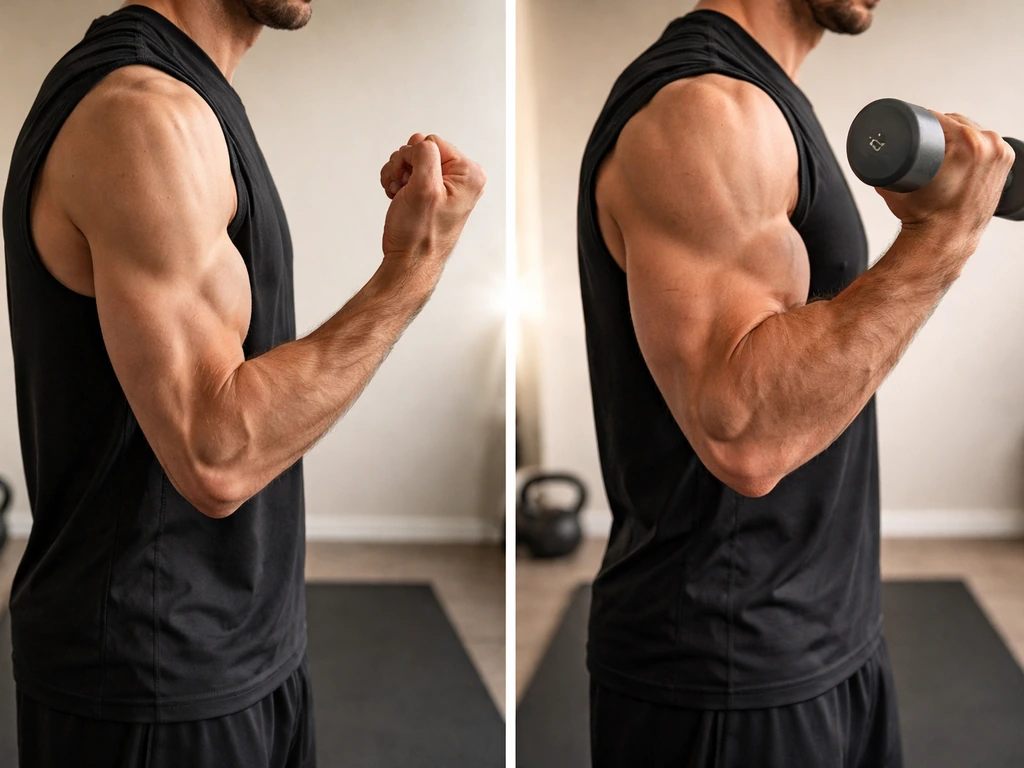
No, tattoos don't grow with you. They don't produce new pigment, they don't scale up as your biceps get bigger, and they don't have any biological mechanism to "keep up" with your body. What actually happens is simpler and more mechanical: your skin stretches, and the tattoo sitting inside that skin gets carried along for the ride. Whether that causes noticeable distortion depends on how much your body changes, how fast it changes, and where the tattoo is placed. That's the short answer. Here's the full picture.
Do Tattoos Grow With Muscle? What Changes and Fixes
Marcus Kellerman
13 Apr 2026
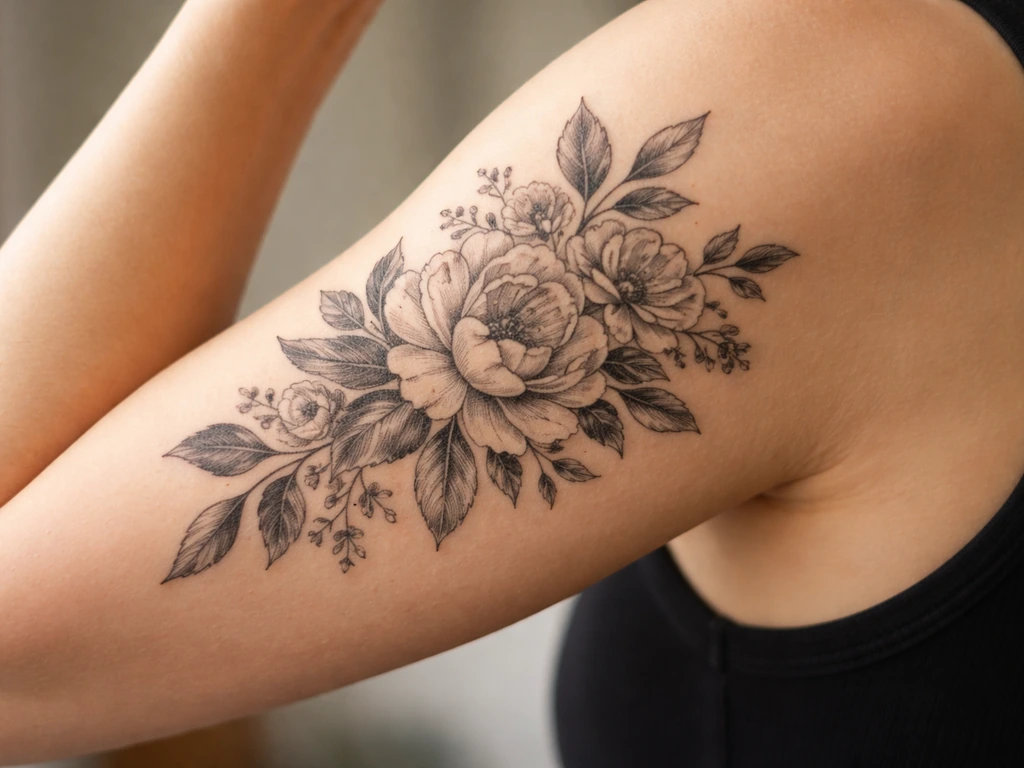
Do tattoos actually change as your body grows
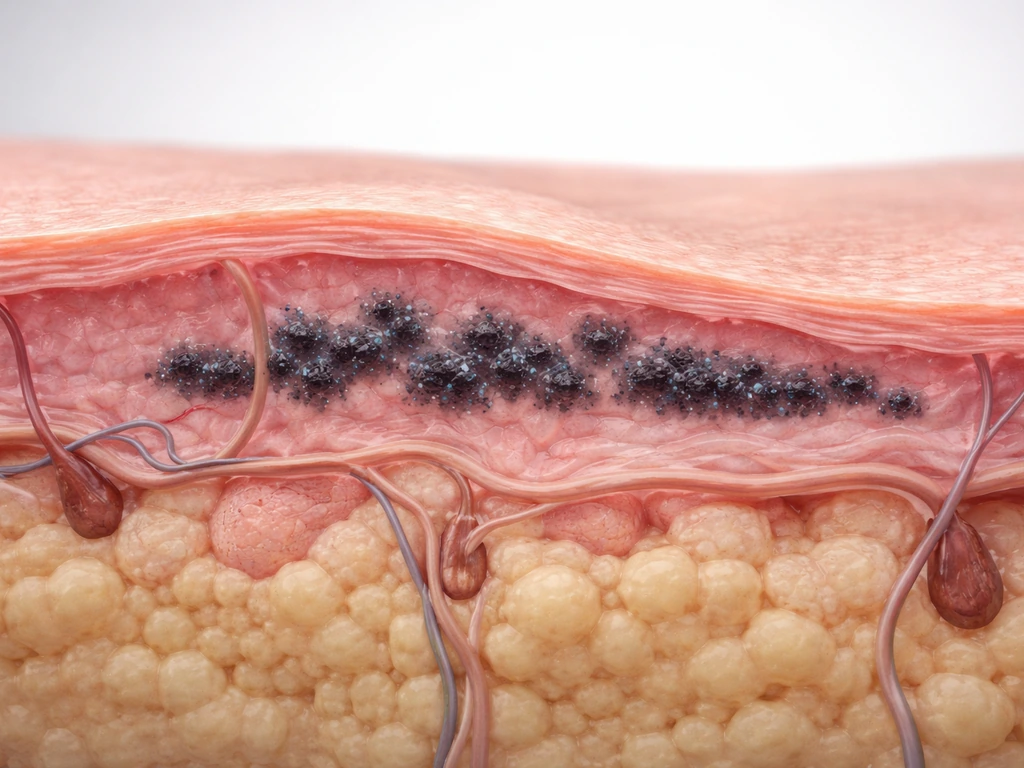
Tattoo ink is injected into the dermis, the second layer of skin sitting roughly 1. The FDA describes tattoos and permanent makeup as being created by inserting ink into the skin, which helps explain why the ink becomes part of the dermis Tattoo ink is injected into the skin (the dermis).
5 to 2 mm below the surface. The FDA notes that a tattoo needle punctures the skin around 100 times per second to deposit ink at that depth. Because the dermis is far more stable than the outer epidermis (which is constantly shedding dead cells), the ink doesn't flake away.
That's exactly why tattoos are permanent, and it's also why they can't "grow" the way a living tissue would. There's no mechanism adding new pigment or stretching the design proportionally as you put on muscle mass.
What can change is the appearance of the tattoo as the underlying skin and tissue changes shape. The dermis is a living tissue full of collagen fibers, elastin networks, and fibroblasts, and when that tissue is mechanically deformed (by muscle growth, weight gain, pregnancy, or aging), the ink sitting inside it moves with it. So the image shifts, not because it grew, but because the canvas did.
Why skin stretches but tattoos don't "grow" (the mechanics behind it)
Think of the dermis as a mesh of collagen and elastin fibers. Under normal conditions, elastin allows the skin to stretch and then snap back. Collagen provides structural strength. When skin is stretched gradually and moderately, those fibers accommodate the change without permanently deforming. The tattoo ink, which sits in stable dermal compartments, moves with that deformation but can still look relatively intact afterward.
When stretching is rapid or excessive, that collagen framework can actually tear. This is what creates stretch marks (striae distensae), where collagen bundles become separated and disorganized in the mid-to-deep dermis. Those marks start as raised, reddish or violaceous striae rubrae and mature over months to years into hypopigmented, atrophic streaks called striae albae. A tattoo that crosses those areas doesn't just look "bigger," it can look broken, textured, or fragmented because the tissue structure beneath it has been disrupted.
Aging makes this worse. After about age 30, skin elasticity declines in a measurable, continuous way. Collagen thins, elastin fiber architecture breaks down, and the dermis becomes less capable of recoiling after deformation. This is relevant if you're an older adult starting a muscle-building program: your skin may not bounce back from rapid body composition changes as efficiently as it did at 22. That doesn't mean don't train, it means build gradually and be strategic about tattoo placement.
Does muscle growth actually make tattoos stretch
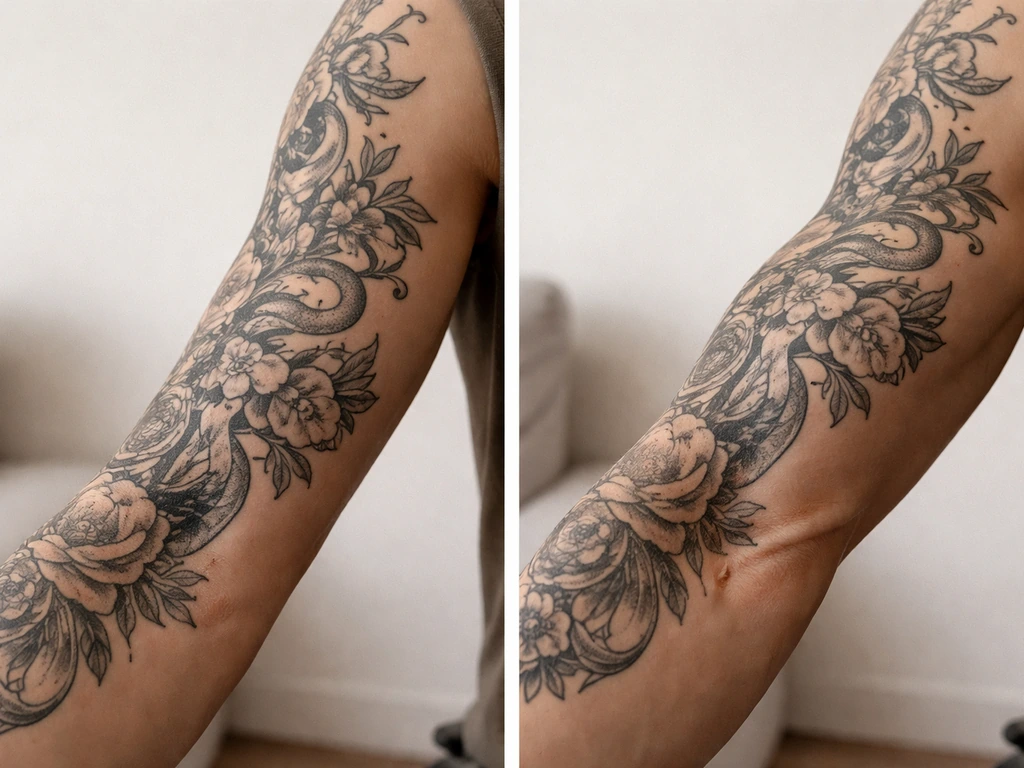
The honest answer is: sometimes, but usually not dramatically. Gaining serious muscle does expand the body's surface area, and that skin does stretch. But natural muscle growth, even consistent, progressive training over months and years, tends to be gradual enough that the skin accommodates the change without major structural damage. Tattoos in most cases will remain clear and recognizable through steady muscle gain.
The bigger risk factor isn't lifting weights, it's the pace and location of the change. Rapid weight gain during a bulking phase, especially one that pushes body fat up significantly alongside muscle, creates faster and more extreme skin stretching. Tattoos placed over high-expansion areas like the upper arm (biceps and triceps), chest, shoulders, and thighs are more likely to show distortion than those placed on the forearm, calf, or back, where expansion tends to be more modest. This is something worth thinking about both before getting a tattoo and before committing to an aggressive bulk.
Research on mechanical stretching shows it can modify the papillary dermis pattern and alter fibroblast characteristics in that layer. In practical terms, that means the tissue holding your tattoo ink isn't entirely immune to remodeling under sustained stretch. For most people building muscle at a reasonable pace, this is a minor concern. For someone gaining 20 to 30 pounds very quickly, especially with significant fat gain, the risk of visible distortion climbs. It's also worth remembering that muscles grow during recovery, not during the workout itself, so the tissue remodeling process is happening continuously between sessions, not in one dramatic event.
Realistic expectations: what actually changes and over what timeline
For most people building muscle through consistent resistance training and proper nutrition, visible tattoo distortion is minimal. You might notice very slight softening of fine line detail in high-expansion areas after significant muscle gain, but outright warping is not the norm for gradual, natural muscle growth. The scenarios where distortion becomes obvious are rapid bulk-cut cycles, significant overall weight gain, pregnancy, or skin that's already been compromised by previous stretch marks.
Timeline matters a lot. Stretch marks evolve over months to years, and skin that has developed striae will permanently affect how a tattoo looks in that zone. If you're planning to gain significant muscle over the next year or two before getting a tattoo, waiting until your body composition has stabilized is a legitimate strategy, especially for placements on the biceps, chest, or shoulders. If you already have the tattoo, understanding that gradual change is far less damaging than rapid change should inform how you approach your training and nutrition.
One more thing worth noting: fading from UV exposure compounds the "looks worse" effect during body changes. Sun damage doesn't cause stretch distortion, but it does reduce contrast and color vibrancy so that any minor distortion becomes more visible. Just like veins become more prominent as muscles develop, the overall visual presentation of a tattoo is influenced by multiple factors at once.
How to minimize tattoo distortion while gaining muscle
The single most effective thing you can do is gain muscle gradually. Slow, steady muscle growth (which is how natural muscle growth works anyway) gives your skin time to adapt. Crash bulking, where you intentionally eat a large calorie surplus and gain weight quickly, increases the risk of both stretch marks and tattoo distortion. A modest calorie surplus of 200 to 300 calories above maintenance is far kinder to your skin than aggressive surplus eating, and it produces nearly the same muscle gain with far less fat accumulation.
Placement is a real consideration before you get the tattoo. Areas with high expansion potential during muscle gain include the upper arm, chest, inner thigh, and shoulders. Lower-risk placements for people planning to build significant muscle include the forearm, calf, upper back between the shoulder blades, and the ribcage. If you're going to train seriously for years, it's worth having an honest conversation with your tattoo artist about where you're planning to add mass. A good artist will factor that in.
Skin care matters more than most people realize. Keeping tattooed skin moisturized helps maintain dermal flexibility. UV protection is non-negotiable: the American Academy of Dermatology recommends broad-spectrum, water-resistant sunscreen with SPF 30 or higher to protect tattoos from fading and skin damage. If you're training outdoors, apply it consistently. Sun-damaged skin loses elasticity faster, which makes any stretch distortion more pronounced.
Protein intake and recovery also play an indirect role here. Adequate protein supports collagen synthesis, which keeps skin structurally healthier. If you're wondering whether connective tissues keep pace with muscle during a training program, it's worth noting that muscles often grow faster than tendons, and skin faces a similar challenge when muscle expansion is rapid. Giving your body time and nutrients to remodel properly matters for the integrity of all soft tissues, not just muscle fibers.
- Gain muscle at a moderate pace, using a small calorie surplus (200 to 300 calories above maintenance) rather than aggressive bulking
- Choose lower-expansion placements if you're planning significant muscle gain: forearm, calf, upper back, ribcage
- Discuss your training goals with your tattoo artist before choosing placement or size
- Moisturize tattooed skin daily to maintain dermal flexibility
- Apply SPF 30+ broad-spectrum, water-resistant sunscreen to tattooed skin before outdoor exposure and reapply as needed
- Prioritize adequate protein intake to support collagen synthesis and skin structural health
Placement comparison: low-risk vs. high-risk areas for muscle builders
| Body Area | Expansion Risk During Muscle Gain | Notes |
|---|---|---|
| Biceps / Upper arm | High | One of the most common areas for distortion; expands significantly with arm training |
| Chest (pec area) | High | Pectoral growth can stretch skin substantially; risky for large designs |
| Shoulders / Deltoids | High to moderate | Shoulder mass increases notably with pressing work; can affect sleeve tattoos |
| Thighs | Moderate to high | Inner thigh especially; quad growth adds circumference over time |
| Forearm | Low to moderate | Expands less dramatically; generally holds tattoo detail well |
| Calf | Low to moderate | Calf growth is typically gradual; lower distortion risk |
| Upper back (between shoulder blades) | Low | Minimal expansion with muscle gain; one of the most stable placements |
| Ribcage / Side | Low | Stable placement; changes more with weight gain than with muscle growth specifically |
If you're committed to a high-expansion placement, that's not a reason to skip the tattoo. It just means you should be realistic about the timeline (get the tattoo after you've built the bulk of the mass you're aiming for) and plan for a possible touch-up down the line.
When tattoo changes are normal vs. when to get professional help
Normal changes to expect over time
Some degree of tattoo change over years of training is completely normal and not a sign anything went wrong. Very slight softening of fine lines, minor spreading of shading, or subtle shifts in proportion in high-expansion areas are part of living in a body that changes. These don't require intervention. The tattoo may look slightly different from the day you got it, but it will still be recognizable and clear in most cases.
Fading from UV exposure, skin surface texture changes with age, and very gradual overall expansion are all in the "normal wear" category. The same way strained muscles can grow back stronger after recovery, skin that has been gradually stretched has gone through a remodeling process that your body largely handles on its own over time.
When it's worth seeing a professional
There are situations where the changes are significant enough to warrant professional input. If the tattoo has crossed over stretch mark tissue and the design looks fragmented, raised, or textured in an uneven way, that's a situation where a skilled tattoo artist can assess whether a touch-up or redesign would improve the appearance. Tattooing over stretch marks is technically possible but has unpredictable healing behavior because stretch-marked skin is thinner and more delicate, which can cause ink to heal unevenly.
For significant textural issues from striae, some people explore medical spa options like microneedling before considering a tattoo touch-up, since improving the skin texture first can lead to better results from subsequent tattooing. A dermatologist is the right first call if you're dealing with raised, hyperpigmented, or actively inflamed stretch marks in the tattoo area.
If you're unsure whether what you're seeing is normal distortion or something more serious (like an allergic reaction to pigment, unusual scarring, or a significant change that happened quickly without a clear explanation), see a dermatologist. The AAD notes that some tattoo healing complications require medical treatment beyond basic skincare. Consulting a reputable tattoo artist about distortion concerns, before committing to a cover-up or touch-up, is also smart. They'll give you an honest assessment of what's achievable.
One thing to keep in mind about touch-ups on aging or stretched skin: skin renewal slows with age, wounds heal more slowly, and collagen and elastin degeneration makes the tissue less forgiving. This doesn't mean touch-ups don't work, but it does mean managing expectations and allowing proper healing time, especially if you're past 40. Questions like whether muscle grows back after injury or atrophy and whether skin recovers after stretching share a common theme: the body has real regenerative capacity, but the timeline and outcome depend heavily on age, health, and how aggressively the tissue was stressed in the first place.
A note on tendons and connective tissue during body changes
If you're in an active muscle-building phase and thinking about all the ways your body is changing, it helps to know that connective tissue adapts more slowly than muscle. This is relevant beyond just tattoos. Tendons don't grow like muscles do, and neither does skin elasticity improve simply because you're getting stronger. The training stimulus that grows muscle doesn't automatically strengthen or tighten skin. Gradual loading, good nutrition, and time are the inputs that support healthy connective tissue adaptation across the board.
The same logic applies if you've had a significant injury alongside rapid body changes. If you're wondering whether a torn muscle grows back stronger after repair, the answer is that it can with proper rehab, but the surrounding tissue including skin needs the same patient approach. Rushing tissue remodeling through aggressive overloading tends to produce worse structural outcomes, not better ones.
The bottom line
Tattoos don't grow with you. The ink is fixed in your dermis and doesn't regenerate or scale up. What happens instead is purely mechanical: your skin stretches as your body grows, and the tattoo moves with it. For the vast majority of people building muscle through consistent, gradual training, this produces minimal visible change. The risk of real distortion comes from rapid body changes, high-expansion placements, or skin that develops stretch marks through that process.
If you're planning a tattoo and also planning to build serious muscle, choose your placement thoughtfully, build mass gradually rather than aggressively, keep your skin moisturized and protected from UV, and plan for the possibility of a touch-up years down the line. If you already have a tattoo that's showing signs of stretch distortion, get a professional assessment before deciding on next steps. Most tattoos weather moderate muscle gain just fine. The goal is giving them the best possible conditions to do that.
FAQ
If I’m already muscular, will my tattoos still distort as I keep training?
Usually the biggest change happens when you add size quickly. If your muscle gain is steady and you are not also gaining a lot of weight, distortion is often limited to minor softening of very fine line work, especially in the upper arm, shoulder, and chest.
Do tattoos stretch when I gain water weight or bloat, like before a photo or event?
They can look temporarily different because skin thickness and tightness change, but the ink itself does not “stretch” in a lasting way. True distortion that persists usually tracks with longer-term tissue remodeling or stretch marks, not short-term fluctuation.
Will cutting (losing fat) make a distorted tattoo look better again?
Sometimes. If the tattoo is mainly affected by gradual stretching, reducing size can partially restore how it looks. If stretch marks formed or the skin texture changed, that tissue disruption is more permanent, so the tattoo may not fully return to its original shape.
Is color more likely to distort than black-and-gray shading?
Color can appear more affected because reduced contrast from sun exposure and changes in skin texture make hues look less crisp. However, structural deformation (warping, fragmentation) affects both color and gray, the difference is mostly about visibility and how fine the pigment lines are.
Does getting a tattoo over a stretch mark always heal unevenly?
It can, because stretch-marked skin is thinner and more delicate, and ink may settle or retain pigment differently. Some tattoos heal well, but outcomes are less predictable, so it helps to get an artist experienced with striae and to expect possible uneven texture or color.
How can I estimate whether my next bulk is likely to affect an existing tattoo?
Track the timeline of your body changes. If you are planning a large calorie surplus and expecting rapid scale and circumference increases within months, the risk is higher. Tattoos that cross previous stretch-mark zones are also more likely to show meaningful changes.
Are small tattoos less affected than large ones during muscle growth?
Not necessarily. Location and whether the skin develops stretch marks matter more than size. A small tattoo that sits across a high-expansion, stretch-mark-prone area can distort clearly, while a larger piece on a lower-expansion area may remain relatively stable.
Can I prevent tattoo distortion by using moisturizer or supplements?
Moisturizer helps maintain skin comfort and flexibility, it does not stop mechanical remodeling if you bulk rapidly. Protein supports general tissue repair and collagen processes, but the most important control lever is pace of weight and muscle gain, plus UV protection.
How long should I wait to get a tattoo if I’m planning a muscle-building goal?
If you want the lowest risk of distortion, consider tattooing after your physique is closer to its target, or at least after the most aggressive phase. Distortion related to stretch marks can evolve over months to years, so “getting it now” during a rapid change window increases uncertainty.
Will lifting heavy weights with a tattoo change healing or fade it faster?
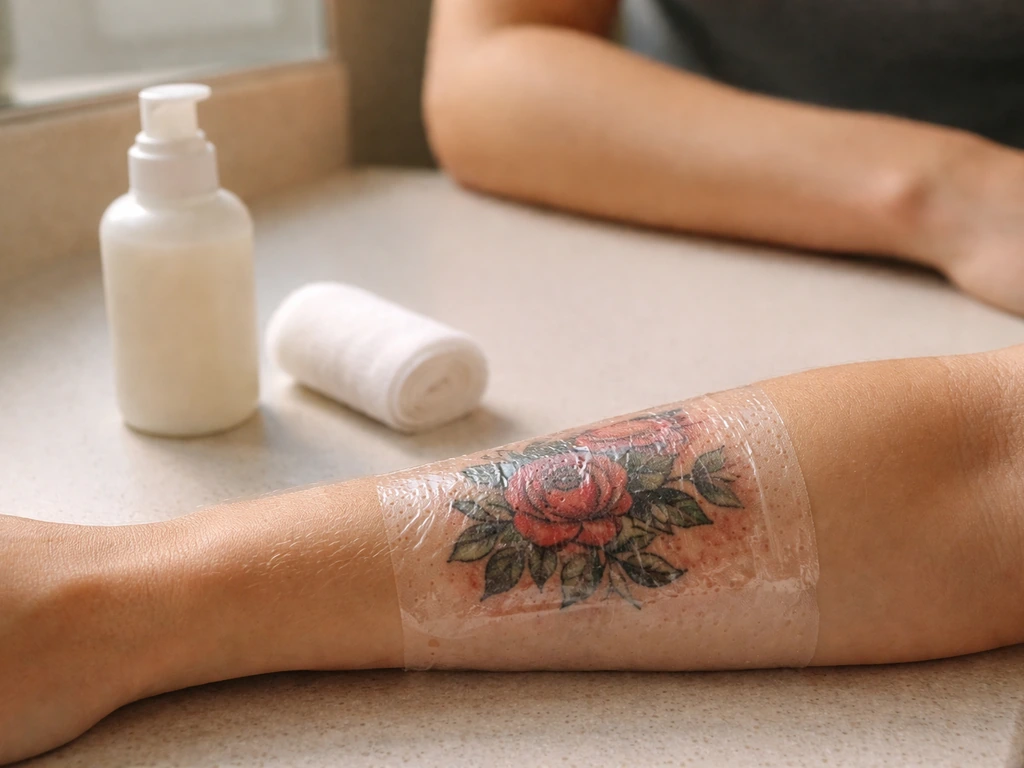
Lifting can irritate the area if the session rubs against clothing or repeatedly stretches taut skin, especially in the first weeks after getting the tattoo. For fresh tattoos, follow your artist’s aftercare and avoid friction and excessive sweating on the area until fully healed.
My tattoo looks a little raised or bumpy, could it be normal or is it a red flag?
Mild texture changes can happen from healing or skin stretching, but new raised, itchy, expanding bumps, persistent redness, or worsening symptoms months after healing can indicate scarring issues or pigment reactions. If the change is rapid or uncomfortable, a dermatologist visit is the safest next step.
If I need a touch-up, when is the best time to do it after my body changes?
Wait until your weight and training volume have stabilized, and any stretch marks or texture changes have settled. Touch-ups too soon can require rework, because pigment may heal differently as the skin continues to remodel.