Carbs are not required to grow taller. Height is determined almost entirely by genetics, hormones, and whether your growth plates are still open, not by how many carbs you eat. That said, if you're severely undereating, carbs or otherwise, you can blunt your body's ability to grow and develop during childhood and adolescence. For muscle growth, carbs play a supporting role, mostly by fueling your training and sparing protein, but the evidence shows that muscle hypertrophy can happen across a wide range of carb intakes. The bottom line: carbs matter for energy and performance, but they are not the master switch for either height or muscle.
Do You Need Carbs to Grow Taller or Build Muscle?

Marcus Kellerman
28 May 2026
Carbs for height vs. carbs for muscle: clearing up the confusion
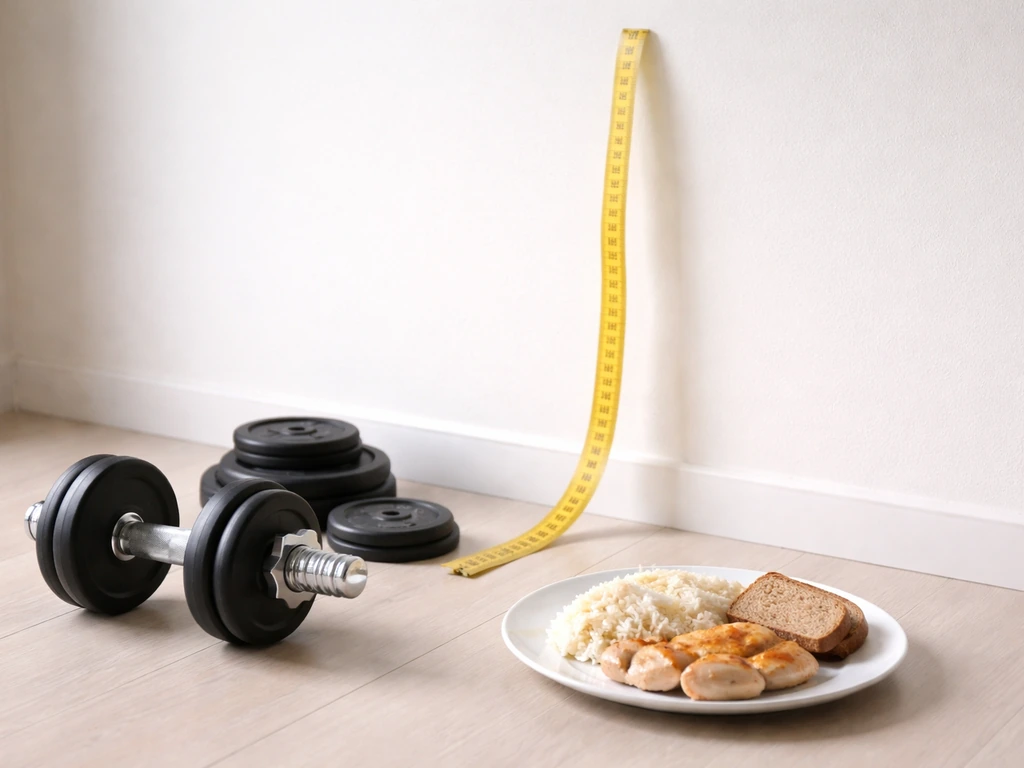
These are two very different questions that often get lumped together under 'do you need carbs to grow,' so let's separate them clearly. Growing taller is a biological process driven by your growth plates, your hormones, and your DNA. Growing muscle is a mechanical and metabolic process driven by training load, protein availability, recovery, and overall energy intake. Carbs influence both, but in completely different ways and to very different degrees. If you're a teenager wondering whether eating more bread will make you taller, the honest answer is no, not directly. If you're someone trying to build muscle and wondering whether you can skip carbs on keto, the answer is more nuanced.
What actually determines how tall you grow
Height is largely written into your genetics before you're born. Beyond that, the key biological driver is the growth plate, a layer of cartilage near the ends of your long bones that produces new bone tissue during childhood and adolescence. During puberty, growth hormone secretion increases roughly 1.5 to 3 times compared to pre-puberty levels, and IGF-1 concentrations rise more than 3-fold. These hormones, along with sex steroids like estrogen and testosterone, drive the acceleration in height you see during teenage years.
The critical thing to understand is that this process has a hard biological deadline. As puberty wraps up, growth plate senescence begins, meaning the plates gradually thin and eventually fuse. Once fused, no amount of food, supplements, or exercise will add height. Most people reach full epiphyseal closure in their late teens, though timing varies. After that, your height is set. This is why nutrition strategies aimed at 'growing taller' only make sense during childhood and adolescence, and even then, they work by ensuring you have enough fuel to reach your genetic potential, not by exceeding it.
How carbs actually influence growth-related outcomes

Energy availability is the real lever
The most important thing carbs do for a growing body is supply energy. When energy availability drops below roughly 30 kcal per kg of fat-free mass per day, the body starts making tradeoffs: reproductive hormones get suppressed, bone health suffers, and recovery slows. This is the physiology behind what's described in the female athlete triad framework, and it applies broadly to any young person who is chronically undereating. Carbs are one of the main contributors to total calorie intake, so cutting them aggressively while already eating too little is a legitimate concern during growth years.
Glycogen and training performance

For someone who trains, carbs matter most as a fuel source. On rest days, prioritize getting enough total calories and sufficient carbs to support recovery and consistent training quality enough carbs on rest days. Do muscles need water to grow? Not exactly, but staying hydrated supports training performance and recovery, which can indirectly help you build muscle. Muscle glycogen, stored carbohydrate in your muscles, powers high-intensity exercise. When glycogen drops, your capacity to push hard in the gym goes down. One study found that a moderate-carb diet reduced muscle glycogen over 7 days of training without dramatically killing performance, but that's under controlled conditions. In general, if you're lifting heavy or doing high-volume work, low glycogen will catch up with you over time in the form of fatigue, reduced output, and slower recovery.
Carbs, hormones, and indirect effects on growth
There's no direct mechanism by which eating more carbs raises growth hormone or IGF-1 to meaningful levels in a healthy person who's already eating enough. The hormonal cascade that drives height is controlled by puberty, not by your macros. Where carbs have an indirect effect is when their absence contributes to chronic energy deficit, which can suppress growth hormone pulsatility and IGF-1, but again, the problem there is the deficit, not the carbs specifically.
Carbs, calories, and protein: what matters most for developing bodies

If you're a growing teenager or the parent of one, here's the priority order for nutrition: total calories first, protein second, micronutrients third, and then carb-versus-fat splitting is a distant fourth. Protein is non-negotiable for both muscle development and overall tissue growth. The ISSN recommends roughly 1.4 to 2.0 grams of protein per kilogram of bodyweight per day for people who exercise. For bone health specifically, which is critical during the growth years, calcium intake should hit 1,300 mg per day for ages 9 to 18, and vitamin D should be at least 600 IU per day, with a safe upper limit of 4,000 IU.
Carbs don't need to be the star of the show, but they also shouldn't be villainized. A young athlete eating whole grains, fruits, vegetables, and dairy is getting carbs alongside fiber, vitamins, minerals, and in the case of dairy, calcium and vitamin D at the same time. That package matters more than the macronutrient label.
| Priority | Factor | Why it matters for growth |
|---|---|---|
| 1 | Total calorie intake | Powers all biological processes; energy deficiency directly suppresses hormones and bone health |
| 2 | Protein (1.4–2.0 g/kg/day) | Drives muscle protein synthesis and tissue repair; spares lean mass during growth |
| 3 | Calcium (1,300 mg/day ages 9–18) | Directly builds bone density during the critical growth window |
| 4 | Vitamin D (600 IU/day, max 4,000 IU/day) | Enables calcium absorption and supports bone mineralization |
| 5 | Sleep (8–10 hours for teens) | Peak growth hormone is released during deep sleep; skipping sleep cuts this short |
| 6 | Carbohydrate intake | Fuels training and contributes to energy availability; less determinative than above factors |
What the muscle research actually says about carbs
A meta-analysis comparing higher versus lower carbohydrate intakes during resistance training found no statistically significant effect of carb intake on muscle hypertrophy (SMD = 0.15, which is essentially a negligible difference). That might surprise people who've been told they need carbs to build muscle. The honest read of the evidence is that protein and training stimulus drive hypertrophy, and carbs support the process by keeping your training quality high, not by directly flipping a muscle-growth switch.
There's also evidence that ketogenic diets don't necessarily tank resistance training performance in trained individuals, at least over short to medium timelines. A repeated-measures trial found that trained participants on a ketogenic diet maintained training volume and perceived exertion comparably. So the idea that you absolutely must eat carbs to gain muscle is too strong a claim. What's more accurate: carbs make high-volume, high-intensity training easier to sustain, which indirectly supports better long-term results.
Practical carb guidance for today
How much you need depends on how much you move
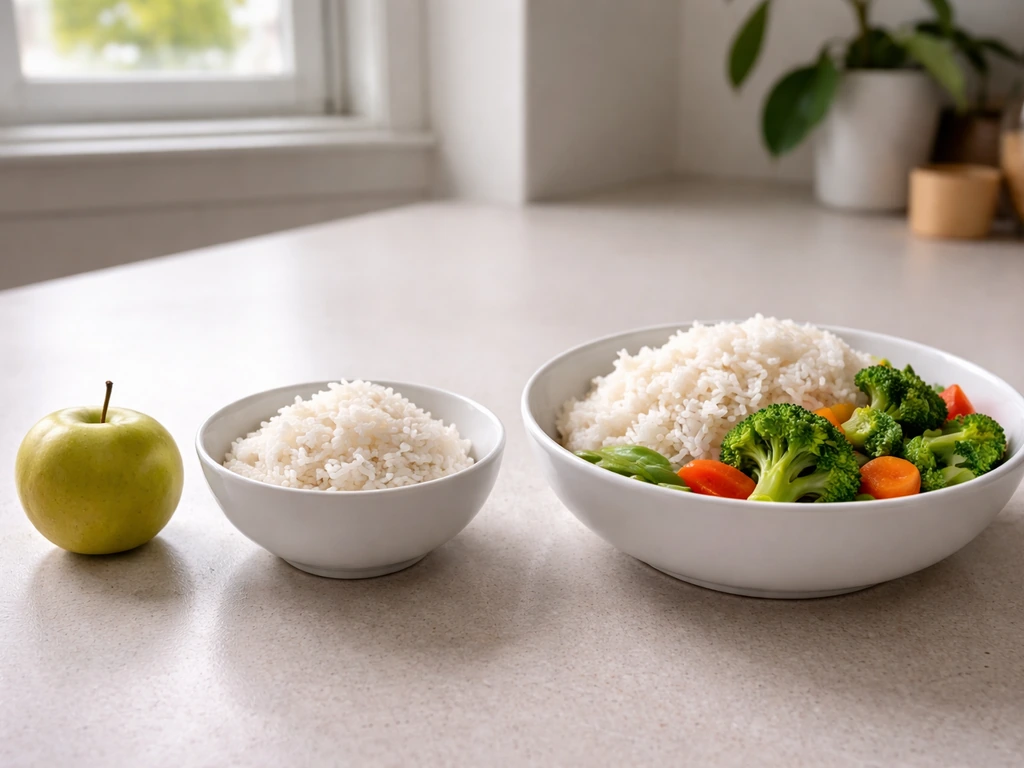
A sedentary person needs far fewer carbs than a teenager playing two sports. A rough starting framework: if you're training hard 4 or more days per week, aim for 3 to 5 grams of carbs per kilogram of bodyweight per day. If you're doing moderate activity 2 to 3 days per week, 2 to 3 g/kg is reasonable. If you're mostly sedentary, your carb needs are lower, but your total calorie needs are also lower, so the math balances out. Don't cut carbs without accounting for the calories they were providing.
When to eat them
Timing matters less than total intake over the day, but if you want to optimize, put a meaningful portion of your carbs around your training: a meal or snack with carbs and some protein in the 1 to 2 hours before training, and a similar combination within a couple of hours after. This keeps glycogen available when you need it and supports recovery afterward. Outside of training windows, the composition of your meals matters less, just hit your overall targets.
Best food sources, especially for younger athletes
- Whole grains: oats, brown rice, whole-grain bread, quinoa
- Fruits: bananas, berries, apples, oranges (also provide vitamins and antioxidants)
- Vegetables: sweet potatoes, corn, peas (higher-carb options alongside lower-carb greens)
- Dairy: milk and yogurt provide carbs alongside calcium, protein, and vitamin D
- Legumes: beans and lentils pair carbs with fiber and plant protein
Notice that these aren't just 'carb sources.' They're whole foods that bring a package of nutrients with them, which is exactly what a growing body needs. Ultra-processed, high-sugar foods technically count as carbs too, but they crowd out the micronutrients that matter for bone and tissue development.
Common mistakes that actually hold growth back

The low-carb myth for teenagers
Cutting carbs because someone on social media said carbs make you fat is one of the more damaging nutrition trends for young people. The problem isn't that low-carb is inherently dangerous, it's that most teenagers who 'go low carb' end up in a significant calorie deficit, skip meals, and tank their energy availability. That's the actual harm. If a growing adolescent drops below the energy threshold needed to support hormonal function and bone development, they are potentially leaving height and health on the table.
Dieting too aggressively during growth years
For anyone under 18, aggressive calorie restriction is a real risk. The energy deficit concern isn't abstract: chronic low energy availability is linked to suppressed reproductive hormones, reduced bone mineral density, and impaired recovery. This applies to both female and male athletes, though the research base in females is larger. The takeaway is that if you're growing, this is not the time for aggressive cutting phases. Prioritize fueling enough to train, recover, and develop.
Skipping sleep and ignoring micronutrients
Teenagers need 8 to 10 hours of sleep per night, and this is not optional for optimal growth. The majority of growth hormone secretion happens during deep sleep. Skimping on sleep to study or scroll is probably doing more damage to growth potential than anything on your plate. Similarly, neglecting calcium and vitamin D while obsessing over macros is a mistake. You can eat the perfect amount of carbs and protein and still have poor bone development if your calcium intake is sitting at 500 mg per day instead of 1,300 mg. Get the fundamentals right before fine-tuning macros.
When to actually talk to a doctor about growth concerns
Nutrition adjustments won't fix a medical growth problem, and it's important to know when food changes are beyond the scope of what's needed. Here are the situations where a pediatric endocrinologist or doctor should be in the conversation: Guidelines recommend referral when a child older than 2 years has growth velocity below 4 cm per year for more than a year blank" rel="noopener noreferrer">growth velocity under 4 cm per year for more than a year.
- A child over age 2 is growing less than 4 cm per year for more than a year
- Height is below the 3rd percentile for age and sex
- Height has dropped across two or more centile lines on a growth chart
- Height is more than two centile lines below what you'd predict based on parents' heights
- Puberty appears significantly delayed or absent, which can affect the growth window and may respond to hormone treatment
- You suspect an eating disorder or chronic energy restriction in a young athlete
Short stature is formally diagnosed when a child's height is well below normal ranges for their age and sex. If any of the above patterns apply, the right move is a medical evaluation, including bone age X-ray and hormone testing, not a nutrition overhaul. Carbs won't fix a growth hormone deficiency or early growth plate fusion. What nutrition can do is ensure that whatever growth potential exists isn't limited by an easily avoidable energy deficit.
For adults focused purely on muscle growth, the calculus is simpler. Your height is fixed, your growth plates are closed, and the question is just about training performance and recovery. Carbs help there, but as the research shows, they're not make-or-break. Protein, consistent training, adequate sleep, and sufficient total calories matter more. Carbs are a useful tool, not a magic ingredient, and the same goes for whether you're 15 trying to reach your full height or 35 trying to add lean mass.
FAQ
If I do keto or very low carb, can I still grow muscle as a teen or young adult?
Often yes, but the key is avoiding a calorie deficit and making sure training quality stays high. If low-carb makes you feel weaker, you may reduce volume or intensity, which is more likely to limit gains than carbs themselves. Pair the approach with adequate protein, consistent resistance training, and enough total energy to support growth and recovery.
How do I know whether my carb intake is too low for growth or muscle, besides just “feeling tired”?
Use performance and recovery signals: if you cannot hit your usual reps or weights, your soreness lingers unusually long, or you are not recovering between sessions, glycogen and overall energy may be inadequate. For teens, also watch for indirect red flags like irregular or disrupted energy intake patterns, unusually low body weight for age, or missed meals, since chronic low energy availability can impair hormones and bone health.
Do I need carbs on rest days, or can I keep them low without losing progress?
You still need enough total calories on rest days, especially if you are growing or training hard most weeks. Carbs on rest days are mainly for refueling, so if your training intensity is high and you get low energy availability, adding carbs can help you recover well. If you are not training and your total calories are already sufficient, very low carbs may work, but it should not come at the cost of under-eating.
What about people who don’t lift, but want to “grow” in size or look bigger?
If you are not doing resistance training, carbs cannot substitute for the stimulus that drives muscle. For sedentary people, carbohydrate needs are lower, but the bigger issue is that you also may not be providing enough total protein and overall calories for body composition change. Focus on training or a structured strength program before tweaking carbs heavily.
If I eat enough protein, is it safe to skip carbs completely?
Skipping carbs can be okay for some people if total calories are adequate and training performance is maintained. However, most “skip carbs” approaches accidentally create a calorie deficit or reduce training output, which then limits muscle gain. A practical check is whether you can still meet protein targets, maintain gym performance, and recover on schedule.
Does carb timing around workouts matter for muscle, or is it only total daily intake?
Timing matters less than totals, but it can help you execute training. If you want a simple strategy, have a carb-containing meal or snack with some protein 1 to 2 hours before training, and another carb plus protein within a couple of hours after. This is mainly about keeping glycogen available and recovery smoother.
Can supplements replace carbs if I’m cutting them?
No supplement reliably replaces the role carbs play in providing readily available energy for high-intensity training and supporting glycogen. Electrolytes and hydration help performance, and protein powders can help meet protein needs, but they do not fully substitute for the performance benefits that come from maintaining sufficient energy intake. If cutting carbs, the replacement usually is not a supplement, it is maintaining total calories from other sources.
Will eating carbs make me taller, or do carbs only help me reach my genetic height?
Carbs do not directly increase height by “turning on” growth hormones. If growth plates are still open, adequate overall nutrition prevents under-fueling that could limit reaching your genetic potential. If growth plates are fused, nutrition changes cannot add height, regardless of carb intake.
At what point should I stop trying to adjust my diet and see a doctor about growth?
If a child has medically significant short stature, signs of delayed puberty, or a pattern that suggests growth issues beyond nutrition, get an evaluation. Common next steps include growth tracking over time, bone age assessment, and hormone testing. Diet changes can support energy sufficiency, but they cannot correct conditions like growth hormone deficiency or early growth plate closure.
Are “high sugar” carbs the problem for growth and muscle, or is it still just total calories?
It is not only calories, because nutrient density matters for bone and overall development. Whole-food carbs (like fruits, whole grains, and dairy when tolerated) come with micronutrients such as calcium and vitamin D support. If someone replaces those with mostly ultra-processed sweets, they may hit carb totals while missing key nutrients, which can undermine training recovery or bone health.