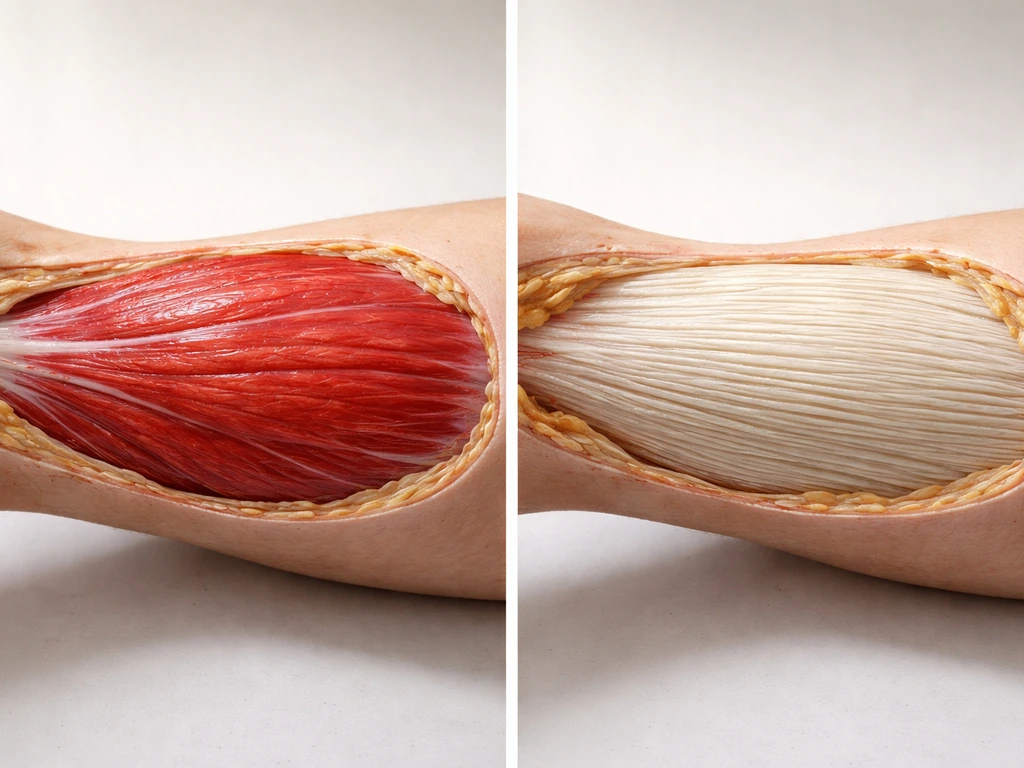
Most body grow supplements cause side effects ranging from mild gut discomfort and tingling to, in worst-case scenarios involving steroid-spiked products, serious liver damage, heart attack, or stroke. The severity depends almost entirely on what's actually in the product, the dose you're taking, and your individual health situation. Most people using a straightforward protein or creatine-based formula will deal with nothing worse than some bloating or a weird skin tingle. But the category is broad and loosely regulated, so knowing what's in your tub and what warning signs to watch for is genuinely important.
Body Grow Supplement Side Effects: Risks, Causes, and Safer Options

Marcus Kellerman
12 May 2026
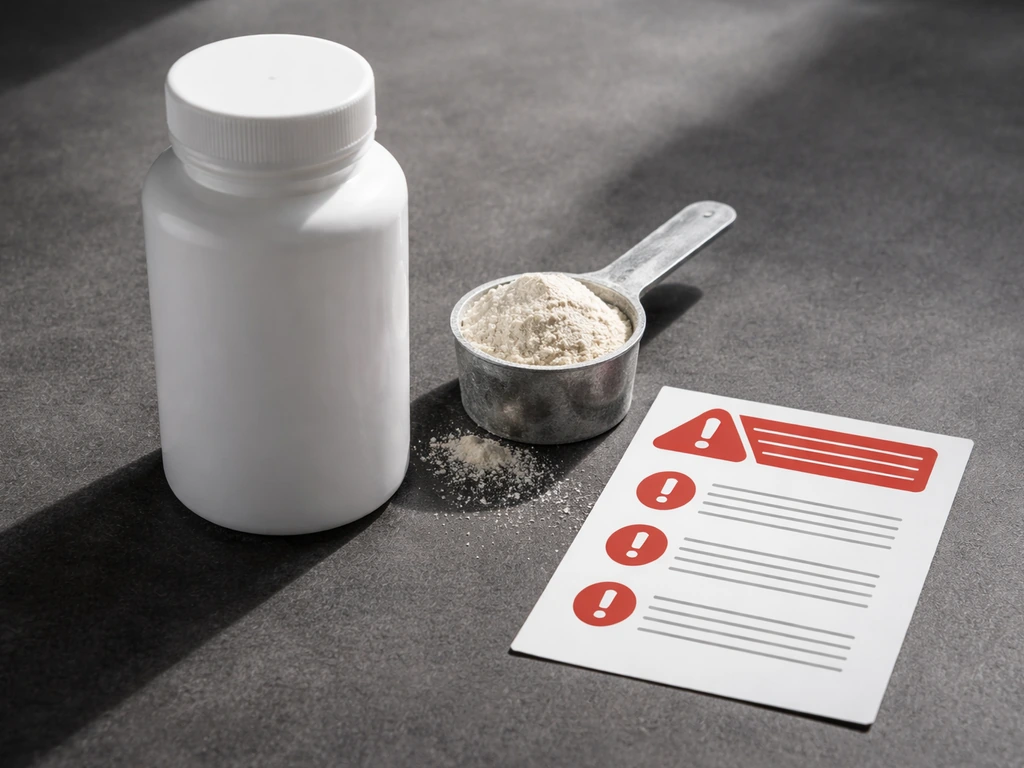
What 'body grow' supplements actually are (and what's inside them)
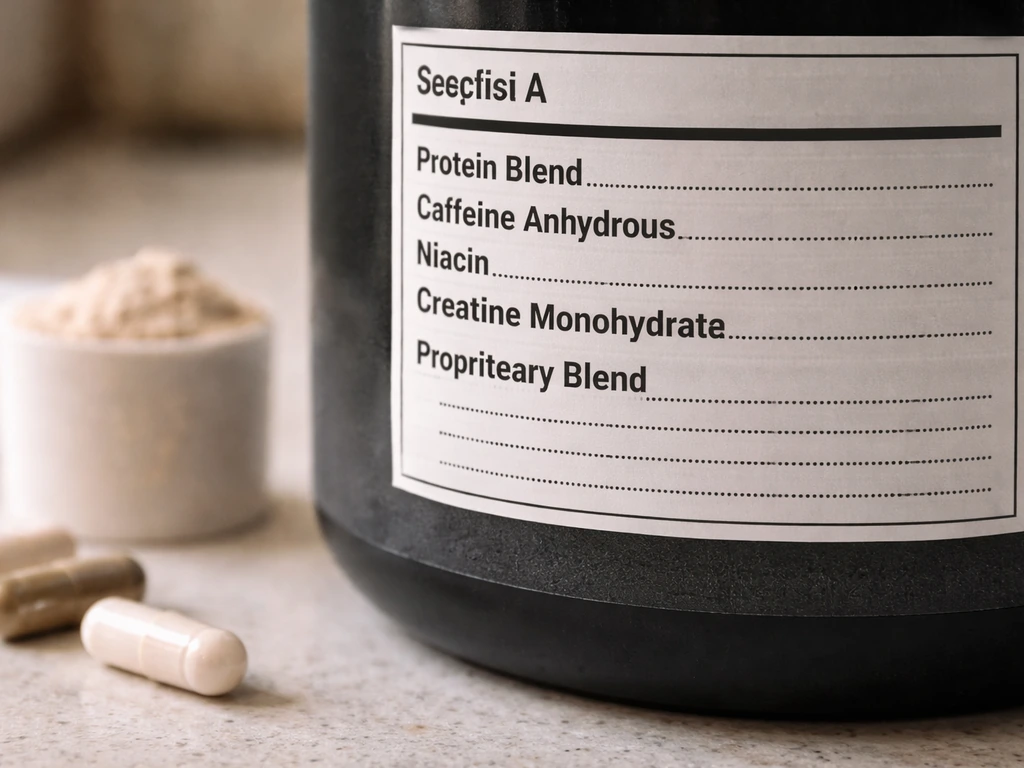
The term 'body grow' isn't a regulated product category. It's a marketing label applied to anything from basic protein powders and mass gainers to complex blends targeting muscle gain, weight gain, or performance. When someone searches for a 'body grow supplement,' they could be looking at a straightforward whey protein, a calorie-dense gainer stacked with carbohydrates and fats, a pre-workout loaded with stimulants, or in some concerning cases, a product that contains anabolic steroid-like substances. The ingredient list tells you everything.
Here are the ingredient classes you'll most commonly find in these products:
- Protein sources: whey, casein, soy, pea, or blended plant proteins. These are the safest and most researched ingredients in any muscle-building stack.
- Creatine monohydrate: one of the most studied sports supplements in existence, generally well-tolerated at 3–5 g per day maintenance dosing.
- Caffeine and stimulant blends: common in pre-workout style gainers, often dosed anywhere from 100 mg to well over 300 mg per serving.
- Beta-alanine: an amino acid added to boost muscular endurance that causes the harmless but startling skin-tingling sensation most people notice.
- Carbohydrate and calorie fillers: maltodextrin, oats, or various fast-digesting carbs used to push calorie counts higher for hard gainers.
- Vitamins and minerals: including niacin (vitamin B3), zinc, and B-vitamins, which are generally fine at label doses but can cause their own reactions at high amounts.
- Proprietary blends and undisclosed 'complexes': this is where risk lives. Proprietary labeling hides exact doses, and some products have been found to contain steroids or steroid precursors that weren't declared on the label.
That last point is not a small caveat. The FDA has issued direct public health advisories warning consumers to stop using bodybuilding products represented to contain steroids or steroid-like substances. Some products sold as dietary supplements have been found to contain these compounds, and the resulting health consequences have been documented and serious. So when we talk about 'body grow supplement side effects,' we're really talking about two very different risk profiles: one for clean, well-labeled products and one for adulterated or mislabeled ones. If you’re considering strong body grow syrup, the most important step is to check the ingredient list carefully and look for third-party testing to reduce the chance of serious side effects body grow supplement side effects.
Common side effects and the ingredients behind them
Let's go ingredient by ingredient, because 'body grow supplement side effects' as a blanket answer isn't that useful. What you're reacting to is almost always traceable to a specific compound.
Creatine

Creatine is extremely well tolerated for most people. The side effects that do occur are mostly gastrointestinal: nausea, diarrhea, bloating, or stomach cramping. These are more common with loading protocols (around 20 g per day for 5–7 days) than with a simple 3–5 g daily maintenance dose. There are also anecdotal reports of muscle cramping and heat intolerance, though research support for these is thin. People with existing kidney problems should check with their doctor before using creatine and, if they do use it, should be monitored. For healthy adults, the evidence for serious harm is reassuringly sparse.
Caffeine
Caffeine is responsible for a large chunk of the supplement adverse event reports in emergency department data. Mild effects at typical doses include anxiety, restlessness, insomnia, irritability, increased urination, and GI irritation. Push the dose higher and you add tachycardia (rapid heart rate), irregular heartbeat, and elevated blood pressure. Caffeine in supplement form, especially highly concentrated powders or liquids, is particularly risky because the margin between an active dose and a toxic one is much narrower than it is with a cup of coffee. Up to about 400 mg per day appears safe for most healthy adults, but many body grow and pre-workout products exceed that in a single serving. Timing matters too: caffeine taken within 6 hours of bedtime will disrupt sleep, and poor sleep directly undermines muscle recovery.
Beta-alanine
The skin-tingling sensation from beta-alanine (called paraesthesia) is by far the most universally reported side effect of any common sports supplement, and it alarms people who aren't expecting it. The good news is that it's harmless. It's a vasodilatory nerve response, not an allergic reaction, and it passes within 60–90 minutes. If it bothers you, splitting your dose into smaller amounts throughout the day or choosing a sustained-release formula largely eliminates it.
Niacin (vitamin B3)

Many body grow formulas include niacin at reasonably high doses. High intakes of niacin can trigger a flushing response: burning, tingling, and itching that typically starts within 30 minutes of taking a dose. Like beta-alanine tingling, this is unpleasant rather than dangerous for most people, but it can be distressing if you're not expecting it. At the doses found in most supplements, this is the main concern. Serious niacin toxicity is associated with megadose therapeutic use, not typical supplement levels.
Steroid and steroid-like substances (the serious tier)
This is where things go from 'uncomfortable' to 'genuinely dangerous.' Products that contain or are contaminated with anabolic steroids or steroid-like compounds have been linked to nausea, weakness, fever, abdominal pain, chest pain, jaundice (yellowing of the skin or eyes), and dark or discolored urine. More seriously, the FDA has documented links to drug-induced liver injury, heart attack, stroke, pulmonary embolism, deep vein thrombosis, and kidney damage. These aren't theoretical risks: they're outcomes that have shown up repeatedly in FDA adverse event reports and clinical case studies, specifically tied to bodybuilding products labeled as dietary supplements.
Who's most at risk?
- Young adults (20–34): This age group accounts for the majority of supplement-related emergency department visits. They tend to use higher doses, stack multiple products, and respond strongly to stimulants.
- Teens and adolescents: Both the American Academy of Pediatrics and the American College of Sports Medicine warn that teens should not use performance-enhancing supplements including creatine, due to possible health risks and the fact that their bodies are still developing.
- People with kidney or liver conditions: Creatine requires monitoring in anyone with impaired kidney function; steroid-containing products put serious additional stress on both organs.
- People with cardiovascular concerns: Any product containing stimulants or hormone-active ingredients can raise blood pressure and heart rate, which is a real concern for people with hypertension or heart disease.
- Older adults: More likely to be on prescription medications, have existing organ function changes, and be more sensitive to stimulants and hormonal compounds.
- Women, especially those who are pregnant or breastfeeding: Anabolic and hormonal ingredients carry particular risks; safety data for pregnancy is essentially absent for most of these products.
When to stop immediately and get medical advice
Some reactions are 'stop the supplement and see how you feel.' Others are 'go to the ER now.' Here's how to tell the difference.
Stop the supplement and contact a doctor if you notice any of the following:
- Chest pain or pressure
- Shortness of breath or difficulty breathing
- Palpitations or noticeably irregular heartbeat
- Fainting or near-fainting
- Severe joint or muscle pain that doesn't resolve
- Jaundice (yellowing of skin or whites of the eyes)
- Dark brown or discolored urine
- Severe abdominal pain
- Fever with weakness or fatigue
- Signs of a stroke: sudden numbness, confusion, trouble speaking, vision changes
If any of these happen, don't finish the bottle first and don't 'wait and see.' The FDA is explicit: stop the product immediately if it may have caused a serious reaction or illness, and report it through FDA's Safety Reporting Portal. That report matters because it contributes to post-market surveillance that protects other people from the same product. If symptoms are acute and severe, go to an emergency room and bring the product container with you.
How to reduce your risk: dosing, cycling, and quality checks
The honest reality is that you can meaningfully lower your risk without giving up supplementation entirely. Here's how.
Start with third-party tested products
The single highest-leverage move you can make is choosing a product that has been independently tested. NSF's Certified for Sport program, for example, tests products to confirm they don't contain substances banned by major athletic organizations at the recommended serving size. This testing addresses both contamination and adulteration risks. A product with that certification has at least been verified to contain what it says and nothing that's prohibited. Informed Sport is another credible third-party certification to look for.
Dose conservatively and avoid loading phases if you're sensitive
For creatine, skipping the loading phase and going straight to 3–5 g per day maintenance eliminates most GI side effects while delivering the same long-term benefit. It just takes a few extra weeks to saturate muscle stores. For caffeine-containing products, start at the lower end and pay attention to how your heart rate and sleep respond. If you're already drinking 2–3 cups of coffee daily, stacking a high-caffeine supplement on top puts you above safe thresholds fast.
Read labels carefully and avoid proprietary blends

If a label says 'proprietary blend' without disclosing individual ingredient doses, you have no way of knowing whether you're getting a therapeutic amount or a token dose of any given compound. Prefer products with fully transparent labels. If you can't see what you're getting and how much, you can't make an informed safety decision.
Consider cycling off stimulant-based products
Caffeine tolerance builds quickly, leading people to increase their dose over time. Periodically cycling off stimulant-containing supplements (4–6 weeks on, 1–2 weeks off is a reasonable approach) helps reset tolerance, reduces dependence, and lowers cumulative cardiovascular strain. There's no reason to be on high-dose stimulants year-round.
Talk to your doctor or pharmacist before starting
This matters especially if you're on any prescription medication. The FDA is clear that combining dietary supplements and medications can have dangerous and even life-threatening effects. Your pharmacist can flag interaction risks quickly. It's a 5-minute conversation that's worth having.
Can you find a body grow supplement with zero side effects?
Short version: no. Every biologically active ingredient has a dose at which it causes a reaction in some people. Even plain whey protein can cause bloating and cramping in people who are lactose intolerant or have dairy sensitivities. The question isn't whether a supplement has zero risk but whether the risk is proportionate to the benefit and manageable for your specific situation.
That said, the practical difference between a well-formulated, third-party tested protein powder and a proprietary pre-workout blend loaded with stimulants and undisclosed compounds is enormous. Someone looking for a 'body grow supplement without side effects' is most likely to find what they're after by sticking to single-ingredient or minimal-ingredient products with clean labels and strong testing credentials. Whey protein isolate, creatine monohydrate, and leucine-enriched essential amino acids have the deepest safety records in the category. They're not exotic, but they work and they're well understood.
Drug interactions and special populations
Stimulant interactions
Caffeine-containing supplements can interact with stimulant medications (including ADHD medications like amphetamines), certain antidepressants, thyroid medications, and blood pressure drugs. Combined stimulant effects can push heart rate and blood pressure to dangerous levels. If you're on any of these, get specific guidance before adding a caffeinated supplement.
Hormonal and steroid-like ingredients
Products marketed with testosterone support or anabolic claims can interfere with hormone-related medications, birth control efficacy, and conditions like polycystic ovary syndrome (PCOS) in women. For men on testosterone replacement therapy, adding anabolic compounds from supplements creates unpredictable and potentially harmful hormonal stacking. Testosterone-support and steroid-like ingredients are a major reason some body grow products can cause serious side effects testosterone support.
Teens and adolescents
The position from both the American Academy of Pediatrics and the American College of Sports Medicine is clear: teens should not use performance-enhancing supplements including creatine. The concern isn't just direct toxicity but the fact that adolescents are still developing, their kidneys and liver process compounds differently, and the long-term research on supplementation in minors simply isn't there. If a teenager wants to build muscle, the answer is training, adequate protein from food, and sleep. If you want to get stronger, focus on training, adequate protein from whole foods, and sleep, then reconsider supplements later when you're an adult build muscle. That's not a watered-down answer, it's genuinely the most effective protocol at that age.
Older adults
Older adults are more likely to have reduced kidney and liver function, even without a formal diagnosis, and they're more likely to be on medications that interact with supplement ingredients. Stimulant tolerance is generally lower with age, and blood pressure sensitivity to caffeine increases. This doesn't mean older adults shouldn't use supplements at all, but it argues strongly for starting with the simplest, cleanest options (protein and creatine, both well-studied in older populations) and checking with a physician before adding anything with hormone-related or stimulant ingredients.
People with kidney or liver conditions
Creatine should only be used with medical monitoring if you have existing kidney issues. Products containing anabolic steroids or steroid-like substances are associated with drug-induced liver injury and should be avoided entirely by anyone with liver disease. High-protein supplements add to your total protein load, which matters if your kidneys are already compromised. This is a conversation to have with your nephrologist or hepatologist specifically, not just a general practitioner.
Better alternatives for muscle growth that don't rely on risky supplements
Here's the thing: the supplement industry exists partly because people underestimate how much the fundamentals actually do. The biggest driver of muscle growth is progressive mechanical tension on the muscle, delivered consistently over time, combined with enough dietary protein and total calories to support adaptation and recovery. No supplement replaces that stimulus.
Protein targets from food first
For muscle growth, the research consistently points to roughly 1.6–2.2 g of protein per kilogram of body weight per day as the effective range for most people. A 180 lb (82 kg) person needs roughly 130–180 g of protein daily. That's achievable through food: eggs, chicken, Greek yogurt, cottage cheese, beef, fish, legumes. Protein powder is a convenient top-up when food protein falls short, not a replacement for a well-structured diet.
Total calorie intake
If building muscle is the goal, a modest calorie surplus (roughly 200–300 kcal above maintenance) is all that's needed for most people who aren't severely underweight. Stacking mass-gainer supplements with 1,000+ calories per serving on top of a diet that already meets needs leads to fat gain, not accelerated muscle growth.
Training stimulus: the non-negotiable
Muscle grows in response to mechanical tension and metabolic stress applied progressively over time. That means resistance training 3–4 days per week, working sets close to failure (within 2–4 reps of your limit), and adding load or volume over time. No supplement creates that adaptation without the training stimulus. The supplements that are most useful just help you train harder, recover better, and meet protein targets more conveniently.
The evidence-based short list of actually useful supplements
If you want to supplement intelligently and minimize side effect risk, here's where the evidence is strongest:
| Supplement | What it does | Typical dose | Side effect risk |
|---|---|---|---|
| Creatine monohydrate | Increases phosphocreatine stores for strength and power output | 3–5 g/day (skip loading) | Low; mostly GI if overdosed or loaded aggressively |
| Whey or plant protein powder | Convenient protein top-up to hit daily targets | 1–2 scoops as needed | Very low; GI issues in lactose-intolerant individuals |
| Essential amino acids (EAAs) | Supports muscle protein synthesis, especially useful when total food intake is low | 6–10 g around training | Very low |
| Caffeine (if used) | Performance and focus during training | 100–200 mg pre-workout max | Moderate if overused; sleep, heart rate, anxiety |
| Beta-alanine (if used) | Supports muscular endurance in high-rep work | 3.2–6.4 g/day in split doses | Low; harmless tingling (paraesthesia) |
Notice what's not on that list: proprietary blends, testosterone boosters, anabolic complexes, or anything with vague 'muscle activation matrix' language. Those categories carry the highest side effect risk and the weakest evidence for actual muscle growth benefit. If a product's main appeal is the marketing rather than a transparent ingredient panel, that's a reason to look elsewhere.
For readers curious about specific products in this space, related areas worth understanding include the side effects of amino-heavy formulas, powder-based gainers, and hormone-adjacent supplements, each comes with its own specific risk profile that depends heavily on what's actually in the formula. The safest approach in any case is the same: know your ingredients, choose tested products, stay within evidence-based dose ranges, and treat supplements as exactly what the name says, something that adds to a solid foundation, not something that builds it for you.
FAQ
How long after taking a body grow supplement do side effects usually show up?
It depends on the ingredient. Beta-alanine tingling and niacin flushing often start within about 30 to 60 minutes and fade within 1 to 2 hours. Stimulant-related symptoms like jitteriness or insomnia can appear within hours and may persist into the night if taken late. Signs of serious reactions from adulterated products can be delayed but are often accompanied by systemic symptoms like fever, jaundice, chest pain, or dark urine, so if those occur, seek urgent care rather than waiting for “it to pass.”
What should I do if I already took a serving and I feel mild symptoms?
Stop the supplement immediately and avoid taking any more that day, especially if it contains caffeine. Hydrate, and consider checking your label to see the total caffeine, niacin, and any proprietary blend ingredients you consumed. If symptoms worsen, you develop chest pain, severe shortness of breath, fainting, yellowing of skin or eyes, or dark/discolored urine, get emergency evaluation and bring the product container to the visit.
Can body grow supplements cause an allergic reaction, not just tingling or GI upset?
Yes, but tingling from beta-alanine is typically not a true allergy. A true allergic reaction is more likely to involve hives, swelling (face or throat), wheezing, or trouble breathing. Those symptoms are a stop-and-seek-care situation. If you have a history of severe allergies, avoid trying a new supplement without first checking all ingredients and starting at the lowest possible amount.
How do I figure out whether a product’s “side effects” are dose-related or contamination-related?
Dose-related effects usually match a specific ingredient and happen predictably, such as GI upset with creatine or flushing with niacin at the listed dose. Contamination or adulteration is more likely when you see systemic or severe symptoms (for example, jaundice, chest pain, extreme weakness, or dark urine) that are not plausibly explained by the label. If the label is vague (proprietary blend) or there is no third-party testing, assume higher risk and switch products rather than experimenting with higher doses.
Is it safer to take half a serving to reduce body grow supplement side effects?
For many common ingredients, yes, starting with a smaller dose can reduce GI and stimulant effects, and it can help you learn your sensitivity. The key caveat is that halving a proprietary blend may also halve everything, but you still cannot verify you are staying within safe amounts for each compound. For caffeine-containing products, do not offset late-day dosing, and avoid “stacking” with coffee or other pre-workouts.
What if I want to avoid caffeine, but my body grow supplement is marketed as a “fat burner” or “pre-workout”?
Choose a product that explicitly lists caffeine content as well as other stimulants, or pick a non-stimulant alternative. If you cannot find a clear caffeine amount per serving, assume it could exceed what you expect. Also check for “hidden stimulants,” such as multiple guarana sources or stimulant blends, since combined effects can raise heart rate and blood pressure even when you think the dose is moderate.
Can creatine cause long-term kidney damage?
For most healthy adults, creatine has not been shown to cause progressive kidney harm, but people with existing kidney disease should use it only under medical guidance and often with monitoring. If you have reduced kidney function, high creatinine, or a nephrology history, ask your clinician before using any creatine, and do not combine it with other supplements that may burden the kidneys.
Do high-protein or mass-gainer “body grow” products increase kidney risk?
In people with healthy kidneys, higher protein intake within reasonable targets is generally tolerated, but if you already have chronic kidney disease or reduced kidney function, high-protein supplements can add load that your clinician may want to limit. A practical step is to total your daily protein from both food and powder, then ask your nephrologist what target makes sense for your labs.
What interactions should I watch for if I take prescription medications and a body grow supplement?
The highest-risk interactions tend to involve stimulants (caffeine and similar compounds) with stimulant medications for ADHD, certain antidepressants, thyroid medications, and blood pressure drugs, because combined effects can push heart rate and blood pressure too high. Hormone-adjacent or steroid-like supplement ingredients can also conflict with hormone-related therapies, birth control, and conditions like PCOS. If you want to add only protein or creatine, the interaction burden is typically lower, but you should still confirm with a pharmacist for your specific regimen.
Are “testosterone booster” body grow supplements always unsafe?
Not automatically, but steroid-like or hormone-disrupting ingredients are a major reason for unpredictable adverse effects. If a product makes strong testosterone or anabolic claims, has a proprietary blend, or lacks credible third-party testing, treat it as high risk. If you are on testosterone replacement therapy, any additional anabolic or hormone-adjacent compounds can create harmful stacking, so medical supervision is especially important.
Why do some people get tingling from beta-alanine but others do not?
Sensitivity varies by person and can be influenced by dose and how quickly you take it. Splitting the daily amount into smaller doses often reduces the intensity of paraesthesia. If the tingling is accompanied by itching, swelling, or breathing symptoms, that pattern suggests something other than beta-alanine paraesthesia and should be treated as a potential allergic reaction.
What are reliable signs that I should stop the supplement and get urgent care?
Go to emergency care if you have chest pain, trouble breathing, fainting, severe weakness, confusion, severe abdominal pain, vomiting that will not stop, yellowing of skin or eyes, or dark/discolored urine. Also treat persistent high fever or severe headache with neurologic symptoms (like one-sided weakness) as urgent. If symptoms are serious, do not finish the bottle, and bring the packaging to support accurate evaluation.
What should teens or athletes under 18 do about body grow supplements?
Avoid performance-enhancing supplement categories for minors, including products marketed for muscle gain. The safest approach is focused training, adequate protein through food, and sleep, since long-term safety data for many supplement ingredients in adolescents is limited and teens can be more vulnerable to side effect patterns. If a teen insists on using something, it should be discussed with a pediatrician first, ideally with a simple, single-ingredient option.
What’s the best way to reduce side effects without “quitting supplements” entirely?
Use the lowest-complexity options with transparent labels and third-party testing. If you tolerate them, protein powders and creatine monohydrate tend to have more predictable side effect profiles than stimulant-heavy pre-workouts or proprietary blends. Also avoid loading phases for creatine, start caffeine low (or skip it), and do periodic breaks from stimulant products to reduce tolerance-related dose creep.