Most people taking Fast Grow Amino supplements experience nothing worse than some digestive discomfort or, if the product contains beta-alanine, a harmless but startling tingling sensation on their skin. Serious side effects are uncommon when you use these products as directed, but the risks go up fast if you ignore the label, stack multiple supplements, or have an underlying health condition. You should also familiarize yourself with potential testostro grow side effects, especially if you are stacking supplements or have any underlying health concerns. Knowing what to watch for, how to read the ingredient list, and when to simply stop is what this guide is about.
Fast Grow Amino Side Effects: Risks and What to Do

Marcus Kellerman
23 May 2026
What Fast Grow Aminos actually are (and what they do for muscle growth)
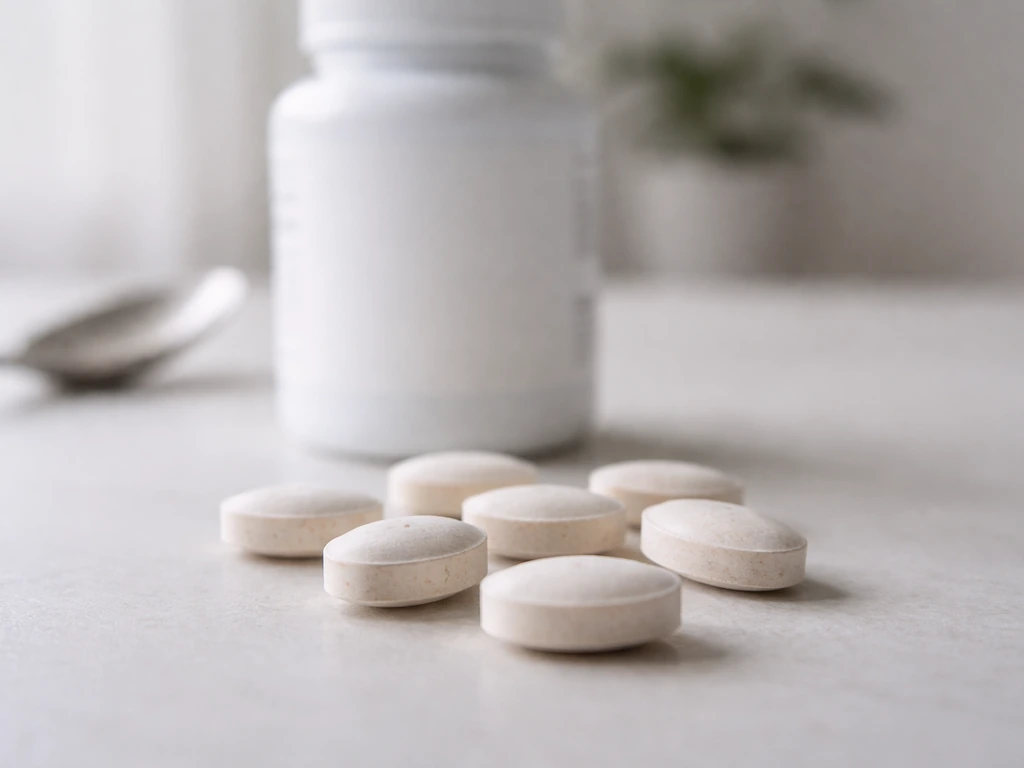
USN Fast Grow Aminos is a tablet-based amino acid complex. It delivers a blend of essential amino acids (EAAs) and branched-chain amino acids (BCAAs) in a 2:1:1 ratio, plus vitamin B6. The recommended dose is 2 to 4 tablets taken once or twice daily, ideally before training, after training, and before bed. The product is positioned around muscle recovery and mass support, which lines up with what the science actually says about amino acids: EAAs, especially leucine, are the primary trigger for muscle protein synthesis, and getting enough of them around training does have a real effect.
That said, amino acid tablets are not magic. If your total daily protein intake is already hitting roughly 1.6 to 2.2 grams per kilogram of body weight from food and protein shakes, adding an amino acid tablet on top is unlikely to move the needle much. Where these products earn their place is when someone is eating too little protein overall, training hard, or needs a convenient pre/post-workout amino hit without a full meal. Think of them as a gap-filler, not a foundation.
The most common side effects you might actually notice
The majority of side effects from amino acid supplements are mild and short-lived, especially in the first week or two as your body adjusts. If you are considering body grow powder or similar supplements, it helps to review the body grow powder side effects so you know what is common and what would be a red flag. Here is what people most commonly report: Even when you tolerate an amino supplement, body grow supplement side effects can still show up if you misuse dosing or ignore warning signs like worsening digestion.
- GI upset: nausea, bloating, cramping, or loose stools are the most common complaints, particularly when tablets are taken on an empty stomach or at a higher dose than the body is used to. Starting with the lower end of the recommended dose (2 tablets) and always taking them with food dramatically reduces this.
- Tingling or prickling skin (paresthesia): if the product contains beta-alanine, expect this. It is harmless but can feel alarming the first time. It typically hits the face, neck, and hands within 15 to 30 minutes of taking the supplement and fades within an hour. Splitting the dose or choosing a sustained-release format reduces it significantly.
- Headaches: less common, but some people report mild headaches, usually linked to inadequate hydration or the arginine content affecting blood flow. Drinking more water typically resolves it.
- Energy fluctuations or sleep disruption: the standard USN Fast Grow Aminos tablet formula does not list stimulants, but always read your specific batch's label. If your product contains caffeine or other stimulants and you take it before bed as sometimes suggested, disrupted sleep is a predictable result.
Serious and less common risks worth knowing about
Most people never hit this territory, but these risks are real and worth flagging before you start.
Arginine and blood pressure
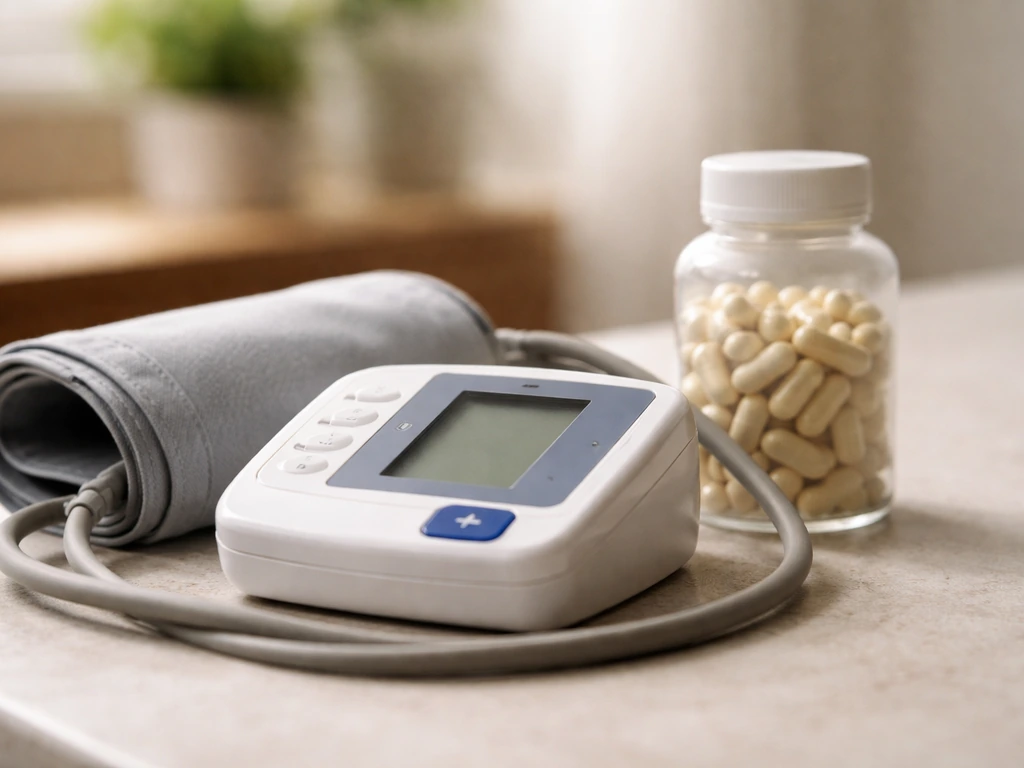
The USN formula includes L-arginine (68 mg per serving). At that dose, it is modest, but if you are already taking blood pressure medications, herbs, or other supplements that lower blood pressure, combining them with arginine can push blood pressure lower than intended. The Mayo Clinic flags this interaction specifically. If you are on antihypertensives, talk to your doctor before adding any arginine-containing product.
Amino acid imbalances from supranutritional intake
Research published through the NIH highlights a real but underappreciated concern: flooding the body with isolated amino acids at high doses over time can create imbalances that compete for absorption and potentially affect how other amino acids are used. This is more of a concern if you are stacking multiple amino acid products rather than using one product as directed. More is not always better with isolated aminos.
Hidden or undeclared ingredients
This is the risk that genuinely worries me for people buying supplements without checking. The FDA does not approve dietary supplement labels before products go to market. The FDA's own tainted products database documents real cases of supplements containing undeclared drug ingredients, including stimulants, hormones, and substances like phenibut. The NCCIH echoes this, noting that some bodybuilding supplements have been found to contain prescription drug ingredients or controlled substances that are not on the label. This is less about USN specifically and more about the broader supplement market and why third-party testing matters.
Allergies and intolerances
Many amino acid complexes are derived from animal sources (dairy, egg, or meat hydrolysates). If you have a dairy or egg sensitivity, check whether the amino acids in your product are plant-derived or animal-derived. This is often not obvious from the front label.
How to reduce side effects before and after you start
Start low and build up
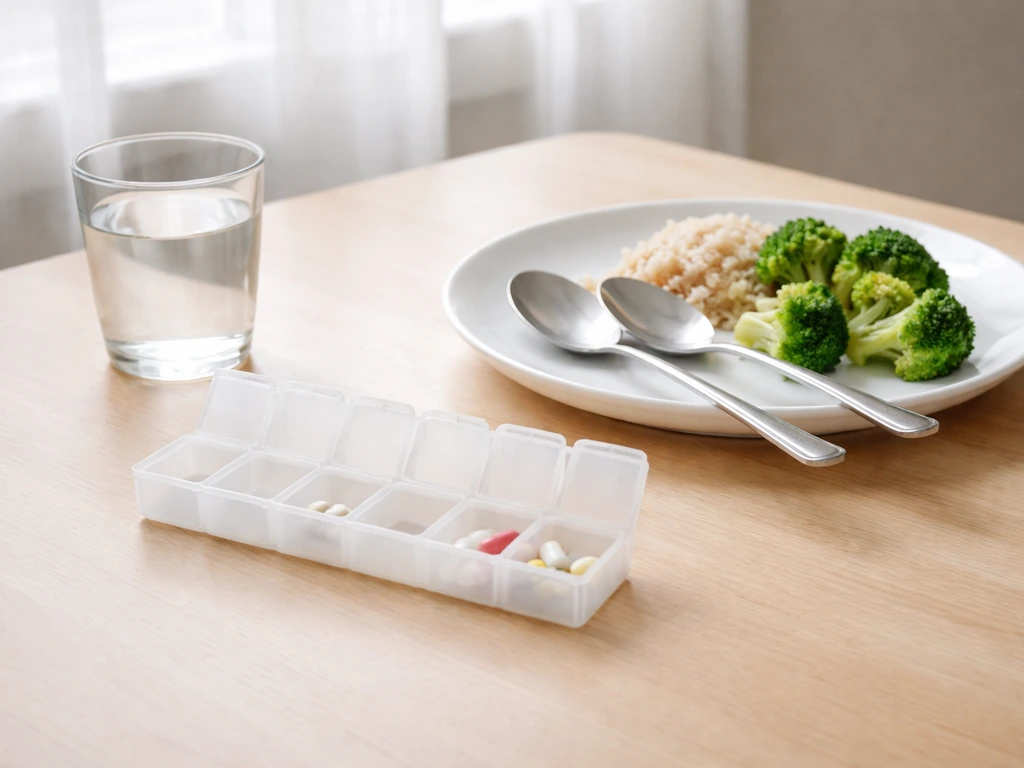
The USN label says 2 to 4 tablets, one or two times daily. Start at the lower end: 2 tablets once a day, taken with food. Give your gut a week to adjust before moving up. Most GI issues resolve quickly this way.
Time your doses around meals
Taking amino acid tablets on an empty stomach is the fastest route to nausea and bloating. Pre-training and post-training doses are fine, but pair them with at least a small amount of food or a protein shake. If you are taking a dose before bed, have a light snack with it.
Stay hydrated
Amino acid metabolism requires water. Headaches and poor digestion from amino supplements are often partly a hydration issue. Aim for consistent fluid intake throughout the day, not just around your workout.
Read the full ingredient list, not just the front panel
Flip to the Supplement Facts panel and the "Other Ingredients" section. Look for caffeine, guarana, green tea extract, proprietary blends that hide individual doses, and any ingredient you do not recognize. If a claim on the front label sounds more like a drug claim than a nutrition claim, that is an FDA red flag. The FDA requires that structure/function claims on supplements include a disclaimer that the statement has not been evaluated by the FDA, so any product that removes that caveat or uses overt drug-like language is worth scrutinizing harder.
Choose third-party tested products
NSF Certified for Sport tests for over 290 banned substances including stimulants, narcotics, steroids, and diuretics, and it includes unannounced facility inspections, not just label review. USP Verified checks identity, strength, quality, and purity. Either certification is a meaningful quality signal. A product without any third-party certification is not automatically bad, but it carries more unknown risk.
What to do if you're already feeling symptoms

Work through this checklist if something feels off after starting:
- Tingling skin (paresthesia): this is almost certainly beta-alanine. It is harmless. Split your dose into two smaller doses taken a few hours apart, or switch to a sustained-release version. If it bothers you enough to stop, that is completely fine too.
- Nausea or stomach cramps: stop taking the supplement on an empty stomach immediately. Take with food. If it persists after a few days with food, drop back to a single lower dose. If it does not improve within a week of adjusting, stop the product.
- Headaches: increase your water intake first. Check whether the product contains caffeine or stimulants. If you cannot identify a cause and headaches persist beyond 3 to 4 days, stop the product and see how you feel.
- Heart palpitations, chest discomfort, or significant dizziness: stop immediately and seek medical attention. Do not restart until you have talked to a doctor.
- Any unusual reaction that feels systemic (rash across the body, difficulty breathing, swelling): this is a potential allergic reaction. Stop the product and seek medical care urgently.
- Mild energy drops or sleep disruption: check the label for stimulants. Move any evening dose to earlier in the day. If that does not help within a week, consider whether you need the bedtime dose at all.
A practical rule: if you cannot clearly link the symptom to one specific ingredient and adjusting timing or dose does not help within 7 to 10 days, stop the supplement. Your baseline health matters more than the marginal benefit of any amino acid product.
Who needs to be extra careful
The USN package insert is direct about this: the product is not suitable for anyone under 18, and its safety during pregnancy or breastfeeding has not been established, so it should not be used then. Beyond those hard stops, here are the groups who should talk to a doctor before starting:
- People on blood pressure medications or blood thinners: the arginine content can interact with antihypertensive drugs, and some amino acid products affect clotting-related pathways. The USN insert specifically flags cardiovascular conditions and blood thinners as requiring provider consultation.
- People taking antibiotics: the insert notes a timing consideration with antibiotics, which makes sense because amino acids can affect absorption windows for some drugs. Space doses away from antibiotic timing.
- People with erectile dysfunction medications: the insert specifically calls this out, likely due to arginine's nitric oxide pathway interaction with PDE5 inhibitors (the mechanism of drugs like sildenafil). Combining them can exaggerate blood pressure drops.
- Older adults: kidney function declines with age, and high amino acid loads, especially over long periods, place more demand on the kidneys. This does not mean older adults cannot use amino supplements, but they should start lower, stay hydrated, and check with their doctor if they have any renal history.
- Anyone with kidney or liver disease: amino acid metabolism is handled primarily by these organs. Pre-existing impairment raises the risk of accumulation and related side effects.
- People with known food allergies: particularly dairy, egg, or soy, since many amino acid products are derived from these sources.
Evidence-based alternatives and the fastest safe path to muscle growth
Here is the honest picture: if your protein intake is already solid (1.6 to 2.2 g/kg/day from whole food and quality protein supplements), you are likely to get more return from optimizing your training and sleep than from adding amino acid tablets. That said, for people who are genuinely under-eating protein, using a product like Fast Grow Aminos around training can help. The issue is that many people buying amino tablets are already eating enough protein and expecting a result the product cannot deliver.
If you want the most evidence-backed, low-side-effect supplementation strategy for muscle growth, creatine monohydrate is the clear winner. The International Society of Sports Nutrition's position stand supports its safety and efficacy across populations, including across studies tracking kidney-function outcomes. It improves strength and muscle gain, it is inexpensive, and its side effect profile is well understood (mostly initial water retention). It is not an amino acid supplement, but it genuinely moves the needle on muscle growth in a way that most amino acid products do not match.
If you specifically want an amino acid or BCAA-adjacent product with a strong safety record, look for single-ingredient or transparent-label products with NSF Certified for Sport or USP Verified status. Products marketed for "fast growth" with proprietary blends and aggressive label claims deserve more scrutiny, not less. Similar caution applies to related products like body grow powders, testostro grow formulas, or strong body grow syrups, all of which vary widely in ingredient transparency and risk profile depending on the specific brand and formula.
Your practical self-audit checklist before you start (or continue)
- Calculate your daily protein intake. Are you hitting 1.6 to 2.2 g/kg of body weight? If yes, an amino acid tablet is unlikely to add meaningful benefit.
- Read the full ingredient list, not just the front panel. Identify every active ingredient and look up anything unfamiliar.
- Check for stimulants (caffeine, guarana, green tea extract, synephrine). If they are present and you are sensitive or plan to take the product at night, reconsider the timing.
- Look for a third-party certification logo: NSF Certified for Sport or USP Verified are the most credible.
- Review your medications and conditions against the interaction list above. When in doubt, ask a pharmacist or doctor before starting.
- Start at the lowest recommended dose with food for at least one week before increasing.
- Drink enough water throughout the day, especially on training days.
- Set a 4-week check-in: are you noticing any persistent symptoms? Is the product actually improving your recovery or performance in a way you can measure? If the answer to both questions does not justify continuing, stop.
Amino acid supplements are not inherently dangerous, but they are also not magic. Used thoughtfully with a solid protein foundation, consistent training, and adequate sleep, they can be a useful addition to a muscle-building plan. The side effects are manageable when you start low, eat first, and pay attention to your label. And if something feels off, adjusting or stopping is always the right call.
FAQ
Do Fast Grow Aminos cause tingling or numbness, and how long should it last?
If your formula includes beta-alanine, tingling (often described as harmless “pins and needles”) can show up soon after a dose, usually in the first week or two. If the sensation becomes painful, spreads beyond the expected area, or comes with dizziness or shortness of breath, stop the supplement and check the ingredient list for other active compounds.
Is it safe to take Fast Grow Aminos every day, long-term?
For most people, daily use at the label dose is generally tolerated, but long-term safety is less well established than for foundational options like creatine. The main practical concern is stacking multiple amino products, which increases the chance of amino imbalance and dose-related gut issues. If you are using it beyond a few months, reassess your total protein intake and whether you still need the tablet.
Can Fast Grow Aminos make existing gut conditions worse?
Yes, they can. People with reflux, IBS, gastritis, or low stomach tolerance may notice more bloating or nausea, especially if they start at a higher dose or take tablets on an empty stomach. If you have a gut diagnosis, start with 2 tablets once daily with food, and stop if symptoms worsen beyond about a week.
What interactions are most likely to matter for Fast Grow Aminos?
The clearest interaction mentioned in the article is L-arginine with blood pressure lowering meds, herbs, or supplements, which can push blood pressure too low. Also be careful if you combine with other products that contain overlapping ingredients like arginine, vasodilators, or stimulants, because you may unknowingly increase the active dose.
Will Fast Grow Aminos help if I already hit my daily protein target?
If you are already around 1.6 to 2.2 g/kg/day from food and quality protein, amino tablets usually add little to results. In that situation, side effects become the main “cost,” while the benefit is marginal. A smarter move is to review meal timing, sleep, and creatine, rather than increasing amino tablet dose.
What’s the fastest way to identify whether the supplement is causing my side effect?
Use a “single-variable” approach: keep everything else the same for about 7 to 10 days, reduce to the lowest dose (or take with food), and avoid stacking other supplements. If you cannot tie the symptom to one specific ingredient or dose change does not help in that window, discontinue.
Should I take Fast Grow Aminos pre-workout, or does it matter?
Timing matters mainly for tolerability. The article notes empty-stomach use increases nausea and bloating, so pre-workout is fine if you pair it with food or a protein shake. For bedtime dosing, a light snack often reduces GI upset.
Do I need to worry about caffeine or stimulant ingredients in these amino products?
Yes. Even if the core product is “amino” focused, some labels include caffeine, guarana, or green tea extract, which can cause jitteriness, stomach irritation, or sleep disruption. Check the Supplement Facts every time, especially if you buy from different batches or retailers.
How much water should I drink when taking Fast Grow Aminos?
The article highlights hydration as a common contributor to headaches and poor digestion. Practically, aim for consistent fluids across the day, not only around workouts. If you tend to cramp or get headaches during training, increase daily water first before blaming the product.
What should I do if the product label includes a “proprietary blend”?
A proprietary blend makes it harder to know your actual amino or stimulant doses, which increases the risk of taking too much without realizing it. If you notice symptoms or you want to ensure you are not overdoing any active ingredient, choose a formula with transparent per-ingredient amounts.
Are Fast Grow Aminos safe for people under 18, or during pregnancy or breastfeeding?
No, the article states the product is not suitable for anyone under 18, and safety during pregnancy or breastfeeding has not been established. If either situation applies, talk to a clinician first and do not use amino tablets as a default substitute for tailored nutrition guidance.
If I get mild side effects, should I lower the dose or stop immediately?
Start with dose reduction and correct timing. The article suggests beginning at 2 tablets once daily with food for a week, and ensuring you are not taking it on an empty stomach. If symptoms escalate, are severe, or do not improve within about 7 to 10 days, stop.
Is third-party certification like NSF Certified for Sport or USP Verified necessary?
It is not strictly required, but it is a valuable risk reducer in the supplement market. Certification mainly helps with identity, strength, and presence of banned or undeclared ingredients. If you are buying a “fast growth” product with aggressive claims or a confusing label, prioritizing third-party testing is especially important.
Citations
USN Fast Grow Aminos label positioning: provides an “amino acid complex” with a stated BCAA ratio of 2:1:1, includes “EAAs” and “BCAAs,” plus vitamin B6; recommended use is 2–4 tablets 1–2 times daily, preferably before training, after training and before bedtime; “Do not exceed the maximum daily dosage.”
https://ke.usn.global/products/usn%C2%AE-fast-grow-aminos-60s-120s
USN Fast Grow Aminos product page lists included amino acids and amounts (example shown: Arginine 68 mg; the page is structured as a supplement/inclusion list for the product).
https://usn.global/products/fast-grow-aminos
The USN label describes included components beyond amino acids: it lists vitamin B6 and describes claimed functions (recovery/muscle mass increase/hormone regulation) associated with EAAs and protein synthesis support for BCAAs.
https://ke.usn.global/products/usn%C2%AE-fast-grow-aminos-60s-120s
NCCIH notes that NIH provides information on bodybuilding/performance supplements and highlights safety concerns including that consumers may unknowingly take products laced with prescription drug ingredients/controlled substances; NCCIH also mentions beta-alanine evidence is mixed but discusses safety/considerations in the broader context of performance supplements.
https://www.nccih.nih.gov/health/bodybuilding-and-performance-enhancement-supplements
An NIH/National Academies (NCBI Bookshelf) chapter notes ongoing supranutritional amino-acid intake practices despite evidence of potential adverse effects from amino-acid imbalances (discussed as an area of safety concern for excess isolated amino-acid consumption).
https://www.ncbi.nlm.nih.gov/books/n/nap9620/ddd00249/
NIH ODS/Health Professional fact sheet states that beta-alanine paresthesia can be attenuated with divided doses or sustained-release form; it also notes beta-alanine may cause pruritus (itchy skin) with unspecified severity.
https://ods.od.nih.gov/factsheets/ExerciseAndAthleticPerformance-HealthProfessional/
Mayo Clinic safety section for L-arginine: combining L-arginine with blood pressure drugs/herbs/supplements may increase the risk of blood pressure becoming too low.
https://www.mayoclinic.org/drugs-supplements-l-arginine/art-20364681
Example Supplement Facts (from NIH ODS DSLD) for a beta-alanine product includes warning language: “Beta Alanine may cause a harmless, temporary tingling sensation” and a “DO NOT EXCEED” type instruction (“DO NOT EXCEED 2 SCOOPS PER DAY”).
https://api.ods.od.nih.gov/dsld/s3/pdf/327321.pdf
NSF Certified for Sport program describes comprehensive pre-certification evaluation of production and label/formulation review, and testing for banned substances (e.g., 290+ stimulants, narcotics, steroids, diuretics, beta-2-agonists, masking agents).
https://www.nsf.org/consumer-resources/articles/certified-for-sport-program
NSF explains that NSF/ANSI 173 is specifically for supplement and that for athletes, products are evaluated under NSF Certified for Sport; NSF also states it does not just evaluate manufacturer-submitted data or a single sample—unannounced inspections and broader product evaluation are part of the certification process.
https://www.nsf.org/consumer-resources/articles/supplement-vitamin-certification
USP Verified Mark indicates that a product meets USP standards via USP’s Dietary Supplement Verification Program (USP describes this as verifying identity/strength/quality/purity against USP criteria).
https://www.usp.org/verification-services/verified-mark
FDA consumer update states the FDA does not approve dietary supplement labels before products are marketed; it also explains what FDA can and can’t do regarding approval/oversight.
https://www.fda.gov/consumers/consumer-updates/it-really-fda-approved
NIH ODS Dietary Supplement Label Database (DSLD) captures images and label information declared on supplement labels, and it explicitly cautions that labels might be incomplete/inaccurate and the product might contain ingredients of concern to FDA; inclusion is not endorsement by ODS/NIH/FDA.
https://dsld.od.nih.gov/
FDA labeling guide: it explains required label statements for dietary supplements, including that manufacturers must follow specific disclosure requirements (not medical approval).
https://fda.gov/food/dietary-supplements-guidance-documents-regulatory-information/dietary-supplement-labeling-guide-chapter-i-general-dietary-supplement-labeling
FDA Q&A on dietary supplements explains label claim categories (e.g., health claims vs structure/function claims vs nutrient content claims) and includes wording guidance like “This statement has not been evaluated by the FDA.”
https://www.fda.gov/food/information-consumers-using-dietary-supplements/questions-and-answers-dietary-supplements
FDA training/guide (for tainted products): includes “red flag” characteristics retailers/distributors should investigate further, such as vague bodybuilding/bodybuilding-performance enhancing framing and labels promising body enhancement with unsubstantiated directions/claims mimicking drugs.
https://www.fda.gov/media/186556/download?attachment=
FDA Health Fraud Product Database documents supplement cases where products were cited for issues like undeclared drug ingredients (example entry includes a product containing phenibut/undeclared 1,4-DMAA—showing that label discrepancies/adulteration can occur in the broader supplement market).
https://www.fda.gov/consumers/health-fraud-scams/health-fraud-product-database
USN Fast Grow Aminos package insert (professional info) includes safety/contraindication-type statements such as: not suitable for children under 18; states safety in pregnancy/lactation has not been established and it should not be taken during pregnancy or lactation; and includes medication interaction cautions (antibiotics timing; consult with providers for cardiovascular/blood thinners; ED meds consult).
https://media.dischemlivingfit.co.za/wp-content/uploads/43065-fast-grow-aminos-120s-package-insert.pdf
NIH ODS consumer fact sheet on exercise/performance supplements notes beta-alanine dosing approaches and describes paresthesia as a tingling/prickling sensation, with “loading dose” concept discussed (consumer-oriented).
https://www.ods.od.nih.gov/pdf/factsheets/ExercisePerformance-Consumer.pdf
ISSN creatine position stand (published update) supports safety/efficacy framing for creatine monohydrate in exercise contexts and summarizes kidney-function evidence and safety outcomes across studies (used as an authoritative alternative reference for muscle-building supplementation decisions).
https://pmc.ncbi.nlm.nih.gov/articles/PMC5469049/
In the NIH ODS professional fact sheet content as accessed via an external redirect, beta-alanine is discussed with typical daily loading/maintenance context and safety considerations for paresthesia (no safety concerns reported for typical ~3 g/day for up to 2 months is noted in the snippet).
https://www.uptodate.com/external-redirect?TOPIC_ID=126971&target_url=https%3A%2F%2Fods.od.nih.gov%2Ffactsheets%2FExerciseAndAthleticPerformance-HealthProfessional%2F&token=S801C7umjPyePqEmslhTJcUtaEzidolYgSzN89WHB3HBSJFQGsYiubVZuPGk%2BG3FZBrCfZjEmzlpU0ec%2FsqM%2BbukrOCTk1%2BCyhb6UBM0xnnVyh4yf5SoItuWboEjYEvC