Strong body grow syrups, including well-known products like Afflatus Strong Body Grow Syrup and similar weight-gain formulas, can cause a real range of side effects: stomach upset, drowsiness, sugar-related metabolic issues, and in some cases serious hormonal and liver concerns. The short answer on safety is that many of these products are either poorly regulated dietary supplements or, in the case of products like Apetamin, contain prescription-strength ingredients like cyproheptadine that most people buying them off the internet have no idea are even in there. That combination of vague labeling, unregulated ingredients, and aggressive marketing is exactly why you need to know what you're actually taking before you swallow a spoonful.
Strong Body Grow Syrup Side Effects: Risks and Safer Alternatives

Marcus Kellerman
21 May 2026
What these syrups actually are and why people take them
"Strong body grow syrup" is a marketing category, not a precise product type. These syrups are typically sold over the counter as weight-gain aids, appetite boosters, or general growth supplements, often targeting people who feel they're too thin or struggle to eat enough to build muscle. Some are sold as vitamin and mineral tonics. Others, like the widely circulated Apetamin, contain cyproheptadine, a potent antihistamine that requires a prescription in the United States because it carries significant drug-class effects. The FDA has specifically warned consumers about Apetamin, flagging it as an illegally imported product whose cyproheptadine content most buyers are completely unaware of.
Some growth syrups genuinely are vitamin blends, sometimes with added amino acids, B-vitamins, zinc, or vitamin A. Even when a supplement claims to include amino acids, it's still important to understand potential fast grow amino side effects and stop if you notice symptoms like drowsiness, stomach upset, or palpitations. Others are laced with appetite stimulants that function more like drugs. The problem is that the bottle often won't tell you which one you're dealing with. Because dietary supplements in the U.S. don't require premarket safety evaluation for ingredients that were marketed before October 1994, manufacturers can put a lot into these products without ever proving they're safe or effective first. Side effects get detected after the fact, often by consumers.
Short-term vs. long-term side effects
What you might feel in the first few days or weeks

Short-term effects tend to show up fast, especially if the syrup contains cyproheptadine or a high sugar load. If it contains an antihistamine-based appetite stimulant, you're likely to feel drowsy, sluggish, or mentally foggy. GI effects are common too: nausea, epigastric discomfort, constipation, or diarrhea. Some people experience heart palpitations or a drop in blood pressure (hypotension), which can feel like lightheadedness, especially when standing up quickly. These are documented cyproheptadine side effects, not rare reactions. If you are trying to avoid testostro grow side effects, this is the kind of reaction history you want to look for.
- Drowsiness and sedation (especially from antihistamine-containing syrups)
- Nausea, stomach cramping, diarrhea, or constipation
- Increased appetite followed by overeating and bloating
- Heart palpitations or low blood pressure/lightheadedness
- Dry mouth and urinary retention (anticholinergic effects from antihistamines)
- Blood sugar spikes from high free-sugar content in the syrup base
- Headaches or irritability
What can go wrong over weeks and months
Longer-term use raises different concerns. If you're consistently spiking your blood sugar through a syrup that's loaded with free sugars, you're increasing your risk of dental caries (the WHO links high free-sugar intake directly to cavity development), weight gain that skews toward fat rather than muscle, and potential metabolic strain. If the syrup is heavily fortified with fat-soluble vitamins like vitamin A, chronic excess can be genuinely dangerous: the tolerable upper intake level for adults is 3,000 mcg RAE (10,000 IU) per day. Regular overdosing above that can cause hypervitaminosis A, which presents as dry and cracked skin, hair loss, bone and joint pain, fatigue, and in serious cases, liver enlargement and injury including jaundice and elevated liver enzymes.
On the hormonal side, if the syrup contains cyproheptadine or similar antihistamines, prolonged use can affect the endocrine system indirectly through appetite dysregulation and changes in cortisol and prolactin signaling. Products that contain undeclared steroids or steroid-like compounds, which the FDA warns are found in some bodybuilding supplements, carry risks of serious liver injury, hormonal suppression, and cardiovascular damage. You often won't know these are in there until something goes wrong.
Who needs to be especially careful
Not everyone faces the same risk level, but some groups genuinely should not be using these products without direct medical supervision, and some shouldn't use them at all.
| Group | Main Risk | Recommendation |
|---|---|---|
| Children and teens | Hormonal disruption, CNS depression from antihistamines, skewed development | Avoid entirely without pediatric medical guidance |
| People with diabetes or insulin resistance | Blood sugar spikes from high sugar content, appetite dysregulation | High caution; consult doctor first |
| People with liver or kidney disease | Vitamin A toxicity, impaired drug clearance, added metabolic strain | Avoid without direct medical supervision |
| People with thyroid conditions | Appetite stimulants and hormonal ingredients can interfere with thyroid function | Discuss with endocrinologist first |
| Pregnant or breastfeeding women | Cyproheptadine safety is not established in pregnancy; unknown ingredient risk | Avoid entirely |
| People on regular medications | Cyproheptadine interacts with MAOIs, CNS depressants, and other antihistamines | Check every ingredient for drug interactions before use |
| People with obesity or metabolic syndrome | High-calorie syrups plus appetite stimulation increase fat gain risk | Evidence-based nutrition approach is safer and more effective |
How to read the label before you take anything
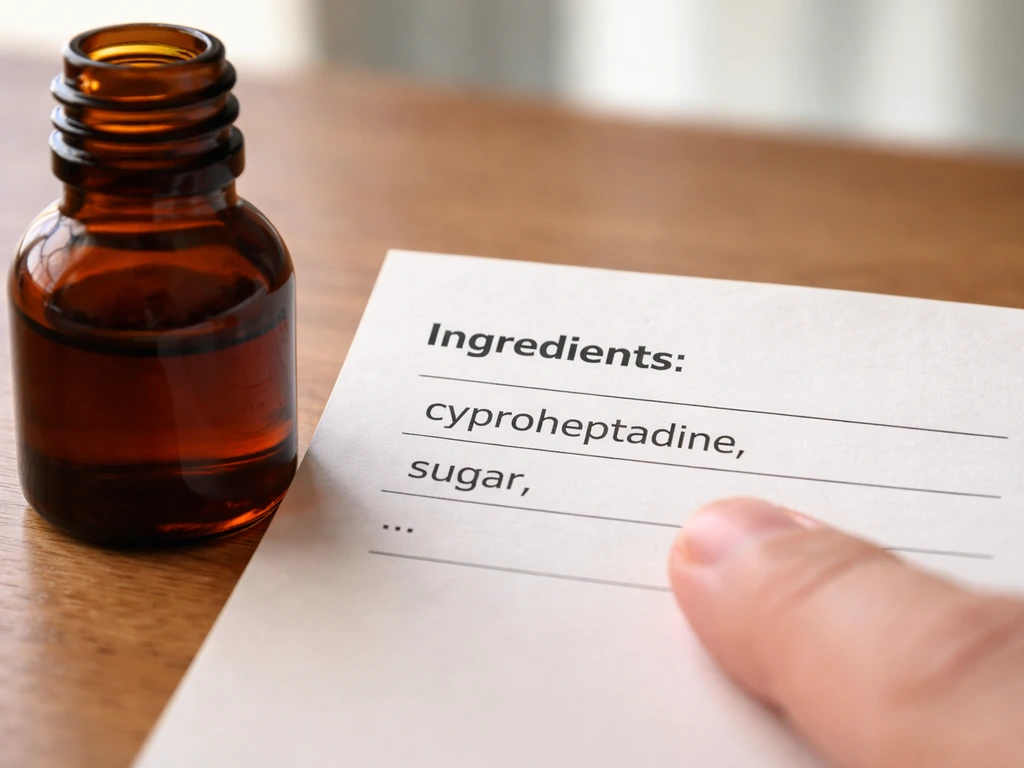
The label is your first line of defense, but only if you know what to look for. Here's a practical checklist for evaluating any growth or weight-gain syrup before you open it.
- Check the full ingredient list, not just the front panel. Look for cyproheptadine, any antihistamine suffix (-amine), or vague terms like 'proprietary blend' that hide what's actually in there.
- Look at vitamin A content specifically. If a single serving approaches or exceeds 2,000-3,000 mcg RAE and you're eating a regular diet on top of it, you're at risk of accumulation over time.
- Check the sugar content per serving. Syrups marketed for weight gain can carry 20-40g of added sugars per dose. That's a significant metabolic and dental load if taken daily.
- Look for stimulants: caffeine, guarana, synephrine, or other adrenergic compounds can cause heart palpitations and elevated blood pressure, especially stacked on pre-workout or other stimulant use.
- Verify the manufacturer and product registration. If there's no FDA registration number and no clear country of origin, that's a red flag. Unregulated imported products like Apetamin may contain undeclared ingredients or contaminants.
- Check the dosing instructions and whether a safe upper limit is stated. Vague instructions like 'take as needed' with no maximum dose are a warning sign.
- Look for allergen disclosures. Many syrups contain gluten, tree nuts, or artificial colorings that aren't prominently flagged.
If the product doesn't list all its ingredients clearly, or if you find cyproheptadine on the label and you weren't expecting a prescription antihistamine in your supplement, stop right there. You can report suspected dangerous or mislabeled supplements directly to the FDA via their MedWatch program, or call Poison Control at 1-800-222-1222 if you've already taken something and feel unwell.
What actually works for building muscle (with real numbers)
Here's the honest truth: no syrup is going to build muscle for you. Muscle growth happens when mechanical tension from resistance training signals muscle protein synthesis, you supply enough amino acids to actually build new tissue, and you recover adequately between sessions. That's the physiology. Everything else is in service of those three things.
Protein: the real driver
The International Society of Sports Nutrition puts effective protein intake for muscle gain at 1.4 to 2.0 grams per kilogram of body weight per day. For a 70 kg (154 lb) person, that's roughly 100 to 140 grams of protein daily. You can hit that with whole foods: chicken, eggs, Greek yogurt, fish, legumes, and dairy all count. If you're consistently falling short, a plain whey or plant-based protein supplement is evidence-backed, well-studied, and far safer than any growth syrup.
Calories: you need a surplus, but a measured one
To gain muscle, you need to eat slightly above your maintenance calories, somewhere in the range of 250 to 500 extra calories per day if you want to minimize fat gain alongside muscle. Appetite-stimulating syrups often push people well beyond that surplus, leading to disproportionate fat accumulation rather than lean mass. A modest, intentional caloric surplus with high protein is the smarter approach.
Resistance training: no shortcut here
The ACSM recommends training major muscle groups at least 2 days per week, building gradually over time. Beginners typically see measurable strength and size gains within 6 to 8 weeks of consistent training. You don't need a complicated program: compound movements like squats, deadlifts, rows, and presses hit multiple muscle groups efficiently and drive the mechanical tension your muscles need to grow. The key is progressive overload, gradually adding weight or reps over time.
Supplementation that actually has evidence behind it
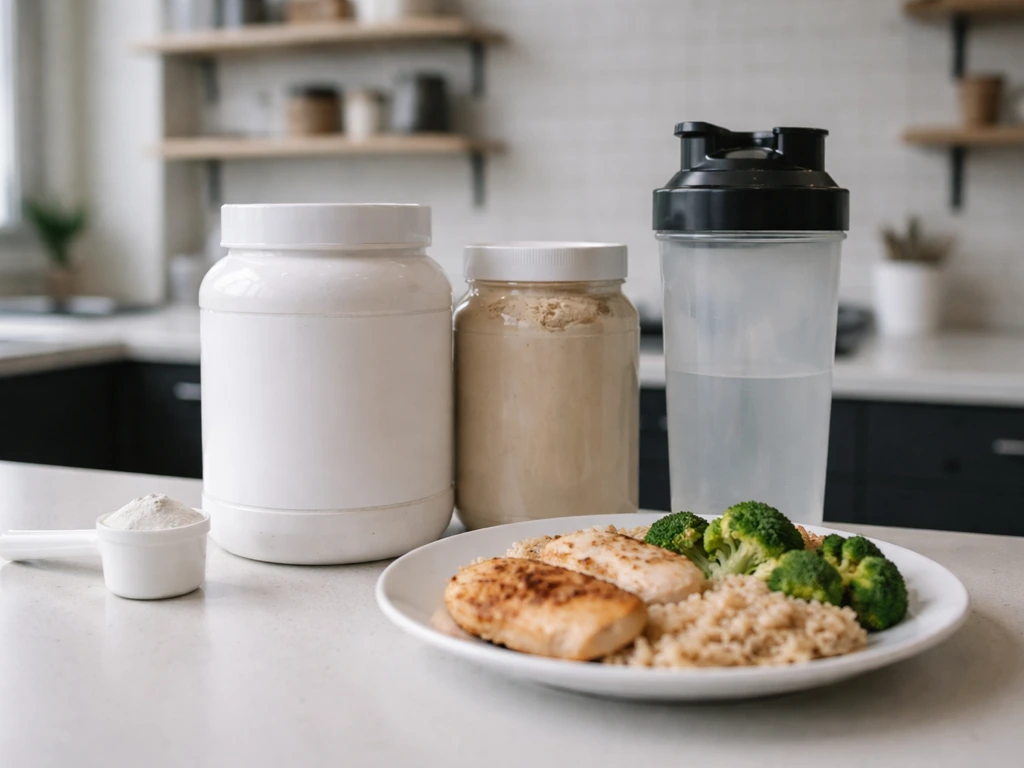
Creatine monohydrate is the best-supported ergogenic supplement for increasing high-intensity exercise capacity and lean mass during training, according to the ISSN. It's inexpensive, well-studied across decades of research, and safe for healthy adults. A standard dose is 3 to 5 grams per day. That's it. You don't need a loading phase, and you don't need to cycle off. Compare that to an unregulated growth syrup with undisclosed ingredients, and the risk-benefit math is pretty obvious. Similar comparisons apply to other categories covered on this site, including the side-effect profiles of body grow powders, fast grow amino products, and hormonal growth supplements, all of which deserve the same critical label-reading approach before you commit to daily use.
Red flags: when to stop taking the syrup and when to call a doctor
Stop taking the product immediately and seek medical advice if you notice any of the following. Don't wait to see if symptoms get better on their own.
- Yellowing of the skin or eyes (jaundice), which can signal liver stress
- Severe drowsiness, confusion, or difficulty staying awake
- Rapid or irregular heartbeat or chest pain
- Significant drop in blood pressure causing fainting or near-fainting
- Signs of allergic reaction: hives, swelling of the face or throat, difficulty breathing
- Persistent nausea, vomiting, or abdominal pain that doesn't resolve
- Hair loss, severe dry skin, or bone pain developing over weeks of use
- Any symptom that appears closely tied to starting or increasing the syrup dose
If you think an overdose is possible, including accidentally taking too much or a child getting into the product, call Poison Control immediately at 1-800-222-1222. If the person is unconscious, having a seizure, or not breathing, call 911 first. Don't wait for symptoms to worsen before acting. You can also report the product to the FDA through MedWatch online or by phone if you believe it caused a reaction.
If you still want to use a syrup: how to do it with less risk
If you've checked the label thoroughly, confirmed there are no prescription-drug ingredients or undisclosed proprietary blends, and you've spoken to a doctor or pharmacist about your specific situation, here's how to reduce your risk if you choose to continue.
- Use the lowest effective dose listed on the label, not the maximum. More is not better with appetite stimulants or fat-soluble vitamins.
- Don't stack it with other supplements containing the same vitamins, especially vitamin A, without calculating your total daily intake across all sources.
- Take it with food to reduce GI side effects and slow sugar absorption.
- Limit your use to short periods, such as 4 to 8 weeks, rather than taking it indefinitely. If you're not seeing results in that window, the syrup is probably not the tool you need.
- Pair it with structured resistance training and adequate protein intake. Without those two things, any weight you gain is unlikely to be muscle.
- Monitor how you feel weekly. Keep a simple log of energy, sleep quality, digestion, and mood. Early signals of side effects are easier to act on if you're paying attention.
- Get a basic bloodwork panel (liver enzymes, blood glucose, kidney function) if you plan to use any supplement long-term. It gives you a baseline and helps catch early problems.
The bottom line is that strong body grow syrups exist in a regulatory gray zone that puts the responsibility of safety largely on you. Knowing what's in the bottle, who's most at risk, and what the evidence actually says about muscle growth means you're not flying blind. And if the syrup turns out to be mostly sugar and hype, you now have a clear, evidence-based path to actual muscle gain that doesn't come with a side-effect warning list. If what you want is to get stronger, focus on the training, protein, and recovery pieces that reliably support muscle growth actual muscle gain.
FAQ
How can I tell if a strong body grow syrup is just sugar and vitamins versus an appetite stimulant?
Check the ingredient list for antihistamines (for example, cyproheptadine), drug-like appetite stimulants, or “proprietary blend” wording that hides exact amounts. If it lists mostly sugars and basic micronutrients with no specific appetite-stimulating ingredient, the risk profile is more about excess sugar and fat-soluble vitamin overage than drug effects.
What should I do if I already took a strong body grow syrup and feel drowsy or have palpitations?
Stop taking it immediately, do not drive or operate machinery, and avoid more caffeine or other stimulants. If symptoms are intense (chest pain, fainting, severe weakness, rapid heartbeat that doesn’t settle), seek urgent medical care rather than waiting for it to pass.
Are children or teens allowed to use strong body grow syrups?
Most products marketed as weight-gain syrups are not appropriate for children or adolescents without clinician guidance, because dosing, ingredient safety (including antihistamines and vitamin A), and underlying growth issues differ by age. Keep products locked away, and if a child takes it accidentally, contact Poison Control right away.
Can these syrups worsen diabetes risk or blood sugar swings?
Yes, especially if the product has a high free sugar load, because frequent blood sugar spikes can increase metabolic strain. If you have prediabetes or diabetes, treating it like a supplement you can “safely adjust” is risky, because you might overshoot your calorie and glucose targets without clear nutrition labeling.
How long do side effects typically last after taking cyproheptadine-based syrups?
Drug-class effects like sedation and fogginess often wear off as the ingredient clears, but the exact duration depends on dose, body weight, and whether other medications were used. Because reaction patterns vary, follow up with a clinician if symptoms persist beyond a day, or sooner if they intensify.
What vitamin A or liver-related symptoms should I watch for with long-term use?
Watch for signs that go beyond “stomach upset,” such as persistent fatigue, dry or cracked skin, hair loss, bone or joint pain, and any yellowing of the eyes or skin. These can indicate hypervitaminosis A or liver injury, so you should stop the product and get medical evaluation promptly if they occur.
Is it safe to combine strong body grow syrup with protein powder, creatine, or pre-workout?
Protein powder and creatine are generally far safer, but combining is still not risk-free if the syrup contains hidden drug ingredients. Avoid pre-workout or additional stimulants until you know exactly what you are taking, because syrup-related drowsiness or heart rate changes can be made worse or confusing when mixed with caffeine-heavy products.
How do I handle “undeclared” or “proprietary blend” labeling when deciding whether to take it?
If the label does not list every ingredient clearly and in a way you can verify dose, treat it as a higher-risk product. A proprietary blend with no amounts makes it impossible to assess vitamin A exposure, and it prevents you from detecting drug-class ingredients that could explain side effects.
What’s a safer alternative if my main goal is to gain weight or muscle?
Use a structured approach: aim for a modest calorie surplus, prioritize protein intake, and keep training progressive. If you struggle to meet calories, choose whole-food calorie boosters (nuts, olive oil, dairy, oats) or a standard whey or plant protein option rather than appetite-stimulating syrups.
When should I stop taking the product even if symptoms seem mild at first?
Stop if symptoms repeat with each dose (for example, palpitations after taking it), if you develop new neurologic effects (confusion, severe dizziness), or if gastrointestinal symptoms persist beyond a short period. Repeated reactions can mean the ingredient profile does not fit your body, and pushing through increases risk.
Can I continue training and working while using a strong body grow syrup?
If you feel drowsy, mentally foggy, or lightheaded, do not train hard or do safety-sensitive activities, because the combination of sedation and possible blood pressure effects increases injury risk. Resume only after symptoms fully resolve and you have reconsidered whether the product is appropriate for you.
Citations
The product listing for “Afflatus Strong Body Grow Syrup” is an OTC syrup sold as a weight-gain/grow supplement; the page provides the product identity (brand name and form/volume), which can be used to anchor label/ingredient verification for a specific brand.
https://www.1mg.com/otc/afflatus-strong-body-grow-syrup-otc533456
FDA states it reviewed incidents of serious adverse events associated with the illegally marketed weight-gain/figure-augmentation product Apetamin and warns consumers about serious adverse effects tied to cyproheptadine exposure (ingredient identity and safety concern).
https://www.fda.gov/consumers/apetamin-illegally-imported-weight-gain-figure-augmentation-product
FDA consumer update reiterates that Apetamin contains cyproheptadine, described as a potent antihistamine that requires prescription in the U.S., reinforcing that some “weight-gain syrups” function like drugs rather than benign vitamins.
https://www.fda.gov/consumers/consumer-updates/apetamin-un-producto-importado-ilegalmente-para-el-aumento-de-peso-y-realzar-la-silueta
Poison Control notes cyproheptadine (Apetamin’s main ingredient) has side effects including appetite stimulation and weight gain; it also warns that because Apetamin is not approved/regulated by FDA, it may contain undeclared ingredients/contaminants that can cause serious complications.
https://www.poison.org/articles/apetamin
Drugs.com lists multiple cyproheptadine adverse effects including GI effects (e.g., constipation/diarrhea, epigastric distress, nausea/vomiting) and cardiovascular effects such as hypotension and tachycardia/palpitations; this is directly relevant because some weight-gain syrups rely on cyproheptadine for appetite stimulation.
https://www.drugs.com/sfx/cyproheptadine-side-effects.html
MedlinePlus documents cyproheptadine overdose symptoms including drowsiness; overdose presentations can include significant CNS depression in addition to other physiologic effects depending on severity.
https://medlineplus.gov/ency/article/002617.htm
GoodRx notes appetite/weight-gain effects can occur with medications that increase appetite (and that some medications can affect metabolic processes), illustrating why appetite-stimulating syrups can cause overeating-related weight gain plus medication-class side effects.
https://www.goodrx.com/conditions/weight-gain/appetite-stimulant
NCBI explains FDA’s monitoring approach for dietary supplements: FDA is not authorized to require premarket safety evaluations for supplement ingredients marketed before Oct 15, 1994, highlighting why safety issues for supplement syrups can be detected post-marketing.
https://www.ncbi.nlm.nih.gov/books/NBK216055/
FDA states consumers may not be aware of the serious adverse effects associated with cyproheptadine or the amount contained in Apetamin, and encourages reporting suspected adverse events via MedWatch.
https://www.fda.gov/consumers/apetamin-illegally-imported-weight-gain-figure-augmentation-product
WHO states continued high intake of free sugars is a key dietary factor leading to dental caries, and population strategies to reduce free sugars reduce dental caries burden.
https://www.who.int/news-room/fact-sheets/detail/sugars-and-dental-caries
WHO technical note emphasizes that free sugars are a primary dietary factor in the development of dental caries (supporting dental-risk framing for high-sugar weight-gain syrups).
https://www.who.int/publications/i/item/B09443
LiverTox states that higher doses of vitamin A can cause toxicity leading to signs/symptoms and liver injury, including jaundice, hepatomegaly and portal hypertension/cirrhosis; it also notes acute toxicity and a typical symptom complex.
https://www.ncbi.nlm.nih.gov/books/n/livertox/VitaminA
An IARC/WHO PDF section notes vitamin A excess can cause liver-related toxicity and discusses adverse effects including those consistent with hypervitaminosis A pathology.
https://publications.iarc.who.int/_publications/media/download/3863/96f7a6b1f8392dd8110c4cbb1f4e352011ae0b1d.pdf
Cleveland Clinic reports adults’ tolerable upper intake level (UL) for vitamin A as 3,000 mcg RAE (10,000 IU) and links toxicity to liver enlargement/injury symptoms—useful for explaining micronutrient excess risk if syrups include vitamin A/retinol at high doses.
https://health.clevelandclinic.org/vitamin-a-toxicity
StatPearls lists toxicity symptoms for excess vitamin A including dry/cracked skin, hair loss, fatigue, loss of appetite, bone/joint pain, and hepatomegaly; it frames toxicity as commonly due to supplement misuse.
https://www.ncbi.nlm.nih.gov/books/NBK532916/
ISSN states a daily protein intake range of about 1.4–2.0 g protein/kg body weight/day is sufficient for most exercising individuals to support muscle gain/maintenance.
https://jissn.biomedcentral.com/articles/10.1186/s12970-017-0177-8
ISSN concludes creatine monohydrate is the most effective ergogenic nutritional supplement for increasing high-intensity exercise capacity and lean body mass during training (supporting evidence-based alternatives to “growth syrups”).
https://jissn.biomedcentral.com/articles/10.1186/s12970-017-0173-z
ACSM 2026 infographic states key takeaways including training major muscle groups at least 2 days per week and building gradually over time (useful for evidence-based resistance training baseline).
https://www.acsm.org/wp-content/uploads/2026/03/Resistance-Training-Position-Stand-infographic.pdf
ACSM provides guidance for resistance training frequency (e.g., perform exercise 2–3 times per week) and emphasizes progression over time—useful for alternative muscle-gain planning that avoids appetite-syrup risks.
https://www.acsm.org/docs/default-source/files-for-resource-library/resistance-training-for-health.pdf
FDA warns that some bodybuilding products may illegally contain steroids/steroid-like substances associated with potentially serious, even life-threatening risks (including serious liver injury reports) and urges MedWatch reporting.
https://www.fda.gov/consumers/consumer-updates/caution-bodybuilding-products-can-be-risky
FDA encourages reporting suspected adverse medical events; it also emphasizes that the amount of cyproheptadine in these products may be unknown to consumers, increasing risk of under/over-dosing-related adverse outcomes.
https://www.fda.gov/consumers/apetamin-illegally-imported-weight-gain-figure-augmentation-product
Poison Control directs users to use webPOISONCONTROL and call the poison center (U.S. number 1-800-222-1222) for specific recommendations based on age, substance, amount, and symptoms.
https://www.poison.org/contact-us
Mass.gov guidance emphasizes not to wait for the person to look/feel sick and clarifies when to contact Poison Control versus emergency services—relevant to suspected supplement/syrup toxicity decisions.
https://www.mass.gov/info-details/when-to-call-the-poison-control-center-and-when-to-call-911
FDA materials advise that if you suspect a dietary supplement caused a problem/reaction, seek medical care and notify FDA, aligning with the recommended response for suspected supplement toxicity.
https://www.fda.gov/media/158288/download
Drugs.com (FDA consumer content) advises looking for warning signs of tainted products and notes consumers can report illness/injury believed related to a supplement to FDA (and via phone/online), supporting label-safety red-flag reporting behavior.
https://www.drugs.com/fda-consumer/beware-of-fraudulent-dietary-supplements-175.html