Muscle Grow XXL (sold by XXL Nutrition, sometimes labeled Mega Grow) is a legitimate post-workout powder built around a genuinely useful core: 7,500 mg of creatine monohydrate, BCAAs, L-glutamine, taurine, dextrose, and a solid B-vitamin stack per 50 g scoop. The creatine dose alone is evidence-backed and meaningful. But the product only delivers about 8 g of protein per serving, which is nowhere near enough to drive muscle protein synthesis on its own. So the honest answer is: it's a smart creatine-plus-carb recovery tool, not a standalone muscle builder, and whether it's worth your money depends almost entirely on what the rest of your nutrition looks like.
Muscle Grow XXL Review: Ingredients, Nutrition, Results

Marcus Kellerman
7 May 2026
What Muscle Grow XXL actually is and what it claims
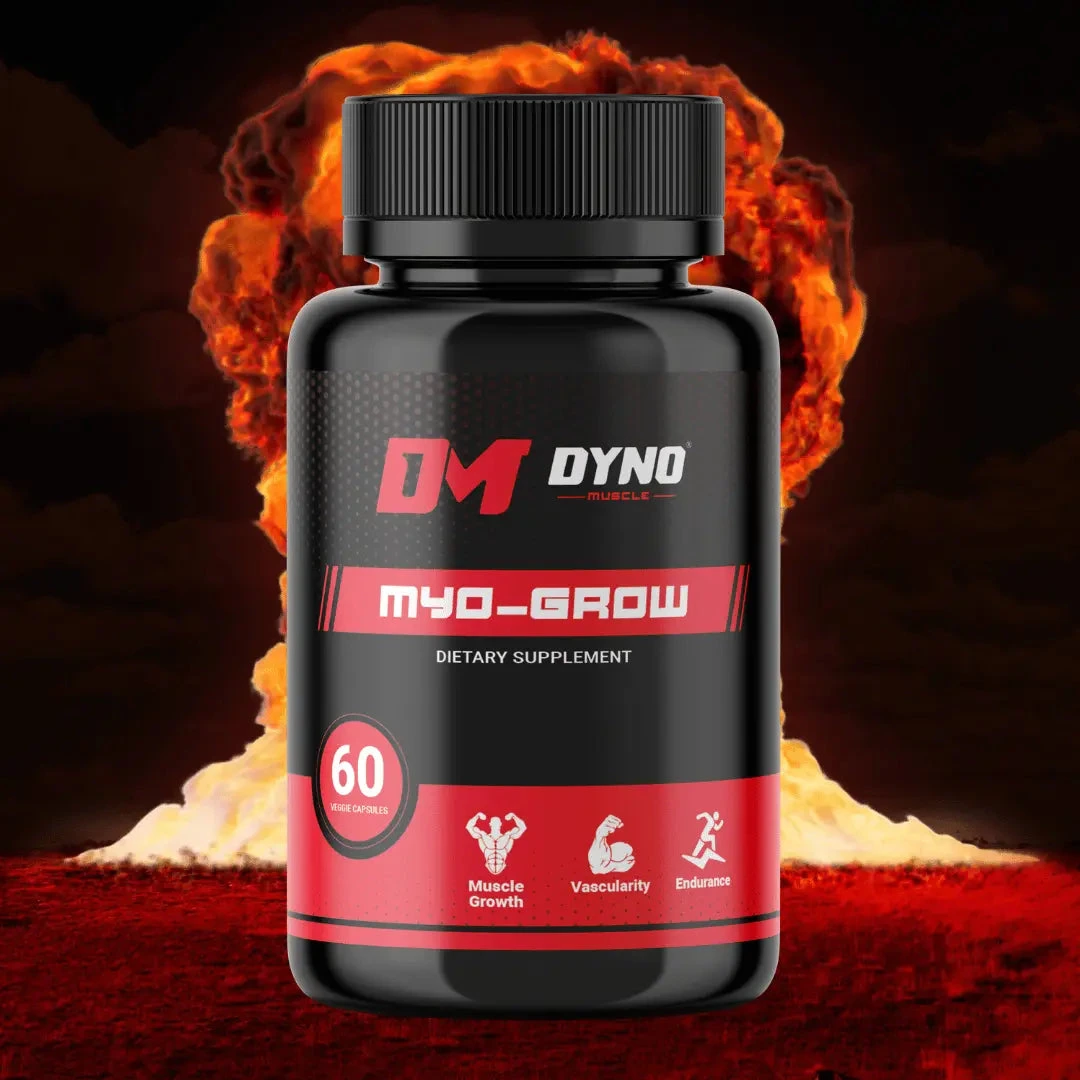
XXL Nutrition markets Muscle Grow as an all-in-one post-workout powder. Dyno Muscle’s Myo-Grow page describes the supplement’s specific formulation marketing statements and provides dosing and usage information intended to support muscle growth and recovery. The pitch is simple: one scoop after training covers your creatine, amino acids, fast carbs, and micronutrients in a single mix. The company also sells the same product under the name Mega Grow (just different packaging, same formula). You mix one 50 g scoop with 400 ml of your preferred drink and take it right after your workout. On rest days, they suggest taking it first thing in the morning.
The marketing leans on creatine's well-established reputation for explosive power and muscle growth, which is fair because the science does back that up. Where the claims get a little fuzzy is the implied suggestion that this is a complete muscle-building product. It's not. Think of it more accurately as a creatine delivery system that also provides fast-acting carbs and some amino acid support. Once you frame it that way, it's much easier to decide whether it fits your stack.
What's inside: ingredient by ingredient
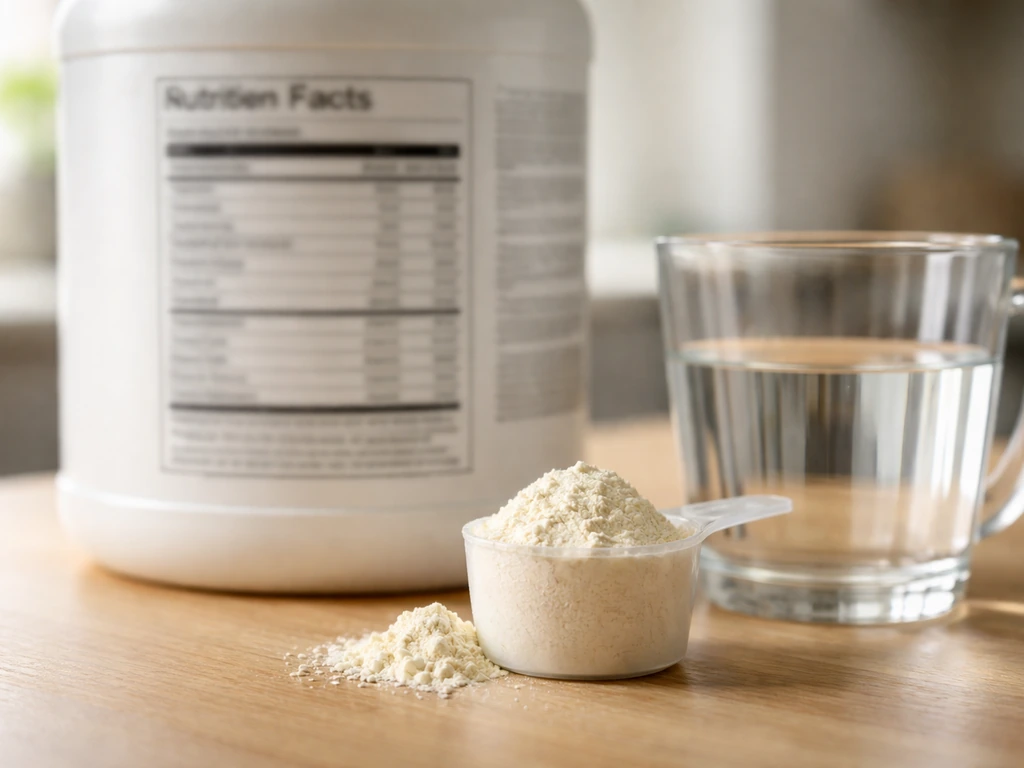
Here's what you actually get in a single 50 g serving, based on the product's nutrition panel, and what the evidence says about each component.
| Ingredient | Amount per 50 g serving | What the evidence says |
|---|---|---|
| Creatine monohydrate | 7,500 mg | The most well-researched ergogenic supplement available. The ISSN calls it the most effective supplement for increasing high-intensity exercise capacity and lean mass. At 7.5 g, this dose more than covers the 3–5 g maintenance threshold. |
| Dextrose (carbohydrates) | ~29.35 g (of which ~28.75 g sugars) | Fast-digesting glucose. Useful post-workout for glycogen replenishment and for driving creatine uptake into muscle cells. Less useful if you're in a fat-loss phase. |
| L-leucine | 2,500 mg | The primary anabolic trigger among the BCAAs. Leucine activates mTOR signaling to kick off muscle protein synthesis. Useful but works best when total protein intake is adequate. |
| L-valine + L-isoleucine | 1,250 mg each | The other two BCAAs. Supportive roles in energy and recovery; the leucine here does most of the heavy lifting. |
| L-glutamine | 3,000 mg | Conditionally essential under heavy training loads. Supports gut integrity and immune function more reliably than direct muscle growth. Worth having post-workout; not a muscle builder on its own. |
| Taurine | 1,500 mg | An amino acid derivative involved in cell hydration and reducing exercise-induced oxidative stress. A reasonable addition at this dose. |
| Protein (total) | ~8.05 g | This is the weak link. 8 g per serving is well below the 20–40 g per meal needed to maximally stimulate muscle protein synthesis. You need to cover the rest through whole food or a separate protein supplement. |
| B vitamins + vitamin E + vitamin C | Varies by flavor | Includes nicotinamide (B3) at 20 mg, vitamin E at 15 mg, B5 at 7.5 mg, B2 at 1.8 mg, folic acid at 250 µg, biotin at 62 µg, and B12 at 3.10 µg. Good micronutrient insurance, especially if your diet isn't perfectly balanced. |
| Magnesium carbonate + monopotassium phosphate | Listed on label | Electrolytes that support muscle contraction and energy metabolism. Useful for anyone training hard and sweating consistently. |
One thing worth noting: this formula does not contain caffeine or beta-alanine (at least in the France label version). That makes it suitable for evening training sessions without messing with your sleep, and you won't get the tingling (paresthesia) that beta-alanine often causes.
Does it actually help you build muscle? The honest verdict
The creatine here is the real deal. The International Society of Sports Nutrition's position stand is unambiguous: creatine monohydrate is the single most effective ergogenic supplement for increasing high-intensity exercise capacity and lean body mass. At 7,500 mg per scoop, you're well above the minimum effective dose. Over 4–8 weeks of consistent use combined with resistance training, most people can expect modest but real gains in strength and lean mass from creatine alone.
The BCAAs and glutamine are supportive at best. If you're already hitting your daily protein target (around 1.6–2.2 g per kg of bodyweight), the additional BCAAs in this product probably won't move the needle much on their own. If you're undereating protein, they're a band-aid, not a fix. The dextrose is genuinely useful post-workout because it helps shuttle creatine into muscle cells and starts glycogen replenishment, but it also adds a meaningful sugar load (nearly 29 g) that matters if you're managing body composition carefully.
The bottom line: Muscle Grow XXL will support muscle growth if you're also training progressively and eating enough total protein and calories. If you are wondering whether Muscle Grow XXL can help you grow, the key is using it alongside progressive training and enough protein whether it helps you grow. It is not going to build muscle for you. If you’re wondering whether Muscle Grow XXL actually makes muscle grow, the key is that it won’t build muscle by itself unless your training and total protein and calories line up does myo grow work. The creatine does real work; the rest of the formula is useful but secondary.
How to use it for best results
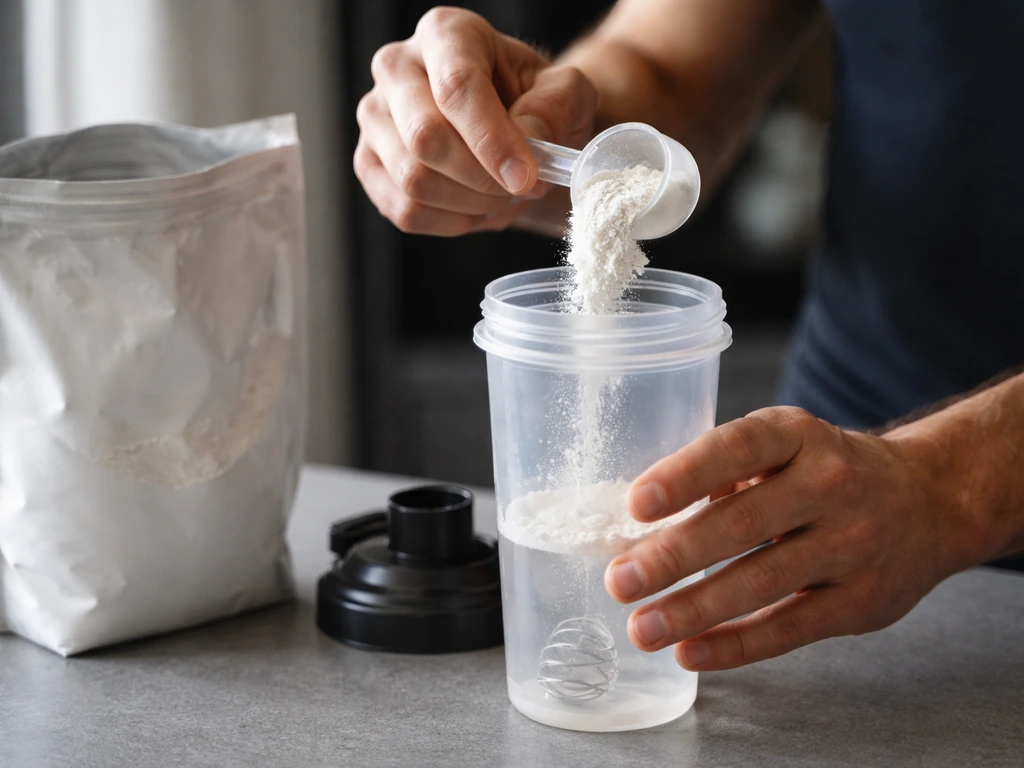
Standard dosing and timing
The official guidance is straightforward: one scoop (50 g) mixed with 400 ml of your preferred drink, taken immediately after your workout. On rest days, take it first thing in the morning. This timing makes sense because post-workout your muscles are primed for nutrient uptake, and creatine uptake is enhanced when taken with carbohydrates, which the dextrose in this formula provides.
Loading or not loading?

XXL suggests a loading phase of two scoops daily for the first five days, which would deliver 15 g of creatine per day during that window. On its product page, XXL Nutrition describes a creatine loading approach with two 50 g servings daily for the first five days. The ISSN loading protocol is slightly different: 5 g taken four times daily for 5–7 days (20 g/day total), then drop to maintenance. Either approach saturates your muscle creatine stores faster. The alternative is skipping the load entirely and just taking one scoop every day. You'll reach the same muscle saturation in about 28 days. Loading gets you there faster but also means more sugar and calories early on. For most people, the slow approach is fine.
Realistic timelines
If you load, you may notice strength improvements within 1–2 weeks. Without loading, give it 3–4 weeks. Visible changes in muscle mass take longer: realistically 6–12 weeks of consistent training, adequate protein, and caloric surplus before meaningful size changes are obvious. The supplement supports the process; it doesn't shortcut it.
Who it's best for (and who should probably skip it)
This product makes the most sense for a specific kind of user. Here's how to think about it honestly:
- Beginners and intermediate lifters who don't already take creatine: You'll likely see the clearest benefit here. Creatine is especially effective when you're still in the early strength-gain phase, and the all-in-one format simplifies your post-workout routine.
- People with inconsistent diets or busy schedules: The added vitamins and minerals act as good nutritional insurance. If your diet is patchy, this helps fill gaps.
- Anyone who trains hard and wants a simple post-workout carb-plus-creatine hit: The dextrose-creatine combo is a legitimate recovery strategy after intense sessions.
- Older adults (50+): Creatine is one of the most evidence-supported supplements for older adults specifically. It helps preserve lean mass, supports strength, and there's growing evidence for cognitive benefits. If you're an older adult doing resistance training, creatine should absolutely be on your radar. The low stimulant profile here makes it age-friendly.
- Experienced lifters already taking standalone creatine: This product may duplicate what you're already doing. You might be better off with a high-protein shake and keeping your creatine separate.
- People in a calorie deficit or fat-loss phase: Nearly 29 g of sugar per scoop is a significant consideration. It's not a dealbreaker but you need to account for it in your daily totals.
- Those who need serious protein support: At 8 g of protein per scoop, this is not a protein supplement. If protein is your main gap, a dedicated whey or plant protein powder is a better buy.
Safety, side effects, and interactions to know about

Creatine monohydrate has one of the cleanest safety records in sports nutrition. The ISSN has reviewed decades of data and found no clinically significant adverse effects in healthy individuals. Some people experience minor water retention in the first 1–2 weeks of use, particularly during loading, but this is intramuscular water and is part of how creatine works. It's not fat gain.
The dextrose means a rapid spike in blood sugar. For people with type 2 diabetes or insulin resistance, this needs to be discussed with a doctor before use. For healthy individuals doing intense training, a post-workout sugar spike is generally well-managed by the body.
The formula does not contain common allergens like lactose or gluten based on the published ingredient list, but always check the specific flavor's label for allergen declarations before buying, as manufacturing processes can vary. The product is listed as 'easily digestible and gentle on the stomach,' which aligns with what we know about creatine monohydrate and dextrose for most people. If you have a sensitive gut, the glutamine content may actually be a mild benefit.
Because this product does not contain caffeine or stimulants, it doesn't interact with common medications the way pre-workouts do. That said, if you're on diuretics, medications for kidney disease, or any drug that affects electrolyte balance (given the potassium and magnesium content), flag this with your doctor. Creatine should be used cautiously by anyone with pre-existing kidney conditions, though there is no evidence it harms healthy kidneys.
Alternatives and a practical action plan
How Muscle Grow XXL compares to building your own stack
The main competitor to Muscle Grow XXL isn't another all-in-one powder. It's buying standalone creatine monohydrate (3–5 g/day, very cheap) and pairing it with a quality whey or plant protein shake that gives you 25–35 g of protein per serving. That DIY approach gives you more protein per dollar and more control over your macros. Where Muscle Grow XXL wins is convenience and the inclusion of fast carbs, which you'd need to source separately otherwise. If you already eat a post-workout meal with carbs and protein, standalone creatine is probably the smarter buy.
Products like Myo Grow from Dyno Muscle take a different formulation angle, and if you're comparing all-in-one recovery supplements, it's worth looking at how those amino acid profiles and carb sources compare before committing to any single product. For a quick benchmark, you can also check a Myo Grow review to see whether the formula matches your goals.
Your simple 4-week action plan
- Nail your protein first. Target 1.6–2.2 g of protein per kg of bodyweight daily from whole food and/or a protein supplement. Muscle Grow XXL's 8 g per scoop is a contribution, not a solution. Fill the rest with chicken, eggs, Greek yogurt, whey, or legumes.
- Set a caloric target. You need a modest surplus (roughly 200–300 kcal above maintenance) to build muscle efficiently. Track for at least two weeks using an app to understand where you actually stand. Factor in the ~200 calories from each scoop of Muscle Grow XXL.
- Train with progressive overload. Add weight, reps, or sets over time. Creatine helps your output; progressive overload is what drives the adaptation. No supplement replaces this.
- Take one scoop post-workout (or on waking on rest days) consistently for at least 28 days before judging results. If you want to load, use two scoops daily for the first five days.
- Track two things at weeks 4 and 8: your strength on 2–3 key lifts and your body weight trend. If strength is climbing and weight is stable or rising slightly, the system is working. If neither is moving, the issue is almost certainly nutrition or training volume, not the supplement.
- Reassess at 8 weeks. If your protein and calories are dialed in, training is progressive, and you're recovering well, you should see measurable strength gains and early visual changes by week 6–8. If not, audit sleep and total caloric intake before blaming the product.
Should you buy it? A quick checklist

- You don't currently take creatine: Yes, this is a good way to add it with post-workout carbs included.
- You want an all-in-one post-workout with no separate carb source needed: Yes, it works well for this.
- You're an older adult doing resistance training: Yes, creatine is especially valuable here and the formula is stimulant-free.
- You need more than 8 g of protein per serving: No, pair it with a protein shake or get a dedicated protein product instead.
- You're cutting calories aggressively: Probably not the right fit. Nearly 29 g of sugar per scoop adds up. Use plain creatine monohydrate instead.
- You already take standalone creatine and a protein supplement: The overlap is significant. Probably skip it unless you want the convenience of a single post-workout product.
FAQ
Is Muscle Grow XXL worth it if I already take 5 g of creatine daily?
If you already hit the 3 to 5 g creatine dose, you are mostly paying for the added dextrose and amino support. In that case, consider whether you need the convenience of a post-workout carbs dose, and compare cost per gram of creatine (Muscle Grow XXL is 7,500 mg per 50 g scoop, so you may be doubling your creatine without realizing it).
Will the 8 g protein per serving actually help me build muscle?
It can help a little as “extra,” but it is unlikely to replace protein targets because 8 g is not a full post-workout dose. A practical check is whether you still reach roughly 1.6 to 2.2 g protein per kg bodyweight across the whole day, not just after training.
Can I take Muscle Grow XXL without eating anything else after my workout?
You can, but it can work against your muscle-building goals if it causes you to miss total calories and protein. The powder provides carbs and creatine, yet it has limited protein, so you may still need a meal or snack that supplies the rest of your daily protein and calories.
What if I’m trying to lose fat and avoid extra sugar?
The dextrose adds a sizable sugar load per serving, which matters if you are in a calorie deficit. If you train in a deficit and want to keep carbs controlled, you may prefer not to load, and you may want to time it around training but adjust the rest of the day’s carbs to prevent an accidental calorie surplus.
Should I load creatine with Muscle Grow XXL or skip the loading phase?
Loading saturates muscle faster, but it also increases early sugar and calories and can worsen water retention for the first week or two. If your goal is primarily fat loss, lower stomach stress, or you want a simpler routine, skipping the load is often the cleaner choice, you just wait about 3 to 4 extra weeks to reach full effects.
Does the carb content make it a problem for people with insulin resistance?
It can be. Since the formula includes dextrose, people with type 2 diabetes or significant insulin resistance should talk with a clinician before using it, and you may need blood sugar monitoring. A key decision aid is whether your post-meal glucose response is already controlled, because this adds a fast-acting carb on top of your normal diet.
Can I take Muscle Grow XXL on rest days if I already reach my daily creatine?
Rest day use is mainly about consistency, but if you already keep creatine levels high with other sources, you may be overdoing total creatine and carbs. For many people, one regular scoop on training days or alternating days is enough, especially if they are also eating protein and carbs consistently.
Is it safe for someone with kidney problems or on kidney-related medications?
Safety depends on the underlying condition. Healthy individuals typically tolerate creatine well, but if you have pre-existing kidney disease or take medications that affect kidney function or electrolytes, you should consult your doctor first. Also remember that dextrose can affect blood sugar control for some people even when creatine is tolerated.
Will Muscle Grow XXL upset my stomach or cause bloating?
Some people feel digestive discomfort from the 50 g powder size or from the dextrose load. Try mixing with enough water, consider splitting the dose into two smaller portions, and avoid taking it on a completely empty stomach if you know you are sensitive. If you notice persistent GI issues, consider switching to standalone creatine and a separate carb source.
Is timing critical, or can I take it before training instead?
Post-workout timing is the default because carbs can enhance creatine uptake, but overall creatine saturation matters more than the exact minute. If you train later and prefer convenience, taking it with a carb-containing meal around your workout is likely better than skipping it, just avoid taking it far away from your usual training nutrition.
Does it contain caffeine or beta-alanine, and does that affect pre-workout stacking?
The France label version is described as not containing caffeine or beta-alanine, so it is less likely to add stimulant effects or tingling. That means you can usually combine it with a separate pre-workout if you tolerate the stimulant you choose, but always check your exact label because formulas and regional listings can vary.
What should I look at if I’m comparing Muscle Grow XXL to buying creatine and protein separately?
Do the math on cost per serving and cost per gram of creatine, and compare the total protein you get per day. A common mistake is buying an “all-in-one” and not compensating for the low protein, which can make your daily protein short even if the creatine dose is on target.