MYO Grow is a capsule-based muscle supplement from DynoMuscle that positions itself as a non-hormonal anabolic support product. Is it legit? The short answer: the core ingredients have some real science behind them, but the evidence is modest, the real-world reviews are mixed at best, and the fundamentals of training and nutrition will always outperform any pill. Here's everything you need to know before spending your money.
Myo Grow Review: Ingredients, Side Effects, Results, Safety

Marcus Kellerman
7 Apr 2026
What MYO Grow is and what it claims to do
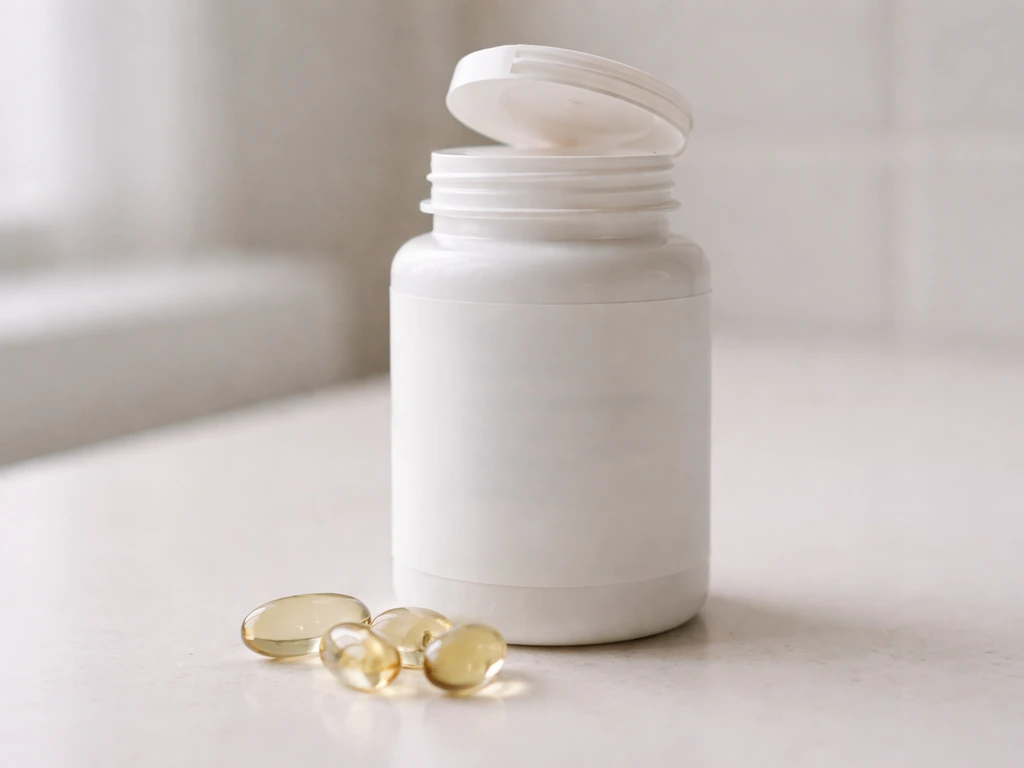
MYO-GROW is made by DynoMuscle and comes in a 60-capsule container, which gives you 30 servings at 2 capsules per day. Each serving contains three active ingredients: Epicatechin (from Camellia sinensis extract) at 400 mg, Beta-Ecdysterone at 400 mg, and Piperine at 5 mg. The capsule shell is hypromellose, so it's vegetarian-friendly.
The marketing centers on a few big claims. DynoMuscle says epicatechin supports natural myostatin suppression by elevating follistatin (a protein that blocks myostatin, the compound that limits how much muscle you can build). They also claim beta-ecdysterone supports protein synthesis and muscle recovery, helping you build lean mass and strength faster without hormones or synthetics. Finally, they say piperine boosts the bioavailability of epicatechin by up to 2000%, or as they also phrase it, up to 20x. If you want a deeper dive into the ingredient rationale, what MYO Grow is actually made of is worth reading alongside this review.
The product is explicitly marketed as 'non-hormonal, 100% natural anabolic support,' which is an important framing. It's not a prohormone or a SARM. It's a plant-derived compound stack aimed at tweaking signaling pathways rather than directly supplying hormones. That's a meaningful distinction for safety purposes, but it also means the effects, if any, will be subtle compared to what the marketing copy implies.
What real users are actually saying
The on-site testimonials are predictably glowing. One featured review claims the user put on 20 lbs of lean muscle in 12 weeks while also cutting down. That's a physically implausible figure for a natural supplement user, and it's the kind of claim that should put your skeptic radar on alert immediately. Gaining even 1 to 2 lbs of actual lean muscle per month is considered solid progress for a natural lifter, and simultaneously gaining 20 lbs of muscle while losing fat in three months would be remarkable even for someone on a well-designed pharmaceutical protocol.
Outside the product page, the picture gets messier. Trustpilot reviews for DynoMuscle include multiple complaints about refund failures and poor customer service. Common patterns: buyers who saw no results contacted customer service to claim the advertised 90-day money-back guarantee, and either got no response or were denied. Phrases like 'avoid' and 'rip off' appear in these reviews. This is a red flag that goes beyond just product efficacy. It signals a customer experience problem that matters regardless of whether the ingredients work.
Positive user experiences, where they exist, tend to cluster around a few themes: a modest improvement in workout recovery, slightly better pump during training, and feeling like the capsules are easy to take. Negative reviews focus on no visible results, a cost-to-benefit mismatch, and frustration with the company's refund process. If you've already purchased and are deciding whether to stick with it, checking out a dedicated Dyno Muscle MYO Grow review that breaks down the brand specifically can give you useful context on the seller side of the equation.
Side effects to watch for and who should be careful

MYO-GROW doesn't contain stimulants, so you're not looking at the jitteriness, elevated heart rate, or sleep disruption you'd get from a pre-workout with caffeine. That's a genuine positive. But 'non-stimulant' doesn't mean risk-free, and there are a few specific things worth taking seriously.
The epicatechin is derived from Camellia sinensis (green tea). There are documented case reports of drug-induced liver injury associated with green tea extract compounds, including catechin-related compounds like epicatechin-3-gallate. These cases are rare, but they exist, and concentrated plant extracts taken daily at therapeutic doses carry a different risk profile than drinking green tea. If you have any history of liver issues, you should talk to your doctor before taking this. Watch for symptoms like unusual fatigue, yellowing of the skin or eyes, or dark urine, and stop use immediately if those appear.
Piperine at 5 mg is a low dose, but piperine meaningfully affects drug metabolism. Research on oral piperine shows it enhances the bioavailability of numerous compounds, including medications. That's useful for supplement absorption but it also means piperine can alter blood levels of prescription drugs like cyclosporine, some statins, anticoagulants, and anticonvulsants. If you're on any regular medication, the interaction risk is real enough to warrant a conversation with your prescribing clinician before starting this.
For ecdysterone, the human safety profile looks reasonably clean in short-term studies, but long-term data is limited. The NIH Office of Dietary Supplements' Dietary Supplement Label Database includes an ecdysterone label entry, which can be used as an official reference point for how ecdysterone supplements are labeled in the U.S. GI discomfort (nausea, loose stools) has been reported anecdotally at higher doses.
- People on prescription medications, especially anticoagulants, statins, or immunosuppressants, should consult a doctor before using due to piperine's effect on drug metabolism
- Anyone with liver disease or a history of liver problems should avoid concentrated green tea extracts like the epicatechin in this product
- Pregnant or breastfeeding individuals should avoid, as there's no safety data for these populations
- Teenagers and anyone under 18 should not use this product
- If you experience GI upset, reduce the dose or take with food and reassess
DynoMuscle's own FAQ acknowledges that users should consult a healthcare professional before taking MYO-GROW alongside medications or with existing medical conditions. That disclaimer is accurate and worth heeding.
Before-and-after results: what's realistic and how to evaluate claims
Let's set a realistic baseline. Natural muscle growth, even under optimal conditions (training hard, eating enough protein, sleeping well, staying consistent), runs at roughly 1 to 2 lbs of lean muscle per month for most people. Beginners can sometimes exceed that in the first few months due to newbie gains. Experienced lifters might see half a pound per month on a great run. Supplements operating through signaling pathways like myostatin suppression are not going to dramatically change that ceiling.
The claim of 20 lbs of lean muscle in 12 weeks is not a realistic benchmark to evaluate your own results against. What you might reasonably expect from the ingredients, if they work as advertised, is a modest improvement in recovery between sessions and perhaps a slight edge on the rate of strength gain over a multi-month period. That's not nothing, but it's also not a transformation.
To evaluate your own results honestly, use objective measurements, not the mirror. Track bodyweight weekly, take circumference measurements (arms, chest, thighs) every 2 to 4 weeks, and log your actual training weights and reps. If you're consistently moving more weight over time and your measurements are trending up, something is working. The tricky part is attribution: if you also improved your diet, sleep, or training consistency at the same time as starting MYO-GROW, you can't credit the supplement.
Give any supplement at least 8 to 12 weeks before drawing conclusions, keeping everything else as consistent as possible. That's not just advice for this product, it applies universally. And if you're curious whether the mechanism itself is plausible, the question of does MYO Grow work from a physiological standpoint is worth examining separately from the marketing.
Where MYO Grow fits in the actual muscle-building picture

Here's the honest framework. The hierarchy of what drives muscle growth looks like this: progressive resistance training is the primary driver, full stop. Then adequate protein intake (most evidence points to 0.7 to 1 gram per pound of bodyweight per day for active people). Then total caloric sufficiency, because you can't build tissue in a prolonged deficit. Then sleep and recovery. Then everything else, which is where supplements live.
The epicatechin research is genuinely interesting at a mechanistic level. One clinical study found that epicatechin supplementation affected follistatin and myostatin markers in adults with Becker muscular dystrophy, which is a relevant signaling pathway. But that's a clinical population with a specific muscle-wasting condition, not healthy recreational lifters. Extrapolating from a disease population to a gym-goer looking to add a few pounds of muscle is a stretch. Separately, one randomized trial actually found that epicatechin supplementation inhibited aerobic adaptations to cycling exercise, which is a finding that complicates the picture if you do any cardio alongside your lifting.
More telling: research combining resistance exercise with essential amino acid supplementation in older women improved the follistatin-to-myostatin ratio and measurable muscle fitness. In other words, training hard and eating enough protein can move the same signaling markers that MYO-GROW is targeting, without a supplement. That's not an argument against all supplementation, but it is a clear reminder that the fundamentals are doing the heavy lifting (literally). To understand how DynoMuscle's specific formulation compares to what the research actually supports, reading about whether Dyno MYO Grow actually works alongside the evidence is useful.
How to use MYO Grow safely if you decide to try it
The labeled dose is 2 capsules per day. DynoMuscle doesn't specify a time of day on the main product page, but taking them with a meal makes practical sense to reduce any GI discomfort and because piperine's absorption-enhancement effect works when other nutrients are present. There's no published data suggesting splitting the dose across two meals provides a meaningful advantage over taking both at once.
On cycling: there's no established protocol for cycling MYO-GROW specifically, but given that ecdysterone and epicatechin are both plant compounds without hormonal suppression effects, the need for a formal on/off cycle (the way you'd cycle actual prohormones) isn't pharmacologically obvious. That said, running any supplement for 12 weeks and then taking a 4-week break is a reasonable practice just to give your body a reset and to help you accurately assess whether you're noticing any effect.
On stacking: MYO-GROW can theoretically be combined with well-established supplements like creatine monohydrate and whey protein without known interaction risks. Avoid stacking it with other concentrated green tea or catechin-heavy extracts, as you'd be compounding the hepatotoxicity risk without a clear benefit. And again, given piperine's drug interaction potential, be very cautious about stacking with anything if you're also taking medication.
On quality: DynoMuscle claims 'highest purity levels' and 'rigorous quality control' on the product page, but based on the available information, there's no indication of third-party certification from bodies like NSF International or Informed Choice. That's a real gap. Third-party testing is the standard that protects you from contamination and label accuracy issues. If you're subject to any form of drug testing (athletic or occupational), the absence of third-party certification is a meaningful risk.
The honest pros and cons, and what to buy instead
| Factor | MYO Grow | Creatine Monohydrate | Whey Protein |
|---|---|---|---|
| Evidence strength | Modest and indirect for healthy lifters | Strong, replicated, well-understood | Strong, dose-response well established |
| Mechanism | Myostatin suppression (signaling pathway) | ATP regeneration, cell volumization | Direct substrate for muscle protein synthesis |
| Cost per month | Higher (30-day supply at premium price) | Low (widely available in bulk) | Moderate (varies by brand and quantity) |
| Side effect risk | Low-moderate (liver extract concern, drug interactions) | Low (mild GI at high doses) | Low (GI in lactose-sensitive users) |
| Third-party tested options | Not confirmed for this product | Yes, many certified options exist | Yes, many NSF/Informed Choice options exist |
| Realistic muscle-gain contribution | Unclear and likely small | Proven 1-2 kg lean mass benefit over 4-12 weeks | Critical if dietary protein is insufficient |
If your protein intake is already solid and you're training consistently, creatine monohydrate (3 to 5 grams per day) is the most evidence-backed supplement you can add for muscle and strength gains. It's cheap, it's safe, and the research behind it spans decades and thousands of subjects. Whey protein fills the gap if you're struggling to hit your daily protein targets from food. Both of those should come before MYO-GROW in your supplement priority list.
If you're specifically interested in the ecdysterone and epicatechin angle and want to explore other products in this category, it's worth comparing how MYO Grow stacks up against alternatives like the Muscle Grow XXL supplement to see if a different formulation better fits your goals and budget.
The bottom line: MYO Grow's ingredients aren't snake oil, but the evidence for meaningful muscle gains in healthy, trained adults is thin. The company's customer service record on Trustpilot is a legitimate concern, particularly given the gap between the advertised money-back guarantee and what some buyers actually experienced. If you're going to try it, keep your expectations grounded, track your results objectively, take it with food, check for drug interactions if you're on medication, and don't skip the fundamentals in favor of a supplement that's, at best, a minor supporting player.
FAQ
Is MYO Grow safe to take if I’m on prescription medication?
If you are a medication user, piperine is the main interaction concern. It can change the absorption and breakdown of several drugs, potentially raising or lowering blood levels. Before starting MYO Grow, ask your prescribing clinician or pharmacist for a medication-by-medication check, especially for anticoagulants, anti-seizure meds, immunosuppressants, and certain cholesterol medications.
What symptoms should make me stop MYO Grow?
The biggest “what to watch” signals are liver and GI related effects. Stop use and seek medical care promptly if you notice yellowing of the eyes or skin, dark urine, severe or persistent upper abdominal pain, or unusual fatigue. For the GI side, nausea or loose stools that don’t settle after a few days, or worsen with continued use, are a reason to discontinue and reassess.
How can I tell if MYO Grow is working for me beyond the mirror?
You generally have a clearer read on effectiveness by using at least two metrics together: performance and body composition. Track strength (your working set weights and reps) and measurements (waist plus arms or thighs) every 2 to 4 weeks. Bodyweight alone is misleading because supplements and diet changes can shift water and glycogen.
How long should I try MYO Grow before deciding it’s not worth it?
Given the marketing, use a realistic timeline. Many supplements require 8 to 12 weeks before you can attribute any change, and the first month is often too noisy. If you have no noticeable trend in strength, reps, or recovery after that window, it is unlikely you will suddenly see a dramatic transformation later.
Should I split the MYO Grow dose across two meals?
MYO Grow is labeled at 2 capsules per day, and splitting doses is mainly about comfort, not proven better absorption. If you get stomach discomfort, try taking capsules with two meals instead of all at once. If you tolerate it fine, there is no clear evidence you gain extra benefit by splitting.
Does drinking green tea or taking other supplements change MYO Grow risk or results?
If you already drink a lot of green tea or use other catechin-heavy extracts, you can unintentionally raise your total exposure to similar compounds. That does not guarantee harm, but it can increase the chance of GI issues and, for people with liver risk factors, may not be a smart tradeoff. Consider lowering other catechin sources while using MYO Grow.
Why might MYO Grow show no results even if I train hard?
For people who fail to see results, the usual culprits are not “bad pills,” they are missing inputs. First confirm you are hitting protein and calories consistently, then progressive overload is happening weekly, and sleep is adequate. If those are already solid, then you can evaluate whether MYO Grow adds any measurable recovery or performance edge.
What’s the risk of MYO Grow regarding athletic or workplace drug testing?
If you are in a drug-testing program, the key risk is lack of third-party certification and batch transparency. Without independent testing, you cannot reliably rule out label inaccuracies or contamination. If you are subject to testing, treat the “no certification” gap as a dealbreaker rather than a minor inconvenience.
If I want to stack supplements, what should I pair with MYO Grow first?
Creatine monohydrate is typically the best first add-on because it has strong muscle and strength outcomes and no known interaction red flags with MYO Grow’s main ingredients. If you stack, keep dosages standard and change only one variable at a time so you can tell what is driving any improvement.
What stacks with MYO Grow should I avoid?
Be especially cautious with stacking that includes other piperine sources, multiple catechin or green tea extracts, or concentrated herbal compounds. Even if each product is “natural,” combining them can increase interaction and organ-stress risk without clarifying which ingredient is actually helping.
How can I protect myself if I’m trying to use MYO Grow’s refund policy?
For the money-back process, the practical approach is to document everything. Keep proof of purchase, take screenshots of the product terms you relied on, and record your start date and daily usage. If refunds become an issue, having objective timelines and records makes follow-ups easier.