What 'Rapid Grow' does to your body depends almost entirely on what's actually inside it, and that's the part most people skip before they start taking it. If it's a straightforward protein-and-calorie blend, you're mostly looking at increased protein intake and some extra calories, which can support muscle growth when paired with training. If it contains undisclosed hormonal compounds, SARMs, or steroid-like substances (which the FDA keeps finding in bodybuilding supplements), you're looking at a very different risk profile: liver stress, hormonal disruption, cardiovascular strain, and fertility impacts. The honest answer is: you need to know what's in your specific product before you can know what it's doing to your body.
What Does Rapid Grow Do to Your Body? Effects and Risks

Marcus Kellerman
11 May 2026

What 'Rapid Grow' Usually Means
The name 'Rapid Grow' (or variants like Fast Grow, Grow Forte, or similar) gets used across a wide range of products that have very little in common under the hood. Understanding which category yours falls into is the most important first step.
Category 1: Mass-gainer or protein supplement blends
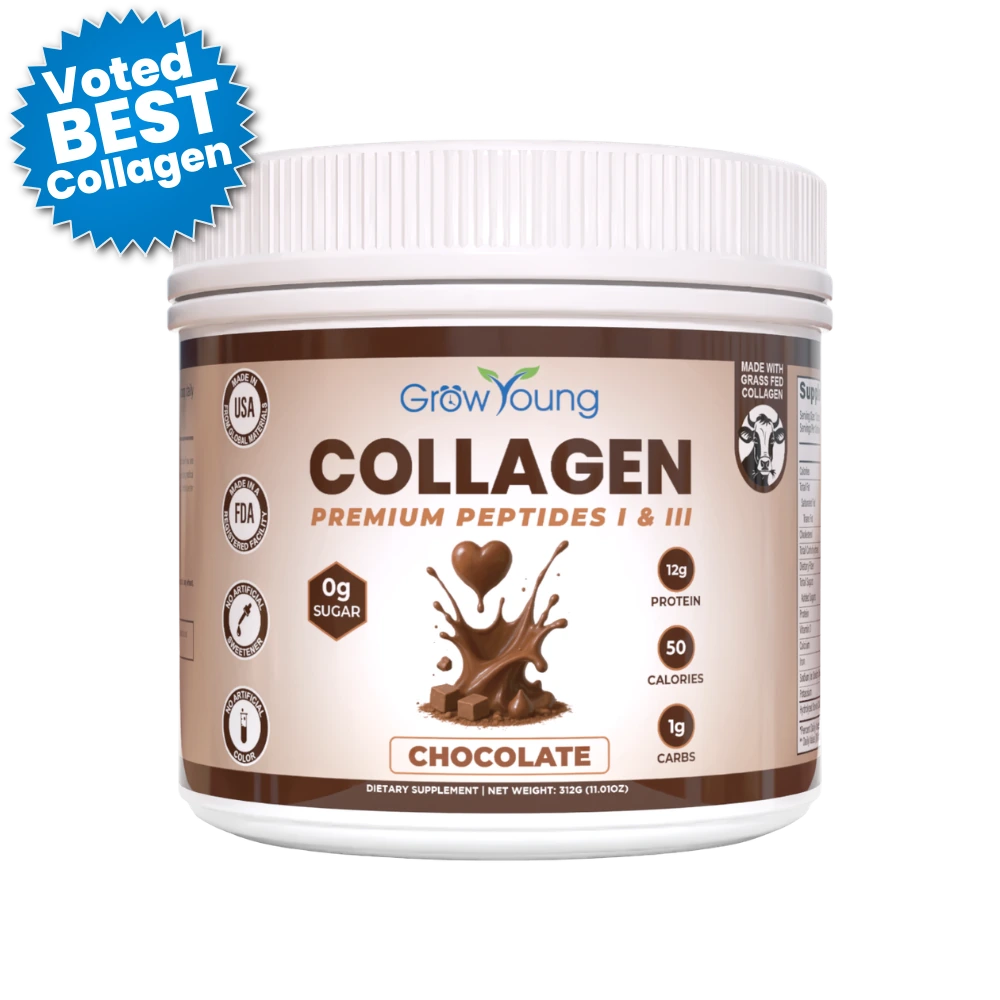
These are the most common and generally the least concerning. They typically combine whey or plant protein, carbohydrates (often maltodextrin), creatine, and sometimes vitamins or amino acids. The marketing promise is 'fast results,' but the actual mechanism is just giving your body more protein and calories, which matters only if you were short on them to begin with. Products like Kudos Body Grow protein powder or similar blends fall into this category.
Category 2: Products containing SARMs or steroid-like compounds
This is where things get genuinely dangerous. The FDA has repeatedly found that bodybuilding products marketed for 'rapid' muscle gains contain selective androgen receptor modulators (SARMs) or anabolic steroid-like substances that aren't disclosed on the label. The FDA is explicit: SARMs cannot be legally marketed in the U.S. as dietary supplements, and the agency continues to receive adverse event reports tied to them. The word 'supplement' on the label offers zero guarantee of what's inside.
Category 3: Unknown or black-market formulations
These are products sold online, through gyms, or via social media that often use proprietary blends to hide their ingredient list. The FDA's laboratory testing has caught products containing undeclared compounds like 1,4-DMAA, a stimulant with serious cardiovascular risks, in what appeared to be standard supplements. If your 'Rapid Grow' product came from a source you can't verify, this is the category to assume until proven otherwise.
How Muscle Growth Actually Works in Your Body
Before evaluating what any supplement claims to do, it helps to understand what actually drives muscle growth, because the physiology doesn't change regardless of what the label says. Before evaluating what any supplement claims to do, it helps to understand what actually drives muscle growth, because the physiology doesn't change regardless of what the label says, which is also the core logic behind how grow body weight without risky shortcuts.
Muscle grows through a process called muscle protein synthesis (MPS). When you apply mechanical tension to a muscle through resistance training, you create small amounts of structural damage in the muscle fibers. The body responds by synthesizing new, denser protein structures to repair and reinforce those fibers. Over time and with progressive overload (gradually increasing the challenge), this process leads to larger, stronger muscles. That's hypertrophy in plain terms. When people ask about grow forte benefits, they are usually looking for safe ways to improve these fundamentals rather than hidden hormonal effects muscle growth.
Three things determine how well this process works: the training stimulus (enough mechanical tension and volume), adequate protein to supply the amino acid building blocks for MPS, and recovery time where the actual rebuilding happens. Hormones like testosterone and growth hormone play a real supporting role, which is exactly why compounds that manipulate them can produce noticeable short-term results and serious long-term consequences at the same time.
A large meta-analysis published in the British Journal of Sports Medicine found that protein supplementation optimizes resistance-training gains at around 1.6 grams per kilogram of body weight per day, with diminishing returns beyond that level. That number, combined with consistent training and enough total calories, is what moves the needle on muscle mass. Any supplement that claims to go 'beyond' this physiology is either boosting one of those three pillars in a disclosed way, or it's manipulating your hormones in a way that isn't disclosed.
Effects You Might Actually Feel
Whether your Rapid Grow is a basic mass gainer or something more aggressive, here's what people commonly report experiencing, and what's actually driving those feelings.
- Increased strength in the first few weeks: If the product contains creatine, this is likely the creatine working, not some proprietary magic. Creatine monohydrate is genuinely effective. A systematic review found it produced significantly greater upper- and lower-body strength gains versus placebo in adults under 50, with lower-body strength improvements averaging over 11 kg more than placebo groups.
- Water retention and a 'fuller' look: Creatine draws water into muscle cells, which is harmless but can read on the scale as rapid weight gain. If the product contains sodium or high-glycemic carbs, glycogen storage also pulls water into muscle tissue.
- Increased appetite: High-calorie mass gainers can paradoxically either increase or suppress appetite depending on how your gut responds to the carbohydrate load. Some people feel hungrier; others feel stuffed and struggle to eat real food.
- Energy and performance changes: Stimulants (caffeine, and in some illegal products, compounds like 1,4-DMAA) can create a noticeable performance boost that feels like 'the product working,' but is just stimulant effect with real cardiovascular costs at higher doses.
- Rapid scale weight gain: If the product is high in carbohydrates and sodium, you may see 2 to 5 pounds on the scale within a week. This is mostly glycogen and water, not muscle tissue, which takes weeks to months to accumulate meaningfully.
The Real Risks and Side Effects You Need to Know
This section is the one most supplement marketing hopes you never read. If your product contains hormonal compounds, SARMs, or undisclosed ingredients (and you may not know), the risk profile shifts from 'maybe some GI discomfort' to 'potential organ damage.' Here's what the evidence actually says.
Liver and kidney stress
The FDA has flagged bodybuilding products for associations with liver injury, including cases of cholestatic hepatitis, which is a serious form of liver inflammation. LiverTox case reports document real liver injury from SARMs, and clinical trials have shown ALT enzyme elevations in some users. Oral anabolic compounds in particular are hard on the liver because they're metabolized there. Your kidneys take a hit too, both from processing excess protein at very high intakes and from the metabolic byproducts of hormonal compounds.
Cardiovascular strain
Anabolic steroids and steroid-like substances cause measurable changes in cholesterol: LDL goes up, HDL goes down, and blood pressure rises. StatPearls lists hypercholesterolemia, hypertension, and polycythemia (thickening of the blood) as early measurable effects. The FDA has specifically warned that certain bodybuilding products are associated with heart attack and stroke risk. These aren't theoretical warnings; they're based on adverse event reports and clinical findings.
Hormonal disruption

When you introduce external androgens or androgen-mimicking compounds, your body reads the elevated signal and dials down its own testosterone production. This suppression of the hypothalamic-pituitary-gonadal (HPG) axis is dose-dependent and can be significant. The result: testicular atrophy, decreased sperm count, and in some cases, breast tissue development in men (gynecomastia). These effects can persist well after you stop taking the product.
Skin, hair, and cosmetic effects
Higher androgen levels accelerate sebum production, leading to acne, often on the back and chest. For anyone genetically predisposed to male-pattern baldness, elevated dihydrotestosterone (DHT) activity speeds up hair loss. The FDA lists acne and baldness among the androgenic effects of steroid-like bodybuilding products. These effects aren't guaranteed, but they're common enough to be well-documented.
Mood and mental health
Mood disorders are a well-documented adverse effect of anabolic steroid use. This includes irritability, aggression, and depressive episodes, particularly during or after cycles as hormone levels fluctuate. Stimulant-containing products can also contribute to anxiety and sleep disruption, which then undermine the recovery process that muscle growth actually requires.
Fertility impacts
The HPG axis suppression mentioned above directly affects fertility. Reduced sperm count and impaired sperm motility are documented effects of exogenous androgen use, and these effects can take months to reverse after stopping. For anyone who wants to have children, this is a serious consideration that doesn't always appear in the conversation around muscle-building supplements.
Who Is Most at Risk and What Red Flags Mean 'Stop Now'
Not everyone faces the same level of risk, but certain groups need to be especially cautious when considering any 'rapid grow' type product.
| Group | Why the Risk Is Higher |
|---|---|
| Teenagers and young adults | The hormonal system is still developing; HPG axis suppression can have lasting effects on growth, puberty completion, and long-term fertility |
| Adults over 50 | Cardiovascular risk factors are already elevated; liver and kidney function declines with age; HDL/LDL impact is more dangerous |
| People with existing heart, liver, or kidney conditions | Already-stressed organs have less capacity to handle the additional metabolic load from hormonal or stimulant compounds |
| Beginners who misread dosing | More isn't better; beginners often double doses expecting faster results, which dramatically increases adverse event risk |
| Anyone stacking multiple products | Combining several supplements multiplies ingredient exposures in ways that are impossible to predict without full label transparency |
| People using unknown or unverified sources | Black-market products are the highest risk because the actual contents are completely unknown |
Here are the red flags that mean you should stop taking the product and see a doctor, not wait and see.
- Yellowing of the skin or eyes (jaundice), which signals liver stress
- Dark urine or unusually pale stools
- Rapid heart rate, chest tightness, or shortness of breath during normal activity
- Severe mood swings, aggression, or depressive episodes that feel out of character
- Testicular pain or visible shrinkage
- Sudden, severe acne appearing on chest, back, or face
- Unexplained swelling in the legs or ankles
- Any symptoms that worsen after starting the supplement
What to Do Today: A Safer, Evidence-Based Plan That Actually Works
Here's the practical part. You don't have to choose between 'do nothing' and 'take a risky supplement.' There's a well-supported middle path that produces real, lasting muscle growth without the health gamble.
Step 1: Identify exactly what's in your current product
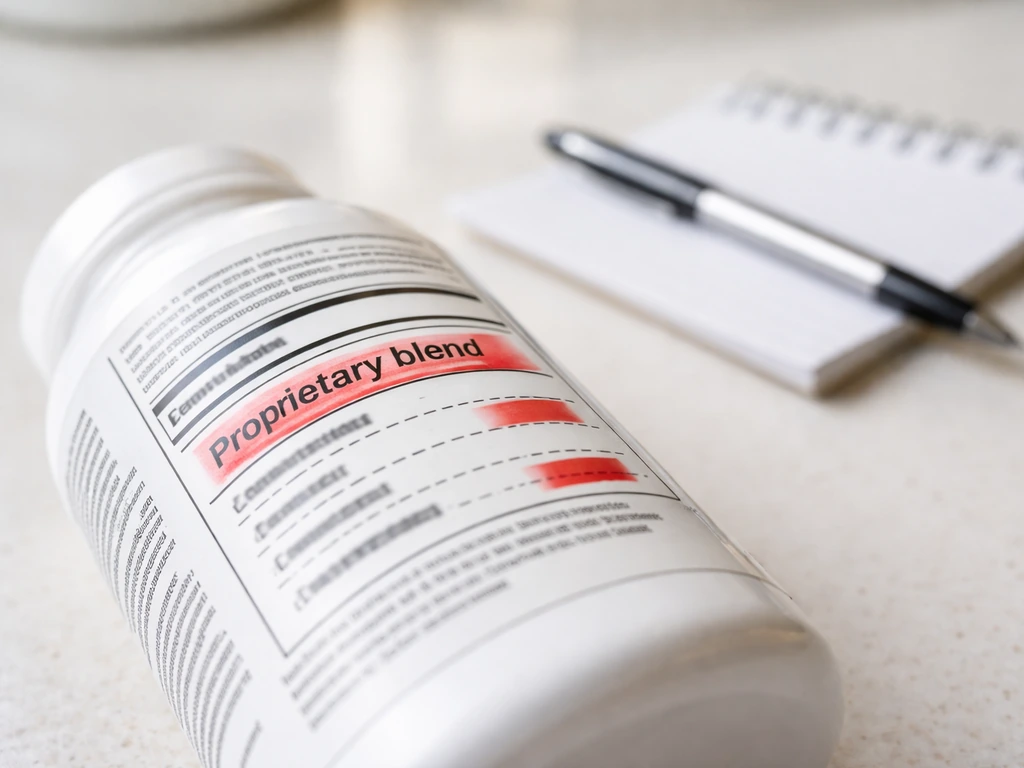
Pull up the full ingredient label. Look for: full disclosure of each ingredient and its dose (not a 'proprietary blend' hiding amounts), recognizable ingredients with actual research behind them, and a third-party testing seal. The two most credible ones are NSF Certified for Sport (which confirms the product doesn't contain substances banned by major athletic organizations) and USP Verified (which confirms quality standards and label accuracy). If your product has neither, that's not a dealbreaker on its own, but it means you're trusting the manufacturer completely, and that trust has to be earned by a transparent label.
Step 2: Get your protein right first
Target 1.6 grams of protein per kilogram of body weight per day. For a 180-pound (82 kg) person, that's about 130 grams of protein daily. Most people aren't hitting this through food alone, which is where a straightforward whey or plant-based protein supplement earns its keep. If you’re comparing options, these grow young fitness protein powder reviews can help you assess what’s actually in each formula before you buy whey or plant-based protein supplement. Spread your intake across 3 to 4 meals or shakes rather than trying to hit it all at once, since the body can only use around 20 to 40 grams effectively per sitting for MPS.
Step 3: Consider creatine monohydrate
Creatine is the most research-backed ergogenic supplement available. The International Society of Sports Nutrition calls creatine monohydrate the most effective nutritional supplement for increasing high-intensity exercise capacity and lean mass during training. A standard dose is 3 to 5 grams per day, no loading phase required. It's cheap, widely available, and has decades of safety data. If you want to actually grow faster, this is the addition worth making.
Step 4: Build a progressive resistance training program
No supplement replaces the training stimulus. Progressive overload, meaning you gradually increase weight, reps, or difficulty over time, is what drives the mechanical tension your muscles need to adapt. For beginners, 3 full-body sessions per week with compound movements (squats, deadlifts, rows, presses) is enough to produce significant results. For intermediate lifters, a 4-day upper/lower split or push-pull-legs structure works well. Older adults can and do build meaningful muscle with resistance training; the physiology is the same, though recovery may take an extra day or two.
Step 5: Prioritize recovery like it matters (because it does)
Muscle doesn't grow during training; it grows during recovery. Aim for 7 to 9 hours of sleep per night, which is when the majority of growth hormone secretion and muscle repair happens. Manage training volume so you're not accumulating so much fatigue that recovery becomes impossible. If you're sleeping poorly and training daily without rest days, no supplement will fix that gap.
Realistic timelines to set your expectations
In the first 4 to 8 weeks, most of your strength gains are neurological, not structural. You're learning to recruit muscle more efficiently. Visible muscle size changes typically take 8 to 12 weeks of consistent training and nutrition to become noticeable. This isn't slow; it's what the biology actually looks like. Any product promising dramatic transformation in 2 to 3 weeks is either relying on water retention, stimulant effects, or something undisclosed in the formula.
If you're currently taking a Rapid Grow product and are unsure about what's in it, the most practical thing you can do today is look up the ingredients against the FDA's Health Fraud Product Database, check for a third-party certification seal, and if neither is reassuring, swap to a transparent, single-ingredient or clearly labeled product while you continue training. Fast grow anabolic benefits, when they are real, come from safe basics like adequate protein, progressive training, sleep, and creatine, not from undisclosed hormone manipulation Rapid Grow product. The muscle-building fundamentals, protein, progressive training, sleep, creatine if you want a real ergogenic boost, will get you where you want to go without the risk.
FAQ
How can I tell what “Rapid Grow” actually does to my body if the label doesn’t clearly list ingredients?
If you cannot find a complete label with ingredient names and specific dosages, you cannot reliably predict effects. A practical step is to take a photo of the Supplement Facts panel and compare it to third party databases or testing information, then assume the risk is higher until proven otherwise (especially if the product is marketed for “rapid” muscle gains).
Can a Rapid Grow that seems like a simple mass gainer still cause side effects?
Yes. Even with a “clean” protein-and-calorie blend, you can still feel side effects from excess calories or certain carbs, such as bloating or diarrhea from high maltodextrin, or headaches from poor hydration. Start with half servings for a few days and track symptoms, stool changes, and training performance.
If I take Rapid Grow and get bloodwork, will creatine or other ingredients confuse lab results?
If a product contains creatine, it will not directly harm your liver, but it can raise blood markers like serum creatinine that sometimes get misread as kidney problems. If you get labs, ask your clinician to interpret kidney function using the full kidney panel and context, and do not rely on a single marker alone.
What happens if I already eat enough protein and still take a Rapid Grow product?
Protein targets matter because “more” is not always better. If you are already eating near the recommended range, adding a high-protein blend can push calories and protein too high, increasing GI distress and potentially straining kidneys in people with pre existing kidney disease. If you have CKD, consult your clinician before changing protein intake.
What symptoms mean I should stop and get medical help immediately after taking Rapid Grow?
The biggest harm to watch for in suspected hormone-like or SARMs products is not just short term symptoms. Consider urgent medical evaluation if you develop jaundice, dark urine, severe upper right abdominal pain, chest pain, shortness of breath, fainting, or unusually rapid swelling, because these can signal liver or cardiovascular issues.
Is it safer to combine Rapid Grow with creatine, pre workout, or other supplements?
Mixing supplements is common, and it can raise risk. Avoid stacking multiple “prohormone,” “test booster,” or stimulant products on top of Rapid Grow, because combined androgen-like ingredients can intensify lipid and blood pressure changes, while stimulants can worsen anxiety and sleep. If you want a stack, keep it to a few evidence based items and confirm ingredients do not overlap.
Why am I not gaining muscle even though I’m taking Rapid Grow?
For muscle building, the product category matters less than the training and nutrition baseline. If your program is inconsistent, sleep is under 7 hours, or progressive overload is missing, you can take Rapid Grow and still see no results. A common mistake is expecting supplement “fast results” without adjusting workouts.
How long do hormonal or fertility side effects take to improve after stopping an unsafe Rapid Grow product?
If your Rapid Grow contains undisclosed androgen-like compounds, HPG axis suppression and fertility impacts can persist for months in some people. Plan for a longer recovery window after stopping, and if you are trying to conceive, ask for hormone and semen analysis rather than assuming things normalize quickly.
Are proprietary blends automatically bad, and how should I evaluate them?
A “proprietary blend” can hide dose and makes it impossible to assess whether you are getting stimulants, androgen-like ingredients, or clinically relevant protein and creatine. If a product offers no transparent dosing, treat it as a red flag and choose a formula with explicit amounts.
Is Rapid Grow riskier for younger users compared with adults?
If you are a teen or under 25, your endocrine system is still developing, so any androgen-like or stimulant exposure can be riskier. The safest move is to avoid Rapid Grow products that are marketed for hormone-like effects, and focus on supervised training, adequate protein, and sleep.