Yes, exercise does support brain cell growth and brain health, but the full answer is more nuanced than most headlines suggest. Direct proof that exercise creates brand-new neurons in adult humans is still genuinely contested in the scientific literature. What IS well-established is that exercise triggers a cascade of biological changes in the brain, particularly in the hippocampus, that produce real, measurable improvements in memory, learning, and cognitive function. Whether those changes come entirely from new neurons, or mostly from existing neurons becoming better connected and better supported, is a distinction worth understanding if you want to use exercise to protect and grow your brain.
Does Exercise Grow New Brain Cells? Evidence and Plan
Marcus Kellerman
15 Apr 2026

What 'new brain cells' actually means
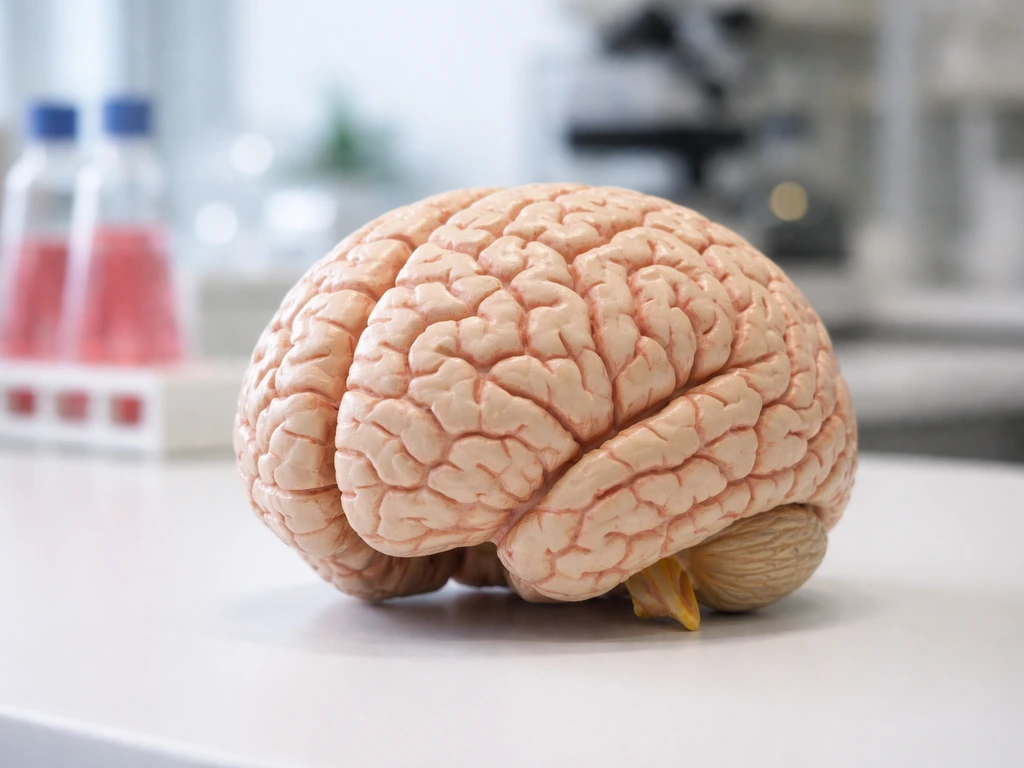
When people ask whether exercise grows new brain cells, they're usually thinking about neurogenesis, the process of generating brand-new neurons from stem cells. In animals, particularly rodents, this happens robustly in an area of the brain called the hippocampus, which handles memory and spatial navigation. Exercise consistently increases neurogenesis in rodent models, which is why the idea migrated into popular science coverage. But humans are not mice, and the human brain is a different story.
Direct evidence of adult hippocampal neurogenesis in humans has remained elusive. The methodology used to detect new neurons matters enormously, and different studies using different techniques have reached wildly different conclusions. A commentary in Cell Research captured the scientific debate well, describing the question of human adult hippocampal neurogenesis as ongoing and contentious. So the honest answer is: we don't yet know for certain whether humans produce new neurons at rates that meaningfully influence cognition.
That said, neurogenesis is only one piece of the puzzle. Brain plasticity is a broader concept that includes synaptic plasticity (existing neurons forming stronger or new connections), neurotrophin signaling (chemical growth factors that support neuron survival and function), and structural changes like increased hippocampal volume. These outcomes are measurable in living humans, and exercise reliably drives them. So even if the "new neuron" claim is debated, the brain benefits of exercise are not. To understand the full picture, it helps to also look at how muscles working out help neurons to grow, because the mechanisms connecting muscle activity to brain biology are fascinating and practical.
The evidence that exercise changes your brain
One of the most cited human studies on this topic is a randomized controlled trial of 120 older adults where one group did aerobic exercise training and the other did stretching. After one year, the aerobic exercise group showed a measurable increase in anterior hippocampal volume (about 2%), while the control group showed the typical age-related shrinkage. The aerobic group also performed better on spatial memory tests, and their improved hippocampal volume correlated with higher levels of a protein called BDNF (brain-derived neurotrophic factor). BDNF is a key growth factor that supports the survival, growth, and maintenance of neurons.
BDNF is at the center of almost every discussion about exercise and brain health. A single session of moderate-intensity exercise has been shown to acutely increase BDNF levels and improve memory-related outcomes in men within the same day. This means the brain-benefit signal from exercise isn't something you have to wait months for. Some of it is happening right after your workout. Other growth factors like VEGF (vascular endothelial growth factor) and IGF-1 also rise with exercise and are associated with improved hippocampal biology, though like BDNF, these are proxies, not direct proof of new neuron formation.
It's worth being clear-eyed here: BDNF going up in your blood after a workout does not prove new neurons are forming. A 2013 review that's still widely cited makes this point explicitly, noting that we measure neurogenesis indirectly in humans through neurotrophic factors, MRI-based hippocampal volume estimates, and memory tasks, all of which have limitations. Animal data also remind us to be careful: some interventions expected to increase neurogenesis in rodents don't always deliver, which shows that proxy measures can be misleading.
What the evidence does firmly support is this: consistent aerobic exercise improves hippocampal structure and function in humans, improves memory, and reduces cognitive decline risk. That's not a small thing. It may not be "new neurons" in the strict biological sense, but it's real, measurable brain adaptation.
Which types of exercise do the most for your brain
Not all exercise produces the same brain benefits, and the research on this is getting more specific. Here's how the main categories stack up.
Aerobic exercise

Sustained aerobic activity (running, cycling, brisk walking, swimming) has the strongest and most consistent evidence for hippocampal benefits and BDNF elevation. The randomized trial mentioned above used walking as the aerobic intervention. A systematic review of older adults with mild cognitive impairment (MCI) found that programs including 30 minutes of walking three times per week for six weeks improved executive function. Meta-analyses of randomized controlled trials consistently show that aerobic training improves multiple cognitive measures in older adults, with large standardized mean differences on tests of memory and executive function.
High-intensity interval training (HIIT)
HIIT is gaining ground as a brain-health tool. A 2025 Scientific Reports study comparing acute HIIT versus moderate-intensity continuous training (MICT) in healthy older adults found that HIIT produced a larger effect on executive function measures (Stroop-related tasks) than MICT in that same session. HIIT also drives strong BDNF responses. The tradeoff is that it's harder on the body and requires more recovery, so it's not appropriate as your only modality, but it's worth including.
Resistance training

Strength training is often left out of the brain-health conversation, but it shouldn't be. Systematic reviews and meta-analyses of RCTs show that resistance training improves cognitive function in older adults, including executive function and memory. IGF-1, which rises with resistance training, is one of the growth factors associated with hippocampal support. If you're already thinking about how exercise helps grow muscles, know that the same training stimulus is also doing something positive upstairs.
Mind-body and coordination-based exercise
This is where the data gets interesting. An umbrella review published in 2023 synthesizing multiple systematic reviews and meta-analyses found that mind-body exercise (think tai chi, yoga, and similar modalities) showed greater cognitive benefits than either aerobic or resistance exercise categories in adults 55 and older across many synthesized outcomes. The cognitive demand of learning new movements, the coordination component, and the stress-reduction effects may all contribute. This doesn't mean you should ditch your cardio, but it does mean that exercise complexity and mental engagement matter.
| Exercise Type | Key Brain Benefit | Strength of Evidence (Human) | Best For |
|---|---|---|---|
| Aerobic (walking, running, cycling) | Hippocampal volume, BDNF, memory | Strongest | Everyone, especially beginners and older adults |
| HIIT | Executive function, acute BDNF spike | Moderate-strong | Those with some fitness base |
| Resistance training | Executive function, IGF-1, global cognition | Moderate-strong | All ages, especially older adults |
| Mind-body (tai chi, yoga) | Global cognition, stress reduction, coordination | Moderate (umbrella review) | Older adults, those with high stress |
The short recommendation: don't pick just one. A program that combines aerobic work, some resistance training, and occasional coordination-based or mind-body activity covers the most ground. If you're wondering what the best exercises to grow brain benefits are, the answer is genuinely a mix.
Building a real-life brain-health training program
The American Heart Association recommends at least 150 minutes per week of moderate-intensity aerobic activity, or 75 minutes of vigorous-intensity activity, plus muscle-strengthening activities at least two days per week. These targets are a reasonable starting point for brain health as well as cardiovascular health. Here's how to translate that into a weekly structure.
Beginner framework (starting from little or no activity)
- 3 days per week of 20-30 minutes of brisk walking at a pace where you can talk but feel slightly breathless
- 2 days per week of bodyweight or light resistance training: squats, lunges, push-ups, rows (15-20 minutes is enough to start)
- 1 day per week of something that requires learning or coordination: a new dance style, yoga, tai chi, or a sport you haven't tried before
- Progress by adding 5 minutes to your aerobic sessions every 2 weeks until you reach 30-40 minutes
Intermediate framework (already active 2-3 days per week)
- 4 days per week of aerobic activity: 2 moderate sessions (30-45 minutes) and 1-2 HIIT sessions (20-25 minutes with 1:1 or 1:2 work-to-rest ratios)
- 2-3 days per week of progressive resistance training using compound lifts (squats, deadlifts, presses, rows) at 65-80% of your working capacity
- Add one weekly session with a coordination or skill component
- Increase resistance training load by roughly 5% every 1-2 weeks when you can complete all sets with good form
A few general principles: consistency beats intensity. Three moderate sessions per week maintained for a year will do more for your brain than six brutal weeks followed by burnout. Novelty matters too. Learning new movement patterns adds cognitive demand on top of the physiological stimulus, which is why mixing modalities has value beyond just "more exercise."
How fast can you expect results, and what affects your timeline
Acute effects on BDNF and mood can appear within a single workout session. That's not hype: the research supports same-day changes in neurotrophin signaling and memory-related outcomes after moderate exercise. So if you go for a brisk 30-minute walk today, your brain chemistry is already responding.
Structural changes take longer. The hippocampal volume increase seen in the major RCT happened over 12 months of consistent aerobic training. Most cognitive studies show meaningful improvements in 8-24 weeks when exercise is performed consistently. Executive function measures tend to respond faster than memory-specific outcomes in the literature.
Individual factors that shape your timeline include:
- Age: Older adults may see different magnitudes of benefit, but the evidence strongly shows they DO benefit. Age is context, not a ceiling.
- Baseline fitness: People who are more sedentary at the start tend to show larger initial improvements, because there's more room to gain.
- Adherence: This is the biggest variable of all. Sporadic exercise produces sporadic results. Three sessions per week, consistently, beats seven sessions for two weeks then nothing.
- Cardiovascular health: Those with vascular risk factors may start with attenuated BDNF responses, but improving cardiovascular fitness tends to improve those responses over time.
- Sleep quality: Poor sleep blunts BDNF signaling and undermines the brain adaptations exercise is trying to drive.
What to do alongside exercise to maximize brain benefits
Exercise is the engine, but it needs fuel and recovery. The same support strategies that optimize muscle growth also optimize brain adaptation, which makes sense because many of the underlying mechanisms overlap.
Sleep

Sleep is non-negotiable for brain plasticity. Memory consolidation happens during sleep, and BDNF expression follows circadian rhythms. If you're training consistently but sleeping five hours a night, you're leaving most of the brain benefit on the table. Aim for 7-9 hours. This isn't just general wellness advice: sleep deprivation directly impairs hippocampal function and undermines the neuroplastic changes exercise is trying to produce.
Stress management
Chronic stress elevates cortisol, which is directly toxic to hippocampal neurons at sustained high levels. A randomized clinical trial examining contemplative mental training found that increased serum BDNF correlated with decreased cortisol and increased dentate gyrus volume, which is the specific hippocampal region most often associated with neurogenesis. In other words, managing stress isn't just good for your mental health: it's part of the biological environment that determines whether your brain can actually adapt to exercise. Mind-body exercise (yoga, tai chi, meditation) helps here because it trains both the body and the stress-response system simultaneously.
Nutrition
Omega-3 fatty acids (particularly DHA) support neuronal membrane integrity and BDNF expression. Adequate protein is important not just for muscle but for synthesizing neurotransmitters and growth factors. Polyphenols from berries, dark leafy greens, and other colorful plants have demonstrated neuroprotective effects in observational research. Avoid chronic caloric restriction to extremes: at least one mouse study found that an extreme fasting protocol did not increase hippocampal neurogenesis, a reminder that underfueling isn't a shortcut to brain benefits. Keep your nutrition adequate to support training, which for most people means enough total calories, 1.6-2.2 grams of protein per kilogram of body weight, and a wide variety of whole foods.
It's also worth noting that the same question of "can you grow new cells" comes up in muscle physiology. If you're curious about how the possibility of growing new muscle cells compares to what happens with neurons, the mechanisms are genuinely different but the principle of consistent stimulus plus adequate recovery applies to both.
Safety first: who should check with a doctor before starting
Most healthy adults can begin a moderate walking program today without medical clearance. But there are situations where you should talk to a doctor before ramping up intensity, especially if you're targeting HIIT or vigorous exercise.
ACSM preparticipation screening guidelines flag several symptoms and conditions that warrant further evaluation before beginning or progressing an exercise program. These include chest discomfort or pain during exertion, shortness of breath with only mild activity, dizziness or fainting, palpitations or rapid irregular heartbeat, and a known heart murmur. If any of these apply to you, get clearance before pushing intensity.
NIH guidance makes this explicit for people with existing chronic conditions: if you have heart disease, diabetes, or another condition that affects how your body responds to exercise, ask your doctor what types and amounts of activity are safe for you specifically. AHA guidance also highlights that very high-volume or very high-intensity exercise carries different risk profiles that deserve discussion in higher-risk individuals.
- Older adults (65+) who are currently sedentary: Start with walking and bodyweight work. Medical clearance is recommended before beginning HIIT.
- Anyone with a recent cardiovascular event or diagnosis: Get explicit clearance and consider a supervised cardiac rehab program before independent exercise.
- People with known neurological conditions (e.g., Parkinson's, post-stroke): Exercise is often beneficial, but appropriate modifications require professional guidance.
- Anyone who feels chest pain, unusual shortness of breath, or dizziness during exercise: Stop immediately and consult a physician before continuing.
The bottom line on safety is that exercise is medicine, and like any medicine, dose matters. Starting conservatively and progressing gradually is almost always safer and more sustainable than jumping to high intensity too fast. For older adults in particular, the evidence shows robust brain benefits from moderate-intensity programs. The American Heart Association's Professional Heart Daily summarizes that adults should do at least 150, 300 minutes per week of moderate-intensity aerobic activity (or 75, 150 minutes per week vigorous) plus muscle-strengthening activities at least 2 days per week exercise is medicine, and like any medicine, dose matters. You don't need extreme intensity to get real results.
Your next steps, starting today
Here's what I'd tell you to actually do today, right now, without waiting for the perfect plan. Go for a 20-30 minute brisk walk. That single session will elevate BDNF, improve your mood, and start the biological cascade that supports brain health. Then, this week, schedule three more sessions. Next week, add a resistance training day. In four weeks, try your first HIIT session if you feel ready. Keep it simple, keep it consistent, and understand that the compound effect of months of regular exercise is what produces the brain structural changes shown in the research.
The science is clear enough to act on, even where it isn't fully settled. Exercise reliably improves hippocampal function, elevates BDNF, and protects cognitive performance across the lifespan. Whether it does so by creating new neurons or by making existing neurons stronger, faster, and better connected is a fascinating scientific debate, but it doesn't change what you should do. Move consistently, sleep well, manage your stress, eat enough of the right foods, and progress your training over time. That's the plan.
FAQ
If the evidence is mixed for new neurons in humans, is exercise still worth doing for brain health?
Yes. Even without proving adult human neurogenesis, studies show reliable functional and structural changes tied to hippocampal performance (like improved memory and measurable shifts in hippocampal-related markers). A practical way to think about it is, you are getting brain benefits from plasticity and support pathways, whether or not they involve newly generated neurons.
How long after starting exercise would I notice brain benefits if “new neuron” claims are not confirmed?
Expect faster changes in executive functions and mood-related measures, sometimes within weeks. Structural hippocampal changes reported in major studies typically require about 12 months of consistent aerobic training, while many cognitive outcomes improve over roughly 8 to 24 weeks with regular exercise.
Does one workout session really help, or is it only long-term training?
Both. You can see same-day shifts in neurotrophin signaling like BDNF and short-term memory-related performance after a single moderate-intensity session. The bigger, more durable effects come from stacking those sessions over months.
Is brisk walking enough, or do I need running or HIIT to grow brain benefits?
Brisk walking, especially when done consistently, has solid evidence for hippocampal and cognitive benefits in older adults. HIIT can provide stronger effects in some executive function measures and larger acute BDNF responses, but it is not required for brain gains, and it may be harder on joints, recovery, and adherence for many people.
Will strength training help cognition even if it does not directly target the brain like cardio?
Yes. Resistance training improves cognitive outcomes in older adults, including executive function and memory, and it increases growth-factor pathways such as IGF-1 that relate to neural support. For best odds, combine resistance work with aerobic sessions rather than treating it as an either-or choice.
How much exercise is “enough” for brain benefits, and does the dose differ by goal?
A reasonable baseline is the common public-health target, about 150 minutes per week of moderate aerobic activity (or 75 vigorous), plus muscle-strengthening at least two days weekly. If you are aiming for cognitive benefits, consistency matters more than intensity, and adding variety (coordination, new movements) can increase the mental demand your brain also processes.
Does mind-body exercise (yoga or tai chi) replace cardio and weights?
It can add unique benefits, especially for people who respond well to coordination and stress reduction, but it generally should not fully replace aerobic and resistance training if your goal is broad brain-health coverage. A practical approach is to keep your aerobic base, add strength twice weekly, and use yoga or tai chi as a complementary third modality.
Is there a difference between “BDNF goes up” and “new brain cells are created”?
Yes, and it is a common misunderstanding. Higher BDNF after exercise indicates neurotrophic signaling that supports neuron survival and function, but it does not directly prove that new neurons are being generated in humans. Treat BDNF as a helpful mechanistic signal, not as proof of neurogenesis.
What common mistakes reduce the brain benefits of exercise?
Two big ones are inconsistency (big bursts followed by long gaps) and poor recovery. Under-sleeping is especially costly, because sleep supports memory consolidation and influences neuroplastic signaling. Also, starting HIIT too soon after inactivity is a frequent adherence and safety problem.
Should I change my nutrition to support brain adaptation from exercise?
Adequate energy and nutrients matter, because you need building blocks for neurotransmitters and growth-factor pathways. Avoid extreme caloric restriction, ensure enough total protein (roughly 1.6 to 2.2 g per kg per day for many active people), and aim for a varied whole-food pattern that includes omega-3 sources and colorful plant foods.
Are there health situations where I should not ramp up exercise intensity without medical input?
Yes. If you have chest discomfort with exertion, shortness of breath with mild activity, dizziness or fainting, palpitations or known irregular heartbeat, or a known heart murmur, get clearance before increasing intensity. If you have chronic conditions like heart disease or diabetes, ask specifically what types and doses of activity are safe for you.
What is the simplest “next-step” routine if I want to target brain benefits today?
Start with a repeatable plan: take a 20 to 30 minute brisk walk now, then schedule three more walking sessions this week. Add one resistance training day next week, and consider your first HIIT session only after you feel conditioned and recover well. The goal is building a consistent cycle that you can maintain for months.