Yes, you can build muscle on keto. The research is clear enough on this: when protein and calories are adequate and you're training with progressive overload, ketogenic diets can produce muscle hypertrophy that's roughly comparable to higher-carb approaches. You're not leaving gains on the table just because you're skipping bread and pasta. That said, keto does change some of the mechanics of how your body fuels training and recovers, so if you go in blind you'll hit walls that are easy to avoid once you know what's happening.
Can You Grow Muscle on Keto? Nutrition and Training Guide

Marcus Kellerman
3 Jun 2026

Yes, You Can Build Muscle on Keto, Here's the Evidence
A 2022 systematic review and meta-analysis looked specifically at resistance-trained men and women on ketogenic diets and found that keto can produce meaningful muscle hypertrophy. Across multiple studies, the outcomes were often comparable to higher-carb diets when protein intake was matched and resistance training was the primary stimulus. That's the key phrase: matched protein and real resistance training. When those two things are in place, the absence of carbohydrates doesn't appear to be the muscle-killer people assume it is.
Randomized controlled trials in both trained men and untrained individuals have shown that keto plus resistance training can increase lean body mass while simultaneously reducing body fat, which is a genuinely useful outcome for a lot of people. In overweight women doing 10 weeks of resistance training, a ketogenic diet preserved lean mass better than a regular diet while dropping more fat. That's not a consolation prize, that's a real result. The honest caveat is that some studies show slightly less absolute muscle gain on keto compared to carb-rich diets, particularly for well-trained lifters chasing maximum hypertrophy. For most people, though, the gap is small and manageable with smart execution.
How Keto Changes the Muscle-Building Environment
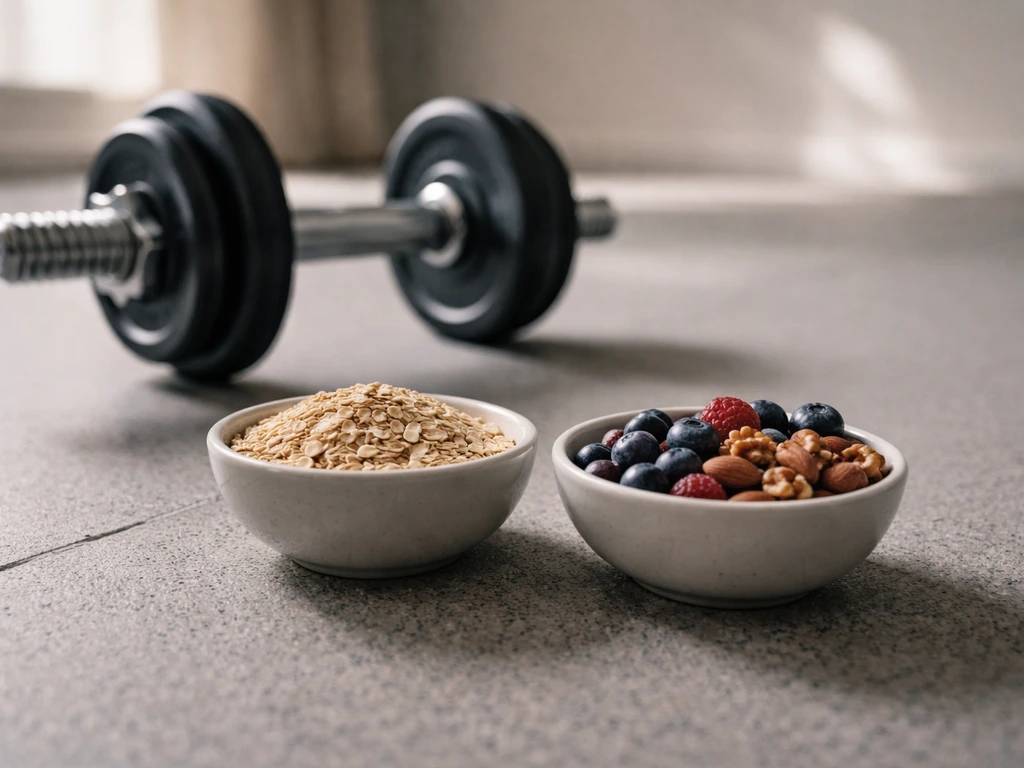
Muscle growth depends on three core mechanisms: mechanical tension (load and progressive overload), metabolic stress, and muscle damage triggering repair. Keto doesn't shut any of these down. What it does change is the fuel your muscles use to generate tension, and that's where things get interesting.
Carbohydrates are the fastest fuel for high-intensity work. When glycogen stores are full, your muscles can blast through heavy compound sets without a significant energy bottleneck. On keto, glycogen stores are intentionally low. Your body shifts to using fatty acids and ketones for fuel, which is efficient for low-to-moderate intensity work but slower to deliver energy during maximal effort lifts. This is why the first 3 to 6 weeks on keto can feel rough in the gym, you're not fully adapted yet, and your body is still recalibrating its enzymatic machinery to burn fat efficiently.
Protein use shifts a bit on keto too. Without dietary glucose, your liver uses gluconeogenesis to maintain blood sugar, partly by converting amino acids into glucose. If protein intake is too low, this process can cannibalize muscle tissue. This is exactly why protein targets matter more on keto than on a standard diet. Hit your protein numbers and this isn't a problem, but it's a real risk if you undereat protein while also running a calorie deficit.
Insulin, which normally spikes after eating carbs and acts as a muscle-growth signal, stays low on keto. Some people interpret this as a problem for hypertrophy, but it's not the whole story. Insulin is one of many anabolic signals, and protein alone stimulates mTOR and muscle protein synthesis without requiring a carbohydrate-driven insulin spike. Once you're fat-adapted (typically 4 to 8 weeks in), your body runs training sessions and recovery surprisingly well. It just takes time to get there.
Protein and Calorie Targets for Muscle Growth on Keto
Protein is non-negotiable. On keto, aim for 0.7 to 1.0 grams of protein per pound of body weight per day (roughly 1.6 to 2.2 grams per kilogram). If you're in a calorie deficit or you're older, lean toward the higher end of that range because both conditions increase the risk of lean mass loss. For a 180-pound person, that means 126 to 180 grams of protein daily.
Calories matter as much as they do on any diet. To build muscle, you need at least a slight calorie surplus, typically 200 to 300 calories above your maintenance level. On keto, this surplus comes almost entirely from fat and protein, since carbs stay below 20 to 50 grams per day. Some people build muscle at calorie maintenance, especially beginners or those returning after a break (a phenomenon related to "recomposition"), but if you want to maximize hypertrophy, a modest surplus is a better bet. The related question of whether you can build muscle in a calorie deficit is a real conversation worth having, but for most people chasing meaningful muscle gain, eating slightly above maintenance is the more reliable path.
| Target | Recommendation | Notes |
|---|---|---|
| Protein | 0.7–1.0g per lb of bodyweight (1.6–2.2g/kg) | Higher end if older, in deficit, or under high training stress |
| Total Calories | Maintenance + 200–300 kcal | Modest surplus for muscle gain; recomp possible for beginners |
| Carbohydrates | Under 20–50g net carbs per day | Keep under 50g total to reliably maintain ketosis |
| Fat | Fill remaining calories after protein is set | Prioritize unsaturated fats; include saturated in moderation |
| Fiber | 25–35g per day | From low-carb vegetables; supports gut health and satiety |
Protein timing also helps. Spreading protein across 3 to 4 meals, each containing at least 30 to 40 grams, keeps muscle protein synthesis elevated more consistently than eating it all in one or two sittings. A protein-rich meal or shake within 1 to 2 hours after training is sensible, though the overall daily total matters more than precise post-workout timing.
How to Structure Your Training on Keto
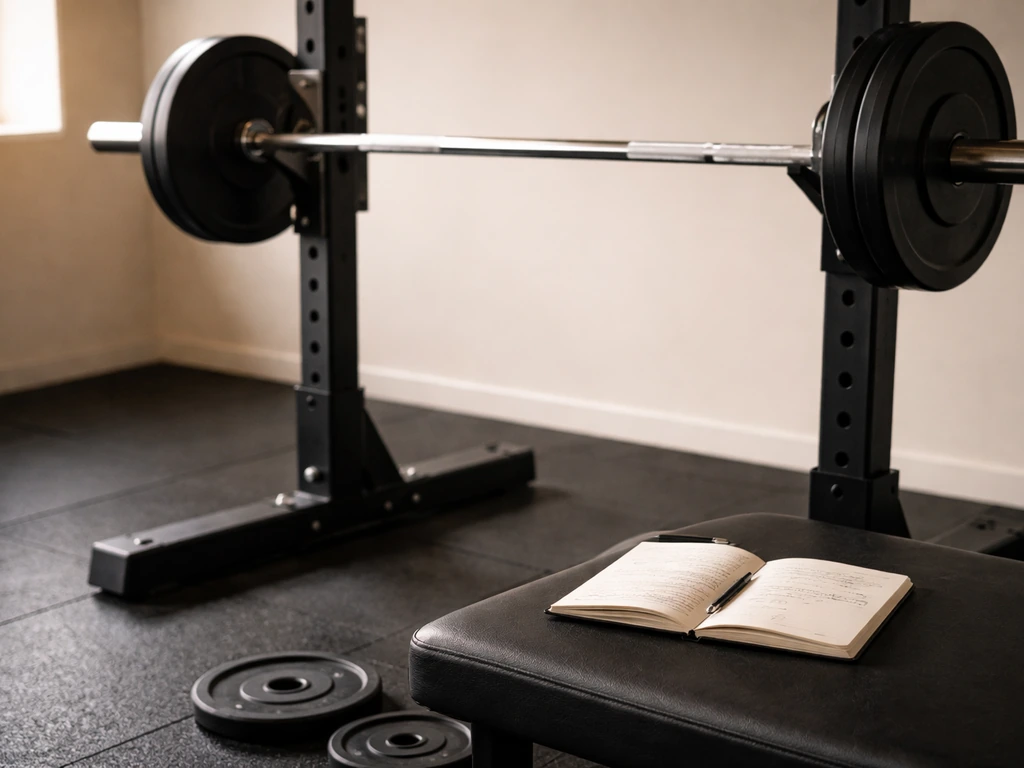
The training principles don't change because you're eating keto. Progressive overload is still the engine of muscle growth. You need to consistently add mechanical stress over time, more weight, more reps, more sets, or better technique, to keep giving your muscles a reason to grow. What keto asks you to do is manage the adaptation period intelligently instead of abandoning the approach when your squat feels heavy at week 2.
Volume and Frequency
Aim for 10 to 20 working sets per muscle group per week, split across 2 to 4 sessions. A full-body or upper/lower split 3 to 4 days per week works well. Beginners can build muscle on lower volume (even 6 to 10 sets per week per muscle) because the training stimulus is novel. More advanced lifters need more volume to keep progressing.
During the first 4 to 6 weeks on keto, you will likely see a drop in high-rep endurance and possibly your top-end strength on big compound lifts. This is normal and largely temporary. The best approach is to keep showing up, reduce workout intensity slightly if needed, focus on technique, and don't cut volume so drastically that you lose the training signal. Once fat adaptation is established, most people recover close to their previous performance levels.
Managing the Keto Adaptation Dip
Some people use targeted keto (eating 20 to 30 grams of fast carbs immediately before a heavy training session) or cyclical keto (one or two higher-carb days per week around workouts) to offset the performance hit. These are legitimate strategies, especially for more advanced lifters who push very high training intensities. If your goal is straightforward muscle gain without the complexity, standard keto is fine, just expect weeks 2 through 5 to feel harder than normal and stay the course.
Keto Nutrition Details: What to Actually Eat
Staying in ketosis while eating enough to grow muscle means building your diet around a specific food base. Here's what that looks like in practice.
- Protein sources: eggs, chicken thighs and breast, beef (ground beef, steaks), salmon and other fatty fish, Greek yogurt (full-fat, small portions), cottage cheese, canned tuna, pork tenderloin
- Fat sources: avocados, olive oil, coconut oil, butter, full-fat cheese, nuts (macadamia, almonds, walnuts — in moderation due to calorie density), natural nut butters
- Low-carb vegetables for fiber and micronutrients: spinach, kale, broccoli, cauliflower, zucchini, green beans, asparagus, cucumber, bell peppers
- Avoid: bread, pasta, rice, oats, most fruit, legumes, starchy vegetables, sweetened drinks, most packaged snacks
Electrolytes Are Non-Negotiable
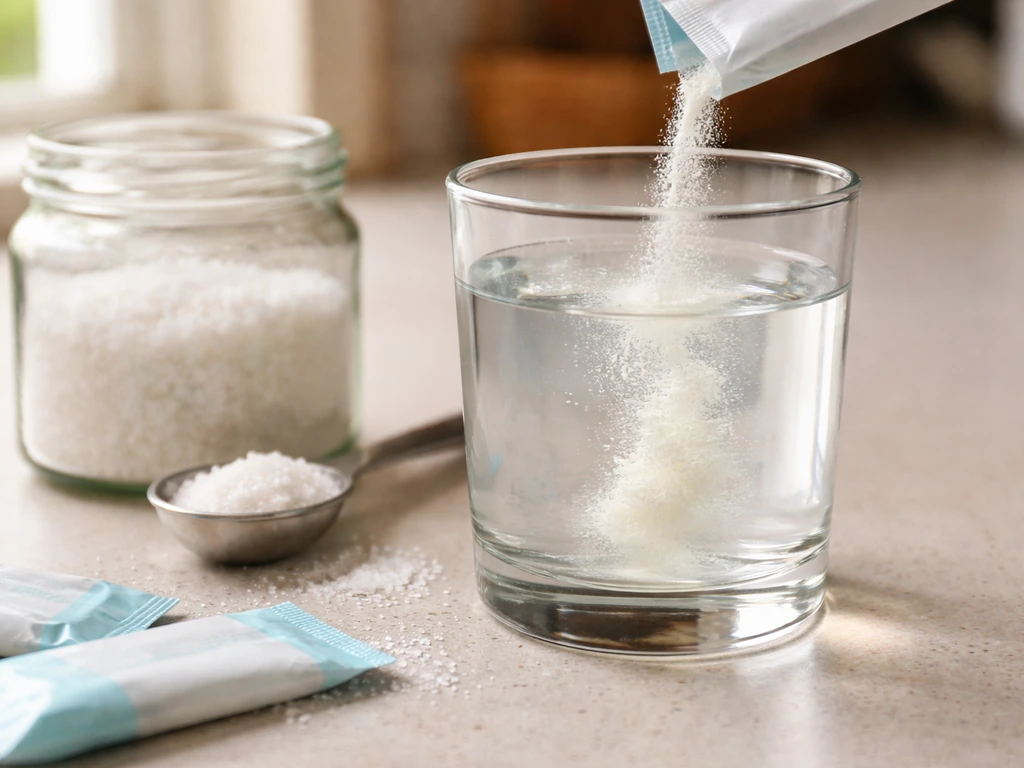
This is the most commonly ignored variable on keto and it's responsible for most of the "keto flu" symptoms people experience, fatigue, muscle cramps, brain fog, and weak workouts. When insulin is low, your kidneys excrete more sodium, which pulls potassium and magnesium out with it. You have to replace these actively.
| Electrolyte | Daily Target | Food Sources | Supplementation Note |
|---|---|---|---|
| Sodium | 3,000–5,000 mg | Salt food liberally, bone broth, pickles | Add salt to meals; consider sodium in electrolyte drinks |
| Potassium | 3,000–4,500 mg | Avocado, leafy greens, salmon, meat | Hard to supplement safely; get from whole food |
| Magnesium | 300–500 mg | Leafy greens, nuts, dark chocolate (85%+) | Magnesium glycinate or citrate supplement often needed |
Hydration matters too. Drink at least 2.5 to 3.5 liters of water per day, more on training days. Urine should be pale yellow, not clear or dark. Electrolyte tablets or powders without added sugar (look for sodium, potassium, and magnesium without dextrose) are a practical tool, especially around workouts.
Supplements and Recovery That Actually Help on Keto
Supplements don't make or break keto muscle building, but a few are genuinely useful and worth prioritizing.
- Creatine monohydrate: 3–5 grams daily is the most evidence-backed muscle-building supplement there is. It works by replenishing phosphocreatine stores, which are the first fuel used in explosive lifting. Keto depletes glycogen but not phosphocreatine — creatine still helps significantly. Take it daily, timing doesn't matter much.
- Whey protein or casein: Both are keto-compatible in reasonable amounts. Whey is fast-digesting and useful post-workout; casein is slower and useful before bed for overnight muscle protein synthesis. A 25–40g serving fits into keto macros without issue.
- Omega-3 fatty acids (fish oil): 2–3 grams of EPA+DHA daily reduces systemic inflammation, supports muscle protein synthesis, and may help with joint comfort — useful when training volume is high.
- Caffeine: A 200–400 mg dose 30–60 minutes before training is well-supported for improving workout performance, including strength and endurance output. This matters more on keto during the adaptation phase when energy levels dip.
- Vitamin D and zinc: Both support testosterone production and immune function; deficiencies are common and they're cheap fixes. Aim for 1,000–2,000 IU of vitamin D3 daily and 15–30 mg of zinc if diet is lacking.
- Electrolyte supplements: As covered above — sodium, potassium, and magnesium. Non-optional on keto.
Recovery: Sleep, Stress, and Post-Workout Nutrition
Muscle is built during recovery, not during the workout itself. On keto, this is especially true because the hormonal environment (lower insulin, elevated glucagon) means your body relies heavily on adequate sleep and protein availability to drive repair. Aim for 7 to 9 hours of sleep per night, this is when growth hormone is secreted and muscle protein synthesis peaks. A protein-rich meal or shake before bed (casein is ideal) gives your muscles amino acids through the overnight fast. Stress management matters too: chronically elevated cortisol directly suppresses muscle protein synthesis and can pull you out of ketosis if it drives glucose production via gluconeogenesis.
Common Mistakes, Myths, and How to Fix Plateaus
Myth: You Need Carbs to Build Muscle
You need protein, a training stimulus, calories, and sleep. Carbohydrates are an efficient fuel source and they do support performance, but they are not required for muscle protein synthesis. The core anabolic signaling pathway (mTOR) is activated by mechanical load and amino acid availability, not by insulin or glycogen. The research backs this up, multiple trials show meaningful hypertrophy on ketogenic diets. This is closely related to the broader question of whether you can grow muscle without carbs, and the answer is the same: yes, with the right protein and training in place. If you’re wondering whether you can grow muscle without carbs, keto can work as long as your protein and training are on point.
Myth: Keto Always Prevents Muscle Growth
This myth usually comes from people who tried keto, felt terrible for 3 weeks, lost strength, and concluded the diet doesn't work for muscle. What they experienced was the adaptation phase, not a permanent state. Once fat-adapted, most people recover the majority of their performance and continue making progress. The mistake is quitting before adaptation completes.
Common Mistakes to Avoid
- Eating too little protein: The most frequent error. If you're not hitting at least 0.7g per pound, you're leaving muscle on the table and risking lean mass loss, especially if calories are also low.
- Ignoring electrolytes: Muscle cramps, low energy, and poor workouts during keto adaptation are almost always electrolyte issues, not signs that keto doesn't work for you.
- Cutting calories too aggressively: A steep deficit on keto increases the muscle-wasting risk because your body is already managing lower glycogen. Start with a modest deficit or maintenance; don't combine aggressive cutting with keto adaptation.
- Skipping progressive overload: Eating keto won't build muscle if you're not actually giving your muscles a reason to grow. Show up, track your lifts, and add weight over time.
- Expecting immediate results: Muscle building is slow regardless of diet. Beginners might add 1–2 pounds of lean mass per month in ideal conditions; experienced lifters often see 0.25–0.5 pounds per month. Keto doesn't change this timeline significantly — it just requires an extra few weeks of adaptation at the start.
- Not tracking macros at the start: Keto has a narrow carb window (under 50g/day). Without tracking for at least the first 4 to 6 weeks, most people either accidentally eat too many carbs or chronically undereat protein. Use a food tracking app until you have an intuitive feel for your targets.
Troubleshooting Plateaus
If progress stalls after you've been fat-adapted for 6 or more weeks, run through this checklist before changing your diet dramatically. First, check that protein is consistently hitting your target, this slips more often than people realize. Second, make sure you're actually in a calorie surplus (or at least maintenance) and not gradually drifting into a deficit. If you are wondering can you grow muscle without calorie surplus, the answer depends on protein, training consistency, and whether you are truly at maintenance versus slipping into a deficit. Third, assess training: are you progressively overloading or repeating the same weights and reps for weeks? Fourth, look at sleep quality and stress levels, since both directly limit recovery and muscle growth. Fifth, check electrolytes, chronically low magnesium causes fatigue and poor performance that looks exactly like a training plateau.
A Practical Framework to Start Today

Here's a concrete starting point you can use today without overthinking it.
- Set your calories: Calculate your estimated maintenance intake (bodyweight in pounds × 15 is a rough estimate for moderately active people) and add 200–300 calories.
- Set protein first: Multiply your bodyweight in pounds by 0.8 as a starting target in grams. Adjust up to 1.0g/lb if you're older than 50 or running a slight deficit.
- Set carbs: Stay under 50g net carbs per day. Net carbs = total carbs minus fiber.
- Fill fat to meet calorie target: After protein and carbs are set, the remaining calories come from fat.
- Start creatine monohydrate: 3–5g daily, any time of day.
- Fix electrolytes: Salt your food aggressively, eat avocado daily, and take a magnesium glycinate supplement (200–400 mg) in the evening.
- Train 3–4 days per week with compound movements: squats, deadlifts, rows, presses, and pull variations. Track your weights and aim to add reps or load each week.
- Expect 4–6 weeks of adaptation: Performance will dip, then recover. Don't judge the approach until you're at the 8-week mark.
- Track progress with measurements and photos, not just scale weight: Keto can cause significant water weight loss in the first 1–2 weeks, which is not muscle loss. Use weekly body measurements and monthly photos to see actual changes in body composition.
Keto is not the fastest path to maximum muscle mass for every person, if you're an advanced lifter who trains at very high intensities, carbohydrates do offer a performance edge that compounds over time. But for the vast majority of people, including beginners, intermediates, and anyone who feels better eating lower carb, keto is a completely viable way to build real muscle. The research supports it, and plenty of people are doing it successfully. The diet isn't the obstacle, inadequate protein, skipped workouts, and not outlasting the adaptation period are. If you’re trying to build muscle while fasting, the big challenge is still getting enough protein and calories around your eating window.
FAQ
Can you grow muscle on keto if you only hit maintenance calories (not a surplus)?
Yes, but only if you can hit protein and calories consistently. If you regularly end up short on total calories (or you are not able to eat enough protein while staying under your carb limit), muscle gains will usually stall. A practical approach is to plan meals that make it easy to reach your daily protein target first, then adjust fats to reach the calorie goal.
What should I expect for strength and workouts during the first month on keto?
If you are strict keto and carbs drop under your chosen threshold, you still want to ensure your workout plan does not collapse during the adaptation phase. Many people do best by keeping loads in a “practice range” for 3 to 6 weeks, for example using slightly lighter weights or fewer high-rep sets, then gradually increasing intensity once performance stabilizes.
Is keto compatible with cutting fat while trying to keep muscle?
Yes, but the lever is usually protein, not carbs. If you are losing weight and strength is trending down for multiple weeks, you likely are slipping into an under-recovery or under-fueling situation. To preserve muscle, aim for the high end of the keto protein range and avoid pushing calories too low for long stretches, especially if you are an older lifter or prone to losing lean mass.
Why do I feel weaker and get cramps on keto even though I’m eating enough protein?
Most “keto cramps and weakness” are electrolyte and fluid issues rather than a lack of carbs. Track sodium, potassium, and magnesium, and make sure you are actually staying in ketosis while drinking enough water. As a rule, don’t wait for symptoms to start, increase electrolytes from day one of hard training and after big sweat sessions.
Should I take creatine on keto for muscle gain?
Not usually. Creatine does not meaningfully raise carbs, and it is one of the few supplements consistently shown to improve strength and training performance. Because keto can feel more challenging initially, creatine can help you keep training intensity steadier while fat-adapting.
Will targeted keto or cyclical keto help me build more muscle?
Yes, but choose the timing based on your training needs. If you feel flat during heavy sessions, targeted keto (adding a controlled amount of fast carbs before the workout) can improve session quality. If your performance is okay after adaptation, you may not need it, and keeping keto strict can be simpler for long-term consistency.
If my lift numbers drop on keto, how do I know my muscle gains are still happening?
Yes, but keto does not remove the need for progressive overload. A common mistake is changing calories or carbs while assuming training will automatically compensate. Use a clear progression system (add reps first, then load) and aim for the same or higher total weekly working sets once you feel recovered, even if your top-end strength fluctuates early on.
Can I use protein shakes on keto, and will they kick me out of ketosis?
Protein powders can make keto much easier, as long as they fit your macros. Whey is typically fine, and some people prefer it because it is simple to hit daily protein while staying under carb limits. Just watch added sugar and carb counts in flavored products, and treat them as tools to reach your protein target, not replacements for all whole-food meals.
How should I adjust my cardio and conditioning workouts while trying to grow muscle on keto?
Yes, but only if your training stimulus is still strong. During keto adaptation, high-rep endurance work may suffer first, and that can reduce total work performed. If your goal is muscle, prioritize compound lifts and hypertrophy sets you can control, then reassess conditioning training after you become fat-adapted.
How does intermittent fasting affect muscle gain on keto?
Keto can be harder to do well with intermittent fasting because you still must hit daily protein and calorie targets within a shorter window. If you use fasting, plan meals so you can still reach your protein target in the eating window, and don’t extend fasting so aggressively that weekly calories and protein drift down. The biggest risk is not ketosis, it is under-eating total nutrients.