Yes, you can absolutely build significant muscle without creatine. Creatine is one of the most researched sports supplements out there, but it is not a prerequisite for hypertrophy. The core drivers of muscle growth are progressive resistance training, enough protein, enough calories, and consistent recovery. Creatine supports those things indirectly, but it does not replace them, and you do not need it to make real, lasting gains.
Can You Grow Muscle Without Creatine? Yes, Here’s How

Marcus Kellerman
1 May 2026

What creatine actually does (and what it doesn't)
Creatine's main job is to support your ATP-phosphocreatine energy system. During high-intensity efforts like a heavy set of squats or repeated sprint-style conditioning, your muscles burn through ATP incredibly fast. Phosphocreatine helps regenerate ATP between reps and between sets, which means supplementing with creatine can help you maintain set quality and squeeze out extra reps before fatigue wins. That translates to more cumulative training volume, which over time can slightly accelerate lean mass gains.
What it doesn't do is directly signal muscle protein synthesis or act as a standalone anabolic agent. A 2023 imaging-focused meta-analysis put the pooled effect of creatine plus resistance training versus resistance training alone at roughly 0.11 on a standardized scale, with a credible interval that barely nudges above zero. A 2026 meta-analysis of 61 trials found creatine added about 1.39 kg of fat-free mass on average versus placebo, which is meaningful over a training career but represents a modest edge, not a transformation. The bottom line from the research is that creatine's hypertrophy benefits track closely with the extra training volume it enables, not some magical direct muscle-building pathway.
So when you skip creatine, what you're giving up is a small performance buffer and a modest lean mass edge. Everything else, including the actual stimulus for muscle growth, still comes from what you do in the gym and what you put on your plate. Those things are fully within your control without any supplement.
Training: how to maximize hypertrophy without creatine's performance boost
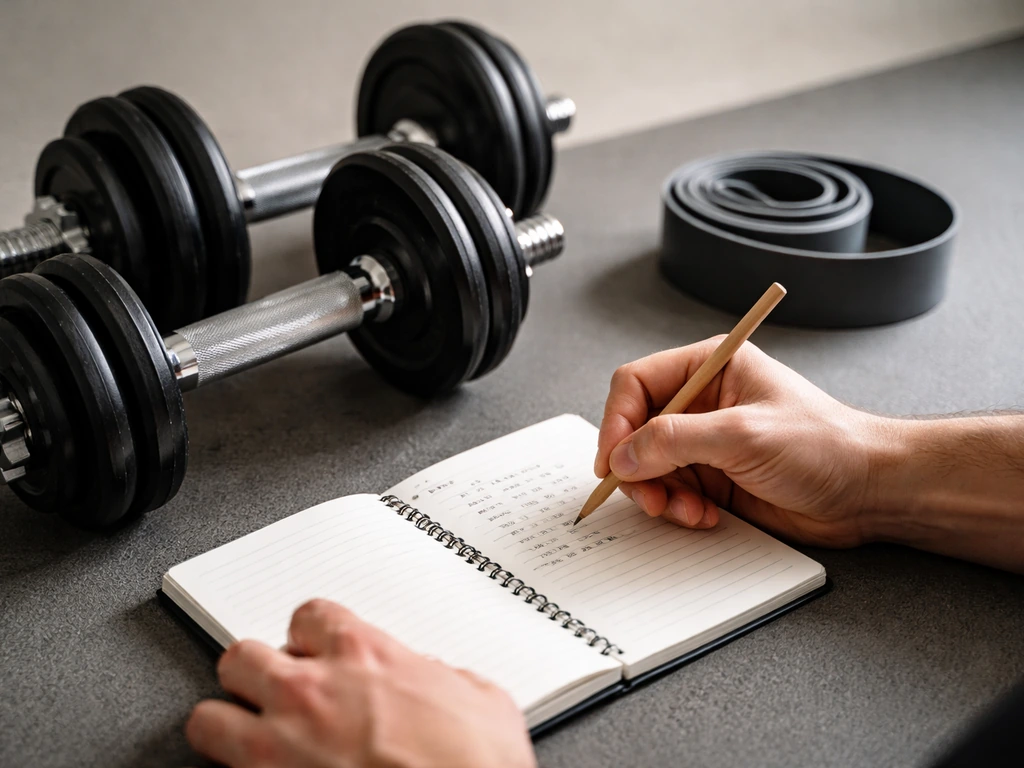
Since creatine's main contribution is helping you sustain higher training volumes and set quality, your programming needs to do that work on its own. That means being smart and intentional about progressive overload, volume, intensity, and fatigue management.
Volume and frequency
Aim to train each muscle group at least twice per week. The ACSM's updated 2026 resistance training position stand, which synthesized over 137 systematic reviews covering more than 30,000 participants, reinforces that higher weekly volume is a key driver of hypertrophy. A practical starting point is 10 to 20 working sets per muscle group per week, spread across those two or more sessions. If you're newer to training, start near the lower end. If you've been at it for a few years, you can push higher over time as your recovery capacity grows.
Sets, reps, and load

You don't need to go super heavy all the time to grow. Research supports hypertrophy across a pretty wide load range. High loads (at or above 80% of your one-rep max) and moderate loads (60 to 79%) both produce meaningful muscle growth when volume and effort are matched. Most people do well with rep ranges of roughly 6 to 15 per set, using 2 to 4 sets per exercise.
The key variable that matters more than the exact rep count is effort: you need to be working close enough to failure that the muscle is genuinely challenged. A 2022 meta-analysis confirmed that training close to momentary muscular failure, combined with sufficient volume, drives hypertrophy, though grinding to absolute failure on every set isn't necessarily superior and does add recovery cost.
Progressive overload
This is non-negotiable. Your muscles adapt to the demands you put on them, and they stop adapting when the demand stays the same. Add weight when you can, add a rep or an extra set when adding weight isn't feasible yet, and track your sessions so you know you're moving forward. Without creatine's extra rep-buffer, progressive overload becomes even more critical as your mechanism for building volume over time.
Exercise selection and rest periods

Prioritize compound movements that let you load the target muscles heavily: squats, deadlifts, rows, presses, and pull-ups form a reliable backbone. Add isolation work (curls, lateral raises, leg extensions) to fill in gaps. For rest between sets, 2 to 3 minutes on compound lifts gives phosphocreatine stores time to partially replenish even without supplementation, meaning your next set quality stays higher. You don't need creatine pills to get that benefit; just rest a little longer when the effort is high.
Nutrition: the numbers that actually drive muscle growth
Protein
This is the single most important nutrition variable for muscle growth. ISSN guidelines recommend 1.4 to 2.0 grams of protein per kilogram of body weight per day for people training to build or maintain muscle. If you're in a calorie deficit, moving toward the higher end (and even up to 2.4 g/kg) helps preserve lean mass while you're losing fat. For most people, that translates practically to something like 140 to 200 grams of protein per day at 100 kg body weight.
Spread that protein across the day rather than piling it all into one or two meals. ISSN nutrient timing guidance recommends roughly 0.25 to 0.40 grams per kilogram of body weight per meal, which for most people comes out to approximately 20 to 40 grams per sitting. Four to five protein-containing meals or snacks per day covers this comfortably. Muscle protein synthesis responds better to evenly distributed doses than to a single massive protein hit.
Calories
To build muscle efficiently, you generally need a modest calorie surplus, somewhere in the range of 200 to 500 calories above your maintenance level. A smaller surplus means slower muscle gain but less fat accumulation alongside it. If you're a beginner or returning after a long break, you can sometimes gain muscle near maintenance calories because your body is more responsive to the training stimulus. The key is that you can't consistently undereat and expect maximum hypertrophy. Muscle tissue is metabolically expensive to build, and your body needs the raw energy to do it.
Carbohydrates and hydration
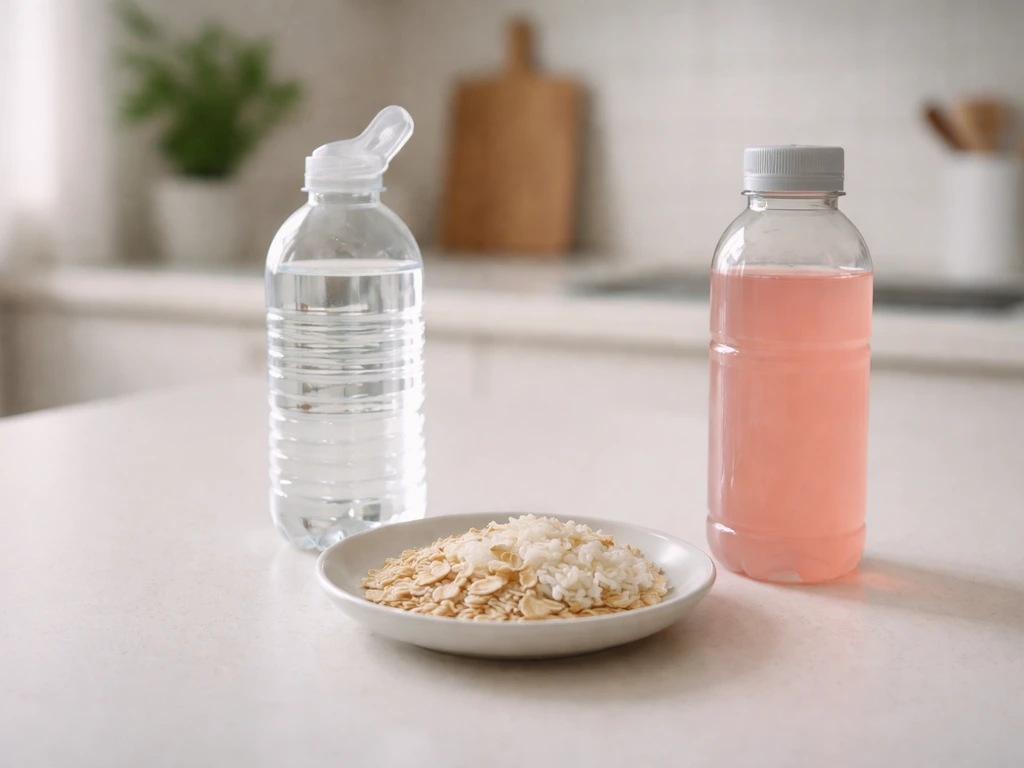
Carbohydrates are your muscles' preferred fuel for resistance training. They don't get as much attention as protein in muscle-building conversations, but glycogen availability directly affects how hard you can train and how quickly you recover between sessions. ISSN guidance on glycogen replenishment for high training volumes references daily carbohydrate intakes around 8 to 12 grams per kilogram of body weight at the higher end, though most recreational lifters don't need to go that high. A practical range for most people building muscle is 3 to 6 grams per kilogram, with more carbs on heavier training days. After training, a combination of protein and carbohydrates within roughly 30 minutes supports recovery and glycogen resynthesis.
Hydration matters more than most people realize, especially since creatine's water-retaining effect isn't in play. Aim for pale yellow urine as a simple real-world marker, and don't neglect water intake on training days.
Other supplements worth considering
If you're skipping creatine, the short list of supplements with solid evidence for muscle-related outcomes includes whey or another high-quality protein source if you struggle to hit protein targets through food, and caffeine for performance support before training. Does pre workout grow muscle in the same way? Evidence suggests it can improve workout performance, which may indirectly help you build more muscle if you train and eat for hypertrophy.
If you're wondering, the research generally shows creatine helps you grow muscle mainly by enabling a bit more training volume, not by acting as a direct muscle-building drug does creatine grow muscle. Vitamin D and omega-3s are worth addressing if your diet or sun exposure is limited, particularly for older adults. Nothing else in the supplement aisle is close to as well-supported as those, and none of them replace the basics.
Recovery: what matters more when you're not using creatine

Creatine gives you a small buffer on performance between sessions. Without it, the other recovery inputs become more important, not because muscle growth is fundamentally different, but because you have a narrower margin for error.
Sleep
Sleep is where a significant portion of muscle repair and hormonal recovery happens. Seven to nine hours per night is the practical target for most adults. Research links poor sleep to elevated cortisol and disrupted anabolic signaling, both of which work against muscle growth. If your sleep is consistently under six hours, no training program or supplement is going to fully compensate for that.
Stress management
Chronically elevated cortisol from psychological stress or excessive training load can impair muscle protein synthesis and recovery. You don't need to meditate for an hour every day, but keeping life stress in check, avoiding dramatically overtraining, and building in deload weeks every 4 to 8 weeks of hard training are practical tools. Think of deload weeks as planned recovery, not weakness. They let your nervous system and connective tissue catch up with the workload.
Weekly workload and fatigue management
More volume isn't always better. There's a point of diminishing returns, and beyond that, a point where more training volume is actively hurting your recovery and slowing progress. The umbrella review on resistance training variables makes clear that you need to match volume and intensity to what your recovery capacity can actually handle. A good heuristic: if your performance is consistently declining across a training block and sleep and nutrition are fine, you're probably doing too much. Pull back before adding more.
How this looks different across experience levels
| Experience level | Creatine's relative impact | Key focus without creatine |
|---|---|---|
| Beginner (0–1 year) | Low: rapid newbie gains happen regardless | Learning movement patterns, hitting protein, training 3x/week |
| Intermediate (1–3 years) | Moderate: small edge on volume capacity | Progressive overload, structured volume, sleep quality |
| Advanced (3+ years) | More noticeable: harder to add volume | Periodization, managing fatigue, precise nutrition targets |
| Older adults (50+) | Potentially helpful for strength, but not essential | Consistent training, higher protein end (1.6–2.2 g/kg), recovery prioritized |
Beginners have the most to gain from training itself, and creatine adds proportionally little on top of that. The 2026 meta-analysis noted that novices typically show larger responses to creatine than experienced lifters, but that's largely because novices are gaining more overall. If you're brand new, just train consistently and eat enough protein. You'll grow.
Older adults shouldn't assume muscle growth is off the table without creatine either. Age is context, not a barrier. The training and nutrition fundamentals still work. Recovery may take a bit longer, protein needs lean toward the higher end of the range, and consistency over time matters even more than any single supplement decision.
When it still makes sense to use creatine
Even though you don't need creatine to build muscle, there are situations where adding it makes practical sense, and being honest about that matters.
- You're an intermediate or advanced lifter looking for a small but real edge on training volume and strength output.
- You're in a hard training block where maximizing performance across multiple sessions per week is a priority.
- You eat little to no red meat or fish (vegetarians and vegans tend to have lower baseline muscle creatine stores and often respond more to supplementation).
- You're an older adult focused on preserving or building strength, since there's decent evidence for creatine's role in this population alongside resistance training.
- You've already dialed in sleep, nutrition, and progressive overload and want to add a low-cost, low-risk performance layer.
If you do decide to use it, creatine monohydrate is the form with the best evidence. You can load at around 0.3 grams per kilogram of body weight per day for 5 to 7 days to saturate stores faster, then drop to a maintenance dose of 3 to 5 grams per day. Or you can skip the loading phase and just take 3 to 5 grams per day from the start, reaching similar saturation in 3 to 4 weeks. ISSN's position stands consistently rate creatine monohydrate as safe in healthy adults across a wide range of doses and durations, including studies tracking use for up to 5 years.
The caveats: if you have existing kidney disease, talk to your doctor before using creatine. The evidence on renal safety is generally reassuring in healthy people, but kidney-compromised individuals are a different population and the research there is more limited. Creatine is also not recommended for children or teenagers, per the American Academy of Pediatrics and ACSM guidance. Beyond those groups, the safety profile in healthy adults is well-established.
Your practical starting point today
If you want to build muscle without creatine, here is what to actually do. If you want a simple plan, focus on progressive overload, enough protein and calories, and recovery habits instead of relying on supplements build muscle without creatine. Train each muscle group at least twice a week, using 10 to 20 sets per muscle group spread across those sessions. Work close to failure without grinding every set to absolute failure.
Add load or reps over time, consistently. If you do not have access to weights, you can still grow by using bodyweight exercises and progressive overload with harder variations and higher reps. Eat 1. 4 to 2.
0 grams of protein per kilogram of body weight per day, spread across 4 to 5 meals. Eat enough calories to support a small surplus if gaining is the goal. Prioritize carbohydrates around training. Sleep 7 to 9 hours.
Manage your weekly volume so you're recovering between sessions, not just surviving them.
That framework is not missing creatine. It is the framework. Creatine is an add-on to an already-working system, not the foundation of one. Get the fundamentals right and you'll build real muscle, with or without it. If you are also asking can you grow muscles without protein, the same training and calorie basics still matter, and protein targets are simply a key nutrition lever to hit with or without it. Yes, you can grow muscle without weights by using your training structure to progressively increase effort, sets, and reps over time build real muscle, with or without it.
FAQ
If I stop creatine, will I lose muscle I already built?
Yes, you can. If you skip creatine, the main risk is not “no muscle,” it is getting less performance per workout, which can reduce the weekly volume you can recover from. Make progressive overload more deliberate (add reps first, then weight), keep rest intervals at least 2 to 3 minutes on big lifts, and consider an auto-regulation approach (stop most sets with 1 to 3 reps in reserve, not to absolute failure) so you can repeat high-quality training week after week.
What happens to my strength and scale weight if I quit creatine?
You might notice temporary changes in scale weight and sometimes training feel, but you are not “undoing” muscle. Creatine increases stored muscle water, so when you stop, the scale can drop (often within days to a couple of weeks) while your actual lean tissue remains. Your bigger determinant for long-term gains will be whether your training volume and recovery stay consistent.
Do I need creatine if my workouts are mostly cardio or endurance training?
For the performance side, creatine mainly helps high-intensity, repeat-effort work where ATP regeneration between sets matters. If your training is mostly low-intensity, long-duration, or very slow strength work with long rests, the benefit may be smaller. You still can gain muscle, but the “extra reps buffer” creatine provides is less relevant when sets are not limited by repeated high-intensity output.
Can I replace creatine with caffeine for muscle growth?
Creatine and caffeine can both be used, but they do not replace each other. If you use caffeine, keep the dose moderate and consistent (for many people, roughly 1 to 3 mg per kg before training) and avoid taking it so late that it shortens sleep. Since you are skipping creatine, protecting sleep and workout quality becomes even more important, so caffeine timing and total daily intake matter.
What supplements should I prioritize if I am skipping creatine?
If you are taking other supplements for “energy” or “pump,” check whether they actually help you train harder. Many products mainly affect feel-good effects, not hypertrophy drivers. A simple decision rule: prioritize supplements that let you hit your protein target and maintain performance, for example caffeine for workout output, and protein powder only if food intake falls short.
If creatine is optional, does it mean more protein can fully replace it?
Not directly. Increasing protein helps, but bodybuilders sometimes expect creatine-like results from more protein, and that is a mistake. If you are not reaching your protein and calories, fix those first. Then, if you still struggle to add weight or reps, adjust your program (weekly sets, effort, and progression rules) before adding another “performance” supplement.
Should I skip creatine as a beginner, or start it anyway?
Creatine is not required for beginners, and its incremental benefit tends to be smaller because early gains come mostly from learning the lifts and rapidly improving training stimulus. If you are brand new, focus on building consistency, hitting protein, and adding load or reps over time. If you later become more advanced and your workouts are consistently high-intensity with short rests, creatine becomes more likely to help indirectly via extra volume.
Is it safe to skip creatine and focus on other supplements if I have kidney concerns?
If you have kidney disease, you should not use creatine without medical guidance. Even with normal kidney function, it is smart to avoid stacking multiple high-dose “renal stress” supplements, and to stay hydrated. If you are healthy, the evidence for creatine monohydrate safety is reassuring, but with kidney-compromised individuals, the situation is different.
Does not taking creatine change how I should time protein and carbs?
If your goal is muscle gain, higher protein consistency is usually more important than timing hacks. With or without creatine, a practical approach is 4 to 5 protein feedings per day, each sized so you can reach roughly 20 to 40 grams per meal for most people, then carbohydrate around training to help you maintain effort. The “close to failure” guideline matters more than the exact time you take a supplement.
When would skipping creatine hurt my results the most?
Yes, there are specific cases. If you are injured, overreached, or consistently missing sessions, you may not be able to generate the training stimulus needed for growth, so creatine would not fix that. In those cases, the highest ROI moves are reducing volume temporarily, improving sleep, and restoring progression quality. If your recovery is capped, creatine’s performance buffer will not compensate for poor recovery.
How can I tell if skipping creatine is affecting my training volume?
A safe approach is to treat your first 2 to 4 weeks without creatine as a “baseline adjustment” period. Track reps, total working sets, and how many sets feel like they are falling apart early. If you cannot maintain the same weekly volume, adjust by lowering load slightly, increasing rest, or reducing set count for a week so you can rebuild performance quality.