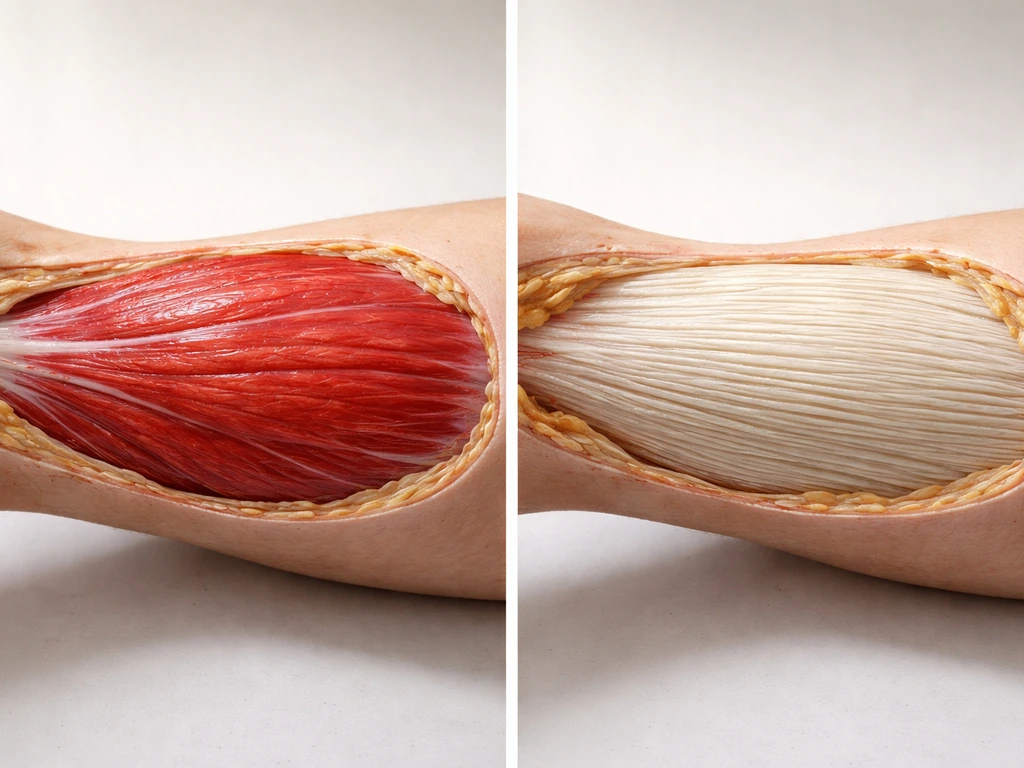
Yes, creatine does help grow muscle, but with an important nuance: it doesn't directly build muscle the way protein does. What it does is let you train harder, recover faster between sets, and accumulate more total volume over time, and that extra work is what drives the extra muscle. The research is about as clear as it gets in sports nutrition. A 2024 systematic review found that creatine combined with resistance training produces roughly 1 kg more lean mass gain than resistance training alone, alongside a modest reduction in fat mass. That's a meaningful edge, not a rounding error.
Does Creatine Grow Muscle? Evidence, Dosing, and Results

Marcus Kellerman
3 Apr 2026
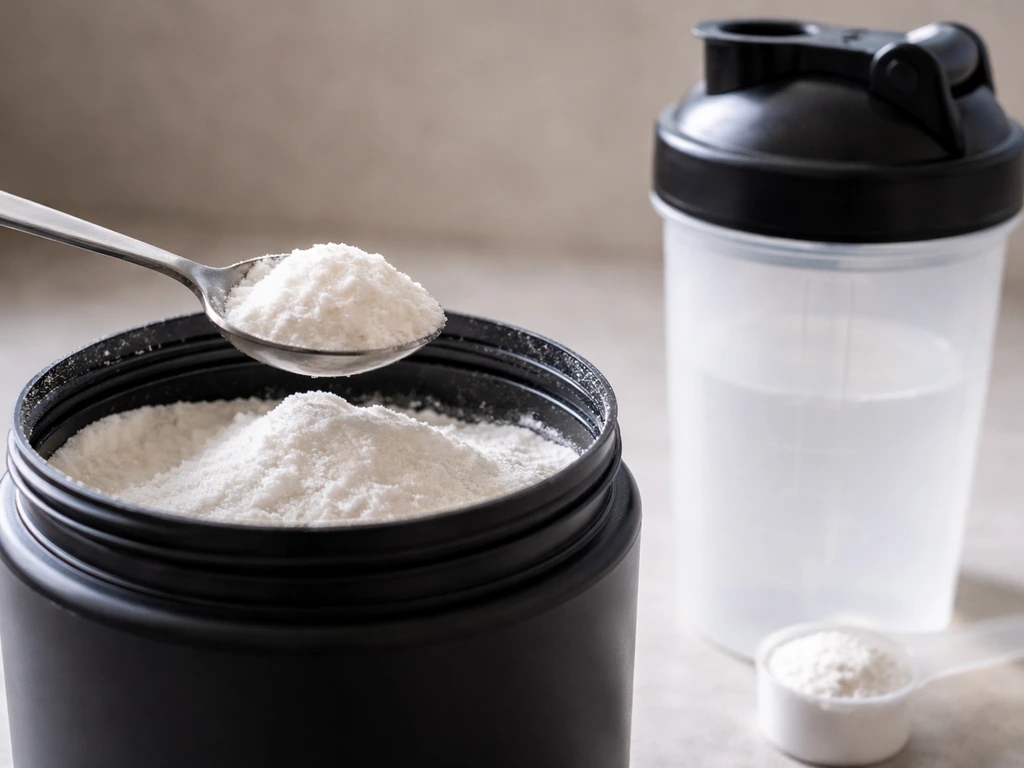
Does creatine actually increase muscle growth
The short answer is yes, and the effect is real enough that it shows up consistently across meta-analyses. A 2024 meta-analysis confirmed creatine improves both upper- and lower-body strength and muscular power when combined with resistance training. An older but well-designed 2003 meta-analysis reported effect sizes around 0.26 for body composition changes, and those numbers have held up in more recent pooled data.
What creatine doesn't do is build muscle on its own. A 2025 RCT that ran participants through creatine supplementation with and without resistance training showed the lean-mass gains were significantly better when training was in the mix. The supplement amplifies the stimulus; it doesn't replace it. If you're wondering whether you need it at all, that's a fair question, and the honest answer is that you can grow muscle without creatine, but the research consistently shows you'll likely grow more with it when you're already training hard.
How creatine works inside your muscle
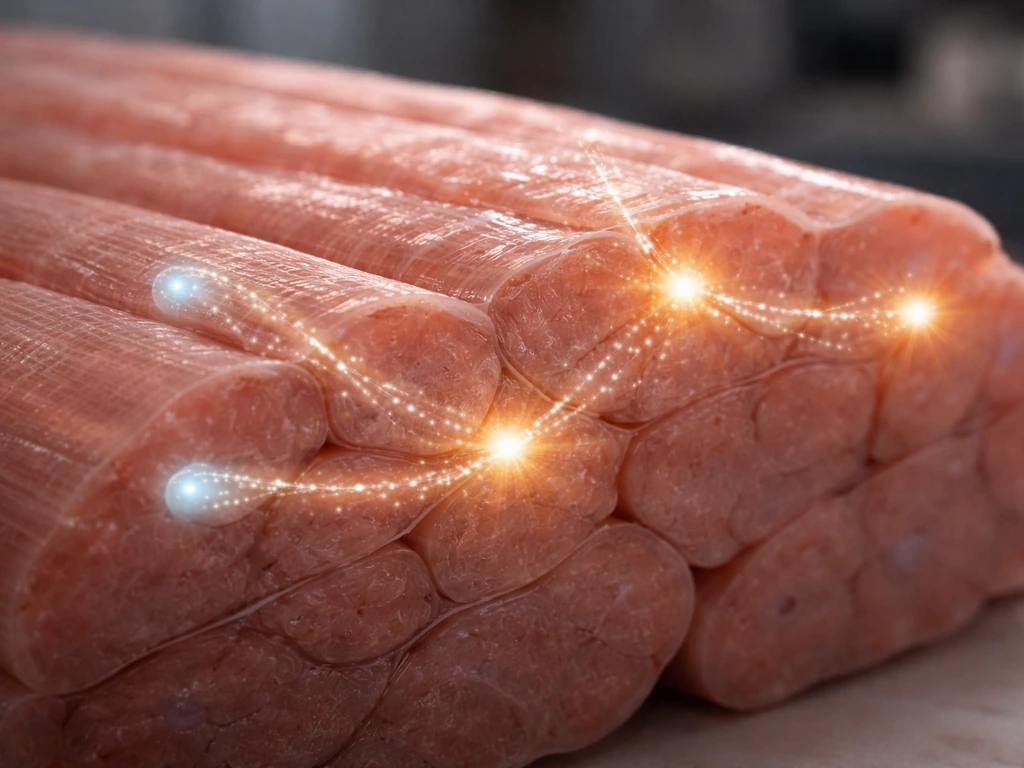
Your muscles store a compound called phosphocreatine, which is used to rapidly regenerate ATP during short, explosive efforts like a heavy squat set or a sprint. When those stores are depleted, you slow down or stop. Creatine supplementation increases both total creatine and phosphocreatine in muscle tissue, which extends how long you can sustain high-intensity output before fatigue sets in. That means more reps at a given weight, better performance across multiple sets, and more total training volume, which is one of the biggest drivers of hypertrophy.
A gradual low-dose protocol of 3 g per day for 28 days has been shown to produce about a 20% increase in muscle total creatine, which confirms that even modest daily intake meaningfully expands the creatine pool. One practical detail worth knowing: taking creatine alongside carbohydrates increases muscle creatine accumulation by roughly 60% compared to taking it alone, likely because the insulin response upregulates creatine transporter activity. You don't need to obsess over this, but pairing your dose with a meal that contains carbs is a smart habit.
How fast results actually show up
Here's the honest timeline. In the first one to two weeks, especially if you use a loading phase, you'll often notice your muscles looking and feeling slightly fuller. That initial effect is largely water retention inside the muscle cells, not new muscle tissue. Your strength and rep counts in the gym tend to improve within the first two to four weeks as your phosphocreatine stores reach saturation. Visible muscle size changes from the extra training volume take longer, typically six to twelve weeks of consistent training and nutrition.
So when people ask whether creatine makes muscles grow faster, the accurate answer is: it accelerates the training quality that leads to growth, not the biological process of muscle protein synthesis itself. You still need progressive overload, adequate protein, and enough calories. The creatine just helps you do more work in each session, and over months that compounds into meaningfully more muscle.
How to take creatine for maximum muscle gains

Loading vs. skipping the loading phase
The International Society of Sports Nutrition recommends a loading protocol of 5 g taken four times per day (roughly 0.3 g per kg of bodyweight per day) for five to seven days, followed by a maintenance dose of 3 to 5 g per day. Loading saturates your muscle creatine stores in about a week rather than three to four weeks. If you want results as quickly as possible, loading makes sense. If you're okay waiting a few extra weeks to see the full effect, skipping loading and going straight to 3 to 5 g daily works just as well long-term, the timeline is just slower.
Some people find that 20 g per day during the loading week causes mild gastrointestinal discomfort. If that's you, splitting into four 5 g doses spread throughout the day usually solves it. After loading, maintenance is straightforward: your muscle stores turn over at roughly 1 to 3 g per day depending on your muscle mass, so 3 to 5 g daily keeps you saturated.
Timing: does it matter when you take it

Honestly, timing is a minor detail compared to consistency. A well-designed RCT comparing pre- versus post-workout creatine found no clear winner for either body composition or strength outcomes over four weeks of training. A separate review reinforced that conclusion: daily total intake and keeping your stores saturated matters far more than whether you take it 30 minutes before or after a session. That said, taking it around your workout (either pre or post) with a meal containing carbs is a practical habit that may slightly support uptake. If you miss your workout window, just take it whenever. Missing a day entirely won't hurt you, but inconsistency over weeks will blunt the benefit.
Which creatine to buy
Creatine monohydrate is the default, and there's no serious reason to deviate from it for most people. It's the most studied form by a significant margin, it's inexpensive, and the research on strength and body composition is built almost entirely on monohydrate. A placebo-controlled RCT directly comparing creatine monohydrate to creatine hydrochloride in elite team-sport athletes found no meaningful advantage for the hydrochloride form on strength or body composition outcomes. The premium forms, including buffered creatine, kre-alkalyn, and various proprietary blends, cost more and are backed by far less evidence.
When evaluating specific products, look for third-party testing certifications (NSF Certified for Sport or Informed Sport are the gold standards), a label that lists only creatine monohydrate without unnecessary fillers, and a dose of 3 to 5 g per serving. Micronized monohydrate mixes more easily in water, which is a legitimate quality-of-life improvement over standard monohydrate if you find the powder clumps. Both forms perform the same way in the body. Avoid products that hide the creatine dose inside a proprietary blend or that charge a significant premium for forms that don't have meaningfully better evidence.
| Form | Evidence quality | Cost | Practical notes | Verdict |
|---|---|---|---|---|
| Creatine monohydrate | Excellent (hundreds of trials) | Low | May clump in water; standard and micronized both work | Best choice for most people |
| Micronized monohydrate | Excellent (same as above) | Low to moderate | Mixes more easily, same efficacy | Good option if mixing is an issue |
| Creatine hydrochloride (HCl) | Limited | High | Marketed as better absorption; RCT shows no strength/body comp advantage | No clear reason to choose it |
| Buffered creatine (Kre-Alkalyn) | Very limited | High | Marketing claims not well supported vs monohydrate | Skip it |
| Creatine ethyl ester | Poor | Moderate to high | Degrades to creatinine faster; inferior to monohydrate in direct comparisons | Avoid |
Who benefits most, and who should be careful

Creatine tends to produce the biggest relative gains in people who start with lower baseline muscle creatine stores. That includes vegetarians and vegans, who get little to no dietary creatine since it's found almost exclusively in meat and fish, and people who are newer to resistance training, where the combination of a novel training stimulus plus enhanced work capacity creates a powerful growth environment. Experienced lifters still benefit, but the effect size is somewhat smaller because their stores are already partially elevated from years of high-volume training.
Older adults are a group where the evidence is particularly compelling. Meta-analytic data shows that creatine combined with resistance training increases lean tissue mass and upper-body strength in older adults with high probability. Lower-body strength results are more mixed across studies, but the overall picture supports creatine as a genuinely useful tool for muscle preservation in aging. If you're an older adult looking to hold on to muscle mass and functional strength, creatine deserves a serious look alongside a well-structured training program.
On the caution side: if you have pre-existing kidney disease or significant impairment, talk to your doctor before starting. Creatine raises serum creatinine (a standard kidney marker), which can look alarming on bloodwork even though it doesn't reflect actual kidney damage. A systematic review and meta-analysis confirmed that creatine supplementation does not adversely affect glomerular filtration rate in healthy individuals, and novel kidney biomarker research has supported this further. But if your kidneys are already compromised, you're working with less margin, so get medical input first. The same applies if you're on medications that affect kidney function.
Creatine vs other supplements, and why the basics still matter most
Creatine is one of the few supplements with a genuinely strong evidence base for muscle growth, but it's worth understanding what it does and doesn't do compared to other options. Protein, for example, works through a completely different mechanism: it supplies the amino acids needed for muscle protein synthesis. Creatine doesn't do that. A network meta-analysis comparing creatine, protein, and omega-3 supplementation supports the idea that creatine and protein address different limiting factors, which is why stacking them can make sense. That said, combining creatine with whey protein doesn't consistently produce extra gains beyond each on its own in all populations, so you don't need both to see results.
Pre-workout supplements are a common comparison point too. If you're wondering whether pre-workout helps grow muscle the same way creatine does, the answer is more complicated: many pre-workouts contain creatine, but their other ingredients (caffeine, beta-alanine, etc.) don't directly drive hypertrophy the way creatine's work-capacity enhancement does. There's actually some evidence that caffeine and creatine can interfere with each other when taken together, with two studies in a systematic review reporting reduced creatine benefits when high-dose caffeine was co-ingested, though other studies showed no interaction. If your pre-workout contains both, it's probably not a major issue at typical doses, but it's worth being aware of.
The bigger point is this: creatine is a valuable tool, but it's operating on top of a foundation that matters far more. Progressive overload in training is the primary driver of muscle growth, and no supplement replaces it. Adequate protein is essential too; if you're not eating enough to support muscle protein synthesis, creatine won't compensate.
If you want to understand just how central protein is to this whole process, the question of whether you can grow muscles without protein gets at the core of the biology. And if you're interested in how much you can build with bodyweight work or minimal equipment, understanding whether you can grow muscle without weights puts creatine's role in broader context, since the same work-capacity mechanism applies to any form of resistance.
Creatine fits best as part of a complete approach: you're training with progressive overload, eating enough protein (roughly 1.6 to 2.2 g per kg of bodyweight is the standard evidence-based range), sleeping and recovering adequately, and then using creatine to squeeze more performance out of each session. If those foundations are shaky, fixing them will do more for your muscle growth than any supplement. Building muscle without relying on supplements is genuinely possible, which should tell you something about how to prioritize. Once the basics are solid, creatine monohydrate at 3 to 5 g per day is one of the most cost-effective additions you can make.
Your practical next steps
If you're ready to add creatine, here's what I'd actually do. Start with 5 g of creatine monohydrate daily if you want a simple no-loading approach, or use a loading phase (20 g split into four doses per day for five to seven days) if you want faster saturation. Take it with a meal that includes carbohydrates. Don't stress about timing relative to your workout. Look for a monohydrate product with third-party testing, and ignore the fancy forms unless you have a specific reason to try them. Give it at least eight to twelve weeks before evaluating results, because that's how long it takes for the compounded training volume to show up as visible size changes.
One more thing worth mentioning for anyone training without access to a full gym setup: the mechanism is the same regardless of your training style. Whether you're lifting barbells or using creative methods to grow muscle without traditional weights, creatine improves your capacity for high-intensity repeated efforts, and that transfers to any form of demanding resistance work. The supplement doesn't care what equipment you use; it just helps you do more of whatever hard thing you're already doing.
FAQ
If I take creatine but don’t lift heavy, will it still help me grow muscle?
Yes, but the benefit depends on whether you are already doing resistance training. If you take creatine but do not progressively overload (more reps, more sets, or more weight over time), you may feel a bit fuller and stronger temporarily, but you are unlikely to gain meaningful muscle.
Does creatine make you gain fat or just water weight at the beginning?
Creatine can increase scale weight because of water stored inside muscle cells, especially in the first 1 to 2 weeks. That is not fat gain, but it can mask whether you are actually gaining lean mass early on.
How long until I notice muscle growth from creatine, if I don’t use a loading phase?
Your body needs time to saturate. If you skip loading, expect strength and rep improvements in about 2 to 4 weeks, while visible muscle size changes usually take around 6 to 12 weeks of consistent training.
Should I use creatine loading to grow muscle faster, or is it unnecessary?
Loading is not required, but it saturates muscle creatine faster, often within about a week. If you get stomach upset with higher doses, you can reduce the load and still build stores over time.
What’s the best time to take creatine, before or after my workout?
Most people benefit from 3 to 5 g per day regardless of meal timing. Taking it with a carb-containing meal can slightly improve uptake, but if your schedule is inconsistent, missing the “window” matters far less than total daily consistency.
What happens if I miss days of creatine? Will I lose my progress?
If you miss a dose occasionally, it is not a problem. The main issue is staying saturated over weeks, so aim to hit your daily target most days and restart where you left off if you take a short break.
Do I need to cycle creatine on and off?
You generally do not need to cycle creatine. For most lifters, keeping a steady maintenance dose is what sustains muscle phosphocreatine levels that support high-quality training.
Will creatine work better for vegetarians or vegans than for omnivores?
Yes, but people starting with low baseline creatine, such as vegetarians and vegans, often see a more noticeable change. Their muscle stores may rise more quickly because dietary creatine is typically minimal.
Does creatine replace protein, or should I still hit my protein target?
Generally, creatine is fine to combine with protein, and stacking them addresses different limiting factors, protein for building blocks and creatine for training work capacity. But if calories and protein are low, creatine cannot compensate for the lack of nutrients.
How do I avoid buying a low-quality creatine product?
Third-party testing reduces the risk of contamination or incorrect labeling, which matters because some products include extra ingredients or unclear dosing. Look for a clear “creatine monohydrate” label and a straightforward per-serving dose.
Is creatine safe for people with kidney concerns or abnormal lab results?
If you have kidney disease or significant kidney impairment, discuss creatine with your clinician first. Creatine can raise serum creatinine on labs, which can look concerning even when kidney filtration is unchanged.
Does creatine work for older adults, even if their recovery is slower?
Yes, creatine can help older adults, especially when paired with resistance training. Evidence for upper-body strength and lean mass is stronger than for lower-body outcomes, so pairing with a progressive lower-body program is still important.
Is creatine enough for performance, or do I need a pre-workout too?
If your goal is muscle growth, creatine is not the same as pre-workout. Pre-workouts may include stimulants and other ingredients, but creatine’s role is specifically boosting repeated high-intensity output, so you should still focus on training volume and progressive overload.