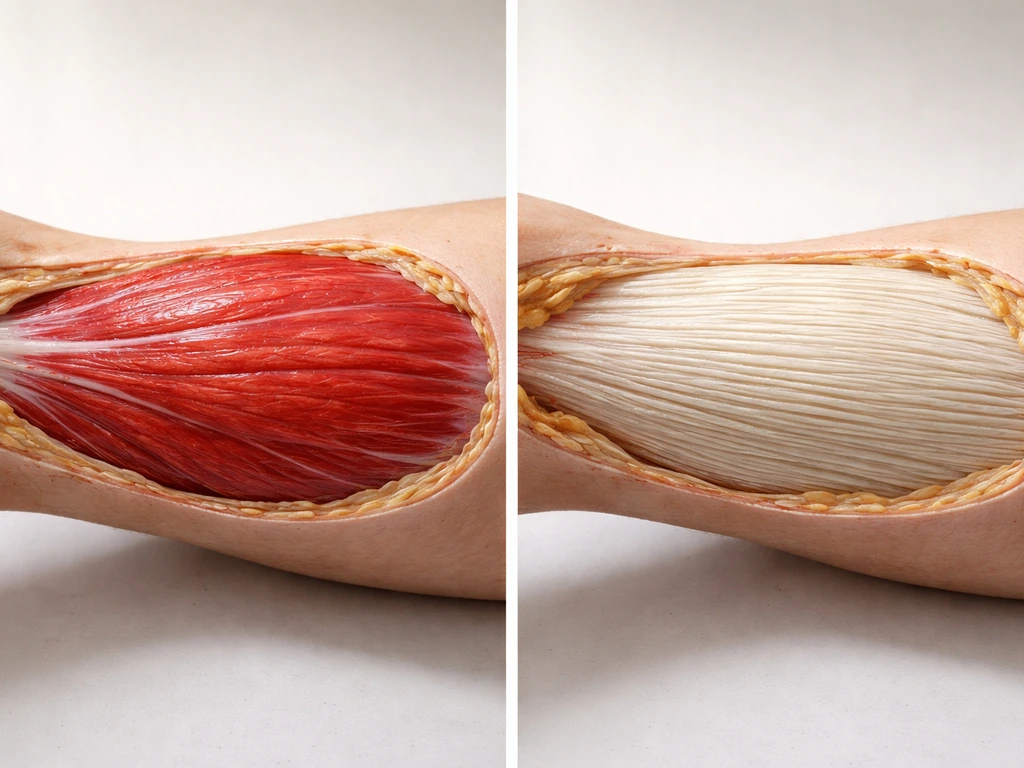
The muscles that grow the fastest under real gym conditions are, broadly speaking, the quadriceps, glutes, chest (pectoralis major), and upper back. These aren't random picks. They share a few key traits: large cross-sectional area, a high proportion of fast-twitch fibers, and relatively straightforward loading mechanics that let you apply progressive overload consistently. If you're a beginner, you'll likely see noticeable changes in these groups within 6 to 12 weeks of structured training. If you're more advanced, they still respond faster than notoriously stubborn muscles like calves or forearms.
What Muscles Grow the Fastest in the Gym

Marcus Kellerman
6 Apr 2026

The fastest-growing muscle groups (and why they grow more)
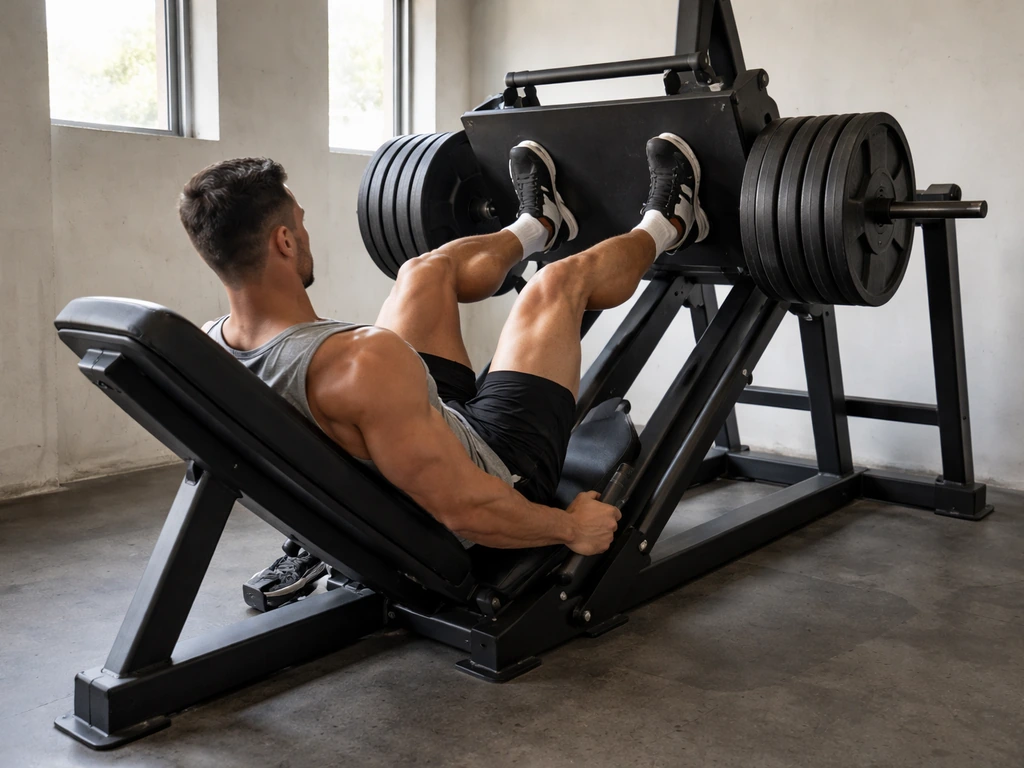
Size potential and growth speed aren't the same thing, but they're related. The muscles that grow fastest tend to be large, multi-joint muscles that you can load heavily, take through a full range of motion, and hit with enough volume to drive a strong hypertrophic stimulus. Here's what consistently sits at the top of the list and why.
- Quadriceps: The quads are among the largest muscle groups in the body. Squats, leg press, and hack squats let you load them through a substantial range of motion with heavy weight, and they respond quickly to both mechanical tension and metabolic stress. Untrained individuals frequently see measurable increases in vastus lateralis cross-sectional area within 8 weeks of training.
- Glutes: The gluteus maximus is the single largest muscle by volume. Hip thrusts, Romanian deadlifts, and squats give you multiple angles to drive mechanical tension into a well-perfused, highly innervated muscle. Growth response is strong and relatively fast when loaded properly.
- Pectoralis major (chest): Research using ultrasound tracking shows pec thickness can increase detectable amounts within just the first week of bench press training in untrained individuals. The muscle has a large surface area and responds well to pressing and fly variations.
- Upper back (lats, traps, rhomboids): The back muscles are a collection of large, layered tissues. Rows and pulldowns let you load them at multiple joint angles, and beginners almost always see fast upper-back development when they program pulling movements with intent.
- Shoulders (deltoids, particularly anterior and lateral heads): The deltoids respond quickly because they're recruited across most pushing and pulling patterns. They're hit from multiple angles during compound work and grow noticeably within a few months of consistent training.
To be clear, there's meaningful individual variation here. Your genetics, training history, limb lengths, and even how you've used your body outside the gym all affect which muscles respond first. Someone with long femurs may find squats less quad-dominant; someone who has done a lot of manual labor may have a more developed back baseline already. That said, the groups above are consistently fast responders across most people and most studies.
Anatomy of growth: fiber types, leverage, and training stimulus
Understanding why certain muscles grow faster helps you apply the logic to your own situation instead of just following a list. Three factors matter most: fiber type composition, mechanical leverage, and how well you can actually load the muscle with quality tension.
Fiber type composition
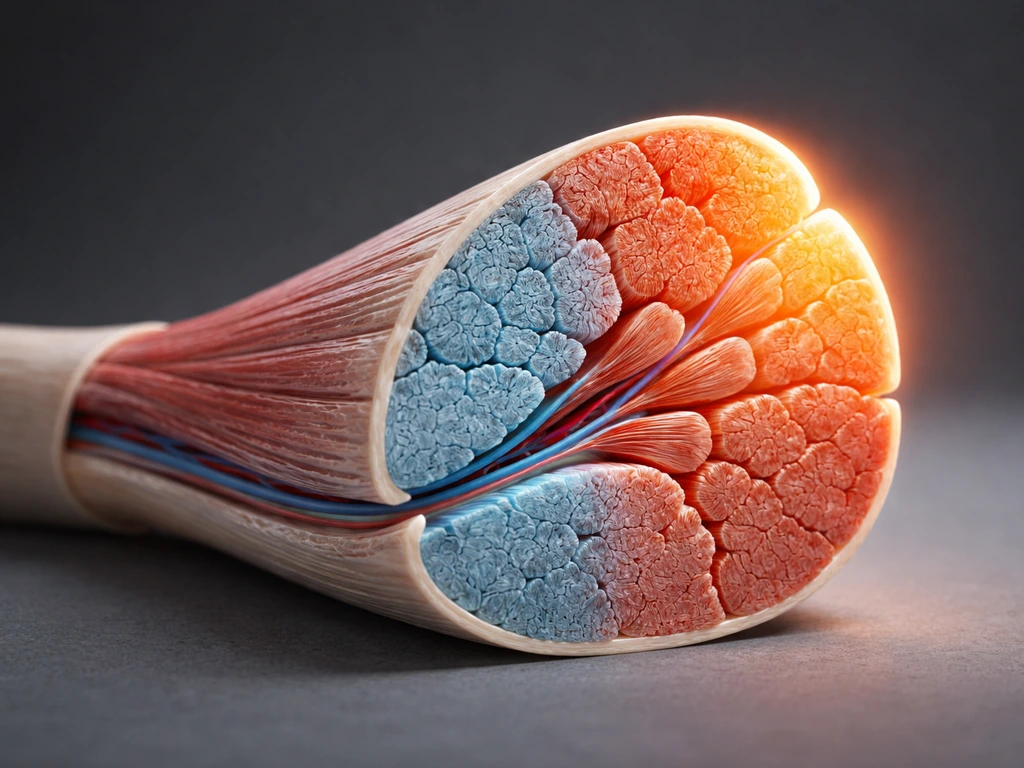
Muscles with a higher proportion of type II (fast-twitch) fibers tend to show faster visible hypertrophy because type II fibers have a greater capacity for growth per fiber. The quads, chest, and glutes are relatively type-II dominant compared to muscles like the soleus (calf) or deep spinal erectors, which lean more type I. That said, the evidence is clear that both fiber types respond to resistance training. A well-designed meta-analysis found no significant differences between low-load and high-load training for hypertrophy of type I and type II fibers, meaning it's the quality of the stimulus and the effort level, not just the load, that matters. The practical takeaway: train hard enough to push toward muscular failure and you'll recruit and stress both fiber types regardless of the rep range you're using.
Leverage and joint mechanics
Some muscles sit at a natural mechanical advantage for loading. The quadriceps, for example, can be loaded through a long range of motion under heavy external resistance in a stable position (think: seated leg extension or leg press), making it easy to apply large amounts of tension across the full muscle belly. Compare that to the biceps brachii, where the peak moment arm is narrow and isolation is harder to achieve under heavy load. Ultrasound data from bench press training actually backs this up: pec thickness increased from week one in untrained subjects, while biceps thickness showed no clear detectable change over the same period, even though the biceps were recruited as a secondary mover. Muscles you can isolate and load through their full range of motion simply accumulate more training stimulus per session.
Hardest vs. easiest growers
It's worth knowing where the fast growers sit on the spectrum. If you want to understand the full picture, which muscles are the easiest to grow and which are the hardest to develop are two sides of the same question. Generally, muscles that are easier to grow share the traits above: large, loadable, type-II fiber rich. Muscles that are hard to grow (calves, forearms, rear delts) tend to be more endurance-oriented, harder to isolate, or difficult to load progressively.
Gym-relevant picks: muscles that respond best to common training setups

Theory is one thing. What actually works in a standard commercial gym is another. Here's how the fast-growing muscles map to the equipment most people have access to.
| Muscle Group | Best Primary Movements | Why It Works in the Gym |
|---|---|---|
| Quadriceps | Squat, leg press, hack squat, leg extension | Stable bilateral loading; easy to add weight progressively; long ROM under load |
| Glutes | Hip thrust, Romanian deadlift, Bulgarian split squat | Direct hip extension load; can be isolated from low back involvement with technique |
| Pectoralis major | Barbell/dumbbell bench press, cable fly, incline press | Horizontal pressing is intuitive; chest fully loaded in stretched position with cables/dumbbells |
| Lats / upper back | Pull-down, cable row, barbell row, chest-supported row | Multiple equipment options; pulling patterns are highly scalable |
| Deltoids | Overhead press, lateral raise, cable lateral raise | Anterior head gets volume from pressing; lateral head isolated well with cable work |
| Triceps | Close-grip bench, overhead triceps extension, pushdown | Large muscle with good leverage for pressing; overhead position hits long head effectively |
Notice that most of these movements are available in virtually any gym. You don't need specialty equipment to drive fast growth in these muscles. The leg press, a cable stack, and a barbell will cover most of your fastest-responding muscle groups. If you're working in a more limited setup, focus on the movements that give you the most loading range on each muscle: Bulgarian split squats over bodyweight lunges for quads and glutes, cable or band fly over pushups for chest stretch loading.
How to train the "fast growers" for maximum hypertrophy
Knowing which muscles grow fastest is only useful if you actually set up your program to take advantage of it. Here's what the evidence says about volume, intensity, frequency, and rest for hypertrophy-focused training.
Sets and volume per week
A 2017 systematic review and meta-analysis found a clear dose-response relationship between weekly sets per muscle and hypertrophy: fewer than 5 sets per week produced about 5.4% muscle size increases, 5 to 9 sets produced around 6.6%, and 10 or more sets per week drove roughly 9.8% increases. That's a meaningful gap. For the fast-growing muscles you're prioritizing, aim for at least 10 working sets per muscle per week once you've built a training base. Beginners can start at 6 to 8 sets and progress from there; more advanced lifters may go higher, but there's a point of diminishing returns that's usually somewhere between 15 and 20 sets per muscle per week.
Rep ranges and intensity
Work in the 6 to 20 rep range for most hypertrophy work. This is broader than old-school "8 to 12" advice, and it's supported by the low-load vs. high-load hypertrophy research showing similar fiber growth across rep ranges when effort is matched. What matters most is proximity to muscular failure. Target 0 to 3 reps in reserve (RIR) for your working sets. That means finishing a set when you have roughly 0 to 3 reps left in the tank. Leaving 5 or more reps in reserve on every set consistently underloads the muscle and slows your results.
Rest intervals
Longer rest periods between sets are better for hypertrophy than shorter ones, even in hypertrophy-focused training designs. An 8-week study with resistance-trained men showed that longer inter-set rest produced greater strength and size gains compared to shorter rest. Rest 2 to 3 minutes between heavy compound sets and at least 90 seconds between isolation work. This matters because adequate rest lets you maintain volume quality across sets. Cutting rest short to "stay in the zone" typically just reduces the total mechanical tension you accumulate in a session. Rest interval length also directly affects how much total volume you can complete in an upper-body session.
Training frequency
For the fastest-growing muscles, hitting each muscle 2 times per week tends to outperform once-a-week training when total weekly volume is equated, primarily because protein synthesis after a training session returns to baseline within 24 to 48 hours. Two sessions spread across the week gives you two separate growth windows. A simple structure: upper/lower split (4 days) or push/pull/legs (3 to 6 days) both work well for prioritizing the big movers with adequate frequency.
Progressive overload is non-negotiable
Whatever program you run, the principle that drives growth over time is progressive overload: more weight, more reps, or more quality sets over time. Track your lifts. If your squat, bench, and row numbers aren't moving over a 4-to-8-week period, something in your program, nutrition, or recovery needs to change. Growth follows load, not just effort.
Nutrition, protein, and calories to support fast muscle gains
Training is the stimulus; nutrition is the raw material. You can have perfect programming and still stall your growth if you're not eating enough protein or total calories to support it.
Protein targets
The practical target for most people actively trying to gain muscle is 1.6 to 2.2 grams of protein per kilogram of bodyweight per day. Systematic review evidence supports the 1.6 g/kg range as an effective minimum, with some benefit up to around 2.2 g/kg, particularly for people in a calorie surplus or those training at high volume. For a 80 kg (176 lb) person, that works out to roughly 128 to 176 grams of protein per day. Spread it across 3 to 4 meals rather than trying to get it all in one sitting; protein synthesis is limited by what can be absorbed and utilized per meal, and research on protein timing supports distributing intake to maximize the hypertrophic response after training.
Calories and surplus size
To grow muscle at the fastest rate your biology allows, you need to be in a calorie surplus. A moderate surplus of 250 to 500 calories per day above your maintenance level gives you the anabolic environment for muscle protein accretion without excessive fat gain. Larger surpluses don't produce proportionally faster muscle growth; they mainly produce more fat. If you're newer to training, you can make decent muscle gains close to maintenance calories (body recomposition is real for beginners and returning trainers), but if you've been lifting consistently for over a year, a clear surplus will accelerate your results.
Carbohydrates and fats
After protein, fill your remaining calories with a reasonable carbohydrate and fat split. Carbs fuel high-intensity training and support glycogen replenishment, which matters when you're doing 10-plus sets per muscle group. Don't cut carbs aggressively while trying to maximize growth. Keep dietary fat at 20 to 35% of total calories for hormone support (testosterone production in particular). There's no magic macro split beyond hitting your protein and overall calorie targets consistently.
Recovery, timeline, and how to tell if you're actually growing

Growth doesn't happen during the workout. It happens in the 24 to 72 hours after, during recovery. If you're not managing that window well, you're training harder than you're adapting.
Sleep and fatigue management
7 to 9 hours of sleep per night is where the physiology works best. Growth hormone is predominantly secreted during slow-wave sleep, and protein synthesis rates track with sleep quality and duration. If you're consistently under 6 hours, you're limiting your returns from both training and nutrition. On the training side, fatigue management matters too. A deload study using within-subject design in untrained young men found that reducing weekly set volume and frequency mid-program helped manage accumulated fatigue without sacrificing hypertrophy outcomes over the full program. In practice: plan a deload week every 4 to 8 weeks where you drop volume by roughly 40 to 50% but keep intensity. You'll come back stronger.
Realistic growth timelines
Beginners can expect to gain roughly 1 to 2 pounds of muscle per month in the first 6 to 12 months with consistent training and proper nutrition. After that, growth slows: intermediate lifters are typically gaining 0.5 to 1 pound per month, and advanced lifters may gain only a few pounds per year. These numbers are for total lean mass; individual muscles grow faster or slower depending on your training emphasis and starting point. The age at which your muscles grow the most is also a real factor: younger trainees (late teens through late 20s) typically have the most favorable hormonal environment for rapid hypertrophy, but meaningful muscle growth is achievable across all ages with the right approach.
Tracking growth: don't trust the mirror alone
The mirror is a poor short-term feedback tool. Early changes in muscle thickness can reflect swelling and fluid shifts as much as actual hypertrophy, which is why you should track growth over weeks and months, not days. Three practical methods work well together: progressive strength increases on key compound lifts (a stronger squat almost always means more quad mass), tape measurements at consistent sites (upper arm, mid-thigh, chest), and periodic progress photos in the same lighting and pose. If your lifts are going up, your measurements are creeping upward over 6 to 8 weeks, and your photos show visible change over 3 months, you're growing. If none of those are moving, audit your volume, protein intake, and sleep before blaming your genetics.
When growth feels unusually fast or slow
Some people genuinely respond faster than average, particularly in the early months of training. If you're noticing unusually rapid changes, there are real physiological reasons your muscles might be growing faster than expected, including high training sensitivity, favorable fiber-type distribution, and optimal nutrition and recovery alignment. On the flip side, if progress has stalled completely, revisit your weekly volume, make sure you're getting close enough to failure on your sets, and check that your protein intake is actually where you think it is (most people underestimate).
Where to put your energy first
If you want the fastest visible results from your training, build your program around the squat, hip hinge, bench press, and row pattern, loaded progressively at 10-plus sets per muscle per week, at 0 to 3 RIR, with 2-plus minute rest between sets and at least two sessions per muscle per week. Hit 1.6 to 2.2 g of protein per kg of bodyweight daily across several meals, stay in a modest calorie surplus, and protect your sleep. Track strength and measurements every 4 to 6 weeks, not daily. That's the setup that lets the fast-growing muscles do what they're already inclined to do.
FAQ
If I train hard, will the same muscles always grow fastest for everyone?
No. Fast responders vary by your fiber mix, muscle insertions, limb lengths, and what you already do outside the gym (for example, lots of walking may blunt calf growth). The practical approach is to keep your initial priority list (quads, glutes, chest, upper back) but review progress every 4 to 8 weeks and shift volume toward any muscle that is clearly behind.
How long does it usually take to see that my “fastest-growing” muscles are actually responding?
Visible growth can lag swelling, so look for confirmation over weeks. If strength on key exercises is rising and measurements change over 6 to 12 weeks, that’s a real signal. If you see only short-term pump changes in the first few days, don’t assume you’re growing yet.
What if I’m trying to grow arms, calves, or rear delts, even if they’re not the fastest?
You can still make them grow, but they typically need more targeted conditions: isolation that truly hits full range of motion, higher weekly set totals, and more careful effort (often closer to failure). For calves and rear delts, prioritize movement quality and consistent progressive overload because those muscles often respond slower to generalized compounds.
Does working closer to failure automatically mean the muscle will grow fastest?
Closer to failure helps, but it’s not “the closer the better.” Aim for 0 to 3 reps in reserve on most working sets, but keep at least some sets a bit farther from failure if recovery is poor. If performance and volume drop across the week, you may be exceeding what you can recover from, which slows hypertrophy.
How should I adjust if my chest or quads are growing, but my back is lagging?
Check exercise selection first. For upper back growth, you need both vertical and horizontal pulling patterns or at least the dominant plane you’re missing, and you need tension maintained through the full range (pause on the contracted position only if it doesn’t cost control). Then add small volume increases, like 2 to 4 extra sets per week, before changing everything else.
Can I grow the muscles fastest with fewer sets per week?
You can still grow with fewer sets, especially early on, but the “fastest” rate usually aligns with at least 10 working sets per muscle per week once you have a base. If you drop below roughly 5 sets per week for a lagging muscle, expect slower results unless you compensate with very high effort and excellent exercise execution.
Is it better to train fast-growing muscles more often, or harder per session?
In most cases, frequency wins when weekly volume is equal. Hitting a muscle twice per week usually gives you two effective stimulus windows and helps you accumulate quality sets without exhausting recovery. If you only have time for one session, focus on completing your target weekly sets with good rest and consistent effort.
What’s the biggest mistake people make when trying to use “fast-growing muscle” logic?
They assume the list is enough and neglect load progression and effort. If your squat, press, and row patterns aren’t trending upward, you’re not giving your muscles a reason to grow. Track performance and adjust volume, technique, or nutrition before adding more exercises.
Do rep ranges matter if I’m close to failure?
Rep range matters less than effort proximity to failure and full-range tension, but you should still pick reps you can control. Most hypertrophy work in the 6 to 20 range is a good default. If a muscle is very sensitive to technique, use a rep range where you can maintain form across the whole set.
Should I rest longer for compound lifts even if I want to save time?
Longer rest helps you preserve volume quality, especially for heavy compounds that drive a lot of weekly sets. If you cut rest too short, you often end up doing the same number of sets with lower performance, which reduces total effective tension. A workable compromise is 2 to 3 minutes for hard compound sets and at least about 90 seconds for isolation.
How do I know if my protein target is set correctly for fastest growth?
Use bodyweight and commit to daily consistency, not occasional high-protein days. If you’re around 1.6 g/kg, you’re likely near the effective minimum, and pushing closer to 2.2 g/kg can help when you’re training high volume or in a surplus. Also spread intake across 3 to 4 meals so you’re not relying on one large dose.
Do I need a big calorie surplus to make those muscles grow fastest?
Not really. A moderate surplus, about 250 to 500 calories per day above maintenance, tends to accelerate muscle gain without excessive fat gain. Going much larger usually adds more fat than muscle, and the faster scale changes can mask slower training-driven progress.
What if my muscles are “fast responders” but I still feel stalled?
That’s often a recovery or tracking issue. Make sure sleep is in the 7 to 9 hour range, weekly volume is consistent, and you aren’t constantly under-recovering between sessions. Also verify you are actually progressing (strength trends, tape, and photos over 6 to 12 weeks), since the mirror can mislead.