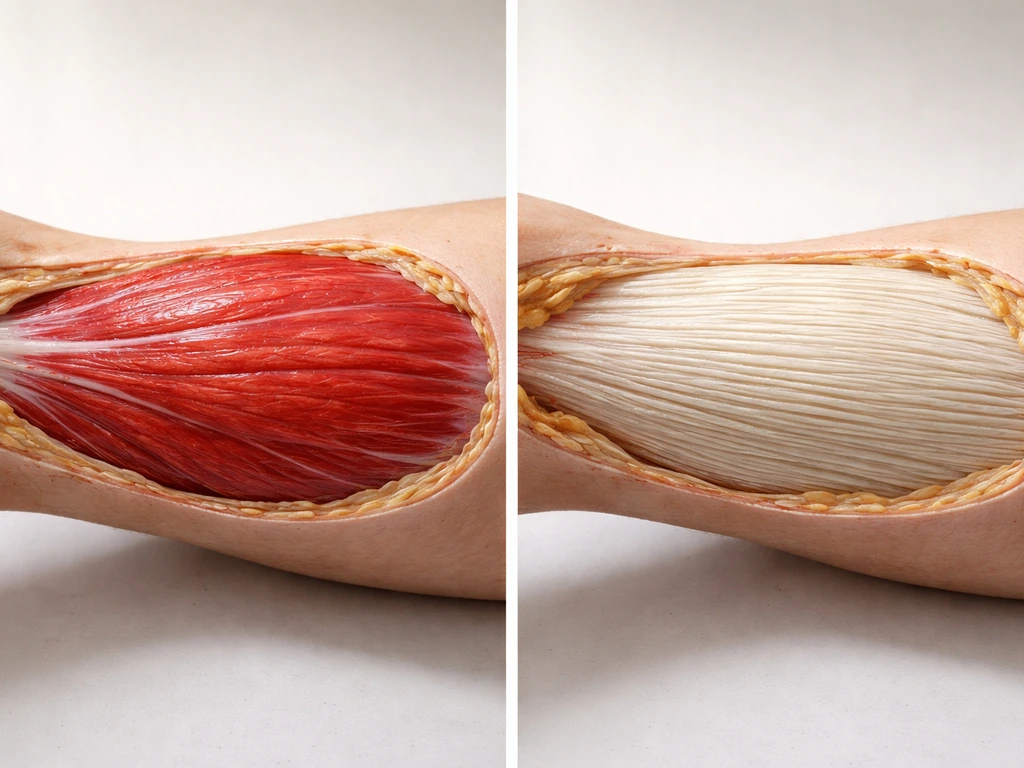
If your muscles aren't growing despite consistent workouts, the problem almost always comes down to one of three things: you're not giving your body a strong enough training signal, you're not eating enough to support growth, or you're not recovering well enough for adaptation to actually happen. Usually it's a combination of all three. Let's work through each one so you can figure out exactly where you're leaking progress and fix it this week.
Why My Muscle Won’t Grow: 20 Fixes for Stalled Results

Marcus Kellerman
15 Apr 2026
Quick self-check: the most common reasons muscle won't grow
Before diving into the details, run through this list honestly. Most people who feel stuck are dealing with at least two or three of these at the same time.
- You're not training with enough volume (too few sets per muscle group per week)
- You're not pushing hard enough in those sets (too much buffer from failure, or going through the motions)
- You haven't been adding weight, reps, or difficulty over time (no progressive overload)
- You're not eating enough total calories to support growth
- Your daily protein intake is below what's needed to drive muscle protein synthesis
- You're sleeping 5 to 6 hours and wondering why you're not recovering
- You're inconsistent, missing sessions, or bouncing between programs every few weeks
- You've been at it for only 4 to 6 weeks and are measuring too early
Any of those sound familiar? Good, now let's actually fix them. Not all muscle groups respond at the same speed either, so if you want a sense of what's realistic to expect where, it helps to understand that what the fastest muscle to grow actually is often comes down to fiber type, leverage, and how much volume you're already applying there.
Training problems: volume, intensity, progressive overload, and form
This is where most people's muscle-growth problems start. They're in the gym regularly, but the training itself isn't doing enough work to force adaptation.
You probably need more weekly sets than you think
Research is pretty clear on this one. A systematic review and meta-analysis by Schoenfeld and colleagues found a meaningful dose-response relationship between weekly training volume and muscle hypertrophy, with at least 10 sets per muscle group per week producing greater gains than lower-volume protocols. If you're doing 3 to 4 sets of chest on Monday and calling it a week, that's almost certainly not enough. For older adults trying to maximize responsiveness, that threshold may need to be met with particular attention to consistency, since the dose-response benefit still applies but recovery considerations shift the calculus a bit.
A practical starting target: aim for 10 to 20 weekly sets per muscle group, spread across 2 to 3 sessions. Low volumes (4 sets or fewer per week) can still produce some gains, especially if you're a beginner, but if you're past the newbie phase and stalled, adding volume is often the most direct lever to pull.
Effort level matters just as much as volume

Here's a trap a lot of people fall into: they're doing 12 sets per muscle group, but every set ends at rep 10 when they could comfortably do 15. That's not enough stimulus. Research shows that training closer to failure drives more hypertrophy than always leaving 5 or 6 reps in the tank.
A systematic review and meta-analysis reported a small or trivial advantage for training to momentary failure versus non-failure for hypertrophy when effects are defined broadly [training closer to failure drives more hypertrophy than always leaving 5 or 6 reps in the tank](https://pmc. ncbi. nlm. nih.
gov/articles/PMC9935748/). You don't have to grind to absolute failure on every set, but finishing most working sets with only 1 to 3 reps left in reserve (RIR) is the range where growth signals are strongest. Going to true failure on every set also has a downside: it spikes fatigue, slows recovery, and makes it harder to sustain the volume you need across the week.
A practical way to manage this is to track your RIR per set in your training log. If you log exercise, date, sets, reps, weight, and RIR, you can look back week over week and see whether you're actually challenging yourself or just going through familiar discomfort. Speaking of which, understanding how fast twitch muscles grow faster under high-effort, heavy loading can also help you prioritize intensity in the right exercises.
Progressive overload is non-negotiable
If you're doing the same weight, same reps, and same sets as you were 3 months ago, your body has no reason to build more muscle. Muscle adapts to the stress you place on it, and once it's adapted, it needs more stress to keep growing. Progressive overload doesn't have to mean adding weight every single session. You can progress by adding reps at the same weight, adding a set, reducing rest time, or improving form quality. But something has to move forward consistently. If you're not tracking your lifts, you're essentially flying blind and hoping progress is happening.
Range of motion and exercise selection
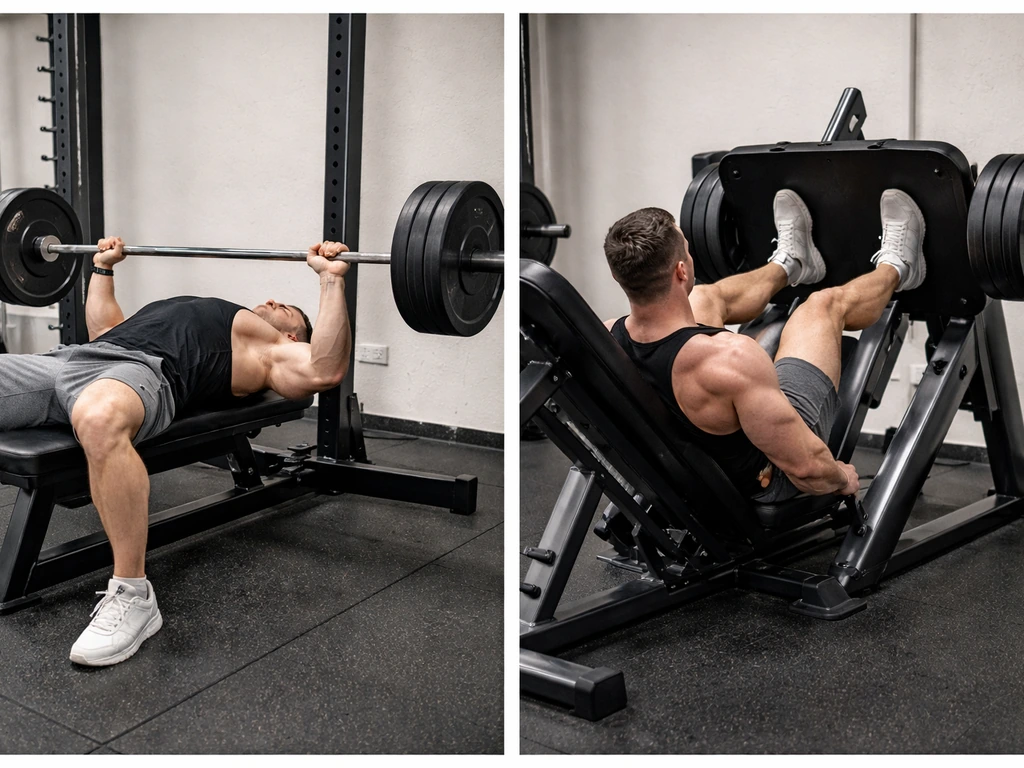
Full range of motion tends to produce better hypertrophy than partial reps, particularly when the muscle is stretched under load. A review by Schoenfeld and Grgic found that full ROM may produce greater muscle development than partial ROM in several comparisons. Partial reps aren't useless, but if you're consistently cutting your squats to quarter depth or doing half-range curls to handle more weight, you're leaving growth on the table. Also check your exercise selection: if your program is built around 6 machines and no compound movements (or the opposite extreme, only heavy barbell work with no isolation), you may have gaps in how muscles are being targeted.
Nutrition gaps: calories, protein targets, carbs, and meal timing
You can train perfectly and still not grow if your nutrition isn't supporting it. This is probably the second most common place people leak progress, and it's almost always because they're underestimating what their body needs.
Total calories come first
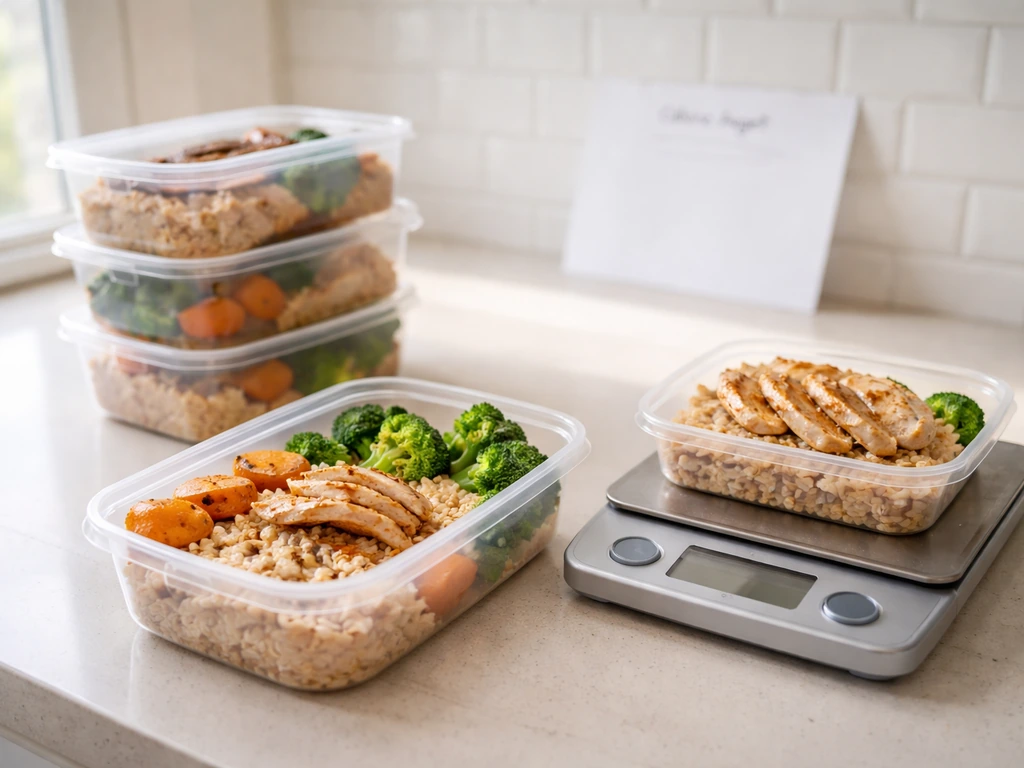
Muscle growth requires a caloric surplus. If you're burning 2,800 calories a day and eating 2,200, your body doesn't have the energy resources to build new tissue. A modest surplus of 200 to 400 calories above your maintenance level is usually enough to support steady muscle growth without excessive fat gain. If you've been eating "pretty healthy" without tracking, there's a good chance you're in a deficit or right at maintenance, especially if you're active. Even two weeks of logging your food can reveal exactly where you stand.
Protein: where most people are actually falling short
The research on protein for hypertrophy converges around a range of 1. 6 to 2. 2 grams per kilogram of bodyweight per day. A meta-analysis published in the British Journal of Sports Medicine concluded it's prudent to target around 2.
2 g/kg/day to maximize fat-free mass gains from resistance training. For a 180-pound (82 kg) person, that's roughly 180 grams of protein per day. Most people eating a standard diet without intentional tracking are getting 80 to 120 grams, which is a significant gap.
If you want to understand more about how these numbers shift depending on your goal, the breakdown of how neck muscles grow fast versus larger muscle groups actually illustrates an important point: protein availability is a systemic factor, not localized.
Also worth paying attention to is protein distribution across the day. Eating 180 grams of protein in one or two meals isn't as effective as spreading it across 4 to 5 eating occasions, since muscle protein synthesis is maximized with roughly 0.4 g/kg per meal. Having 30 to 40 grams at breakfast, lunch, dinner, and a post-workout meal or snack hits the target more efficiently than front or back loading.
Carbohydrates and training performance
Carbs aren't the enemy of muscle growth, they're actually critical to it. Carbohydrates fuel glycolytic work (which includes most resistance training), spare muscle protein from being used as energy, and support recovery. Current recommendations for resistance-training athletes suggest 3 to 7 grams of carbohydrate per kilogram of bodyweight daily to prevent glycogen depletion and maintain training quality. If you've gone very low-carb and your workouts feel flat or you're not progressing, this is likely a contributing factor. A practical approach: consume 1 to 2 g/kg of carbs in the 3 to 4 hours before training, and prioritize carbs alongside protein in your post-workout meal.
Other nutrition factors worth checking
- Alcohol: even moderate weekly alcohol intake blunts muscle protein synthesis and disrupts sleep quality, both of which slow progress meaningfully
- Hydration: muscle is roughly 75% water; even mild chronic dehydration reduces strength output and recovery
- Micronutrients: deficiencies in vitamin D, magnesium, and zinc are common in active people and can impair anabolic signaling
- Meal skipping: frequently missing meals makes it very hard to hit protein and calorie targets consistently
Recovery and lifestyle: sleep, stress, overtraining, and consistency
Muscle doesn't grow during your workout. It grows during the recovery window afterward, when muscle protein synthesis is elevated and tissues are being rebuilt stronger. If your recovery is compromised, adaptation is compromised, full stop.
Sleep is doing more work than you realize

A study examining acute sleep deprivation found that it reduced skeletal muscle protein synthesis by approximately 18%. That's not a small effect. A separate study confirmed that sleep restriction reduces myofibrillar protein synthesis specifically, meaning the contractile proteins that make muscles bigger and stronger are being built more slowly when you're underslept. If you're consistently sleeping fewer than 7 hours, you are actively limiting your gains regardless of how well you train and eat. Seven to nine hours is the target for most people. For older adults, sleep architecture changes with age, so prioritizing sleep quality (dark, cool room, consistent schedule) becomes even more important.
Stress and cortisol
Chronic psychological stress elevates cortisol, which is catabolic, meaning it promotes muscle breakdown rather than building. If you're training hard while managing high work stress, relationship stress, or significant life upheaval, your gains will likely stall even if the training and nutrition look right on paper. This isn't an excuse to stop training, but it is a reason to manage overall stress load, prioritize sleep, and potentially reduce training intensity temporarily rather than pushing harder.
Overtraining vs. under-recovering
True overtraining syndrome is rarer than people think. Most people who think they're overtraining are actually under-recovering, which means the volume and frequency of training is appropriate but the sleep, nutrition, and stress management aren't supporting it. That said, if you've been adding sets every week for months and feel chronically fatigued, beaten up, and flat in training, a planned deload period is the right move. Reduce your training volume by cutting sets and reps, drop intensity by about 10% below your normal working weights, and use higher RIR (meaning less effort per set) for one week. You'll come back with better performance and renewed adaptation potential.
A note on soreness
Soreness is not a reliable indicator of growth. You can have an excellent muscle-building session and feel little soreness the next day, especially once your body is adapted to a given exercise. Conversely, trying a new movement can leave you wrecked for days with minimal hypertrophic benefit. Don't chase soreness, chase progressive overload.
How long should this actually take? Setting a real timeline

One of the most common reasons people think their muscles aren't growing is that they're measuring too early. Actual muscle hypertrophy, meaning real increases in muscle cross-sectional area, takes weeks to show up reliably. Research tracking muscle growth week by week over an 8-week training program found that significant skeletal muscle hypertrophy was detectable starting around weeks 3 to 4. But visible changes in how you look, particularly if you're carrying any body fat over the muscle, take longer to notice in the mirror.
For beginners, noticeable strength gains come first (within 2 to 4 weeks) due to neural adaptations, followed by measurable muscle growth over 6 to 12 weeks of consistent training. For more experienced trainees, progress slows down, and you might add 1 to 2 pounds of muscle per month in optimal conditions, which is much harder to see week to week. For older adults, research suggests meaningful strength improvements can appear within about 12 training sessions, and a 16-week program can produce substantial changes in muscle function and size when training at moderate intensities (roughly 51 to 69% of 1RM) with adequate volume.
| Who you are | Realistic timeline to see size gains | What to measure |
|---|---|---|
| Complete beginner | 6 to 12 weeks of consistent training | Strength on key lifts, tape measurements |
| Intermediate trainee | 8 to 16 weeks of optimized programming | Progressive overload log, photos, measurements |
| Advanced trainee | 3 to 6 months for visible changes | Caliper or DEXA body composition testing |
| Older adult (60+) | 12 to 16 weeks at moderate intensity | Functional strength, measurements, training log |
If you've been training consistently and eating well for 12 or more weeks with no measurable change in strength or muscle size, then something is genuinely off and the checklist above should help you find it. If it's been 3 weeks and you're frustrated, that's impatience, not a real plateau.
Fix it this week: a step-by-step audit and adjustment plan
Here's what to actually do in the next 7 days rather than just reading this and going back to the same routine.
- Audit your weekly volume: pull up your training log and count how many sets you're doing per muscle group per week. If it's below 10, that's your first fix. Add one or two sets per session per muscle group starting this week.
- Check your effort: for your next three workouts, finish each set and honestly ask how many more reps you had left. If your answer is consistently 5 or more, you need to go heavier or push further.
- Start logging progressive overload: write down every set with exercise, date, reps, weight, and your RIR rating. Compare next week. If nothing moved, something has to change in your next session.
- Calculate your protein target: take your bodyweight in kilograms and multiply by 1.6 to 2.2. That's your daily gram target. Log your food for three days and see where you actually land.
- Count your calories: use a free app for 3 to 5 days to see whether you're at maintenance, in a deficit, or in a surplus. Adjust to a modest 200 to 400 calorie surplus if you're trying to gain.
- Audit your sleep: track your actual sleep time for one week. If you're under 7 hours consistently, prioritize one sleep improvement this week (earlier bedtime, no screens 30 minutes before bed, cooler room).
- If you've been grinding for 8 or more straight weeks without a break, take a deload week now: cut sets in half, drop weights by about 10%, and keep RIR high (3 to 4 reps left in reserve per set).
- Commit to one program for at least 12 weeks: if you're bouncing between routines every 3 weeks, you're never getting the volume accumulation or progressive overload that drives growth.
One area worth incorporating into your program if you haven't already is intentional fast-twitch fiber training. Heavy compound lifts and explosive movements recruit your high-threshold motor units, which have the greatest growth potential. If you want a practical breakdown of exactly how to target them, learning how to grow fast twitch muscles can give you a concrete framework for structuring those sessions.
A note for older adults specifically
Age changes the context, not the possibility. Older adults respond to the same fundamental principles of progressive overload, sufficient volume, and adequate protein. What shifts is recovery time between sessions (you may need 48 to 72 hours between training the same muscle group rather than 24 to 48), and the volume threshold to drive adaptation may require more deliberate attention. Research in older adults shows that even adding a single weekly set contributes measurable increases in lean mass (roughly 0.
05 kg per additional set in some analyses). That adds up over time. Moderate intensities around 51 to 69% of 1RM with 7 to 9 reps per set and about 2 minutes of rest between sets have been shown to drive meaningful morphological changes in healthy older adults. The program doesn't need to look wildly different, but the recovery infrastructure around it matters more.
The bottom line
Muscle won't grow without three things working together: enough training stimulus (volume, intensity, and progressive overload), enough nutritional support (calories, protein at 1.6 to 2.2 g/kg/day, and carbs to fuel performance), and enough recovery (sleep, stress management, and planned deloads). Most people who feel stuck are underdelivering on at least two of those. The good news is that once you identify the gap and fix it, muscle responds fairly quickly. You don't need a perfect program or an exotic approach. You need the basics done consistently and honestly. Start with the audit above, give it 8 to 12 weeks, and measure what actually changes.
FAQ
How can I tell if I’m truly not in a calorie surplus, not just eating more than before?
If your lifts and measurements are flat for 12+ weeks, check whether your “maintenance” is actually maintenance. A common mistake is estimating calories instead of measuring. Do 14 days of intake tracking plus 3 to 7 days of weigh-ins averaged (same conditions each morning). If your average weight drops or stays flat while activity is high, you are likely not in a surplus even if you feel like you eat a lot.
What should I do if I’m training with good volume but I’m not progressing, and I don’t know whether to change reps or weight?
Don’t assume you need a higher rep range or a lower rep range. Pick a rep style you can progress while keeping 1 to 3 reps in reserve on most sets, then keep that rep range mostly consistent for 4 to 6 weeks. If performance stops improving, adjust one variable at a time, typically either add 1 set per week or reduce rest time, before changing rep ranges.
Can I be “training hard” but still not growing because I’m counting the wrong sets or muscles?
You might be over-scheduling instead of under-training. Many programs accidentally hit the same muscle group in overlapping sessions through indirect work (for example, pressing plus dips plus incline work all loading shoulders/chest). Count total weekly sets per muscle including secondary exercises, then cap direct sets so the total weekly stimulus is high enough but recovery is still realistic.
How do I know if my form is making my workouts “count” for the muscle I want to grow?
If you stall despite adding sets and improving form, sleep and stress are the next usual culprits, but a specific technique issue can also blunt results: stopping sets before the target muscle is actually doing the work. For example, on curls, drifting elbows or cheating with body sway can turn the movement into forearm momentum rather than elbow flexion under load. Use a controlled tempo, fixed joint positions, and a brief pause in the stretched portion to keep tension on the muscle.
What if my strength is going up but my muscle size isn’t changing?
Yes. If you’re gaining strength but your scale weight drops or stays the same while measurements do not change, you may be recomposing poorly due to insufficient calories or protein distribution. A practical check is to track waist and at least one strength marker for 4 weeks, while ensuring you are hitting daily protein and having at least 3 to 5 eating occasions. If performance improves but size does not, your surplus may be too small or recovery too inconsistent.
Is training to failure always the answer for stalled muscle growth?
It is possible to “train to failure” too often. If most sets are at failure, fatigue accumulates and makes the next session quality worse, which can reduce effective weekly stimulus. A better approach is leaving 1 to 3 reps in reserve on most sets and only taking select last sets close to failure (for example, 1 hard set per exercise per week) so you can keep adding total quality work across the week.
Should I be getting sore to know my workouts are working?
Not necessarily. Soreness depends on novelty and eccentric stress, not hypertrophy. Use performance and technique metrics instead, such as adding reps at the same weight or increasing load while maintaining form. If you feel little soreness but your sets are closer to 1 to 3 RIR and you are progressing volume or load, that can still be a productive hypertrophy signal.
What if I can lift heavier with partial reps, but I suspect it’s why I’m stalled?
A full range of motion issue is common when someone can handle heavier weight only by cutting depth or shortening the working range. A practical fix is to choose an ROM you can control with good mechanics for all working sets, then gradually extend ROM over a few weeks if needed. Also use a consistent depth target you can reproduce, like a box height for squats or a stop position with cables for isolation work.
What sleep changes make the biggest difference for muscle gain when I’m stuck?
If you are not sleeping at least 7 hours most nights, your best training and nutrition can still underperform. Rather than changing everything, start with two changes: keep a consistent wake time and reduce light exposure at night (dim screens and lights). Then, if you still stall after 2 to 3 weeks, reassess training volume and stress load.
I’m older, and my sessions feel harder to recover from. How should I adjust to keep growing?
For older adults, the most helpful adjustment is often recovery timing and managing joint stress, not abandoning intensity. Consider spreading the same muscle group work so you have 48 to 72 hours between direct sessions, and keep weekly sets modest but consistent. If you feel chronically beaten up, schedule a deload earlier (for example, after 6 to 8 weeks) to avoid turning normal fatigue into persistent under-recovery.
What’s the best way to measure whether I’m actually gaining muscle, not just changes in body fat?
There is a real difference between measuring muscle growth and simply losing fat. If you add calories and training but your body fat rises, the mirror may not reflect growth immediately. Use objective checks: take the same photos under the same lighting every 2 to 4 weeks, track waist, and compare at least two body measurements plus 2 to 3 strength movements over 6 to 12 weeks.