Steroids do not make your bones grow longer or bigger in any meaningful skeletal sense once you're an adult. In teenagers, anabolic steroids can actually accelerate growth-plate closure, potentially cutting height short rather than adding to it. The one real bone-related concern for most adults using steroids, whether anabolic ones for muscle or corticosteroids like prednisone for inflammation, is bone density, not bone size. Anabolic steroids have a complicated relationship with density (sometimes helping, sometimes hurting depending on context), while corticosteroids are one of the most reliably damaging things you can do to bone over time. Here's what the evidence actually says and what you should do about it.
Do Steroids Make Your Bones Grow? Growth Plates and Risks

Marcus Kellerman
16 May 2026
First, which steroids are we actually talking about?
The word 'steroids' covers two very different categories of drugs, and confusing them will send you down the wrong rabbit hole entirely.
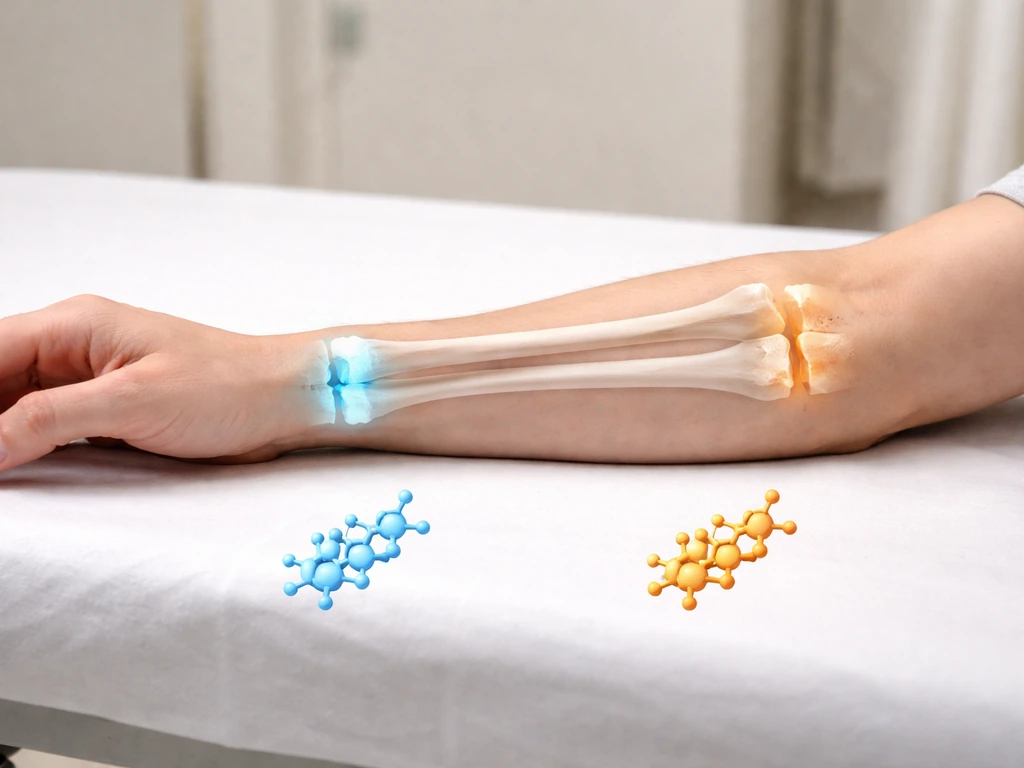
Anabolic-androgenic steroids (AAS) are testosterone and its synthetic derivatives, things like testosterone cypionate, nandrolone, oxandrolone, and stanozolol. These are what bodybuilders and strength athletes use to build muscle and improve performance. If you’re wondering how do steroids grow muscle, anabolic-androgenic steroids are the ones that are specifically associated with muscle-building effects through training. They work primarily through androgen receptors, and a meaningful portion of their effects on bone come from aromatization: the body converts some testosterone to estradiol, and it's actually that estrogen signaling that drives a lot of bone-related outcomes. Both the androgen receptor pathway and the estrogen receptor pathway matter for bone, which is why the picture is nuanced.
Corticosteroids (glucocorticoids) are a completely separate class: prednisone, prednisolone, dexamethasone, methylprednisolone, hydrocortisone. These are anti-inflammatory drugs used for conditions like rheumatoid arthritis, lupus, asthma, IBD, and a wide range of other medical conditions. They do not build muscle. If anything, they can cause muscle wasting. Their bone effects are also completely different from anabolic steroids, and significantly more reliably dangerous.
| Feature | Anabolic Steroids (AAS) | Corticosteroids (e.g., prednisone) |
|---|---|---|
| Primary use | Muscle building, performance | Reducing inflammation, treating disease |
| Effect on bone density | Variable: can increase or decrease depending on context | Consistently decreases with ongoing use |
| Effect on bone size/length | None in adults; growth plate closure risk in teens | None |
| Osteoporosis risk | Indirect (via hormone suppression if natural levels drop) | Direct and significant, even at low doses |
| Legal status (most countries) | Controlled substance without prescription | Prescription medication, widely prescribed |
Do steroids affect height or growth plates?

This is where things get especially important for younger readers. Growth plates, the epiphyseal plates at the ends of long bones, are open and actively producing new bone tissue during childhood and adolescence. They close when sex hormone levels (primarily estrogen, even in males) rise enough to signal the end of the growth period. This is why girls typically stop growing earlier than boys: they hit higher estrogen levels sooner.
Anabolic steroids in teens are a real problem here. AAS elevate androgen levels, and those androgens aromatize into estrogen, which accelerates epiphyseal plate closure. The paradox is that in the short term, AAS can actually increase height velocity. Studies of oxandrolone (a mild anabolic steroid used medically) in boys with constitutional growth delay showed height velocity jumping from around 4 cm/year before treatment to 7.5 cm/year during therapy. In girls with Turner syndrome, similar treatment pushed growth velocity from about 2.3 cm/year to nearly 6 cm/year in the first year. So yes, there's a burst of growth. But that burst can come at the cost of earlier plate closure, meaning final adult height may actually end up shorter than it would have been without the drug. This is not a theoretical concern. It's why medical use of anabolic steroids in adolescents is closely monitored with bone-age X-rays and is only used when the risk-benefit math clearly favors treatment.
For fully grown adults, growth plates are fused. They're closed. No steroid, anabolic or otherwise, is going to reopen them or add centimeters to your frame. If someone tells you a drug made their bones grow in adulthood, what they're actually seeing is either increased muscle mass creating a broader or more defined look, water retention, or the visual illusion of a larger frame from more developed surrounding muscles. The skeleton itself isn't changing.
Do steroids make bones bigger, or just muscles bigger?
Muscles get bigger. Bones don't. That's the honest answer for anyone using AAS as an adult. If you are asking specifically which muscle groups tend to gain size fastest on steroids, the answer depends on training stimulus, dosage, and how well your body responds to anabolic hormones which muscles grow fastest on steroids. What you might notice is that people who have used anabolic steroids for years, especially heavy doses over long periods, can appear to have a larger skeletal frame. But this is mostly an optical effect. The muscles that attach to and surround bones are significantly more developed, which makes the underlying structure look bigger. The clavicles haven't widened. The hips haven't expanded. The jaw isn't structurally broader.
There is one caveat worth mentioning: some users of growth hormone (GH), not technically a steroid but often discussed alongside AAS in performance-enhancing conversations, do report changes to skeletal dimensions, particularly the jaw, hands, and feet. This is because GH stimulates IGF-1, which can cause continued bone growth in adults through periosteal apposition, adding bone to the outside surface. But that's growth hormone, not testosterone or its derivatives. Anabolic steroids alone don't do this.
If you're curious how anabolic steroids actually build muscle at the cellular and hormonal level, that's a deeper topic worth exploring separately. The short version is that they increase protein synthesis, enhance nitrogen retention, and amplify the anabolic response to training. Bone architecture is a downstream beneficiary of those bigger muscles in some cases, because bone adapts to mechanical load, but that's the bone responding to the stress of lifting, not directly to the drug.
What the evidence says about bone density and long-term bone health
Anabolic steroids and bone density
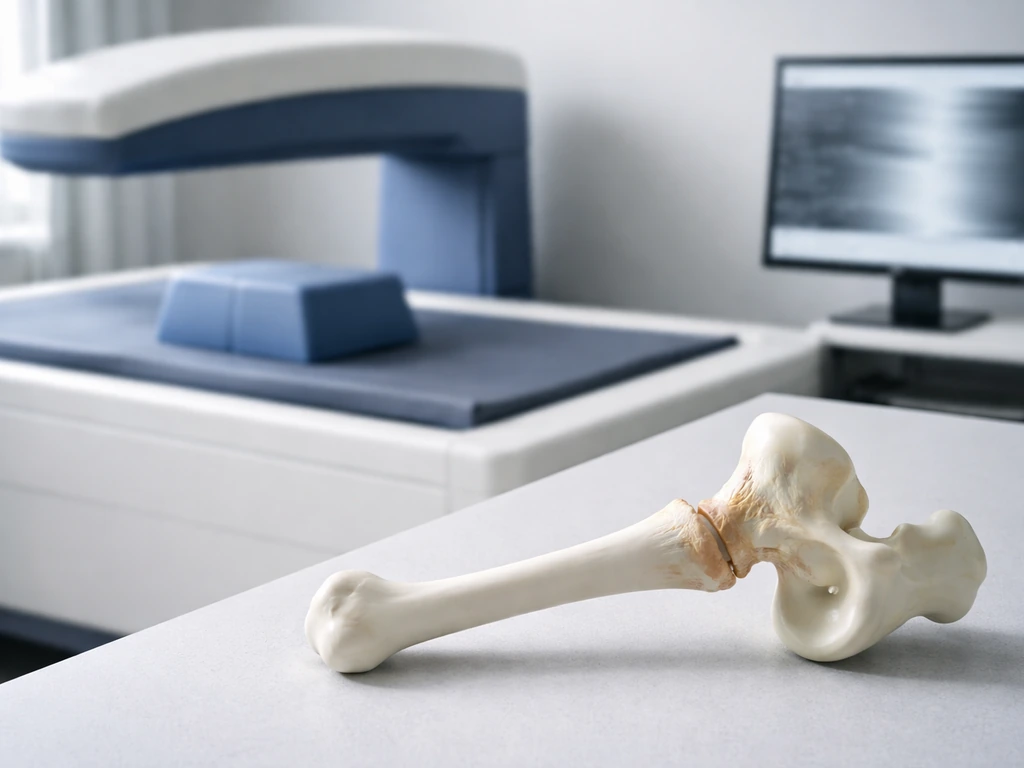
The relationship between AAS and bone mineral density (BMD) in adults is genuinely mixed. In hypogonadal men, testosterone replacement therapy has been shown to improve BMD, and short-term parenteral testosterone in young hypogonadal males can improve areal BMD and bone turnover markers within about 6 months. That's the beneficial side. Estradiol levels, driven by aromatization of testosterone, are a strong predictor of BMD in men, including male athletes, which reinforces how important that conversion pathway is for bone health.
The problem arises with misuse. When someone runs high-dose AAS for extended cycles without medical supervision, the hypothalamic-pituitary-gonadal (HPG) axis gets suppressed. The brain essentially stops telling the testes to produce testosterone naturally, because it detects more than enough androgens already. This suppression can last months after stopping, and in serious cases causes prolonged hypogonadism, which is when bone density can take a real hit. Low testosterone and low estradiol together are bad for bone. A systematic review involving over 1,700 AAS users found profound and prolonged reproductive system effects, and the indirect consequences for bone through hormone suppression are a legitimate concern for long-term heavy users.
Corticosteroids and bone density: the bigger risk
This is where the real alarm bells should go off. Glucocorticoid-induced osteoporosis (GCOP) is one of the most common and serious complications of long-term corticosteroid use, and it happens faster than most people realize. Bone loss is most rapid in the first 3 to 6 months of therapy. At that early stage, both bone formation slows down and bone resorption speeds up simultaneously, making it a two-front attack on skeletal integrity. Fracture risk can appear with prednisone-equivalent doses as low as 2.5 to 7.5 mg per day, which is a pretty routine dose for many inflammatory conditions. The ACR guideline on GCOP and the Endocrine Society both emphasize that prevention should start from the moment glucocorticoids are initiated, not after you've been on them for a year.
One thing worth knowing: oral and intravenous corticosteroids carry more risk than inhaled or topical forms, though no route is completely without risk at sufficient doses. If you're on long-term corticosteroids for any reason, this isn't theoretical. It's something to actively manage, not just note and move on.
Risks, side effects, and who needs to be extra careful
The risk picture looks different depending on which steroid category you're dealing with and who you are.
Higher-risk groups for anabolic steroid use

- Teenagers and young adults whose growth plates may not yet be fully closed (typically completed by age 18-21, though this varies individually)
- Anyone with a history of hypogonadism, fertility issues, or hormonal disorders, since AAS will worsen HPG axis suppression
- People with cardiovascular risk factors, since AAS misuse affects more than just bone and hormones
- Long-term heavy users who experience prolonged post-cycle hypogonadism, which is when bone density becomes a real concern
Higher-risk groups for corticosteroid-related bone loss
- Postmenopausal women, who are already at elevated osteoporosis risk and get hit harder by glucocorticoid-induced bone loss
- Older men over 50, particularly those with low baseline testosterone
- Anyone taking 5 mg or more of prednisone-equivalent daily for 3 months or longer
- People with low dietary calcium, low vitamin D, smoking history, or a family history of osteoporosis
- Those who are sedentary, since weight-bearing exercise is one of the few things that counteracts glucocorticoid bone loss
NIDA's health effects summary on anabolic steroid misuse reinforces that damage can be severe, long-lasting, and in some cases irreversible, particularly the endocrine and reproductive effects that indirectly threaten bone. That's not meant to be alarmist, it's meant to be realistic about the risk profile. The bone consequences of AAS misuse are usually indirect (through hormone disruption) rather than direct skeletal damage, but they're real.
What to do today: monitoring, labs, and better alternatives

If you're on corticosteroids (prednisone, dexamethasone, etc.)
Don't wait for symptoms. Bone loss from glucocorticoids is often silent until a fracture happens. The ACR guideline recommends that anyone on 2.5 mg or more of prednisone-equivalent daily for 3 months or longer should be assessed and managed for GCOP risk. Here's what to ask your doctor about right now:
- Request a baseline DEXA scan if you haven't had one, ideally within the first few months of starting glucocorticoids
- Ask about calcium and vitamin D supplementation, which are first-line interventions in virtually every GCOP guideline
- Ask whether your dose and duration put you in the moderate or high fracture-risk category, which determines whether you need additional treatment beyond supplements
- Discuss whether bisphosphonates or other anti-osteoporosis medications are appropriate for your situation
- Plan repeat BMD measurement roughly every 2 to 3 years if you're on long-term treatment
If you're using or considering anabolic steroids
If you're an adult considering AAS for muscle building, the bone-specific things to track are testosterone levels (total and free), estradiol, and if you've been using long cycles, a DEXA scan isn't a bad idea to establish a baseline. Post-cycle hypogonadism is the main mechanism by which AAS hurts bone, so monitoring your natural hormone recovery after any cycle matters. If you're a teenager or in your early twenties and considering AAS, the growth plate risk alone should give you serious pause, quite apart from all the other risks involved.
Safer alternatives that actually protect bone and build muscle
Resistance training is the most evidence-based intervention for both muscle growth and bone density simultaneously. To build traps muscle more effectively, pair resistance training with progressive overload and adequate protein. Compound, weight-bearing movements create mechanical load that signals bone remodeling in a positive direction, which is exactly what corticosteroids undermine. If you're on prednisone and worried about bone loss, this is genuinely one of the best tools you have. Protein intake matters too: adequate dietary protein (around 1.6 to 2.2 grams per kilogram of body weight daily) supports muscle retention and indirectly supports bone through IGF-1 signaling and reduced muscle wasting. Calcium (around 1,000 to 1,200 mg daily from food and supplements combined) and vitamin D (enough to keep serum 25-OH vitamin D above 30 ng/mL, with many clinicians targeting 40-60 ng/mL for people on glucocorticoids) are non-negotiable if you're on long-term steroids of any kind.
For the muscle-building side of the equation: the evidence is clear that you can build substantial muscle without drugs at any age, including well into your 60s and 70s. Progressive overload, sufficient protein, adequate sleep, and consistency over months and years will produce real results. The ceiling is lower than with AAS, but the bone health trajectory is better, not worse. That's worth something.
Your direct takeaways and next-step checklist
Here's the bottom line with no hedging. Steroids don't grow your bones in size or height once you're an adult. In teens they can temporarily speed growth but accelerate plate closure, potentially reducing final height. What actually happens to bone depends heavily on which type of steroid, your age, your baseline hormone status, and how long you're on them.
- Corticosteroids (prednisone etc.) are the bigger bone risk: bone loss starts within the first 3-6 months, even at low doses like 2.5 mg/day. Start calcium, vitamin D, and DEXA monitoring immediately if you're on them long-term.
- Anabolic steroids don't enlarge your skeleton in adulthood. Any visual change to frame or size is muscle, not bone.
- In teenagers, AAS use risks early growth plate closure. If plates aren't fully fused, this is not a theoretical risk.
- AAS can indirectly harm bone in adults by suppressing natural testosterone production post-cycle, creating prolonged low-hormone states that reduce bone density over time.
- If you're on medical corticosteroids: ask about DEXA scanning, calcium + vitamin D dosing, and fracture risk stratification at your next appointment. Don't wait.
- If you're using AAS recreationally: monitor testosterone, estradiol, and consider a baseline DEXA scan if you've run multiple long cycles.
- Resistance training and adequate protein are the safest, most effective tools for simultaneous muscle growth and bone protection. They work for beginners, for older adults, and for people on glucocorticoids trying to offset some of the damage.
- Timelines matter: glucocorticoid bone loss can start within weeks and be measurable within 3-6 months. Natural muscle building and bone adaptation from training take consistent months to years. Plan accordingly.
FAQ
If I didn’t get taller, why do steroid users look like they have wider bones?
If you are seeing a bigger frame in adulthood, the most common explanations are increased muscle size around existing bones, water retention, and changes in posture or training load. The actual bone shape and length cannot be increased once growth plates are fused, so a DEXA or X-ray for bone structure would not show “grown longer” bones from anabolic or corticosteroids.
Does testosterone level alone predict whether steroids are helping or hurting bone?
Aromatization to estradiol is a major driver of bone outcomes in both men and women. That means someone can have very different bone effects depending on whether they produce enough estradiol (or accidentally suppress it with other meds). In practice, monitoring estradiol alongside testosterone is more informative for bone risk than tracking testosterone alone.
How soon after starting prednisone can bone loss begin?
Yes. Glucocorticoids cause the fastest bone loss early, commonly within the first 3 to 6 months, and fracture risk can be present even at relatively routine prednisone-equivalent doses. Waiting until symptoms or a later “checkpoint” often misses the highest-risk window where prevention measures should start.
Is post-cycle bone loss only a short-term issue, or can it last?
Suppression of natural testosterone and estradiol after anabolic steroid misuse is one of the main reasons bone density can drop. Recovery is variable, and bone may be affected for months after stopping if hormone levels take a long time to normalize. That is why follow-up hormone labs after a cycle matter, not just what happens during the cycle.
Why can growth velocity increase on steroids in teens, but the outcome still be worse?
If you use anabolic steroids in adolescence or early adulthood, the key risk is accelerated growth-plate closure, so “height velocity” during treatment can mislead you. Medical monitoring often uses bone-age assessment (for example, imaging to estimate remaining growth potential), because the decision is about final height, not short-term height speed.
Could growth hormone make adult bones bigger, but anabolic steroids cannot?
Growth hormone is different from anabolic steroids, and it can stimulate periosteal bone growth in adults, which may change the outside dimensions of certain bones like hands, feet, and jaw. If someone attributes these changes to testosterone or AAS, it is often a misunderstanding of what drug is actually driving the effect.
Should I get a DEXA scan if I’m on steroids, and how should it be interpreted?
DEXA is useful for tracking bone mineral density trends, but it does not directly measure growth-plate activity. For an adult, DEXA helps detect density loss early, while height changes are not expected. If you are concerned about steroid-related bone risk, ask your clinician whether baseline and repeat DEXA timing should be based on your dose, duration, and risk factors.
Does the route of taking corticosteroids change the bone risk?
If you are on long-term glucocorticoids, oral and IV forms generally carry more bone risk than inhaled or topical options. The route matters, but dose and duration matter even more, so risk management should be based on the total exposure (prednisone-equivalent) rather than the label of the medication.
What should I ask my doctor to prevent steroid-related osteoporosis right away?
To reduce bone loss risk, prevention is usually more effective than “catching up” later. A practical discussion with your doctor should include whether you meet criteria for osteoporosis risk assessment based on prednisone-equivalent dose and duration, plus plans for calcium and vitamin D intake, fall risk reduction, and whether any prescription bone-protective therapy is appropriate.
What’s the biggest training mistake people make when trying to protect bone on steroids?
Even if steroids are not making bones grow, resistance training helps bone adapt to mechanical load and supports muscle, which reduces fall risk and improves overall skeletal health. A common practical mistake is focusing only on cardio or non-weight-bearing workouts while expecting bone benefits.
Citations
GCOP prevention should start as soon as glucocorticoids are administered, because bone loss is more rapid in the first months of therapy.
https://www.ncbi.nlm.nih.gov/books/NBK278968/
Glucocorticoids (examples include prednisone) can be taken by multiple routes, but oral/IV/injection routes are more likely to cause osteoporosis.
https://www.endocrine.org/patient-engagement/endocrine-library/glucocorticoid-induced-osteoporosis
UpToDate notes fracture risk can be reported with prednisone-equivalent doses as low as 2.5–7.5 mg daily.
https://www.uptodate.com/contents/prevention-and-treatment-of-glucocorticoid-induced-osteoporosis
The ACR guideline addresses prevention and treatment of glucocorticoid-induced osteoporosis and is endorsed by the American Society for Bone and Mineral Research.
https://rheumatology.org/glucocorticoid-induced-osteoporosis-guideline
Article states recommendations apply to patients with ≥2.5 mg/day prednisone equivalent for ≥3 months, and provides risk-stratification concepts (including how to adjust FRAX estimates at higher doses).
https://pmc.ncbi.nlm.nih.gov/articles/PMC6518402/
ACR guideline document provides the prevention/treatment framework for glucocorticoid-induced osteoporosis (including use of calcium/vitamin D and when to consider anti-osteoporosis medications).
https://www.myositis.org/wp-content/uploads/2018/02/2017_ACR_Guideline_for_the_Prevention_and_Treatment_of_Glucocorticoid-Induced_Osteoporosis.pdf
Review describes monitoring concepts (e.g., repeat BMD measurement and VFA considered at ~2–3 yearly intervals in general) and discusses that thresholds for “higher” doses vary across approaches.
https://academic.oup.com/ejendo/article/188/3/R46/7070144
Article states daily glucocorticoid doses as low as 2.5 mg prednisone-equivalent are associated with increased fracture risk, and the most rapid loss of bone density occurs in the first 3–6 months after initiation.
https://pmc.ncbi.nlm.nih.gov/articles/PMC4401629/
Endotext notes early bone loss involves both suppressed bone formation and increased bone resorption in the early phase.
https://www.ncbi.nlm.nih.gov/books/NBK278968/
NIDA provides a health-effects summary for anabolic steroid misuse, including that risks differ by age and that teen use is associated with significant adverse effects (notably hormonal and developmental risks).
https://nida.nih.gov/infofacts/steroids.html
In a study of boys with constitutional growth delay treated with low-dose oxandrolone, height velocity increased from 4.0 (1.0) cm/year pre-treatment to 7.5 (1.2) cm/year during therapy.
https://pmc.ncbi.nlm.nih.gov/articles/PMC1793227/
Longitudinal study (PubMed indexed) reports clinical use of oxandrolone can increase height velocity and may advance puberty onset in boys with constitutional growth delay; it is described as being evaluated up to final height.
https://pubmed.ncbi.nlm.nih.gov/2584350/
Oxandrolone treatment in Turner syndrome is reported to produce increased growth velocity during therapy (pretreatment 2.3±1.2 cm/year; first two 6-month periods 5.9±1.6 and 5.2±0.9 cm/year).
https://www.nature.com/articles/pr1979423
BMJ/ADC trial reports mean growth velocity increased during treatment and describes outcomes in relation to height and bone-age-standard-deviation scores (summarized on the journal page).
https://adc.bmj.com/content/60/4/379
Review-like source discusses the role of aromatization (and estrogen signaling) in epiphyseal plate biology and links to concerns about stunted growth from androgenic-anabolic steroid use in adolescents.
https://www.jssm.org/volume05/iss2/cap/jssm-05-182.pdf
Pilot study discusses evidence that estradiol (via estrogen receptor pathways) is a consistent predictor of BMD, supporting the endocrine concept that aromatization to estradiol matters for bone outcomes.
https://pmc.ncbi.nlm.nih.gov/articles/PMC3274603/
Systematic review/meta-analysis (3879 participants; 1766 AAS users) concludes that AAS use results in profound and prolonged reproductive-system effects (including sperm and gonadal findings) and may affect fertility.
https://pubmed.ncbi.nlm.nih.gov/28258581/
Clinical research describes testosterone cypionate dosing used to test suppression of the hypothalamic-pituitary-testicular (HPT) axis and states suppression reverses after cessation in the studied setting.
https://journals.sagepub.com/doi/abs/10.1177/108155899704500808
Review notes infertility mechanisms are tied to negative feedback on the HPG axis, diminishing spermatogenesis and potentially testicular volume over time.
https://pmc.ncbi.nlm.nih.gov/articles/PMC11070513/
Endotext discusses aromatization as a potentially important mechanism that diversifies androgen action via estrogen receptors in tissues where aromatase is expressed; it also notes that androgen receptor action is required for full testosterone effects on bone (i.e., not only estrogen conversion).
https://www.ncbi.nlm.nih.gov/books/NBK279000/
Meta-analysis includes multiple study designs (RCTs, cohorts, cross-sectional) and reports hormonal and semen abnormalities as part of AAS-related reproductive harm.
https://pubmed.ncbi.nlm.nih.gov/28258581/
Pilot RCT explores anabolic steroid use after total knee arthroplasty and includes bone mineral density outcomes at femur and spine (as reported in the full paper).
https://pmc.ncbi.nlm.nih.gov/articles/PMC3009960/
Study prospectively evaluates effects of ~6 months of parenteral testosterone replacement on BMD and bone turnover markers in young hypogonadal males.
https://pmc.ncbi.nlm.nih.gov/articles/PMC3510965/
BOSS substudy analysis (HIV+ men on antiretroviral therapy) investigates associations between testosterone use and bone mineral density outcomes, including reporting methods around DXA and vitamin D measurement.
https://pmc.ncbi.nlm.nih.gov/articles/PMC6909395/
NIDA emphasizes that anabolic steroid misuse can cause severe, long-lasting, and in some cases irreversible damage, including endocrine effects relevant to hormones that regulate bone.
https://nida.nih.gov/infofacts/steroids.html
Clinical guidance article reports fracture risk increases rapidly within the first 3–6 months of glucocorticoid therapy and that quality/strength deterioration may begin before appreciable BMD loss.
https://www.sciencedirect.com/science/article/pii/S2213219821000404
International patient guidance states bone mineral density measurement (e.g., spine/hip) is performed in glucocorticoid-treated patients and highlights that bone loss is most rapid in the first 3–6 months.
https://www.osteoporosis.foundation/sites/iofbonehealth/files/2019-06/2016_GlucocorticoidInducedOsteoporosis_English.pdf