If you want to grow muscle mass fast, the short answer is this: lift with progressive overload, eat enough protein and calories, sleep consistently, and repeat. That combination does more than any single hack, supplement, or training trend. The longer answer involves getting the details right so you're not spinning your wheels for months wondering why nothing is changing. This guide covers all of it, including realistic timelines, the exact training and nutrition approach that works, what supplements are actually worth taking, and how to rebuild if you've had a break or injury.
How to Grow Muscle Mass Fast: Plan, Nutrition, Training

Marcus Kellerman
3 Apr 2026
How fast can you actually grow muscle?
Let's be upfront about timelines, because unrealistic expectations are one of the biggest reasons people quit. For most natural lifters, a realistic rate of muscle gain is roughly 0.5 to 2 pounds of lean muscle per month, depending on training age, genetics, diet consistency, and age. Beginners tend to be at the high end of that range because everything is new stimulus. Advanced lifters might see half a pound on a good month. Neither number is disappointing when you compound it over a year.
Visually, most people start noticing real changes in 8 to 12 weeks of consistent training and eating. Strength numbers tend to move faster than size, especially early on, because neural adaptations kick in first. So if you're three weeks in and not looking bigger yet, that doesn't mean nothing is happening. You're building the foundation. Stick with it past the 12-week mark and the visual payoff becomes a lot clearer.
One important note for people coming back after a layoff: muscle memory is real. Research on detraining in trained individuals shows that even after significant time away, fiber size and muscular architecture don't regress to zero, which means you'll rebuild faster than you built the first time. The comeback is almost always quicker than the initial journey, so don't be discouraged if you've taken time off.
Training to grow faster

Muscle grows when it's exposed to enough mechanical tension and metabolic stress to trigger protein synthesis above baseline. The best way to do that is through resistance training with a clear progression strategy. Here's what the evidence and real-world experience say about getting that right.
Best exercises for size
Compound movements should anchor your program. Squats, deadlifts, bench press, rows, overhead press, and pull-ups or lat pulldowns stimulate the most total muscle per set and allow you to load progressively over time. Isolation exercises like curls, lateral raises, and leg extensions are useful accessories but shouldn't be your foundation. Think of compounds as the main course and isolations as side dishes.
Sets, reps, and volume
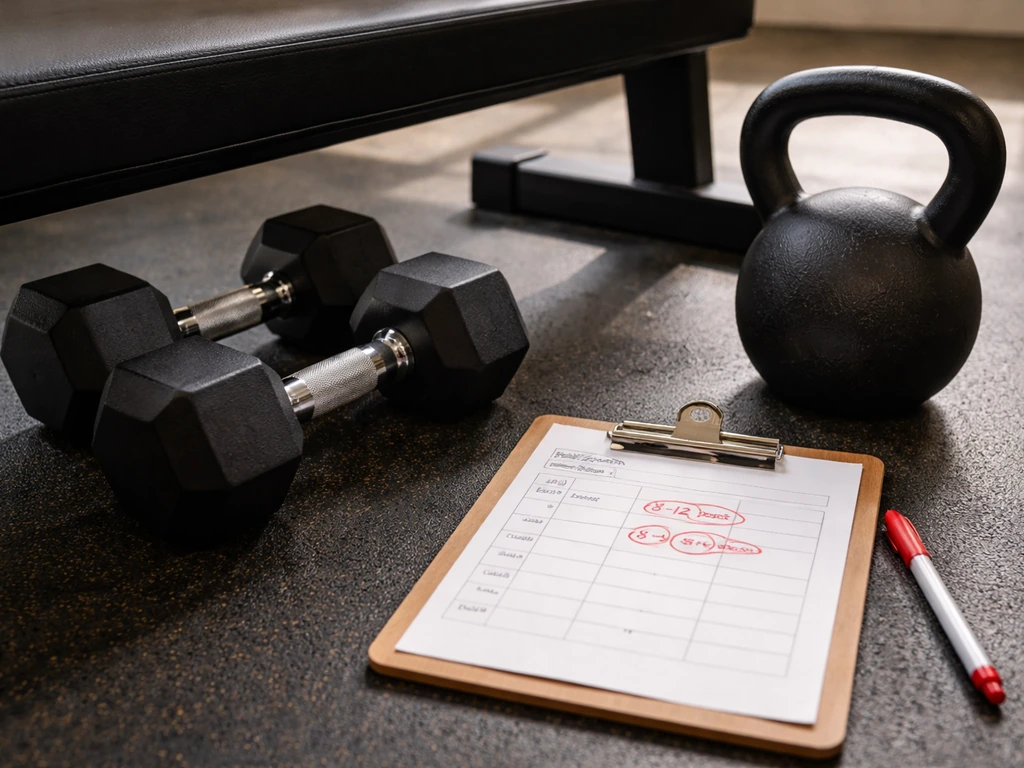
For hypertrophy, a rep range of 6 to 15 per set covers most of the evidence-based sweet spot. You can build muscle with higher reps too (up to 30), as long as the sets are challenging. A good starting weekly volume is 10 to 20 hard sets per muscle group per week. Research comparing volume levels has found that higher weekly sets do tend to produce more hypertrophy, though the differences between moderate and high volume aren't always dramatic for every muscle group. What matters most is that the volume is high enough to create stimulus and low enough to allow recovery. Increasing sets gradually over weeks is smarter than jumping straight to maximum volume.
You don't need to go to absolute failure on every set. A systematic review and meta-analysis confirmed that non-failure training can produce comparable hypertrophy and strength gains to training to failure, as long as sets are taken close to failure (within 2 to 3 reps). Stopping there also reduces injury risk and lets you maintain better form across all your sets.
Frequency and progression
Training each muscle group 2 times per week tends to outperform once-per-week training for size. A 4-day upper/lower split or a push/pull/legs structure done twice per week covers this well. As for progression, aim to add weight or reps each week. Even small jumps, like 2.5 pounds added to a press, compound into meaningful strength and size over months. If you're not progressing, that's your clearest signal that something is off with your training, nutrition, or recovery.
Gym vs. home training: what actually works without a full setup
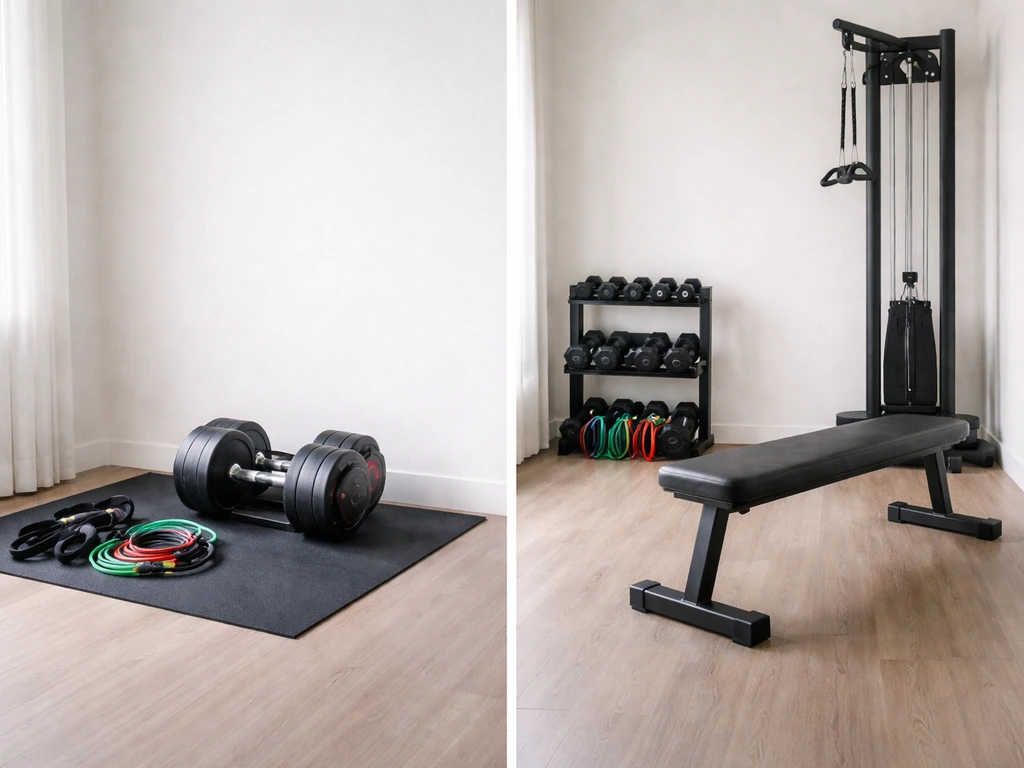
You don't need a fully equipped gym to build muscle. The principle is the same: progressive overload. At home or with limited equipment, the tools change but the goal doesn't. Bodyweight movements like push-up variations, dips, rows using a table or rings, Bulgarian split squats, and single-leg deadlifts can take you further than most people expect. Resistance bands add variety and let you increase load in upper-body pulling movements where bodyweight alone runs out of challenge quickly.
If you can invest in a few pieces of equipment, a set of adjustable dumbbells and a pull-up bar will cover the majority of hypertrophy needs. Dumbbells let you do presses, rows, curls, lunges, Romanian deadlifts, and lateral raises with meaningful loading. A kettlebell or two is another versatile option. The real limitation at home isn't equipment, it's the discipline to push sets hard enough. That's where home training often falls short, not the tools themselves.
For the gym, the advantage is progressive loading with barbells, cable machines, and variety of angles. A well-run gym program built around barbells and cables will outpace a bodyweight-only program for most people past the beginner stage, particularly for lower body development. But if you're a beginner or focused on the upper body, a smart home program is entirely legitimate. If you're curious about how to structure a complete approach to growing mass muscle, the core principles stay consistent regardless of setting.
Nutrition basics for serious size
Training breaks muscle down. Nutrition is what builds it back up and then some. Getting this part wrong is the number-one reason people train consistently for months and still don't look different.
Protein: the non-negotiable
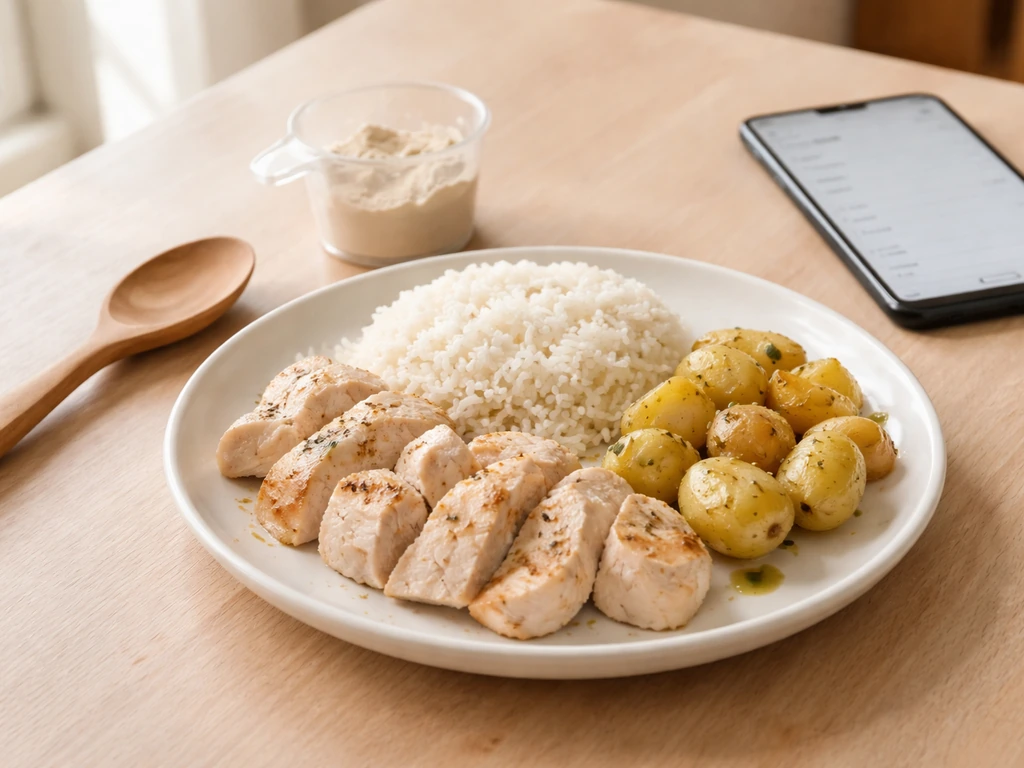
The International Society of Sports Nutrition recommends 1.4 to 2.0 grams of protein per kilogram of body weight per day for most exercising individuals looking to build and retain muscle. That translates to roughly 0.7 to 1 gram per pound of body weight. For a 180-pound person, that's about 126 to 180 grams of protein daily. If you're in a calorie deficit (trying to build lean muscle while losing fat), aim toward the higher end to protect muscle tissue. Spreading that protein across 3 to 5 meals tends to maximize muscle protein synthesis compared to eating it all in one or two sittings.
Calories: you need enough to grow
To gain muscle at a meaningful rate, most people need to be in a calorie surplus. A modest surplus of 200 to 400 calories above maintenance is enough to fuel growth without piling on excess fat. Eating in a large surplus doesn't make you grow faster, it just makes you gain more fat alongside the muscle. If you're brand new to training, you may gain muscle even at maintenance calories for the first few months (a process sometimes called body recomposition), but this effect fades as you become more trained.
Carbs and fats: they both matter
Carbohydrates are the primary fuel for resistance training. Eating enough carbs keeps glycogen stores full, which directly affects training quality, volume, and recovery. After protein targets are hit, the remainder of your calories should come largely from carbs and fats in proportions you can sustain. There's no single magic ratio. Some people do well with higher carbs and lower fat; others prefer the reverse. What matters is total calories and protein are where they need to be. Fats are important for hormone production, including testosterone, so don't drop them below 20 percent of total calories.
Building lean muscle without gaining a lot of fat
If you want to grow lean muscle specifically, the strategy is a smaller calorie surplus (150 to 300 calories), high protein intake, and training that's heavy enough to drive hypertrophy signals. It's a slower process than a traditional bulk, but the muscle-to-fat ratio is better. Some people prefer alternating between modest bulk and cut phases to manage body composition over the long run. You can also simultaneously grow muscle and lose fat if you're a beginner, returning after a long break, or carrying enough body fat that you can support muscle growth from stored energy while in a slight deficit.
Supplements worth taking (and what to skip)
Supplements don't make a bad program good, but the right ones can give a real edge when training and nutrition are already dialed in. Here's a clear breakdown of what's worth your money and what isn't.
| Supplement | Evidence Level | Recommended Use | Notes |
|---|---|---|---|
| Creatine monohydrate | Very strong | 3–5 g/day maintenance after optional loading phase | Loading: ~0.3 g/kg/day for 5–7 days to rapidly saturate stores; safe and well-researched |
| Protein powder (whey, casein, plant) | Strong | As needed to hit daily protein targets | Augments resistance-training gains; food first, supplement the gap |
| Caffeine | Good | 3–6 mg/kg bodyweight 30–60 min pre-workout | Improves max strength and strength endurance; avoid late in the day to protect sleep |
| Beta-alanine | Moderate | 3.2–6.4 g/day | Reduces fatigue in higher-rep sets; tingling (paresthesia) is harmless |
| Branched-chain amino acids (BCAAs) | Weak | Not needed if protein intake is sufficient | Redundant if you're hitting protein targets; not worth the cost |
| Testosterone boosters | Very weak | Skip entirely | Most are ineffective; claims are not supported by strong human evidence |
| Fat burners | Very weak | Skip entirely | Not a tool for lean muscle; mostly stimulants with minimal proven effect |
Creatine monohydrate is the most evidence-supported supplement in strength and hypertrophy research. The body naturally replenishes about 1 to 3 grams of creatine per day to maintain normal muscle stores. Supplementing with 3 to 5 grams daily tops those stores off consistently, supporting more training output over time. It's cheap, safe, and it works.
Protein powder is simply a convenient food source, not a magic pill, but the data consistently show that augmenting total protein intake through supplementation does improve resistance-training-induced gains in muscle and strength compared to lower protein intakes. Caffeine at 3 to 6 mg per kilogram of bodyweight has solid evidence for improving maximum strength and strength endurance, which means better training sessions and more stimulus for growth.
For most adults, the FDA says a daily caffeine intake of 400 mg is not associated with safety concerns, referencing a 2017 systematic review caffeine at 3 to 6 mg per kilogram of bodyweight.
Recovery is where the muscle actually gets built
You don't grow in the gym. You create the signal in the gym and grow when you're resting. This distinction matters a lot in practice.
Sleep is your number-one recovery tool
Most of the hormonal environment that supports muscle repair (growth hormone, testosterone) peaks during deep sleep. A systematic review on sleep interventions in athletes found that extending sleep duration by roughly 46 to 113 minutes per night in people already sleeping around 7 hours produced meaningful performance benefits. If you're sleeping 6 hours and wondering why gains are slow, that's a likely contributor. Aim for 7.5 to 9 hours. Consistent sleep timing matters too, not just total duration.
Stress, soreness, and what they mean
Chronic stress elevates cortisol, which competes directly with the anabolic hormones you want elevated. Managing life stress isn't just mental health advice, it's a legitimate performance variable. On soreness: you don't need to be sore to grow. Soreness (DOMS) is an indicator of a new stimulus, not a direct measure of muscle damage or growth quality. If you've been training a movement consistently, you'll get less sore over time without losing hypertrophy adaptation. Don't chase soreness.
Deloads and coming back from injury
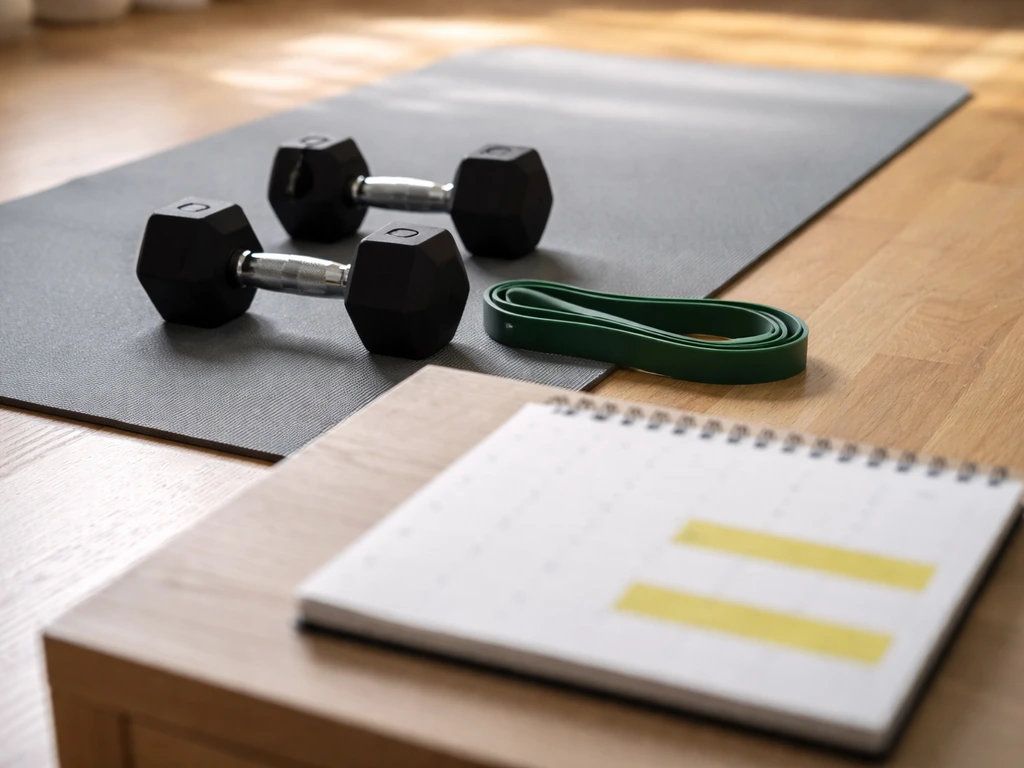
A deload is a planned week of reduced training volume or intensity, usually every 4 to 8 weeks for intermediate and advanced lifters. Research on a one-week deload inserted midway through a 9-week training program found no negative effect on hypertrophy outcomes, though there were some temporary effects on lower-body strength. That's a reasonable trade for reducing accumulated fatigue and letting connective tissue recover. Deloads are proactive maintenance, not laziness.
For those rebuilding after injury or a long layoff, the most important thing to understand is that the early weeks back should be lower intensity than ego suggests. Even if you feel capable of training hard immediately, tendons and connective tissue adapt slower than muscle, which creates injury risk when you rush back. Start at 50 to 60 percent of your previous volume and intensity and build back over 3 to 4 weeks.
Muscle memory means the strength and size come back faster than the first time around, so patience early pays off with faster long-term results. If you've been dealing with hip or pelvic tightness from time off, it's also worth knowing that targeted work to strengthen the TFL muscle can help restore pelvic stability and reduce lower back strain before loading heavier movements.
Why you're not growing (and how to fix it)
Most muscle-building plateaus come down to a handful of fixable problems. Here are the most common ones, with direct solutions.
- Not eating enough protein: If you're not hitting 1.6 to 2 grams per kilogram of bodyweight daily, protein synthesis is the limiting factor. Track your intake for a week honestly and see where you actually land.
- Not eating enough total calories: Muscle growth requires energy. If your weight isn't budging, you're probably not in a meaningful surplus. Add 200 to 300 calories and reassess in two weeks.
- Not training with enough volume or effort: Doing 3 sets per muscle group per week won't cut it for most people past the beginner stage. 10 to 20 challenging sets per muscle group per week is the target range, and sets should end close to failure.
- No progressive overload: If you've been lifting the same weights for the same reps for months, your muscles have adapted and the growth signal has disappeared. You need to add load or volume over time.
- Poor sleep: Consistently sleeping under 7 hours suppresses the hormonal environment needed for recovery and growth. Prioritize this before adding supplements or changing your split.
- Inconsistency: Missing sessions or eating poorly on weekends erases a lot of accumulated weekly stimulus. Consistency over months beats perfect programming done sporadically.
- Skipping compound movements: If your program is mostly machines and isolation exercises, you're leaving a lot of stimulus on the table. Barbells, dumbbells, and bodyweight loaded compounds are hard to replace.
- Expecting too much too fast: If you've been training 6 to 8 weeks and aren't satisfied with your physique, that's a timeline issue, not a program issue. Real change takes 3 to 6 months to become visually obvious.
One situation worth calling out specifically: if you train your dog alongside your workouts or use your pet as motivation, that's great for consistency, but just as human training is species-specific, so is canine conditioning. Curiosity about how to help your dog build muscle follows a completely different set of principles from human resistance training, so don't conflate the two.
Your fast-muscle action plan starting today
Everything in this guide boils down to a set of actions you can take immediately. Here's a checklist to implement right now:
- Calculate your protein target: bodyweight in pounds multiplied by 0.7 to 1. Hit that number daily, distributed across at least 3 meals.
- Set a calorie target: maintenance calories plus 200 to 400 for muscle gain, or at maintenance if you're a true beginner.
- Pick a 4-day program built around compound lifts with progressive overload built in (upper/lower split is a reliable starting point).
- Aim for 10 to 20 working sets per major muscle group per week, leaving each set 2 to 3 reps short of failure.
- Start taking creatine monohydrate at 3 to 5 grams per day. You can do a loading phase of 0.3 g/kg for 5 to 7 days to saturate stores faster.
- Prioritize 7.5 to 9 hours of sleep every night. If you're not doing this, it is the highest-leverage thing you can fix.
- Track weekly progression on your main lifts. If you're not adding weight or reps over a 2-week period, investigate nutrition and sleep first.
- Plan a deload week every 4 to 8 weeks: drop volume by 40 to 50 percent while keeping intensity similar.
- If returning from a break, start at 50 to 60 percent of your previous volume for 3 weeks, then ramp up.
Growing muscle fast is genuinely achievable, but it requires getting the fundamentals right simultaneously, not just nailing one variable while ignoring the others. Train hard and smart, eat to support growth, sleep like it's part of your program, and stay consistent for months, not weeks. That's the fastest way there is.
FAQ
How long should it take before I notice muscle growth if I’m doing everything right?
You usually get strength improvements first, and visible size comes later. If you are eating in a surplus, progressing your training, and sleeping well, the most common window for noticeable visual change is 8 to 12 weeks, with some noticeable pump or performance changes in the first couple weeks. If you still see no strength gains by week 3 to 4, treat that as a training or calorie consistency problem, not a “my body doesn’t build muscle” problem.
What if the scale is not going up during a muscle-building phase?
If your weight stays flat for 2 to 3 weeks, you are likely not in a surplus even if you think you are. Add 150 to 250 calories per day, mostly from carbs, and re-check body weight trend (not day-to-day). Also confirm you are hitting protein daily, since under-eating protein while “trying to bulk” can blunt gains even when calories rise.
Is it possible to grow muscle fast without gaining fat?
Yes, but the “fast” version is usually slower than a classic bulk. Use a smaller surplus (about 150 to 300 calories) and expect slower visual changes than a bigger surplus. If waist size climbs quickly week to week, your surplus is probably too high, reduce calories slightly, and keep training intensity close to failure (within about 2 to 3 reps) so you are still driving hypertrophy.
How many sets per week should I do if I’m short on time?
If you are time-limited, aim for the lower end of the effective range, then build. A practical target is around 8 to 12 hard sets per muscle group per week to start, as long as those sets are challenging and you progressively overload. If recovery is fine after 3 to 4 weeks, add sets gradually rather than jumping to the high end all at once.
Should I train to failure to grow muscle faster?
Not on every set. Non-failure training works well when you stop close to failure, typically within 2 to 3 reps. Training to true failure regularly increases fatigue and can degrade form, which can reduce stimulus quality for later sets and subsequent sessions. Use failure more selectively, like on the last set of an isolation movement.
Do I need to hit 6 to 15 reps for every exercise?
No, the rep range in the article is a broad hypertrophy sweet spot, but different lifts can live in different zones. Use a mixed approach: keep compounds mostly between 6 to 12 reps and use accessories closer to 10 to 20 reps when joint stress is lower. The key is that sets are hard and you progress over time, regardless of the exact rep count.
How do I know I’m doing progressive overload the right way?
Progression should show up as either added reps at the same weight or added load at the same or higher rep target, while maintaining good technique. A simple method is to pick a rep range for each lift, for example 8 to 12, and once you hit the top reps for all sets, add a small amount of weight next session. If you cannot progress in both strength and reps for 3 to 4 weeks, check sleep, calories, and whether your sets are truly close to failure.
What should I do if I’m gaining strength but not muscle size?
First rule out under-measuring progress, since some muscle gain is subtle early on. If strength rises but measurements and photos do not, common causes are insufficient calories, protein below target, or too little effective volume for the muscles you care about. Also consider that early neural gains can inflate strength before noticeable hypertrophy, so give it a few more weeks while tightening nutrition and weekly hard sets.
How much protein is enough if I’m small, larger, or cutting?
Use your body weight based range, roughly 1.4 to 2.0 g per kilogram daily, and aim toward the higher end during a calorie deficit. For example, smaller bodyweights still use the same math, so the absolute number can drop but protein target remains per kg. If you struggle to hit it, prioritize protein at each meal (for instance, 25 to 45 g per meal depending on your body size), then use a protein shake only as a convenience tool.
Is it better to eat more carbs or more fats for muscle growth?
Carbs are important for training quality because they support glycogen and performance. That said, fats matter too because they support hormones, and you should not drop them too low, typically keep at least around 20 percent of calories from fat. If performance is suffering, add carbs around training (more pre and possibly post-workout), and if digestion or cravings push you too high, adjust total calories rather than removing carbs entirely.
Do I need separate pre-workout and post-workout nutrition for faster muscle growth?
Not necessarily, but timing can help you train harder. A practical approach is getting carbs and protein around workouts so you can maintain performance across sets, and then returning to your daily calorie and protein totals. If you train in a fasted state, consider a small carb serving plus protein before training to reduce training quality drops, especially for high-volume programs.
What are good signs I need a deload, and how should it look?
Use deloads when performance trends down for 2 to 3 weeks, loads feel heavy at the same rep targets, or aches and joint irritation start accumulating. A deload usually reduces volume more than it reduces your ability to move the weights. For example, you might keep some warm-up and lighter work but cut total hard sets roughly in half for that week, then resume progression afterward.
How should I restart training after an injury or long layoff to avoid setbacks?
Start below your ego level, especially because tendons and connective tissues adapt slower than muscle. Begin around 50 to 60 percent of your prior volume and intensity, build for 3 to 4 weeks, then increase again. Keep an eye on pain versus normal effort, and if you had hip or pelvic issues previously, consider adding targeted stability work before you ramp heavy compound lifts.
Can I grow muscle faster by changing my exercise selection every week?
Usually no. Exercise variety can help with comfort and joint tolerance, but constant swapping disrupts progression because you lose a stable baseline to add reps or weight. Better approach: keep the main movement patterns (squat/hinge/press/pull) consistent for 6 to 12 weeks, swapping only accessories if needed for shoulder, elbow, or low back comfort.
Does soreness matter for muscle gain and faster results?
Soreness is not required. You can grow without feeling very sore, and getting extremely sore does not guarantee better hypertrophy. Use performance and execution quality as your feedback loop: if a muscle is being trained hard close to failure and you can progress over weeks, soreness should fade while growth continues.
How do I know supplements are actually worth my money in my situation?
If protein and calories are inconsistent, prioritize fixing those first because supplements cannot replace them. Once fundamentals are dialed in, creatine is the highest value supplement for most people, since it reliably supports training output. If you use caffeine, keep it within a dose range based on body weight and be mindful of sleep, since even one poor night can blunt recovery and progress.