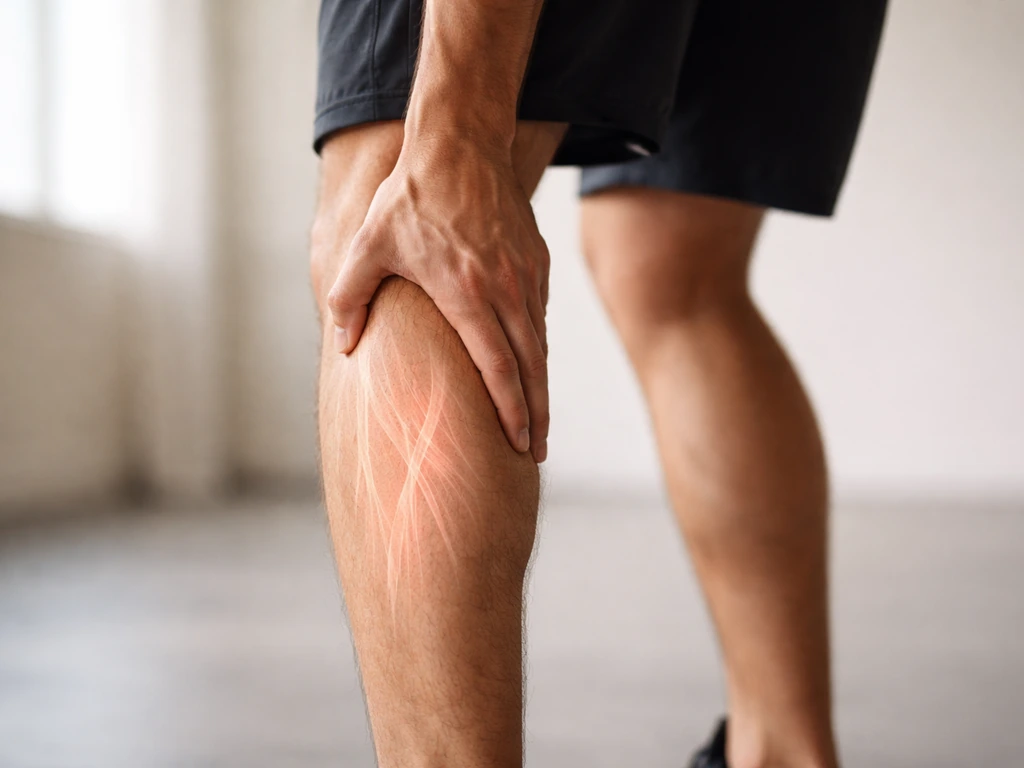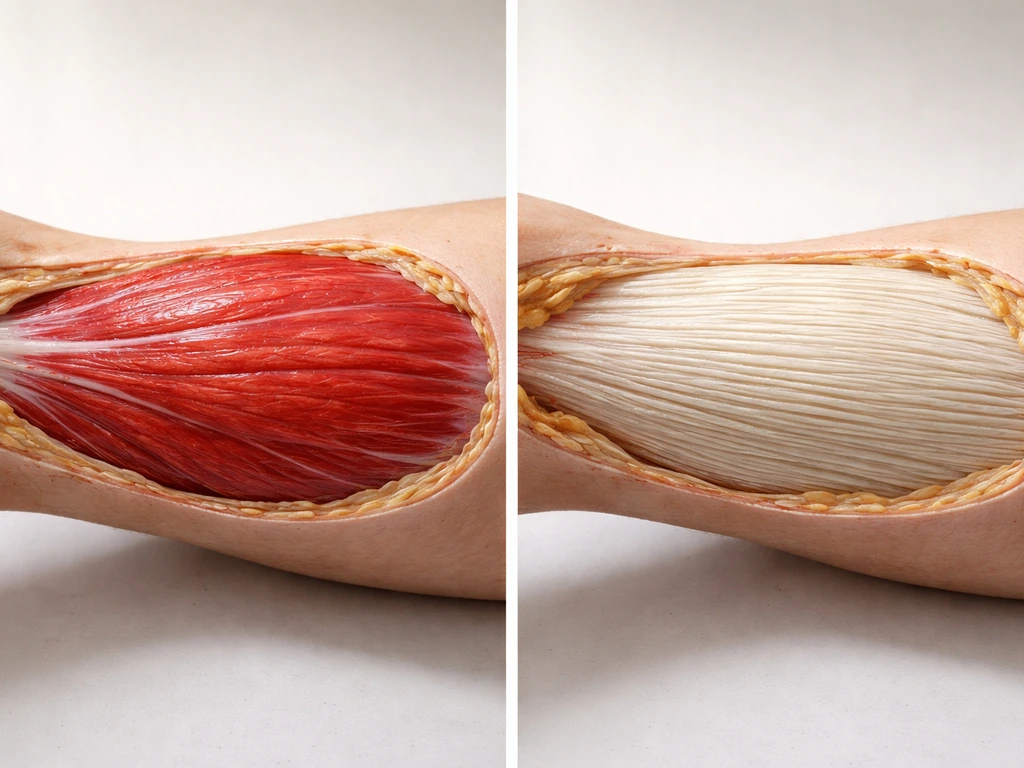
Yes, you can grow muscle and lose fat at the same time. It's not a myth, it's not reserved for genetic freaks, and you don't need to spend six months bulking up before you earn the right to lean down. The process is called body recomposition, and if you're a beginner or an intermediate lifter who hasn't been training consistently, you're actually in the best position to pull it off. Here's exactly how to do it.
How to Grow Muscle and Lose Fat: Body Recomp Plan

Marcus Kellerman
2 Apr 2026

Recomp vs. bulking and cutting: which is right for you
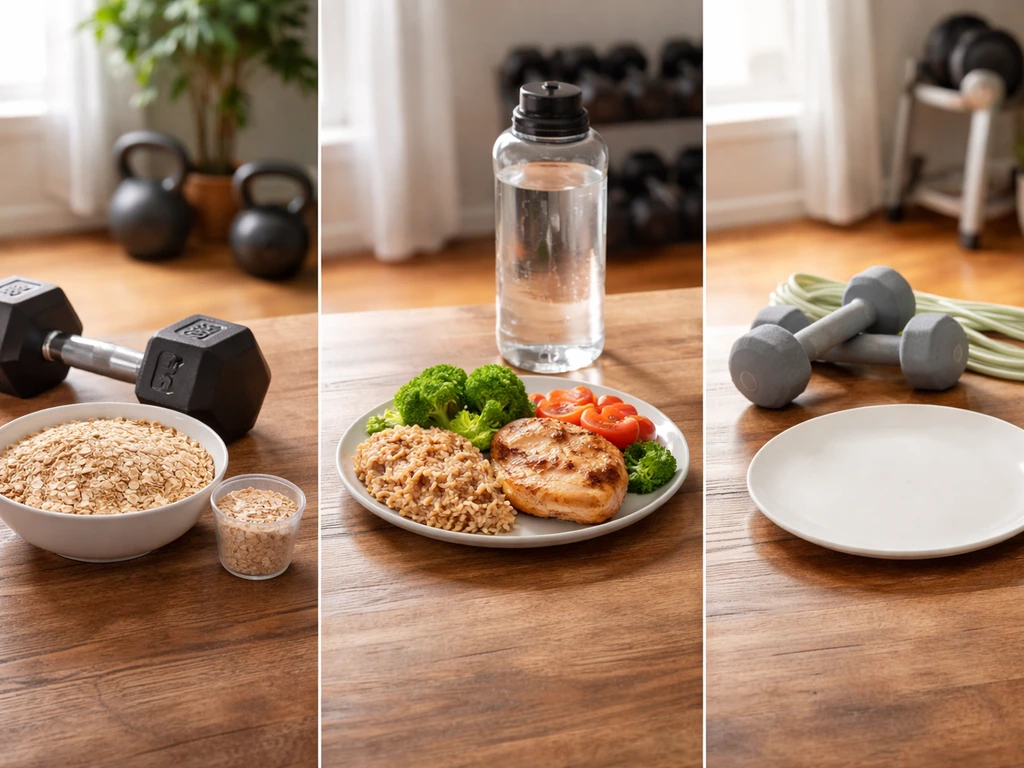
Traditional bulking and cutting cycles made sense in an era when the goal was maximizing absolute muscle mass on a competitive stage. You eat in a significant surplus to drive muscle growth, accept the fat gain that comes with it, then diet hard to strip the fat away. The problem is that most people reading this aren't competitive bodybuilders. They just want to look and feel better, and the idea of deliberately gaining fat before losing it feels counterproductive, because it is, for them.
Body recomposition works differently. Instead of swinging between aggressive surpluses and aggressive deficits, you operate near your maintenance calories, slightly below it, use resistance training as the primary driver of muscle growth, and let high protein intake do the heavy lifting for preserving and building tissue. A systematic review on the topic confirms that simultaneous muscle gain and fat loss is genuinely achievable, but the outcomes depend heavily on training status, the size of the energy deficit, and whether protein intake is adequate. The science is clear: severe restriction kills the results. Modest deficits and consistent training produce them.
So who should recomp, and who should consider a more traditional approach? Beginners and people returning after a long break will see the strongest recomp results because their muscles respond aggressively to new training stimulus even without a calorie surplus. Intermediate lifters with decent body fat levels (men above roughly 18%, women above roughly 28%) also do well. Advanced lifters who are already lean and want to add serious size will likely progress faster with dedicated mass phases. If that's you, check out the deeper dive on how to grow mass muscle for strategies built around a surplus. For everyone else, recomp is the play.
The training blueprint that makes this work
Nutrition creates the environment for recomp, but training is what actually signals your body to build muscle instead of just losing weight. Without a strong training stimulus, a calorie deficit just makes you a smaller version of yourself with the same body fat percentage. You want muscle growth, and that requires mechanical tension, metabolic stress, and progressive overload applied consistently over time.
Frequency and structure
Train each major muscle group at least twice per week. Research consistently shows that frequency matters for muscle protein synthesis, and hitting muscles once a week in a single long session is less effective than spreading that volume across two shorter ones. A simple upper/lower split four days a week works extremely well for beginners and intermediates. Full-body three-day-a-week programs are also effective if your schedule is tight. What you want to avoid is either extreme: training too infrequently to drive growth or overloading so much volume that recovery becomes impossible in a slight deficit.
Intensity, volume, and progressive overload

Work in the 6 to 20 rep range, with most of your sets sitting in the 8 to 15 range. That range balances mechanical tension (what heavier loads in lower rep ranges provide) with metabolic stress (what higher rep moderate-load sets create), and both contribute to muscle growth. Aim for 10 to 20 working sets per muscle group per week as a starting target, with beginners starting closer to 10 and building up over time.
Progressive overload is non-negotiable. Every few sessions you should be adding a rep, adding a small amount of weight, or improving the quality of a set. Your body only has a reason to hold onto and build muscle if the demand keeps increasing. Track your lifts. If you're not progressing over a 4 to 6 week period, something needs to change, whether that's nutrition, sleep, volume, or exercise selection.
Cardio: how much and what kind
Cardio helps create or widen your calorie deficit without requiring you to eat less, which is useful because eating less makes hitting protein targets harder. But too much cardio, especially high-intensity cardio stacked on top of heavy training, eats into recovery and can blunt muscle growth signals. The sweet spot for most people is 2 to 3 sessions of low to moderate intensity steady-state cardio per week, 20 to 40 minutes each, like brisk walking, cycling, or incline treadmill work. Save the high-intensity intervals for occasional use, not as your daily fat-loss strategy.
Calories and macros: how to eat for recomp
The calorie target for recomp is the detail most people get wrong. Go too aggressive and you'll lose muscle along with fat. Stay at maintenance and progress slows. The research-supported sweet spot is a modest deficit of around 200 to 500 calories below your total daily energy expenditure (TDEE). That's small enough to preserve anabolic signaling and muscle tissue, but large enough to drive meaningful fat loss over weeks and months.
To find your rough starting point, multiply your bodyweight in pounds by 14 to 16 (use the lower end if you're less active, higher if you're training hard and moving a lot during the day). That gives you an approximate maintenance range. Subtract 300 calories as a reasonable starting deficit. Reassess after two to three weeks based on actual results.
Macro targets
| Macronutrient | Target Range | Primary Role in Recomp |
|---|---|---|
| Protein | 0.7–1.0g per lb of bodyweight | Muscle protein synthesis, satiety, preservation of lean mass in a deficit |
| Carbohydrates | 30–45% of remaining calories | Fuel for training, replenishment of muscle glycogen, performance support |
| Fats | 25–35% of remaining calories | Hormone production (including testosterone), absorption of fat-soluble nutrients, satiety |
Protein is the priority and gets its own section below. Once protein is locked in, split the remaining calories between carbs and fats based on your preference and how your body performs. People who feel better with more carbs should skew that way. People who prefer lower carb eating can shift more toward fat. Neither macro is inherently superior for recomp as long as protein is adequate.
Best foods for building muscle and burning fat
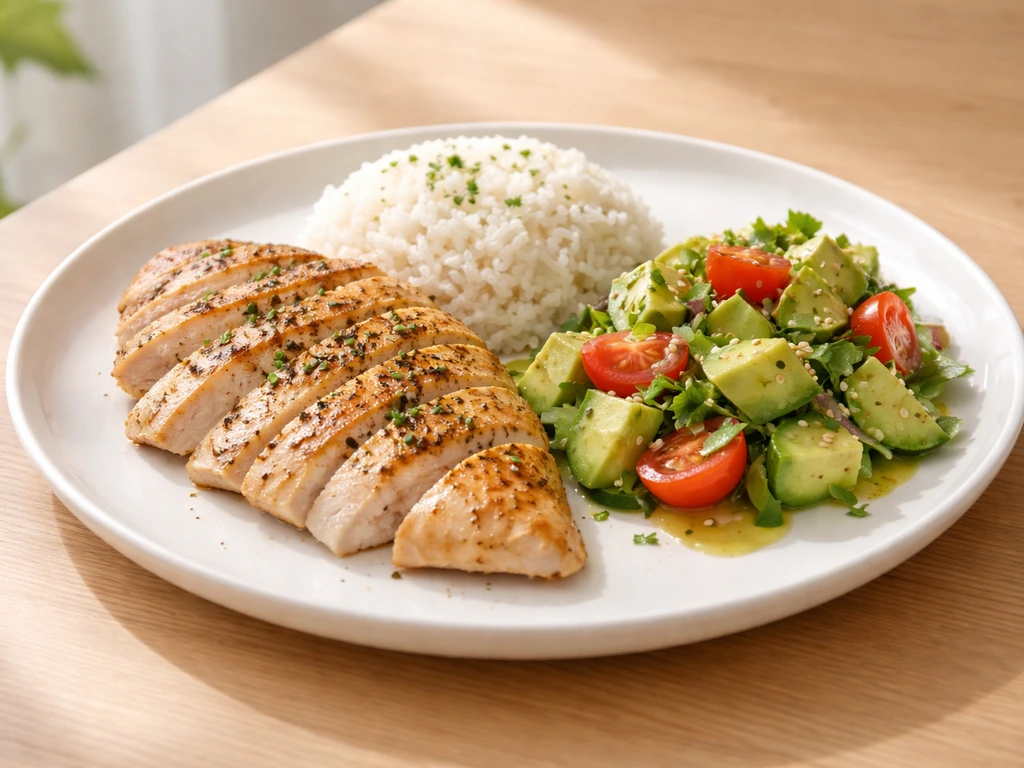
The foods that work best for recomp are high in protein, relatively filling per calorie, and minimally processed so they're easy to eat consistently. Think: lean meats like chicken breast, turkey, and 90% lean ground beef; fatty fish like salmon and tuna; eggs and egg whites; Greek yogurt and cottage cheese; legumes like lentils and chickpeas; rice, oats, and potatoes for carbs; and vegetables for volume and micronutrients. These aren't magic foods. They're just foods that make it easy to hit your protein and calorie targets without going over.
Protein: the most important dial to get right
If there's one variable that separates successful recomp from unsuccessful weight loss, it's protein. High protein intake does three things simultaneously: it drives muscle protein synthesis, it reduces muscle protein breakdown during a deficit, and it keeps you fuller than the same calories from carbs or fat. For body recomposition, aim for 0.7 to 1.0 grams of protein per pound of bodyweight daily. A 175-pound person should be eating between 122 and 175 grams of protein every day. That's the non-negotiable range.
Spread that protein across 3 to 5 meals or eating occasions throughout the day. Each meal should contain at least 30 to 40 grams of high-quality protein to maximally stimulate muscle protein synthesis. Eating 100 grams in one sitting and 20 in another doesn't produce the same anabolic response as distributing it evenly. The mechanism matters here: muscle protein synthesis is triggered by leucine, a key amino acid in animal proteins (and to a lesser extent plant proteins), and you need a meaningful dose at each meal to flip that switch.
Pre and post-workout protein timing has a smaller effect than total daily intake, but it's still worth doing right. Having a protein-rich meal or shake within a couple hours before and after training keeps amino acids available when your muscles need them most. If you're interested in dialing in both sides of this, a solid overview of how to grow lean muscle covers the specifics of protein timing and food choices in more detail.
Supplements worth using (and what to ignore)
The supplement industry makes enormous promises about fat burning and muscle building, and most of those promises are garbage. A few things genuinely move the needle in a calorie deficit, and here's what the evidence actually supports.
- Creatine monohydrate: The most well-researched muscle supplement in existence. It increases phosphocreatine stores in muscle, which improves strength and power output during training. More strength means more stimulus for muscle growth even in a deficit. Take 3 to 5 grams daily, any time of day. No loading phase required.
- Whey protein (or plant-based protein powder): Not magic, but a practical, affordable way to hit daily protein targets when whole food sources fall short. Whey is fast-digesting and leucine-rich, making it a solid post-workout choice.
- Caffeine: Genuinely improves training performance, focus, and fat oxidation when taken pre-workout. 100 to 200mg about 30 to 45 minutes before training works for most people. Don't overdo it and don't take it late in the day or it'll wreck your sleep.
- Vitamin D and omega-3s: These aren't muscle-building supplements per se, but most people are deficient in vitamin D and under-consuming omega-3s, and both have downstream effects on hormone function, inflammation management, and recovery that matter for recomp.
What to skip: fat burners, BCAAs (if you're already hitting total protein), most pre-workout blends with proprietary blends, and anything marketed as a "metabolism booster." The ROI on these is near zero compared to the basics above.
If you want to understand how these supplements interact with a muscle-building program more broadly, it's worth reading about how to grow muscle mass fast, which covers how training intensity, progressive overload, and supplementation layer together for accelerated results.
Recovery, sleep, and knowing if it's actually working
Sleep is where the gains happen
You can do everything else right and still stall if you're sleeping 5 to 6 hours a night. Sleep is when growth hormone peaks, when muscle protein synthesis accelerates, and when cortisol (a catabolic stress hormone) drops. Chronic sleep deprivation raises cortisol, suppresses testosterone, impairs insulin sensitivity, and makes you hungrier the next day. For recomp, you need 7 to 9 hours per night. That's not aspirational advice, it's a physiological requirement. Treat it like a training variable.
Managing stress and recovery between sessions
High chronic stress elevates cortisol, which directly competes with the anabolic signals you're trying to generate through training. You don't need to meditate every morning, but you do need to manage your overall stress load and not stack a brutal training program on top of an already exhausted lifestyle. Program at least one full rest day between intense lower body sessions and one between intense upper body sessions. Active recovery like walking, light stretching, or mobility work is fine on rest days and can actually improve recovery speed.
How to track whether recomp is working

Here's the tricky part of recomp: the scale often doesn't move much, or moves slowly, because you're losing fat while building muscle at the same time. If you judge your progress by the number on the scale alone, you'll think nothing is happening when a lot is happening. Use multiple tracking methods.
- Take weekly photos in the same lighting, same time of day, same poses. Visual changes in body composition show up in photos before they show up in the mirror or on the scale.
- Track your lifts. Strength progression in your key compound movements is one of the most reliable signals that muscle is being built. If you're getting stronger, you're building muscle.
- Measure your waist circumference weekly. A slowly shrinking waist alongside stable or increasing bodyweight is a textbook recomp signal.
- Use a body fat estimate every 4 to 6 weeks. DEXA scans are the gold standard. Calipers and smart scales are less accurate but can show trends over time if you measure consistently.
- Track energy and training performance. If your workouts are getting easier, your recovery feels good, and your hunger is manageable, your deficit is calibrated well. If you're exhausted, losing strength, and always hungry, you're probably cutting too hard.
When and how to adjust the plan
Give the plan at least 4 full weeks before making major changes. After that window, if body fat isn't moving, reduce calories by 100 to 150 per day and reassess. If strength is declining noticeably, increase calories slightly or reduce training volume temporarily. If everything is progressing, the best thing you can do is stay consistent and avoid the temptation to constantly tweak things.
Realistic timelines and expectations
Recomp is slower than a dedicated bulk or cut when you look at any single metric in isolation. A hard bulk might add 10 pounds to your frame in 3 months, but 3 to 5 of those pounds will be fat. A hard cut might drop 12 pounds in 10 weeks, but 2 to 4 of those pounds will be muscle. Recomp operates differently: you might add 4 to 6 pounds of muscle and lose 6 to 10 pounds of fat over 4 to 6 months, with the scale barely moving. That's actually an impressive outcome. It just doesn't look dramatic until you see the before and after.
Beginners can expect faster initial results, sometimes visibly noticeable changes in 6 to 8 weeks with consistent training and nutrition. Intermediates progress more slowly but still make meaningful changes over a 12 to 16 week period. Advanced lifters doing true body recomposition may see only modest changes in 6 months, which is why most very experienced, already-lean lifters opt for traditional bulk/cut phases instead.
One thing worth noting: certain muscle groups respond more slowly than others because of their fiber composition and training accessibility. The tensor fasciae latae, for example, is one that many people neglect entirely in their programming. If hip stability and injury prevention matter to you, how to grow tfl muscle is a useful reference for targeting it specifically.
Your next steps, starting today
You don't need a perfect plan to start. You need a good enough plan executed consistently. Here's what to do in the next 24 to 48 hours to get the recomp process moving immediately.
- Calculate your approximate TDEE and set your starting calorie target at TDEE minus 300. Track your food for at least the first two weeks so you know what you're actually eating.
- Set your protein target at 0.8 grams per pound of bodyweight and plan 3 to 4 meals that each hit 30 to 40 grams of protein.
- Choose a 3 or 4 day resistance training program that hits each muscle group twice per week. Log every session so you can track progressive overload.
- Add 2 to 3 short cardio sessions per week, nothing brutal, just enough to support your deficit without crushing recovery.
- Take progress photos and measurements today as your baseline. You'll thank yourself in 8 weeks.
- Start creatine at 3 to 5 grams daily if you haven't already. It's cheap, it works, and there's no downside.
The biggest mistake people make is waiting until conditions are perfect before starting. They want to finish the research, find the optimal program, or get through a busy month first. Meanwhile, a consistent but imperfect plan started today beats a perfect plan started next month every single time. The body adapts to what you actually do, not what you plan to do.
If you're newer to training and want more context on structuring your overall approach to muscle growth, the guide on how to make your dog grow muscle is, admittedly, a different application of similar principles around resistance, nutrition, and recovery protocols applied to canine fitness. For your own training, the fundamentals covered in this article give you everything you need to run a real recomp starting now.
FAQ
How long should I run a recomp before judging results?
Give it at least 4 weeks before making major changes, because early weight and water shifts can mask fat loss. After that, reassess using photos, waist measurement, and average strength trends (not just daily scale weight).
What if my strength is going up but my weight is not changing, am I still recomping?
Yes, that can be a good sign. Weight often stays stable when fat loss and muscle gain offset each other, so look for progressive overload in lifts and improvements in performance, plus a gradual waist or hip circumference decrease.
What if my scale goes down fast in the first 1 to 2 weeks?
That can happen from water loss, especially if your calories are slightly lower than before. If your strength drops sharply or performance tanks for more than a couple sessions, increase calories slightly or reduce training volume to protect muscle.
How do I set my starting calories if I do not know my true TDEE?
Use the bodyweight x 14 to 16 method as a starting point, then use a 2 to 3 week feedback loop. If your progress stalls and strength stays flat, reduce by 100 to 150 calories per day; if strength declines, add calories back or reduce volume.
Should I track body fat percentage or rely on the scale?
Body fat estimates (especially home calipers or consumer scales) can be noisy. Waist measurement, progress photos in consistent lighting, and consistent training metrics are usually more reliable for recomp than a single body fat number.
What training volume is too much for recomp?
If you cannot progress on reps or load over 4 to 6 weeks, or if soreness and fatigue keep stacking, volume is likely too high for your calorie deficit. Reduce sets by 20 to 30% for a week while keeping intensity and technique consistent.
Do I need to lift heavy, or are higher reps enough?
Both can work if you progressively overload. Use the 6 to 20 rep range, but ensure you are approaching failure appropriately on most working sets (you should usually leave a small buffer, not always grind every set).
How close to failure should my sets be?
A practical target is leaving about 0 to 3 reps in reserve on many working sets, especially on the 8 to 15 rep range. Going too far past failure frequently can impair recovery and slow muscle gains in a deficit.
Can I recomp with low carb or even very low carb?
Yes, macro choice can vary as long as protein hits the target and calories are managed. With very low carb, expect workout performance to sometimes dip early, so consider using carbs around training (or slightly increasing carbs) if strength falls.
Do I need creatine for recomp?
Creatine is one of the few supplements that commonly supports performance and muscle gain, which helps recomp indirectly. If you use it, take it consistently (for example, daily monohydrate), and do not expect it to replace protein or calorie control.
What protein amount should I pick if I am not sure of my bodyweight?
Use your current bodyweight for the 0.7 to 1.0 g per pound target. If you change weight quickly early on, re-evaluate after 2 to 3 weeks, because your protein needs may shift slightly as your body changes.
Is 30 to 40 grams per meal required, or can I eat less protein per meal and make up for it later?
You can, but fewer meals often reduces the muscle-building signal per feeding. If you struggle with meal size, split protein into 4 meals instead of 2 and aim to keep each meal at a meaningful dose (commonly 30 grams or more for many people).
Should I do cardio, and how do I know if I am doing too much?
Cardio is useful for creating a deficit, but too much can blunt recovery. If strength and reps stall while sleep and protein are on track, cut cardio sessions or duration (especially high-intensity intervals) for a few weeks.
How do I recover if I feel run down on recomp?
First, protect sleep (aim 7 to 9 hours). Then reduce training stress by temporarily lowering volume (fewer sets) rather than cutting frequency completely, and keep rest days between intense lower-body and intense upper-body sessions.
What is the biggest sign I should stop recomp and switch to bulk or cut?
Switch gears if your goal is clearly limited by the constraint: if strength and muscle gains stall for 8 to 12 weeks with stable protein and training, a modest surplus may be needed; if fat loss stalls and your waist is not shrinking despite consistent dieting, a slightly larger deficit may be required.
Why does the scale sometimes stay the same, but I look leaner?
Water and glycogen changes can mask fat loss on the scale. Also, muscle gain can offset fat loss in weight, so judging by how clothes fit, waist measurements, and consistent visual changes is often more accurate than daily weight readings.
How important is exercise selection for recomp?
It matters mainly for consistency and joint tolerance. Choose movements you can progressively overload with good form, train them within your volume budget, and rotate variations if a specific exercise limits your ability to recover or progress.