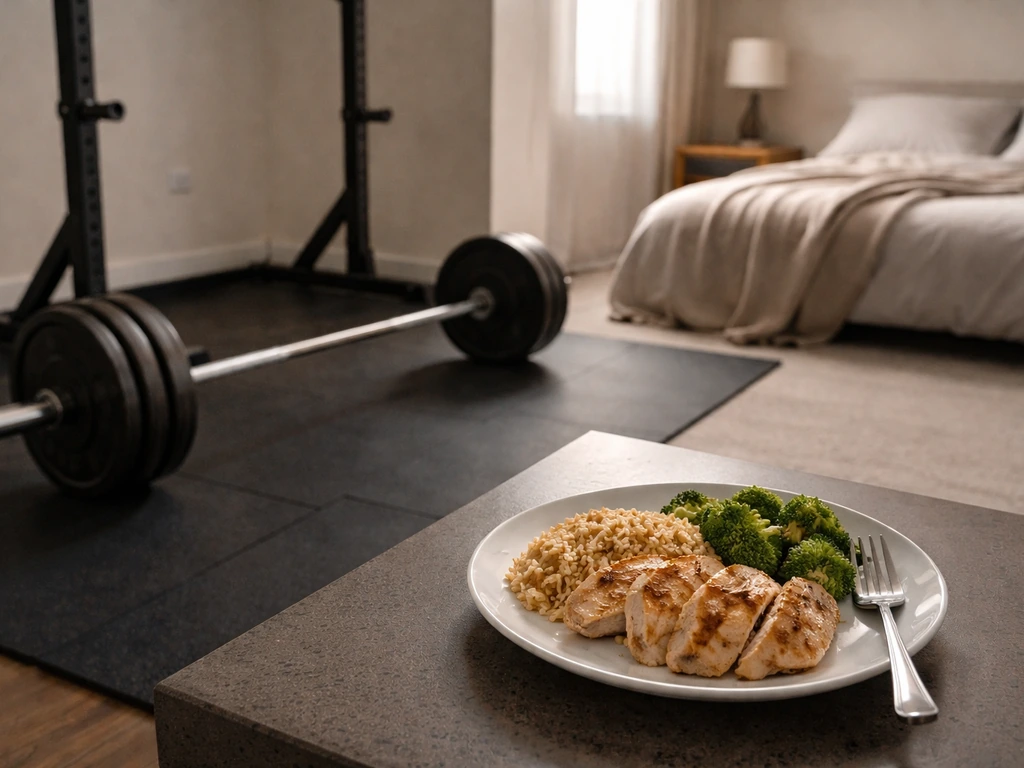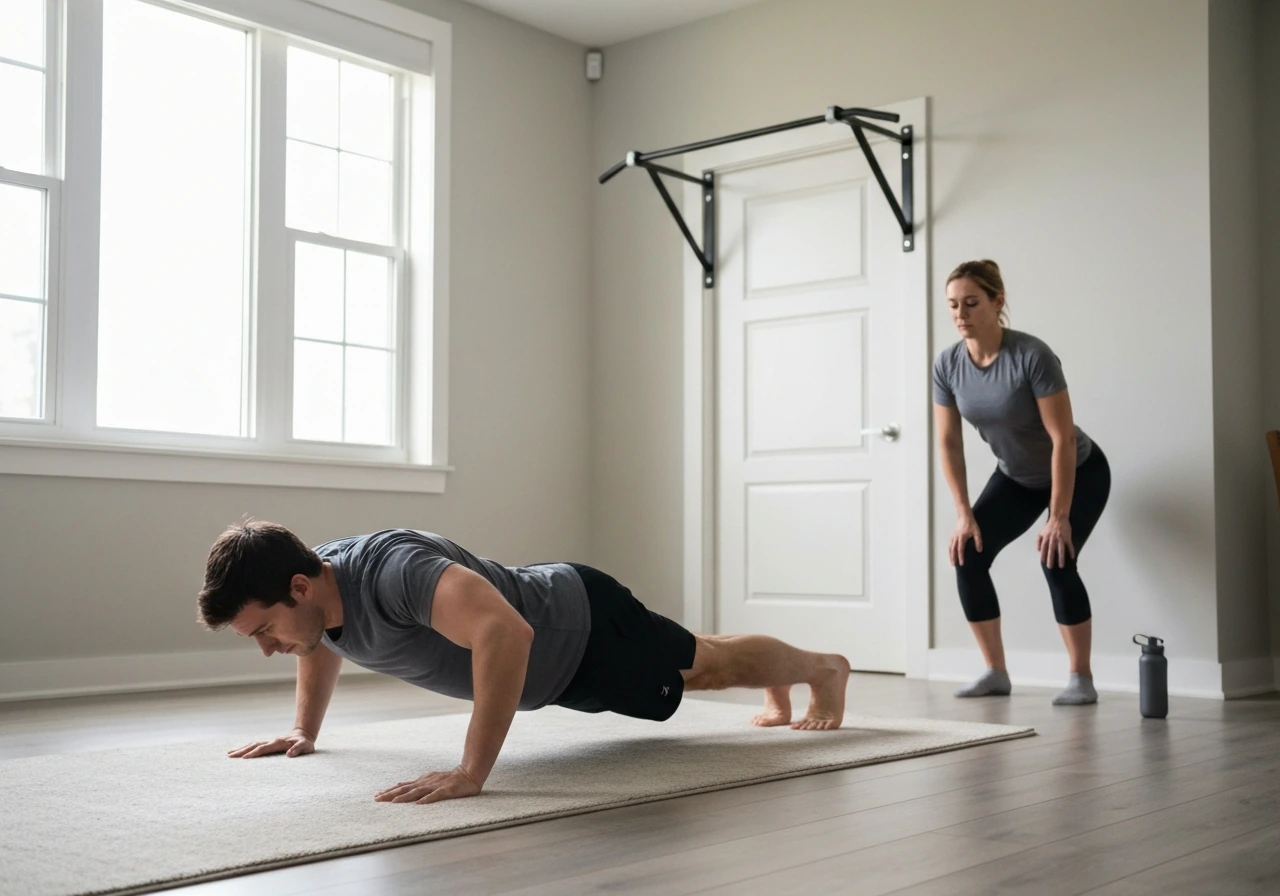
Yes, women can absolutely build muscle, and the process works on the same fundamental principles as it does for anyone. You need progressive resistance training, enough protein, sufficient calories, and consistent recovery. If you want a practical roadmap for how to force muscles to grow, start by applying progressive resistance training consistently and progressively. That's the core of it. The rest of this guide walks you through exactly how to set each of those pieces up, what realistic results look like, and what to stop worrying about.
How to Grow Muscles as a Woman: Step-by-Step Guide

Marcus Kellerman
19 Apr 2026

How muscle growth actually works for women
Muscle grows when mechanical tension from resistance exercise signals your body to repair and reinforce muscle fibers. That repair process, driven by muscle protein synthesis, adds contractile proteins and gradually increases the size of individual muscle fibers. Women go through this process the same way men do. The main physiological difference is that women produce less testosterone on average, but estrogen actually plays a supportive role in muscle remodeling. Research shows estrogen influences satellite cell activity, which are the stem-like cells that help repair and grow muscle tissue after resistance exercise. In other words, your hormonal environment isn't working against you. It's just different.
The myth that lifting will make you bulky comes from a misunderstanding of how slow and resource-intensive muscle growth actually is. Building noticeable muscle takes months of consistent effort, not a few gym sessions. What tends to happen for most women in the first few months is a visible body composition shift: muscles become more defined, posture improves, and strength climbs quickly, even before total muscle mass changes dramatically. That's real progress, and it's worth recognizing as such.
One more thing worth stating plainly: women at every age and fitness level can build muscle. If you're in your 20s, your hormonal environment is favorable. If you're 50 or 60, the principles are the same, though recovery and protein needs may shift slightly. Age is context, not a ceiling.
Set up a training plan that actually builds muscle
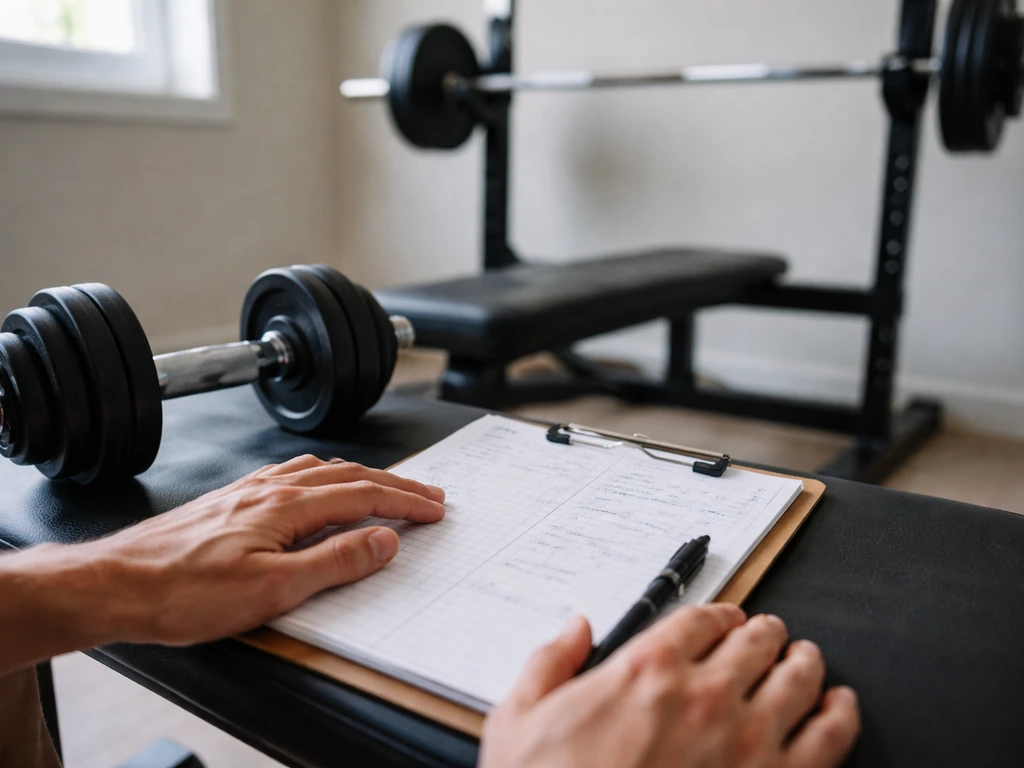
Resistance training is non-negotiable. Cardio has its place, but it won't build meaningful muscle on its own. You need to apply load to your muscles in a way that challenges them to adapt. If you're aiming for how to grow muscles at home, the same progressive resistance training principles still apply, just with home-friendly exercises and equipment. Here's how to structure that. If you're wondering how to <a data-article-id="AF4BBC17-ADCA-450D-8A93-AB782C53FF7A">shock the muscle to grow, the key is still progressive overload and smart variation, not random intensity spikes. If you're wondering about the best ways to grow muscle, focus on building a plan around progressive resistance training, enough protein, and recovery. If you want the clearest path to how to grow muscles naturally, build your plan around progressive resistance training and consistent recovery best ways to grow muscle.
Exercise selection
Prioritize compound movements that work multiple muscle groups at once. These give you the most return for your time and create the strongest overall training stimulus. Squats, hip hinges (deadlifts, Romanian deadlifts), pressing (bench press, overhead press, push-ups), pulling (rows, lat pulldowns, pull-ups), and lunges or split squats cover most of what you need. Isolation exercises like bicep curls, tricep extensions, and lateral raises are useful accessories, but build your plan around the compound lifts first.
Volume: how many sets per muscle group
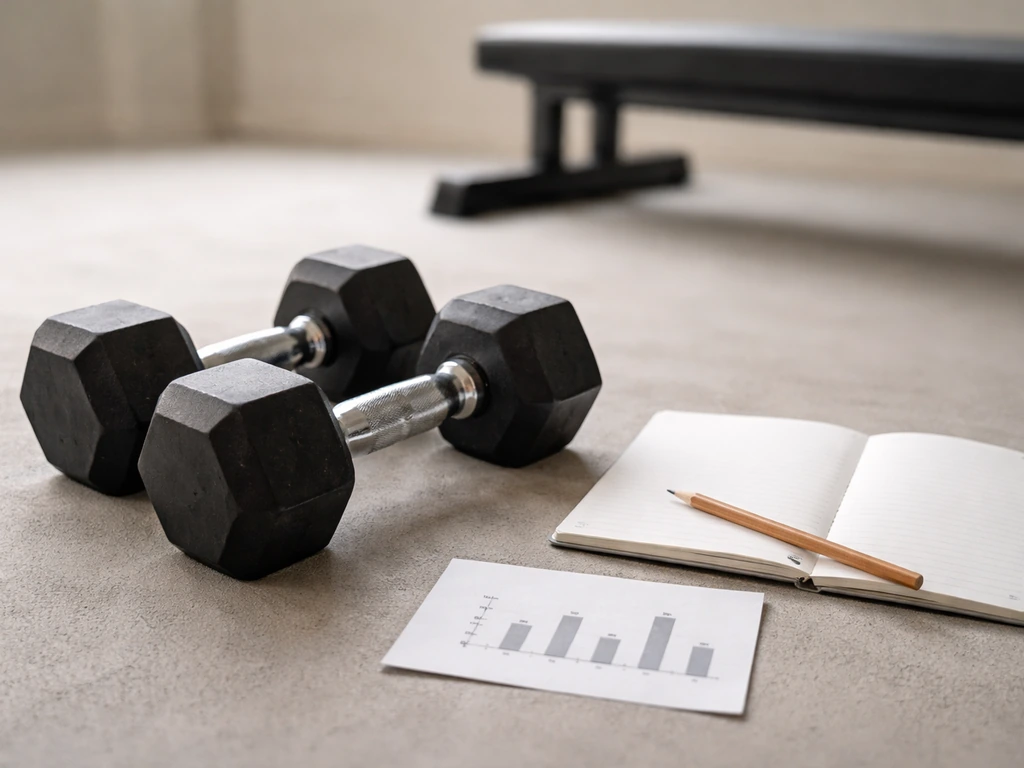
Volume, meaning total sets per muscle group per week, is one of the most important drivers of hypertrophy. The dose-response relationship is clear: more sets, up to a point, produce more growth. Data from meta-analyses shows that fewer than 5 sets per muscle group per week produces about 5.4% muscle size increase, 5 to 9 sets produces around 6.6%, and 10 or more sets per week produces roughly 9.8%. If you're a beginner, starting with 6 to 10 sets per muscle group per week is a smart target. More experienced lifters can push toward 12 to 16 sets per muscle group per week over time as they accumulate training capacity.
Intensity: how hard should you train
For hypertrophy, most of your sets should be performed with 6 to 20 reps, finishing each set within 1 to 4 reps of failure. A useful way to think about this is reps in reserve (RIR). Ending a set with 1 to 3 RIR means you could have done 1 to 3 more reps before hitting true failure. That's the zone you want to stay in for most of your working sets. Training to absolute failure every set isn't necessary and adds recovery cost without proportional benefit.
Frequency: how often to train each muscle
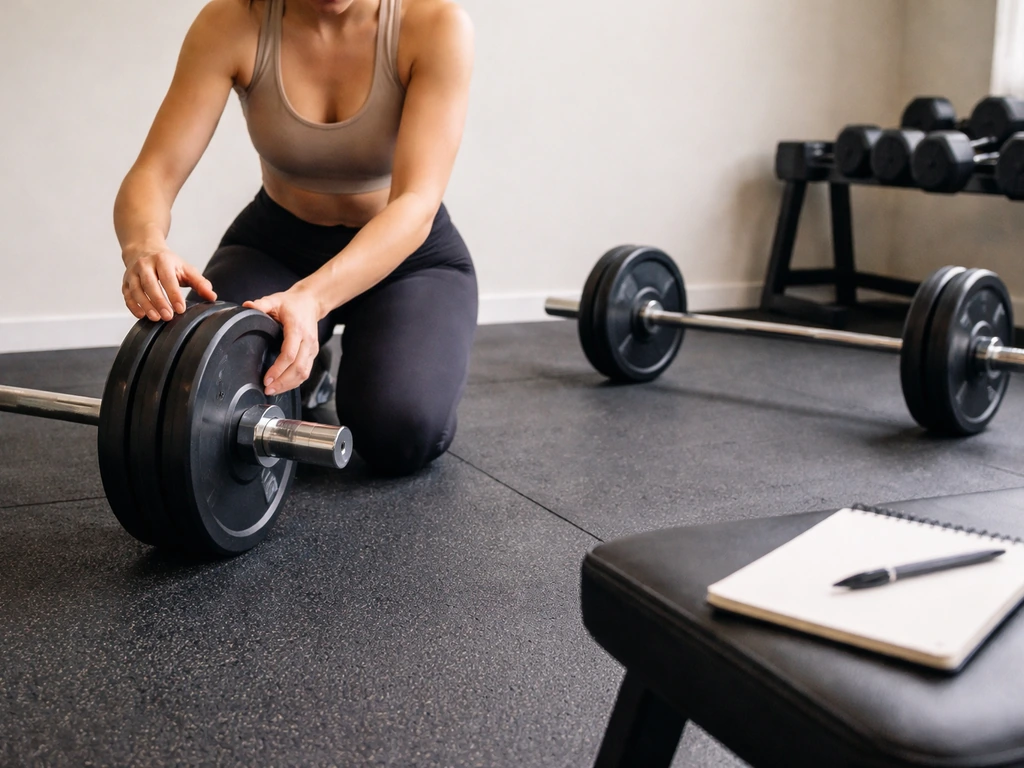
Hitting each muscle group at least twice per week is more effective than once-per-week training for hypertrophy, because you're distributing your weekly volume across more protein synthesis stimulation windows. A full-body routine 3 days per week works well for beginners. An upper/lower split 4 days per week is a natural next step. Push/pull/legs splits work well for people training 5 or 6 days per week. Choose the frequency you can sustain consistently. The best program is the one you actually do.
Rest periods matter too. For hypertrophy, resting 90 to 120 seconds between sets is a common target, though taking up to 2 to 3 minutes for heavy compound movements is perfectly reasonable. Cutting rest too short reduces the volume you can complete per session, which undermines the whole goal.
Progressive overload: the engine behind muscle growth
Progressive overload means your training stimulus has to increase over time for your muscles to keep adapting. If you do the same workout with the same weights forever, you'll maintain what you have but you won't grow. This is the single most important training concept to internalize.
The most practical way to apply progressive overload is through double progression. Here's how it works: pick a rep range, say 8 to 12. Start with a weight you can do for 8 reps with 2 to 3 RIR. Over subsequent sessions, add reps until you can do 12 reps across all your sets with that same RIR. Once you hit the top of the range, add a small amount of weight (2.5 to 5 lbs is fine) and start back at the lower rep count. Repeat. This gives you a clear, objective signal for when to progress.
You can also use an RPE/RIR autoregulation approach: if you're completing your prescribed sets and finishing with 3 or more reps in reserve consistently, the weight is too light and it's time to increase it. If you can't hit your prescribed reps with the target RIR, hold the weight steady or even reduce it slightly and rebuild. This self-regulating system keeps you progressing without guessing.
Load isn't the only way to progress. You can also progress by adding a set, improving your technique on a movement (which increases effective muscle tension), reducing rest time, or switching to a more demanding variation of an exercise. Muscle growth doesn't require a specific method of overload, it just requires that the stimulus keeps increasing in some meaningful way.
Nutrition: calories, protein, carbs, and fats
Training tells your muscles to grow. Nutrition gives them the materials to do it. Get this wrong and your results will stall regardless of how well you train.
Calories: eat enough to build
Building muscle requires a caloric environment that supports it. A small caloric surplus of roughly 200 to 300 calories above your maintenance level is enough to support muscle growth while minimizing unnecessary fat gain. If you're brand new to resistance training, you may be able to build muscle even at maintenance calories or in a very slight deficit for a short time. But for most women actively trying to build muscle, slight surplus is the most efficient path. If fat loss is also a priority, know that the rate of muscle gain will be slower in a deficit, and protein intake becomes even more important.
Protein: the most important nutrition variable
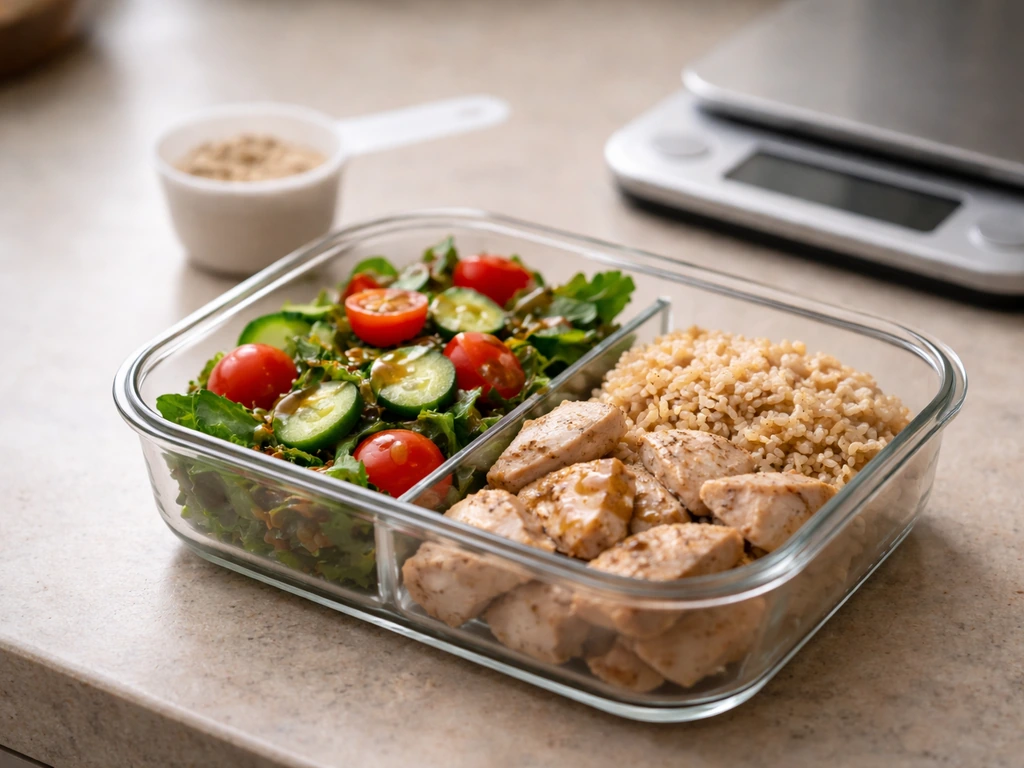
Total daily protein intake is the single most important nutrition variable for muscle growth. The evidence consistently supports a target of 1.6 to 2.2 grams of protein per kilogram of body weight per day for women who are resistance training. The ISSN's position is that 1.4 to 2.0 g/kg/day is sufficient for most exercising individuals, with higher intakes (up to 2. ISSN recommends an overall daily protein intake of about 1.4, 2.0 g/kg/day as sufficient for most exercising individuals, with higher intakes potentially beneficial in specific contexts like a caloric deficit 1.4 to 2.0 g/kg/day is sufficient for most exercising individuals. 3 to 3.1 g/kg/day) potentially beneficial when you're eating in a caloric deficit to preserve muscle mass. In practical terms, a 140-pound (63.5 kg) woman needs roughly 100 to 140 grams of protein per day as a working target.
Beyond ~1.6 g/kg/day, research shows diminishing returns for muscle size gains in most people eating at maintenance or a surplus. Don't obsess over hitting 250 grams; just consistently hit your target range.
Carbohydrates and fats
Carbohydrates are your primary fuel for resistance training. Your muscles store glycogen (roughly 300 to 400 grams worth in skeletal muscle) and draw on it during high-intensity work. If you want more detail on how to grow skeletal muscle effectively, the key is progressive resistance training along with adequate protein and recovery. When glycogen is low, performance drops, and that means less volume completed, which means less muscle stimulus. Carbohydrates support training capacity, and training capacity drives growth. Fill the rest of your calories with a mix of carbohydrates and healthy fats, prioritizing carbs if training intensity is high. A rough starting point: after hitting your protein target, split remaining calories roughly 50 to 60% carbs and 20 to 30% fat, adjusting based on how your energy and performance feel.
Meal timing and how to hit your protein targets in practice
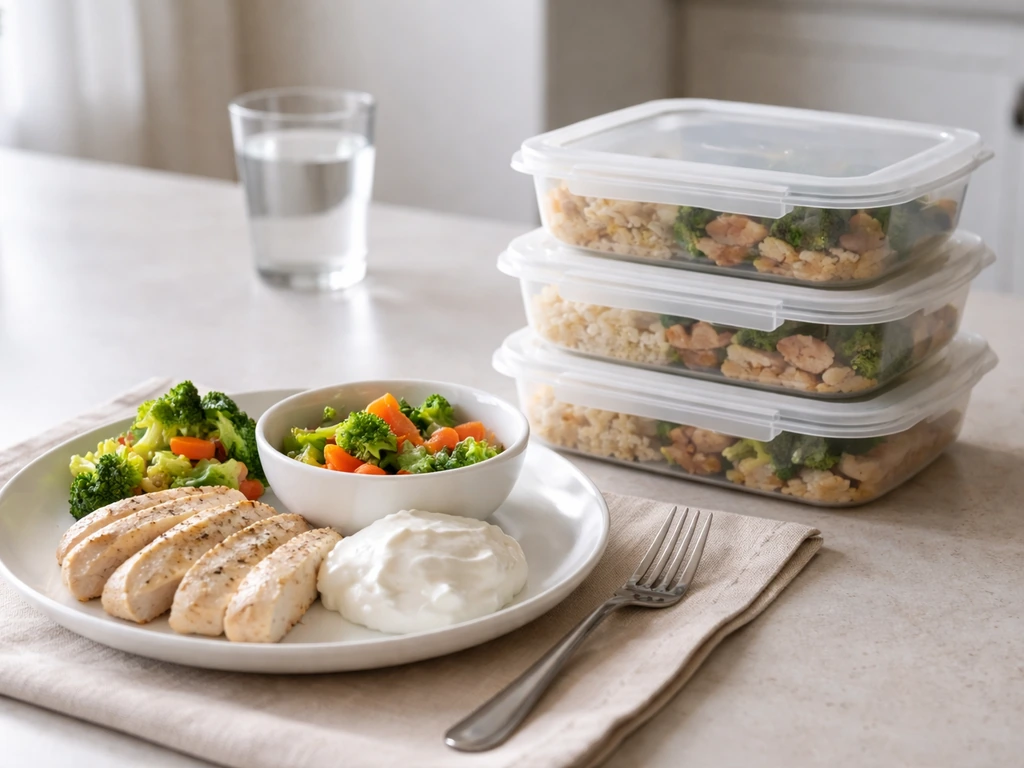
Here's the good news about meal timing: the old idea of a narrow post-workout anabolic window is overstated. When total protein intake is adequate across the day, the exact timing of a single meal around training matters much less than people think. That said, distributing protein evenly across meals is genuinely useful. The ISSN position stand also emphasizes that, while acute post-exercise protein timing is less important than meeting daily protein targets, spreading protein across the day is recommended blank" rel="noopener noreferrer">distributing protein evenly across meals is genuinely useful. Research on protein distribution shows that spreading protein across 3 to 4 meals, roughly 0. Research on protein distribution supports a practical rule of thumb: aim for about 0.4 g/kg per meal across roughly 3 to 4 meals per day to help maximize muscle-building benefits blank" rel="noopener noreferrer">0.4 g/kg per meal across 3 to 4 meals per day. 4 g/kg per meal, stimulates muscle protein synthesis more effectively over 24 hours than eating the same total protein in a lopsided pattern (like minimal protein at breakfast and a large bolus at dinner).
Practically, this means aiming for 25 to 40 grams of protein per meal across 3 to 4 meals per day rather than front-loading or back-loading. A protein-containing meal or snack around your training session is a sensible habit, not because the window is as tight as once believed, but because it makes hitting your daily total easier and ensures muscle protein synthesis is stimulated during a period of heightened muscle sensitivity.
If you struggle to hit protein targets through food alone, a protein shake is a practical, effective tool. There's nothing magic about it, it's just a convenient protein source. Prioritize whole food sources (chicken, eggs, Greek yogurt, fish, legumes, tofu, cottage cheese) and use supplements to fill gaps.
| Meal | Protein Target | Example Foods |
|---|---|---|
| Breakfast | 25–40 g | 3–4 eggs + Greek yogurt, or protein shake + eggs |
| Lunch | 25–40 g | Chicken breast, tuna, or tofu with grains/veggies |
| Pre/Post Training Snack | 20–30 g | Cottage cheese, protein shake, or deli turkey |
| Dinner | 25–40 g | Salmon, lean beef, or legumes with starchy carbs |
Supplements worth considering (and ones you can ignore)
Most supplements are not worth your money. A handful have genuine, consistent evidence behind them. Here's the honest breakdown.
| Supplement | Evidence Level | Practical Note |
|---|---|---|
| Creatine monohydrate | Strong | 3–5 g/day after loading; supports lean mass gain beyond training alone |
| Protein powder | Good (as a food source) | Only useful if you're not hitting daily protein targets through food |
| Caffeine | Strong for performance | 3–6 mg/kg body weight before training can improve output |
| BCAAs | Weak when protein is adequate | Not necessary if you're hitting 1.6+ g/kg protein daily |
| Fat burners / proprietary blends | Very weak to none | Skip these entirely; save your money |
Creatine monohydrate is the most evidence-backed supplement for muscle building that exists. A meta-analysis shows that creatine supplementation combined with resistance training increases lean body mass more than training alone. The loading protocol is roughly 0.3 g/kg/day (about 15 to 20 grams split across the day) for 5 to 7 days, then a maintenance dose of 3 to 5 grams per day. If loading sounds like too much, you can skip it and just take 3 to 5 g/day from the start. You'll reach the same muscle creatine levels in 3 to 4 weeks instead of 1. It's safe, inexpensive, and works.
Caffeine is useful if you train in a fatigued state. The ISSN puts the effective performance dose at 3 to 6 mg per kilogram of body weight, consumed roughly 30 to 60 minutes before training. A 140-pound woman would target roughly 190 to 380 mg, which is approximately 1 to 3 cups of coffee depending on brew strength.
Recovery, sleep, and stress: the part most people underestimate

Here's a truth that doesn't get enough attention: you don't grow muscle during training. You grow muscle during recovery. To grow you have to surprise the muscle, which is why progressive overload matters in training You grow muscle during recovery.. Training is the stimulus, but the actual repair and growth happens between sessions. If your recovery is poor, your results will be poor regardless of how well-designed your program is.
Sleep
Sleep is where the most significant muscle protein synthesis and hormonal recovery occurs. Aiming for 7 to 9 hours per night isn't just general health advice, it's muscle-building strategy. Chronic sleep deprivation elevates cortisol, impairs growth hormone secretion, and reduces training performance. There's also evidence that resistance training itself can improve sleep quality, so the relationship goes both ways. If your schedule allows flexibility, avoid training so close to bedtime that it disrupts your sleep onset, though this effect varies considerably between individuals.
Stress management
Chronic psychological stress elevates cortisol, which can interfere with muscle protein synthesis and hormonal signaling that supports growth. This doesn't mean you need to eliminate all stress from your life, but it does mean that recovery isn't just about rest days. Managing work stress, sleep debt, and overall life load is a legitimate part of a muscle-building strategy. If you're consistently exhausted and stressed outside the gym, your body is already dealing with a significant recovery demand before training even enters the picture.
Deload weeks
A deload is a planned period of reduced training volume or intensity, typically lasting one week, after a block of accumulated hard training. The goal is to let accumulated fatigue dissipate so you can come back and perform better, which is the supercompensation principle in practice. Most people don't need to deload every 4 weeks by the calendar; a better trigger is when your performance plateaus, your joints feel beat up, or motivation tanks. A typical deload means reducing training volume by roughly 40 to 50% while keeping intensity (weight on the bar) similar or slightly reduced.
How to track progress, set realistic expectations, and adjust
Muscle growth is slow. That's not a knock on the process, it's just physiology. Women who are brand new to resistance training can expect to gain roughly 0.5 to 1.0 pound of lean mass per month under good conditions in the early months. After the first year or so, that rate slows. Visible changes in muscle definition and body composition can appear within 8 to 12 weeks of consistent training and nutrition, even if the scale doesn't move much. The scale is one of the worst individual tools for tracking muscle progress, especially early on.
Better tracking methods include progress photos taken every 4 weeks under consistent lighting, tracking your lifts in a training log (strength gains are a reliable proxy for muscle development), and optionally using tape measurements of key areas like the glutes, thighs, shoulders, or arms. If you're gaining strength and your photos show more definition over 8 to 16 weeks, you are building muscle, even if the scale is confusing you.
Common mistakes to fix right now
- Not eating enough protein: this is the most common nutrition mistake by a wide margin. If you're training hard and not growing, check your protein intake first.
- Training without progressive overload: doing the same weights for the same reps every week is maintenance, not growth. You need a plan for progression.
- Underestimating volume: a few sets per muscle group per week won't cut it for hypertrophy. Work up to 10 or more weekly sets per muscle group.
- Ignoring sleep and recovery: you can't out-train bad sleep. If you're consistently sleeping under 6 hours, that's a limiting factor.
- Expecting rapid visible changes in the first 4 weeks: the first 4 to 6 weeks of a program are largely about neural adaptation (your nervous system learning the movements). Visible muscle changes follow that. Stay consistent.
- Skipping compound movements in favor of only isolation exercises: bicep curls won't build the same foundation that rows and presses do. Lead with the big movements.
- Eating in too large a deficit while expecting significant muscle gain: fat loss and muscle gain can happen simultaneously, especially early on, but a large caloric deficit significantly slows muscle building.
Your starting point based on experience level
| Experience Level | Suggested Weekly Frequency | Sets Per Muscle Group/Week | Primary Focus |
|---|---|---|---|
| Beginner (under 6 months) | 3 full-body sessions | 6–10 sets | Learning movement patterns, building the habit, adding reps and weight steadily |
| Intermediate (6 months to 2 years) | 4 sessions (upper/lower split) | 10–15 sets | Refining technique, consistent progressive overload, optimizing nutrition |
| Advanced (2+ years consistent) | 4–6 sessions (push/pull/legs or similar) | 12–20 sets | Periodized programming, targeted weak point work, closer attention to recovery |
What to do today
- Calculate your body weight in kilograms and set a daily protein target of 1.6 to 2.0 g/kg. Track your intake for one week to see where you actually land.
- Choose a training structure (3-day full body, 4-day upper/lower, or similar) and commit to it for at least 8 weeks without switching programs.
- Pick your starting weights using the RIR method: select a load where you finish a set with 2 to 3 reps still in the tank at your target rep count.
- Log every session: exercises, sets, reps, weights. This is how you identify when to progress.
- Set a sleep target of at least 7 hours and treat it with the same priority as your training sessions.
- Consider adding 3 to 5 grams of creatine monohydrate per day if you want a low-effort, high-evidence supplement boost.
- Take progress photos on day 1. Check again at 4 and 8 weeks. Trust the process for at least 12 weeks before making major program changes.
Building muscle as a woman is absolutely achievable and the process is more straightforward than the fitness industry often makes it seem. The fundamentals, progressive resistance training, adequate protein, sufficient calories, and consistent recovery, are the same regardless of gender. What changes is knowing that you're not going to accidentally get huge, that your hormones aren't working against you, and that this process rewards patience and consistency more than any particular exercise or supplement. Start with the basics, apply them consistently, and the results follow.
FAQ
How many total sets per week do I need if I am a beginner, and how do I know I am not doing too little?
Aim for at least 8 to 12 hard working sets per muscle group per week to start, spread across 2 sessions if possible. If you are only doing 1 to 2 exercises per body part, it is easy to undershoot total volume, so track sets (not just workouts) for a couple weeks and adjust.
What should I do if my strength stalls for more than two weeks?
Use the “add reps or add weight” rule. If you cannot add reps within your target range for two consecutive weeks, the weights are likely too heavy for your current technique or recovery. Back off slightly (reduce load about 5 to 10%) and rebuild reps before trying to progress again.
How can I apply progressive overload if I am training at home with bands, not free weights?
Progressive overload still works, but the limiting factor is often exercise selection and load. With resistance bands, choose variations that keep tension high throughout the full range, use slower eccentrics, and limit “slack” at the top. If your band setup cannot create heavier difficulty, add reps, slow tempo, or use additional bands or a band with a different resistance profile.
Can I grow muscle with only two training days per week?
If you can only fit 2 days per week, choose full-body training and prioritize the biggest compound patterns (squat or hinge, press, row or pulldown, lunge/split squat). Keep volume modest but consistent, and make each session count with strong effort (about 1 to 3 reps in reserve on most sets).
Should I train to get sore or train through soreness?
Do not chase soreness. Plan for sets ending with about 1 to 3 reps in reserve, then check performance trends (more reps, better form, or slightly heavier loads). Soreness can happen and still be counterproductive if it reduces your next session volume too much.
Will I still build muscle if I am cutting calories for fat loss?
It is possible, but you need extra structure. In a calorie deficit, prioritize protein at the higher end of the range (closer to 2.0 to 2.2 g/kg/day if you can), keep most sets in the hypertrophy rep zone, and reduce fatigue by avoiding absolute failure on every set. Expect slower muscle gain and smaller strength jumps.
My workouts feel hard, but my body composition is not changing. What should I troubleshoot first?
If your protein total is consistently low, your plan likely fails at nutrition. If you are hitting protein and still not gaining strength, the next common cause is insufficient progressive overload (you are not adding reps or load). Also check sleep and training volume, too many easy sets with perfect form but low tension can look “active” while limiting growth.
Do I need to change my training plan around my menstrual cycle to grow muscle?
If you are menstruating, focus on consistency and adjust intensity, not your entire plan. Some people feel stronger in the middle of the cycle and weaker around the late luteal phase, so use an autoregulation approach (RIR). If performance dips, keep the same target RIR, slightly reduce load temporarily, then rebuild when you feel better.
Should I switch from 3 days to 4 or 5 days per week to grow faster?
Beginners often get results with 3 days per week, but the key is weekly hard sets. If you are recovering well and performance is improving, moving from 3 to 4 days can raise weekly volume without sacrificing quality. If joints feel beat up or performance drops, stay at the lower frequency and focus on better progression.
How do I know if I am training hard enough without wasting recovery?
If you cannot get close to failure on most sets, you are probably not using enough load. Keep technique tight, use full ranges that you can control, and aim for most working sets to finish around 1 to 3 reps in reserve. For isolation work, you can push a bit closer (for example, 0 to 2 RIR) occasionally, but not every set.
What is the best way to train for hypertrophy if I am nervous about heavy weights?
Blood flow restrictions, heavy training, and low-rep fatigue strategies can all work, but if you are new, start with conventional hypertrophy loading. A common mistake is going too light and turning everything into endurance. Stick to the rep zones you can train with good control (roughly 6 to 20) and progressively increase difficulty over time.
What supplements are actually worth it for muscle gain as a woman, and what should I skip?
Your plan does not need more supplements, but it may need one add-on if gaps exist. Creatine is the highest priority, but only after you have protein and total calories covered. If you already hit those, creatine and possibly caffeine (if it helps your training effort) are the main practical options.
What if the scale does not move, does that mean I am not building muscle?
If scale weight is flat but strength is rising, that usually means recomposition (you are gaining muscle and potentially losing fat). Track at least one non-scale metric monthly, like progress photos and tape measurements, and confirm with training logs (more reps or load at the same RIR).