Most adults need 7 to 9 hours of sleep per night to support muscle growth, and if you're training hard, landing closer to 8 or 9 is genuinely worth pursuing. That's not a vague wellness platitude, sleep is when your body actually builds the muscle you worked for in the gym, and cutting it short measurably reduces the anabolic processes that drive hypertrophy.
How Much Sleep Do I Need to Grow Muscle
Marcus Kellerman
3 May 2026
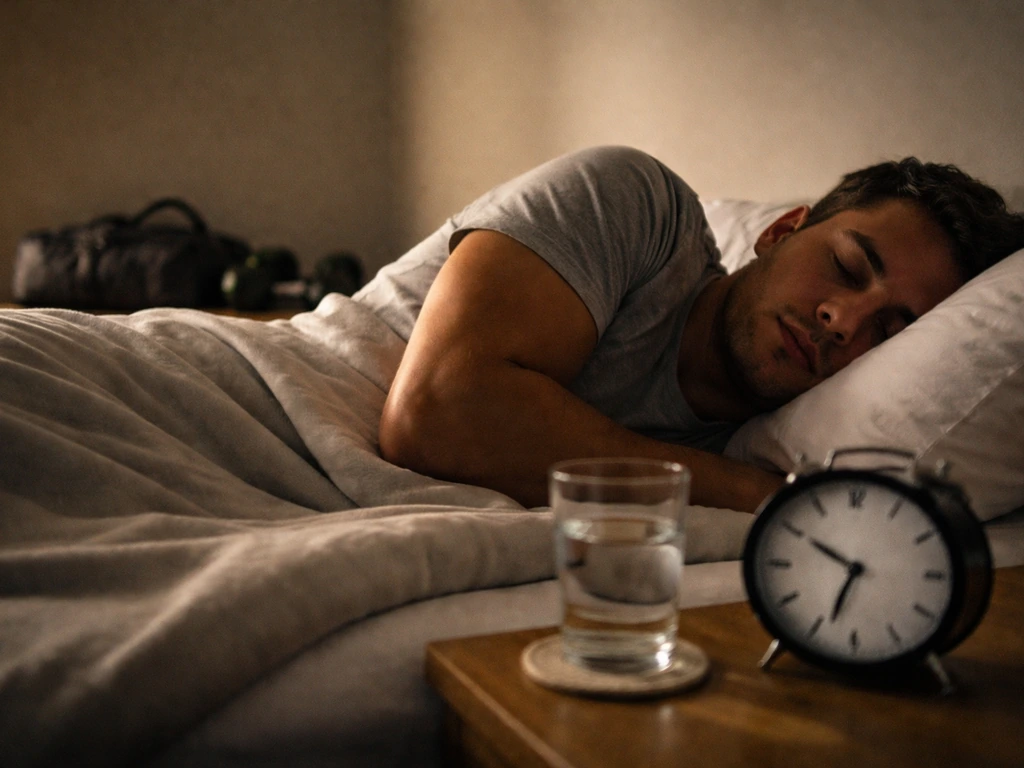
Why sleep matters for muscle growth
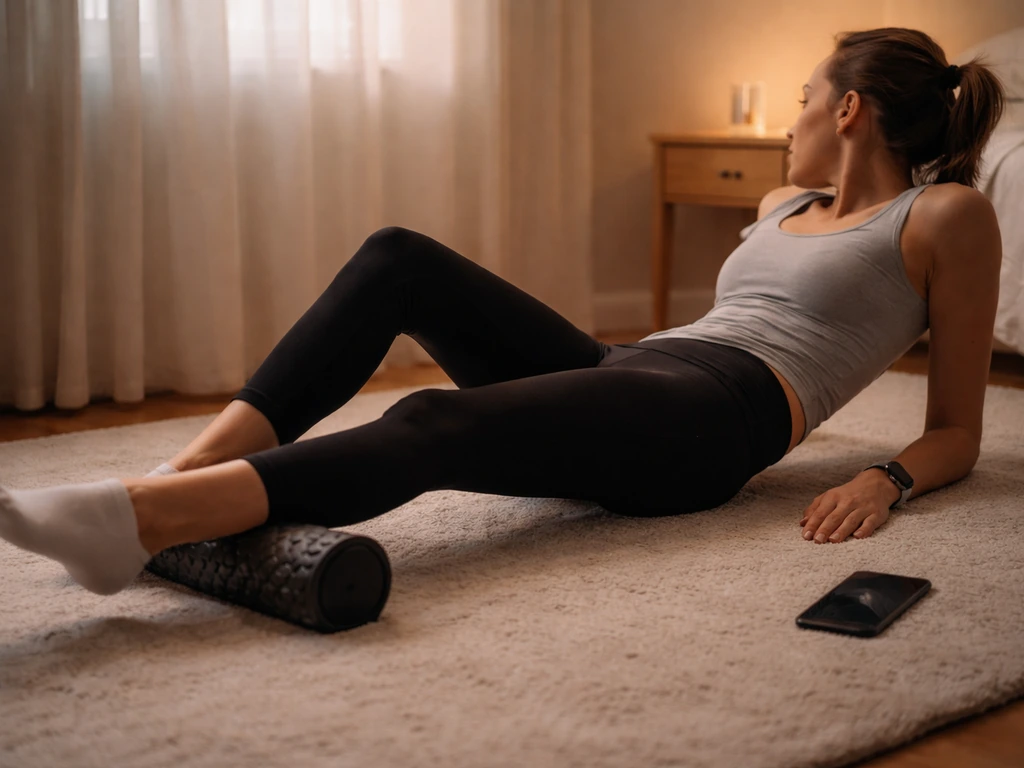
The real action of muscle building doesn't happen during your workout, it happens after. Resistance training creates the stimulus, but the adaptation (actual new muscle tissue) is built during recovery, and sleep is the most concentrated block of recovery you get in any 24-hour period.
Here's what gets disrupted when you don't sleep enough. Muscle protein synthesis (MPS), the cellular process that physically constructs new muscle proteins, drops when sleep is restricted. Studies measuring myofibrillar protein synthesis in healthy young men found it was meaningfully reduced after sleep restriction, and a separate study on acute sleep deprivation found altered anabolic signaling alongside reduced MPS. This matters because MPS is the primary driver of muscle adaptation from resistance training. No MPS, no gains, it's that direct.
The hormonal picture compounds this. Sleep deprivation changes the hormonal environment in ways that are unfavorable for anabolism. Growth hormone secretion is heavily concentrated in slow-wave sleep, so if you're cutting sleep short, you're cutting into that window. Cortisol patterns also shift in ways that can work against muscle retention and recovery.
Then there's the neuromuscular side. Sleep restriction reduces voluntary strength output, not because your muscles are contractually weaker, but because neuromuscular efficiency drops. You literally can't recruit your muscles as effectively when you're sleep-deprived. Meta-analyses on acute sleep loss consistently find reduced muscular strength and endurance, increased perceived effort, and worse mood and motivation. If your sets feel harder than usual and you can't push the same weight, poor sleep is a very plausible culprit. Lower training quality means a weaker stimulus, which means less growth over time.
Sleep also touches topics explored elsewhere on this site, like whether muscles grow on rest days and what happens overnight during recovery. The short version: sleep isn't a passive time-out. It's an active physiological process that drives the adaptations you're training for.
How many hours you actually need
The American Academy of Sleep Medicine and the Sleep Research Society both recommend blank" rel="noopener noreferrer">at least 7 hours per night for adults aged 18 to 60. blank" rel="noopener noreferrer">The National Sleep Foundation supports a target range of 7 to 9 hours for adults. For context, the AASM consensus statement notes that sleeping more than 9 hours may be appropriate for specific situations, recovering from sleep debt, illness, or very high training loads, but more isn't automatically better for everyone.
For muscle building specifically, I'd frame the targets this way:
| Who you are | Sleep target per night | Notes |
|---|---|---|
| Adults (18–60), general | 7–9 hours | Aim for the upper half of this range when training volume is high |
| Beginners in first months of training | 7–9 hours | Newbie gains happen fast — protect them with solid sleep |
| Experienced lifters in hard training blocks | 8–9 hours | Higher volume and intensity demand more recovery time |
| Older adults (60+) | 7–8 hours | Older adults are recommended around 7–8 hours; recovery may take longer so quality matters more |
| Teens and young adults (under 18) | 8–10 hours | Still developing — don't shortchange this window |
| Anyone running a sleep debt | Up to 9+ hours temporarily | Prioritize repaying the debt before returning to baseline |
If you're consistently getting 6 hours or less, the evidence is clear: your muscle growth is being impaired. Not just suboptimally supported, actively limited. The research on sleep restriction shows the impairment compounds across multiple nights. It's not a one-bad-night problem; it's a chronic drag on your results.
How to tell if you're sleeping enough for gains
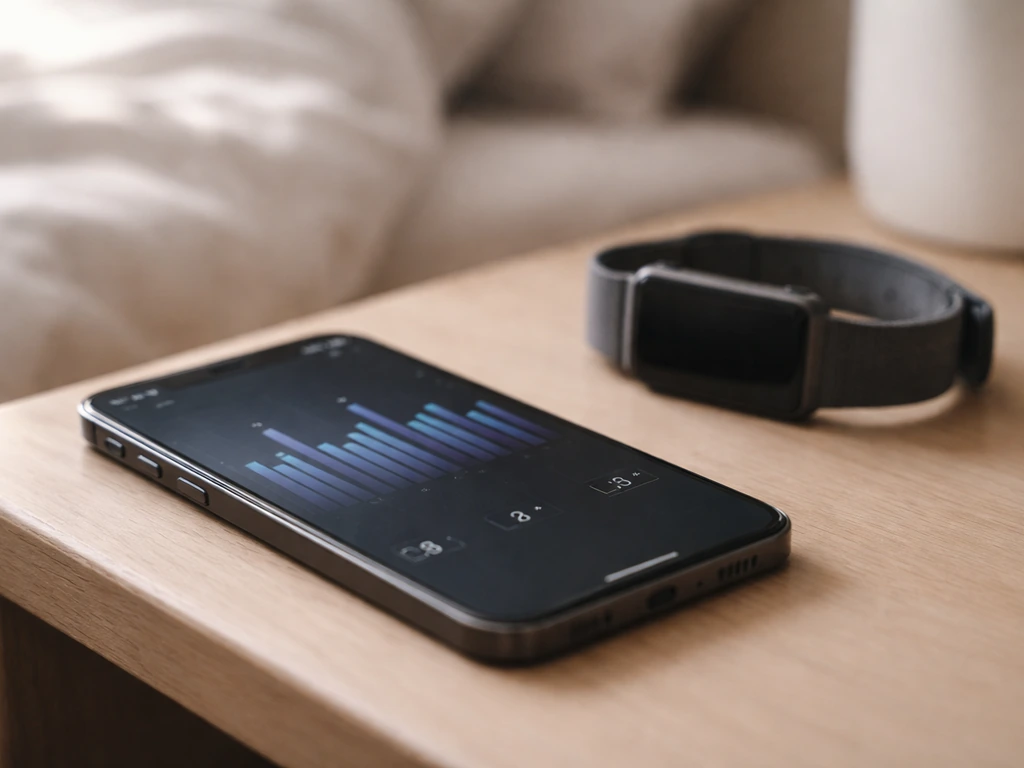
The obvious sign is feeling rested, but plenty of people who are chronically under-slept have adapted to feeling 'okay' while still performing well below their potential. So subjective feel isn't the most reliable check. Here are more useful signals:
- Training performance stalls or drops without a clear programming reason — weights feel heavier, reps drop, and perceived effort goes up even though you haven't changed your workload
- Your reaction time and coordination feel off — research on elite athletes found sleep reduction produced measurable psychomotor declines, sometimes before strength dropped noticeably
- Motivation and mood are consistently low — increased perceived effort and mood changes are documented effects of acute sleep loss
- Recovery between sessions feels incomplete — soreness lingers longer, the pump is weaker, and you feel flat by the end of a session
- You fall asleep within minutes of lying down every night — this often signals accumulated sleep debt rather than simply being a 'good sleeper'
- You rely on an alarm to wake up and feel groggy for an extended period most mornings
If several of these match your experience and your training and nutrition are otherwise solid, sleep duration (or quality) is almost certainly part of the problem. If you're seeing persistent fatigue, unexplained performance loss, or mood disruption that isn't resolving with extra rest days, it's worth talking to a doctor, there may be a sleep disorder like sleep apnea interfering with your recovery even if your hours look adequate on paper.
What to do if you can't hit your sleep target
Life doesn't always cooperate with an 8-hour window. Shift work, kids, demanding jobs, late-night training, these are real constraints. Here's how to close the gap as much as possible.
Cut caffeine earlier than you think you need to
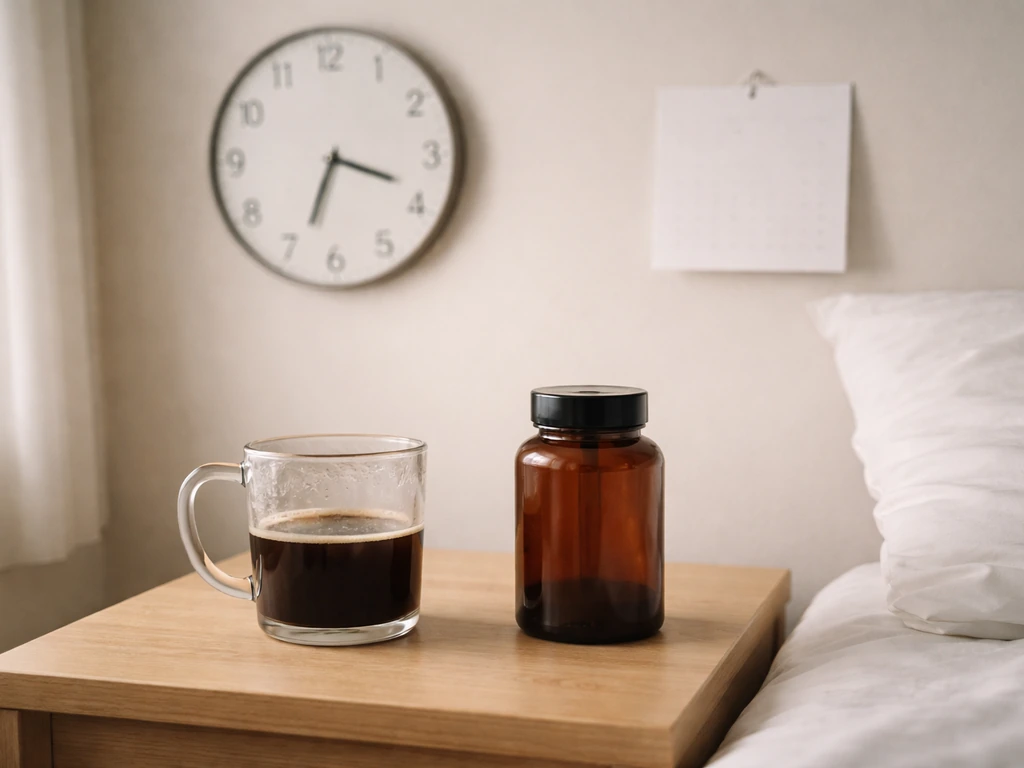
In a randomized crossover trial, consuming caffeine 6 hours before bed still reduced total sleep time by more than an hour. That means your 3pm pre-workout might be costing you an hour of sleep at 11pm. The AASM has flagged this directly: late afternoon and early evening caffeine can meaningfully disrupt nighttime sleep. If you're using stimulants for training, move them earlier in the day, ideally before 2pm if you're sleeping around 10 to 11pm.
Protect your sleep window like a training block
Set a hard bedtime and work backwards from your wake time. Most people drift to bed later and later without noticing. Treat your target bedtime the way you'd treat a training session, it's scheduled, it's non-negotiable when possible, and you plan your evening around it instead of trying to fit it in after everything else.
Use short naps strategically
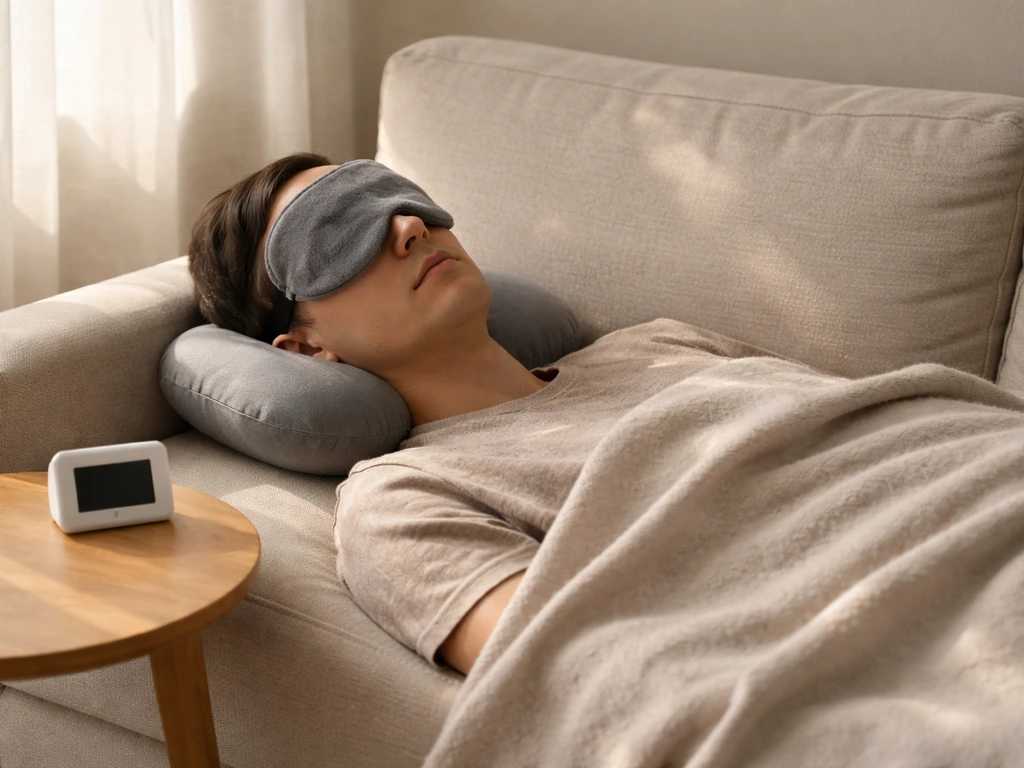
If you're genuinely short on nighttime sleep, a 20- to 30-minute nap in the early afternoon can partially offset some of the cognitive and performance effects of restricted sleep. Don't go longer than 30 minutes or nap too late, you'll disrupt your nighttime sleep further and make the problem worse.
Reduce training volume temporarily, not permanently
If you're going through a period of unavoidable short sleep, a newborn, a work deadline, travel, consider reducing total training volume by 20 to 30% for that period. You'll preserve more of your muscle by giving your body a stimulus it can actually recover from, rather than piling on stress your under-recovered system can't handle.
Prioritize protein on low-sleep days
Sleep deprivation suppresses muscle protein synthesis, but adequate protein intake gives the anabolic machinery something to work with. Hitting your protein target (typically 1.6 to 2.2 grams per kilogram of body weight) won't fully compensate for lost sleep, but it removes one barrier from the recovery process and is fully within your control.
Sleep timing and routines that support training recovery
When you sleep matters alongside how long you sleep. Consistency of sleep timing is a big deal, irregular schedules create what researchers call social jetlag, and studies link this pattern to reduced sleep quality and impaired autonomic recovery markers. Even if your total hours look acceptable, swinging your bedtime by 2 to 3 hours on weekends can disrupt circadian rhythms in ways that affect your recovery physiology.
Exercise timing also interacts with sleep. Studies on late-night resistance exercise and high-intensity training close to bedtime show that training in the evening (around 9pm or later) can alter sleep architecture, changing the structure and staging of your sleep, not just how long it takes to fall asleep. This doesn't mean you can never train at night, but if your late sessions are leaving you wired at midnight and cutting your sleep short, it's worth experimenting with earlier training windows. Interestingly, the effect varies by chronotype, natural night owls may tolerate late training better than early birds, so there's individual variation here.
On the flip side, research on collegiate athletes shows that early morning training sessions directly reduce total sleep time, athletes are cutting sleep to train, not adding training around their sleep. If you have flexibility, training in the mid-morning or afternoon tends to interfere least with sleep quality and duration for most people.
A few habits that make the biggest difference for sleep quality:
- Keep a consistent wake time every day, including weekends — this anchors your circadian rhythm better than any supplement
- Keep your bedroom cool (around 65 to 68°F / 18 to 20°C) — core body temperature needs to drop to initiate and sustain sleep
- Limit bright light and screens in the hour before bed — blue light delays melatonin onset
- Avoid alcohol in the hours before sleep — it may help you fall asleep but fragments sleep architecture and reduces REM and slow-wave sleep
- Set a wind-down routine lasting 20 to 30 minutes before your target bedtime — your nervous system needs a ramp-down, especially after evening training
Common myths about sleep and muscle growth
Myth: More sleep is always better
The AASM consensus statement is clear that sleeping more than 9 hours is only appropriate for specific situations, recovering from sleep debt, illness, or unusually high training loads. For most healthy adults, hitting 8 to 9 hours consistently is the target. Sleeping 10 to 11 hours every night isn't a muscle-building hack; it may actually signal an underlying health issue worth investigating.
Myth: You can catch up on weekends and it won't affect your gains
Sleep debt accumulated over a week doesn't fully reverse with one or two longer sleep sessions on the weekend. Studies on sleep restriction across multiple nights showed that athletic performance impairments, including maximal jump performance and coordination, persist and accumulate. Weekend recovery sleep helps, but it doesn't erase five nights of shortchanging yourself.
Myth: Muscles only grow overnight because of growth hormone
Growth hormone is a real part of the story, but it's not the only mechanism. Research directly measuring myofibrillar protein synthesis, the cellular process most closely tied to actual hypertrophy, found it's reduced by sleep restriction independently of what's happening with hormonal signaling. The muscle-building machinery itself is affected, not just the hormonal environment around it. Sleep is doing more than just releasing one hormone.
Myth: Rest days compensate for poor sleep
Taking a rest day while still sleeping badly doesn't restore your recovery. The impairment from sleep restriction affects neuromuscular efficiency, anabolic signaling, and protein synthesis, processes that need quality sleep to function, not just an absence of training. A rest day on 5 hours of sleep is still a poorly recovered day.
Myth: Poor sleep just means more inflammation, which you can fix with supplements
The inflammation angle is more complicated than it's often presented. A systematic review and meta-analysis looking at sleep deprivation and inflammatory markers (CRP, IL-6, TNF-alpha) found no clear associations in the experimental sleep deprivation literature. The mechanisms through which sleep restriction impairs muscle growth appear to run more directly through protein synthesis and neuromuscular function than through a simple inflammation pathway, meaning you can't supplement your way out of poor sleep.
Your practical starting point
Here's the direct recommendation: aim for 8 hours per night as your baseline if you're training for muscle growth, and push toward 9 during hard training blocks or periods of high stress. Seven hours is the floor, below that, the evidence consistently shows impaired muscle protein synthesis, reduced strength output, and worse training quality. If you’re wondering whether muscles need rest to grow, the evidence points to sleep as a key part of that recovery. Diet matters too: if you don't get enough carbs to support your training and recovery, it can make gaining muscle harder do muscles need carbs to grow. The goal isn't perfection every night; it's averaging in the right range across most of your week.
Start tonight with one change: set a fixed bedtime that gives you 8 hours before your alarm, and cut caffeine at least 6 hours before that time. Those two adjustments alone will move the needle more than most supplements or training tweaks. Then build the other habits, consistent wake time, cool room, limited evening light, over the following weeks. Treat sleep as the third pillar of muscle building alongside training and protein. If you're wondering what do muscles need to grow beyond sleep, the bigger picture is training volume and protein intake working together with recovery. Do you need testosterone to grow? No, but optimizing your sleep and overall recovery can support healthy hormone levels and training adaptations. Without it, the other two don't deliver what they should.
FAQ
Is it better to sleep 6 hours every night or 10 hours only on weekends for muscle gain?
For muscle growth, consistency usually beats catch-up. If you routinely average 6 hours, you stay in a state of impaired recovery across the week, and weekend sleep is helpful but doesn’t fully erase the accumulated deficit.
If I’m getting 7 hours, will I still grow muscle or is that too little?
7 hours is often considered a minimum for general health, but for training-driven muscle gain the evidence you cited points to “near 8” as the more reliable target, especially during hard training blocks or high stress when recovery demand is higher.
Does sleep quality matter as much as sleep duration for hypertrophy?
Yes. Two people can both get 8 hours, but fragmented sleep (multiple awakenings, light sleep, or breathing disruptions) can reduce the effective recovery window. If you’re not feeling rested or performance lags despite “enough hours,” focus on quality or potential causes like sleep apnea.
Can I make up for a poor night with a longer nap or an early bedtime the next day?
A short early-afternoon nap (about 20 to 30 minutes) can partially help, but it won’t fully replace lost slow-wave and total sleep time. The best strategy is to protect the next night’s full sleep opportunity with an earlier, fixed bedtime.
How do I know whether my issue is sleep duration versus training being too hard?
Look for a pattern: if your strength, endurance, and perceived effort worsen in a way that tracks with fewer hours or more disrupted sleep, sleep is likely limiting. If everything stays stable despite good sleep changes, training volume or intensity may be the bigger driver.
Should I reduce training volume when I’m sleep deprived, or push through anyway?
When sleep loss is unavoidable, reducing total training volume by about 20 to 30% for that period can preserve more muscle by lowering stimulus stress you may not recover from. Keep intensity conservative, because poor sleep also reduces neuromuscular efficiency.
Does late-night resistance training ruin muscle gain by hurting sleep?
Not automatically, but if sessions push you into “wired” wakefulness at midnight or shorten your sleep, you can lose recovery capacity. Experiment with earlier windows or adjust for your chronotype, especially if you are already cutting sleep.
What if I train early morning, will I lose muscle because I sleep less after?
Early morning training can reduce total sleep time for some people because it forces earlier wakeups. If you notice shorter nights and performance drops, shift training toward mid-morning or afternoon when possible, and protect sleep opportunity.
Is oversleeping ever beneficial for muscle growth?
Sometimes, such as during illness, recovering from sleep debt, or unusually heavy training blocks. But routinely sleeping much more than 9 hours may indicate an underlying issue, especially if you’re regularly fatigued despite “plenty of sleep.”
Should I worry about caffeine if I only use a pre-workout once in a while?
If you’re using caffeine in the late afternoon or early evening, even one dose can meaningfully reduce total sleep time. A practical rule is to stop caffeine at least 6 hours before your planned bedtime, and be strict on training days.
Can I ignore protein if I fix my sleep? Or does low sleep make protein less effective?
Low sleep can still suppress muscle protein synthesis, so protein helps but doesn’t fully undo the deficit. If protein intake is low, improving sleep and protein together is the fastest path to removing recovery constraints.
I can’t keep a consistent bedtime because of work or kids. Is that fatal for muscle gain?
Not fatal, but irregular timing can create “social jetlag” and reduce sleep quality. Choose the most stable wake time you can, then work backward for a fixed bedtime when possible, and reduce weekend shifts (ideally keep swings within a couple hours).
When should I talk to a doctor about sleep for muscle gain?
If you have persistent fatigue, unexplained performance decline, or mood disruption that doesn’t improve with extra rest days, consider getting evaluated. Conditions like sleep apnea can interfere with recovery even when your recorded hours look adequate.