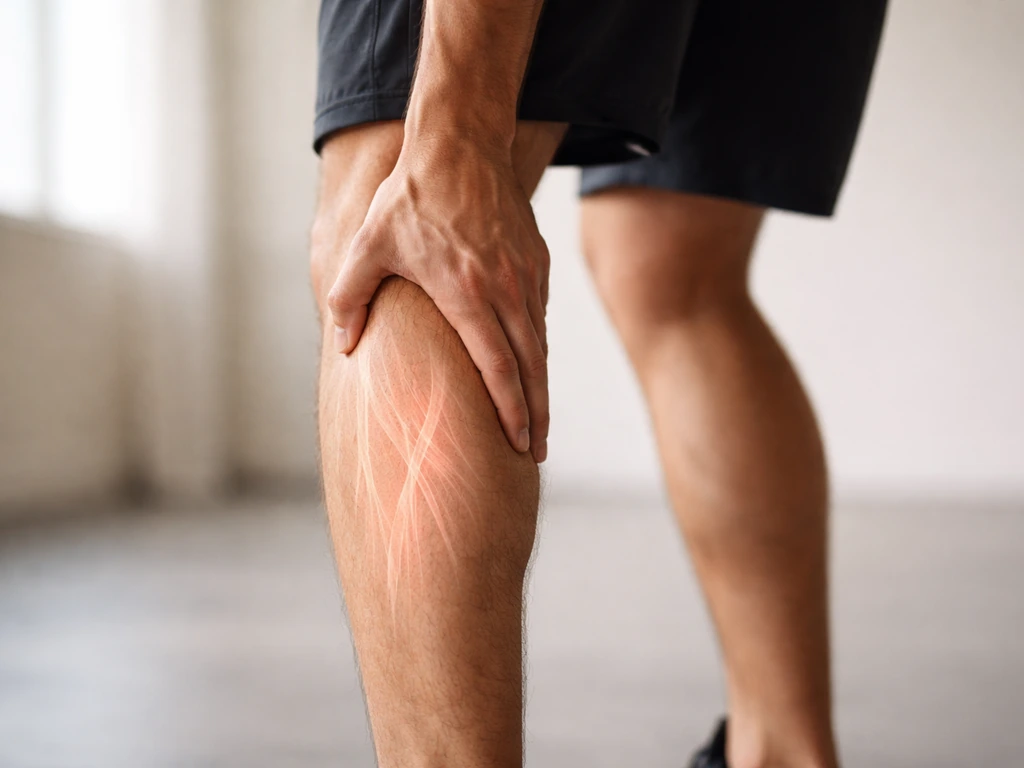
Yes, your muscles do grow when you sleep, but that's not the whole picture. Sleep is one of the most important recovery windows your body has, but it's not the only time muscle growth happens. The real answer is that muscles grow during recovery broadly, and sleep is the most powerful chunk of that recovery period. Understanding the difference between what triggers growth and what supports it will help you get a lot more out of both your training and your nights.
Do Your Muscles Grow When You Sleep? Facts and How-To

Marcus Kellerman
11 Apr 2026
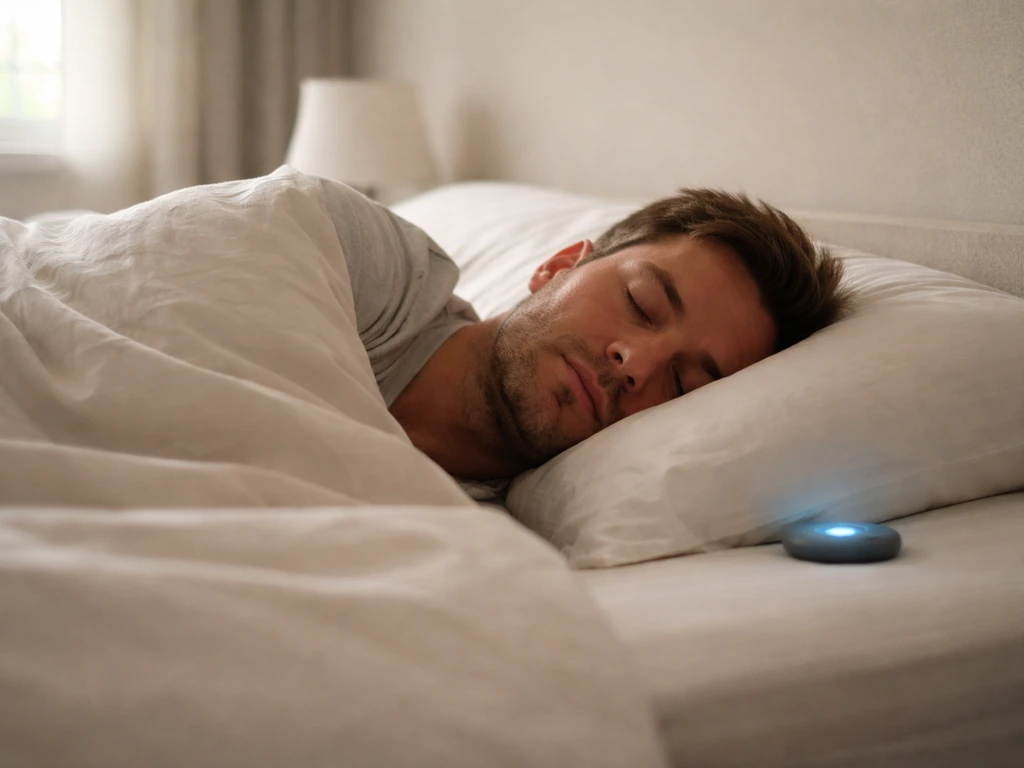
Myth check: do muscles only grow during sleep?
The idea that muscles grow exclusively during sleep is one of those half-truths that gets repeated so often it starts to feel like fact. Sleep is genuinely important, but labeling it the only time muscle growth occurs is too narrow. Muscle protein synthesis (MPS), the cellular process that builds new muscle tissue, is elevated for many hours after a resistance training session, not just while you're unconscious. Satellite cell activity, which is central to muscle repair and hypertrophy, ramps up within 6 hours of training and peaks somewhere between 72 and 96 hours post-exercise. That whole window spans multiple sleep cycles and plenty of waking hours in between.
So the myth isn't that sleep matters, it absolutely does. The myth is that sleep is the exclusive trigger or the only active site of muscle growth. If you want to understand what muscles actually need to grow, the list goes well beyond just logging enough hours in bed.
What really triggers muscle growth (training vs. recovery)
Training is the trigger. Recovery is where the adaptation happens. These two things are not interchangeable. When you lift weights, you create mechanical tension and metabolic stress that damage muscle fibers at a microscopic level. That damage signals your body to rebuild, and rebuild slightly stronger. But the rebuilding doesn't happen in the gym. It happens during the hours and days after you train.
Early post-exercise MPS is largely about repairing damaged proteins. Later MPS is more targeted toward building new contractile tissue, the stuff that actually makes you bigger and stronger. This means the recovery window after a hard session is multi-phase, and it spans well beyond a single night of sleep. Research tracking satellite cell expansion in humans shows that the response to resistance exercise continues for 24 to 72 hours, with a full response wrapping up closer to 72 to 96 hours. That's nearly four days of active biological work happening in your muscles after one training session.
This is also why muscles do need rest to grow, but that rest doesn't have to mean lying down. Your body can carry out repair processes while you're sitting at your desk, eating lunch, or going for a walk. Sleep just happens to be the most concentrated and hormone-rich stretch of that recovery window.
Why sleep helps muscle growth (hormones, repair, and nervous system recovery)
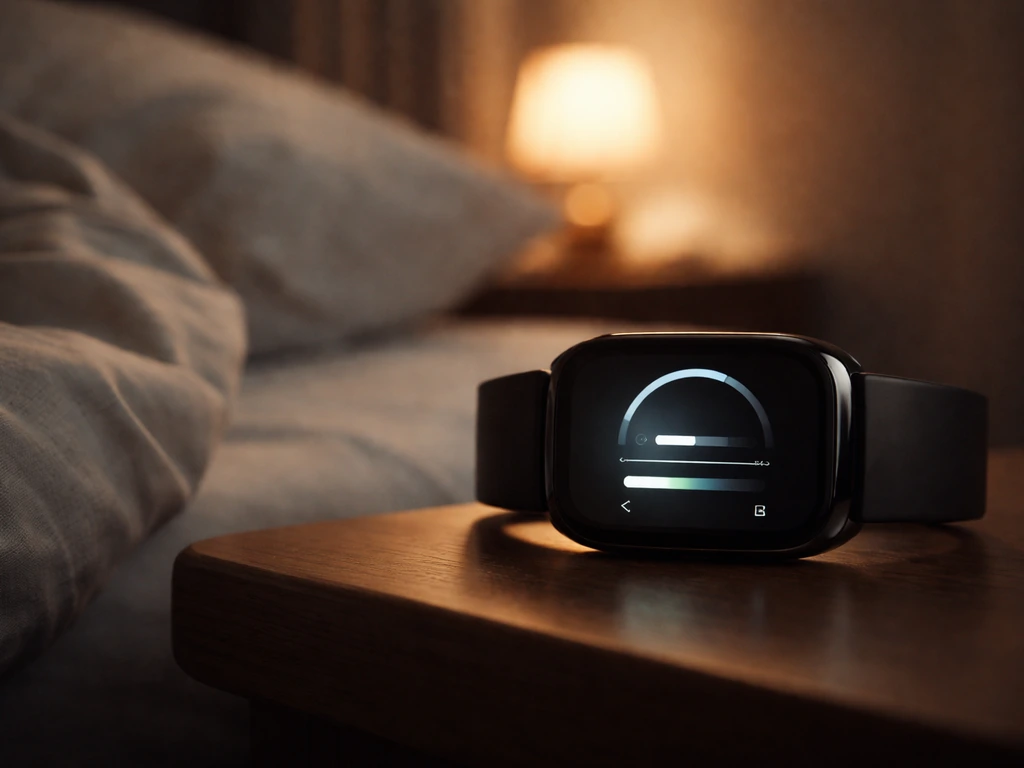
Sleep earns its reputation because of what happens hormonally while you're out. Growth hormone (GH) secretion peaks during slow-wave (deep) sleep. Testosterone, which plays a direct role in stimulating MPS and muscle adaptation, is largely produced overnight. Cortisol, the catabolic hormone that can break down muscle tissue, is typically suppressed during healthy sleep. When sleep is short or poor, that hormonal balance flips: cortisol rises, testosterone and GH drop, and the anabolic environment your muscles need is undermined.
One study measuring the effects of acute sleep deprivation found that skeletal muscle protein synthesis dropped by 18%, alongside a clear shift toward a more catabolic hormonal state. That's not a small effect, losing nearly a fifth of your MPS rate overnight is meaningful if it happens regularly. A 2024 review confirms the same pattern: sleep deprivation is associated with elevated cortisol and reduced testosterone and growth hormone, which creates exactly the wrong internal environment for building muscle.
There's also the nervous system angle. Your central nervous system takes a beating during hard training. Sleep is when the nervous system recovers most effectively, which directly impacts your ability to generate force, coordinate movement, and train hard in subsequent sessions. If your CNS is chronically underrecovered, your training quality drops, and with it, the stimulus that triggers growth in the first place. If you've been wondering whether sleep genuinely helps grow muscles, the hormonal and neurological evidence makes the answer pretty clear.
Does muscle growth happen while you're awake or without sleep?
Muscle growth processes do happen while you're awake, but they depend on having had adequate sleep to maintain a functional anabolic environment. During waking hours after training, your body is still synthesizing muscle proteins, clearing metabolic waste, and managing inflammation. Eating protein during this window actively supports those processes. The idea that everything pauses until you hit the pillow isn't accurate.
However, the question "can muscles grow without sleep?" has a pretty uncomfortable answer: not very well. Chronic sleep deprivation creates a hormonal environment that actively works against muscle building. Animal models of insomnia show disrupted muscle degradation pathways and impaired recovery from exercise-induced muscle damage. In humans, even a single night of poor sleep measurably reduces MPS rates. This connects directly to a broader question about whether muscles grow on rest days, they do, but only if the conditions for recovery are actually present.
So: growth biology is active around the clock after training, but sleep is the non-negotiable foundation that keeps that biology functioning properly. Skip it regularly and you're essentially leaving gains on the table.
Sleep basics for hypertrophy (hours, timing, quality)
The American Academy of Sleep Medicine recommends 7 or more hours of sleep per night for adults to support optimal health. For people doing regular resistance training, that 7-hour floor is a minimum, not an aspiration. More hours, up to around 9, may provide additional recovery benefit for athletes and people in hard training blocks, though sleeping consistently beyond 9 hours isn't typical or necessarily better for most adults.
Timing matters too. Going to bed and waking up at consistent times keeps your circadian rhythm stable, which regulates the hormonal pulses (especially GH and testosterone) that happen during sleep. An irregular schedule, late on weekends, early on weekdays, can disrupt that timing even if total hours are technically adequate. Population data links irregular sleep patterns and both very short and very long sleep durations with higher sarcopenia risk, which is a strong signal that consistency is as important as quantity. If you want a clear answer on how much sleep you need to grow muscle, 7 to 9 hours on a consistent schedule is the practical target.
Quality matters just as much as quantity. Light, fragmented sleep skips over the deep slow-wave stages where growth hormone secretion is highest. Good sleep hygiene, a cool, dark room, no screens in the hour before bed, limiting caffeine after early afternoon, isn't just wellness advice. For someone training hard, it's part of the recovery protocol.
Pre-sleep protein: does it actually help?
One of the more interesting developments in recovery nutrition is pre-sleep protein. Research shows that consuming roughly 20 grams of protein (whey or egg work well) before bed can meaningfully increase overnight MPS rates. A randomized controlled trial in healthy older men tested pre-sleep casein doses (including 20 g) and found overnight muscle protein synthesis rates increased versus placebo [consuming roughly 20 grams of protein (whey or egg work well) before bed can meaningfully increase overnight MPS rates](https://jn. nutrition.
org/article/S0022-3166%2822%2910632-2/fulltext). This makes practical sense: if muscle protein synthesis is active while you sleep, giving your body amino acids to work with during that window supports the process. A randomized controlled trial in older men found that pre-sleep protein ingestion increased overnight MPS rates compared with placebo.
Longer-term studies suggest that regular pre-sleep protein supplementation, when combined with a consistent resistance training program, can augment gains in muscle mass and strength over time. It's worth noting that whey protein more broadly has been shown to support neuromuscular recovery, reduce muscle damage markers, and help maintain training performance, all of which feed into the hypertrophy pipeline. The question of whether muscle actually grows overnight has a clearer answer when you look at pre-sleep protein research: yes, measurably so, especially if you're fueling that window.
One caveat: in older adults, the evidence is more mixed. At least one well-designed study in older individuals found that pre-sleep protein didn't provide additional benefit beyond the training and daytime nutrition they were already doing. This doesn't mean older adults should skip it, it means the effect may depend on whether daytime protein intake is already adequate. If you're hitting your total daily protein target, the pre-sleep dose may matter less than if your overall intake is low.
Practical "today" plan: optimize sleep, protein, and recovery
Here's what putting this all together looks like in practice. These aren't complicated changes, they're adjustments to what you're probably already doing.
- Target 7 to 9 hours of sleep per night, at consistent bed and wake times, even on weekends.
- Eat 20 to 40 g of protein in your post-training meal to support the acute phase of MPS immediately after exercise.
- Add 20 g of casein or whey protein before bed — a simple shake or Greek yogurt works — to fuel overnight muscle protein synthesis.
- Distribute total daily protein across 3 to 4 meals rather than loading it all in one sitting, since MPS responds better to spread-out dosing.
- Prioritize sleep environment: dark room, cool temperature (around 65 to 68°F), no blue light in the hour before bed.
- On training days, avoid intense exercise within 2 to 3 hours of your bedtime if it tends to delay sleep onset for you personally.
- On non-training days, don't skip protein — muscle repair continues for days after a session, and amino acid availability matters throughout.
The training-to-recovery chain looks like this: you lift, you create a stimulus, MPS is elevated for hours, satellite cells activate and peak over 72 to 96 hours, and sleep provides the hormonal environment that keeps that whole process running efficiently. Pull any leg of that stool out and the adaptation suffers. This is also why carbohydrates matter for muscle growth too, they support glycogen replenishment and blunt cortisol after training, which helps protect the recovery environment sleep is supposed to provide.
Common issues: insomnia, poor sleep schedule, and older-adult considerations
If you have insomnia or chronic poor sleep
Insomnia is more than just feeling tired. Research in animal models shows it can directly alter muscle protein degradation pathways and disrupt the internal "muscle clock", the circadian-governed signaling that coordinates repair. In practical terms: if you're not sleeping well, your recovery is compromised even if you're doing everything else right. Cognitive behavioral therapy for insomnia (CBT-I) is the first-line clinical treatment and is worth pursuing if sleep has been a consistent problem. Short-term sleep support (melatonin, magnesium glycinate) can help with sleep onset but won't fix structural insomnia on their own.
The good news, and this is real, is that resistance training itself improves sleep quality. A randomized controlled trial in older adults with sarcopenia found that 12 weeks of resistance exercise significantly increased NREM stage 3 (deep sleep) and improved objective sleep measures alongside gains in muscle strength. In other words, training harder and sleeping better can become a reinforcing cycle rather than a trade-off.
If your sleep schedule is inconsistent
Social jetlag, going to bed significantly later on weekends than weekdays, disrupts circadian hormone secretion even when total sleep hours are fine. The fix is gradual: shift your weekend bedtime earlier by 30 minutes per week until it aligns with your weekday schedule. Don't try to "catch up" on sleep with a massive weekend sleep-in. Recovery sleep can restore some hormonal function after acute sleep loss, but it's not a reliable substitute for consistency. Testosterone's role in muscle growth is well-established, and its production depends significantly on regular, adequate, circadian-aligned sleep.
Older adult considerations
Sleep architecture changes with age. Older adults spend less time in deep slow-wave sleep, which is exactly the stage most associated with GH secretion and physical recovery. This is one reason sarcopenia (age-related muscle loss) and poor sleep tend to co-occur, they feed each other. Population data shows that both short sleep duration and irregular sleep timing are associated with higher sarcopenia risk in adults over 65.
For older adults, the practical priorities are: keep resistance training consistent (it measurably improves sleep quality, as the RCT data above shows), ensure daily protein intake is higher than standard recommendations (1.2 to 1.6 g per kg of bodyweight rather than the commonly cited 0.8 g/kg), and treat sleep optimization as a legitimate part of the training program rather than a secondary concern. If you're an older adult working through these questions, the relationship between sleep and recovery is a central part of understanding what muscles need to grow at any age.
How it all fits together
| Factor | Role in muscle growth | Practical target |
|---|---|---|
| Resistance training | Creates the stimulus that triggers MPS and satellite cell activation | 2 to 5 sessions per week with progressive overload |
| Sleep duration | Supports GH/testosterone production and suppresses cortisol | 7 to 9 hours per night, consistently |
| Sleep quality | Deep slow-wave sleep drives GH secretion and nervous system recovery | Dark, cool room; consistent schedule; limit pre-bed screens |
| Post-workout protein | Fuels early-phase MPS immediately after training | 20 to 40 g within 1 to 2 hours post-exercise |
| Pre-sleep protein | Provides amino acids for overnight MPS | ~20 g casein or whey before bed |
| Total daily protein | Sustains MPS across the full 72 to 96-hour recovery window | 1.6 to 2.2 g per kg bodyweight for active adults |
| Rest days | Allow satellite cell response to complete without interference | 1 to 3 rest or light-activity days per week |
Muscle growth during sleep is real, but it's not magic that happens automatically the moment you close your eyes. Sleep creates the conditions for growth. Training creates the reason for growth. Protein provides the materials. Get all three right, and your body will use every hour, sleeping or waking, to rebuild stronger.
FAQ
If I get less than 7 hours sometimes, can my muscles still grow?
If you consistently fall short, your body can still run some rebuilding processes after training, but the anabolic hormones and recovery signaling are less favorable. Practically, prioritize getting as close as possible to a consistent 7 to 9 hour window, then compensate with better nutrition and training management (for example, avoid adding volume on low-sleep days).
If I sleep in on weekends, does it still count for muscle growth?
Yes, you can shift recovery into the next day. But the biological window for elevated muscle protein synthesis and repair extends for days, so what matters most is overall sleep sufficiency across that recovery period, not one single night. If you regularly sleep late, keep weekday bedtime and wake time as stable as you can.
Will naps help me grow muscle if my night sleep is bad?
A short nap can help alertness and may improve parts of recovery, but it usually does not replace the deep slow-wave sleep you get in a full night. If nighttime sleep is consistently poor, a nap is a band-aid, the higher-impact move is improving sleep consistency and quality first.
When should I use pre-sleep protein, and when is it unnecessary?
Pre-sleep protein is most useful when your total daily protein intake is not already high, or when you go to bed with a long gap since your last meal. A simple approach is to aim for roughly 20 g protein before bed, while still hitting your daily protein target during the rest of the day.
How do I know if pre-sleep protein will actually help me?
For people with strong day-to-day consistency, adding protein before bed tends to be less noticeable if you already distribute protein well and regularly hit your total daily target. If you suspect you are under-eating protein earlier in the day, pre-sleep protein may provide more value.
Does fragmented sleep matter as much as getting fewer hours?
If you wake up during the night often, you may lose deep sleep and increase the time spent in lighter, fragmented stages. That can reduce the recovery hormone environment even if the total hours look adequate, so tracking awakenings or using a wearable sleep stage trend can help you spot the problem.
What if I can fall asleep but can’t stay asleep, how does that affect gains?
Yes, especially if the issue is chronic insomnia, because reduced sleep quality can disrupt muscle repair signaling and make it harder to train hard. CBT-I is the first-line treatment for persistent insomnia, and addressing it can be more effective for gains than supplements that mainly help you fall asleep.
Should I train harder on days my sleep was short to make up for it?
Exercise-induced improvements in sleep quality can help recovery, but training still needs periodization. If you add hard sessions during a stretch when sleep is already poor, you may reduce training quality and prolong fatigue, which can indirectly blunt hypertrophy even if sleep later improves.
If I sleep well but my muscle growth stalls, what should I check next?
Even with good sleep, you can stall if training stimulus is not progressive or if you are under-eating overall. Use sleep to protect the recovery chain, then confirm the basics: consistent resistance training progression, sufficient total calories, and adequate protein distribution.
Is melatonin a good strategy for muscle recovery?
If you take melatonin, use it to shift timing or help onset, not as a cure for poor sleep structure. For muscle recovery, the bigger win is consistent circadian timing, enough duration, and reducing awakenings so you can spend adequate time in deeper sleep stages.
Do sleep and recovery steps differ for older adults compared to younger lifters?
Older adults often benefit from tighter sleep routines because deep slow-wave sleep tends to decrease with age. If you are over 65 and not already hitting a higher protein target, focus on daily protein first, then consider pre-sleep protein if daytime intake is borderline.