No, you do not need extra testosterone to grow, whether you're talking about growing taller or building muscle. Testosterone plays a supporting role in both, but it is not the primary driver of either. Height is mostly about genetics, growth plates, nutrition, and growth hormone signaling. Muscle growth is mostly about training stimulus, protein intake, sleep, and recovery. Muscle growth typically takes days, not overnight, because it depends on training stimulus, protein intake, sleep, and recovery does muscle grow overnight. For most people reading this, chasing testosterone is the wrong lever to pull. That said, there are real situations where low testosterone genuinely holds you back, and knowing the difference matters. Let's break it all down.
Do You Need Testosterone to Grow Taller or Muscle?
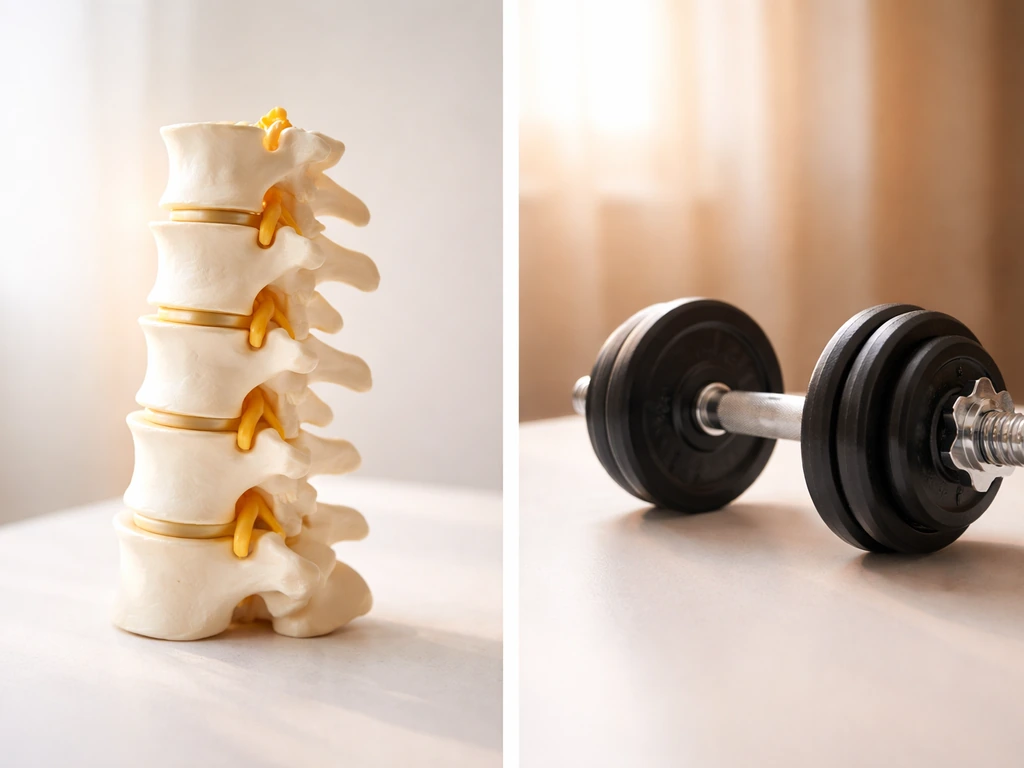
Testosterone vs. growth: what actually drives height and muscle
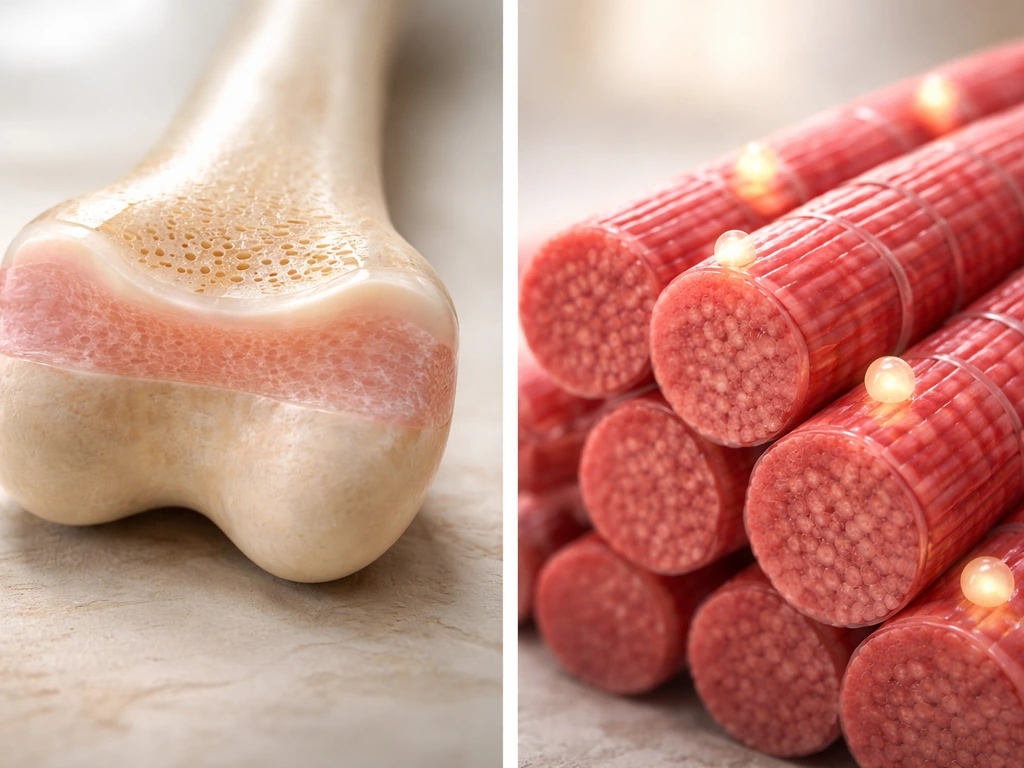
Testosterone gets treated like the master growth hormone, but the biology is more nuanced than that. For height, the real action happens at your growth plates, the epiphyseal plates at the ends of your long bones. These plates respond primarily to growth hormone and its downstream signal, IGF-1, not testosterone directly. Genetics set your ceiling. Adequate calorie intake, protein, calcium, vitamin D, and sleep let you approach that ceiling. Testosterone does boost growth hormone production during puberty and contributes to that adolescent height spurt, but here's the twist: sex steroids, particularly estrogen (which testosterone converts into via aromatization), are actually responsible for closing those growth plates. Estrogen signals the plates to fuse, ending height growth entirely. So testosterone both helps and ultimately stops your growth in height, that's its dual role.
For muscle, testosterone acts on androgen receptors in skeletal muscle and satellite cells (your muscle's repair crew). Androgen receptor activation supports muscle protein synthesis and myogenesis, the process of building new muscle tissue. Higher testosterone generally correlates with a greater capacity to add lean mass. But the key word is capacity. Training, mechanical tension, adequate protein, and recovery are what actually trigger muscle growth. But to answer whether muscles need carbs to grow, it helps to look at how training intensity and total calories drive glycogen and energy for your workouts protein intake. What do muscles need to grow, in practice? Focus on progressive training, enough protein, good sleep, and consistent recovery training, mechanical tension, adequate protein, and recovery. Testosterone sets the size of the window; your habits determine how much of it you climb through.
Do you need testosterone to grow taller? The direct answer
Once your growth plates close, no amount of testosterone will make you taller. That's not a loophole, it's just physiology. Plate closure typically happens between ages 14 and 19 in most males (slightly earlier in females), and once that window shuts, it does not reopen. Research on boys with constitutional delay of growth and puberty, kids who had low testosterone and slow growth, shows that testosterone therapy increased their short-term height velocity, which helped them grow faster during the treatment window. But multiple studies, including a long-running pediatric trial published in Pediatric Research, found that testosterone therapy had no significant effect on final adult height. The plates still close, just on a delayed schedule.
The real levers for height while your plates are still open are nutrition (enough total calories, protein, calcium, and vitamin D), quality sleep (growth hormone pulses mostly happen during deep sleep), and avoiding things that impair GH output like chronic stress or severe caloric restriction. If you're a teen and still growing, focus there. If you're an adult, the honest answer is that the height conversation is over, and the more useful question is what you can do for your body composition and strength.
When testosterone actually matters for muscle growth

Here's where I want to be precise, because the nuance matters. Testosterone does support muscle growth mechanistically. Androgen receptors in skeletal muscle are upregulated by androgen treatment, and research in the Journal of Clinical Endocrinology and Metabolism confirms that testosterone increases androgen receptor density in both muscle fibers and satellite cells, the stem cells that repair and grow muscle tissue. Supraphysiological testosterone (well above normal range) increases lean mass in controlled trials, including in men recovering from ACL reconstruction. And testosterone replacement therapy (TRT) consistently increases lean body mass in men with confirmed hypogonadism, according to meta-analyses of placebo-controlled trials.
But, and this is critical, there's a meaningful gap between 'testosterone contributes to muscle growth' and 'you need more testosterone to build muscle.' If your levels are normal (roughly 300 to 1,000 ng/dL for adult men, per Endocrine Society guidance), adding more testosterone won't produce proportional gains. You're not limited by testosterone at that point. You're limited by your training, your protein intake, your sleep, and your consistency. One RCT in opioid-treated men with clinically low testosterone found TRT increased lean body mass over 24 weeks, but did not improve muscle function outcomes like strength or gait performance compared to placebo. Lean mass and actual muscle performance are not the same thing. Training builds the functional muscle. Testosterone creates a better hormonal environment for it.
So what does 'needing' testosterone really mean? It means if you have clinically confirmed low testosterone, true hypogonadism, addressing it can meaningfully improve your ability to respond to training and recover. It's not that you can't build any muscle with low testosterone; plenty of people do. It's that your floor is lower and your progress is slower than it should be, and fixing the deficiency removes a real physiological handicap.
Signs of low testosterone in men and when to get labs
Low testosterone isn't always obvious, but there's a recognizable cluster of symptoms. If several of these apply to you, especially if you're an adult male and they've persisted for months, it's worth getting a blood test rather than guessing.
- Persistent low energy or fatigue that isn't explained by poor sleep or overtraining
- Significantly reduced libido
- Difficulty building or maintaining muscle despite consistent training and adequate protein
- Increased body fat, especially around the abdomen, even with a reasonable diet
- Low mood, irritability, or difficulty concentrating
- Reduced strength and exercise tolerance
- Morning erections less frequent or absent
- Reduced body or facial hair over time
Having one or two of these symptoms doesn't mean you're hypogonadal. But if you have several alongside flat or regressing progress in the gym, it's time to stop guessing and get actual data. The Endocrine Society, the European Association of Urology, and the American Urological Association all agree: you cannot diagnose hypogonadism on symptoms alone. You need biochemical confirmation. That means at least two early-morning fasting blood draws (between 7 and 10 AM, when testosterone peaks) showing consistently low total testosterone, plus compatible symptoms. The threshold for 'low' varies by lab, but below 300 ng/dL is the commonly cited lower boundary for adult men. If your first test comes back borderline or low, the guidelines are clear: repeat it before drawing any conclusions, because testosterone varies meaningfully day to day.
How to maximize muscle growth without chasing hormones

For the vast majority of people, the gap between their current muscle growth and their potential has nothing to do with testosterone. It's a training, nutrition, and recovery problem, and those are all things you can fix right now without a prescription. This is where I'd focus your energy first, regardless of age.
Sleep is your biggest natural testosterone and GH optimizer
Most of your growth hormone release happens during deep sleep, and testosterone production is closely tied to sleep quality and duration. Research consistently shows that sleeping less than 6 hours per night suppresses testosterone measurably. Aim for 7 to 9 hours. This is not optional if muscle growth and hormonal health are your goals. Good sleep is a big part of muscle-building, so the better you recover overnight, the better you can train and grow how much sleep do i need to grow muscle. The relationship between sleep and muscle repair is covered in more depth in related guides on this site covering how your muscles grow when you sleep and whether sleep helps grow muscles, but the bottom line is that poor sleep is one of the fastest ways to undermine both your hormones and your gains. Better sleep also directly supports muscle repair and growth processes throughout the night how your muscles grow when you sleep.
Nutrition: calories, protein, and the micronutrients that matter
Chronic caloric restriction suppresses testosterone. If you're consistently eating too little, your body downregulates hormone production as a conservation strategy. You don't need to be in a huge surplus to build muscle, but you can't be in a prolonged significant deficit and expect optimal hormonal output. For muscle growth specifically, protein is the non-negotiable: target 0.7 to 1 gram per pound of bodyweight daily. Zinc and vitamin D are the two micronutrients most directly tied to testosterone production, deficiencies in either can drag your levels down. Dietary fat also matters; very low-fat diets are associated with lower testosterone, since cholesterol is the precursor to steroid hormone synthesis.
Resistance training is the most potent natural testosterone signal
Heavy compound movements, squats, deadlifts, rows, presses, acutely elevate testosterone and growth hormone in the hours after training. Consistently training with progressive overload (adding weight, reps, or volume over time) is the single most powerful thing you can do to optimize your anabolic hormone environment naturally. Don't skip rest days either; muscle doesn't grow during the session, it grows during recovery. If you're wondering about whether you need extra recovery time, do muscles need rest to grow can help connect recovery to the gains you're aiming for. On rest days, your muscles recover and adapt to the training stimulus, which is when growth is supported. The guides on this site covering rest days and muscle recovery explain this in detail, but the core principle is simple: give the signal, then give your body the time and nutrients to act on it.
Body composition itself affects testosterone
Excess body fat, particularly visceral fat, increases aromatase activity, the enzyme that converts testosterone to estrogen. Reducing body fat through training and nutrition is one of the most reliable ways to naturally improve your testosterone-to-estrogen ratio. You don't need to be lean to have healthy testosterone, but carrying a significant amount of excess fat actively works against you hormonally.
Treatment options for truly low testosterone (and what to know before starting)
If you've done the lifestyle work, you have confirmed symptoms, and two separate morning blood tests come back with unequivocally low testosterone, then talking to a doctor about testosterone replacement therapy is a reasonable next step. TRT is a legitimate medical treatment for hypogonadism, it's not the same as taking anabolic steroids for performance enhancement. The goal is to restore levels to the normal physiological range, not to push them above it.
Common delivery methods include intramuscular injections (typically every 1 to 2 weeks), topical gels applied daily, and transdermal patches. Each has tradeoffs in terms of convenience, level stability, and side effect profile, that's a conversation to have with your prescribing physician based on your specific situation.
The safety considerations are real and should not be glossed over. Before starting TRT, guidelines from the Endocrine Society and the AUA call for a full evaluation including prostate-specific antigen (PSA) testing and a baseline hematocrit. Testosterone therapy is not recommended for men who are planning fertility in the near term, because exogenous testosterone suppresses the body's own LH and FSH signals that drive sperm production. Once on TRT, monitoring is ongoing: hematocrit should be checked at baseline, again at 3 to 6 months, and then annually if stable. If hematocrit exceeds 54%, the therapy needs to be adjusted or paused. PSA is monitored at 3 to 6 months after starting and periodically afterward. These aren't bureaucratic hurdles, they exist because testosterone therapy does carry real cardiovascular and prostate risks if used inappropriately or without monitoring. TRAVERSE was a large, placebo-controlled trial designed to evaluate cardiovascular outcomes of testosterone replacement therapy in hypogonadal men at increased cardiovascular risk real cardiovascular and prostate risks.
The Endocrine Society is explicit that testosterone therapy for general aging, low energy, or vague vitality concerns, without confirmed hypogonadism, can be harmful and is not indicated. Don't go looking for a clinic that will prescribe it without the proper workup. And don't try to self-administer. The clinical framework exists to protect you.
Age differences and what to realistically expect
Your age changes the conversation considerably. Here's how the picture looks across different life stages, with honest timelines attached.
| Life Stage | Testosterone's Role | Height Growth Possible? | Muscle Growth Potential | Realistic Timeline for Changes |
|---|---|---|---|---|
| Teens (13–18) | Rising through puberty; drives secondary sex characteristics and height velocity | Yes, if growth plates are still open | High — peak sensitivity to training stimulus | Visible muscle changes in 8–12 weeks of consistent training |
| Young adults (19–30) | Near peak levels; gradually declining after ~25 | No — plates have closed | High — optimal hormonal environment if lifestyle is solid | Noticeable muscle gains in 3–6 months; significant in 1–2 years |
| Adults (31–50) | Gradual decline of roughly 1–2% per year from ~30 onward | No | Moderate to high — decline is slow; lifestyle factors matter more than the decline | Similar to young adults with good training and nutrition; may take slightly longer |
| Older adults (50+) | More significant decline; hypogonadism risk increases | No | Still meaningful — research confirms older adults build muscle with resistance training | 3–6 months for clear strength gains; lean mass changes over 6–12 months |
For teens, the priority is fueling growth with enough calories and protein, training consistently, and sleeping well. Testosterone supplementation in adolescents is a medical decision made carefully, research on boys with constitutional delay shows it can accelerate growth velocity but doesn't change final adult height, and it must be supervised to avoid prematurely closing growth plates.
For adults in their 30s and 40s, the natural testosterone decline is real but slow, and it's rarely the limiting factor for someone who is training consistently, eating well, and sleeping enough. Most people in this group have far more to gain from optimizing those basics than from worrying about their hormone panel.
For men over 50, the decline is more pronounced, and true hypogonadism becomes more common. If you're an older adult and you're struggling to build or maintain muscle despite doing everything right, training hard, eating enough protein, sleeping well, getting your testosterone checked is a reasonable and worthwhile step. TRT in older men with confirmed low testosterone does consistently increase lean mass in clinical trials. It's not a shortcut, but it can remove a real obstacle. The key phrase remains: confirmed low testosterone, not just aging.
The bottom line across all age groups: testosterone is a contributing factor to muscle growth and plays a specific role in adolescent height development, but it is not the ceiling for what your body can do. Your training consistency, your protein intake, your sleep quality, and your overall lifestyle are the levers that most people need to pull first, and for most people, pulling those levers well will produce the results they're looking for without ever needing to think about hormone therapy.
FAQ
Do I need testosterone supplements to grow muscle if my levels are normal?
If you have normal testosterone, you do not need extra testosterone to gain muscle. Adding testosterone only helps when bloodwork shows clinically low levels (hypogonadism), because then TRT can restore your ability to respond to training, sleep, and nutrition. For everyone else, the limiting factors are usually training progression, protein intake, and recovery.
Can testosterone help me grow taller if I’m already done growing?
Testosterone therapy cannot reopen closed growth plates, so it will not make you taller after epiphyseal fusion. The exception is when it is used in carefully selected teens with confirmed issues that delay puberty or growth, where it can increase short-term height velocity, but it still does not change eventual adult height outcomes.
How many testosterone blood tests do I need before deciding it’s “low”?
A single blood test is not enough because testosterone varies by time of day and day to day. Guidelines typically recommend at least two early-morning fasting tests (often 7 to 10 AM) plus symptoms before diagnosing low testosterone or considering treatment.
If I have low energy and worse gym performance, does that prove my testosterone is low?
Symptoms like low libido, fatigue, or reduced gym progress are not specific to testosterone, and they can come from sleep problems, caloric restriction, depression, overtraining, thyroid issues, or high stress. The practical next step is to check testosterone along with related labs (your clinician will decide which), rather than self-diagnosing based on symptoms alone.
What’s the goal of TRT, higher testosterone for more gains or normalizing it?
TRT is meant to restore levels to the normal physiologic range, not to maximize results by pushing above-normal levels. Trying to exceed normal ranges increases the chance of side effects and can worsen health risks without necessarily improving strength or muscle function.
If my testosterone is low, can I still build muscle naturally?
Not necessarily. You can gain lean mass with low testosterone, but progress may be slower and recovery may be impaired. The key decision aid is whether you have true hypogonadism on confirmed labs, plus compatible symptoms and persistent poor progress despite solid training and nutrition.
Will fixing my sleep raise testosterone enough to affect muscle gains?
Yes, sleep can shift testosterone measurably, and it can also change your training quality. If you are getting under about 6 hours per night, improving sleep is often a higher-leverage first move than pursuing hormone changes, because it supports recovery, growth hormone signaling, and hormonal rhythms.
Could my calorie deficit be the real reason my testosterone seems low?
Eating too little chronically can suppress testosterone and also reduce training output. A common mistake is cutting calories aggressively while expecting normal anabolic hormones. For many people, stabilizing intake and prioritizing protein first improves both hormones and performance.
Is TRT compatible with trying to have children soon?
If you’re planning fertility in the near term, TRT is usually not recommended because exogenous testosterone can suppress LH and FSH, which are important for sperm production. If fertility matters, discuss alternatives with a clinician before starting any testosterone-based therapy.
What monitoring should I expect if I start testosterone therapy?
TRT requires structured monitoring, baseline evaluation, and follow-ups. Common safety checks include hematocrit and PSA, and the plan may include dose adjustments if hematocrit rises (for example, above 54% prompting a change). Skipping monitoring is a frequent mistake that increases risk.
Which TRT method is best, injections, gels, or patches?
Testosterone injections, gels, and patches differ in how stable levels are and how convenient they are, which affects side effects and symptom control for some people. The best choice depends on your schedule, skin sensitivity (for topical options), blood level stability, and your clinician’s assessment.
What should I do first, lifestyle changes or getting a testosterone panel?
If you’re experiencing significant changes in height, energy, or strength, and you suspect a hormone issue, the best order is: verify habits (sleep, protein, training load), then get properly timed bloodwork. A clinic decision should follow confirmed results, not just assumptions from symptoms or age.