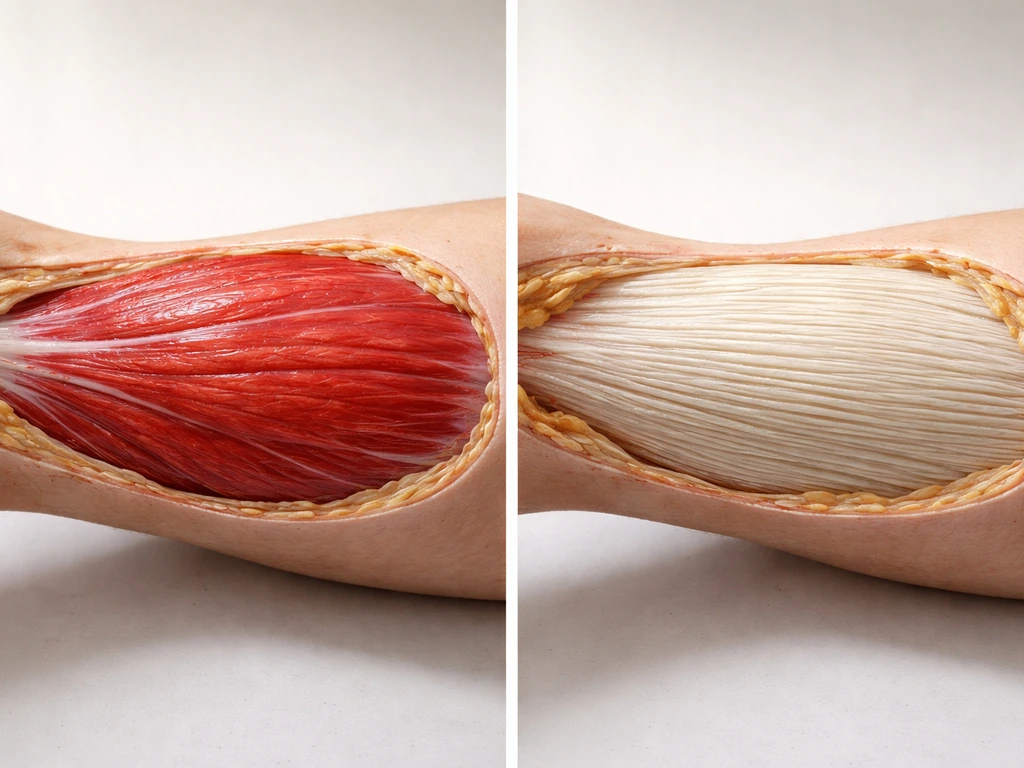
The best way to grow muscle is to apply progressive overload through consistent resistance training, eat enough protein and calories to support growth, and recover properly between sessions. That's the core answer. Everything else, exercise selection, supplement choices, meal timing, is just filling in the details of that framework. This guide walks you through all of it, so you can stop guessing and start building.
Best Ways to Grow Muscle: Training, Nutrition, and Recovery Guide

Marcus Kellerman
4 Apr 2026
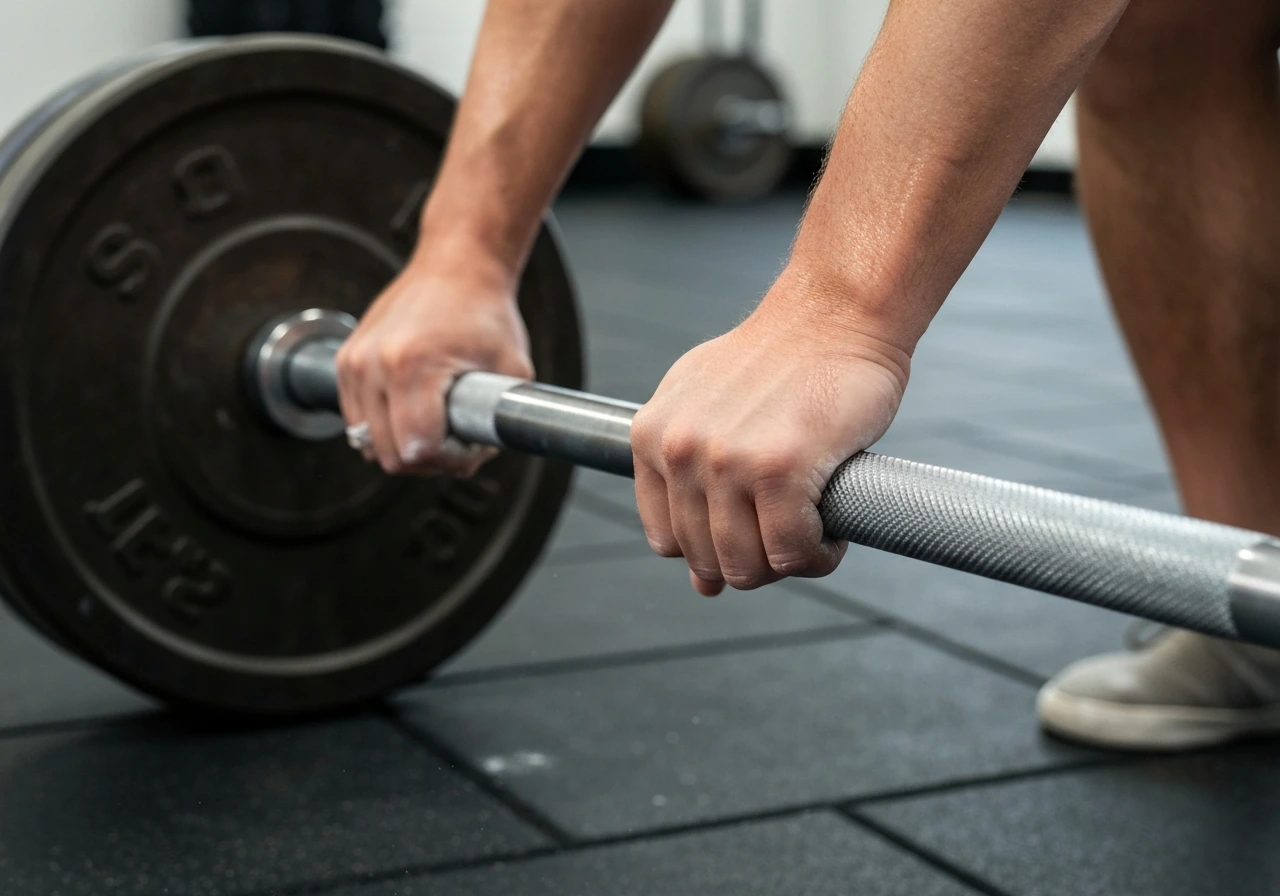
How muscle growth actually works
Muscle grows when you give it a reason to. Specifically, skeletal muscle tissue adapts to stress by repairing and adding contractile proteins (mainly actin and myosin), which makes the fibers thicker over time. This process is called hypertrophy, and it's driven by three main mechanisms: mechanical tension (the force your muscles handle under load), metabolic stress (the burn and cellular fatigue that builds up during a set), and muscle damage (the micro-tears that trigger a repair response). You don't need all three cranked to maximum on every set, but your training needs to produce enough of these stimuli consistently to keep the adaptation signal turned on.
One myth worth busting right away: soreness does not equal growth. Soreness is mostly a sign of novelty or high muscle damage, not a reliable marker of whether your training is effective. You can have a perfect hypertrophy session and feel almost nothing the next day. What matters is that you're creating enough mechanical tension and effort over time, and then recovering well enough to let growth happen. The signal and the recovery are both required.
Training for size: what you actually need to do
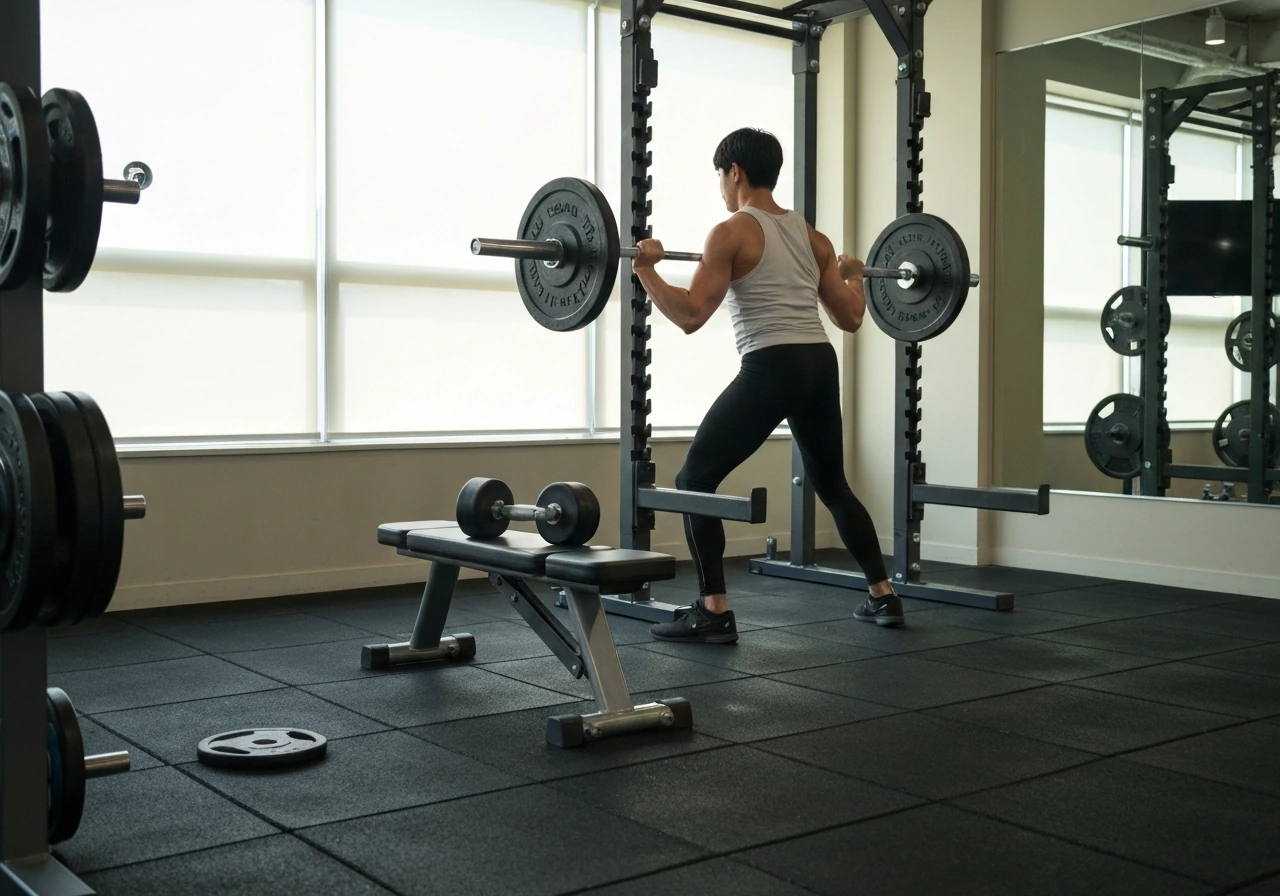
Exercise selection
For maximum hypertrophy, you want a mix of compound and isolation movements. Compound lifts, squats, deadlifts, bench press, rows, overhead press, pull-ups, let you load large muscle groups heavily and train multiple muscles at once. Isolation exercises like curls, lateral raises, and leg extensions fill in the gaps for muscles that don't get enough direct work from compounds alone. A good program uses compounds as the backbone and isolations as targeted accessories. You don't need an enormous exercise library. Mastering 8 to 12 good movements done consistently beats constantly rotating through 30 exercises.
Full range of motion matters more than most people realize. Taking a muscle through its full stretch under load, think a deep squat or a dumbbell fly with a real stretch at the bottom, appears to produce more hypertrophy than partial-range training. It also keeps joints healthier long-term. If your form requires cutting range short to handle the weight, drop the weight.
Frequency, volume, and intensity

Training each muscle group 2 times per week is the sweet spot supported by research for most people. Once a week can work, especially for beginners, but twice a week generally produces better results by spreading the growth stimulus more evenly. Three times per week is fine for some muscle groups and some schedules, but recovery starts to limit gains if you push too high without managing volume carefully.
Volume, the total number of hard sets you do per muscle group per week, is one of the most important training variables for size. Research shows a clear dose-response relationship: fewer than 5 sets per muscle per week produces around 5.4% size gains, 5 to 9 sets yields roughly 6.6%, and 10 or more sets per week pushes that to about 9.8%. For most people, landing in the 10 to 20 sets per week range per muscle group is the practical target, scaled to your training age. Beginners build well on the lower end; intermediate and advanced lifters generally need more.
Intensity in the context of hypertrophy is about effort, not just load. Working within 1 to 4 reps of failure on most sets is the key. You don't have to train to absolute failure every set, in fact, stopping 1 to 2 reps short (called reps in reserve) tends to produce similar or better results with less recovery cost. The rep range itself is flexible: anywhere from 5 to 30 reps can build muscle if you're working hard enough. Practically speaking, a range of 6 to 20 reps covers most of your training efficiently.
Rest between sets should be at least 2 minutes for compound movements and 60 to 90 seconds for isolation work. Cutting rest too short reduces performance on subsequent sets and lowers total volume, which hurts growth. The old idea that short rest maximizes the "anabolic" hormonal spike from training has not held up, total volume and effort matter far more.
How to keep progressing and avoid stalling
Progressive overload is the engine behind all long-term muscle growth. Your body adapts to whatever stress you give it, so to keep growing you have to keep increasing the challenge. The most straightforward way to do this is to add weight to the bar when you can do so while maintaining good form. A simple rule: when you can complete the top of your rep range (say, 12 reps) cleanly across all sets, add a small amount of weight next session. For upper body exercises, 2.5 to 5 lbs is a typical increment. For lower body, 5 to 10 lbs.
When you can't add weight, you can progress by adding reps, adding a set, slowing the eccentric (lowering) phase, or reducing rest time. The point is to make the training slightly harder over time in some measurable way. Building muscle strength and building muscle size are closely linked, getting stronger in a hypertrophy rep range is one of the clearest signs your training is working.
Plateaus happen to everyone. Before assuming you need a completely new program, check the basics: Are you actually close to failure on your sets? Is your sleep and nutrition dialed in? Have you been consistent for at least 8 to 12 weeks? Most plateaus are effort or recovery problems, not program problems. That said, introducing new stimuli to shock your muscles, like changing grip, adding a new variation, or adjusting rep ranges, can help when a muscle group genuinely stops responding after months of the same approach.
Deloads are planned periods of reduced volume or intensity, typically every 6 to 12 weeks depending on how hard you're training. A deload week might mean cutting sets by 40 to 50% while keeping movement patterns similar. They help clear accumulated fatigue, reduce injury risk, and often result in a noticeable strength rebound the following week. Think of them as part of the plan, not a break from it.
Eating for muscle: calories, protein, and timing
Calories and overall intake

To build meaningful muscle mass, you generally need to be eating at or slightly above your maintenance calorie level. A modest surplus of 200 to 400 calories per day is enough for most people to support muscle protein synthesis without gaining excessive body fat. Beginners and people returning after a long break can often build muscle and lose fat simultaneously ("body recomposition") even at maintenance calories, because their bodies are highly responsive to the training stimulus. As you advance, a deliberate surplus becomes more important.
Protein: the non-negotiable
Protein is the most important dietary variable for muscle growth. The evidence-based target is 0.7 to 1 gram of protein per pound of body weight per day (roughly 1.6 to 2.2 grams per kilogram). For a 180-pound person, that's 126 to 180 grams daily. Going higher than that doesn't appear to cause harm, but it also doesn't add more muscle. Spreading protein across 3 to 5 meals throughout the day optimizes muscle protein synthesis better than cramming it all into one or two meals. Each meal should ideally contain 30 to 50 grams of protein to maximally stimulate a synthesis response.
Carbohydrates and meal timing
Carbohydrates matter for muscle growth because they fuel your training sessions and help with recovery. Low-carb diets can work, but they often compromise training performance, which limits the overload you can apply. Most people training for size do best with moderate to high carb intake, with a good portion of those carbs placed around training: some before for energy, some after for glycogen replenishment. The post-workout "anabolic window" is real but much wider than the old 30-minute rule suggested, getting protein and carbs within 1 to 2 hours of training is plenty.
Supplements worth your money (and what to skip)
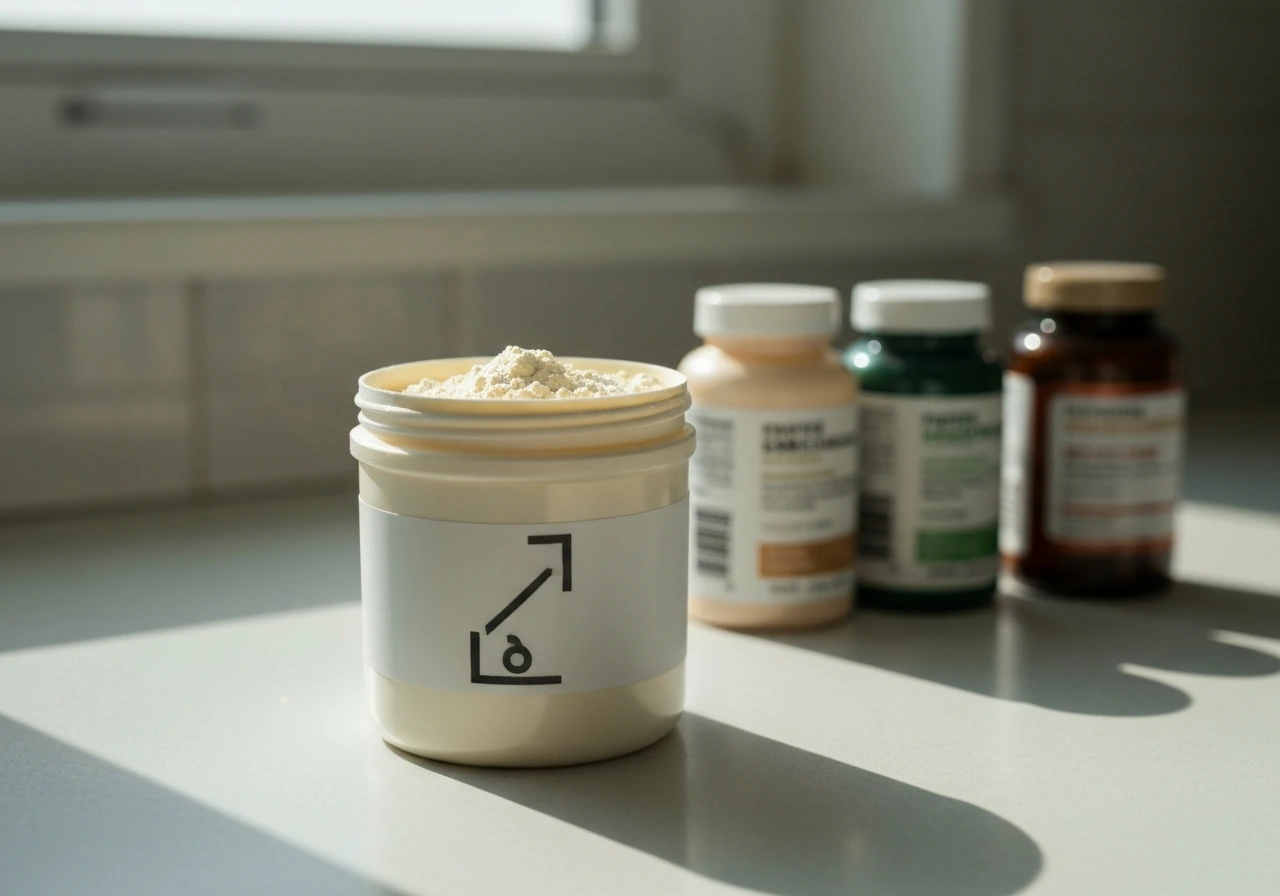
Most supplements are not worth the cost. A short list of ones that actually have solid evidence behind them:
- Creatine monohydrate: the most well-researched performance supplement available. Taking 3 to 5 grams daily increases phosphocreatine availability in muscle, which supports more reps at higher weights—directly supporting overload and volume. It also has a small direct effect on muscle cell hydration and protein synthesis. No loading phase is required; just take it daily.
- Protein powder (whey, casein, or plant-based): not magical, but useful as a practical way to hit daily protein targets. Whey in particular is fast-digesting and rich in leucine, which strongly triggers muscle protein synthesis.
- Caffeine: improves training performance, strength output, and endurance when taken 30 to 60 minutes pre-workout. 3 to 6 mg per kg of body weight is the effective dose. It's not a muscle-builder directly—it helps you train harder, which builds muscle.
- Vitamin D and omega-3 fatty acids: not primary muscle-builders, but both support the hormonal and inflammatory environment that makes muscle growth possible. Many people are deficient in vitamin D, which negatively affects testosterone and recovery.
What to skip: BCAAs if you're already hitting your protein targets (they add nothing), proprietary "pre-workout blends" with underdosed actives and marketing hype, testosterone boosters with no meaningful human evidence, and HMB at the doses found in most commercial products. Growing muscle naturally through training and food first is always the right foundation, supplements are a small edge at best, not a substitute for consistency.
Recovery: the part most people underestimate
Muscle doesn't grow during training. It grows during recovery. Training is the stimulus; recovery is where the adaptation actually happens. Sleep is the single most important recovery variable. During deep sleep, growth hormone secretion peaks and muscle protein synthesis runs at full capacity. Consistently getting 7 to 9 hours per night isn't optional if you're serious about building muscle. Research consistently shows that sleep restriction reduces muscle protein synthesis, impairs performance, and increases cortisol, which actively works against muscle growth.
Chronic stress is another often-overlooked factor. Elevated cortisol from psychological stress, poor sleep, or chronic overtraining suppresses testosterone and growth hormone while increasing muscle protein breakdown. This doesn't mean you need to eliminate all stress from your life, but it does mean that someone training hard while running on 5 hours of sleep and high anxiety will grow significantly slower than their biology would otherwise allow. Managing stress isn't soft advice; it's physiology.
Injury prevention deserves attention too. The single biggest limiter of long-term muscle growth is time out of the gym. Warming up properly, progressing load conservatively, prioritizing form over ego, and not ignoring nagging pain all pay dividends over years of training. Forcing muscles to grow through maximum effort is smart; forcing them through pain and injury is not.
Real timelines: when will you actually see results?
Here's an honest breakdown of what to expect. The numbers below reflect averages for natural lifters training consistently with good nutrition:
| Timeframe | What typically happens | Who sees this |
|---|---|---|
| Weeks 1 to 4 | Strength improves noticeably due to neural adaptations; visible size changes are minimal | Everyone, especially beginners |
| Months 1 to 3 | Measurable muscle size changes begin; 1 to 2 lbs of lean mass per month is realistic for beginners | Beginners and those returning after a break |
| Months 3 to 6 | Visible changes in muscle definition and size; clothes fit differently; 0.5 to 1.5 lbs/month for intermediates | Intermediate trainees |
| Year 1 total | 6 to 15 lbs of lean mass for men; 3 to 8 lbs for women under optimal conditions | Consistent, well-nourished trainees |
| Years 2 and beyond | Gains slow significantly; 2 to 5 lbs of new muscle per year is excellent for advanced lifters | Advanced natural lifters |
These timelines assume you're training hard, eating enough protein, sleeping well, and being consistent. The numbers slow down for women not because women can't build impressive muscle, but because lower baseline testosterone levels mean the rate of growth is more gradual. Women who want specific guidance on how their physiology shapes this process should look into how muscle growth works for women, the principles are the same, but the context matters.
How to track progress without obsessing
Scale weight alone is a poor progress metric because it fluctuates with water, food, and glycogen. Instead, use a combination of tools. Track your lifts in a training log, consistent strength gains in the 6 to 20 rep range are one of the clearest indicators of muscle growth. Take monthly circumference measurements at key sites: upper arm, chest, thigh, and waist. Progress photos taken in consistent lighting and posture every 4 to 6 weeks are often more informative than any number. Body weight trends matter over 2 to 4 week averages, not day-to-day.
Does your setup matter? Home vs. gym, and other variables
The principles of hypertrophy apply regardless of where you train. If you have access to a commercial gym, you have more tools to vary stimulus, load precisely, and target lagging muscle groups. But meaningful progress is absolutely achievable with minimal equipment. Growing muscle at home with bodyweight movements, resistance bands, or a basic dumbbell set works well, especially for beginners and intermediates, as long as the core principles of progressive overload, sufficient volume, and adequate recovery are respected.
One thing that does matter is variety over the very long term. Introducing novel stimuli to your training after months of adaptation, not every week, but periodically, can help break through plateaus and keep training engaging. This might mean changing your rep ranges for a training block, adding a new exercise variation, or switching from a push/pull/legs split to an upper/lower structure for a few months. The body adapts to what you repeatedly do; occasionally changing that pattern keeps adaptation moving.
Your next steps, starting today
You don't need to overhaul everything at once. If you're new to structured training, the highest-leverage move is to pick a simple 3 to 4 day program built around compound movements, commit to it for 12 weeks, and hit your daily protein target. That alone will produce more change than any supplement, gadget, or optimization strategy. If you're already training but stuck, audit your volume (are you hitting 10+ sets per muscle group per week?), your effort (are you actually close to failure?), your sleep (are you consistently getting 7+ hours?), and your protein intake (are you hitting 0.7 to 1g per pound?). Most stalls trace back to one of those four variables.
- Set a daily protein target based on your body weight (0.7 to 1g per lb) and hit it consistently
- Choose a structured program with compound lifts 3 to 4 days per week, training each muscle group twice weekly
- Track your sets and reps; apply progressive overload by adding weight or reps each session when you're ready
- Prioritize sleep—set a consistent bedtime and aim for 7 to 9 hours every night
- Add creatine monohydrate (3 to 5g daily) if you want the one supplement with the strongest evidence base
- Take progress photos and measurements every 4 weeks; don't rely on the scale alone
- Plan a deload week after every 8 to 10 weeks of hard training
- Be patient—real muscle takes months and years, not days and weeks
FAQ
What should I do if I miss a workout or can’t train one of my scheduled days?
Aim for steady training across the week so each muscle gets its programmed sets, you can still grow if you miss one session. If you miss a workout, don’t “make up” with extra sets that same day, instead resume the plan and keep weekly volume and effort within your usual range. If you miss multiple days, reduce next-week volume slightly to avoid stacking fatigue.
How do I know if I’m progressing when I change exercises or my training plan frequently?
It’s better to use a consistent technique and move patterns, then adjust load and effort. For example, you can raise reps or add a set if you cannot increase weight, but keep the working range, tempo, and proximity to failure similar so you can interpret progress. Randomly changing too many variables makes it harder to know whether you are truly progressing.
Should I always train to failure to grow muscle?
Yes, but only to a point. Using failure occasionally for certain sets can help, especially with isolation work, but doing it on most sets for most sessions increases fatigue and can reduce total hard sets. A practical approach is to work 0 to 2 reps in reserve on most sets, and reserve true failure for the last set of an exercise once or twice per week.
What if my reps start to look sloppy before I reach the rep goal?
If your form breaks, you are not getting the hypertrophy stimulus you think you are. A good rule is to stop the set when you lose controlled range of motion or technique, even if you still have “reps left.” This still counts as hard effort, and it protects your ability to accumulate quality sets week after week.
Can I grow muscle while cutting calories, or do I need a surplus?
Not necessarily. You can grow with lower body fat or a small deficit if your protein is high and training effort is solid, but the tradeoff is slower muscle gain and sometimes more joint soreness because recovery is harder. If you are rapidly losing weight, consider keeping calories closer to maintenance or using a smaller deficit to preserve performance.
If I only eat two or three meals a day, can I still hit the protein strategy for muscle growth?
Your protein target stays relevant, and you can “spread” it across meals even if you eat fewer times. If you prefer 2 meals, you can raise the protein per meal, but expect a slightly less efficient response than 3 to 5 meals. Also, ensure each meal has enough total protein content to stimulate synthesis, typically by keeping meals substantial.
Why isn’t my scale weight moving, but I feel like my workouts are progressing?
Measure weekly averages, not single weigh-ins. Water and glycogen shifts can mask real progress, so use a 2 to 4 week trend for body weight and track strength, reps, and measurements. If strength is rising while weight is stable, you may be recompositioning or gaining muscle with minimal scale change.
How many carbs do I need, and when should I eat them for best muscle growth?
Carbs help mostly by improving training performance and recovery, not by directly turning on muscle growth by themselves. Put carbs around hard sessions if your training quality drops otherwise, and if you struggle with digestion, move the timing earlier and choose easier-to-tolerate carb sources. The goal is consistent performance so you can execute progressive overload.
My progress stalled, what should I check first before buying supplements?
If you gain strength but your measurements and performance stall, the issue is often effort or recovery rather than the supplement. Common fixes are increasing weekly hard sets slightly, ensuring you are within 1 to 4 reps of failure, improving sleep, and checking whether protein and calories are actually consistent. Creatine can be added if you want, but it usually won’t rescue an otherwise weak training or nutrition setup.
Does meal timing really matter if I hit my daily protein and calories?
You can, but don’t expect an “anabolic” meal to replace your training stimulus. Even with optimal meal timing, you still need enough total protein, sufficient weekly volume, and progressive overload. A practical approach is to hit protein targets daily and make your post-workout meal just another chance to meet those numbers within a reasonable time window.
I’m a beginner, how fast should I increase training volume to grow muscle?
Yes, but start conservative and keep volume and recovery manageable. Many people do better with fewer sets at first, then add volume over 8 to 12 weeks as work capacity improves. If you ramp up too fast, soreness and poor sleep can rise, reducing performance and slowing muscle growth.
How should I respond to nagging pain versus normal workout soreness?
If you notice persistent joint pain, sharp pain, or pain that worsens session to session, stop using that movement pattern as currently done. Adjust range of motion, swap to a similar exercise, reduce load, and see whether pain improves within a week. “No pain, no gain” is a bad strategy, because time away from training is often the biggest growth killer.
What’s the best way to handle a lagging muscle group?
If a muscle group is lagging, use two changes at once: increase the specific hard sets for that area and ensure you are actually reaching the hypertrophy effort level on that exercise. A common starting point is to add 2 to 4 weekly sets for the lagging muscle while keeping total weekly sets for other muscles from ballooning. Track strength and reps on the lagging movement to confirm the change is working.
What are the best metrics to tell if my muscle growth plan is working?
A simple way is to compare performance across blocks, not just across days. For example, if your reps at a given load are trending up in your 6 to 20 rep range, or your working sets are getting easier at the same load, that often means the hypertrophy stimulus is increasing. When reps are stuck at the same RIR for weeks, consider adjusting volume, rest, or exercise variation.